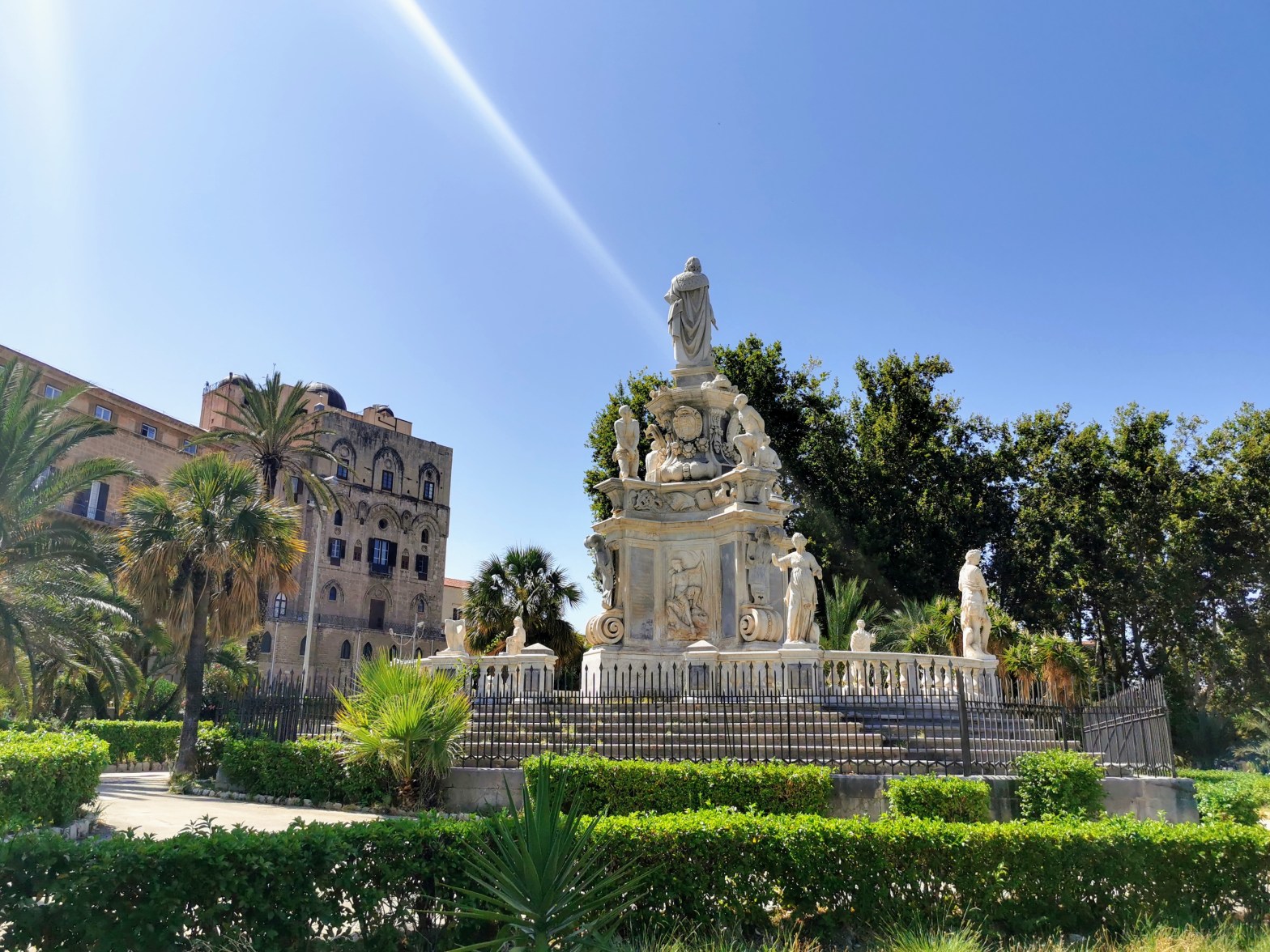
Palermo part 1 – Positivity pays off

We don’t get off to a great start in Sicily’s capital, Palermo. Our taxi driver can’t get his card machine to work so he hauls the husband off to find an ATM. Our hotel, the Porta Felice, is down a tatty backstreet and the welcome from the front desk is underwhelming. It’s as hot as Hades, sweat dripping down our backs. It’s all a bit of a downer after happy days in Mondello.
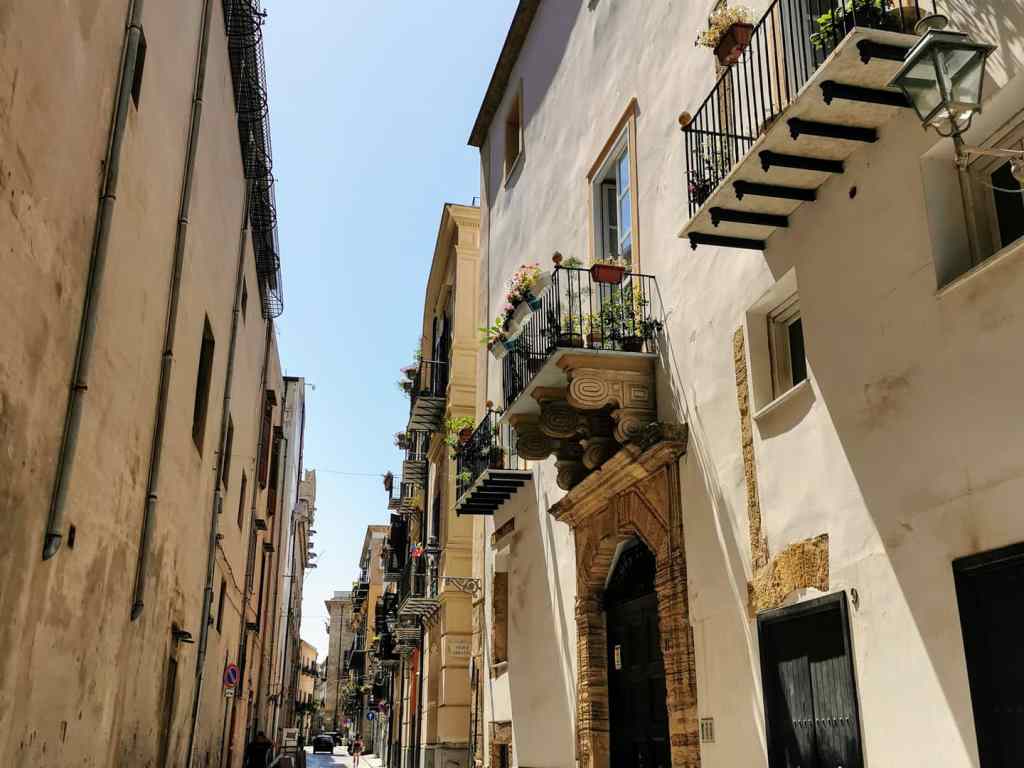
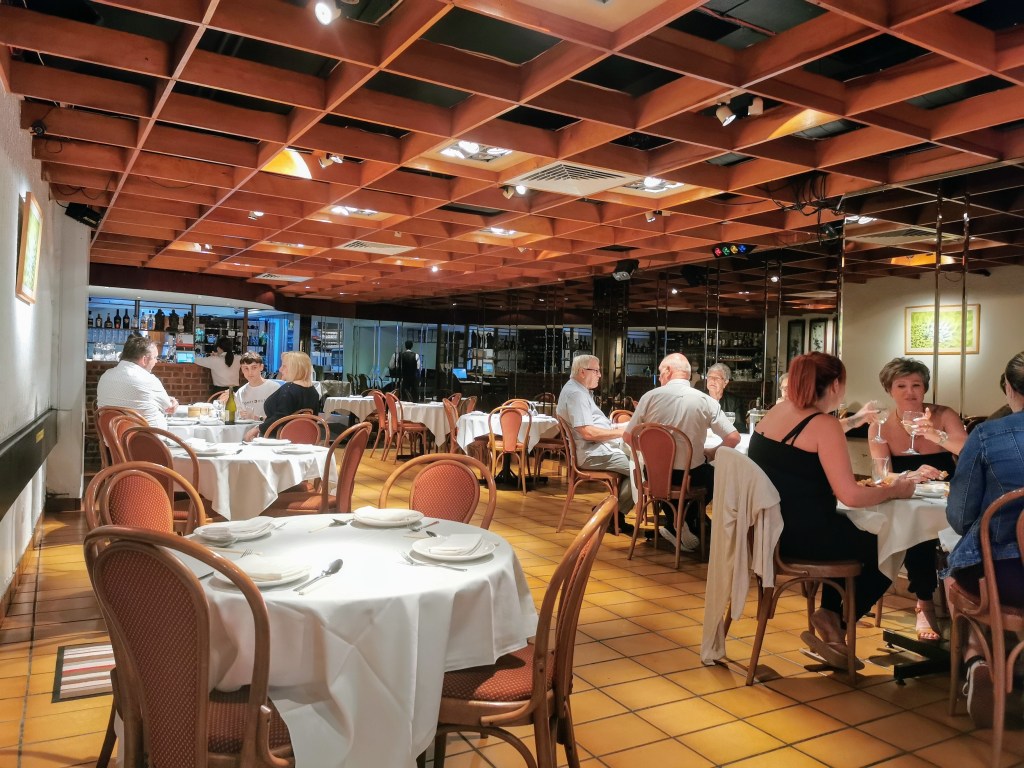
We venture out into the airless streets of La Kalsa, the old Arab quarter of the city. There’s no-one around, it’s like being the only survivors of a nuclear disaster. We decide to stop for lunch in a local restaurant and order the specialty of a grilled seafood platter, but our enjoyment of some really tasty fish is spoiled by a table of local guys shouting at each other and playing bad music on their phones. Oh dear, this isn’t going well at all.
I blame Rick Stein. We both love his Long Weekend programmes, particularly the cheesy theme song – Hey Rick, where are we going this weekend? Palermo! He makes places look great, especially if you love food as much as we do. But the reality, as we explore the neglected streets of the Old Town, is not living up to expectations.
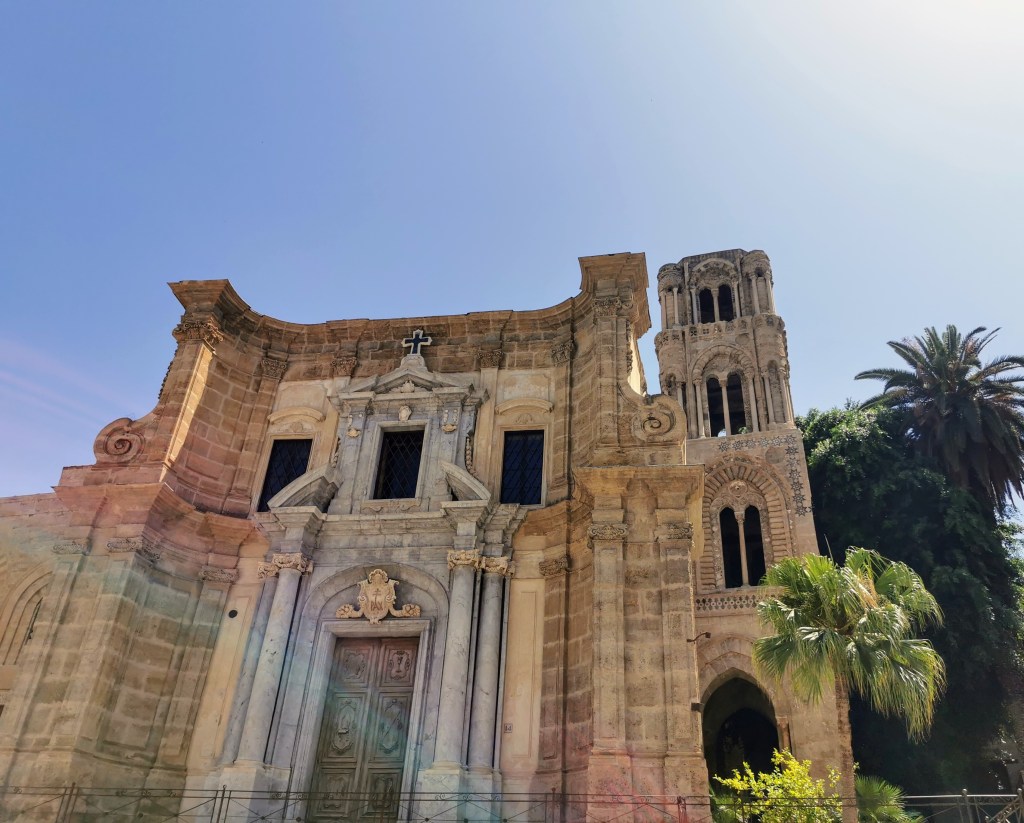
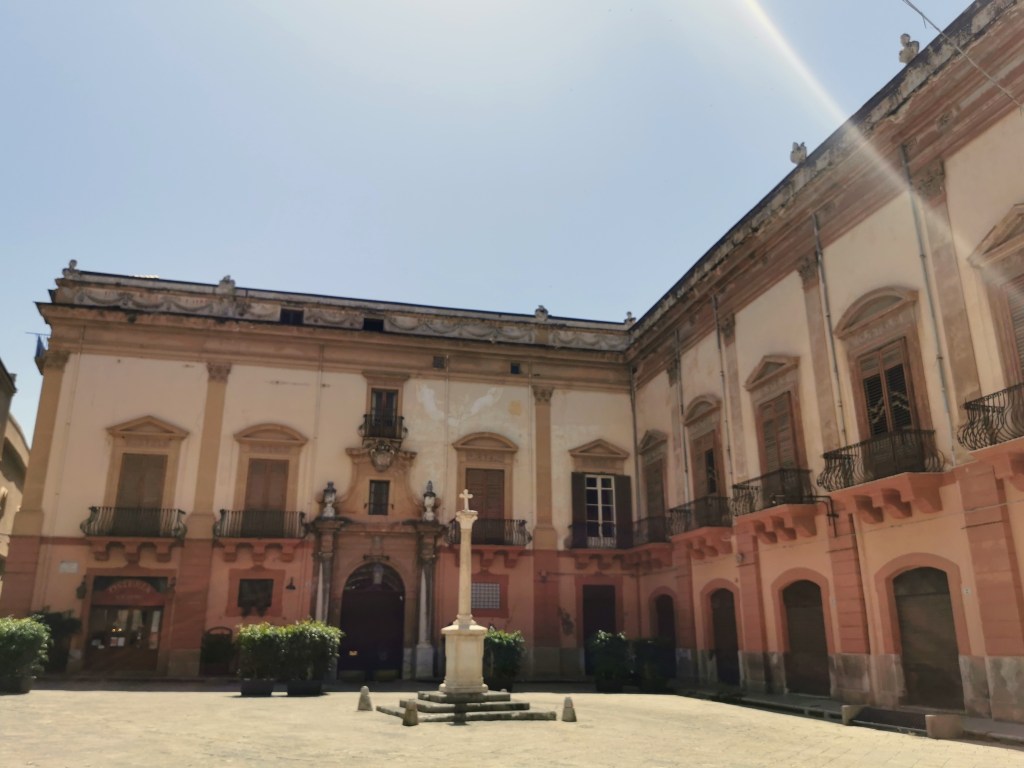
There are some beautiful buildings arranged around paved piazzas, but none of the street life we’re used to finding around Europe. Try as we might, we can’t find a nice shady bar in a square to do some serious people watching. There just aren’t many bodies around full stop. Perhaps everyone is at the beach in Mondello? In the harsh light of day, Palermo feels uncared for, empty and sad.
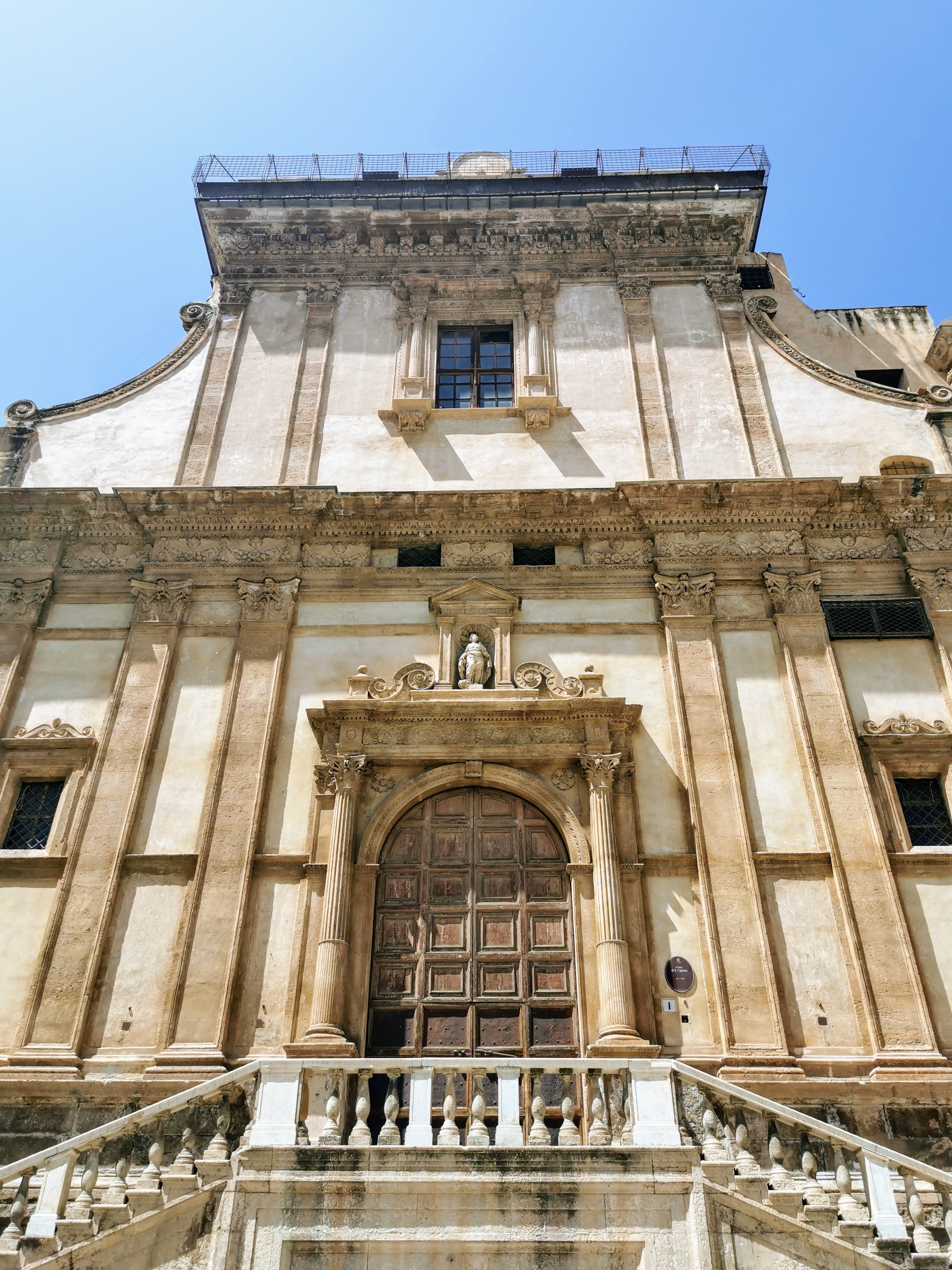
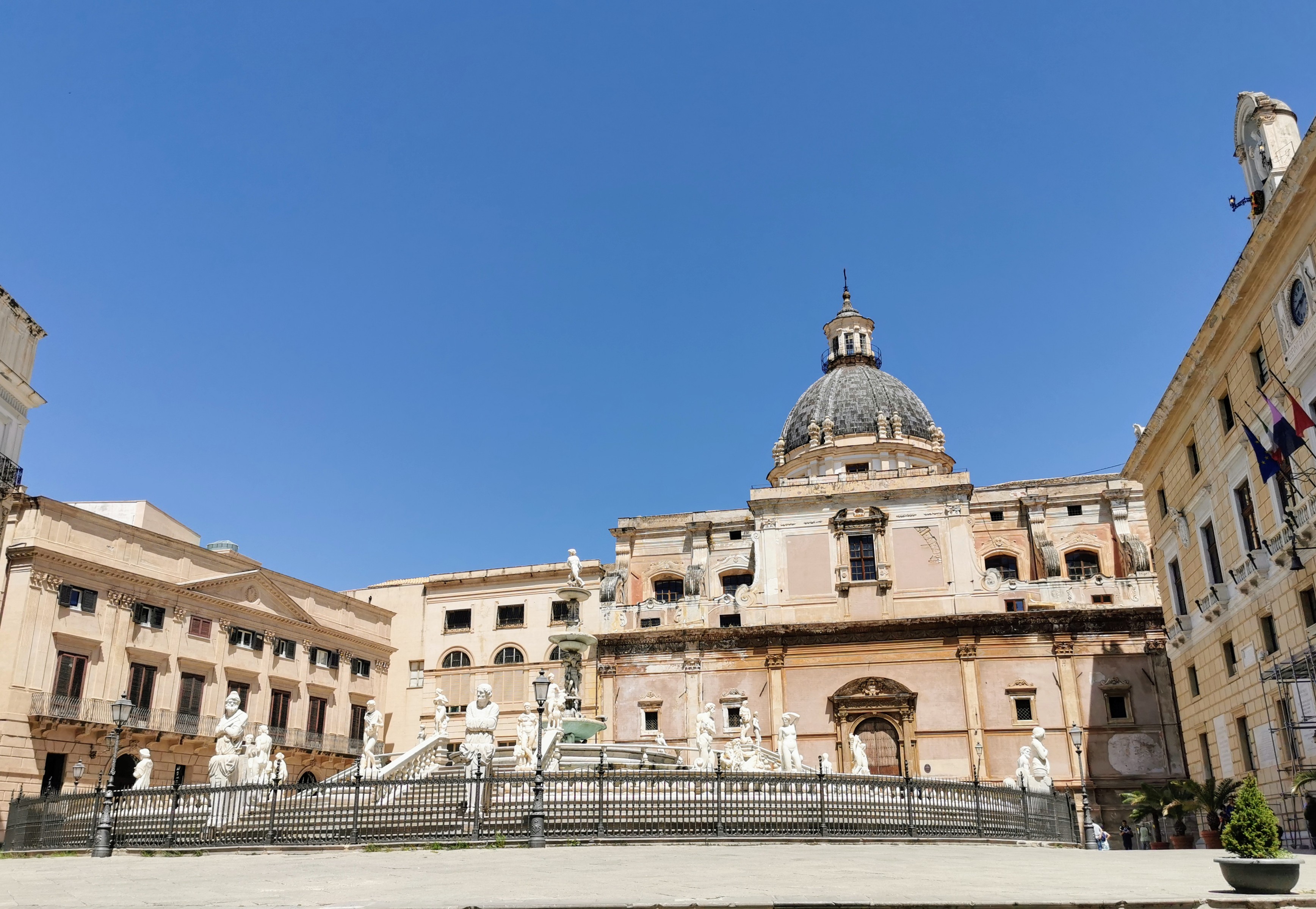
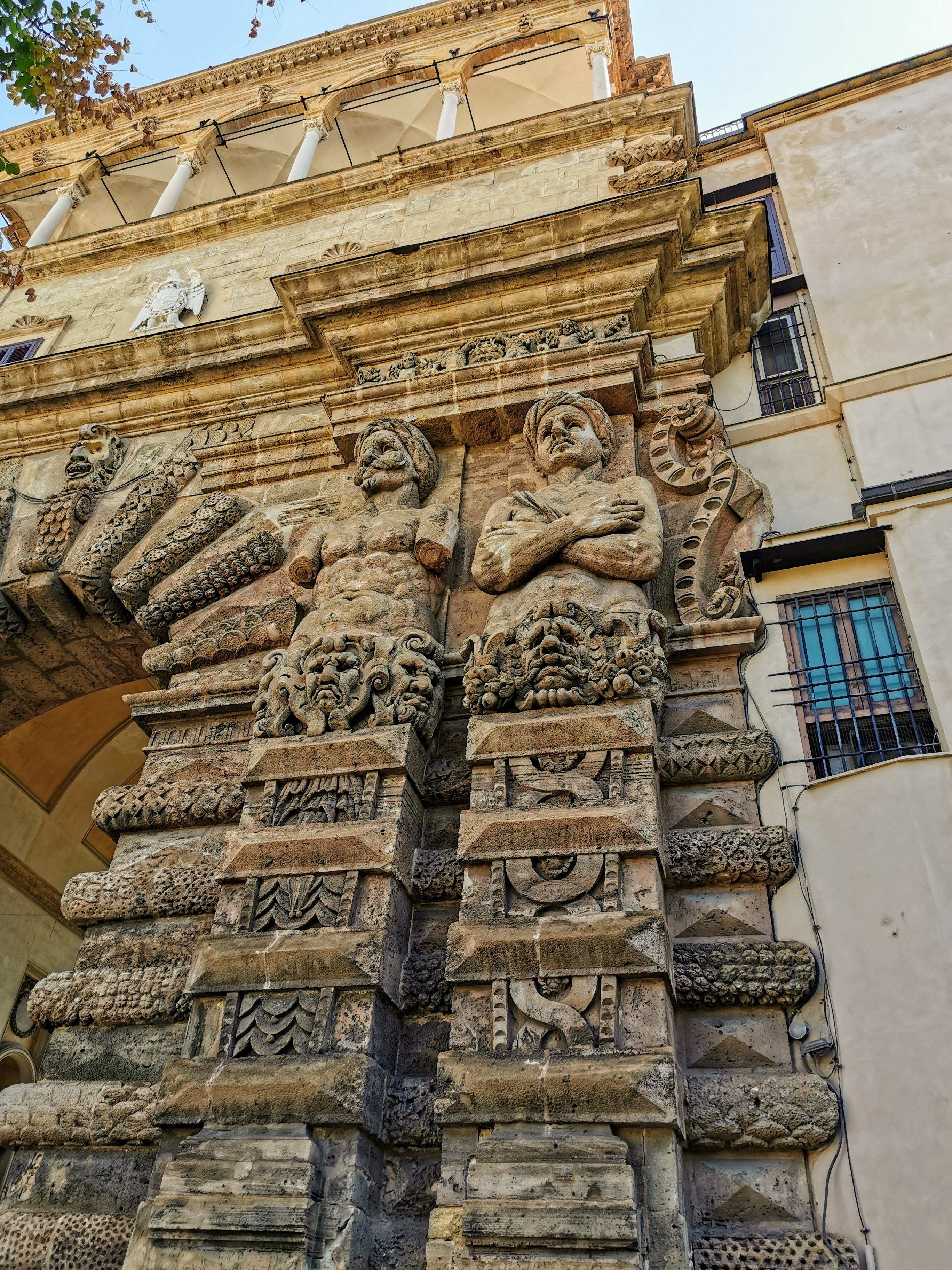
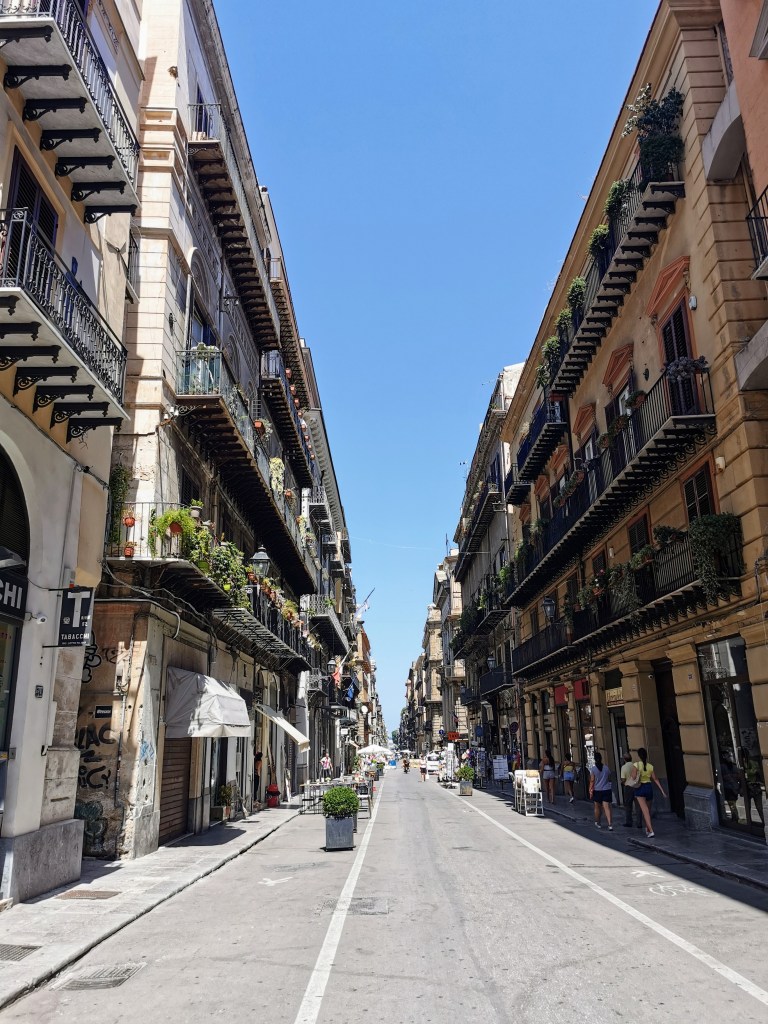
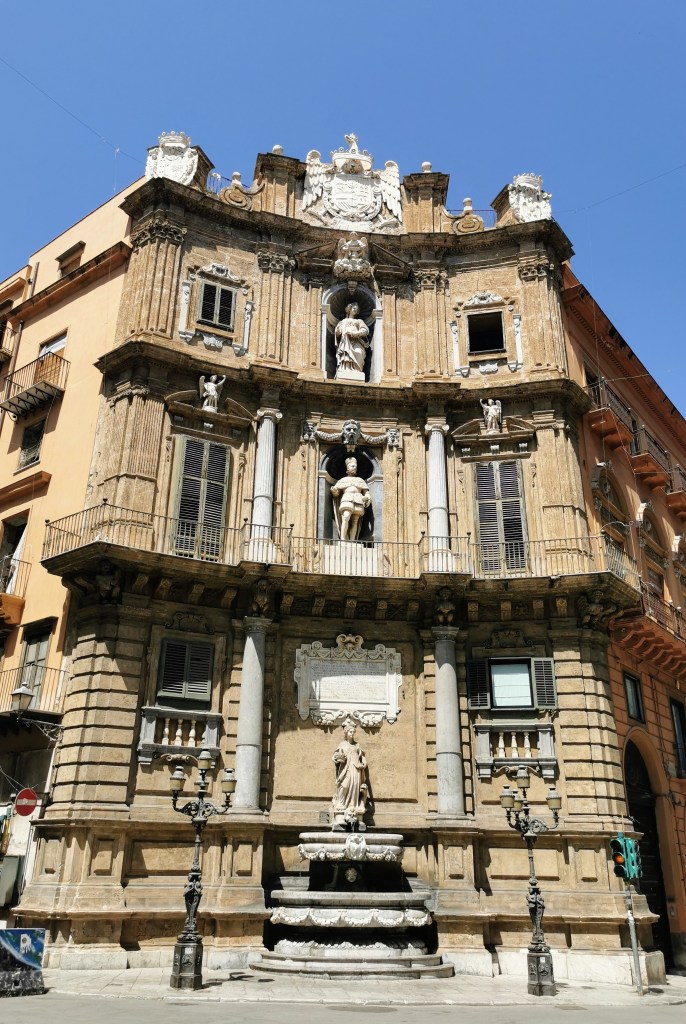
We pass forlorn Piazza Pretoria with its famously scandalous statues to the Quattro Canti – the heart of the city, where the four main districts meet at a lavishly decorated intersection. Heading west on Via Vittorio Emanuele, one of the main thoroughfares in town, the absence of tourists is palpable. I suppose this is the new normal for cities around the world, but it has taken me by surprise. I haven’t visited London since lockdown eased, otherwise I might have been more prepared.
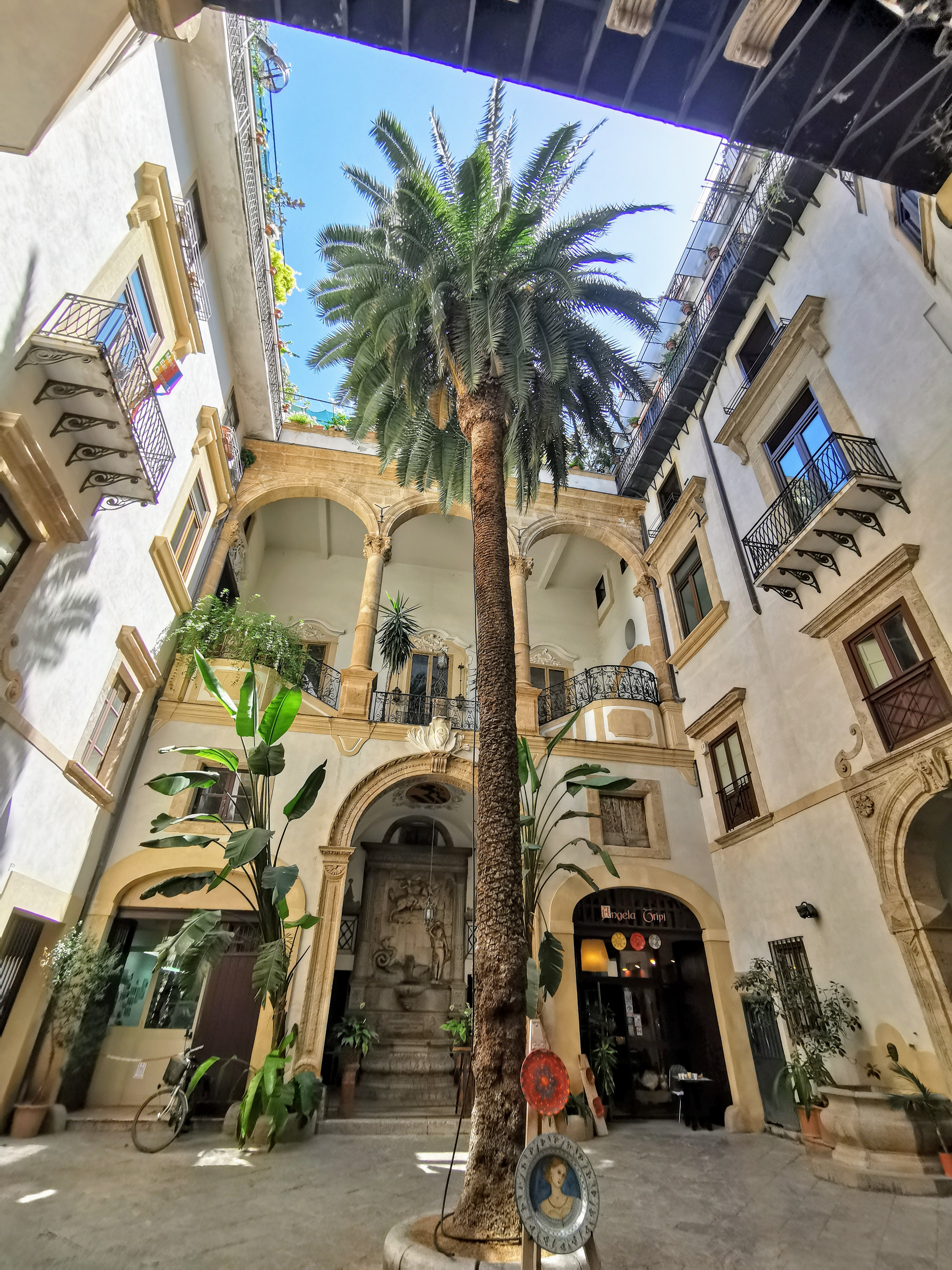
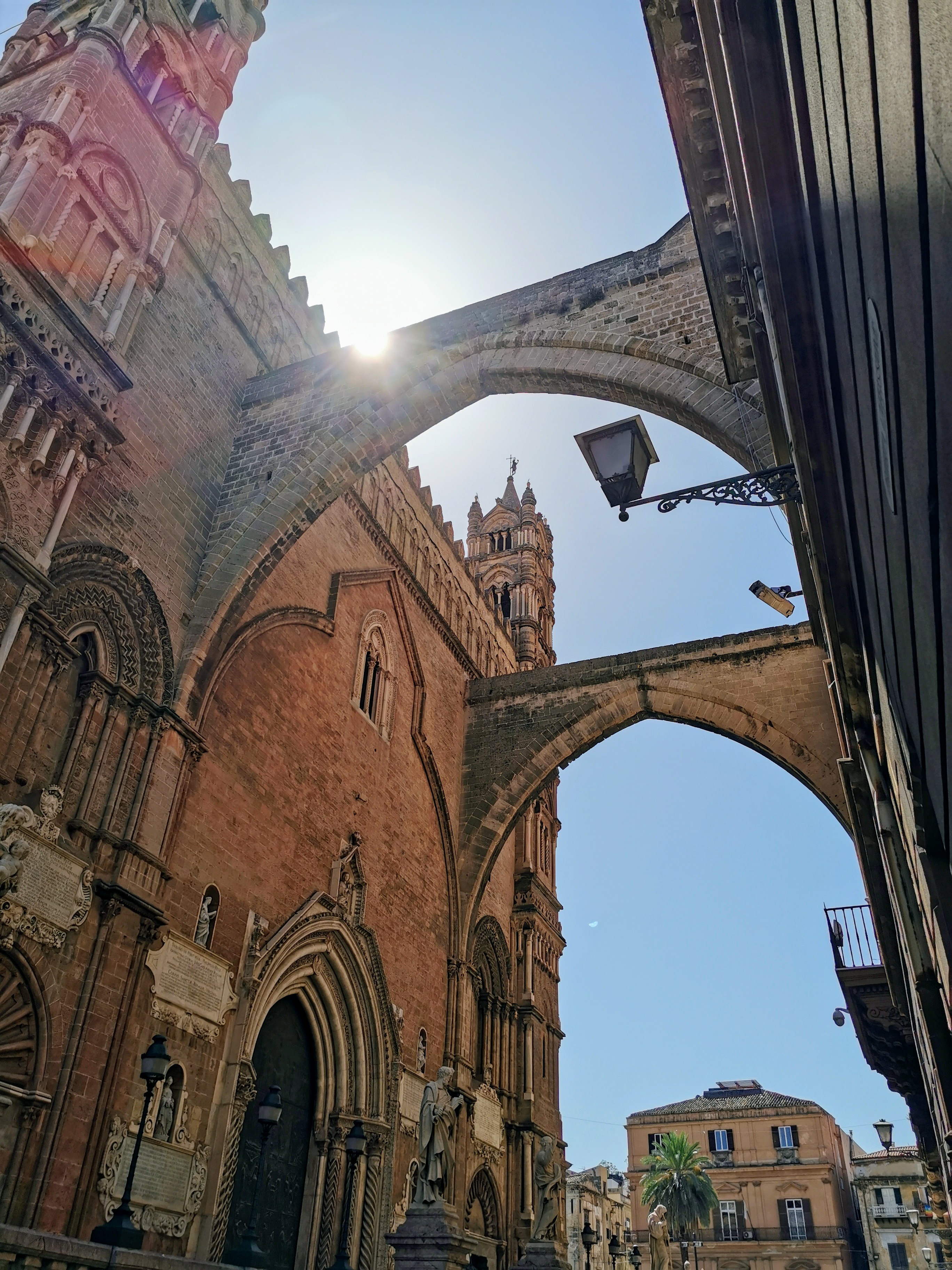
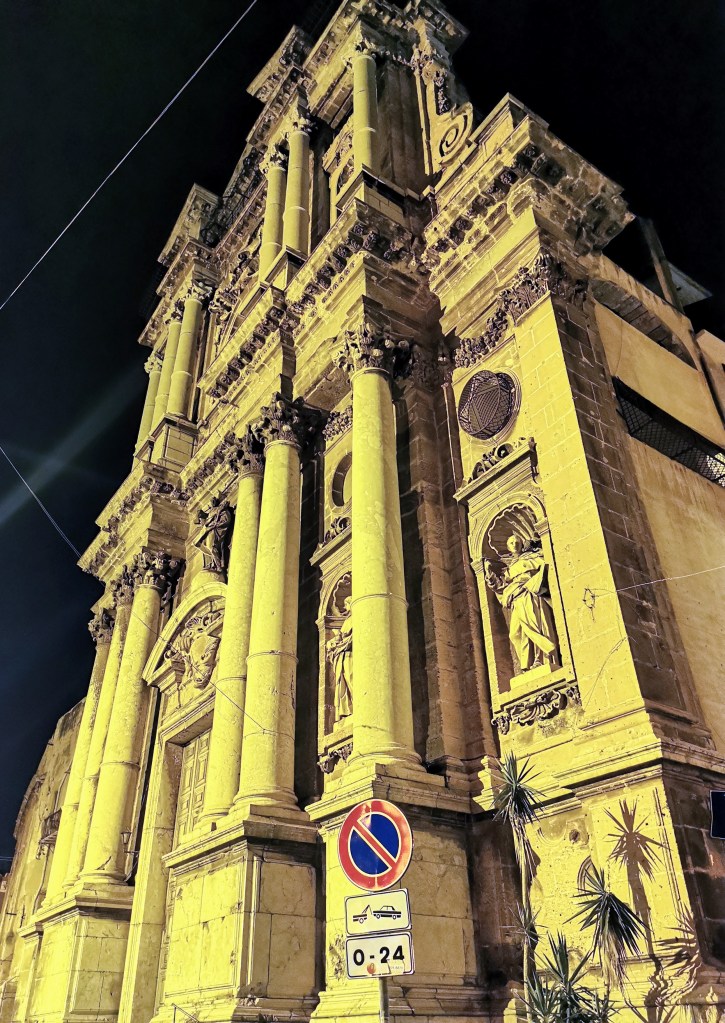
Palermo’s cathedral is spectacular, and presumably usually besieged by visitors. We have the luxury of a private viewing. Originally built in 1185, but much renovated since then, this amazing building has been both church and mosque over the centuries and the different influences are plain to see.
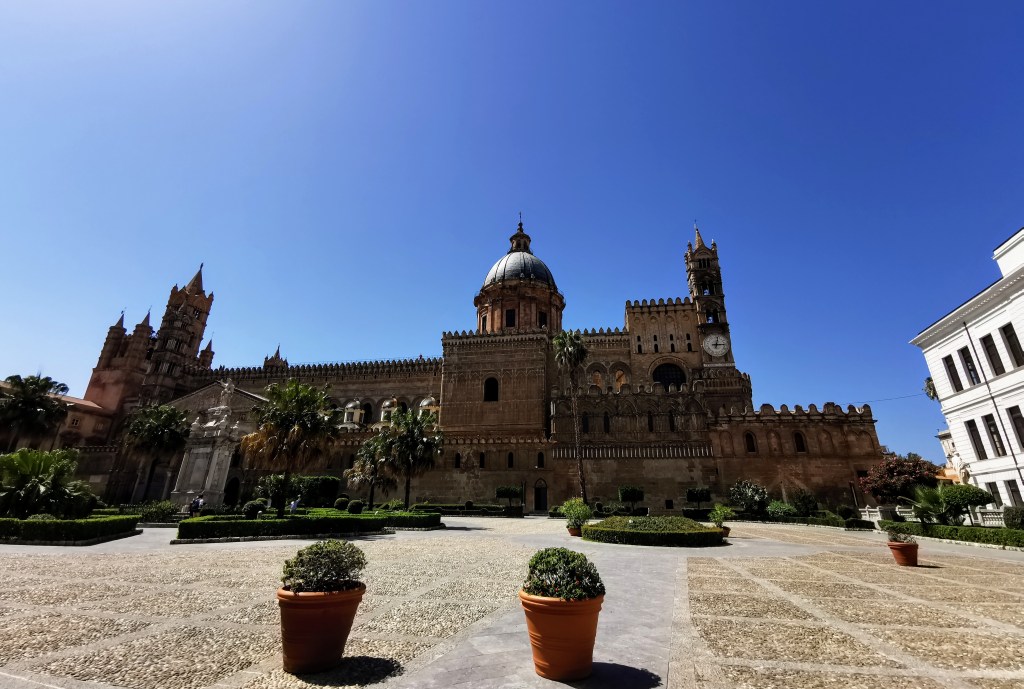
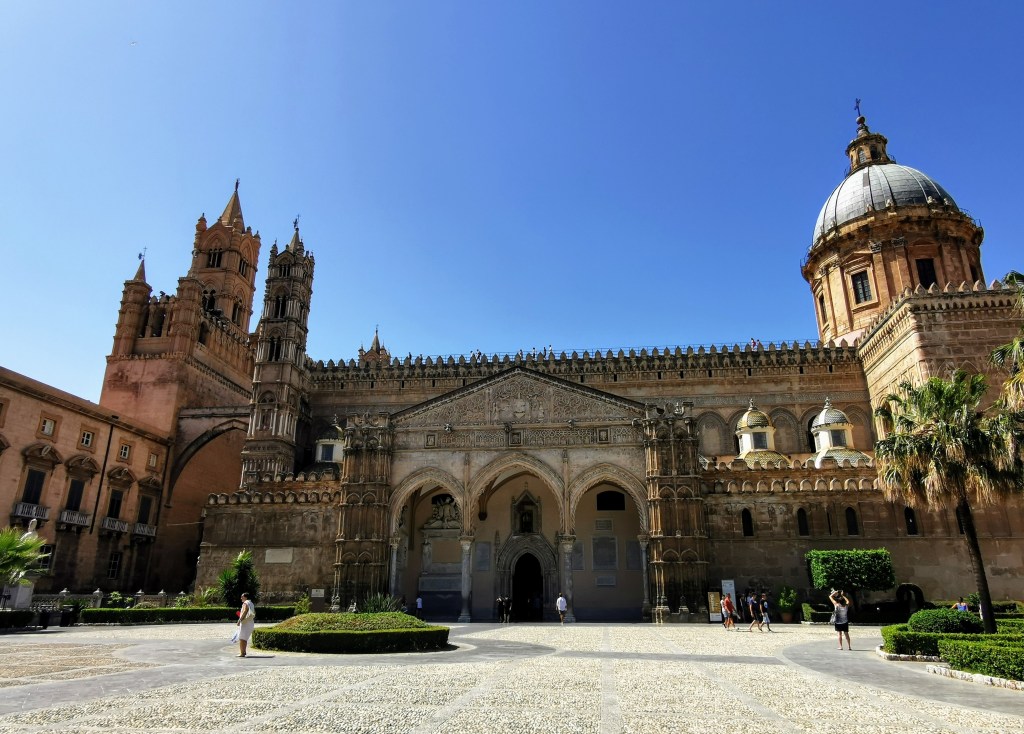
The Palazzo dei Normanni or Royal Palace is likewise devoid of visitors. This is even more ancient, with parts dating back to the 9th century. It’s the oldest royal residence in Europe, which is quite a claim to fame considering how liberally palaces are sprinkled around the continent. It now houses the Regional Assembly, what a come-down!
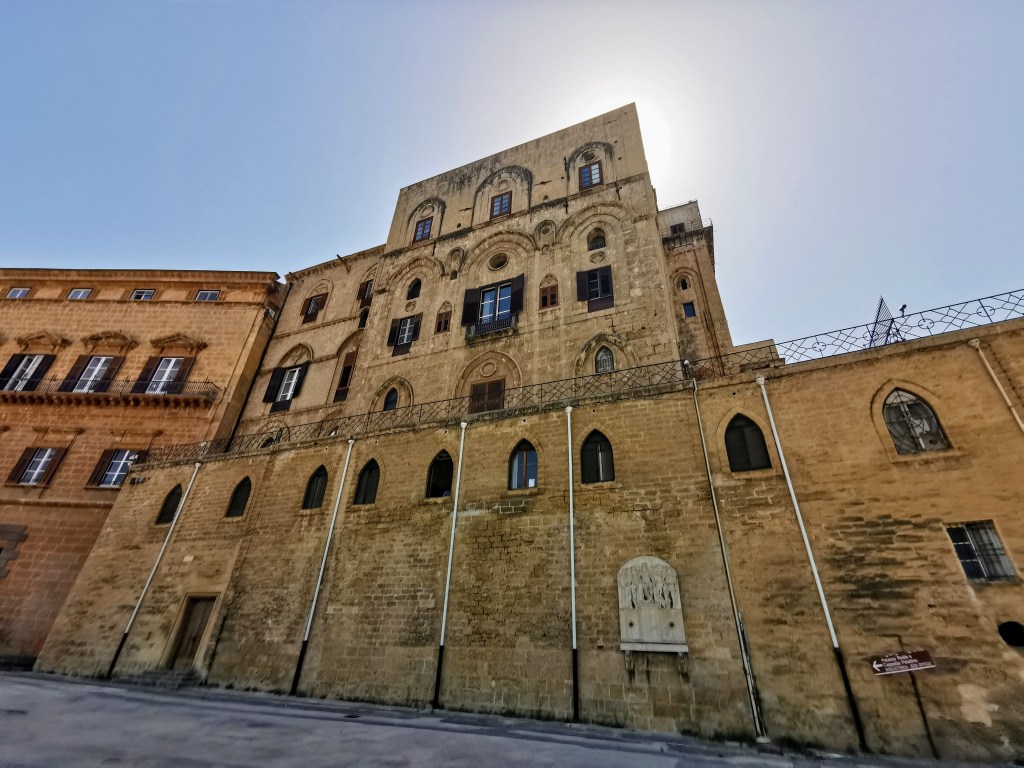
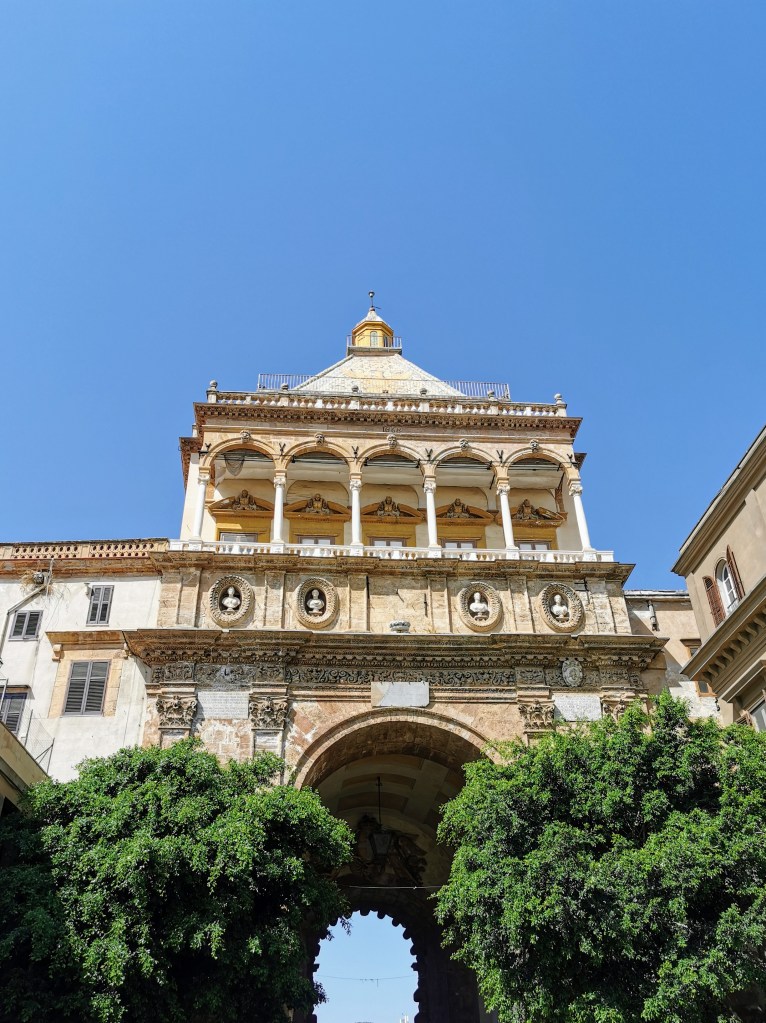
We’re feeling a bit dejected as we head back through deserted streets to our hotel for a break from the heat, passing the famous Ballaro Street market. Alas, it’s far from the bustling chaos of promotional photos. There’s no point in the traders calling out – there are no customers to tempt here. We’ve seen some of the big sights of this city today, but we haven’t got a feel for it yet. However, neither of us is being negative – no moaning allowed. We’ve travelled enough to know that every city has something great to offer, and it’s up to us to find it.
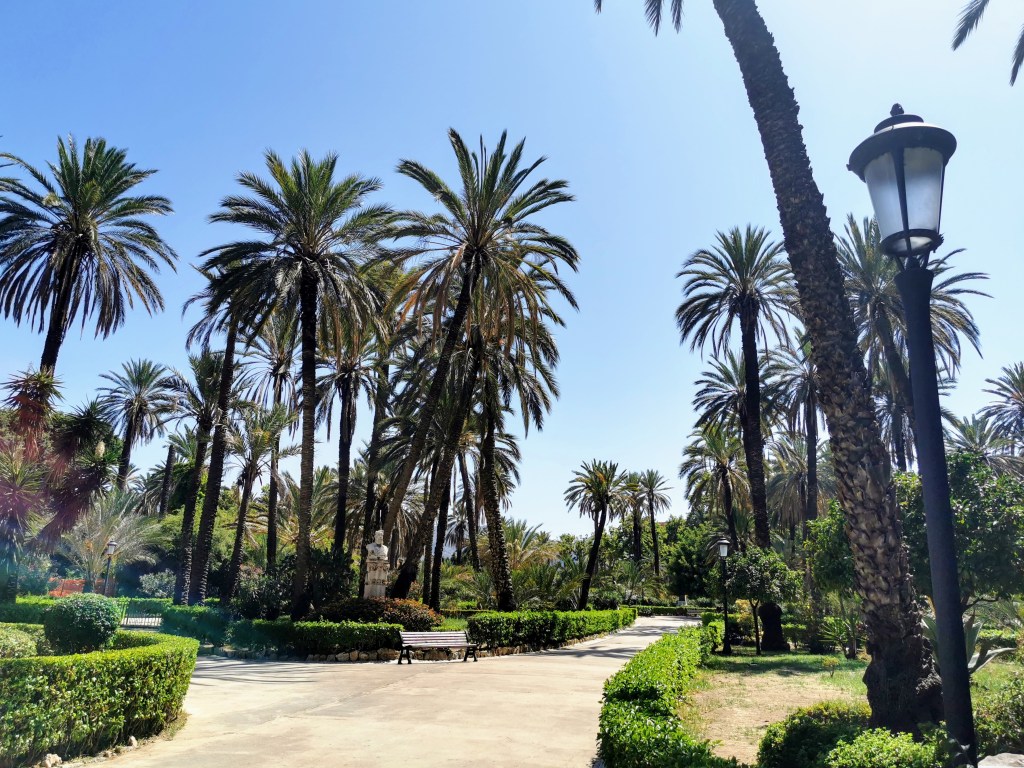
Thankfully, when we head out for the evening, the city is transformed. In the soft evening light scruffy becomes romantic, and the bright young things of Palermo are out in force for the aperitivo. Thank goodness for that! The husband likes a bit of atmosphere, or ‘Russ’ as he calls it (remember Russ Abbot’s 1980s anthem?). It’s also a bit cooler, which is a huge relief.
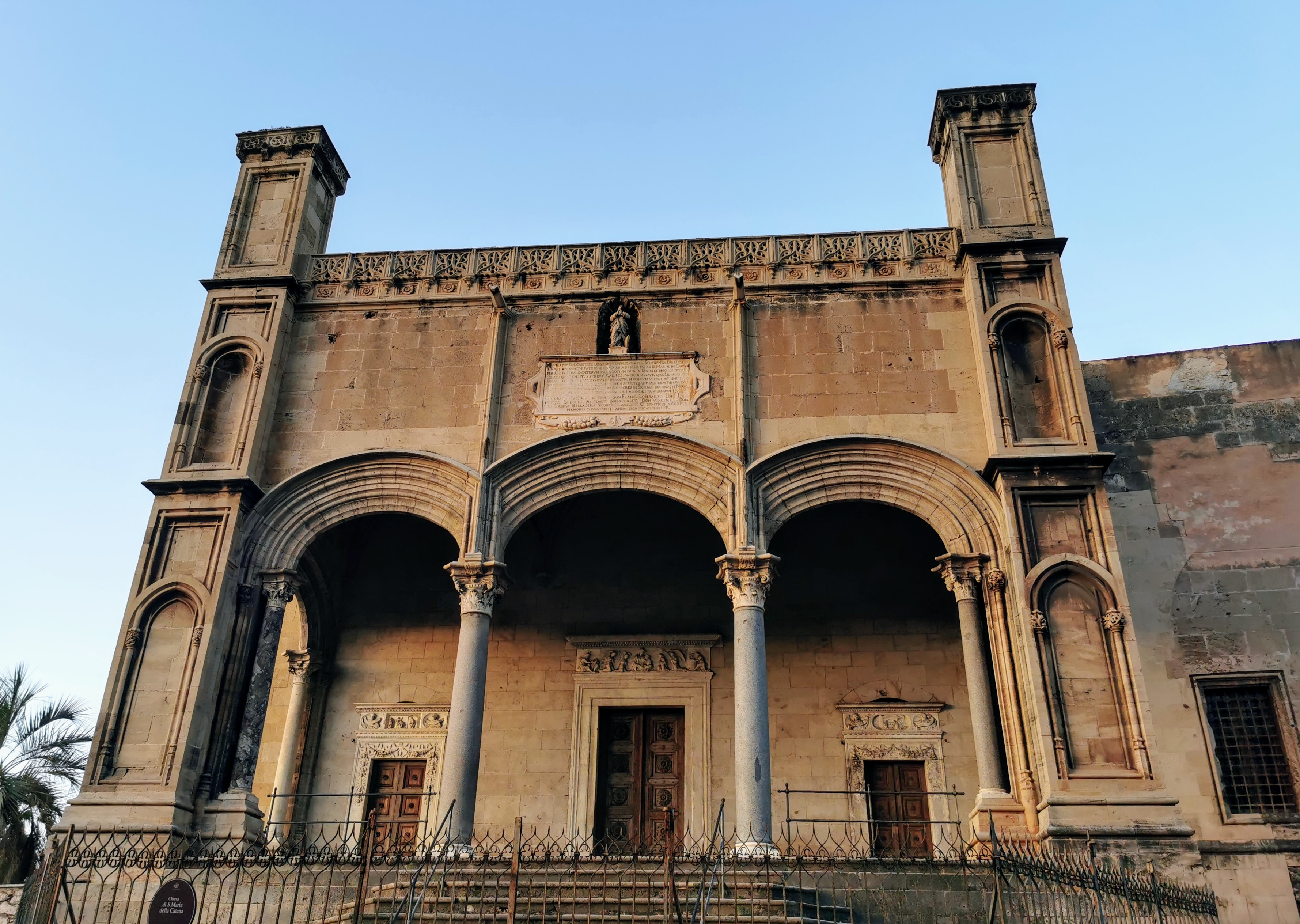
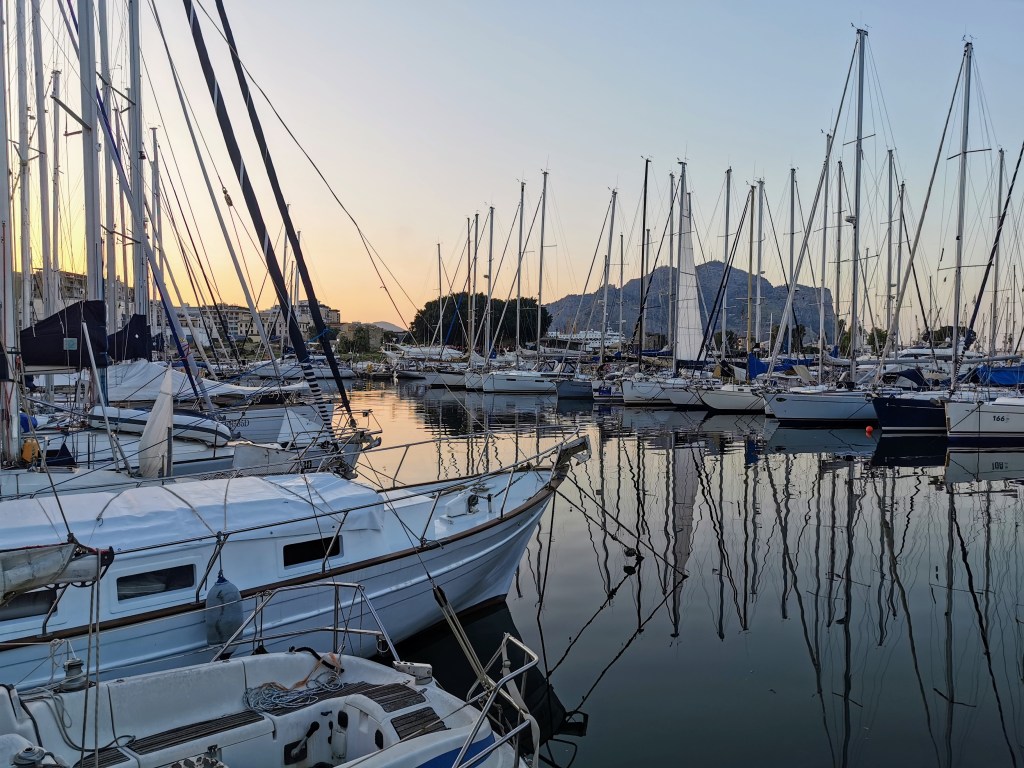
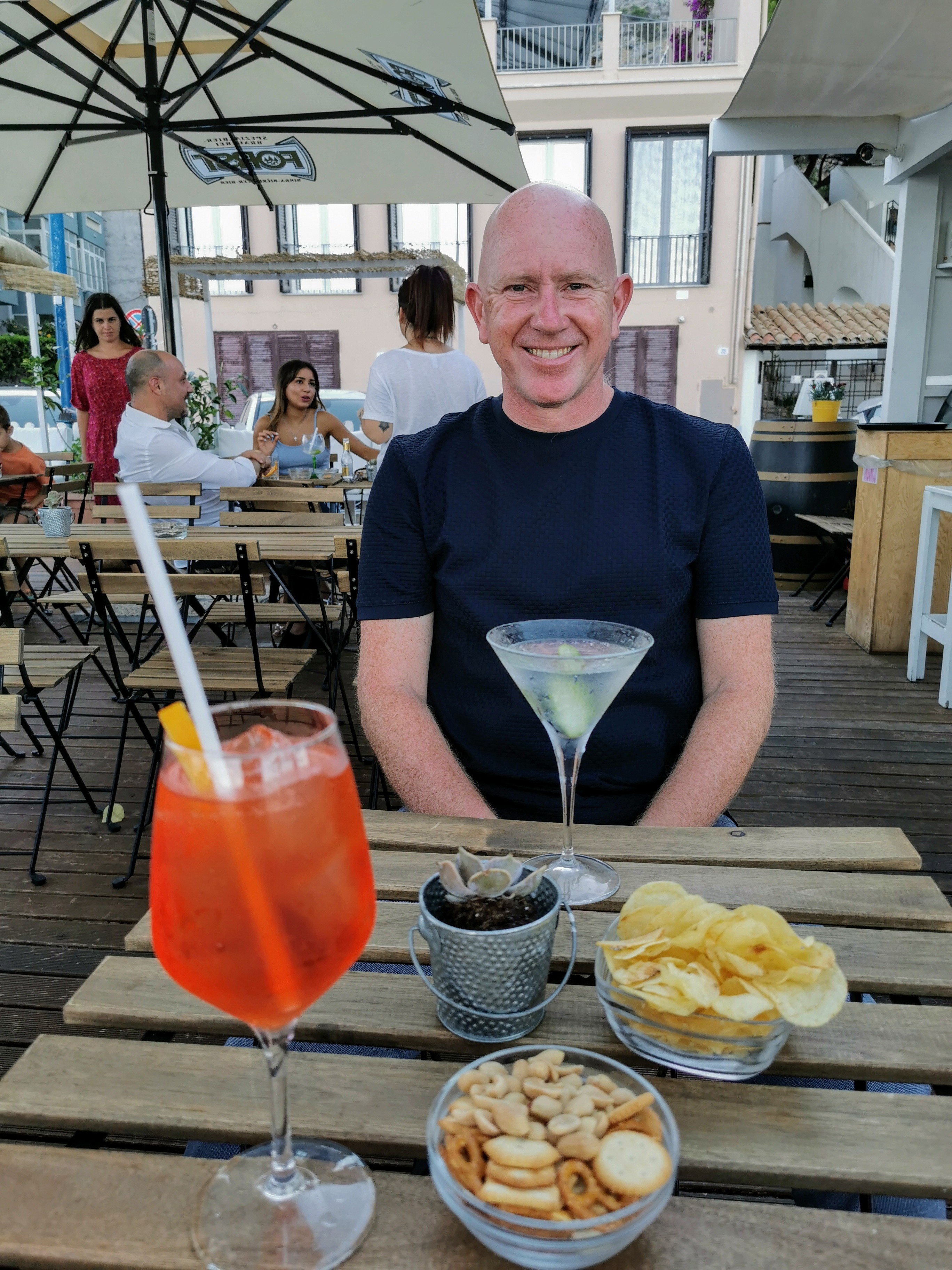
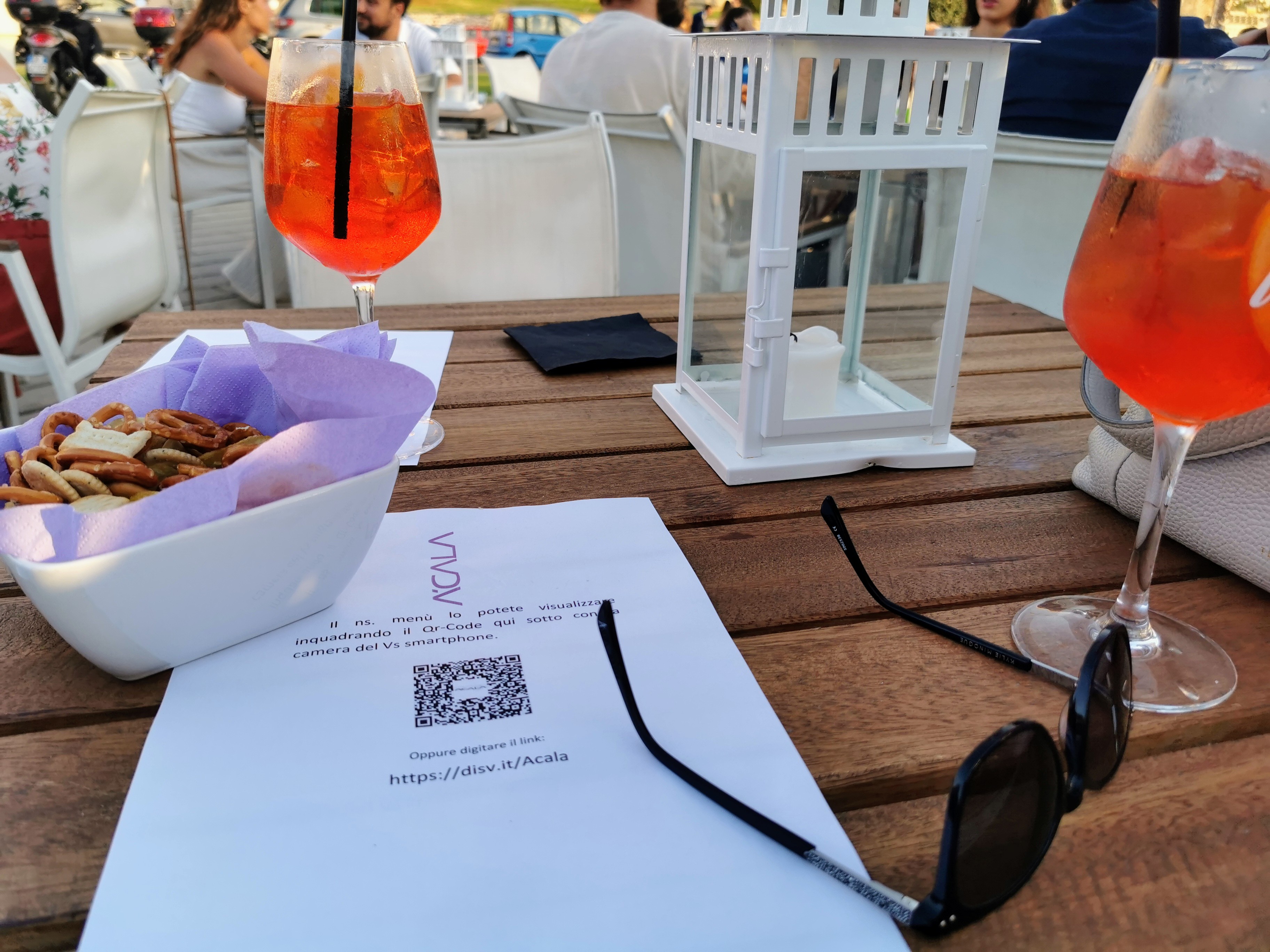
We have an Aperol Spritz at A’Cala overlooking the pleasure harbour and watch the Palermitani tucking in to huge trays of appetisers. They look amazing, but we wouldn’t be able to eat dinner if we joined them. Most menus here are accessed via a QR code on your table which links to an app. It’s a coronavirus change, but it makes perfect sense, let’s get rid of paper menus! In Palermo, you may just order a drink but you can guarantee there are snacks coming too.
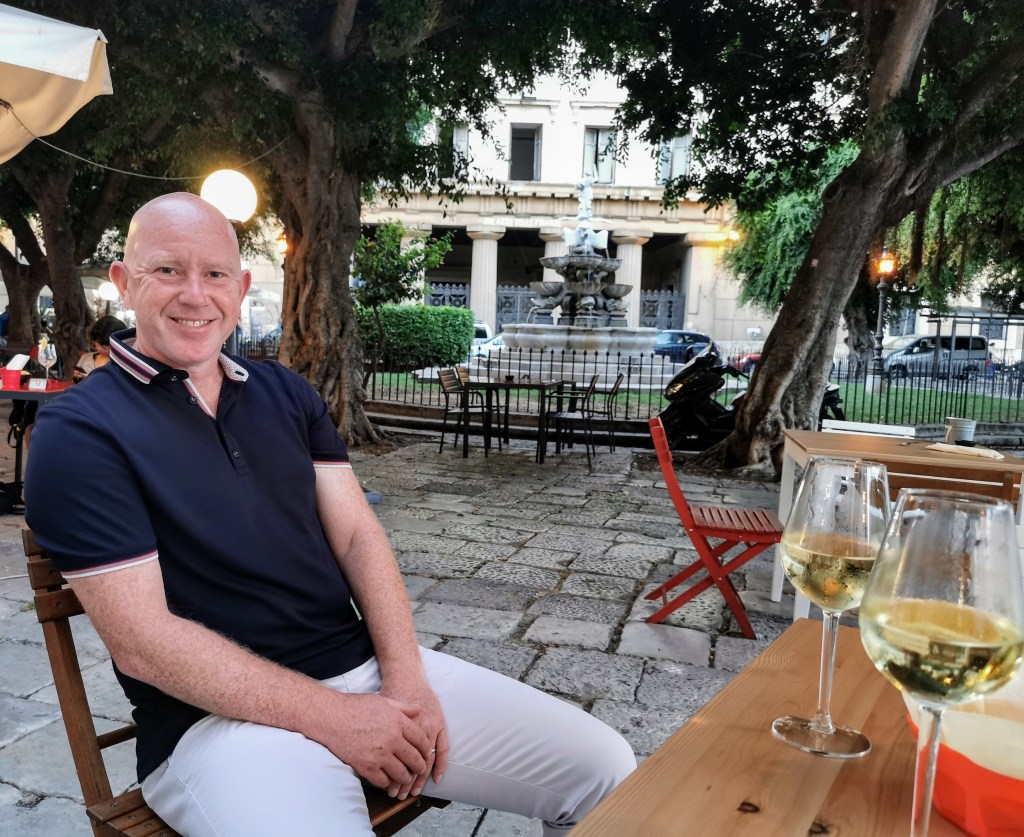
The streets around the Piazza Marina have come to life with bars and trattorias. We eat melt-in-the-mouth melanzane parmigiana and plates of delicious pasta listening to an elderly bloke singing Italian love songs. It’s corny – like Lady and the Tramp, although the husband might object to that comparison for obvious reasons – but we love it. We’re starting to get a feel for Palermo now.
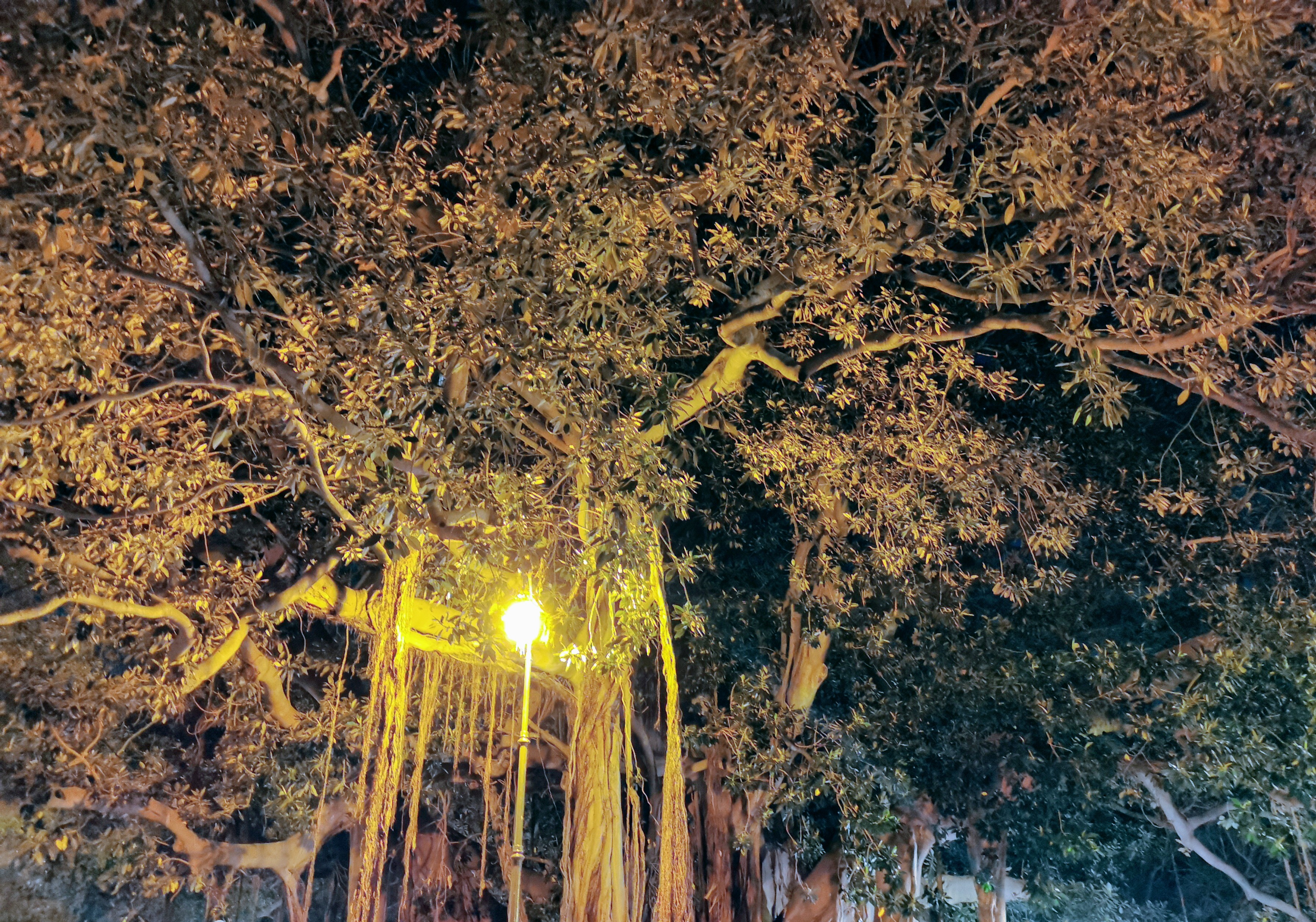
Heading home for bed through the atmospherically lit Garibaldi Gardens, we are tired, full and happy. And tomorrow, as Scarlett O’Hara said, is another day…
A bonus break in Mondello

Mondello is a happy accident. We were booked for three nights in Palermo, the capital of Sicily, but reductions to the BA schedule meant that our Thursday flight was cancelled. You can still fly out on Tuesday or Friday, I was told. Ha! One night fewer or two nights more…what do you think I decided, dear reader?

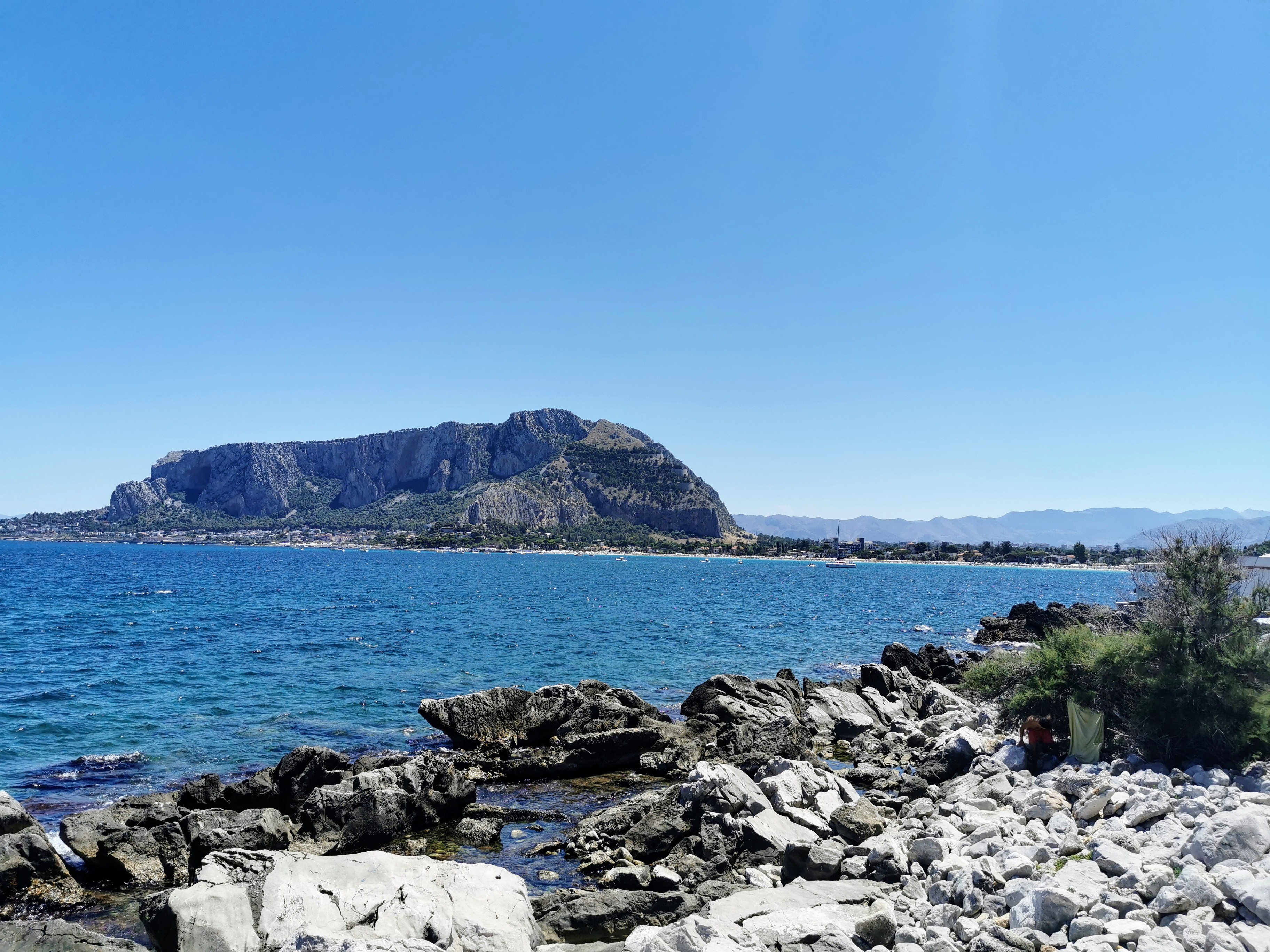
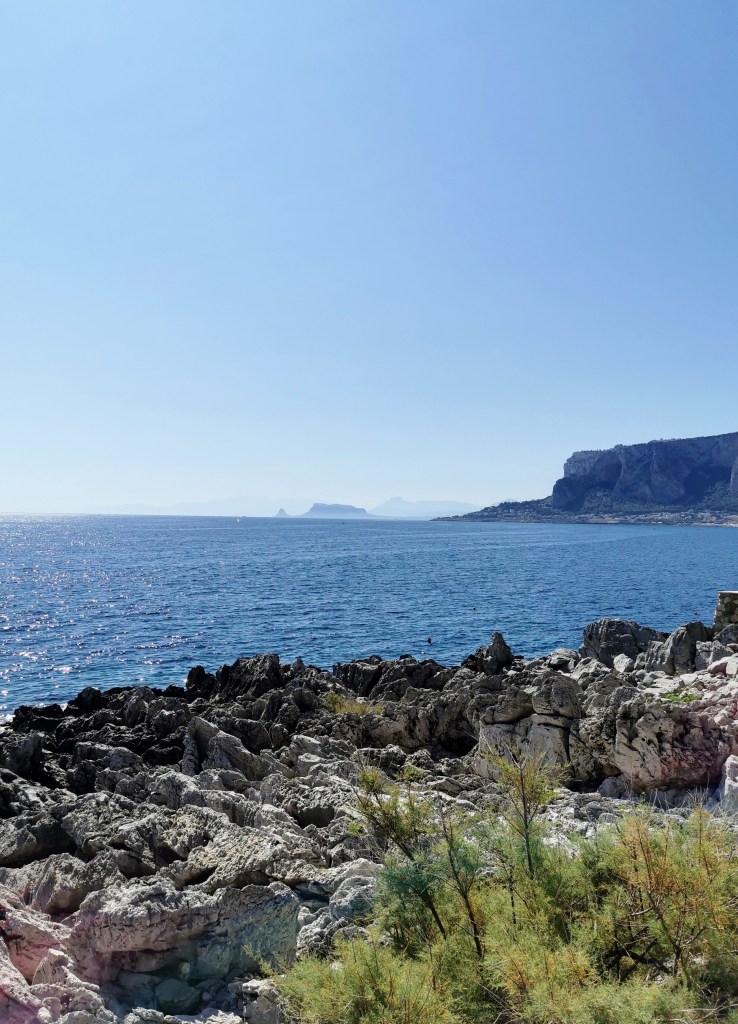
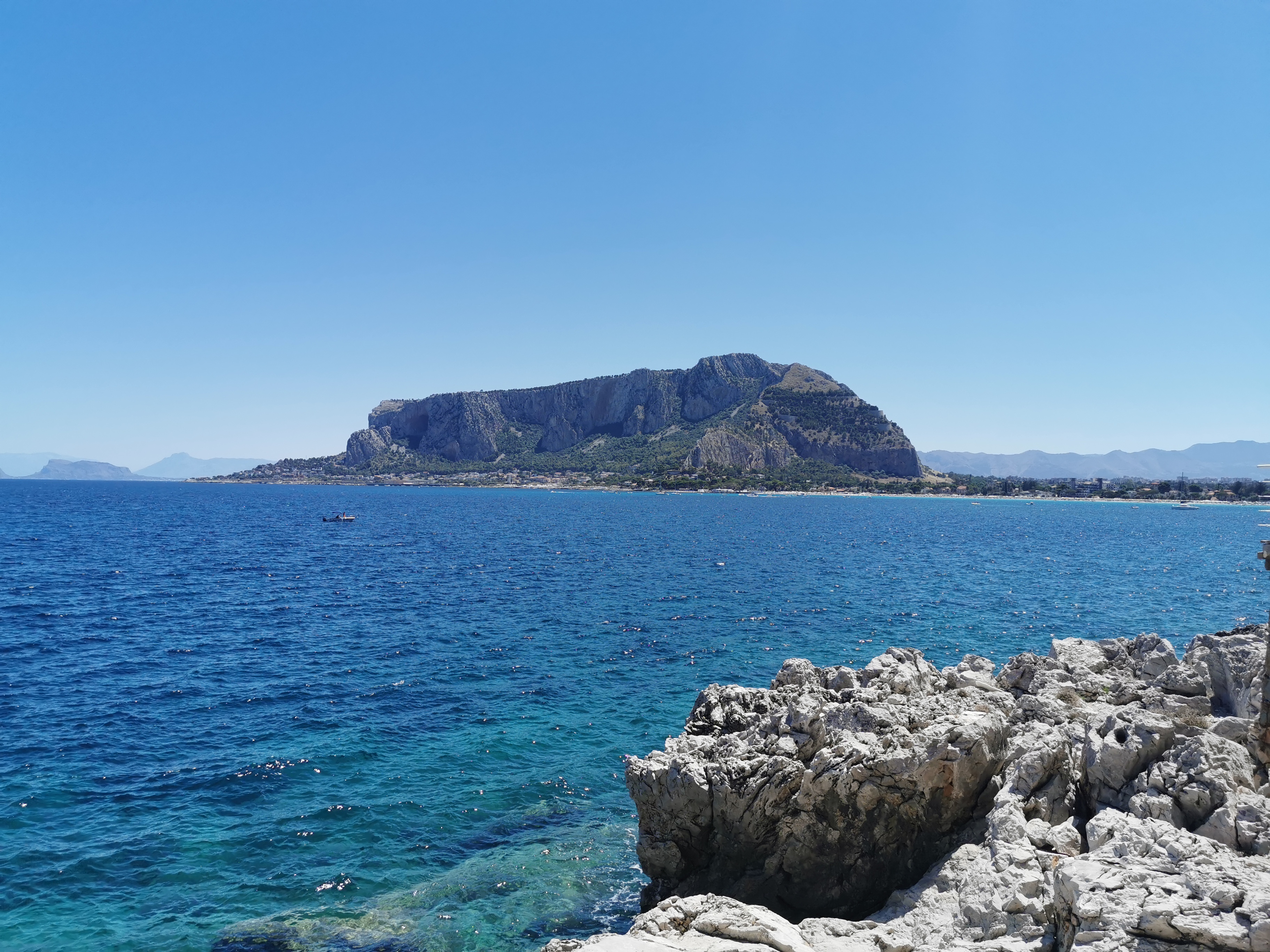
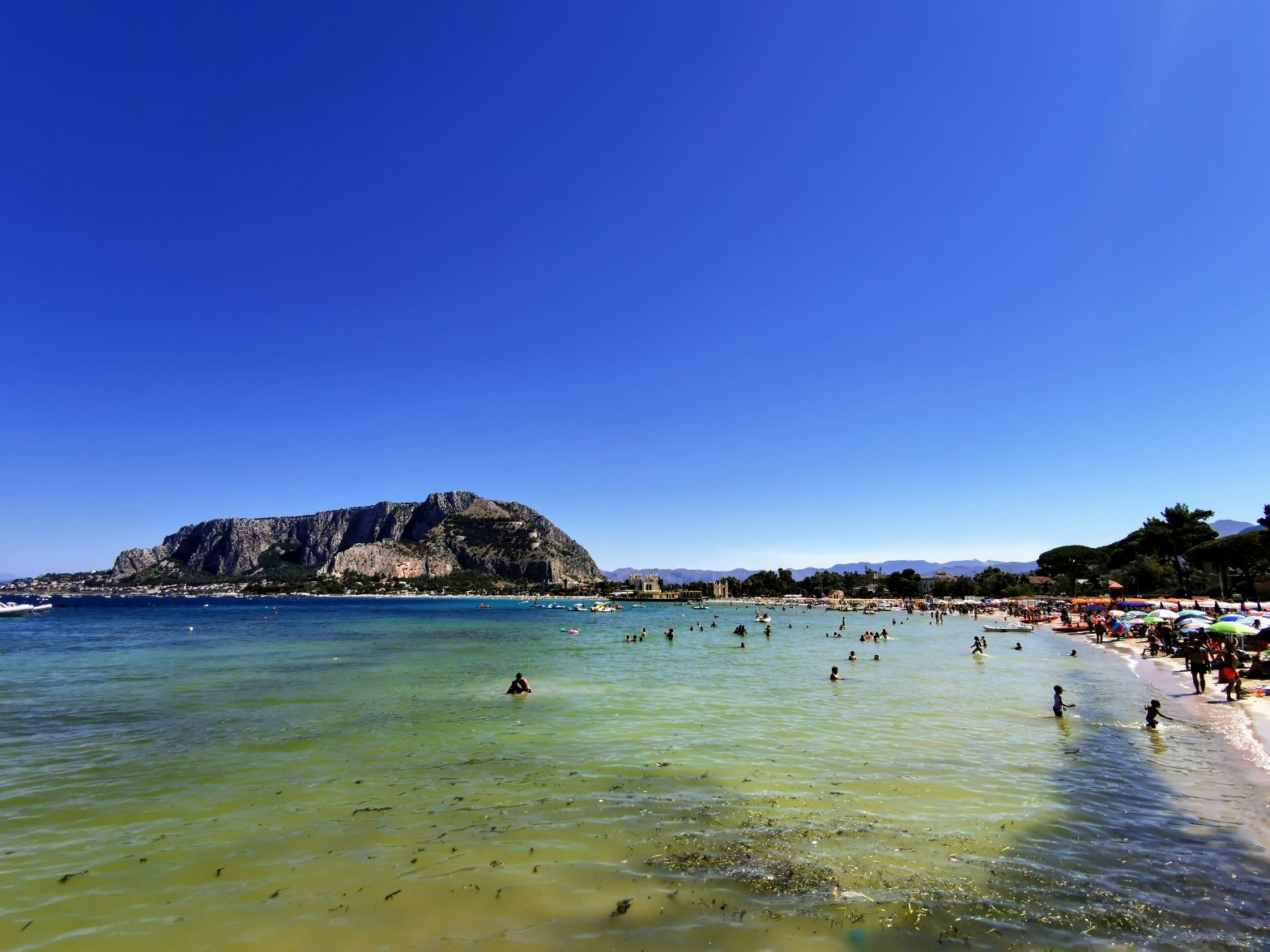
Yes two bonus nights it is, yippee! But rather than extend our city break, why not spend some time chilling by the coast? So here we are in Mondello, about 10 miles from Palermo city centre. Originally a small fishing village in a bay between two rock promontories – Mount Gallo to the northwest and Mount Pellegrino to the southeast, it became popular with well-to-do Palermitani because of its lovely mile-long white sand beach.

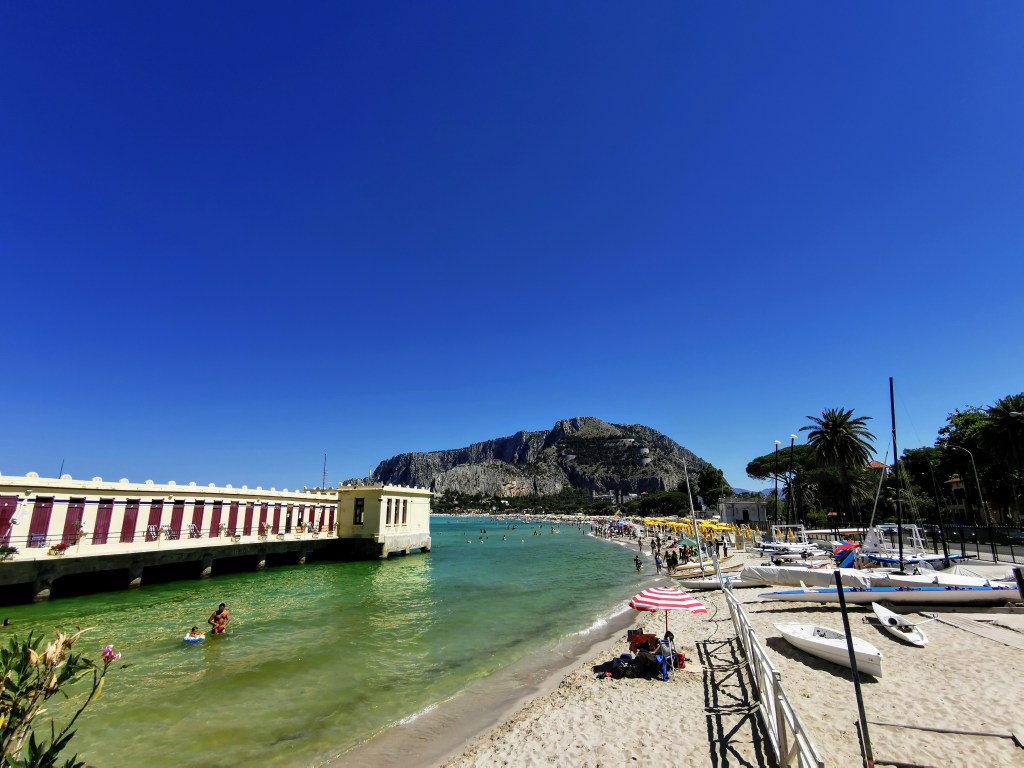
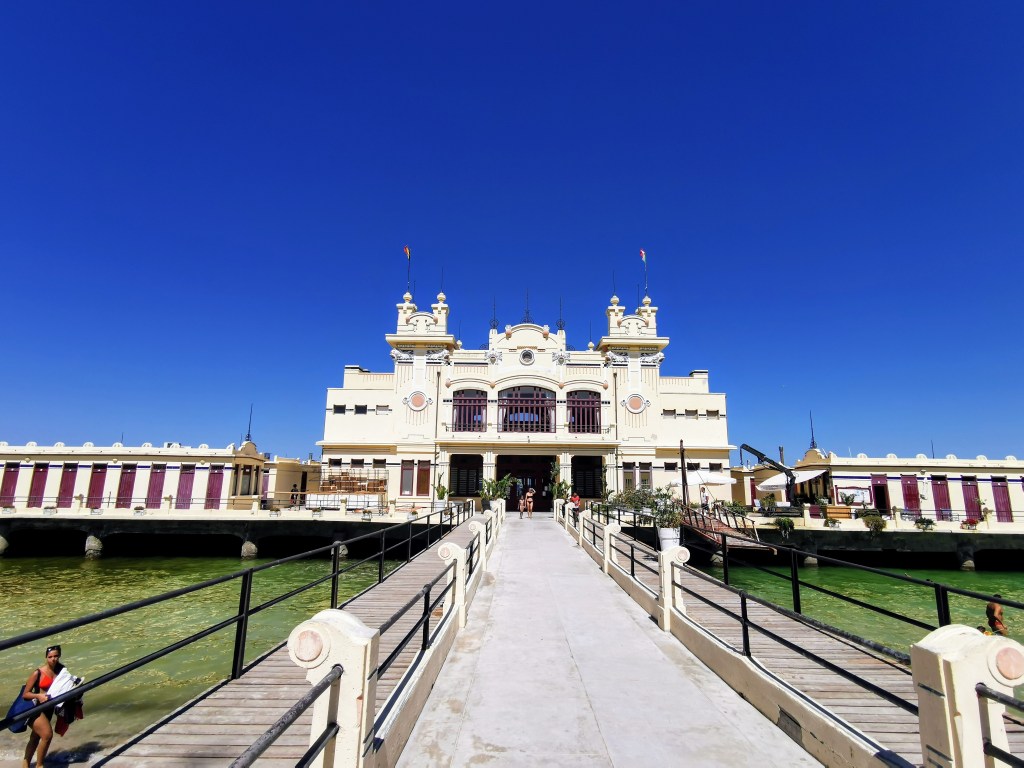
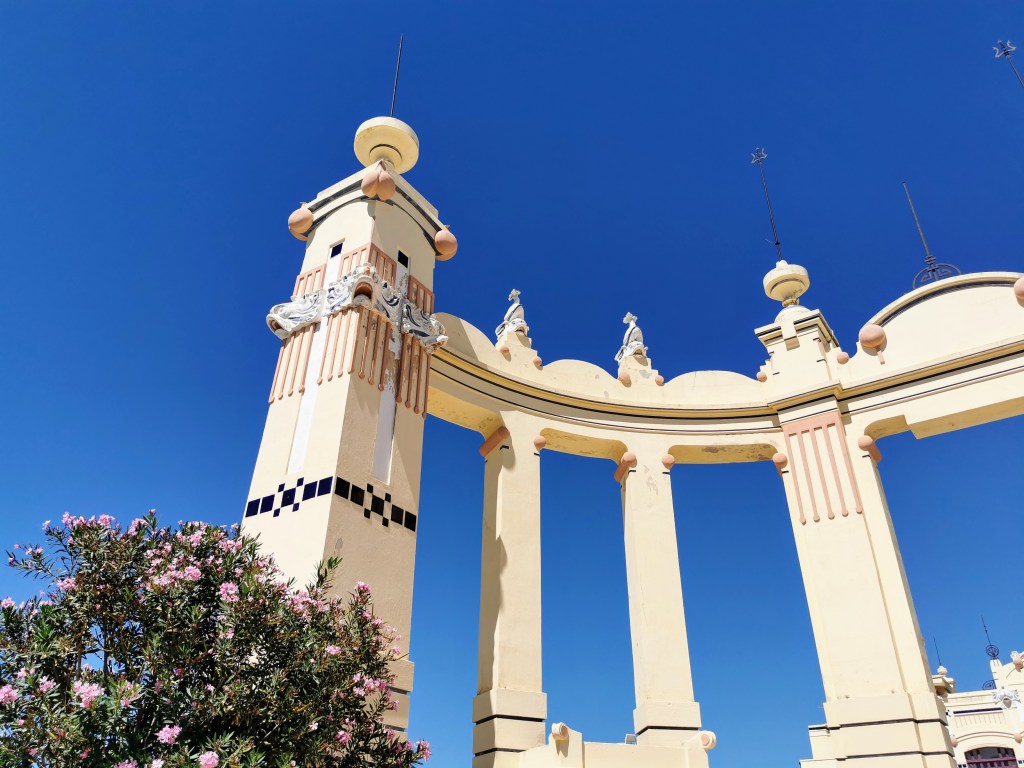
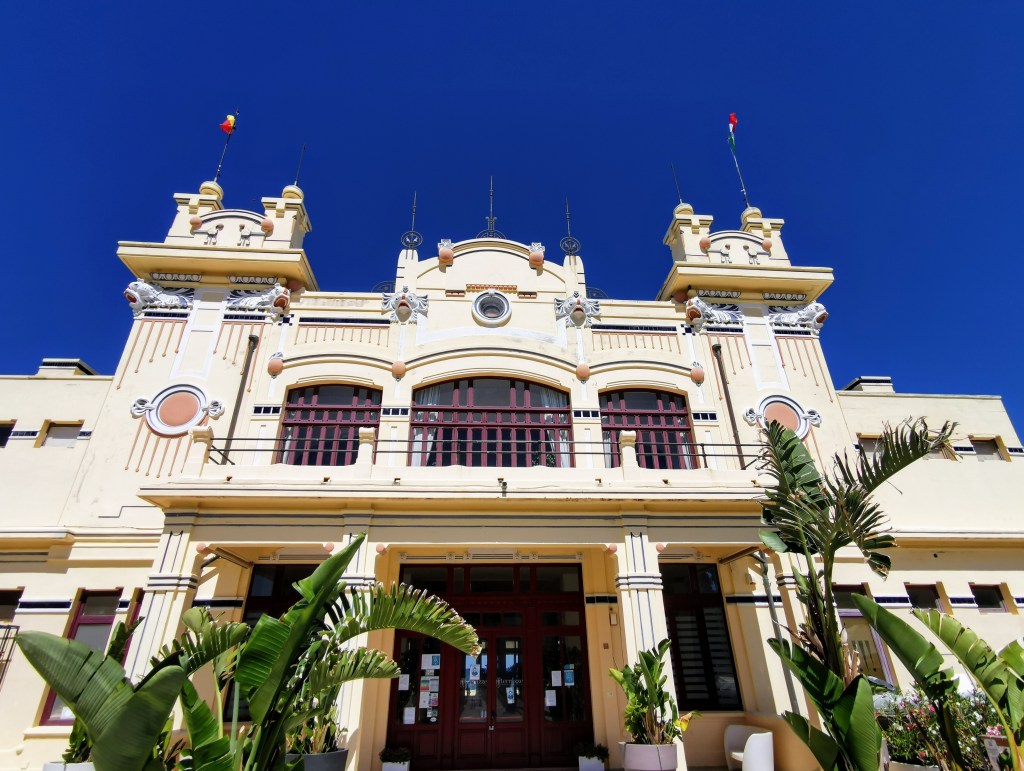
The focal point of the bay is the Stabilimento Balneare, or bathing station, out on a pier in the centre of town. Built in 1912 it’s a gorgeous example of Art Nouveau. Unfortunately, the cafe inside is closed due to the pandemic, so we can only admire the exterior.

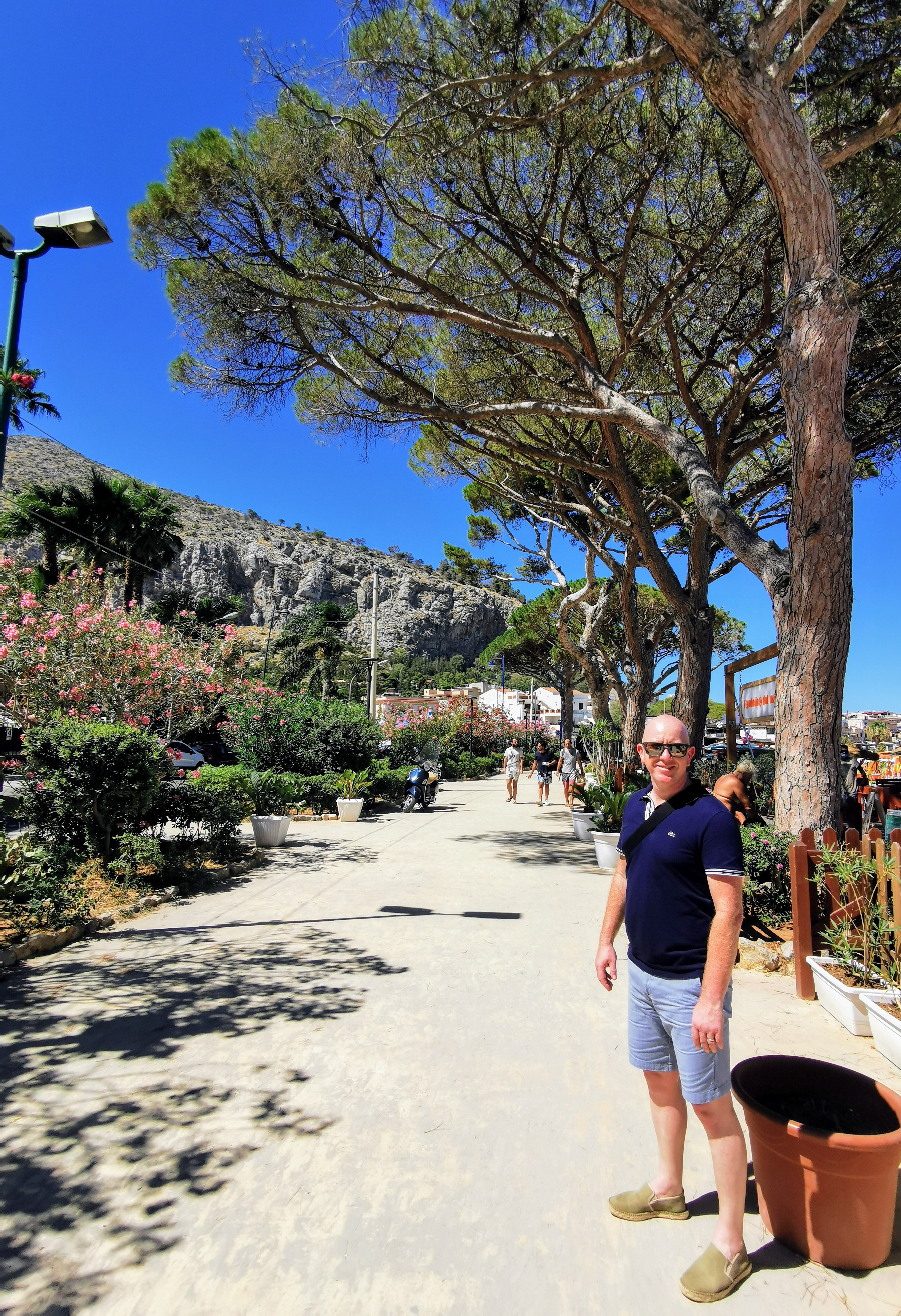
A lovely tree and shrub-lined promenade runs the length of the beach. There are clearly delineated public and, in true European fashion, paid-entry areas with parasols and sunloungers. The public areas are rammed with Sicilian families enjoying themselves, the private less so. We can’t hear one word of English, or French, Russian, anything but Italian in fact. The tourists here are locals – how very refreshing.

This is a proper old fashioned family resort, as evidenced by some of the arcade games we pass. If it wasn’t thirty-odd degrees, you could swear you were in Bridlington!

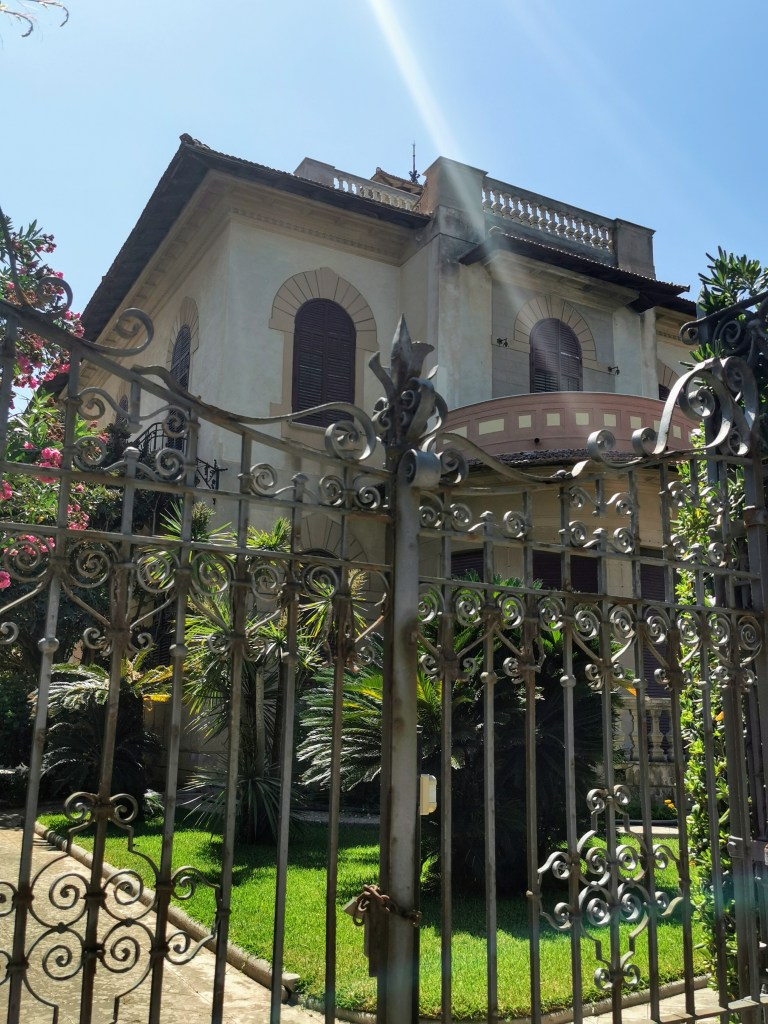
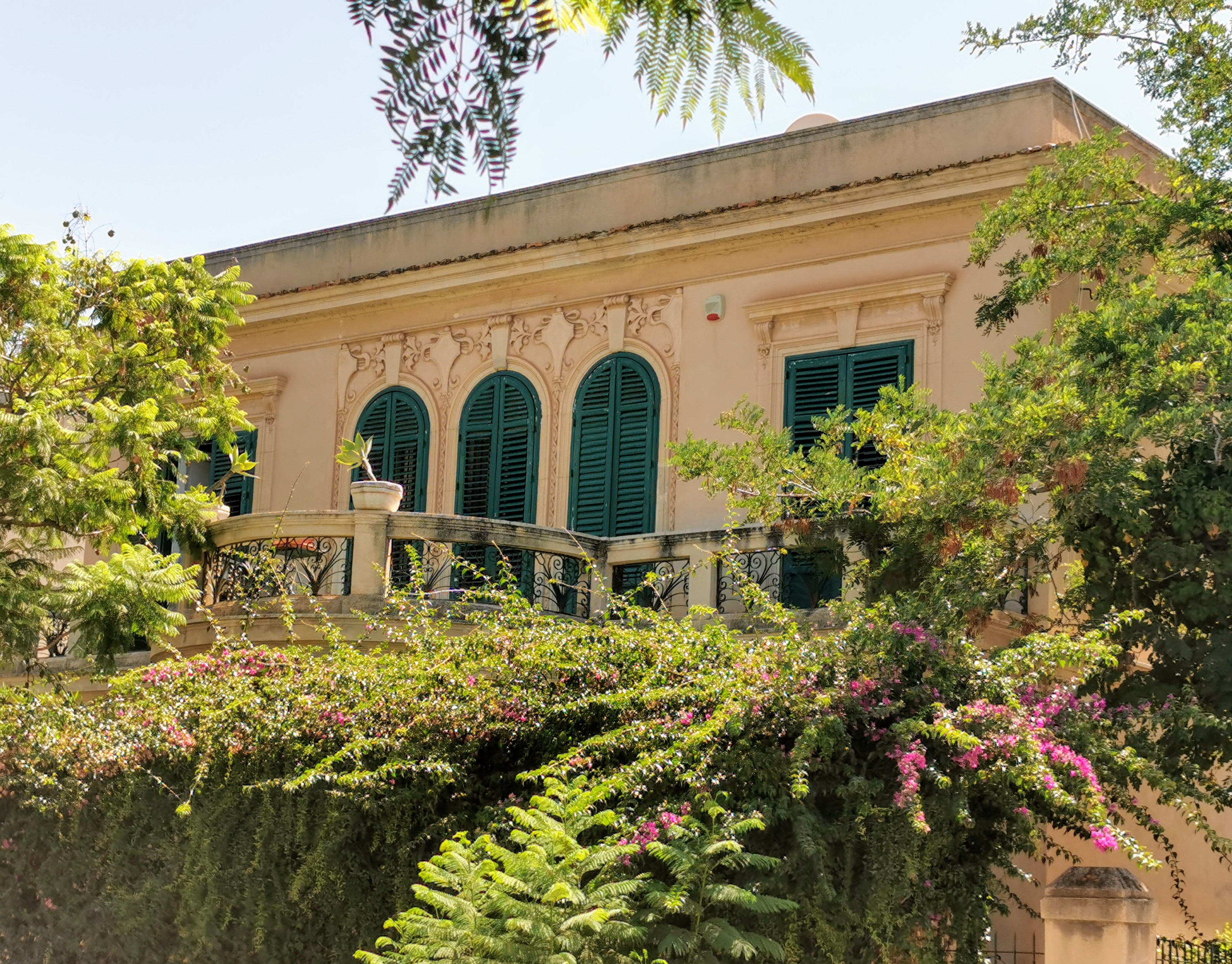
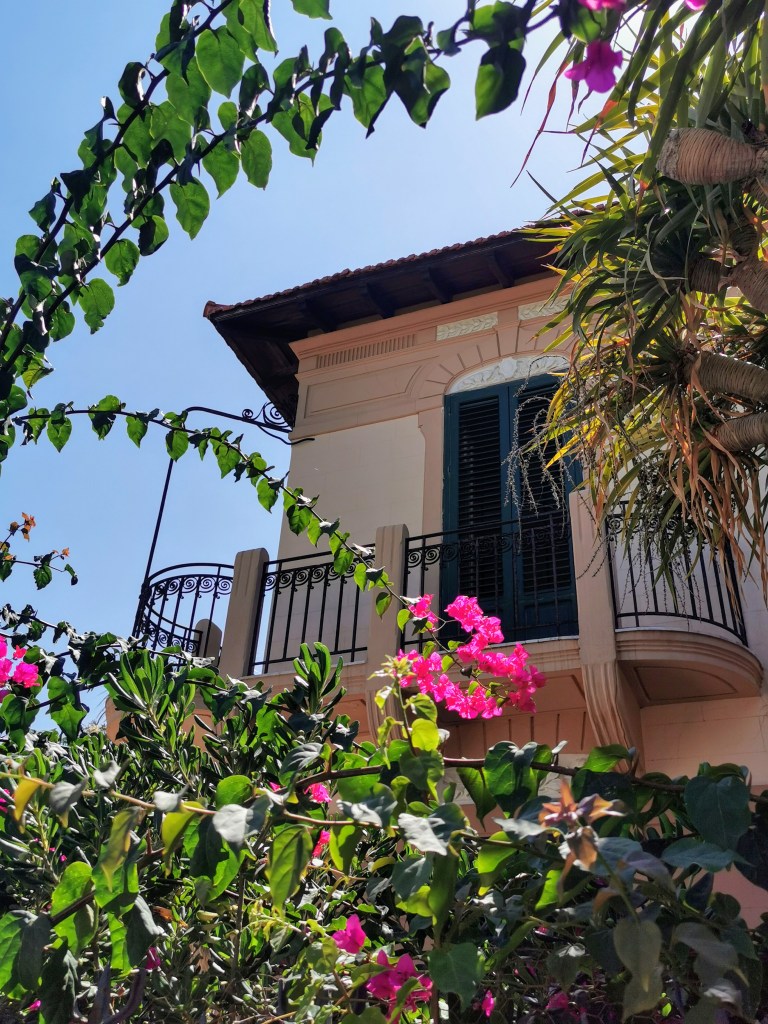
On the other side of the road are the Liberty style villas that were built by Palermo’s elite in the resort’s heyday. Unfortunately, some of them are unkempt and uncared for nowadays but you can see how impressive this place would have been back then.

Who owns these houses, we wonder, looking at the high fences and cameras, and why don’t they tidy them up? Well we’re in Sicily after all, where people might have good reason to stay under the radar… Stop taking photos, the husband hisses. He loves a good conspiracy theory!
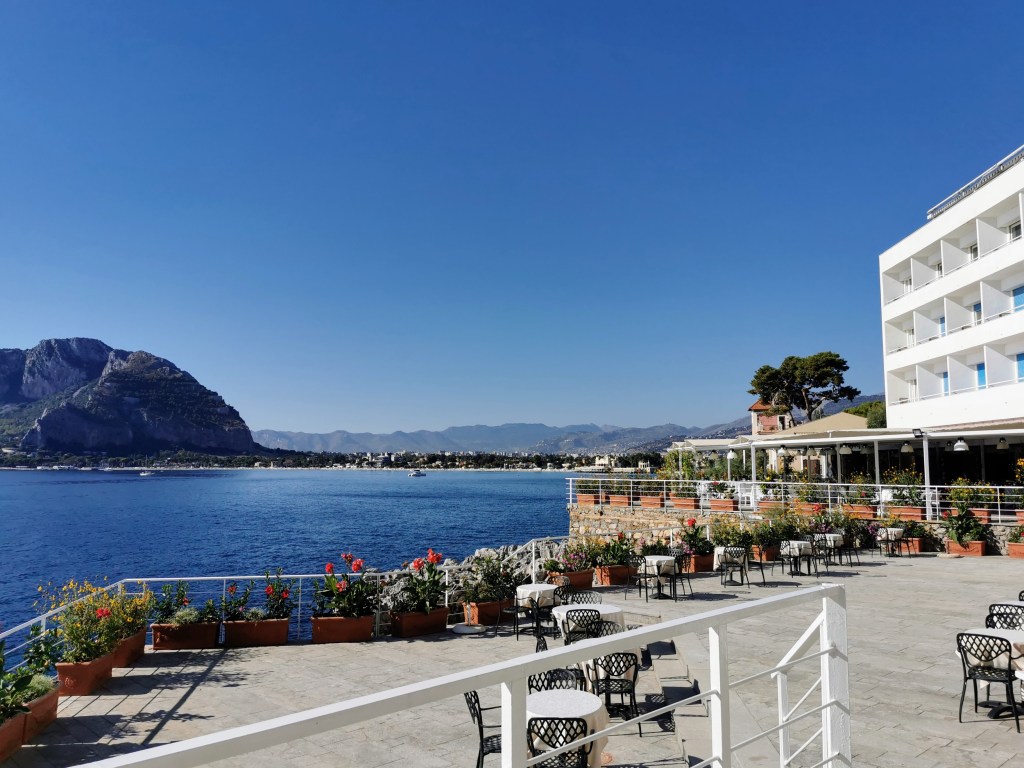
We’re staying at the Splendid Hotel La Torre while we’re in Mondello – a large, old fashioned 4-star establishment right at the top end of the bay. It’s nothing flash, but the location is stunning, with views that go on forever…from the public areas anyway. As always we seem to have the worst view looking out over the boring gardens at the back. I hate paying extra for a view, especially when there’s no-one else here!

We estimate the hotel’s around 10% occupied, which means lots of space and tranquility for us, but we wonder how it’s making any money (and why they didn’t give us a better view, grrr!) The staff are really nice – I hope they manage to keep their jobs in the current climate. The other big 4-star in town, the Mondello Palace, is still shut down and doesn’t look like it’s opening any time soon.

Masks are obligatory indoors in Italy, but we’re hardly inside anyway, so it has very little impact. I’m getting used to it – phone, lippy, purse, mask, check. Most people here seem to walk around with a mask around their elbow like a fashion accessory, ready to slip on when required – the new normal.

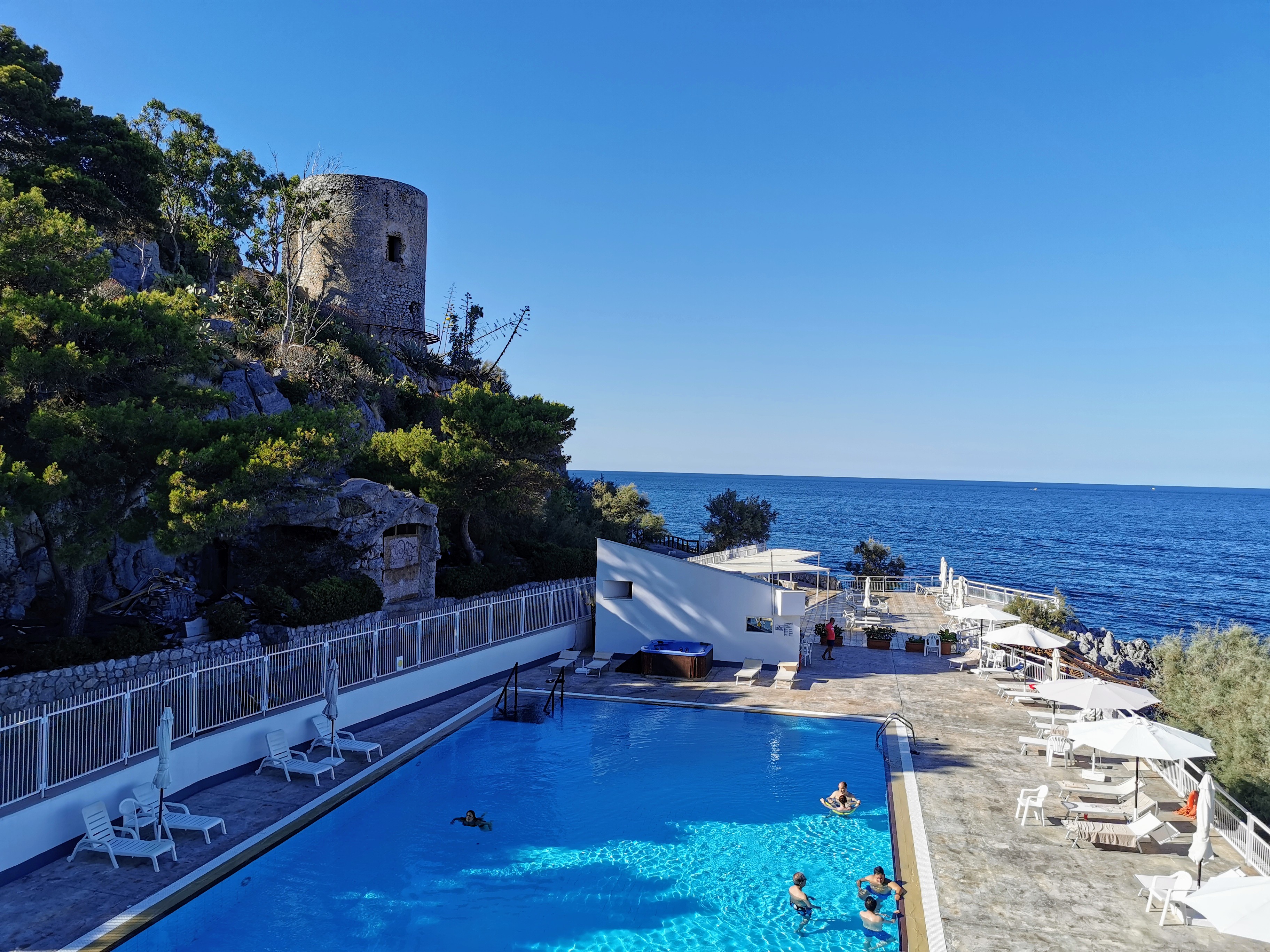
The hotel has a lovely large pool area, where I intend to spend some time topping up my Thames Valley lockdown tan. One thing’s for sure, the UK population has never looked so bronzed before, we could almost pass for Europeans in 2020. Oh so ironic! During our stay, we mostly have the pool to ourselves, which is fab.

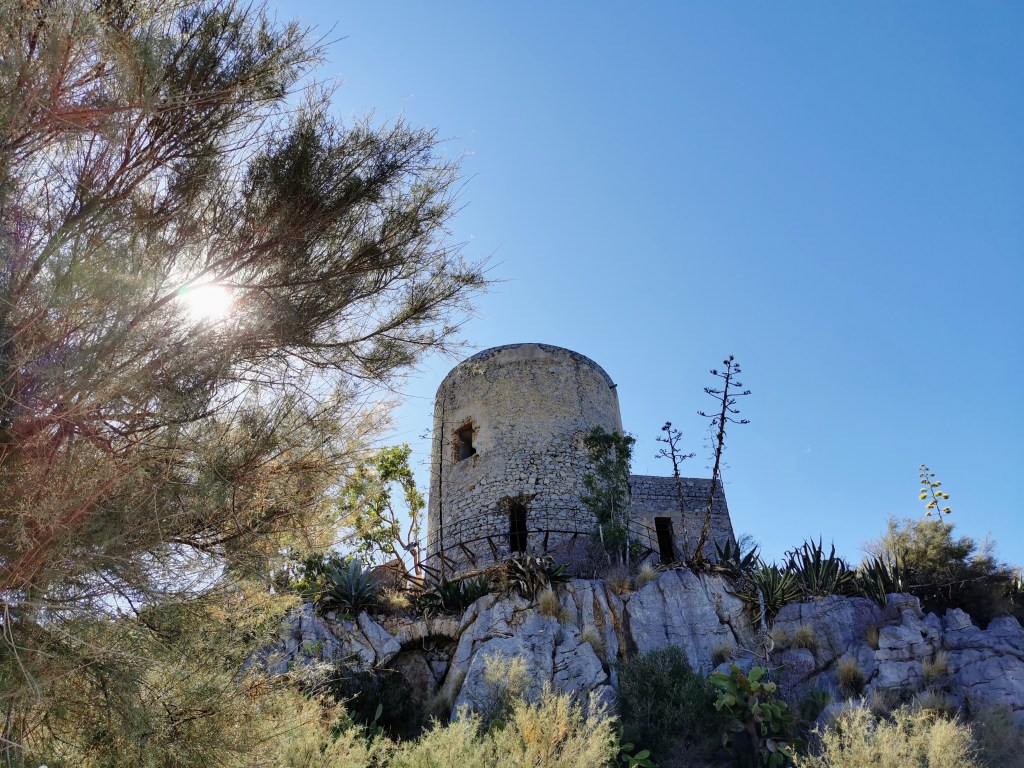
Overlooking the pool is one of two watch towers built back in the 15th century as part of the island’s coastal defences. The other tower stands in the main town square.

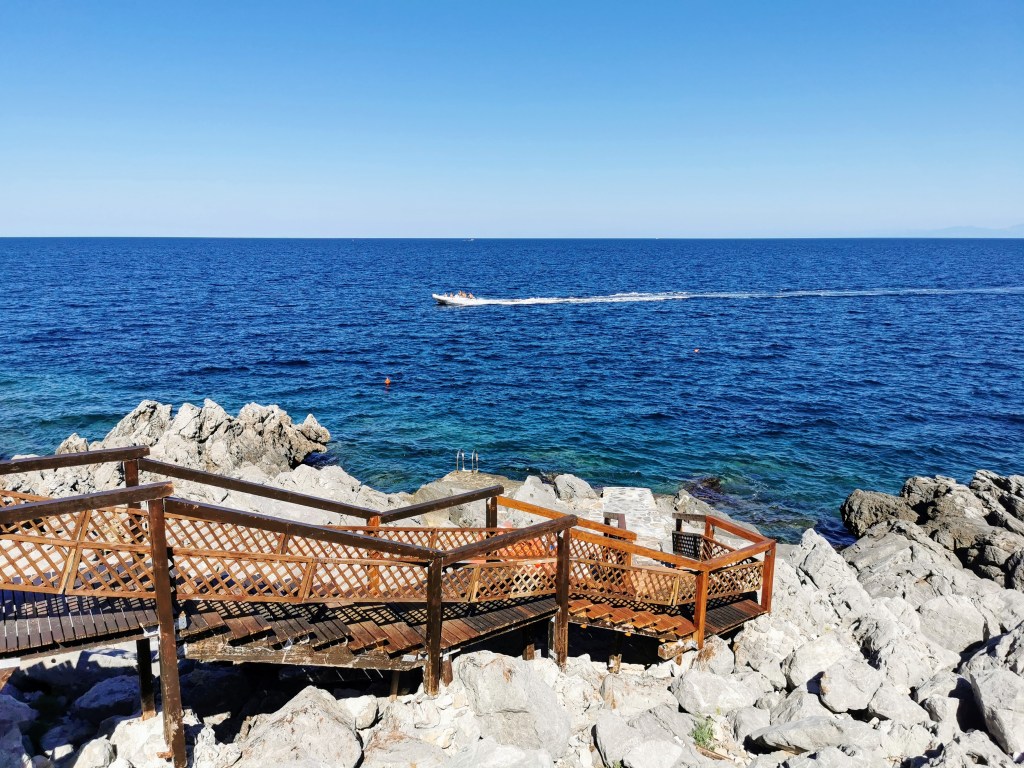
The hotel has direct access to the sea, and a gate just past the pool leads round the bay to a public Lido with a cafe. If you want to swim away from the Summer hordes on the beach, this is the place to stay.

The hotels in Mondello may be struggling post-Covid, but the bars and restaurants are not. Everywhere is busy, particularly in the evenings. The Sicilians obviously like to stay out late – we are generally heading back to bed when things are at their busiest. No, on second thoughts, we’re definitely not European!

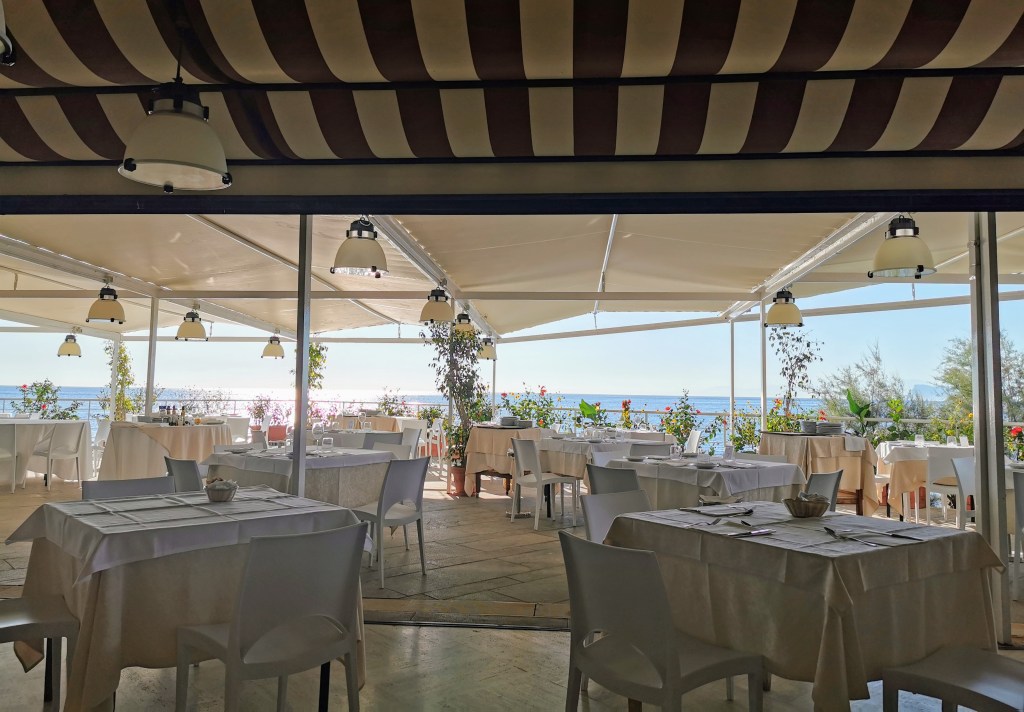
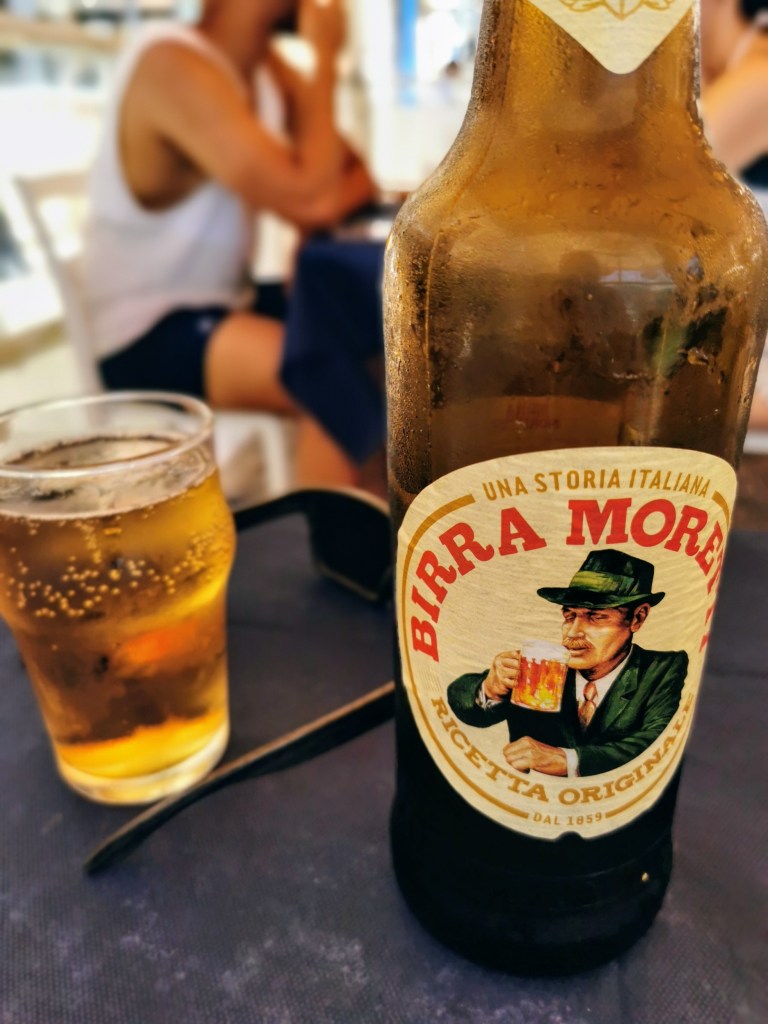
As you would expect, eating and drinking here is a joy. Everything is outdoors, for a start, so no masks required. A large beer is €3.50 which makes the husband happy, and a bottle of perfectly quaffable Sicilian wine is €15. Even with the current rubbish exchange rate of €1.10 (a curse on you, Brexit!) it’s all very reasonable. Cocktails at €7 come with copious free snacks, but let’s be honest, no-one’s coming to Italy to get rid of those extra lockdown kilos are they?

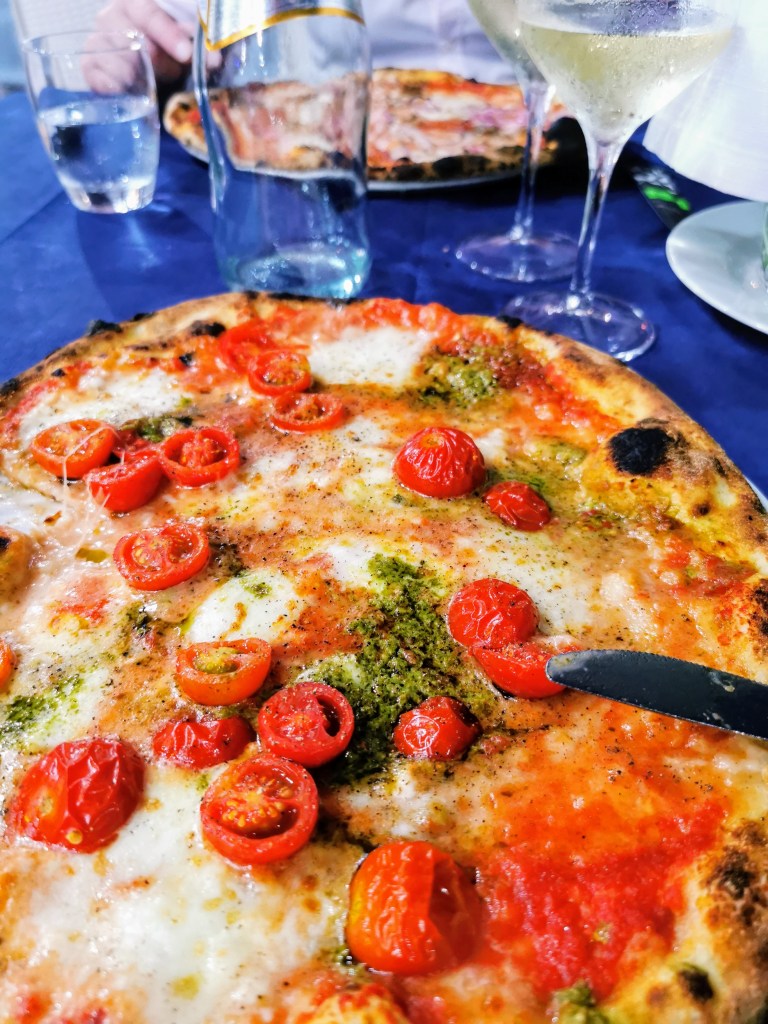
Quality ingredients make even the simplest food taste delicious. A toasted Caprese panini for lunch is to die for. A dinner of squid followed by swordfish is out of this world. As for the pizza… If we end up getting quarantined, it’s worth it, I decide. I’m keeping an eye on Italian coronavirus figures, obviously. At the moment they are still stable. Fingers crossed.
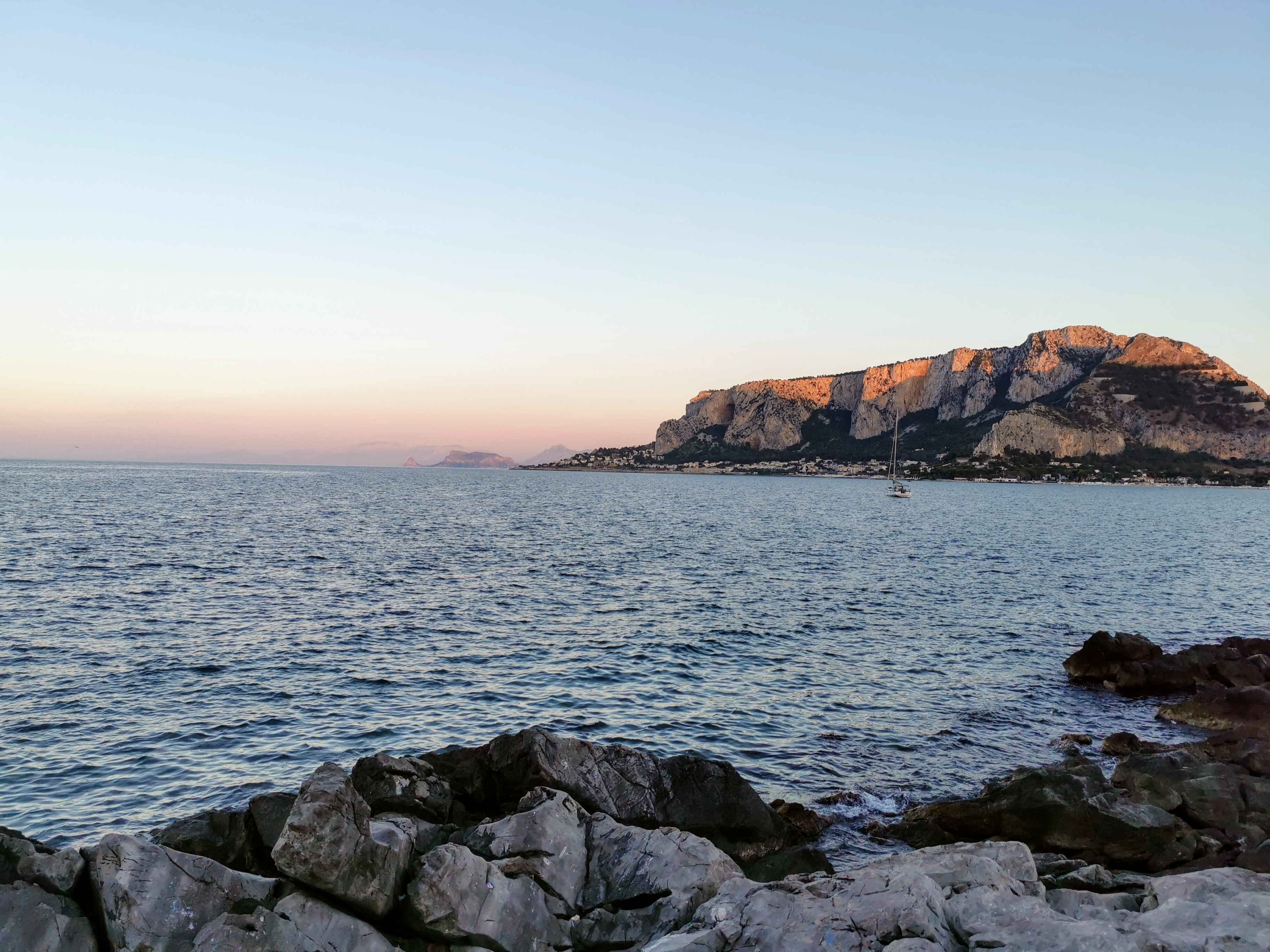
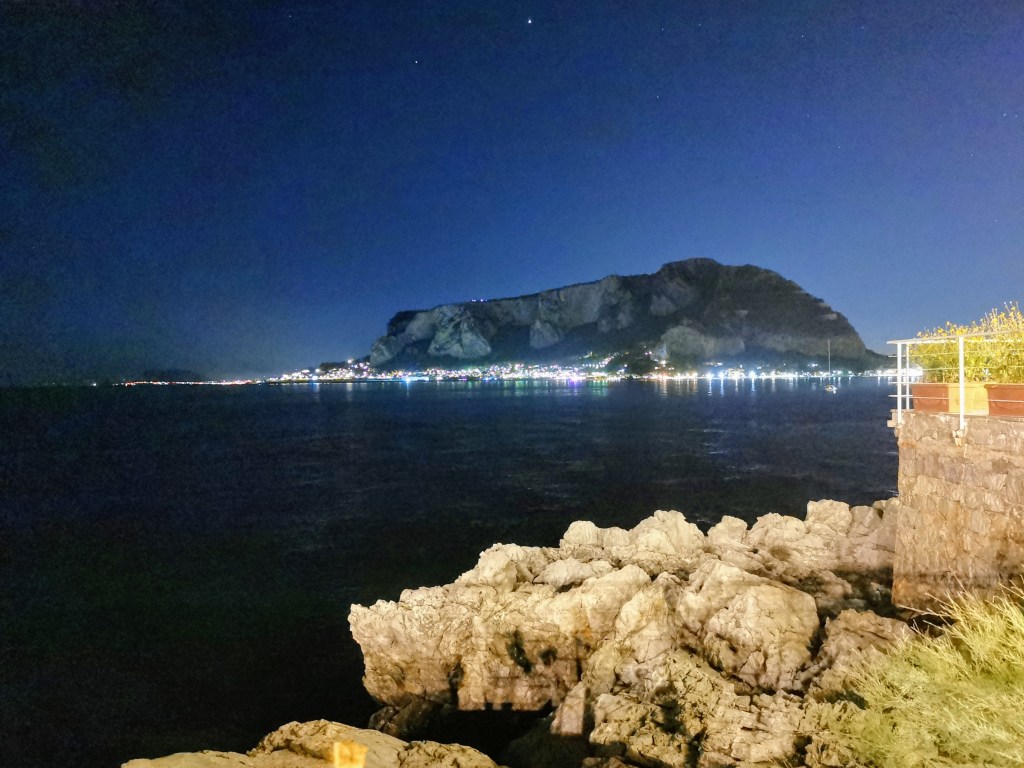
Well, I have to say, we’ve had a fantastic few days in Mondello, soaking up the sunshine and watching the locals enjoy themselves. And those views – spectacular day or night. What a bonus this was! Next stop, Palermo, just down the road. See you there.

At last I’ve got my wings back, but how do they feel?

Finally the day has arrived, after what seems like the longest wait ever (first world problem, I know), I’m at Heathrow Terminal 5 ready to take my first post-lockdown flight. Straightaway there’s a difference – I’m so excited! After three cancelled trips in the last few months, I can’t wait to start travelling again.

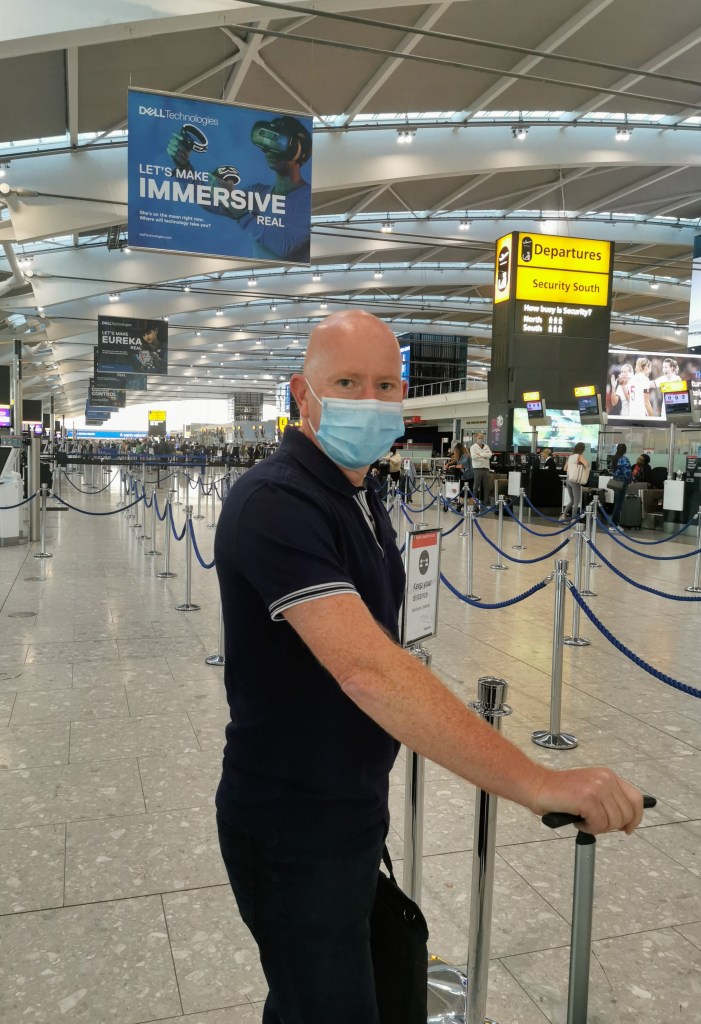
So how does it feel to be back at the airport? Obviously we’re all masked up for the next few hours, but that’s the price you have to pay. Check-in is quiet and orderly, but then it’s early, not even 6am yet. We’re flying with British Airways to Palermo today, so we have to have our temperature checked and are handed a health questionnaire to complete before the gate. Apart from that it’s business as usual and we’re through to Security in a couple of minutes.

The priority lanes are closed, so everyone is sent through to the same lanes, but again, it’s fairly quiet here compared to the usual scrum. Am I imagining things, or are the Security staff a bit nicer than usual? Masks obviously mean that you can’t see if people are smiling, but it feels as though they might be. Just 35 minutes after leaving home in an Uber, we hit the shops. That’s pretty good going.

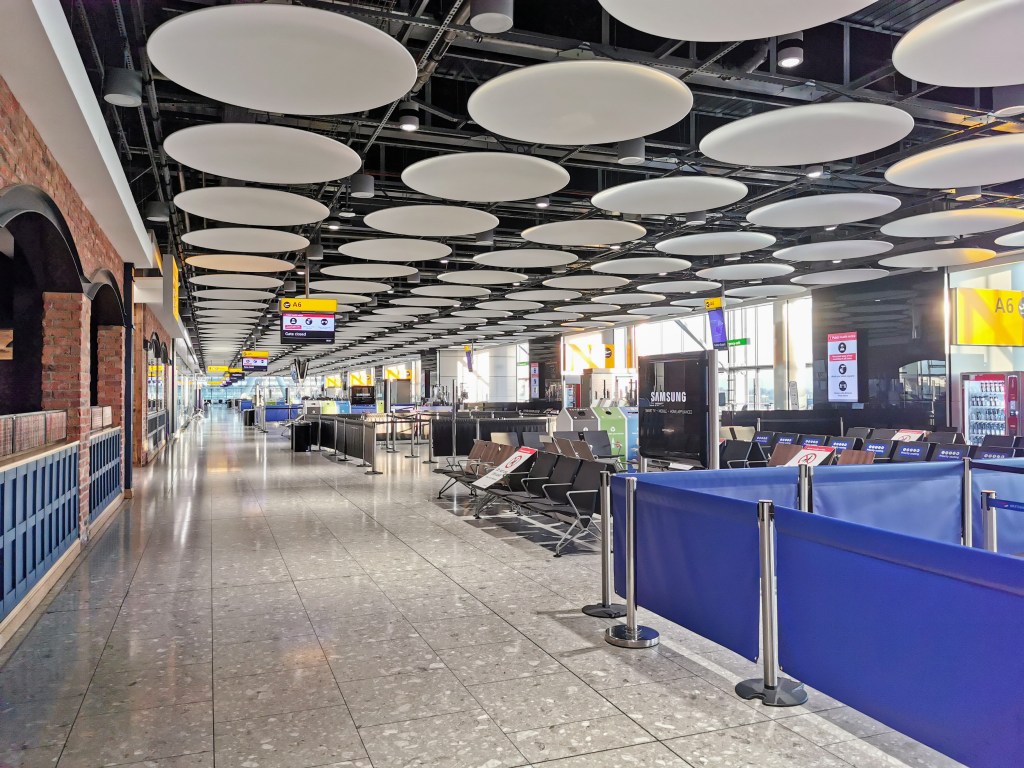
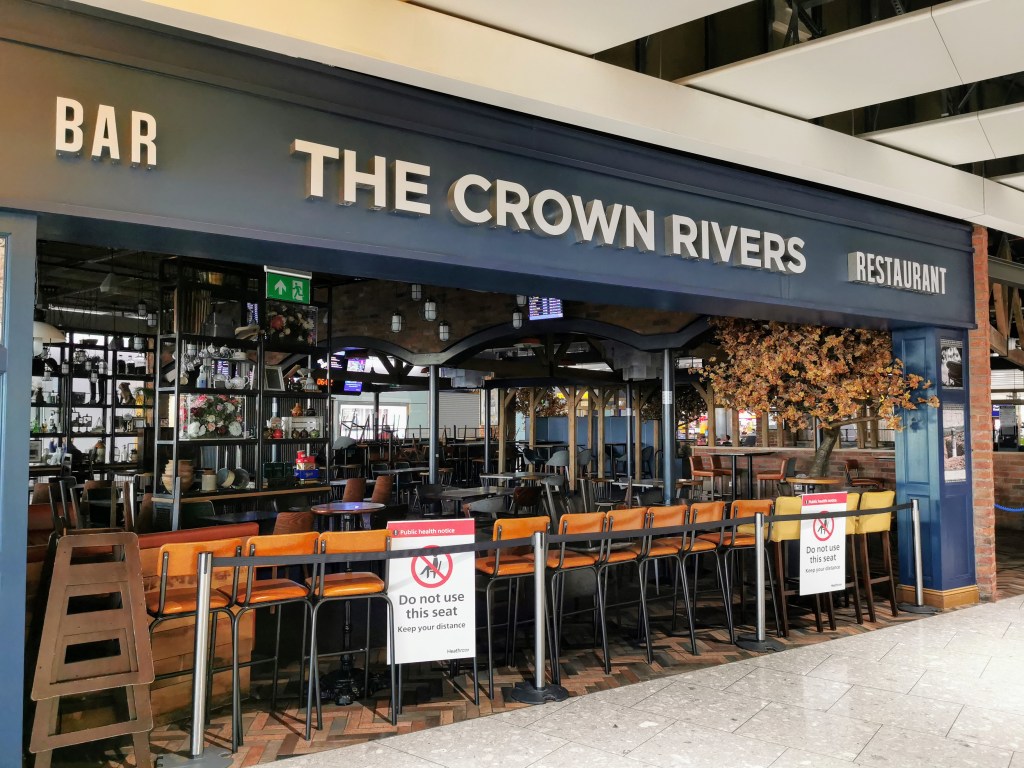
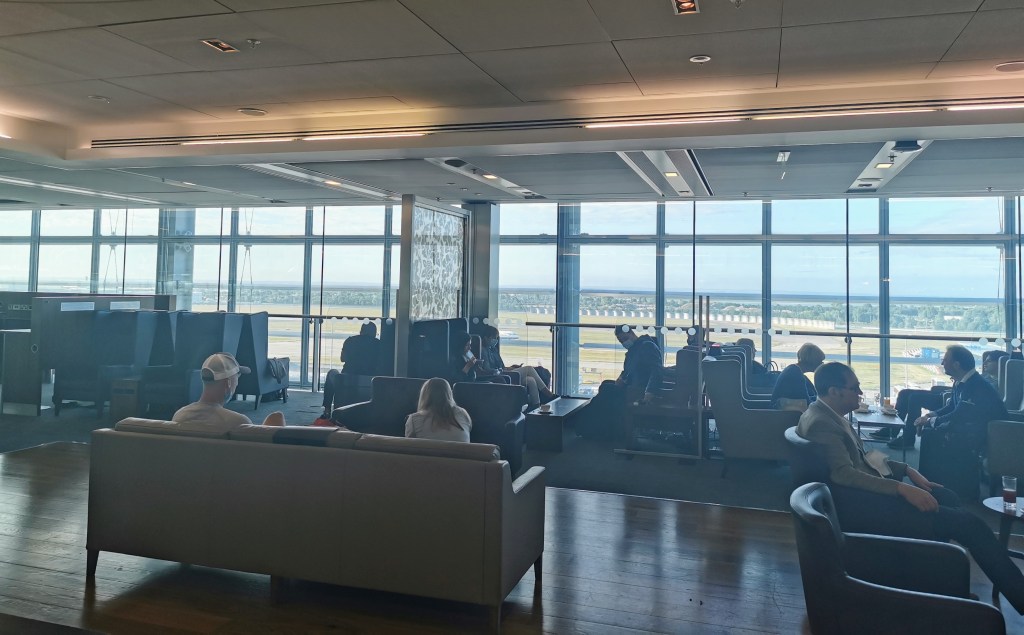
In the Departure Lounge, it’s really obvious how much quieter things are at Heathrow. Several shops are not open yet and some areas are looking quite ghostly, particularly at the northern end of the terminal, which is usually busy in the early mornings. We do a quick tour and then head for the BA Galleries Lounge at the southern end of the terminal (North lounge is still closed).

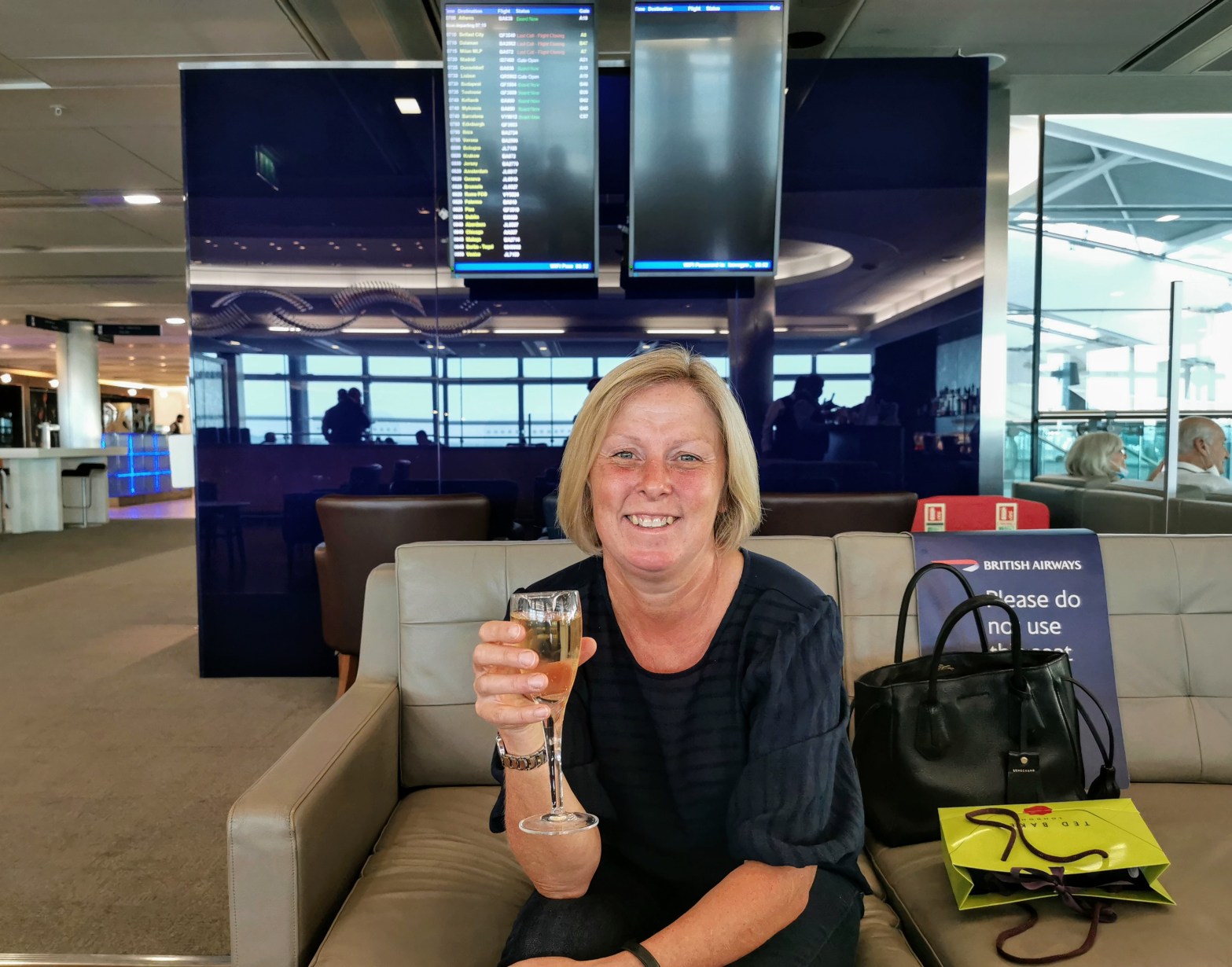
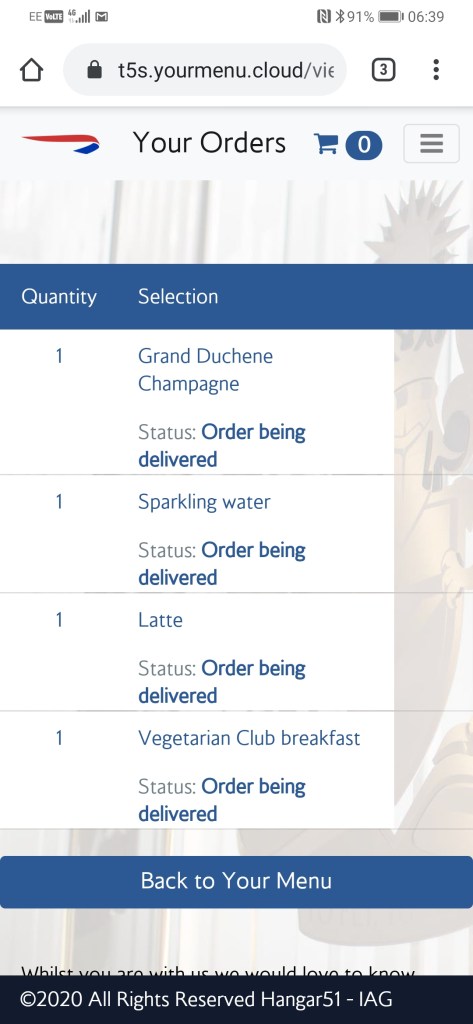
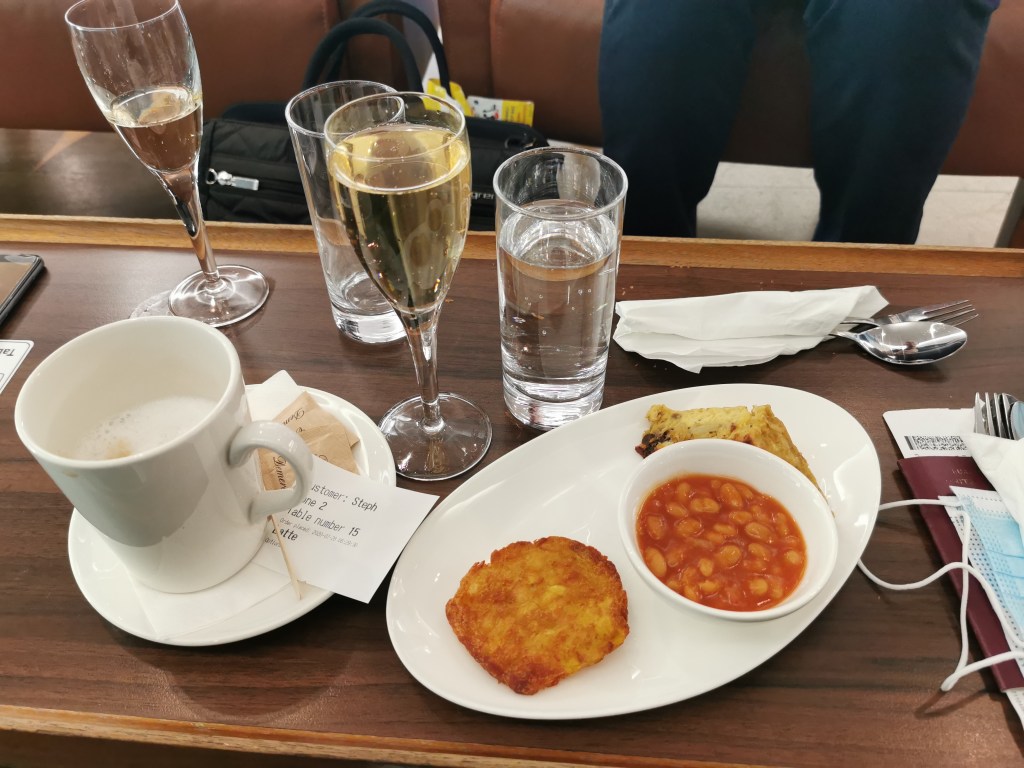
In the lounge there are plenty of free tables and loads of staff. Before coronavirus, it was tricky to find anyone to assist, but today they’re ready and waiting to serve you. I like it. You scan a QR code on your table to order food and drinks via an app, which takes us a minute to figure out (instructions might be helpful) but once we’ve ordered it works like a dream.

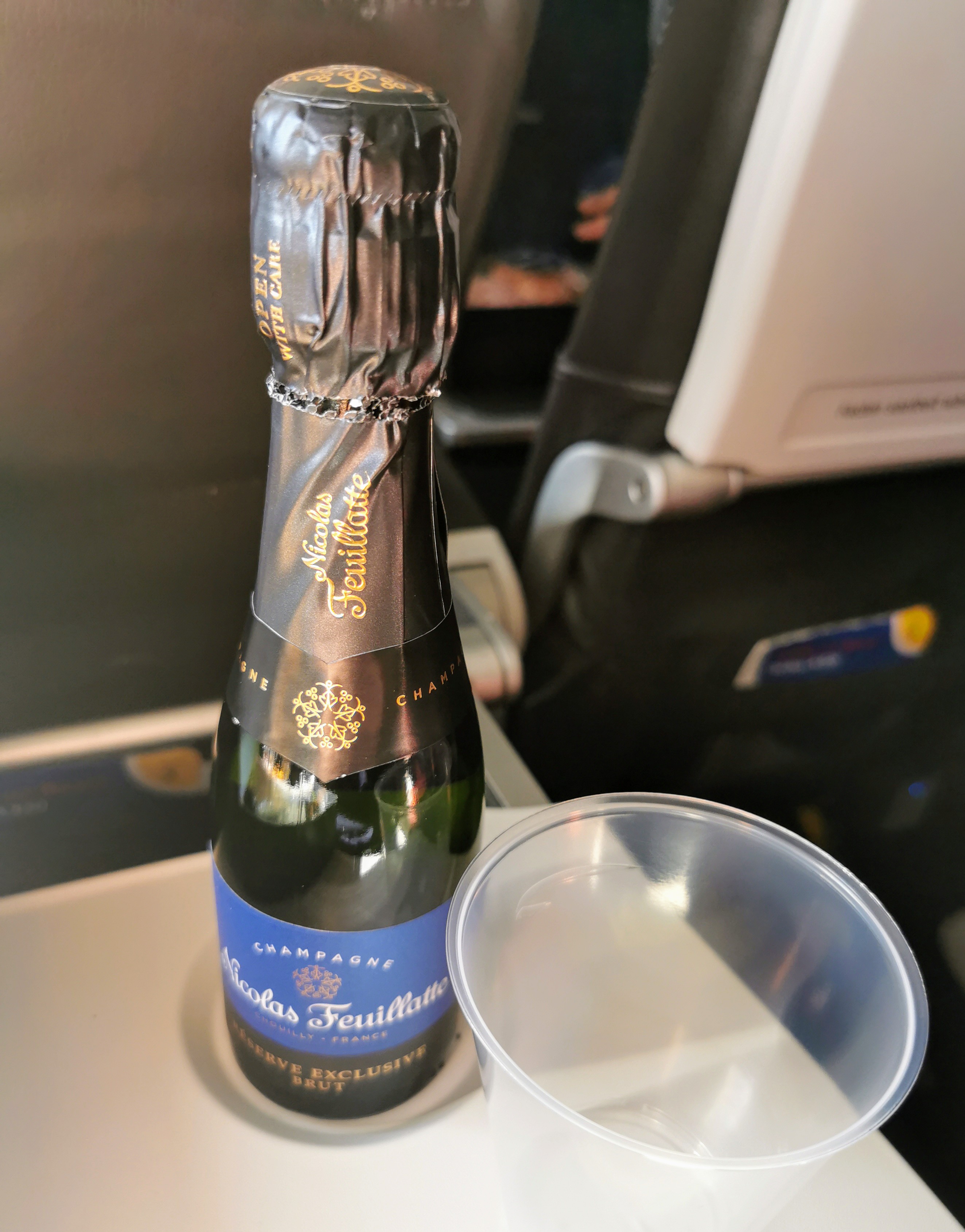
Yes, of course I order champagne with my breakfast – holiday rules apply once you’re at the airport! I think I prefer the new system compared to the old buffet style, but it may not work so seamlessly when things are busier. And I’m definitely not imagining things, the staff here are jolly too. It’s not just me who’s glad to see travel ramping up again, no doubt they are feeling more confident about keeping their jobs now.

Alas, there are no free reading materials for the flight, but I’m prepared for this. In fact, I’ve saved John Taylor’s memoirs for this trip, so I will dive eagerly into Love, Death and Duran Duran as soon as we take off. Hopefully the husband isn’t expecting much conversation today.

As usual we’re at the gate nice and early to prevent the husband from getting stressed. He doesn’t like the new boarding procedure at all though. We’re in row 2 which means we are last to get on, oh no! He is desperate to get in the queue, but instructions are quite clear from the desk, so we have to wait. On the plus side, we’ve only just sat down and we’re off. The plane pushes off on time, and we only have a short wait for the runway. There are advantages to the airport being less busy, that’s for sure.

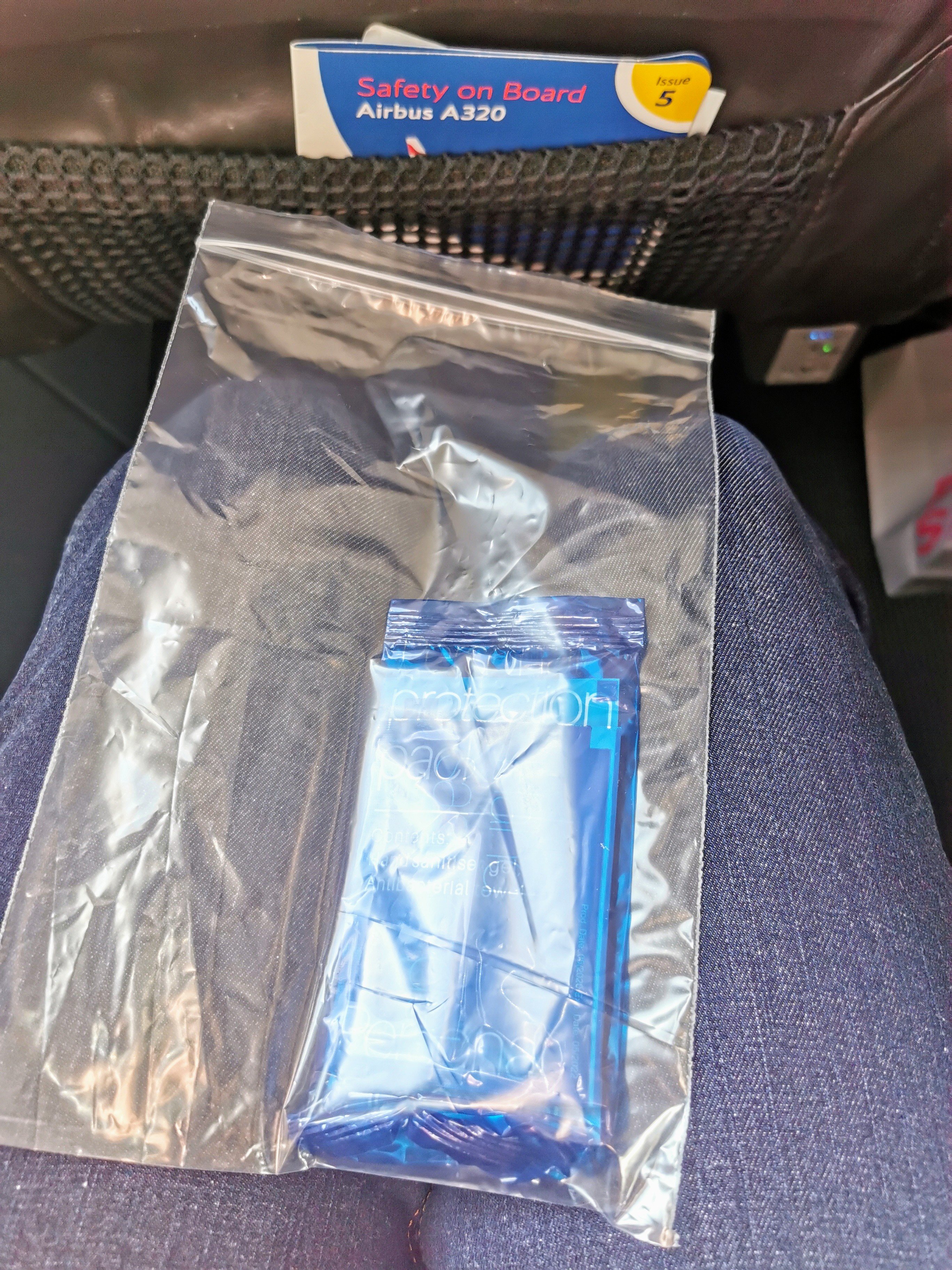
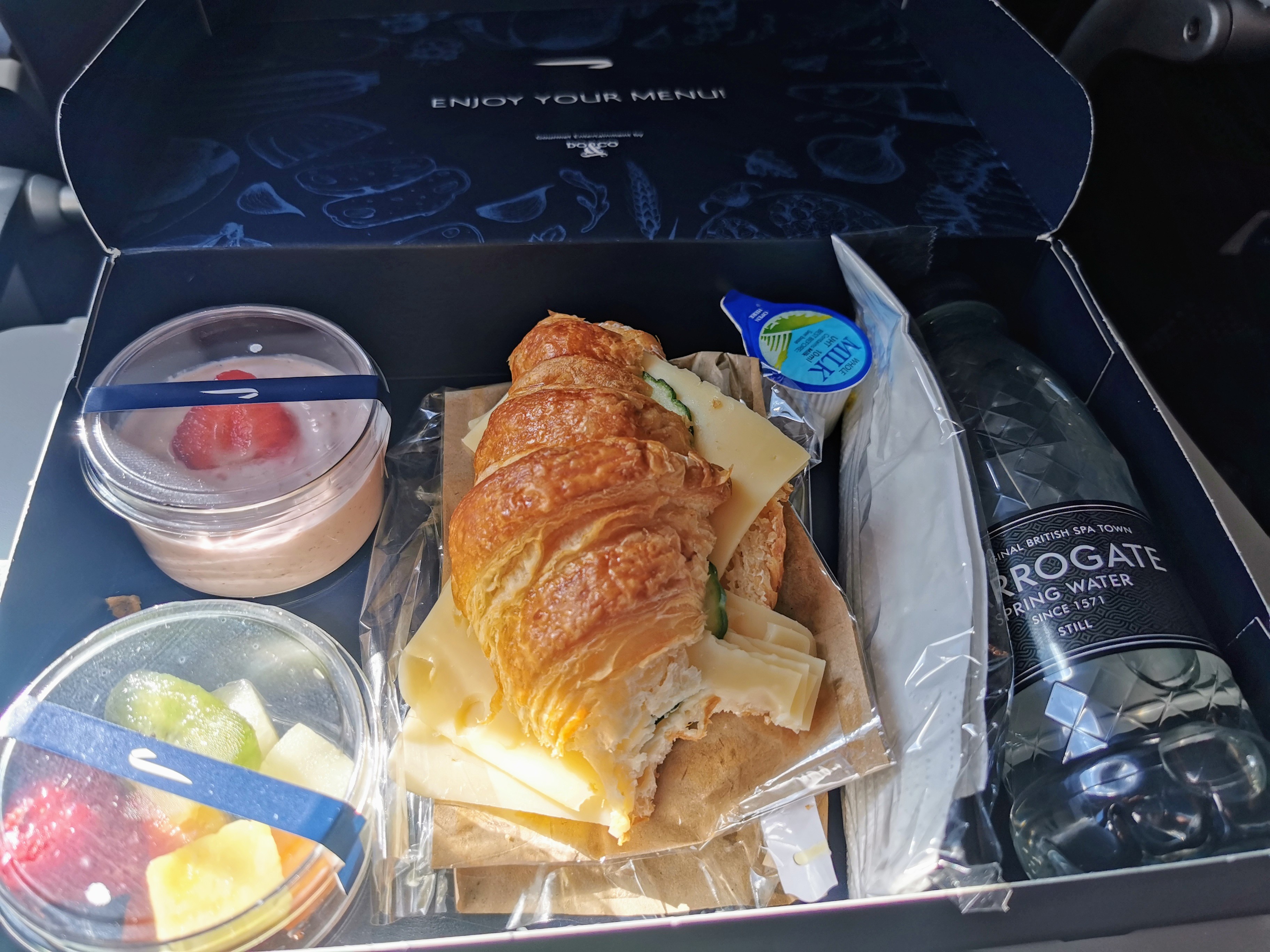
The crew hand out sanitation packs and explain the changes to on-board processes – basically don’t queue for the loo – and then breakfast is served. I read on the BA website that they could not currently cater for special diets, but in fact there’s a vegetarian option and very nice it is too. I do normally enjoy a BA cooked breakfast, but a tasty cheese croissant isn’t too shabby all things considered.

More importantly, the booze trolley follows! This is the time to upgrade if you can. In Economy it’s crisps and water only, plus the risk of random strangers in close proximity. In Club we are happy, socially distanced travellers with food and drink aplenty.

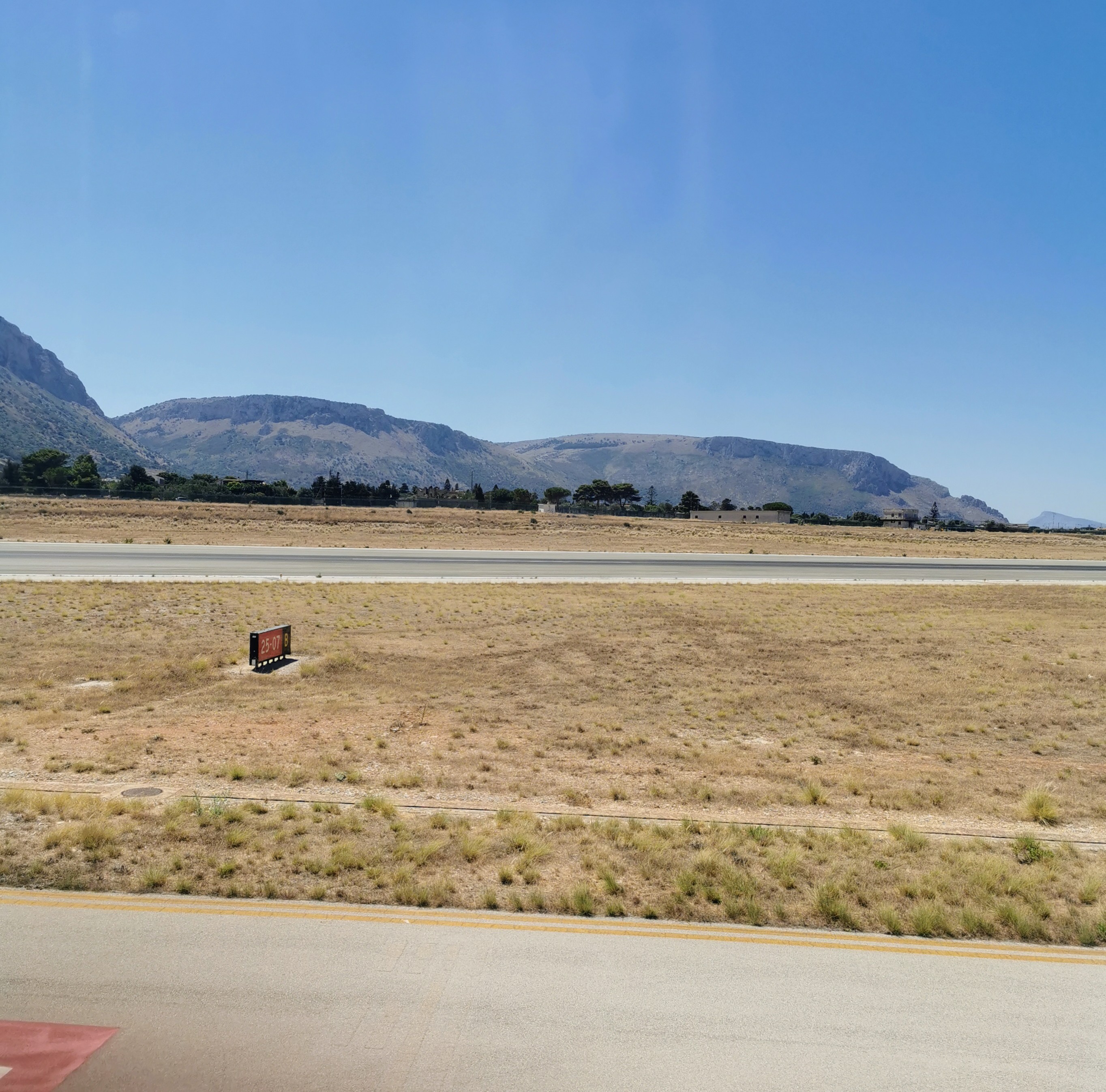
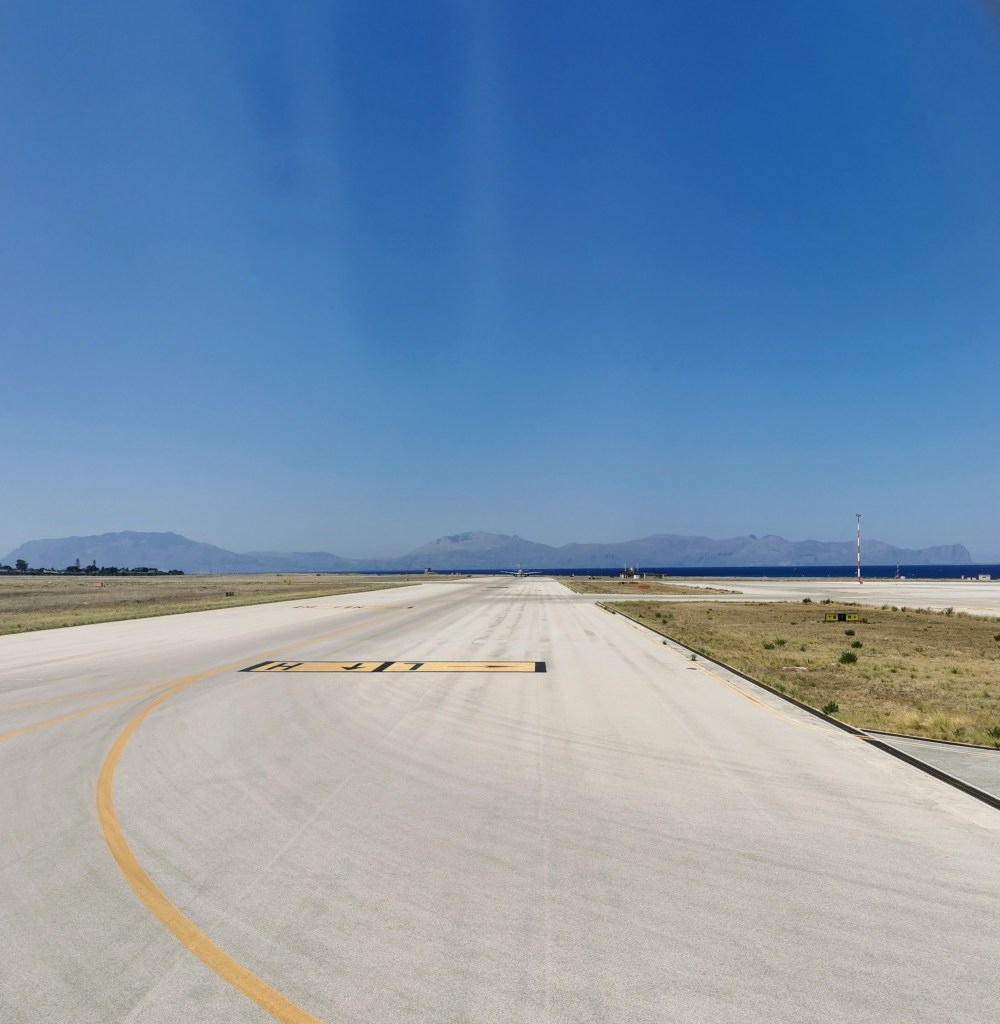
It’s a three hour flight in great conditions, sunny all the way with Duran Duran for company. My fears about the future of air travel have disappeared, providing all the carriers don’t go bust of course. We land 10 minutes early at Palermo Airport, dangerously close to the sea, but with amazing views to both sides. Getting through the airport is a breeze, maybe 20 minutes before we’re in a taxi.

To sum up, I’m not deterred at all. Today’s experience was really positive, in some ways much better than pre-pandemic, particularly in terms of customer service. Clearly, in the light of what happened to Spain this week, you need to be prepared for changes at short notice. I’m not too fussy about where I go, so no problems there, but I do want my insurance to be valid and I don’t particularly want to quarantine. On the to-do list – rearrange our upcoming Ibiza trip (we’re thinking Greece instead). It’s with BA so there should be no issues. But that can wait until I get home…time for some dolce vita – you just can’t get it in Maidenhead!

Travels in my neighbourhood: Reading

Reading is one of those under-the-radar places. It’s the county town of Berkshire and our nearest big conurbation, but we don’t seem to go there very often. It’s perfectly pleasant, just unexciting and ordinary. Unfortunately, on 20 June this year it hit the headlines for all the wrong reasons.

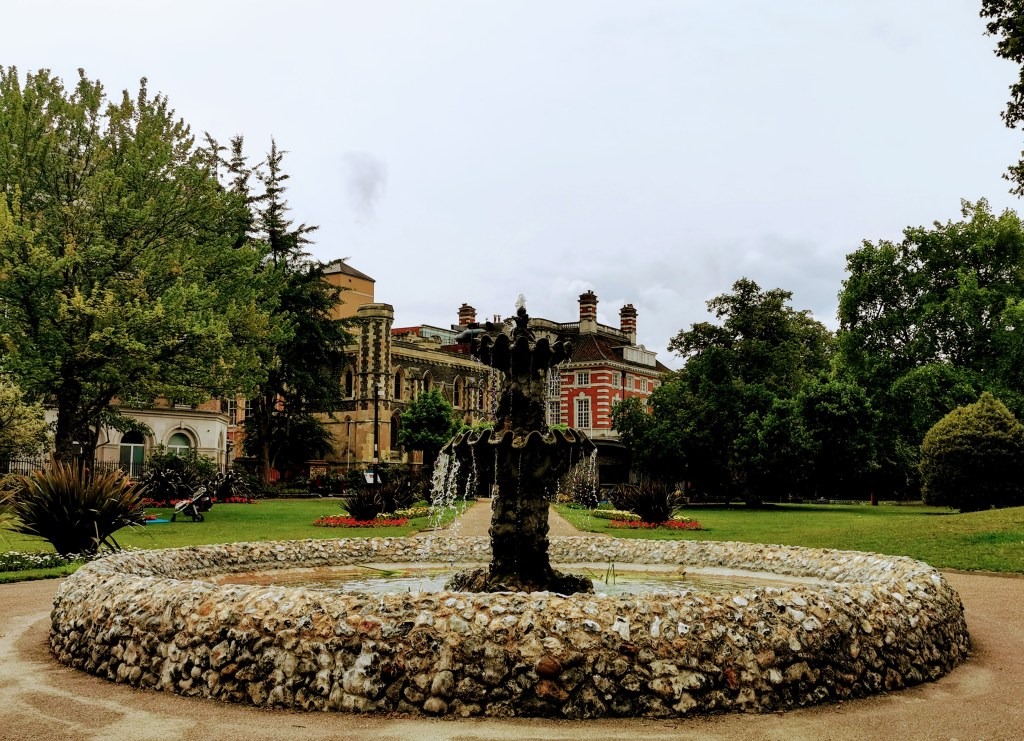
Forbury Gardens in the centre of Reading.

On a Friday evening in the Forbury Gardens, three friends died and three others were injured in a random and unprovoked attack. It was a shock – not the sort of thing you expect to happen in Reading. The fact that it took place as lockdown measures were easing made it seem even more unfair – those poor people were just enjoying being outdoors with friends after many weeks of isolation. It made me feel like I should go and write about some of the more positive attributes of the town.

King’s Meadow.

I start my walk in the King’s Meadow, a large expanse of green bordered by the Thames to the north and the city centre to the south. There are more birds here than people on this pleasant weekday afternoon, which is just the way I like it.

Thames Lido.

I walk past the Thames Lido, unfortunately still shut despite the loosening of lockdown. I’m keen to try this place, where you can swim and then eat tapas poolside, which is pretty much my perfect kind of afternoon. Some day soon, I hope, although the husband may not be keen – he’s the only person I know who goes backwards whilst doing front crawl.

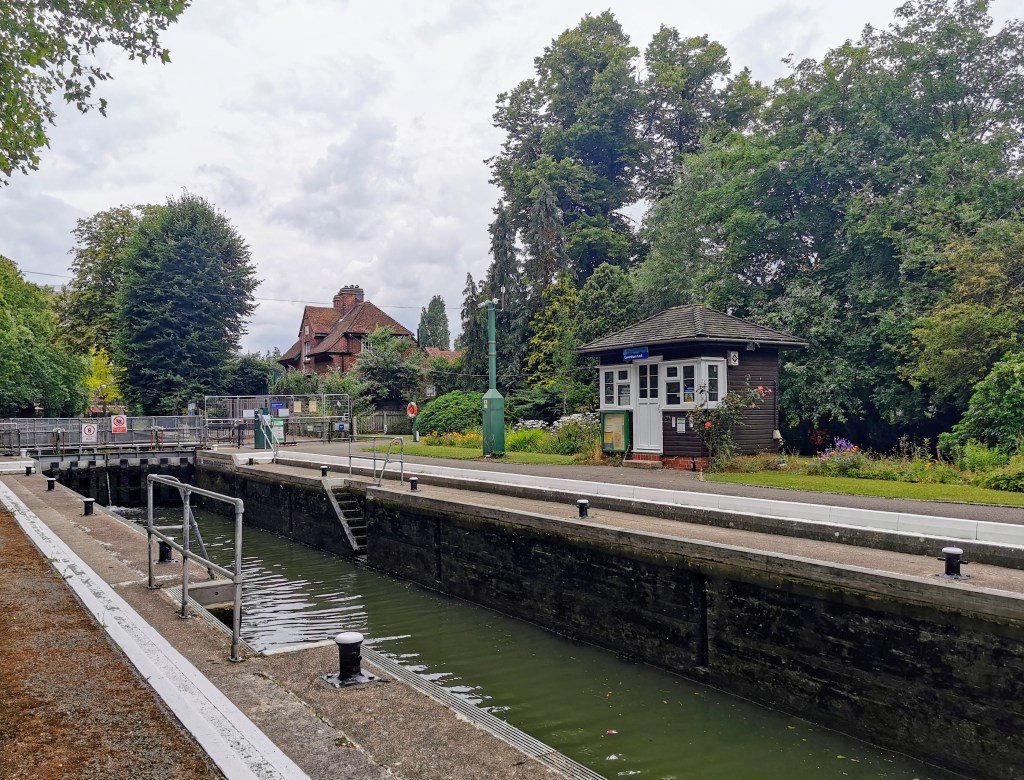
Caversham Lock.

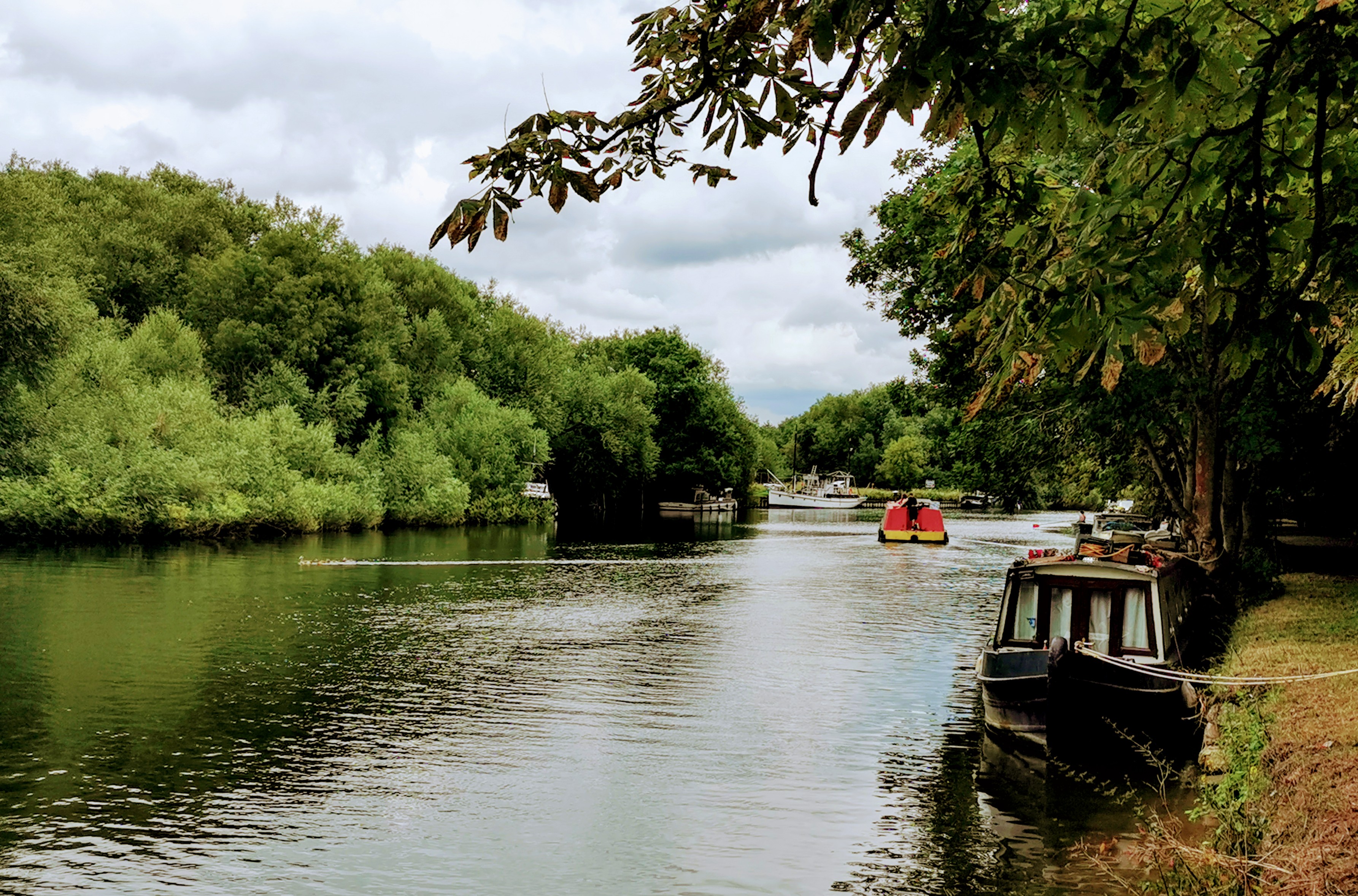
I hit the Thames Path (inevitably!) at Caversham Lock and head right along the banks towards the intersection with the River Kennet. You would hardly believe that the town is so close, there’s total tranquility apart from the boats chugging past.

The town initially grew up as a river port due to this position at the confluence of two waterways, and there’s been a settlement here since the 8th century. Reading continued to flourish due to its location on the coaching route from London to Oxford and Bristol, and later on the Great Western Railway.

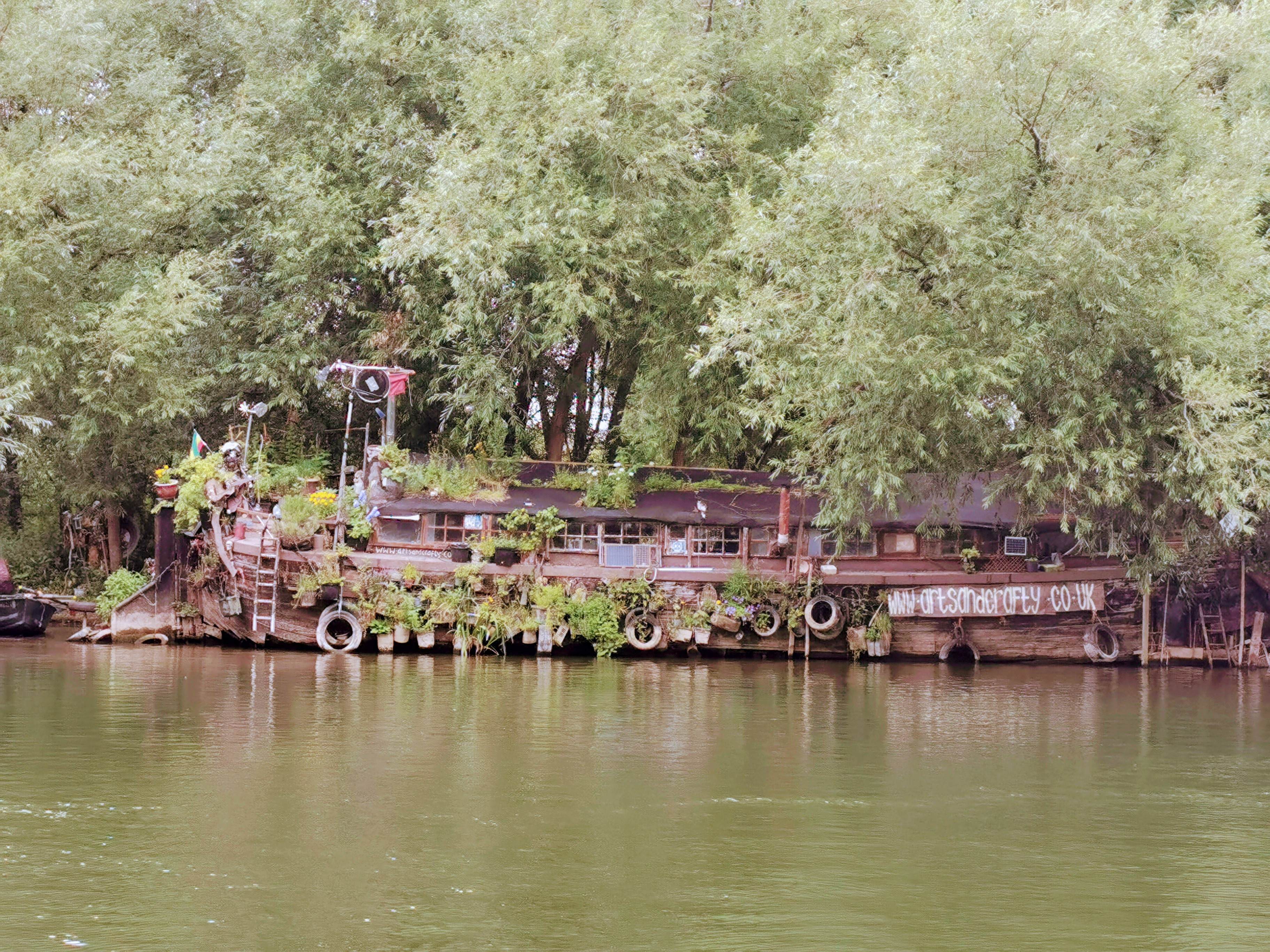
Some of the boats look like they don’t move very far at all, they’ve just taken root here on the edge of the Thames. There are definitely worse places to live.

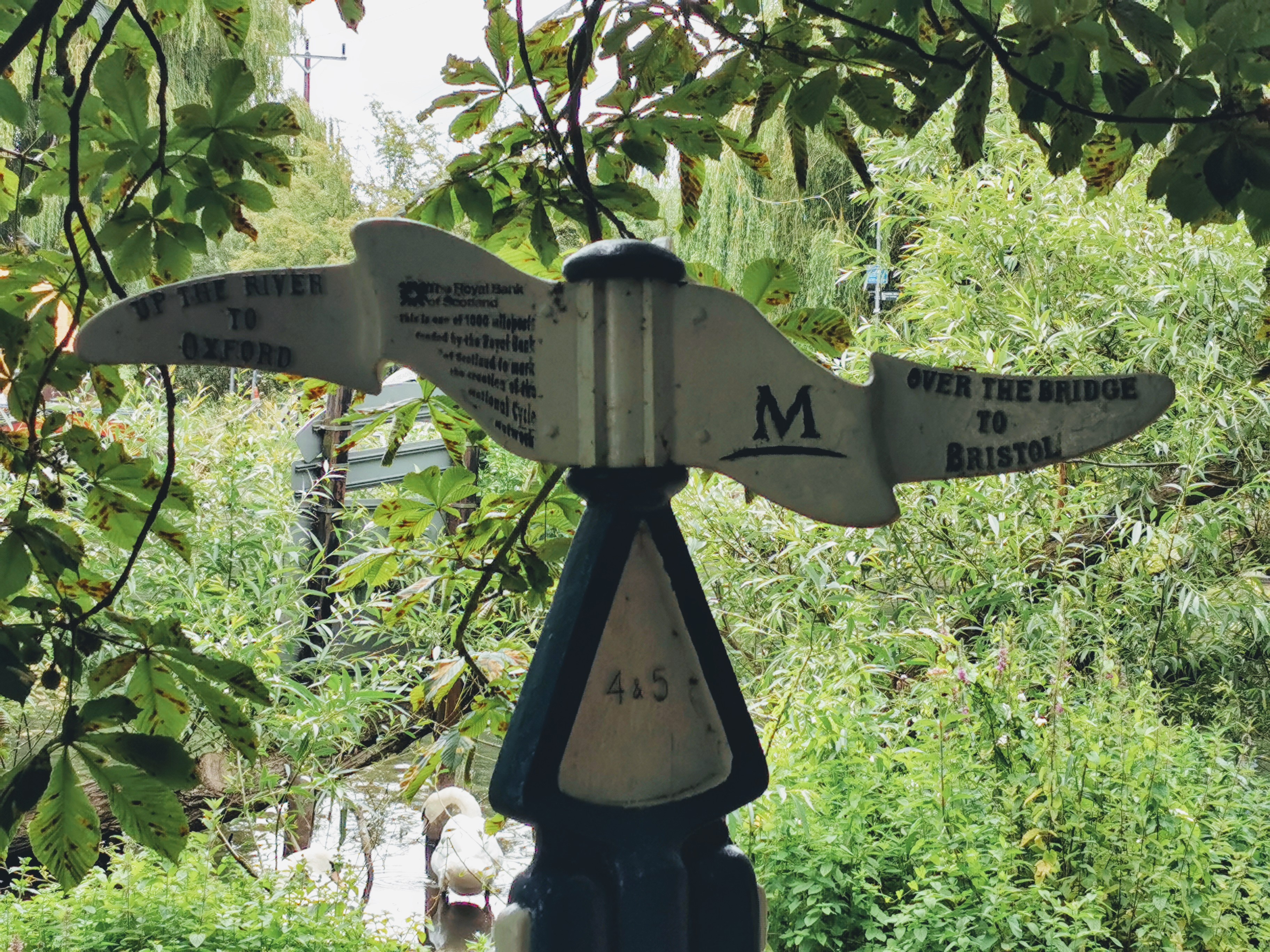
As I turn right to head along the River Kennet, a sign informs me I’m on my way to Bristol, which immediately makes this pathway seem more exciting. In theory, I could just keep walking until I get there…but it’s 70 miles away. Perhaps not.

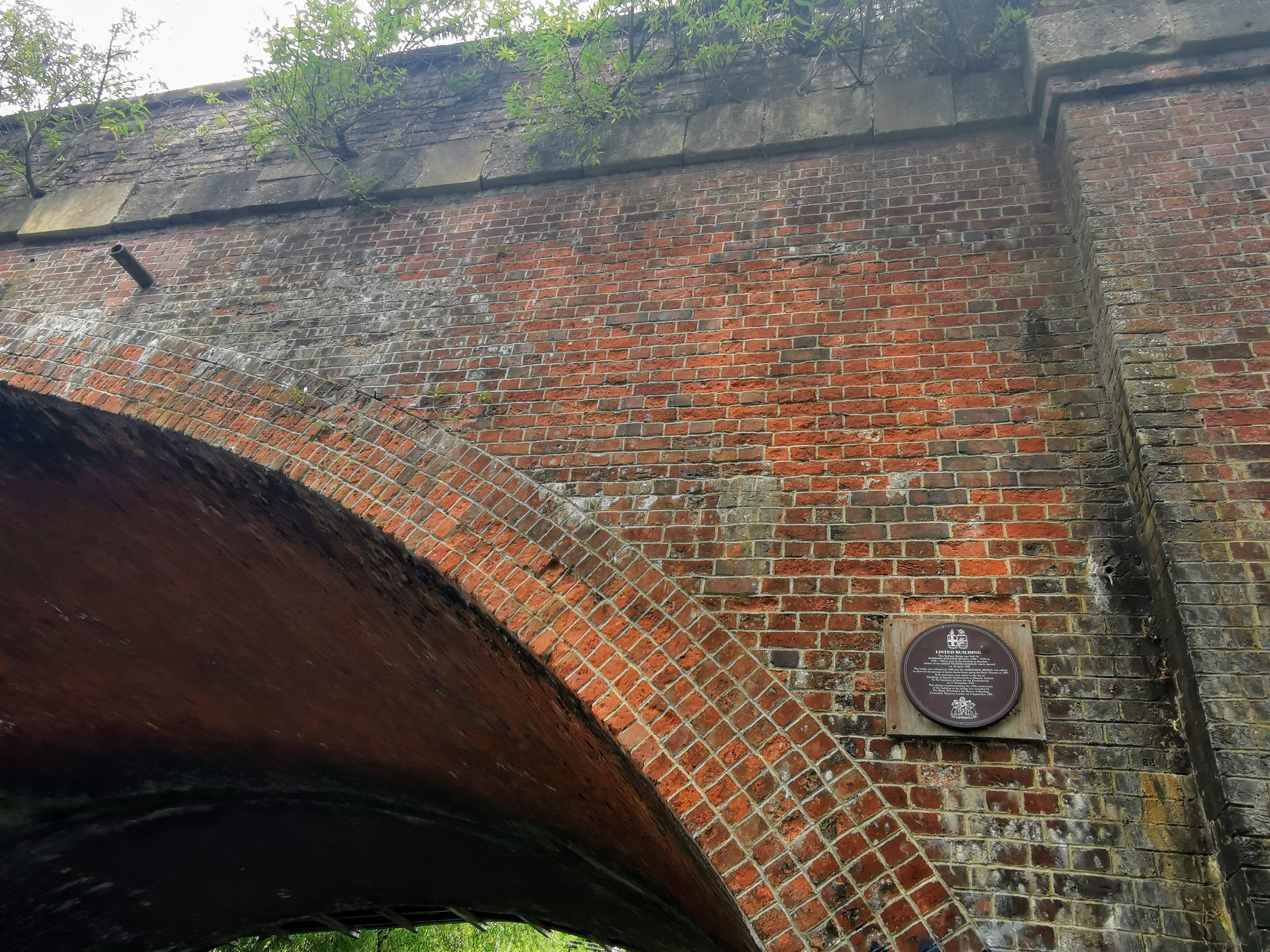
Walking along the Kennet now, I pass underneath one of Isembard Kingdom Brunel’s railway bridges, duly marked with a plaque.

The landscape is more industrial here as I head towards the centre of town but there’s still plentiful bird life here. The Kennet was known for its mills, but is also a biodiversity site due to its chalky riverbed.

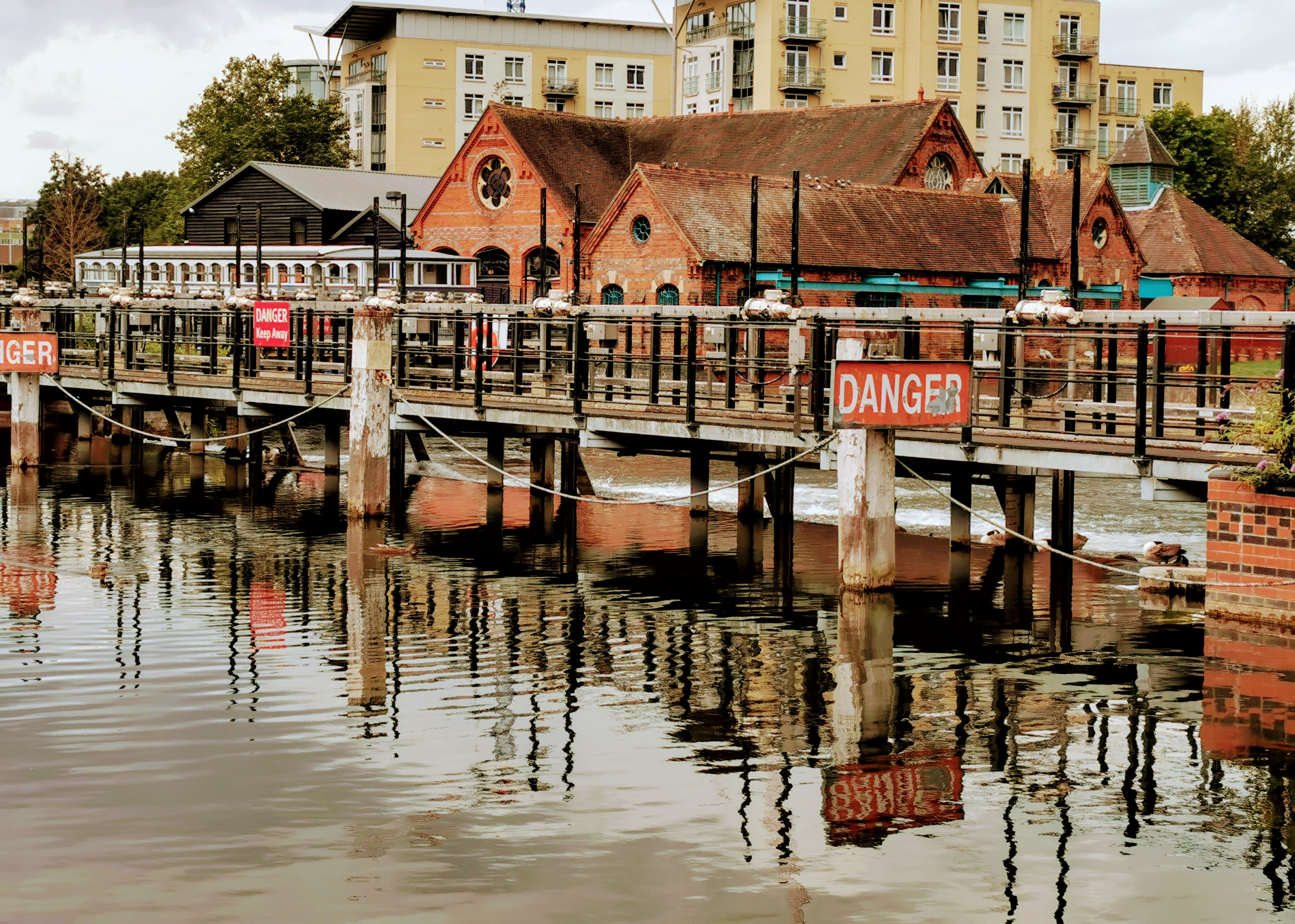
I walk past the Reading Riverside Museum at Blake’s Lock. Housed in two old waterworks buildings, it tells the story of Reading’s two rivers. Unfortunately it’s yet to open after the coronavirus lockdown so I can’t expand my river knowledge today, shucks!

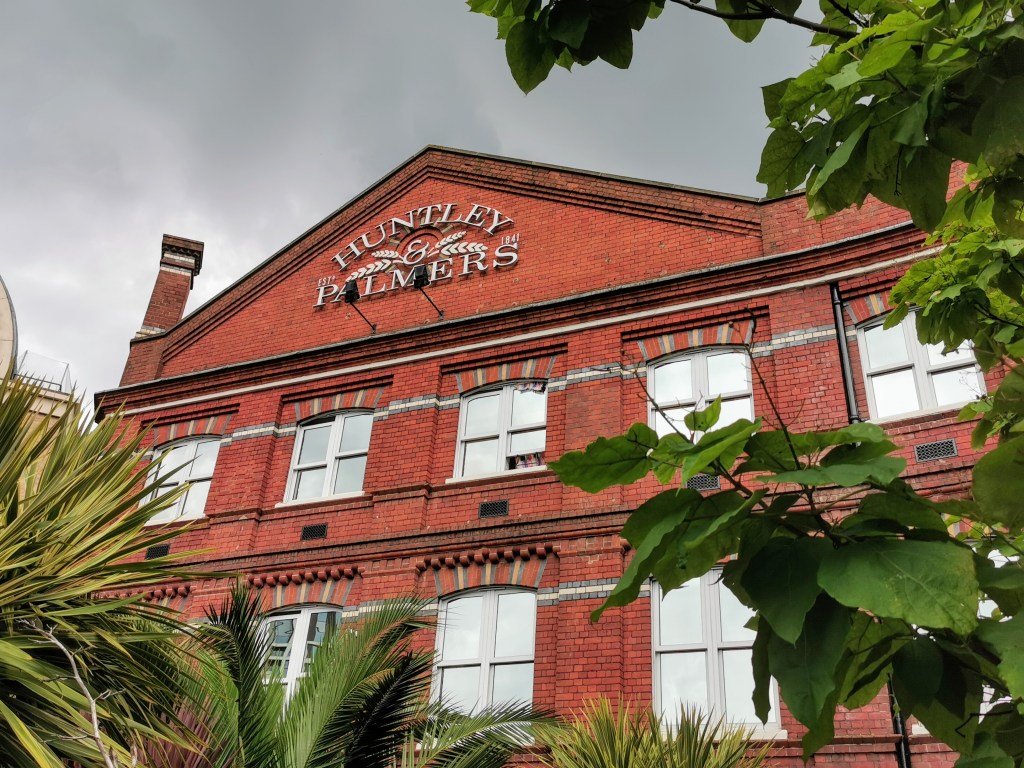
The Huntley and Palmer building on the riverside is all that remains of what was the largest biscuit making factory in the world. In 1822 Joseph Huntley started selling biscuits to travellers on the stages coaches that stopped in Reading en route to London or the West Country. His company grew into one of the first global brands, and led to Reading being known as Biscuit Town. I’m not sure that’s a selling point, unless you really like biscuits!

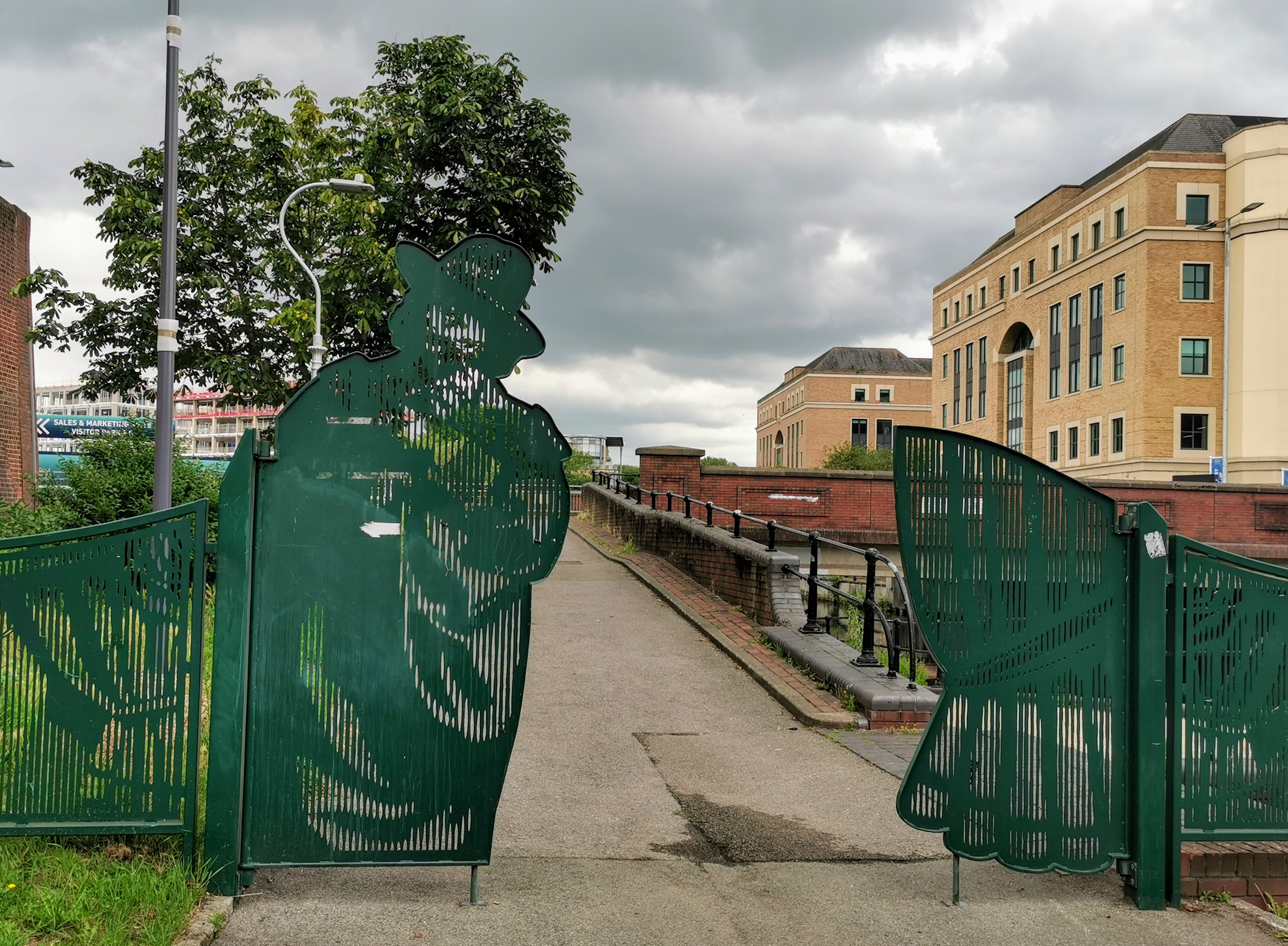
Another of Reading’s claims to fame, albeit not exactly favourable, is the fact that Oscar Wilde was imprisoned here in 1895 for the crime of gross indecency, and wrote The Ballad of Reading Goal about his dreadful experiences. A walkway alongside the Kennet is dedicated to his memory, although I’m not sure he would be much mollified by this.

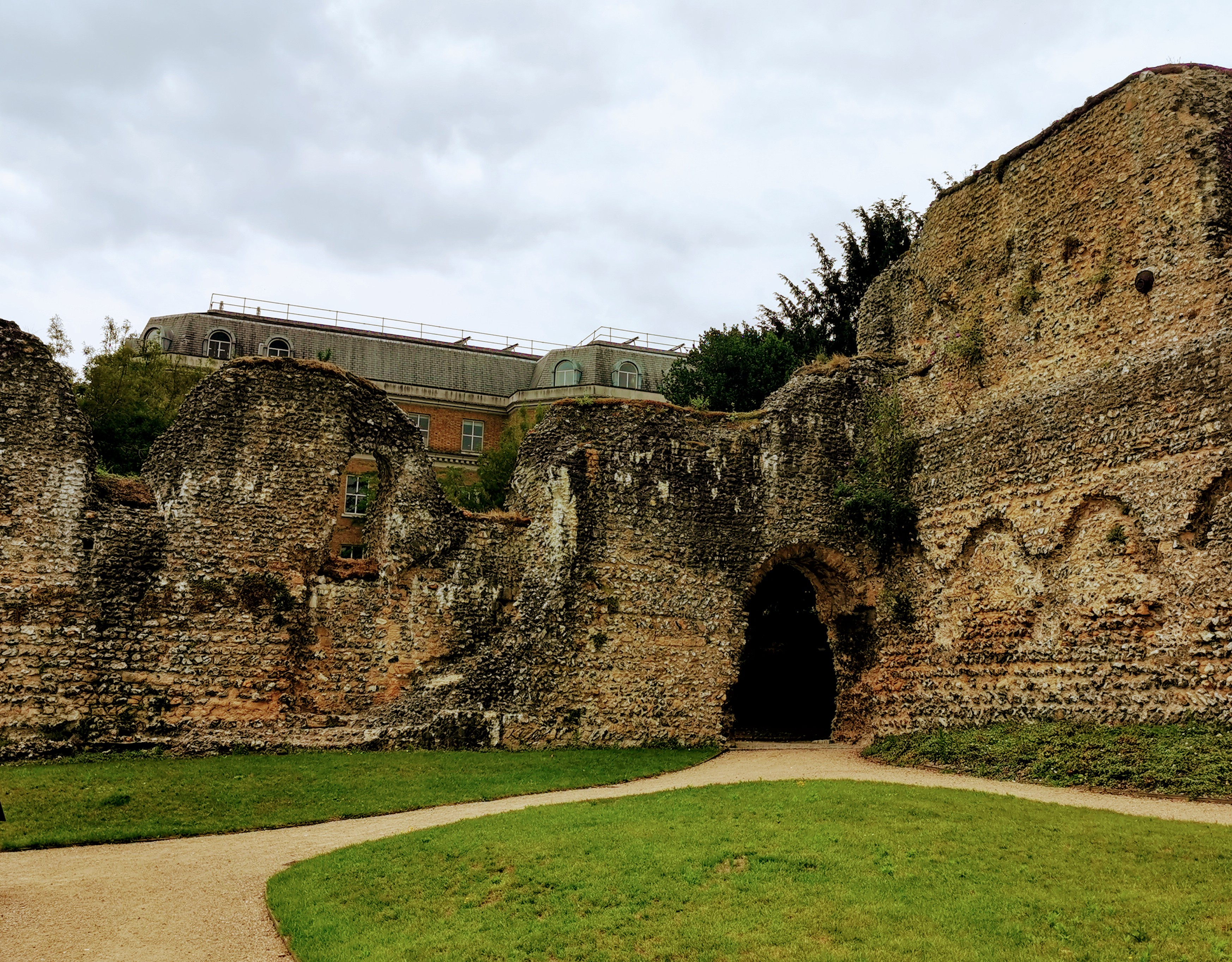
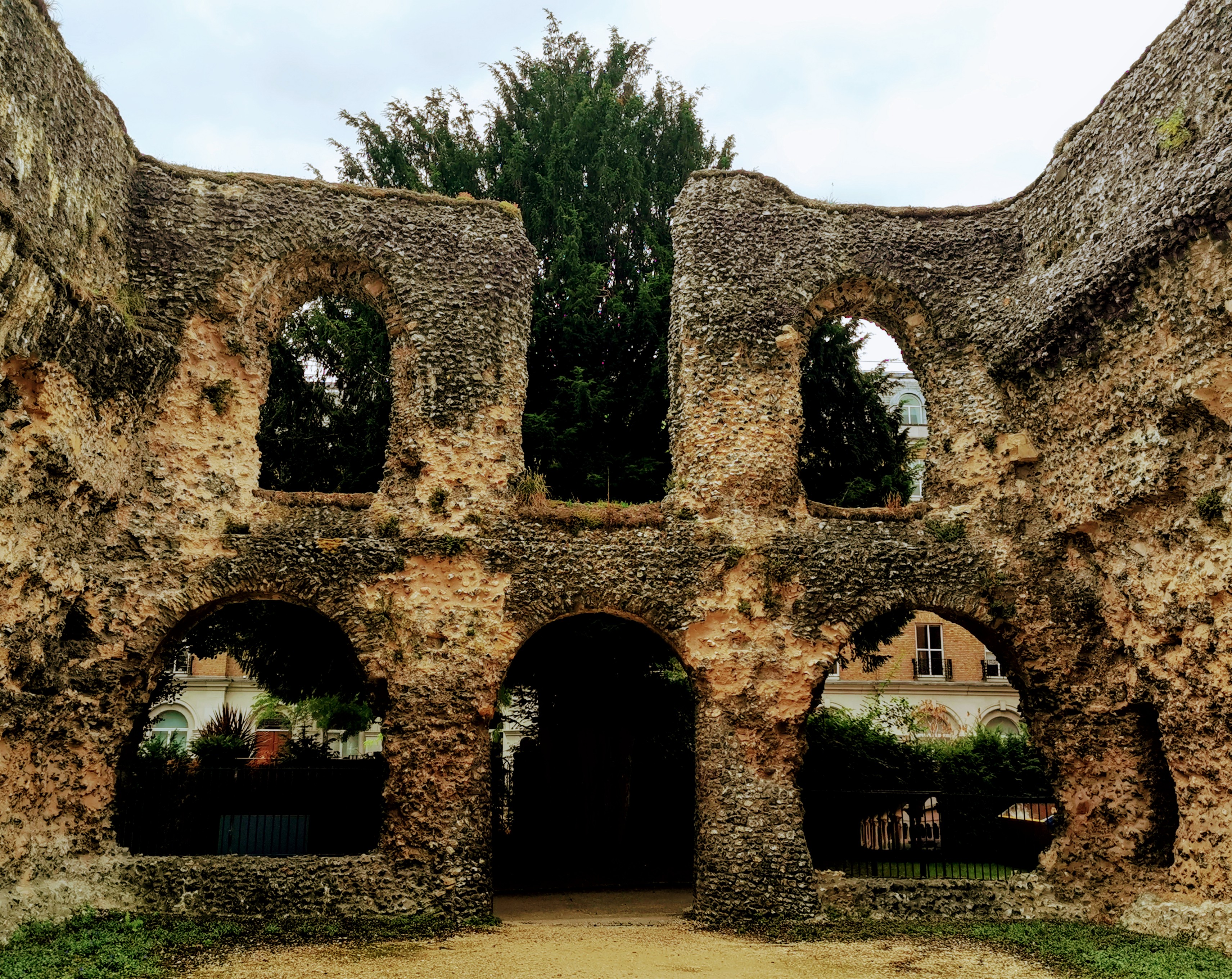
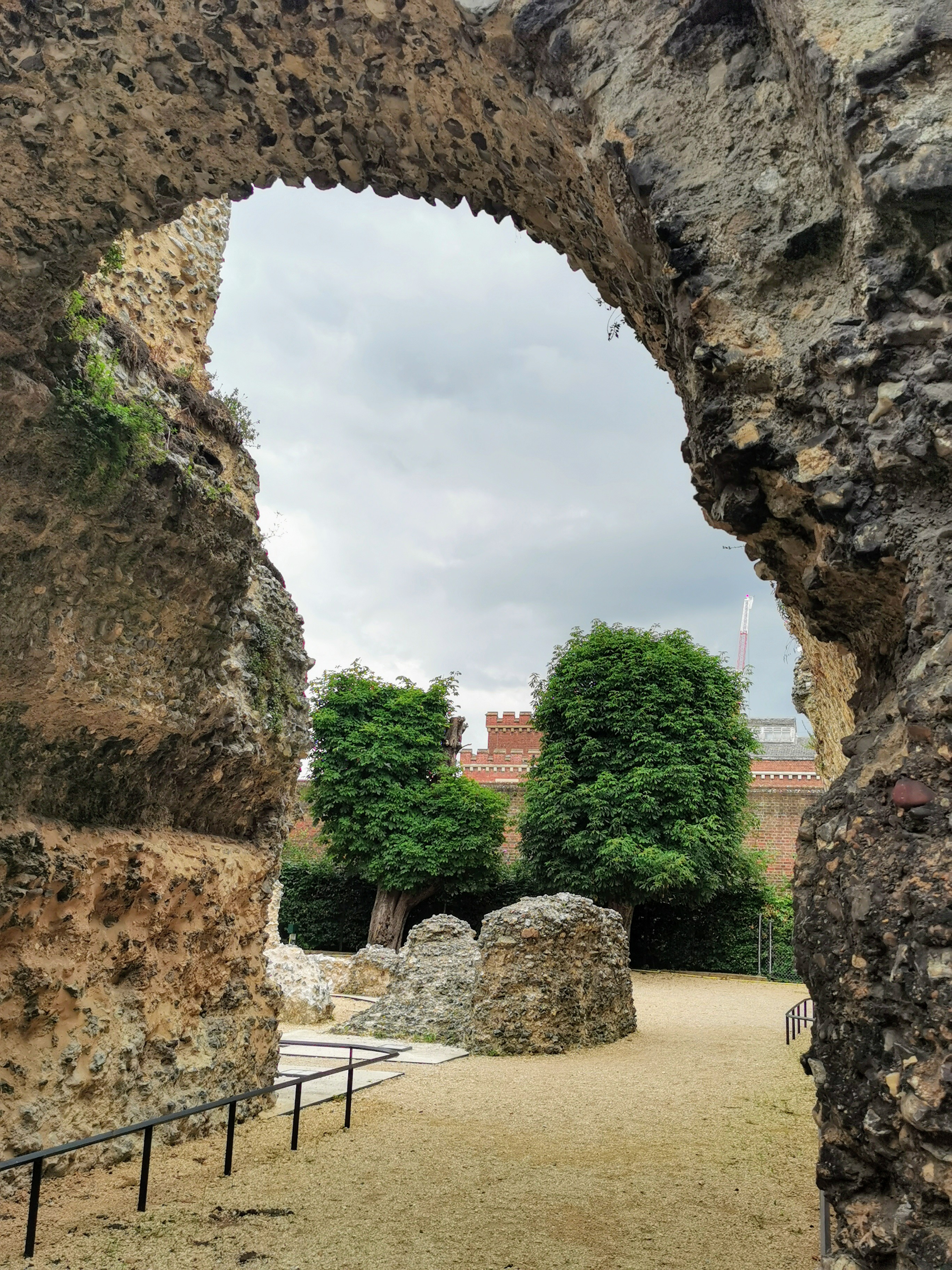
The walkway leads to the entrance of Reading Abbey, founded in 1121 by Henry I. It’s ruined now, but in medieval times it was one of the richest religious houses in England, and an important pilgrimage site. Then along came Henry VIII (yes, him again!) with his Dissolution of the Monasteries. In 1538 the Abbey was mostly destroyed and the poor abbot was hung, drawn and quartered in the grounds. As for the riches, Henry took them, of course. The Abbey was renovated and opened to the public in 2018, and this is my first visit. It’s quite impressive, even after all those years of decay.

Behind the Abbey, you can see glimpses of the old prison, which closed in 2014. Its fate is still to be decided, but I fear it may end up in the hands of the developers.

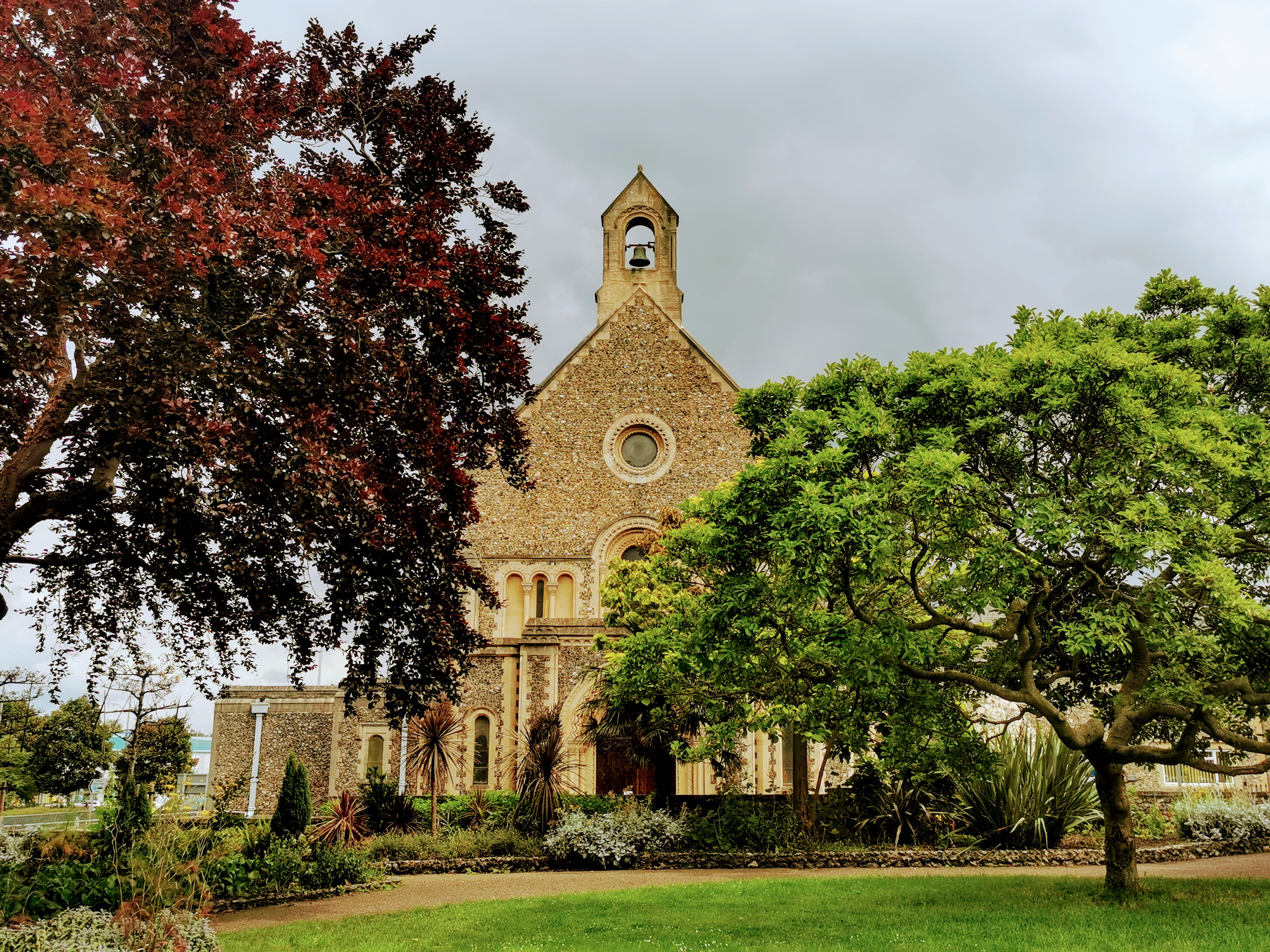
I emerge from the Abbey into the Forbury Gardens, where I admire the facade of St James’s Church, built from stones taken from the Abbey ruins.

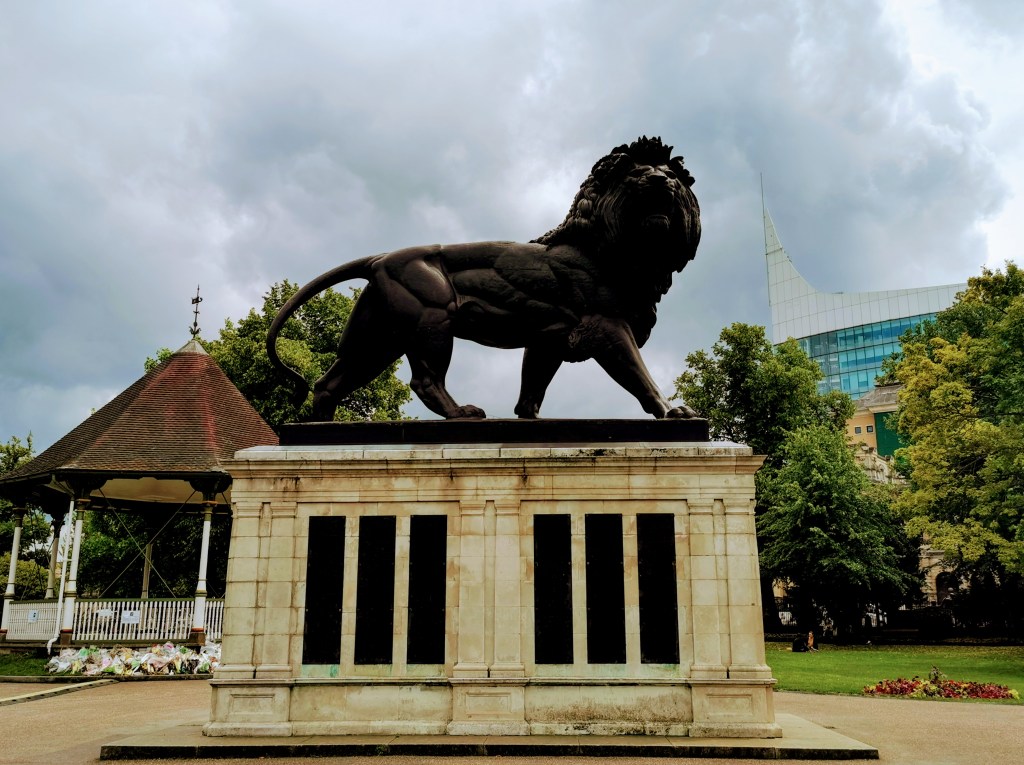
The Maiwand Lion stands in the centre of the Gardens, and has become an unofficial symbol of Reading. It was erected in 1886 as a memorial to local soldiers killed in Afghanistan. In the photo below you can see floral tributes to those killed in the recent terrorist incident, placed around the bandstand.

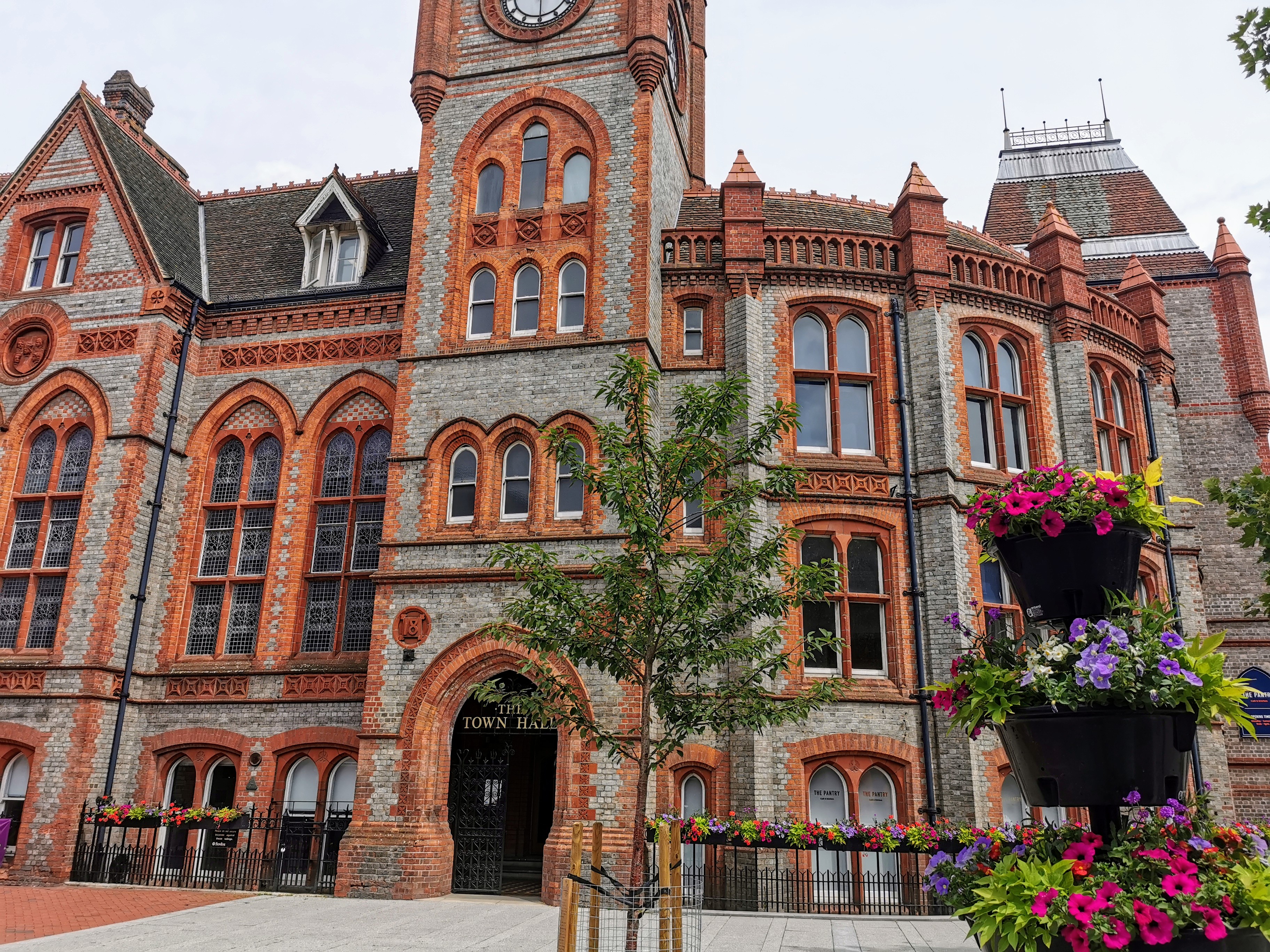
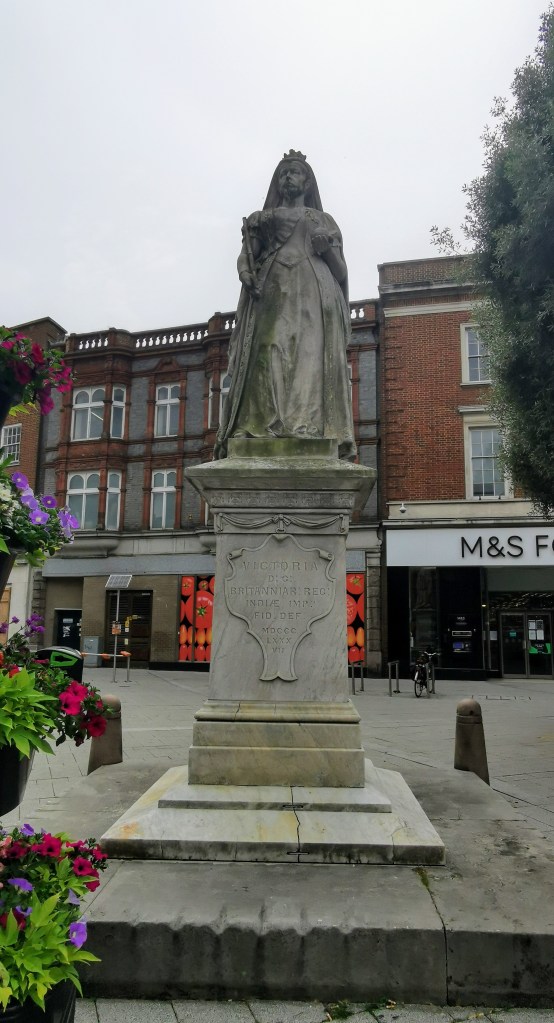
My last port of call in the city is the Town Hall Square, where Queen Victoria stares sternly towards the ornate Town Hall buildings. Out of interest, I google how many statues of Queen Victoria there are in the UK. Apparently only 80, but it seems like she is everywhere, gloomily overseeing our town and city centres. Why do statues never have smiling faces, I wonder?

So what have I discovered here in Reading today? Like most places in the UK, there’s lots to enjoy if you scratch below the surface – lots of history, green spaces, quirky facts. Reading is still not, I fear, the most exciting place to visit, but there’s plenty here to while away a few hours if you get off the beaten track.

The house that Wolsey built (and Henry took)

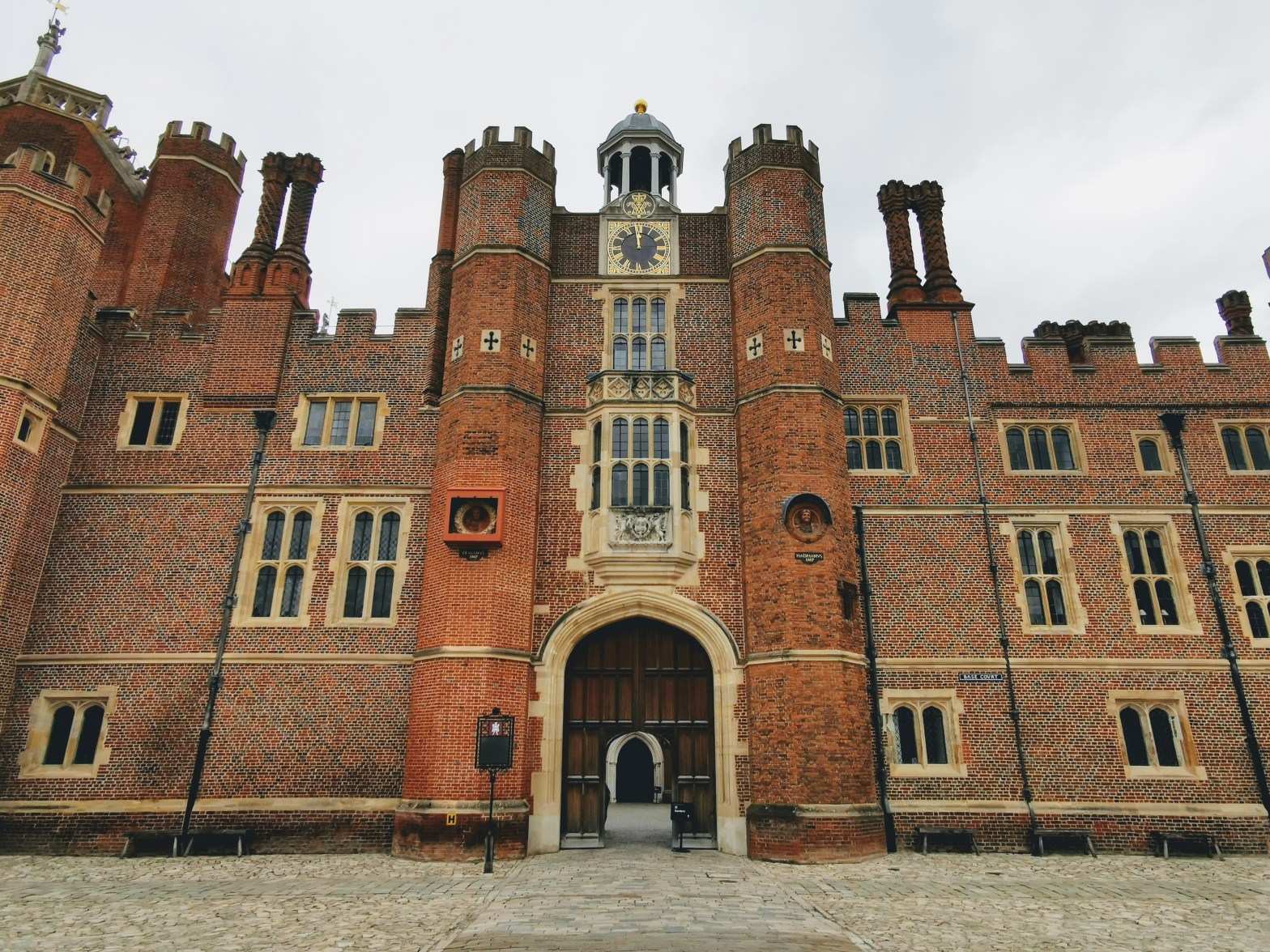
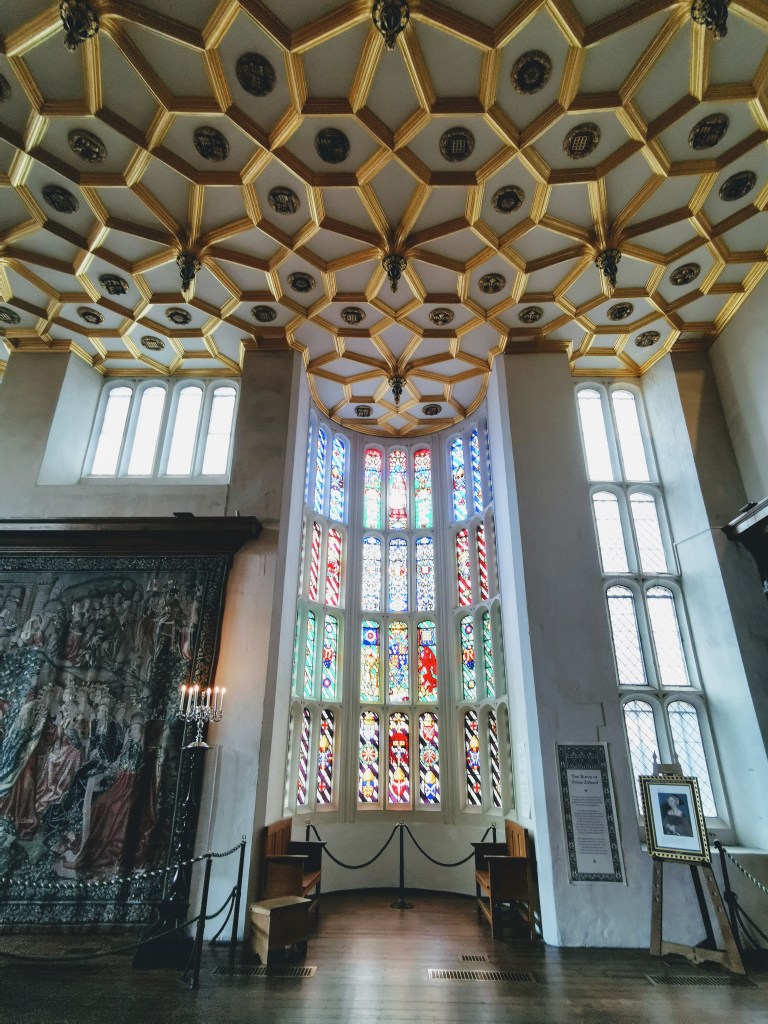
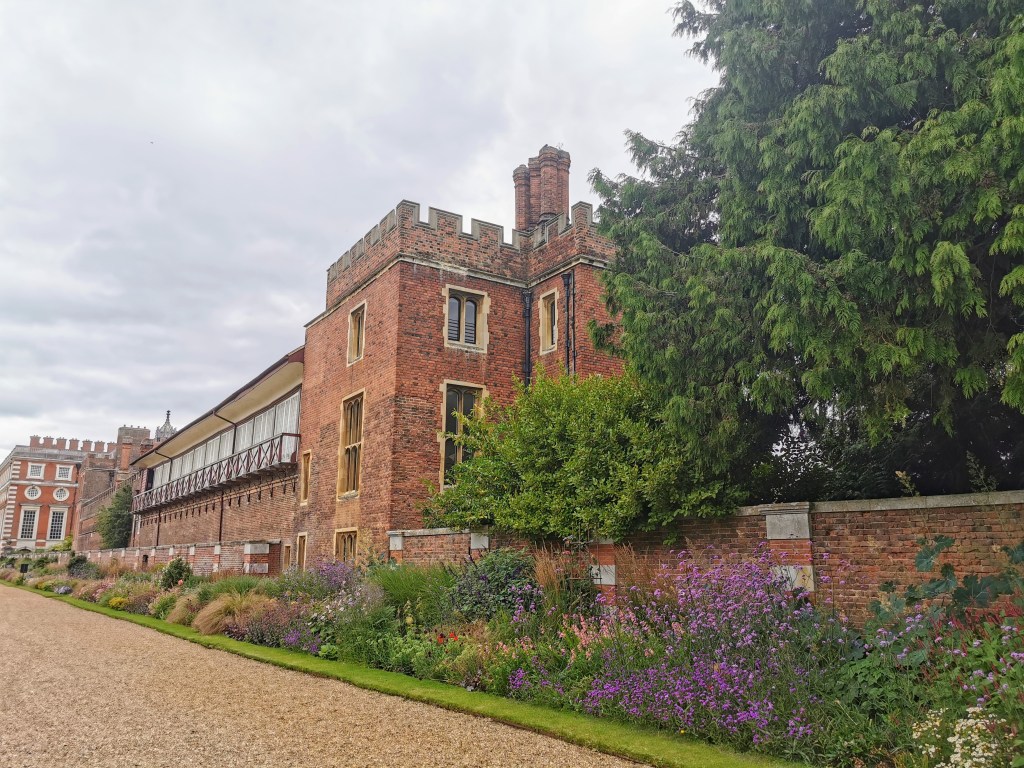
Today I’m visiting Hampton Court Palace. I’m in the middle of the final book of Hilary Mantel’s Wolf Hall trilogy, set at the Court of King Henry VIII, so it seems an appropriate time to soak up some period atmosphere at the royal residence that’s best known as his favourite home.

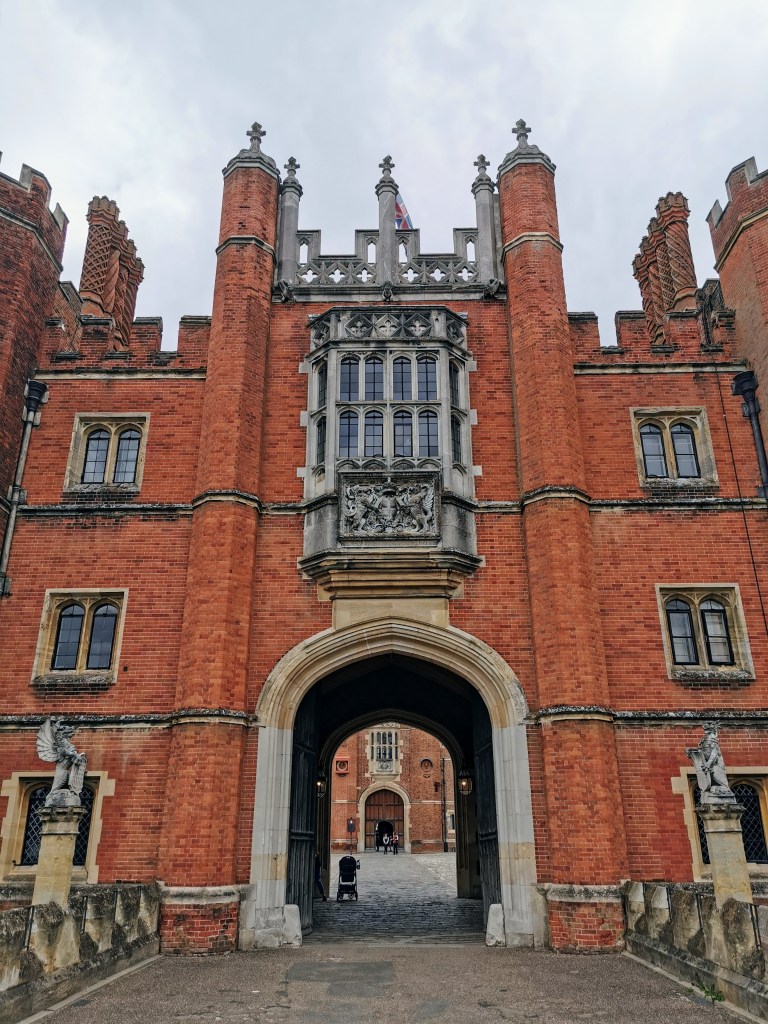
The West Gate to the Palace.

There has been a house on this site at Hampton, on the banks of the River Thames, since the 14th century. In 1514 it was purchased by Thomas Wolsey, Chancellor to Henry VIII and the most powerful commoner in England. He transformed the house into a showcase fit for the friend of a mighty monarch. But history has taught us that with friends like Henry, you didn’t need enemies!

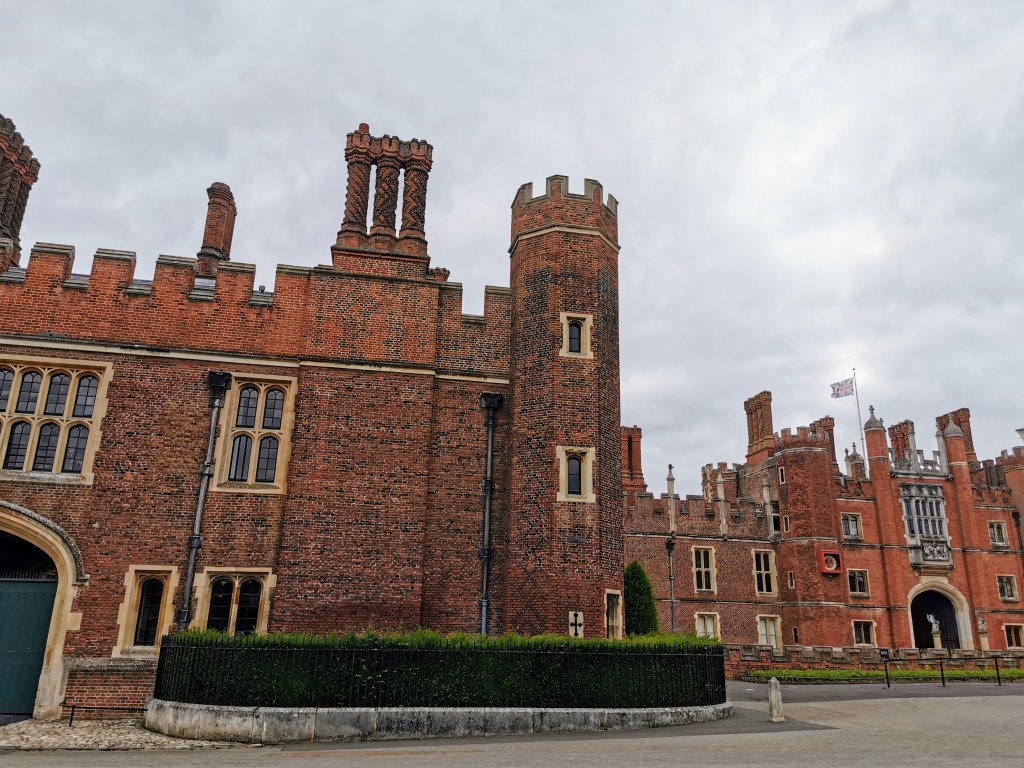
West Front. The ‘old’ Palace is what all visitors see when they arrive.

The splendour of Hampton Court Palace infuriated the nobility even more about this jumped up nobody who lorded it over them. Wolsey was on dangerous ground, and when he failed to get Henry the annulment he so desperately wanted from wife number one, Katherine of Aragon, the King began to dislike him too.

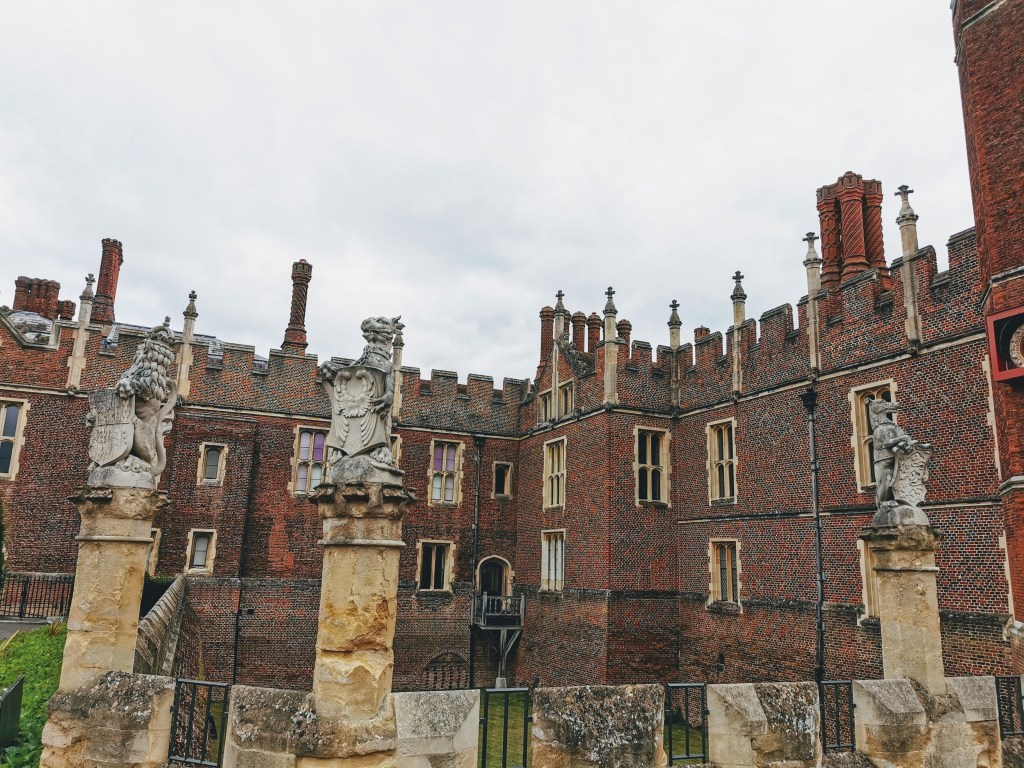
The King’s Beasts decorate the bridge over the moat, including the lion of England and the Tudor dragon.

Hampton Court was a Palace fit for royalty, and Henry decided it really should belong to him. In an effort to save his skin, Wolsey gave him the property as a gift. Did it work? What do you think, reader? He was hated by wife number two, Anne Boleyn, so his days were numbered. As with anyone who displeased the King, treason was declared, but luckily for Wolsey he fell ill and died naturally before he could be beheaded.

Henry VIII’s apartments.

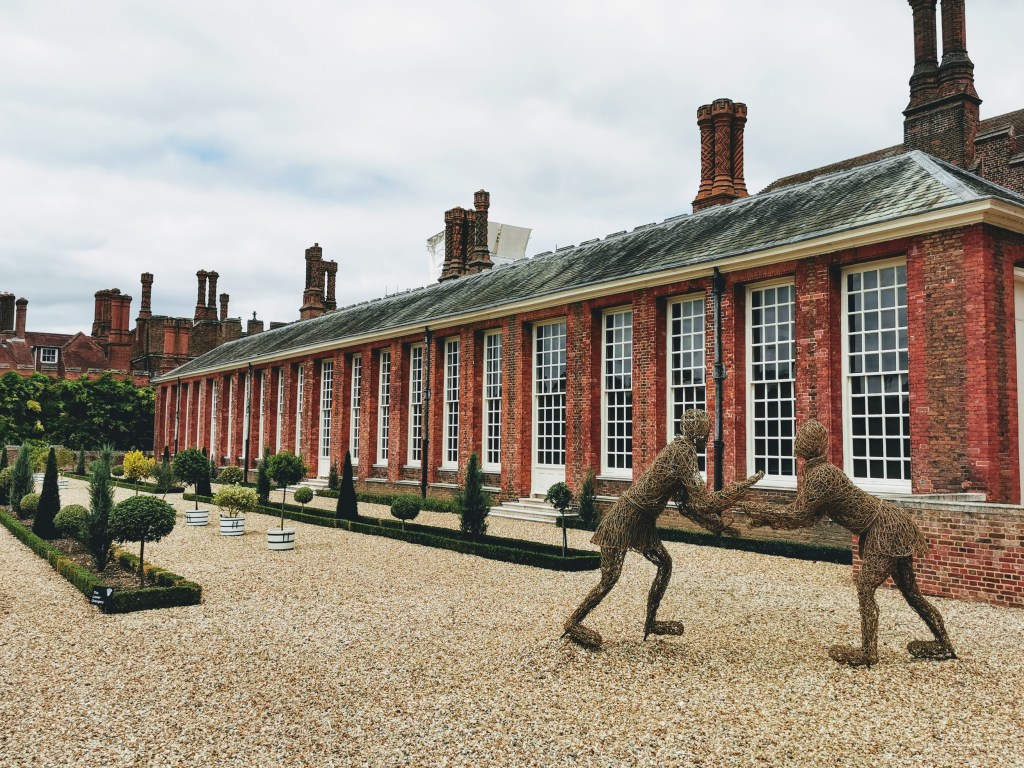
Ah, life was harsh back then, unless you were the Monarch of course! After Wolsey’s death, Henry merrily undertook extensive renovation works to make his new palace even more spectacular. He even added a tennis court – although we all picture him as the mammoth man of his later years, he was actually a superb athlete in his youth.

Exterior view of the tennis court.

Henry saw Hampton Court as a place to show off and have fun, with entertainments and sporting competitions galore, hence some of the strange sculptures around the grounds. After wife number three (Jane Seymour) died in childbirth here and wife number five (Catherine Howard) was arrested in her chambers and dragged off to the Tower, I would imagine the jollity was wearing a bit thin, but who knows? They were a bit more blasé about death back then.

No, I’m not quite sure what they’re doing either. Having fun presumably.

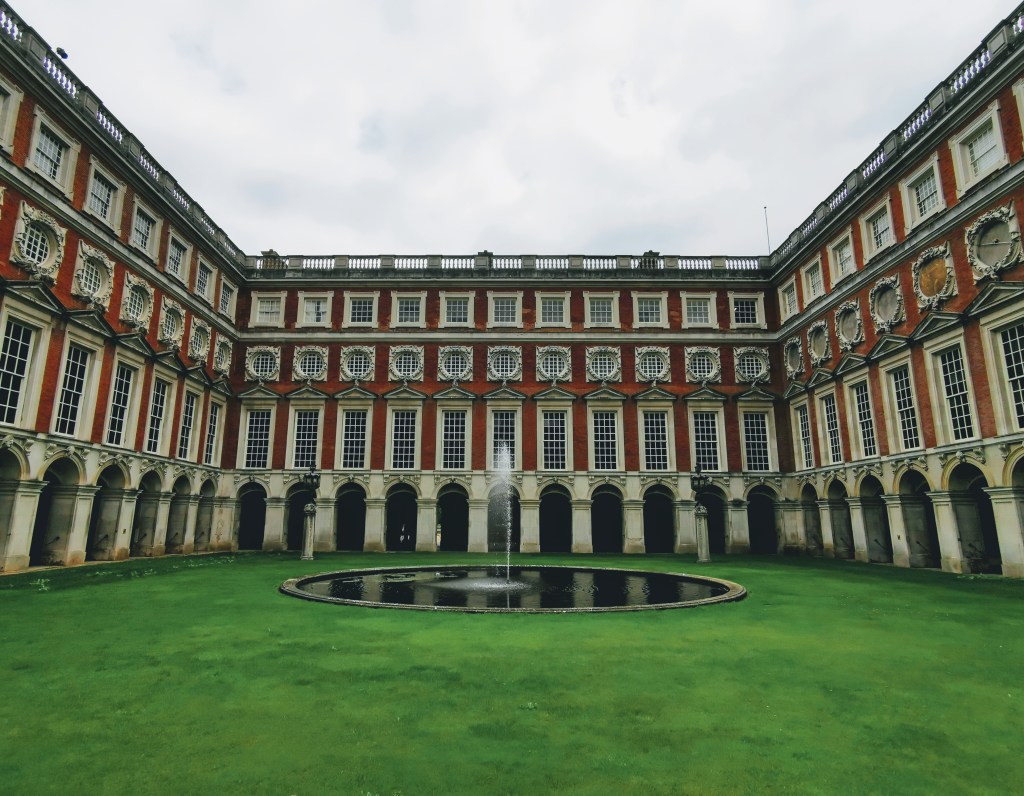
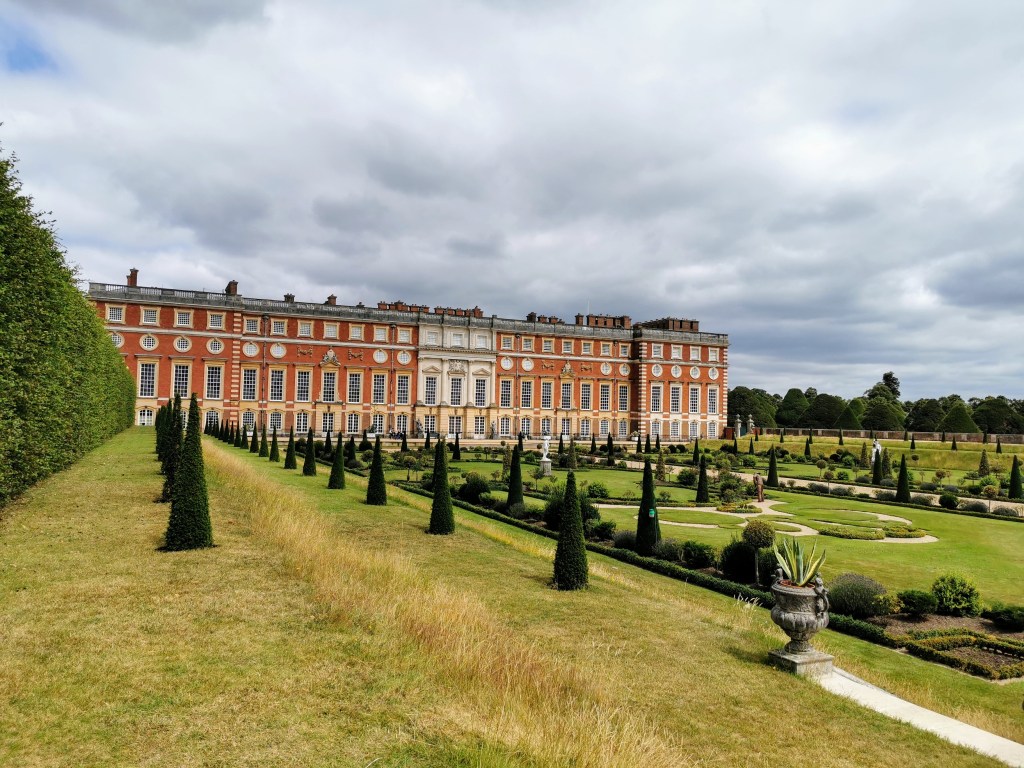
Hampton Court is actually more like two palaces than one. You enter through the original Tudor buildings but at the rear is a boroque mansion built in the 17th century for joint rulers William III and Mary II. Christopher Wren, who was chosen to design the new residence, originally intended to get rid of the old buildings and start from scratch, but thankfully he changed his mind.

The Fountain Court in the ‘new’ part of the Palace.

We don’t really hear much about William and Mary. I had no idea they had remodelled the palace until I came here, and it’s not exactly a small extension is it? This place is known as Henry’s house. Compared to him, they’re a bit dull I suppose. To be fair, they did manage to depose Mary’s Catholic father, James II and seize the throne by force in 1689 as figureheads of the Protestant cause but after that they had a happy marriage and were capable rulers. William, of course, is celebrated to this day by Northern Ireland’s Protestant Orange Order. For the rest of us though, Henry’s the man despite all his faults.

Looking over the Privy Garden to the ‘new’ Palace.

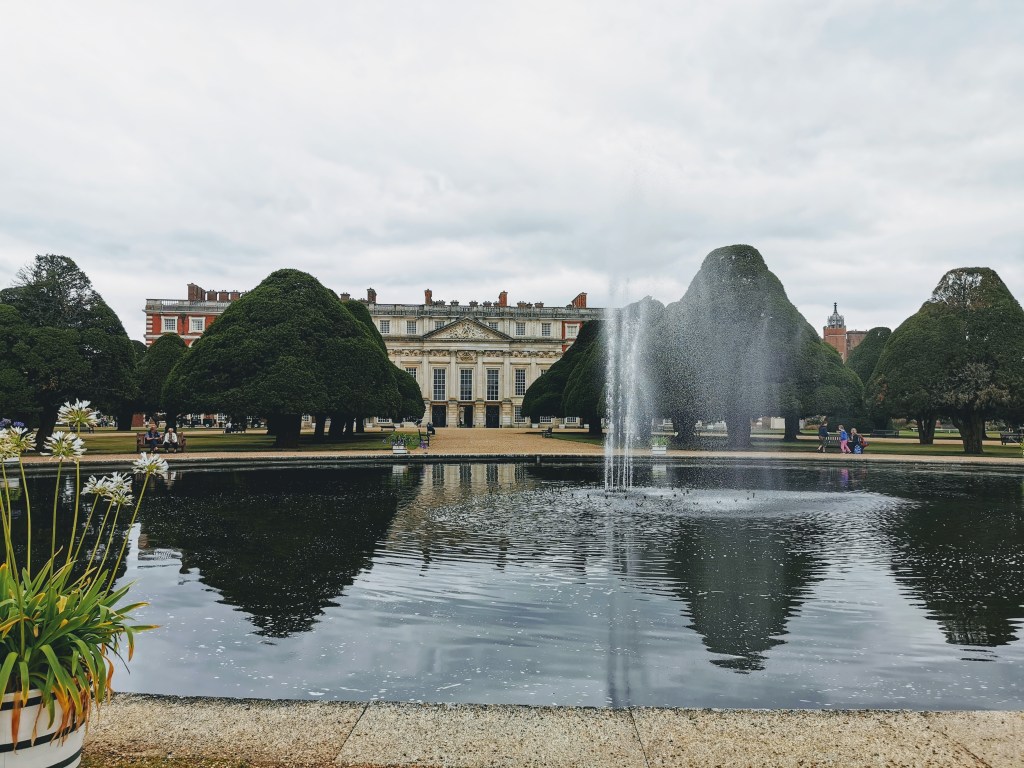
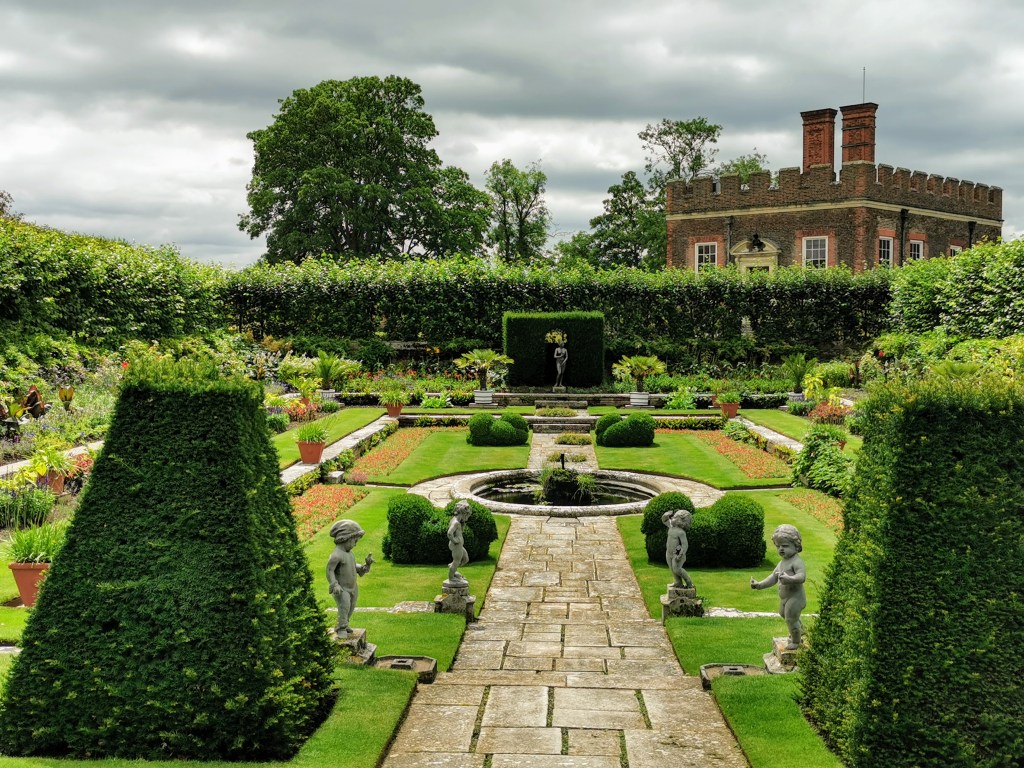
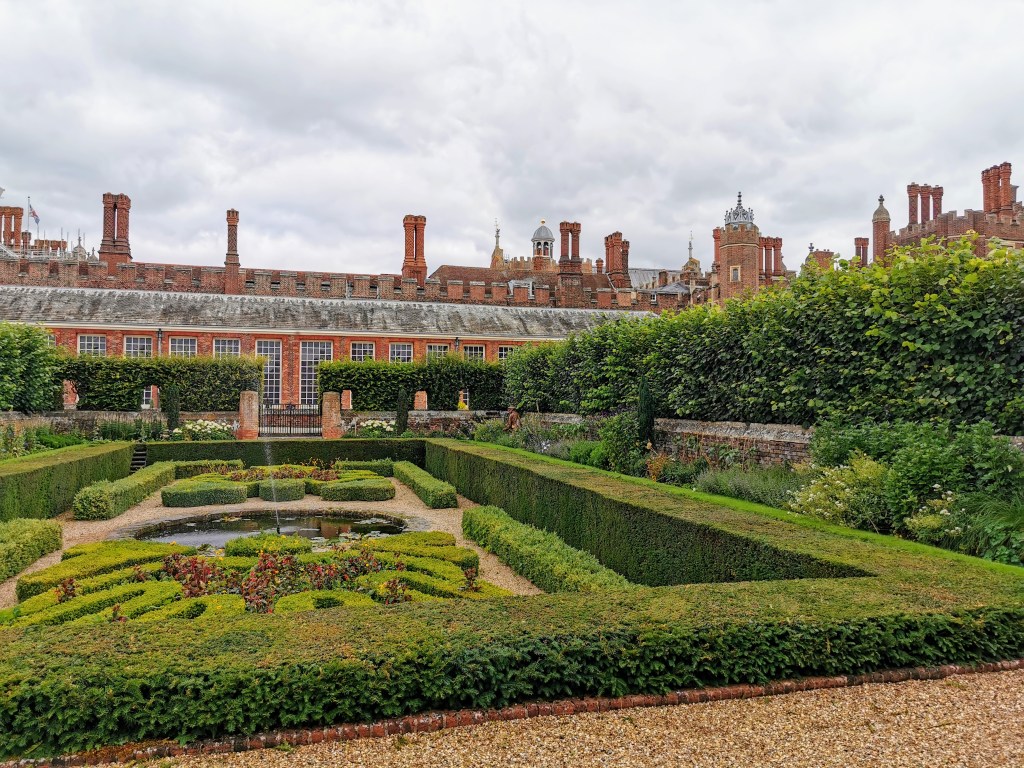
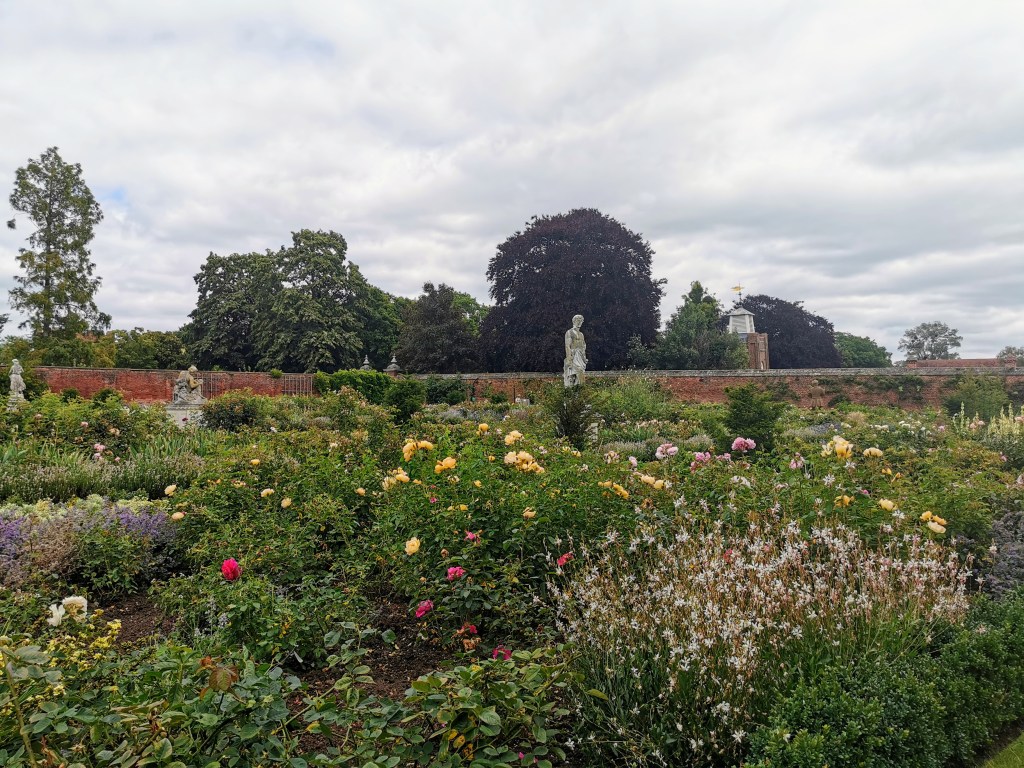
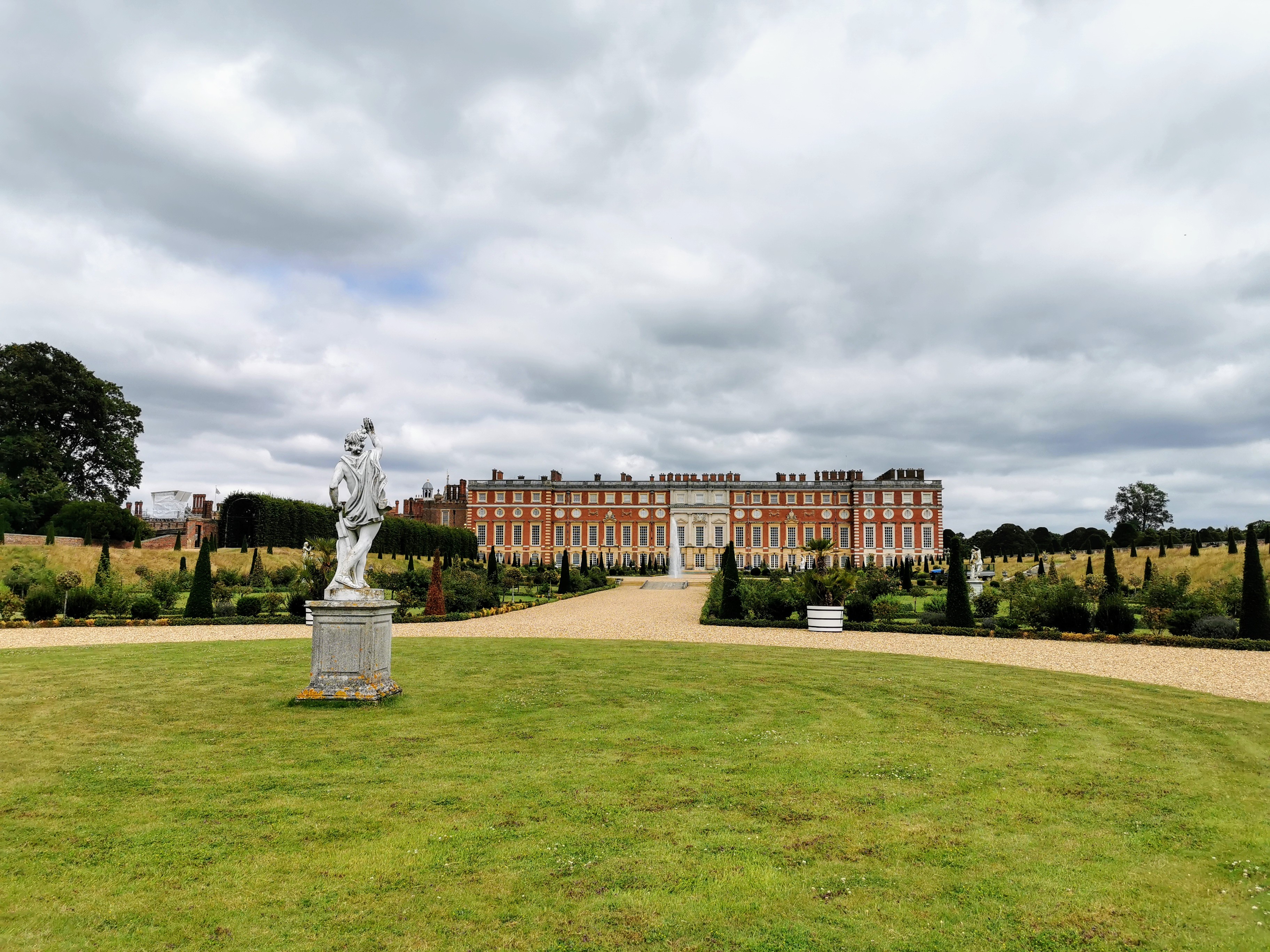
The gardens at Hampton Court have been carefully renovated to appear exactly as they did in the reign of William and Mary, and they are very lovely. I spend a few hours wandering around and enjoying the views…

The Great Fountain Garden and East Front.
The Pond Gardens and Banqueting House.
The Pond Gardens and Orangerie.
The Rose Garden.

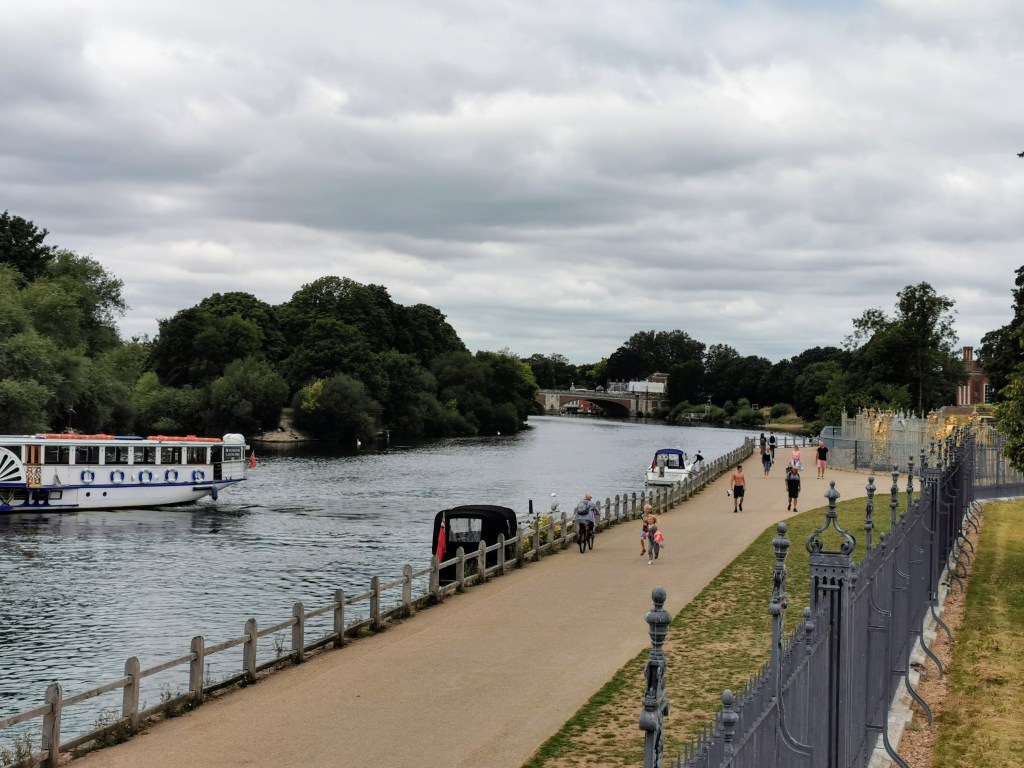
I’m surprised to find the River Thames skirting the Hampton Court Estate, although it makes absolute sense that the palace was built adjoining the great river, so it was accessible from central London by boat. Anyone walking along the Thames Path has a pretty impressive view at this point.

River Thames.

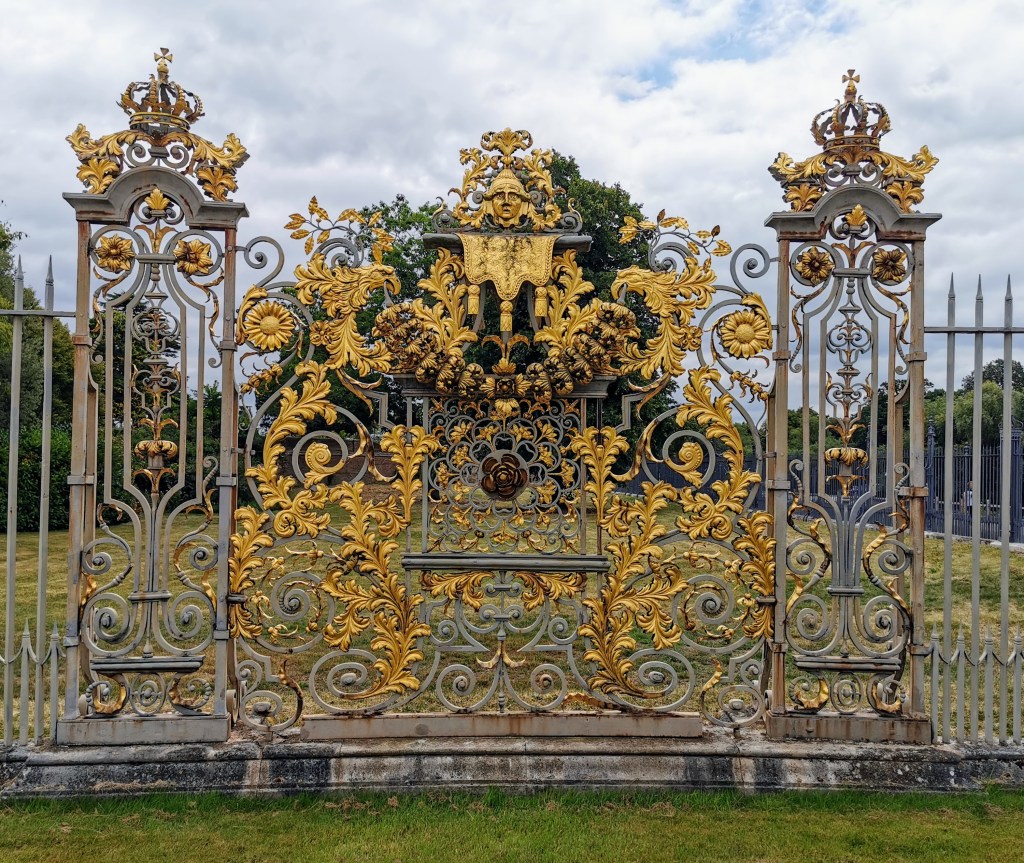
William and Mary paid French craftsman Jean Tijou over £2,000 back in 1689 for a suitably ornate fence along the river. It’s hard to miss the fact that you’re passing somewhere quite important.

The Tijou Screen.

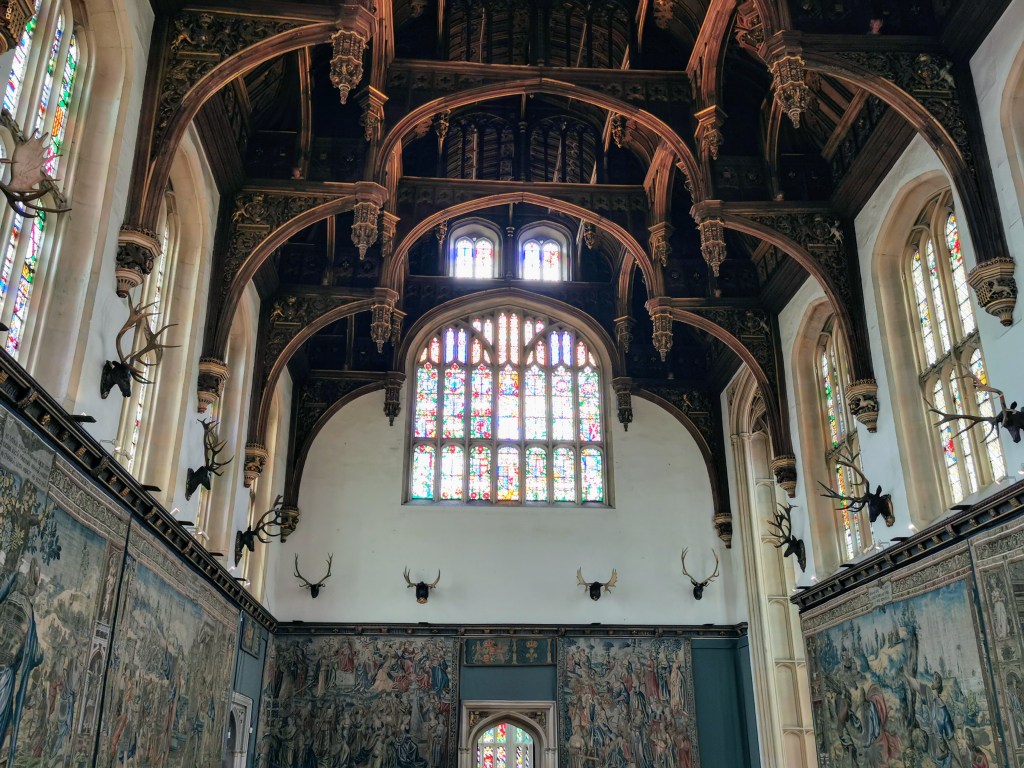
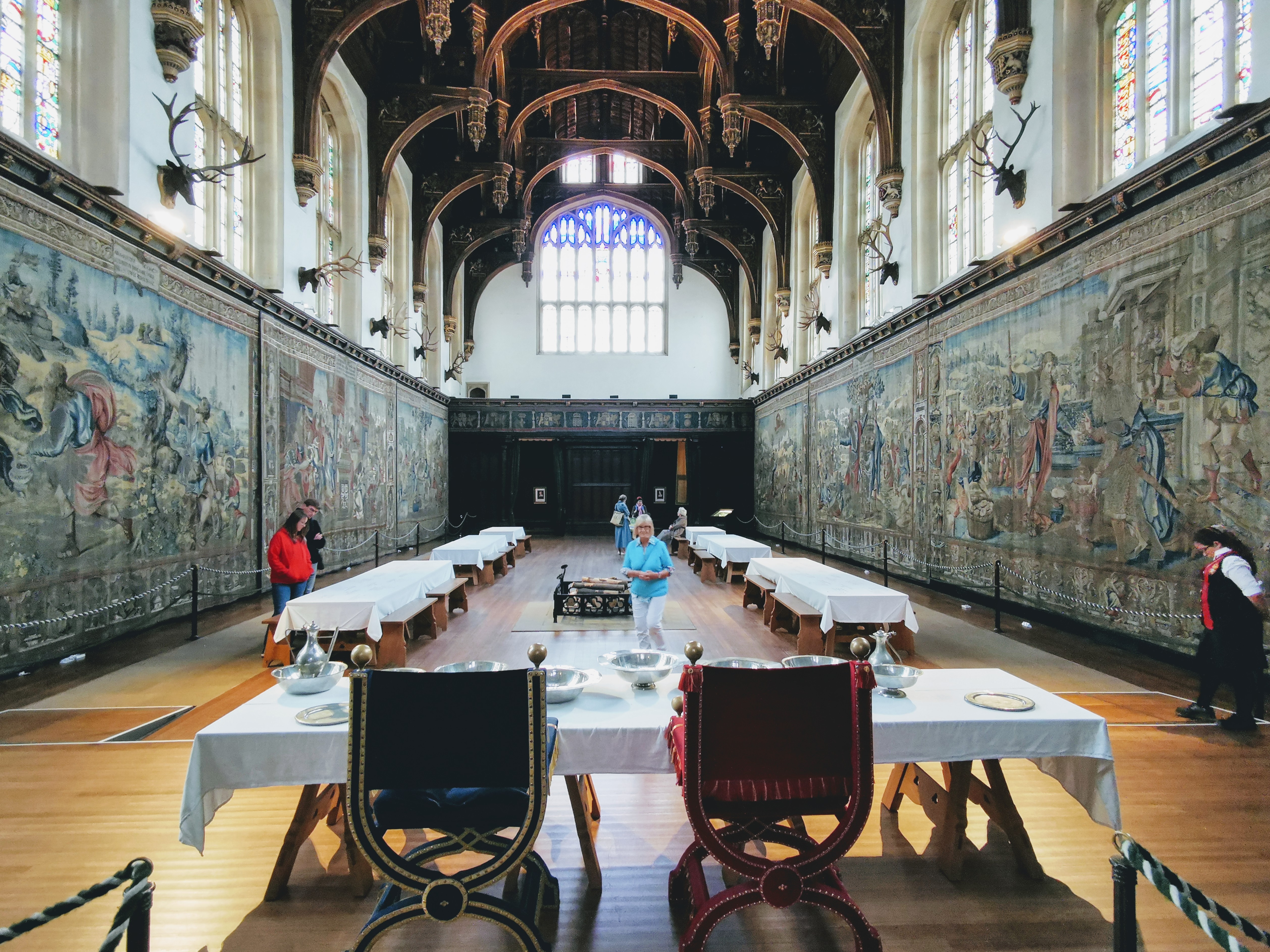
Now for my favourite bits – I have two. Firstly, the Great Hall. Originally built in Wolsey’s time but then rebuilt by Henry, it was designed to overawe visitors with its splendour and used for dining and entertainment. During the reign of James I in the early 1600s it was converted into a theatre and Shakespeare’s company – The King’s Men – performed many of his plays here, including Macbeth, Hamlet and A Midsummer Night’s Dream. As a fan of the Bard, I’m a tad impressed. If I only had a Tardis!

The Great Hall.

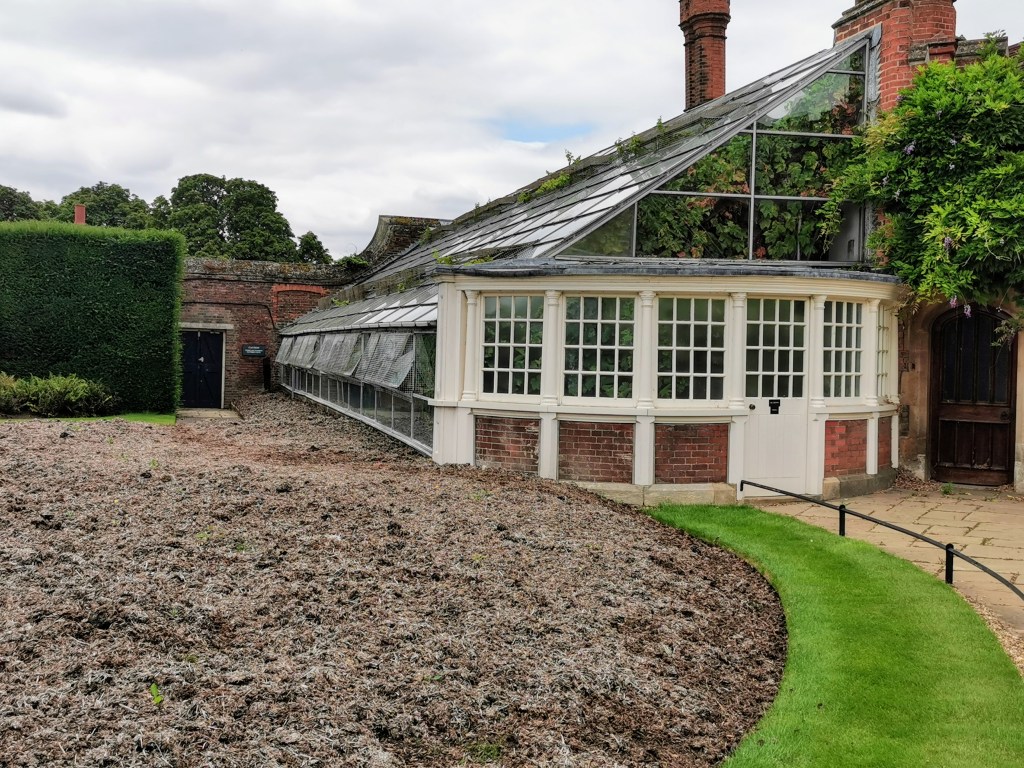
Secondly, just because it’s a bit random, and of course I love wine, the Great Vine. Yes, the largest grape vine in the world, over 250 years old. How brilliant is that? It was planted by Capability Brown and has been lovingly cultivated ever since. It still produces grapes now, which you can buy if you happen to visit in September. I know it doesn’t look much but the vine itself fills a whole greenhouse and the garden outside is for the huge roots.

The Great Vine.

So there we are, another very entertaining and enlightening day out. I hope you’ve enjoyed it too. Now I’m in the mood, I think I’ll go home and read some more of my book.

Looking for magic dust in Malta

Apparently there’s a popular trend amongst adults these days of booking holidays to re-live their childhood memories and boost their wellbeing. It’s known as the Peter Pan effect. We all wear rose tinted spectacles when it comes to remembering past family trips. We forget the soggy sandwiches filled with gritty sand and just remember glorious days of sun and fun. Getting sunburnt on a pedalo, and unlimited chips and ice cream from the hotel buffet.

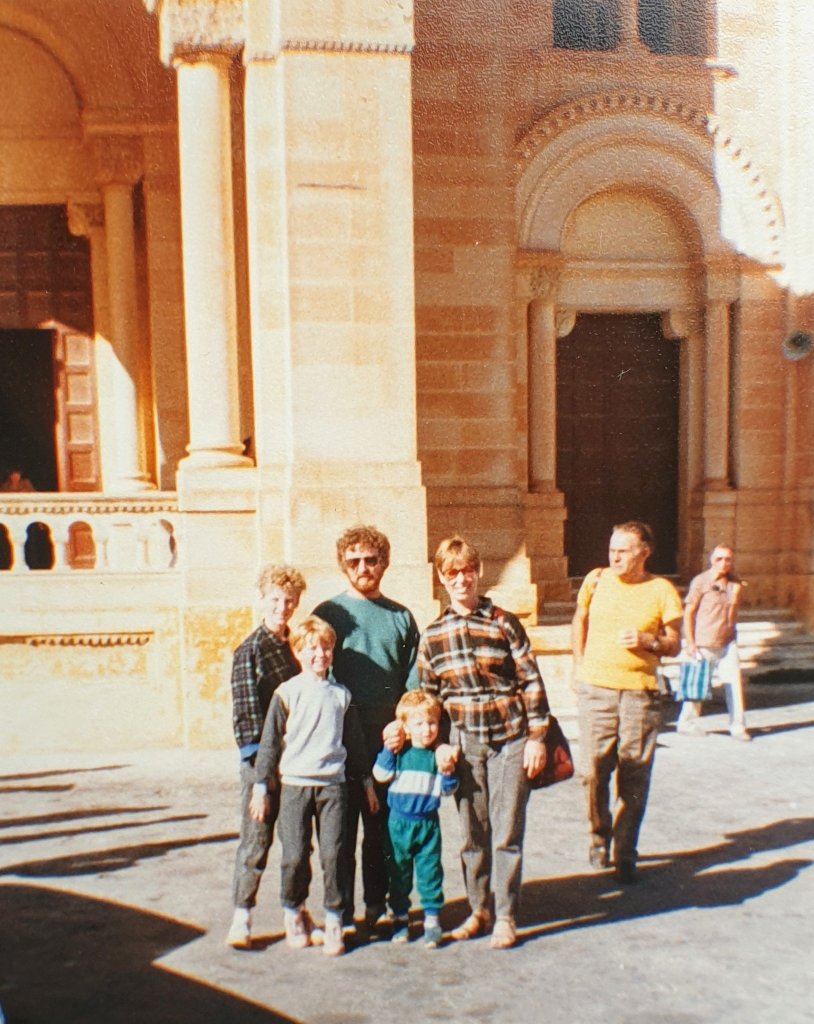
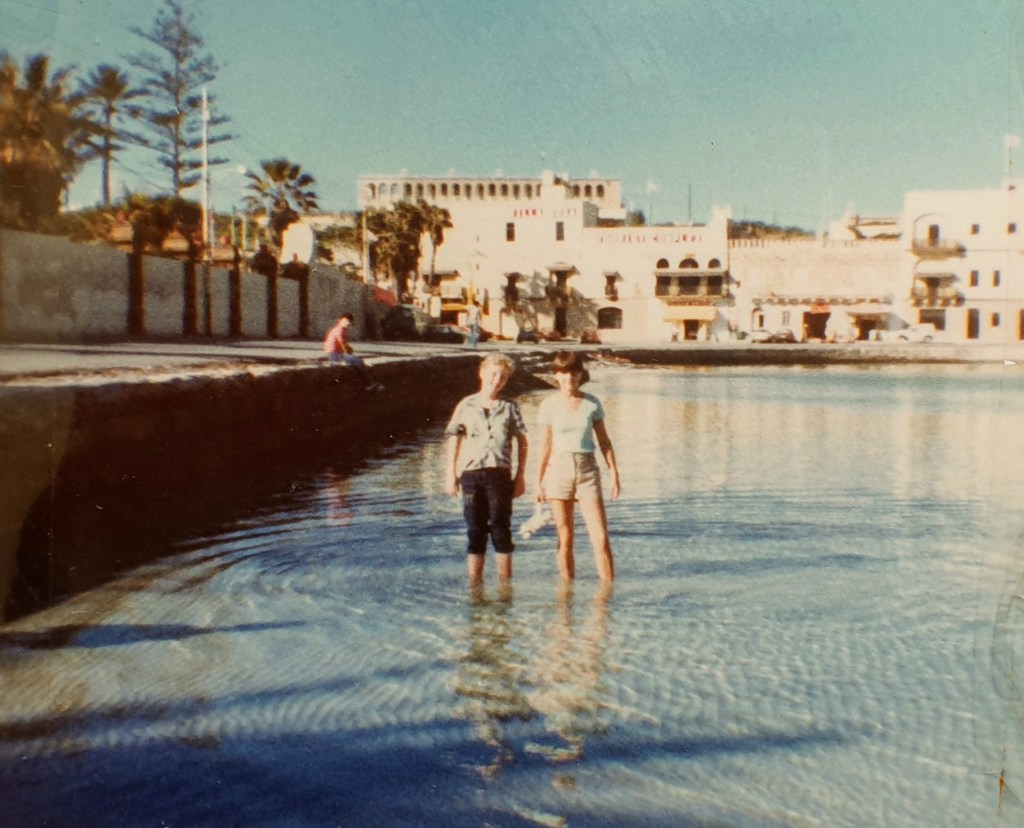
In Valletta 1984. Photo taken by yours truly.

Luckily for us, the husband and I had really similar holiday experiences during our Yorkshire childhoods – caravanning in Wales, Sol hotels in Spain. It’s a bit uncanny. So when we want a bit of the Peter Pan magic dust there are no conflicting requirements. Today we’re going back to Malta for the first time since we both spent sun-soaked family holidays there in the 70s and 80s. Let’s see if it makes us feel rejuvenated…it might depend on how much wine we drink!

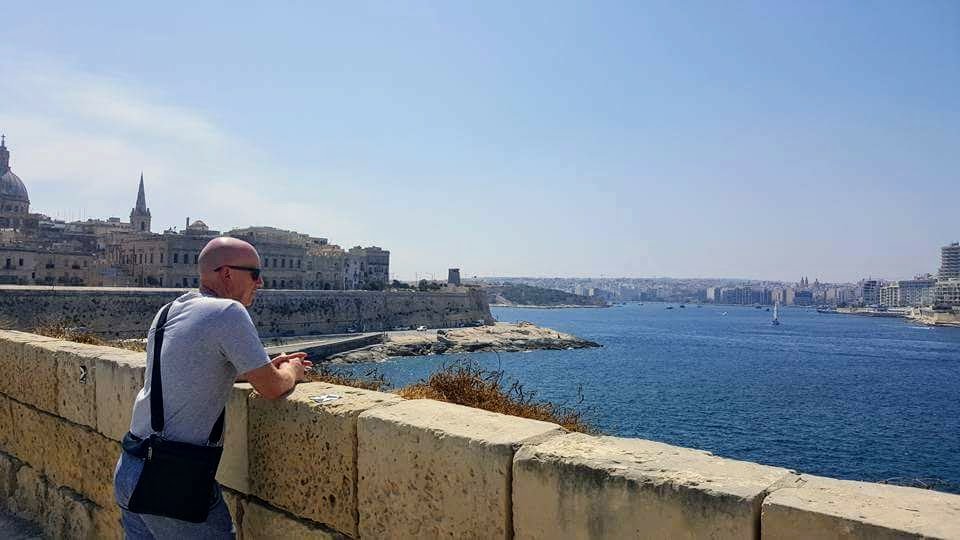
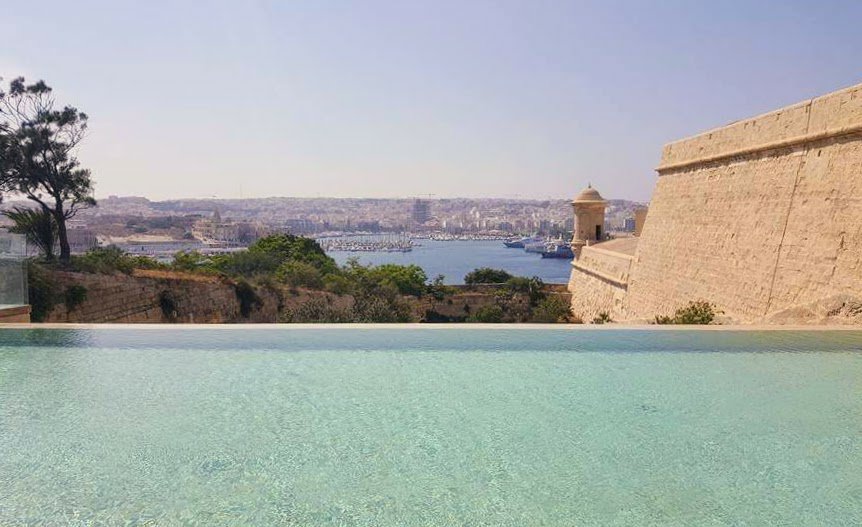
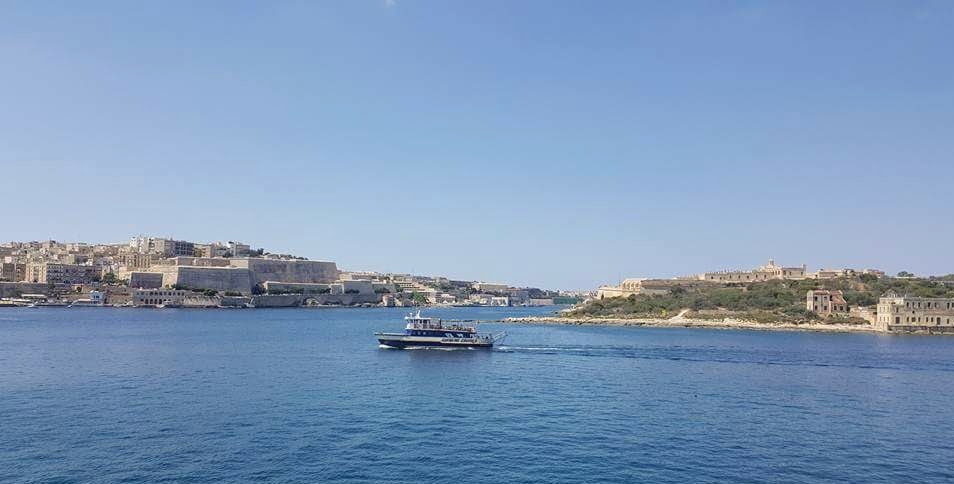
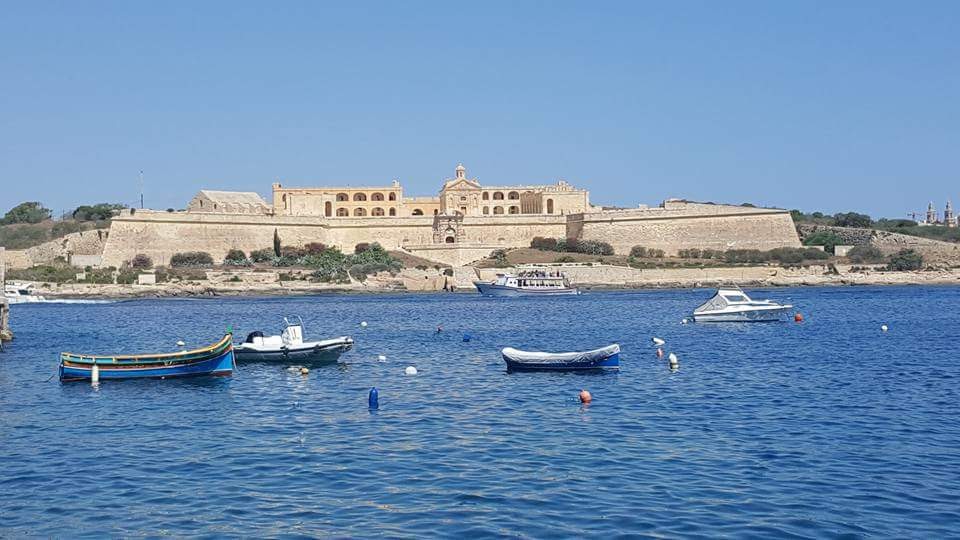
Present day – looking over Marsamxett Harbour from Valletta to Sliema.

We decide that a week in Valletta, the island’s capital, would be good. My Mum immediately suggests the Phoenicia Hotel. She’s always wanted to stay there, but every time they visit my Dad can think of reasons to stay somewhere cheaper. It looks amazing so I book, hoping I’m not sowing the seeds of parental discord.

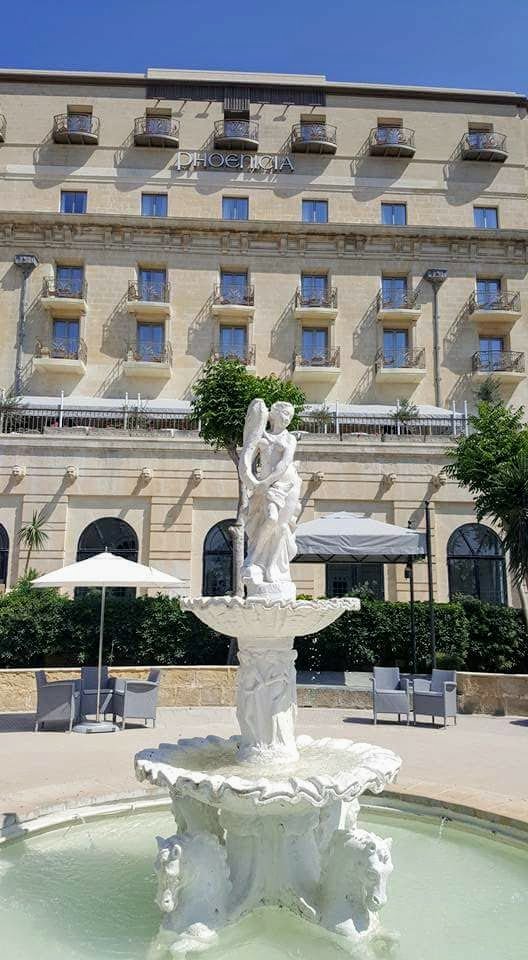
Hotel Phoenicia.

When we arrive the hotel has just re-opened after a major refurbishment. It’s beautiful, but not quite finished. To compensate for some ongoing works and noise, drinks in the gorgeous pool area are free all week. We’re jubilant. My Dad is very envious. Well, he should have taken Mum!

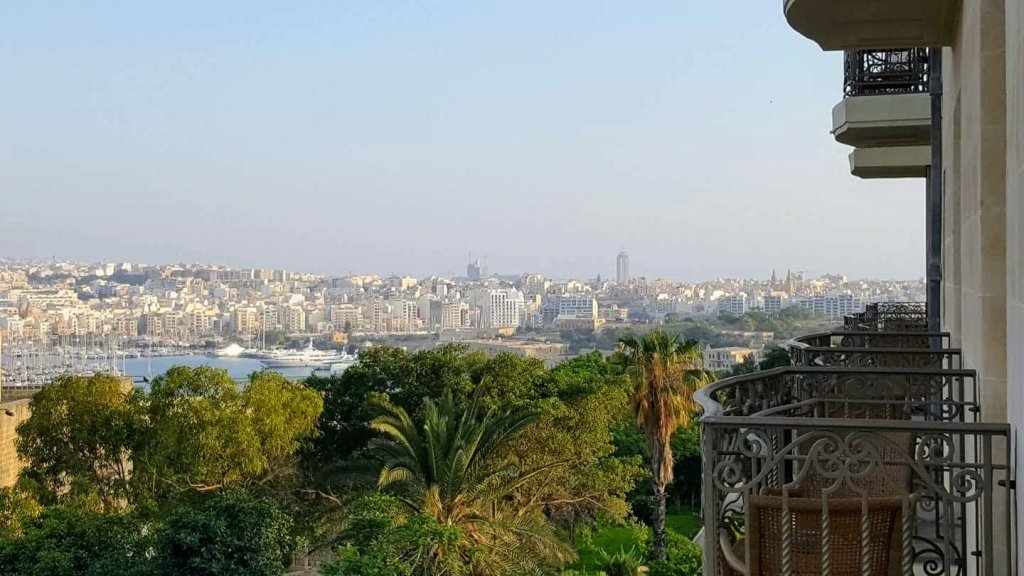
The view from our balcony.

Sitting in the pool area actually provides us with a lot of entertainment throughout the week. Firstly, because the wait staff are new and totally clueless (albeit very nice) so we’re never quite sure what drink we will get and what kind of glass it will be served in. Secondly, there’s a rather large and loud American lady staying who has no filter whatsoever. She talks a lot about how she loves getting “the wind up my ass”. It’s comedy gold!

Surprisingly, we did manage to force outselves to leave the pool area a few times.

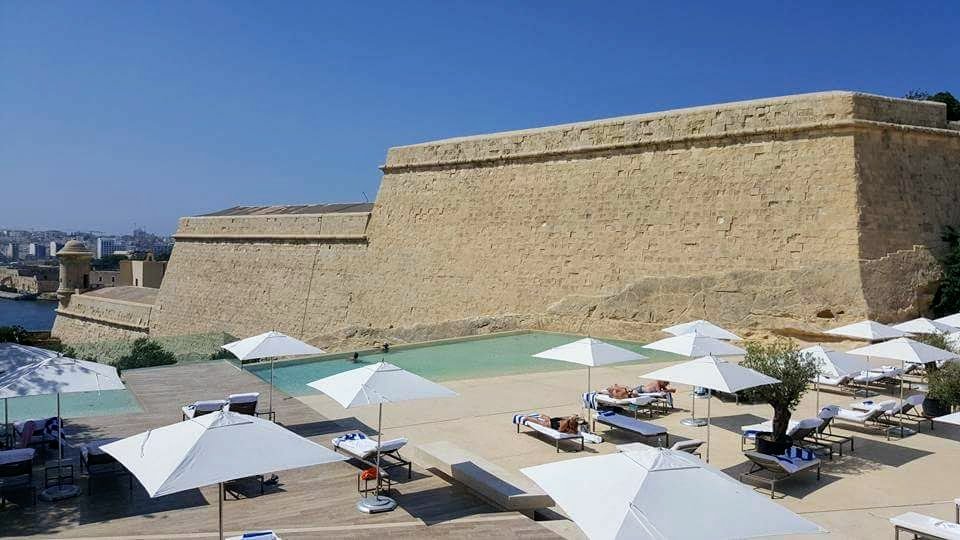
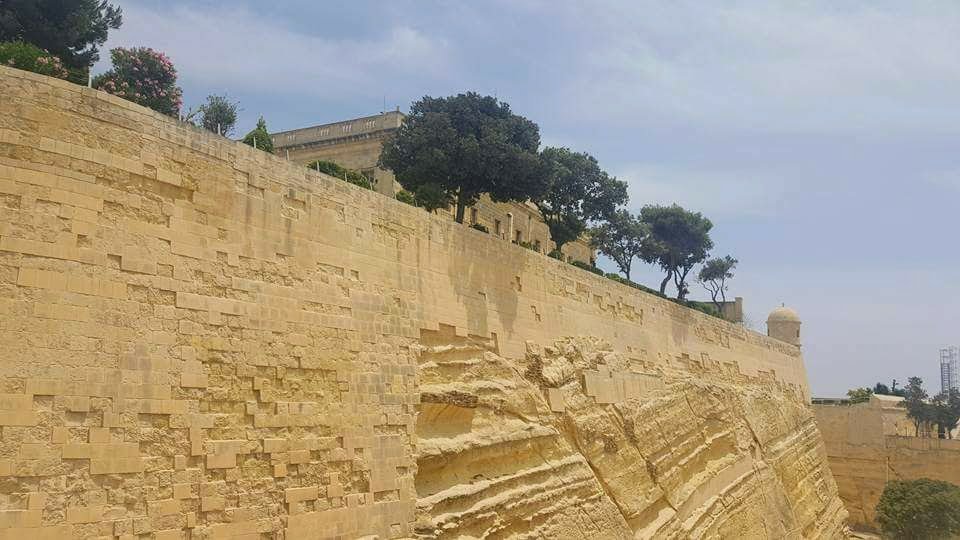
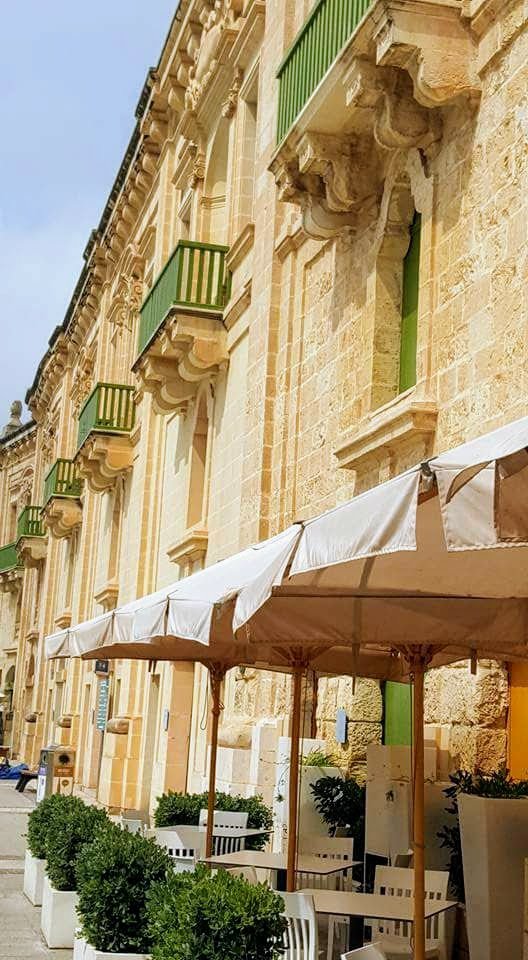
Valletta itself is amazing. Surrounded by golden walls and jutting out into the sea, as a spectacle it takes some beating. The city was founded in 1566 and many of the buildings date back to the 16th century, causing the whole city to be designated a UNESCO World Heritage Site. It’s the smallest capital city in the EU which makes it perfect for exploring on foot.

Valletta’s city walls.

Valletta owes its existence and impressive fortifications to the Knights of the Order of St John, who based themselves on the island after being ejected first from Jerusalem and then from Rhodes. Valletta’s natural attributes made it perfect for establishing a fortress city and safe haven for members of the Order.

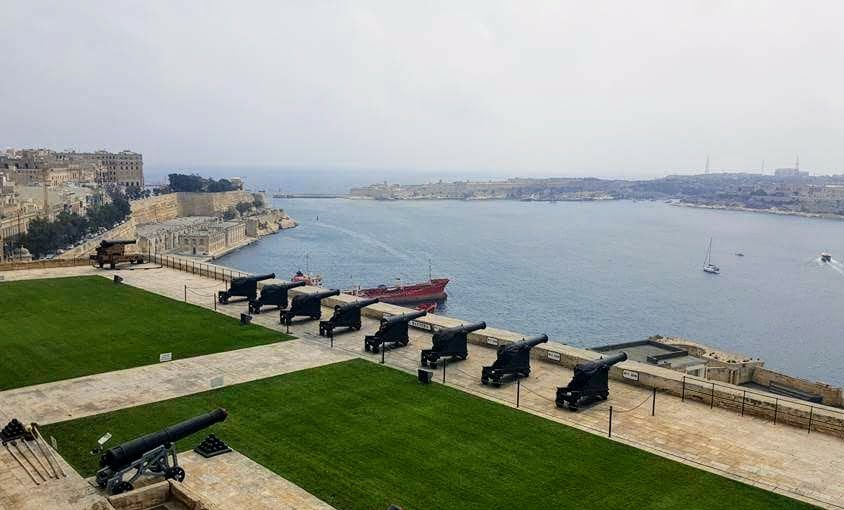
Upper Barakka Gardens overlooking the Grand Harbour.

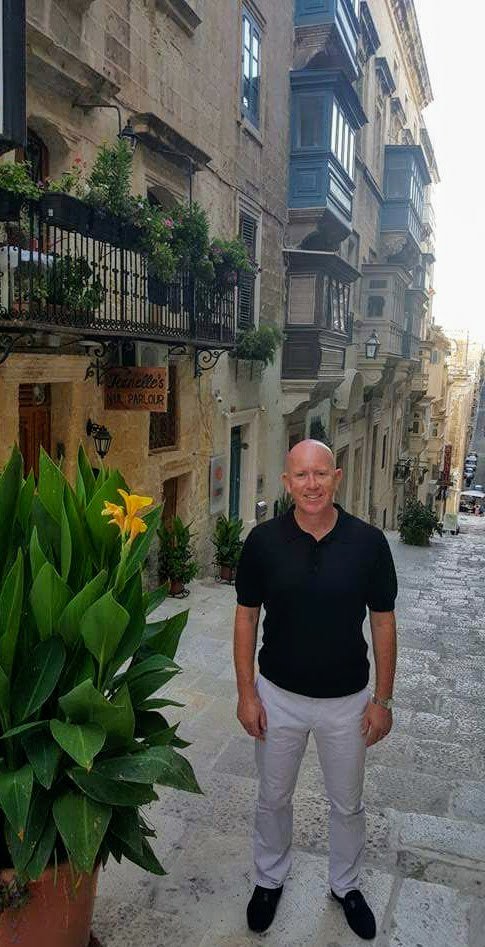
Inside the walls is a warren of steep streets, many of them actually more like staircases, with the traditional wooden balconies jutting out overhead. The city is compact, yes, but exploring Valletta will get you fit!

A typical street inside the walled city.

The food here is great, and you know how vital that is for a glutton like me. It can make or break a trip, and in Valletta I’m very happy with lovely, fresh Mediterranean flavours. Explore the backstreets and take your pick. We enjoyed Sotto, Trabuxu and La Cantina. The vibe is friendly and casual, with one restaurant owner taking me down into the cellar to choose my wine. I’m slightly nervous – during a childhood trip I was ‘beheaded’ by a Maltese during Medieval Night celebrations! Luckily on this occasion I come back in one piece.

Restaurants in renovated warehouses line the quays.

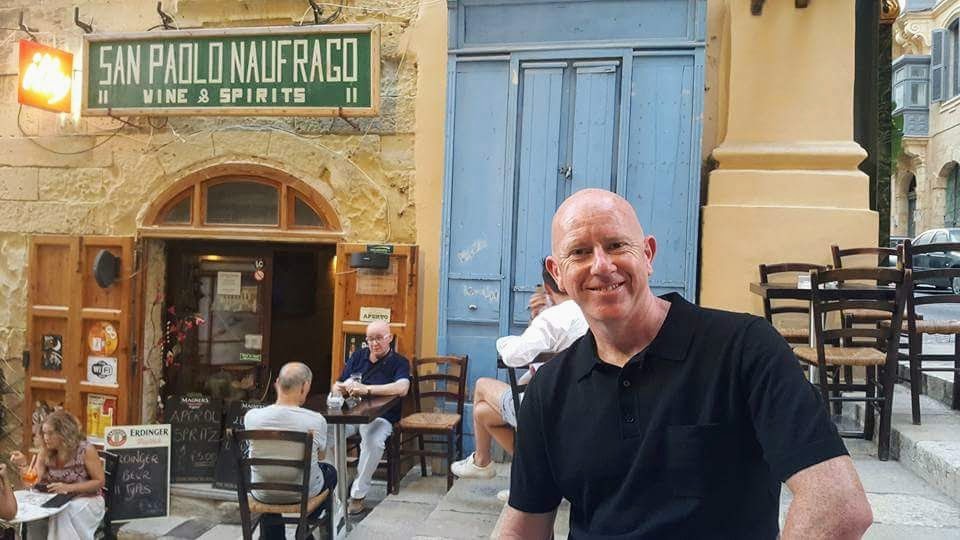
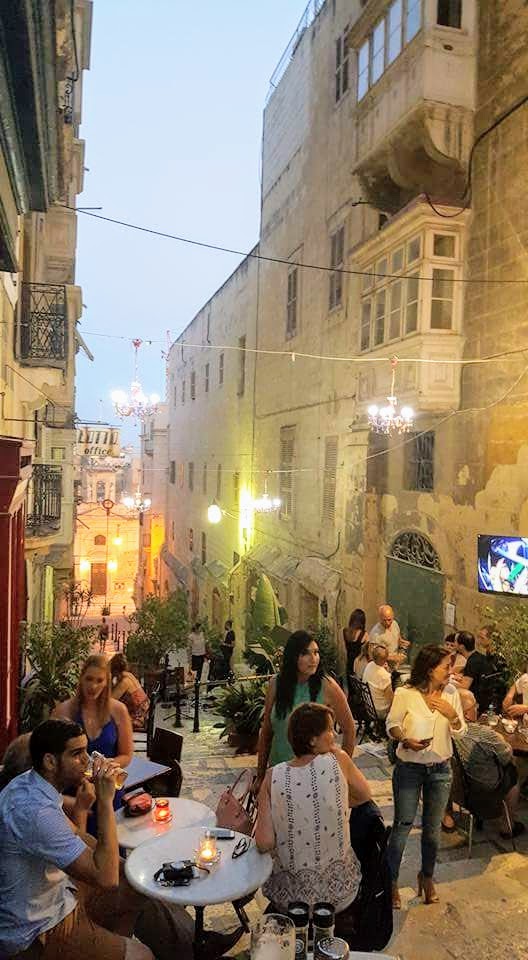
But it’s the nightlife that takes us by surprise and really bowls us over. By day, you could be forgiven for thinking the only life is in the busy squares, but in the evenings chairs and cushions appear on stairs and bridges as the locals come out to play, and quiet backstreets buzz with chatter and live music. It’s a revelation!

Typical bar in Valletta – by day you could miss it.

If you want to get out of the city and explore, get the public lift down from the Upper Barakka Gardens and jump in a water taxi at the bottom. Across the water to the south east of Valletta are the Three Cities – Birgu, Isla and Bormla. If you like endless water views and streets unchanged for centuries, with zero tourists, you could spend a whole day wandering around here before whizzing back across the Grand Harbour.

Three Cities vistas.

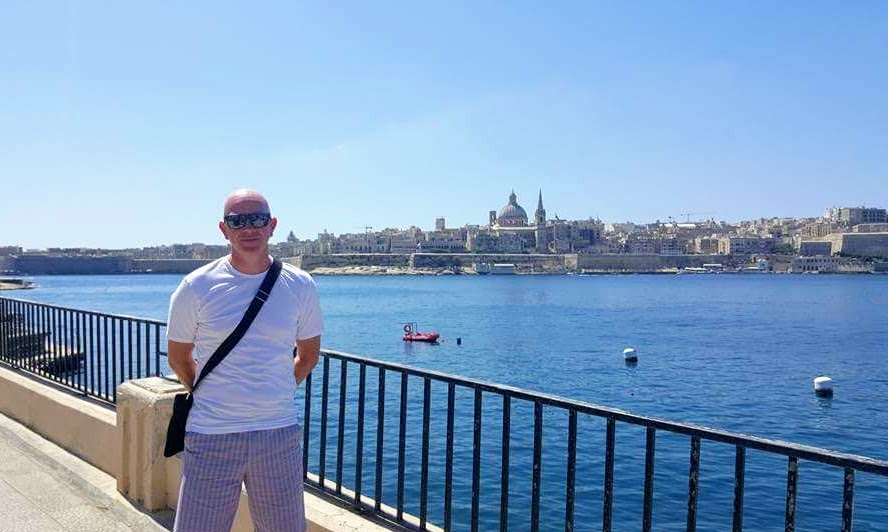
Take a ferry north-west across the harbour and you reach bustling Sliema. A walk along the seafront rewards you with amazing views back to the capital. It doesn’t look far away, but don’t be fooled into walking back like we were. A host of bays and inlets mean the distance is tripled and we’re tired and very, very hot by the time we arrive back in Valletta. The husband isn’t happy, but free drinks by the pool will sort that out.

Ferry to Sliema, and fabulous views once you get there.

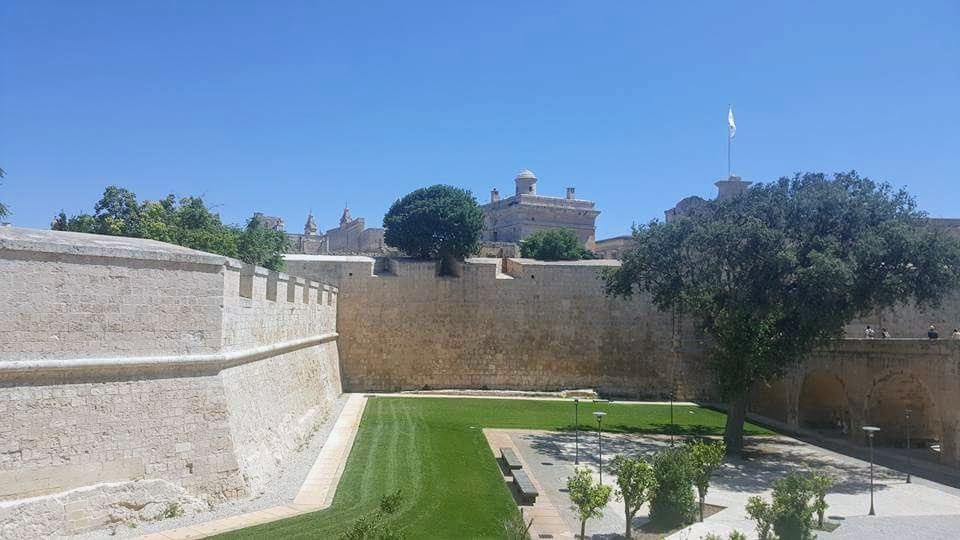
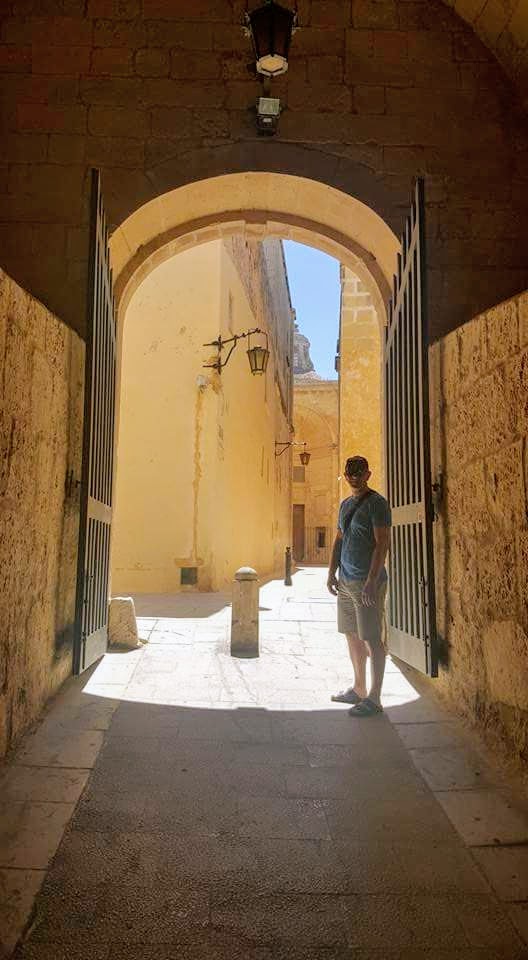
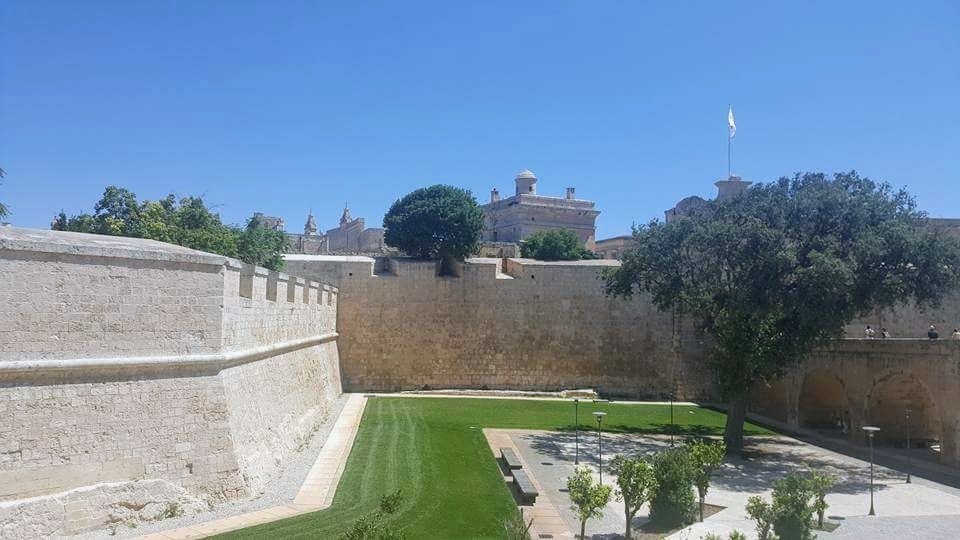
The ‘silent city’ of Mdina sits at the centre of the island. Another walled fortress, it was the ancient capital of Malta, founded in the 8th century BC. There are no cars here, hance the silence, but there is atmosphere galore.

The Silent City.

A bus ride around the coast is a less successful experience. The husband and I are shocked at the amount of tourist infrastructure blighting what was once a beautiful coastline. I know people have to make a living, and economically things are much better now for the Maltese people, but it makes me feel sad nonetheless. St George’s Bay, where I used to stay, had two hotels and one very underwhelming ‘nightclub’ where my sister and I saw the group Imagination play live in the early 80s. Yep, it was kicking back then!

St George’s Bay as I remember it.

Nowadays, it’s full to bursting with hotels and at night it’s clubbing central. As we pass through, we literally cannot see the beach for oiled bodies. We don’t get off the bus to have a closer look or take photos – I might cry. Let’s get back to Valletta as quickly as possible.

We’ve had an amazing week, but I’m not sure it was down to Peter Pan or his magic dust. If anything, seeing the impact of rampant development on places that were idyllic when I was young is a bit upsetting. The things I love about Malta as an adult would have gone over my head as a kid – the beauty of the historic buildings, the informal nightlife and the fantastic food. I’ll keep the memories, but I don’t need buffet meals or pedalos anymore!

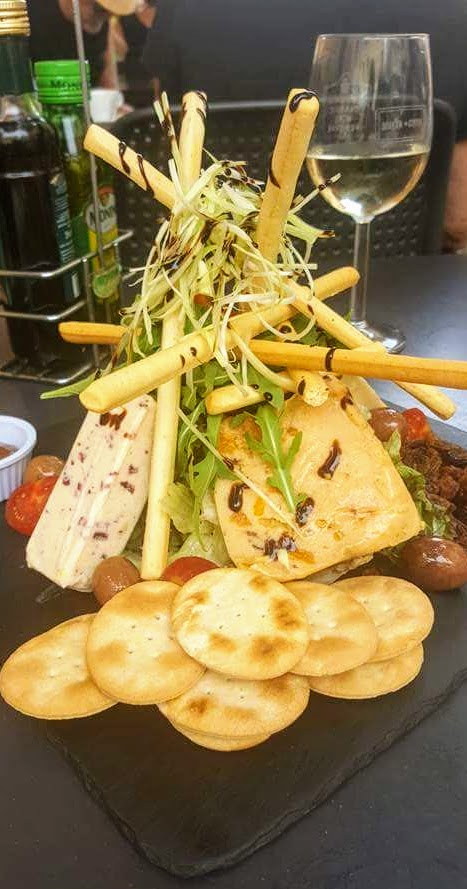
Cheese and crankers, Valletta style.

Come walk with me in Dorney

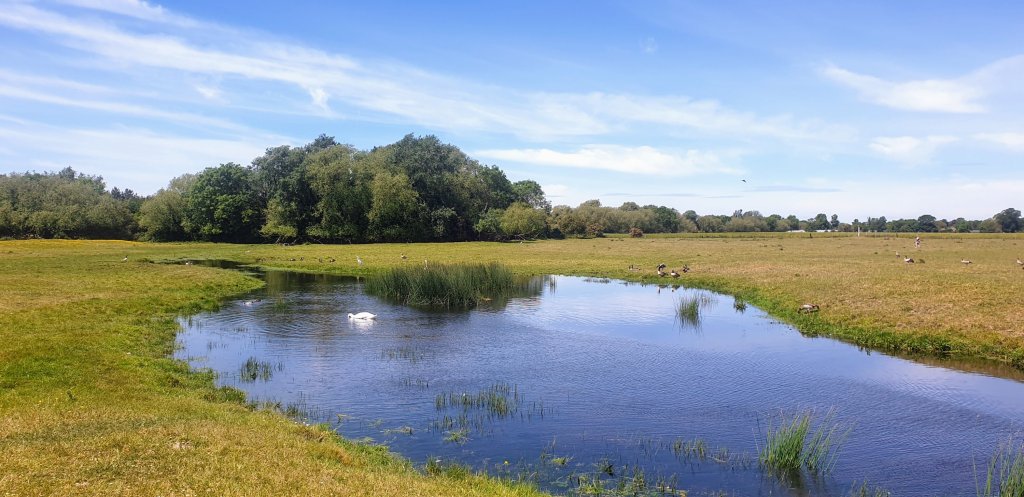
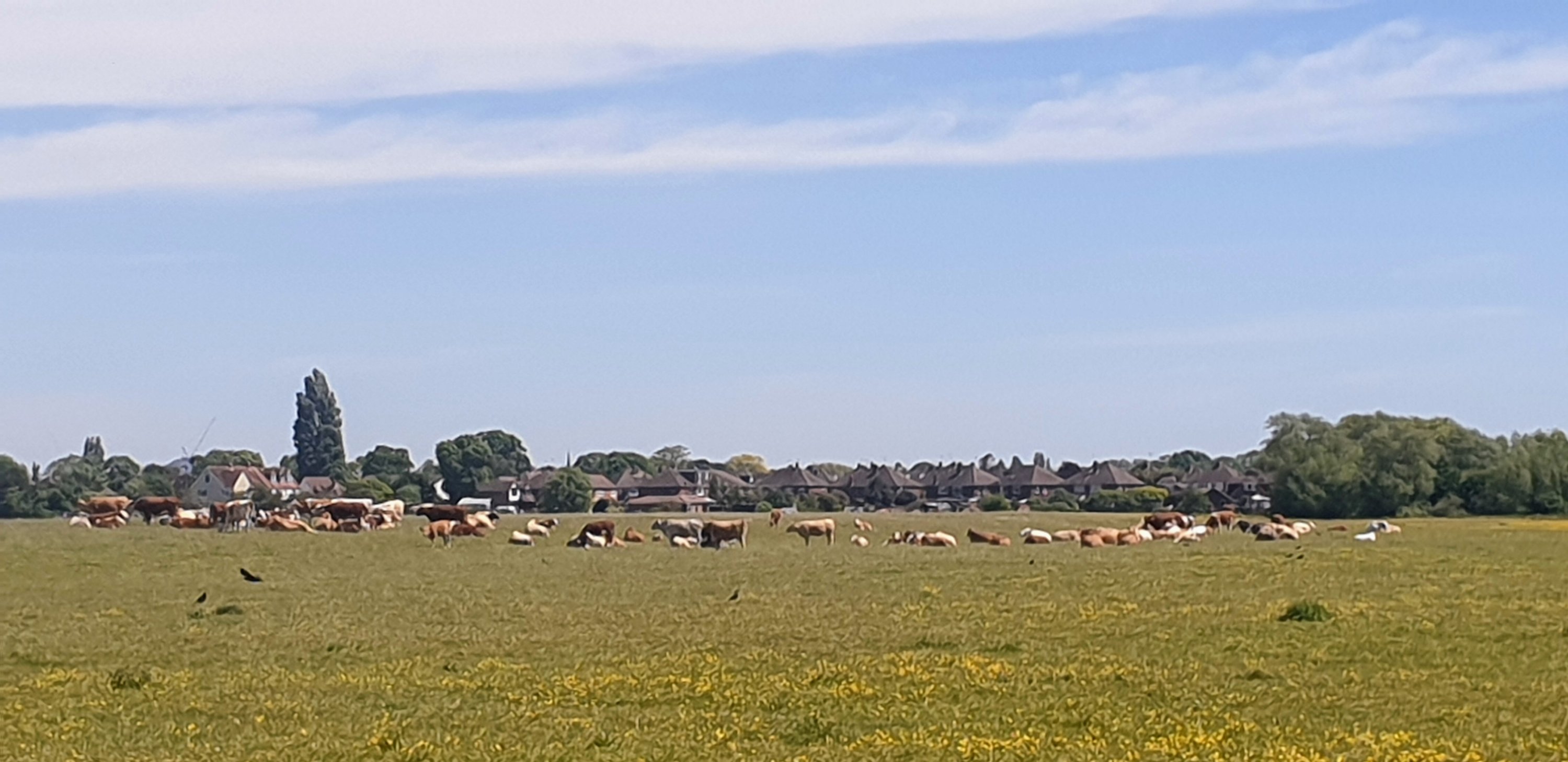
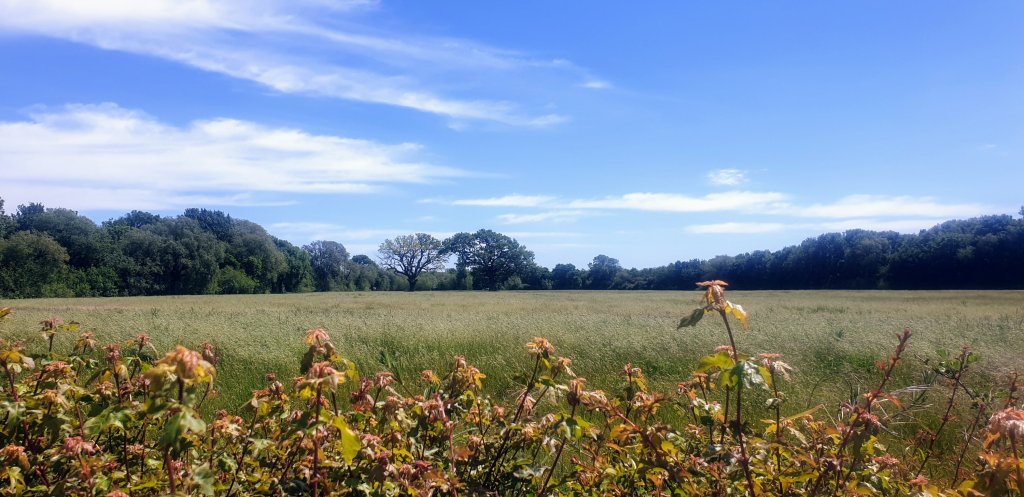
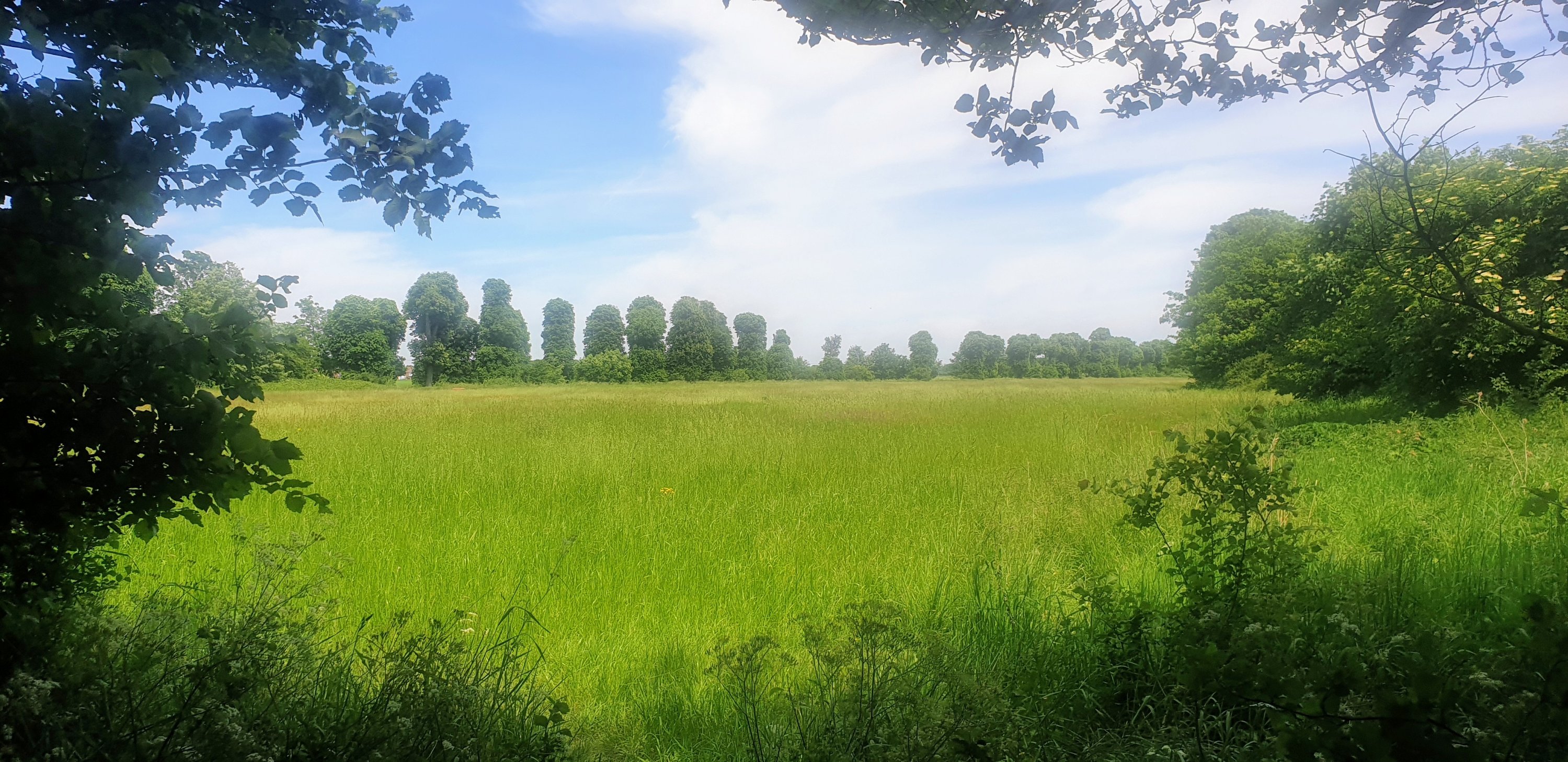
For this post I’ve driven just a few miles down the road to the historic village of Dorney. The main thing you notice when you arrive is the lovely common at the heart of the village, used for grazing and with views to Windsor Castle. It’s a great place to start a walk. Off we go!

The green expanse of Dorney Common.

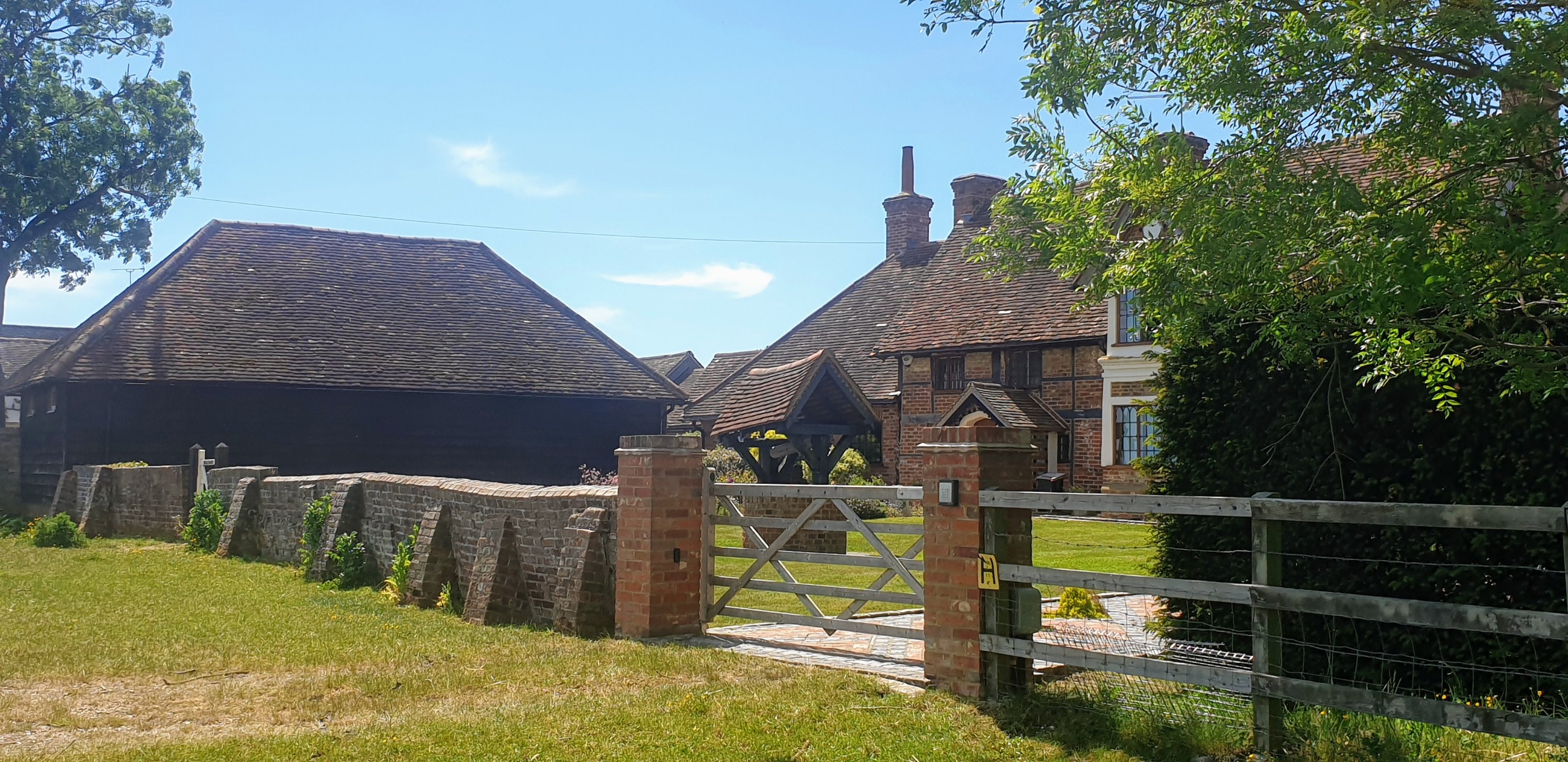
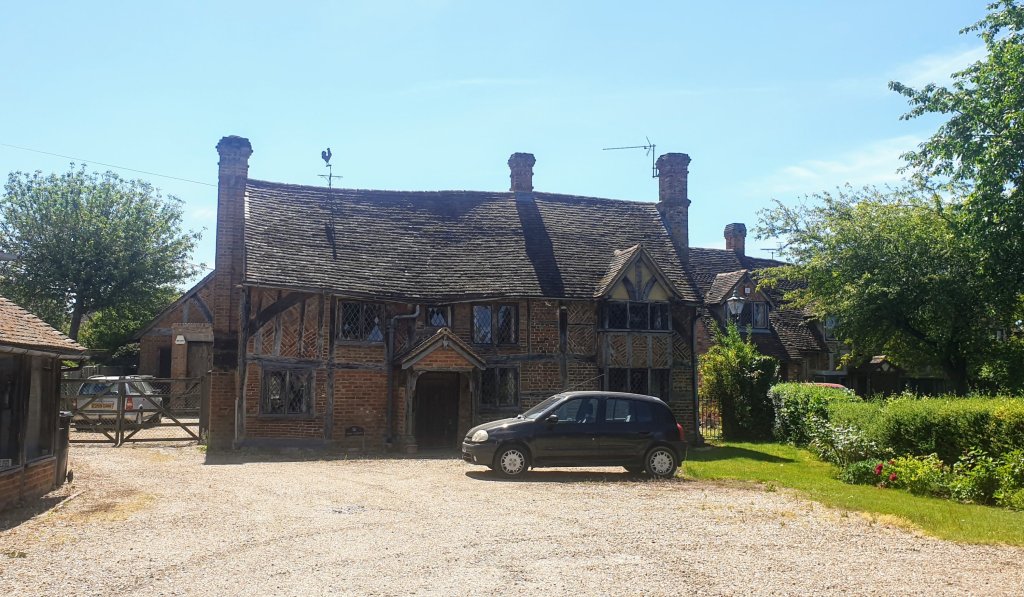
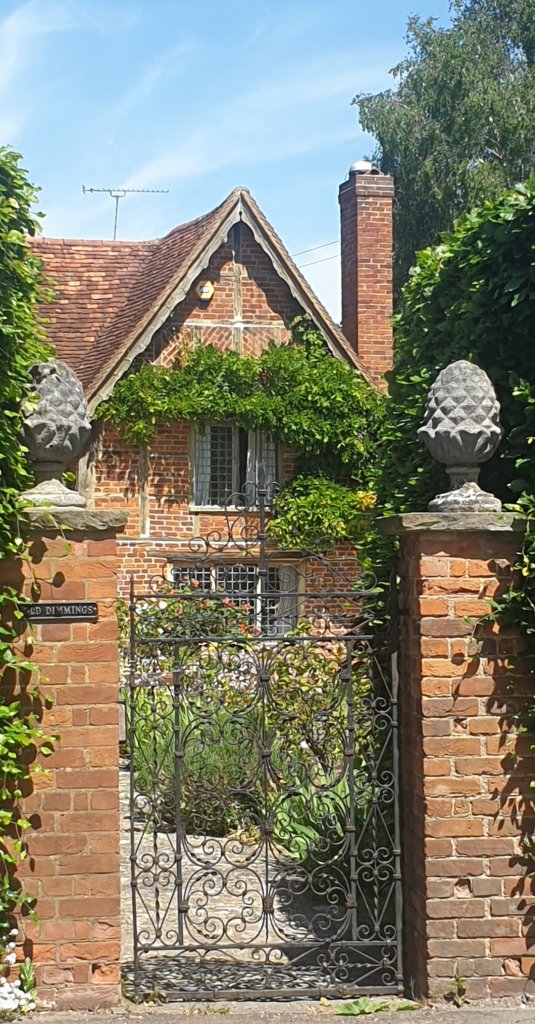
Dorney is a conservation area with lots of beautiful old timber framed houses. There’s plenty to admire as I pass through the village, peering through gateways. Even the local garage is a heritage building.

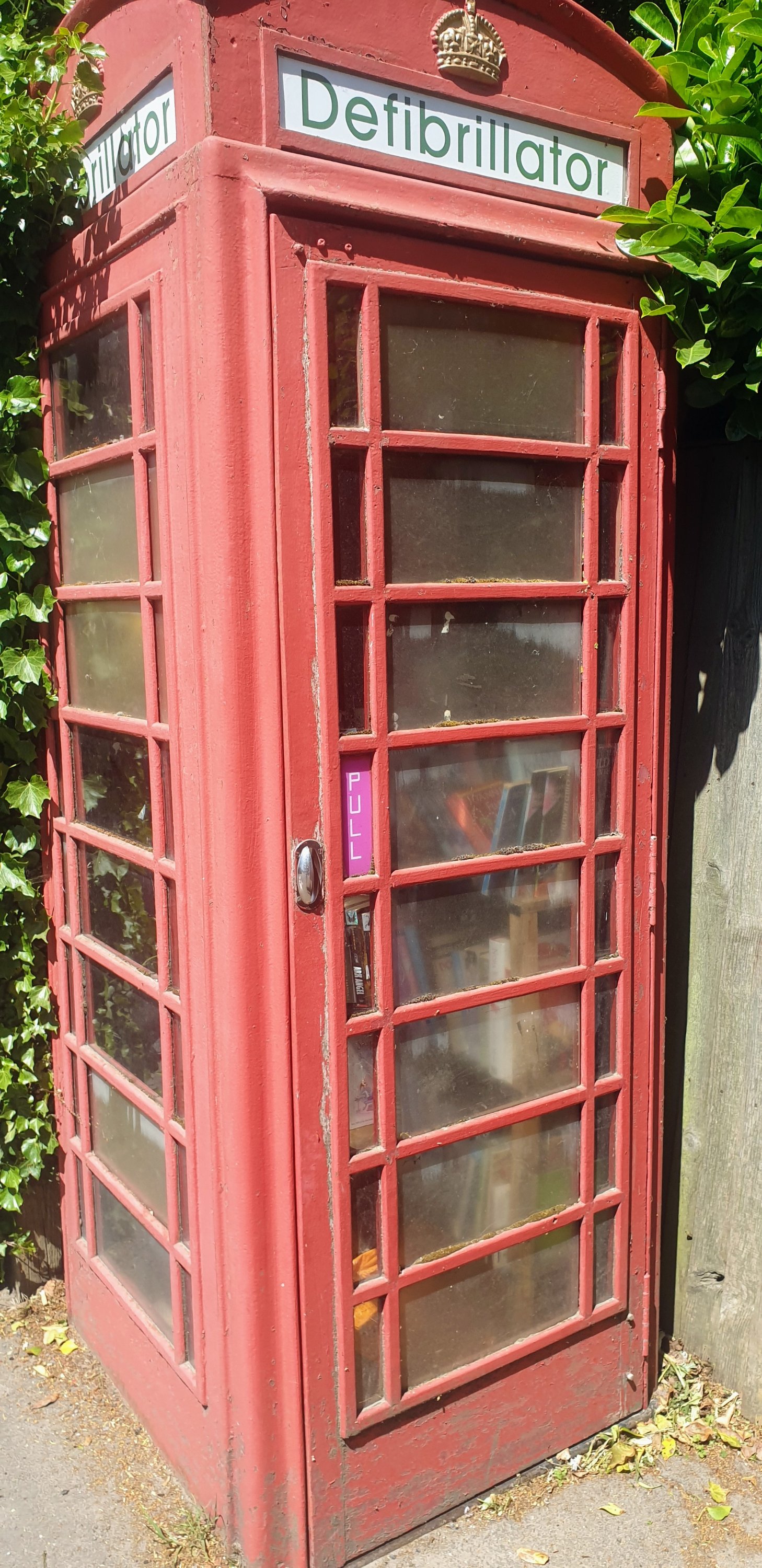
The old phonebox caught my eye as I strode past, still used both practically to save lives and more creatively as a book exchange. I like it!

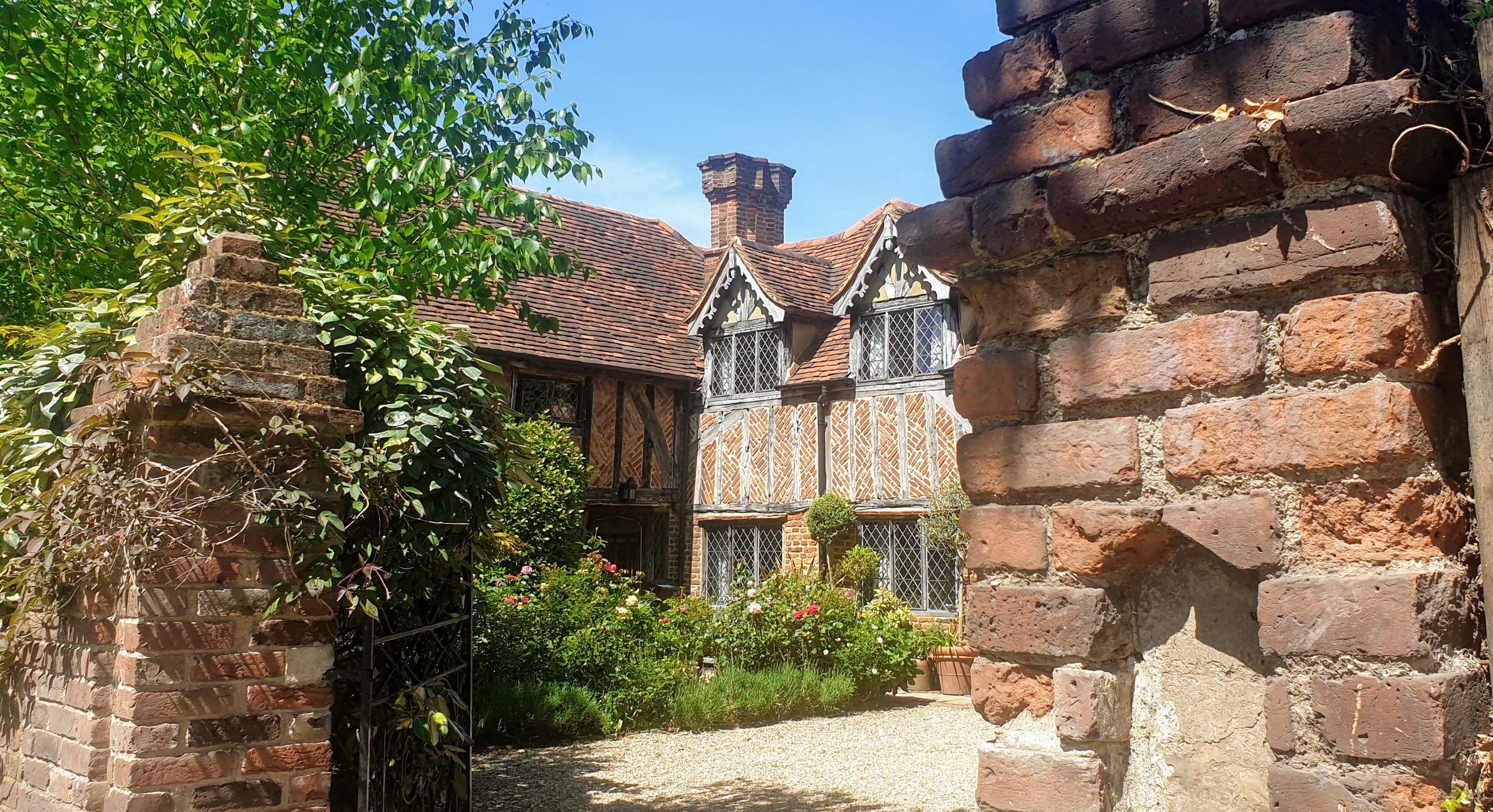
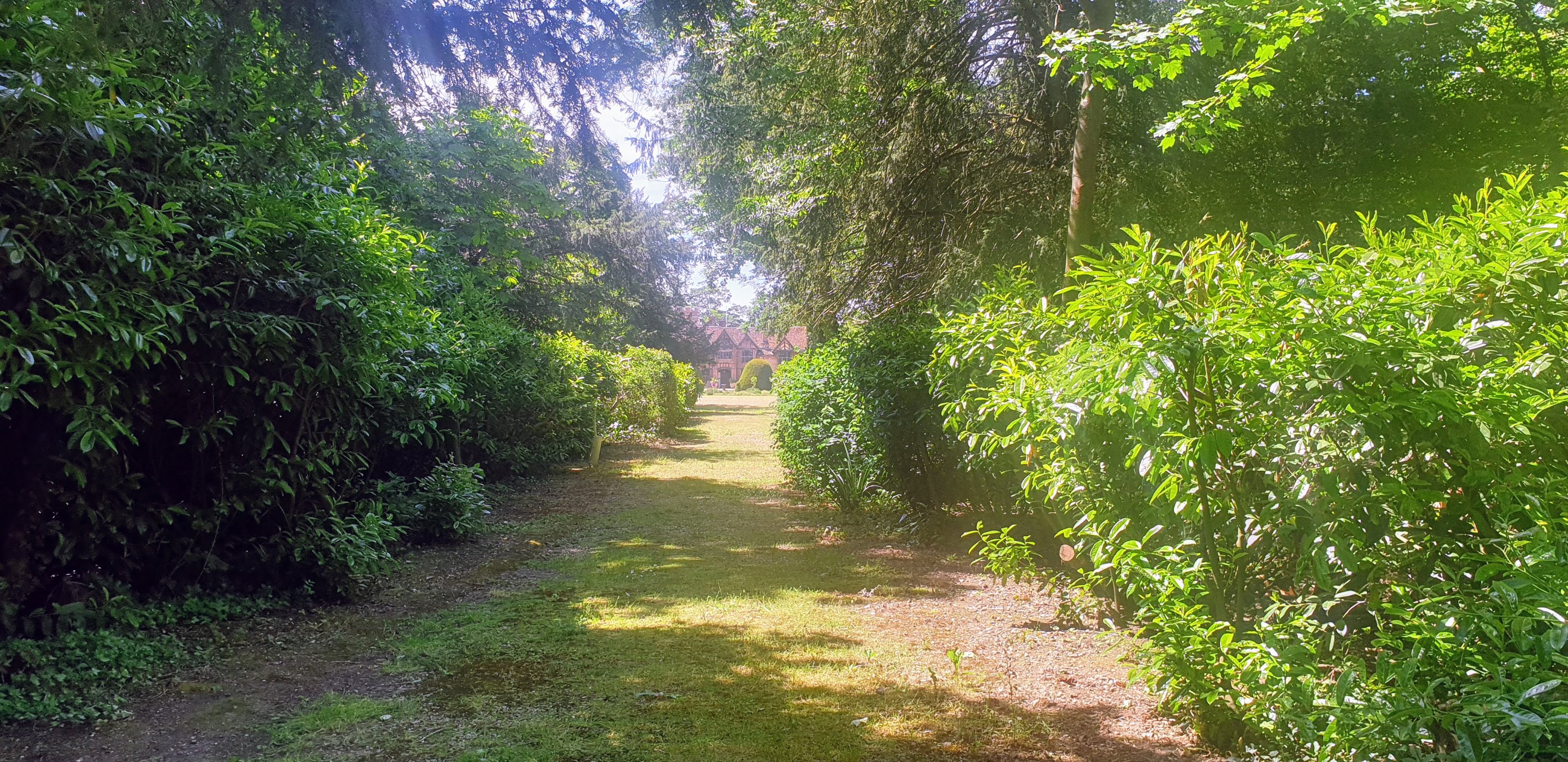
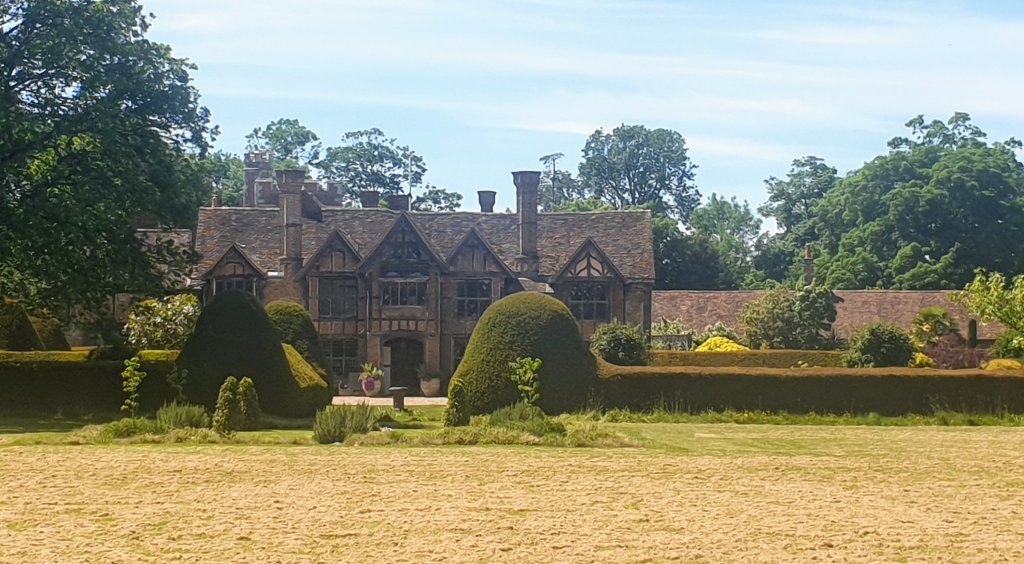
The most notable building in the village is Dorney Court, a grade I listed Tudor manor house dating back to 1440. Amazingly, it’s been home to the Palmer family for almost 500 years. This is where the UK’s first ever pineapple was grown back in the 18th century. Not surprisingly, it’s a popular filming location for TV series such as Poirot and Midsomer Murders.

The people of Dorney were obviously quite proud of their pineapple growing prowess, as there are several houses with fruity decorations, and the local pub is called The Pineapple.

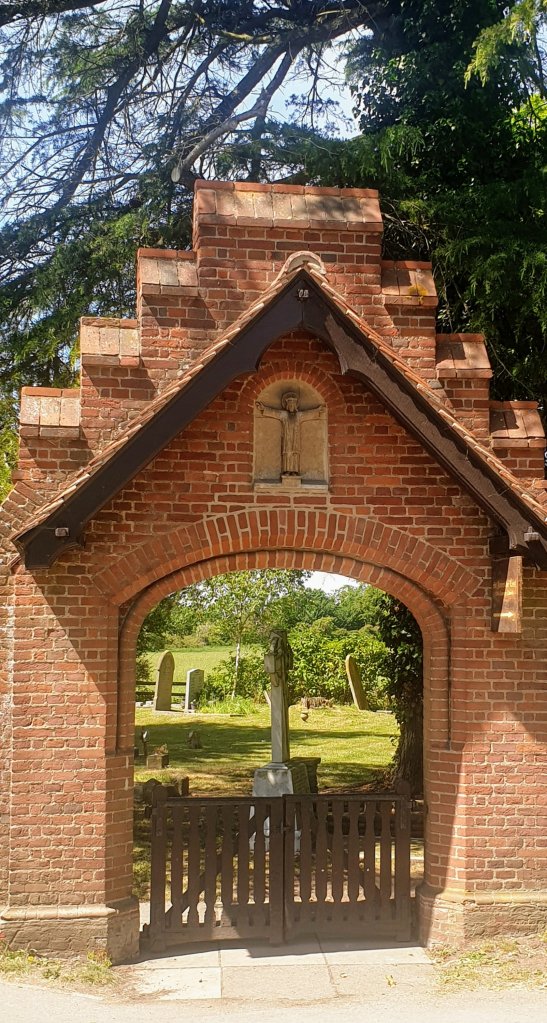
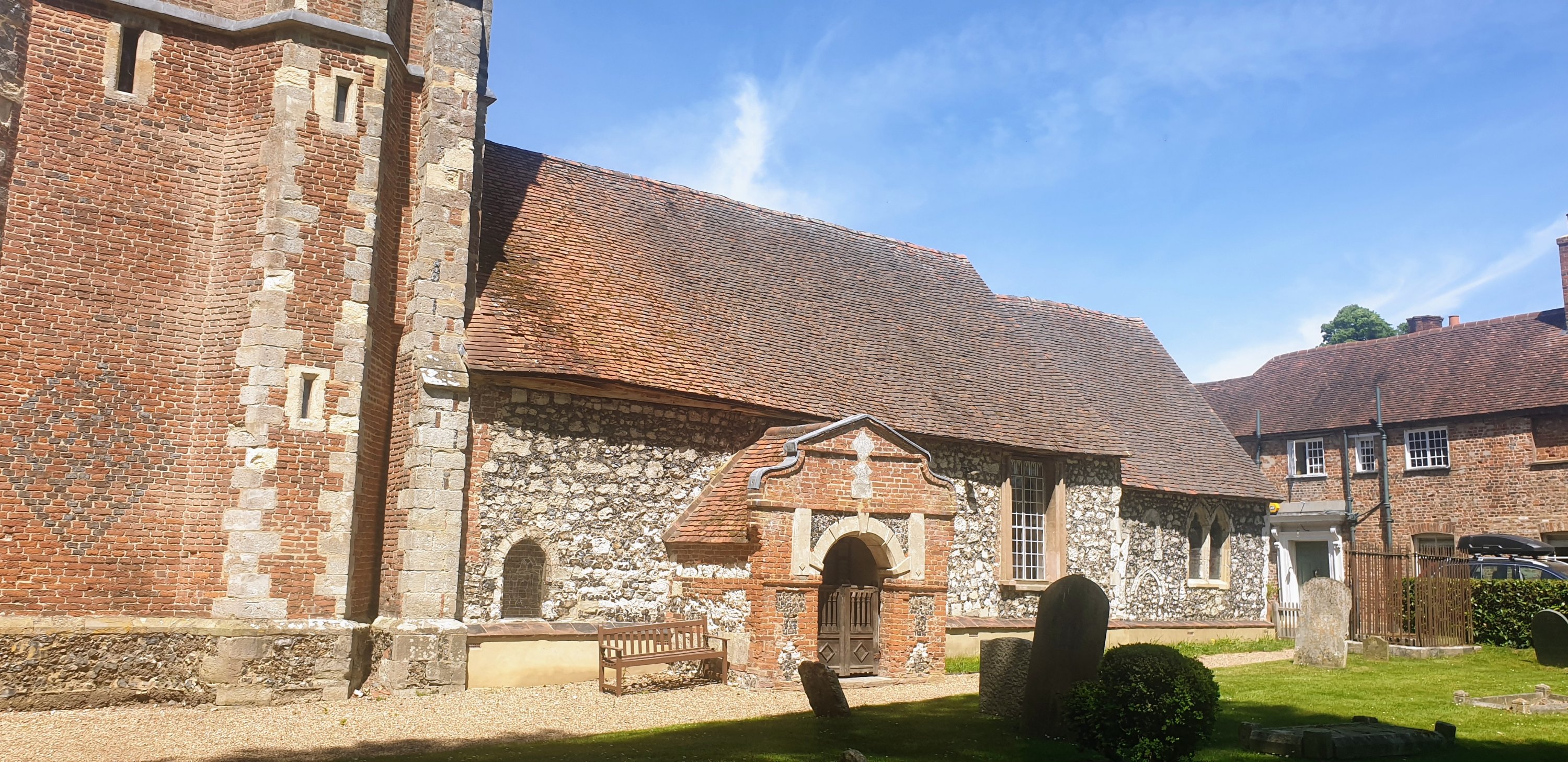
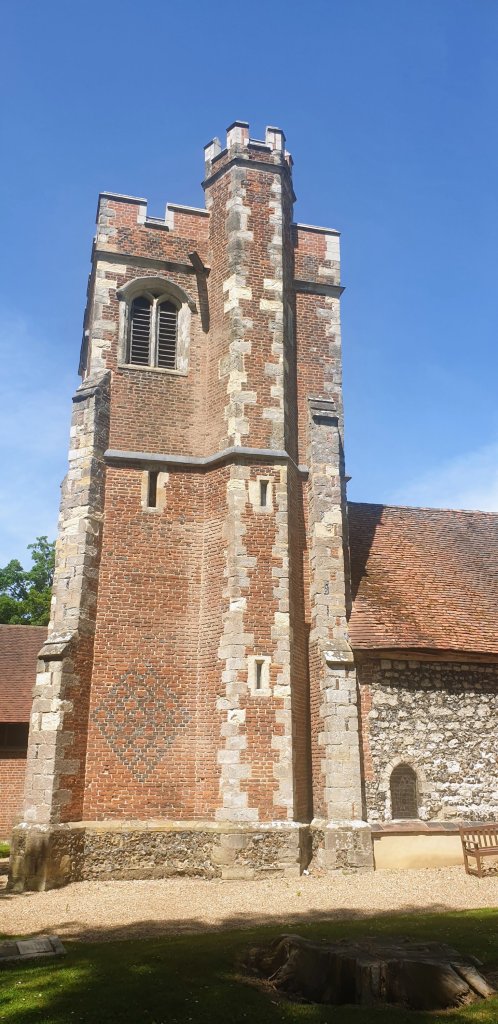
The Church of St James the Less nextdoor to the manor dates back to the 12th century, and although it’s been much restored since then it’s still a lovely atmospheric spot to sit and have a breather.

Church of St James the Less.

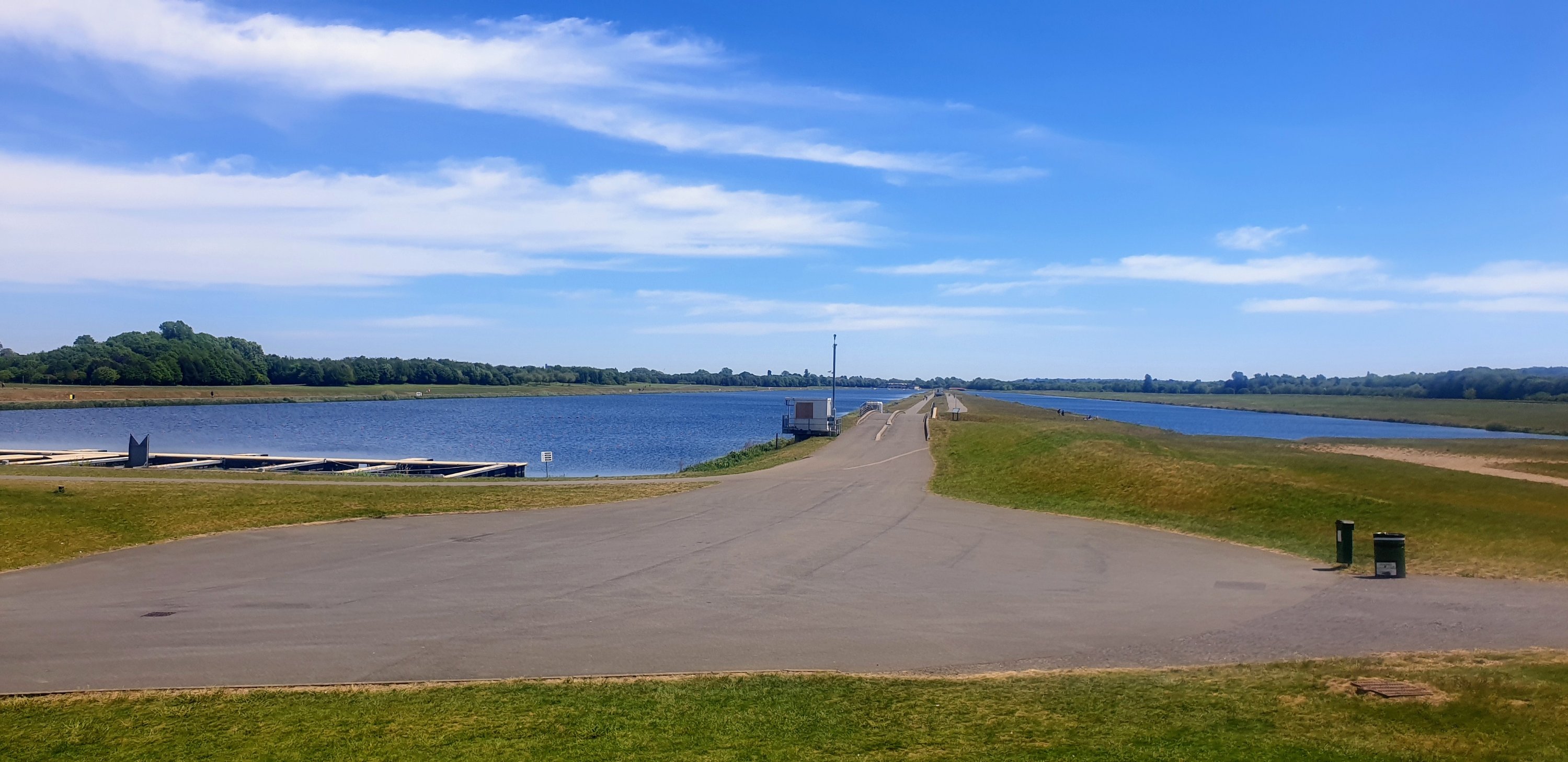
I carry on down the road and soon arrive at the impressive entry to Dorney Lake, venue for the 2012 Olympic rowing events, but actually the property of nearby Eton College. The rowing lake was developed back in 2006 at a cost of £17 million and is the premier such sporting venue in the country. Only the best for those posh schoolboys, you know.

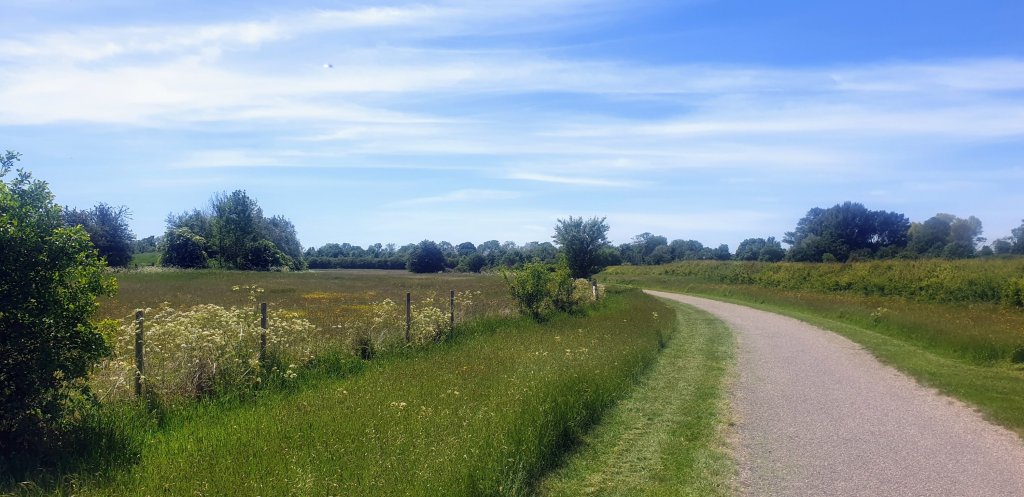
As you would expect, the grounds are immaculate. It’s a real pleasure to walk here, especially when it’s such a lovely sunny day.

Dorney Lake.

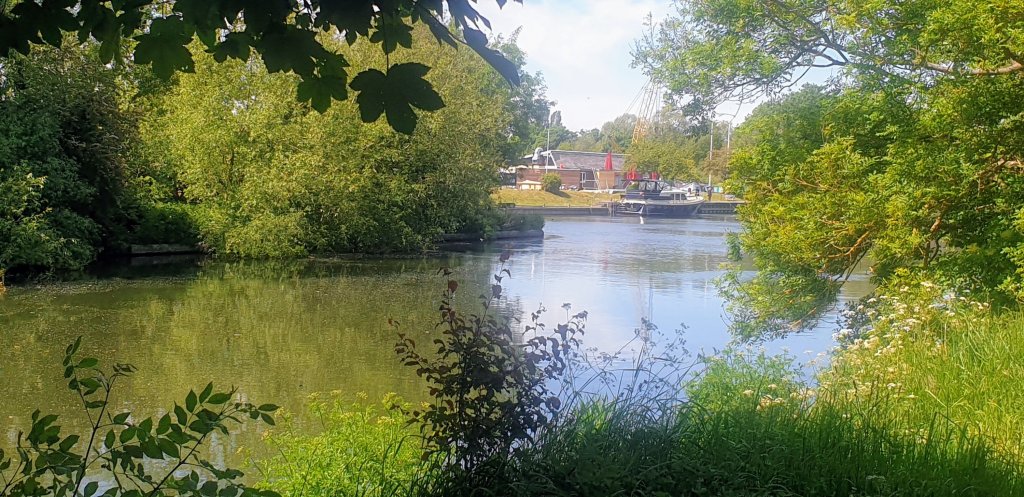
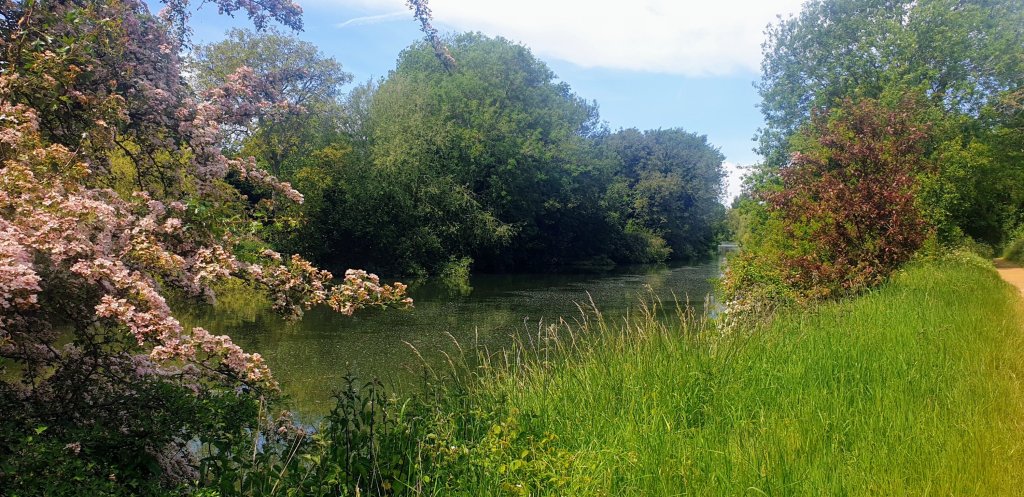
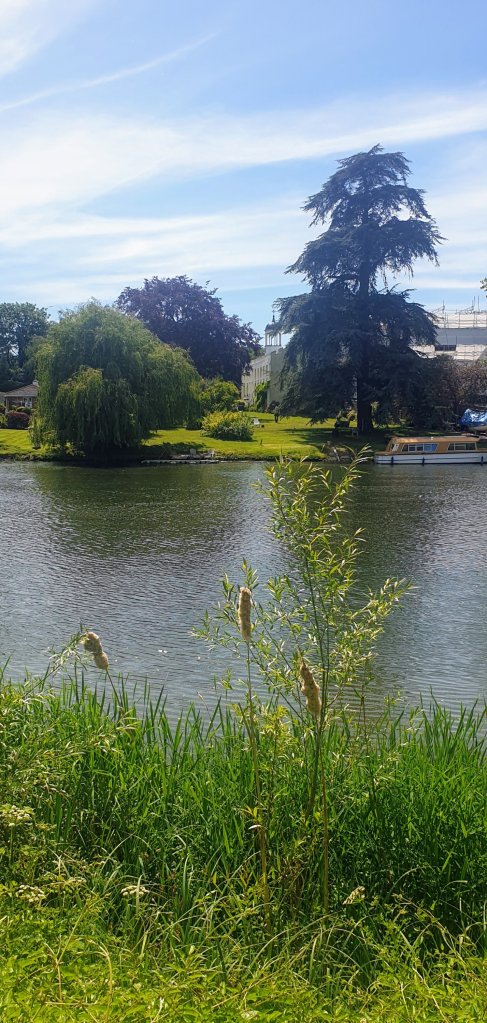
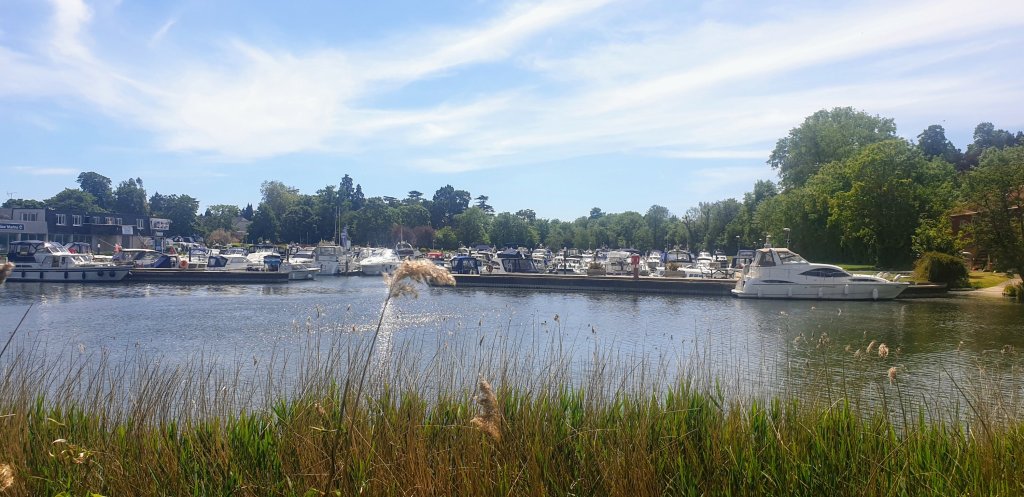
You can walk right around the rowing lake, but there’s not really that much to see, so I keep going and after a few minutes I join my beloved Thames Path opposite the bobbing boats of Bray marina. There are a few intriguing landmarks along this stretch of the river that I’m keen to see. The current is slow and lazy – we haven’t had much rain lately and you can tell.

Thames Path at Dorney.

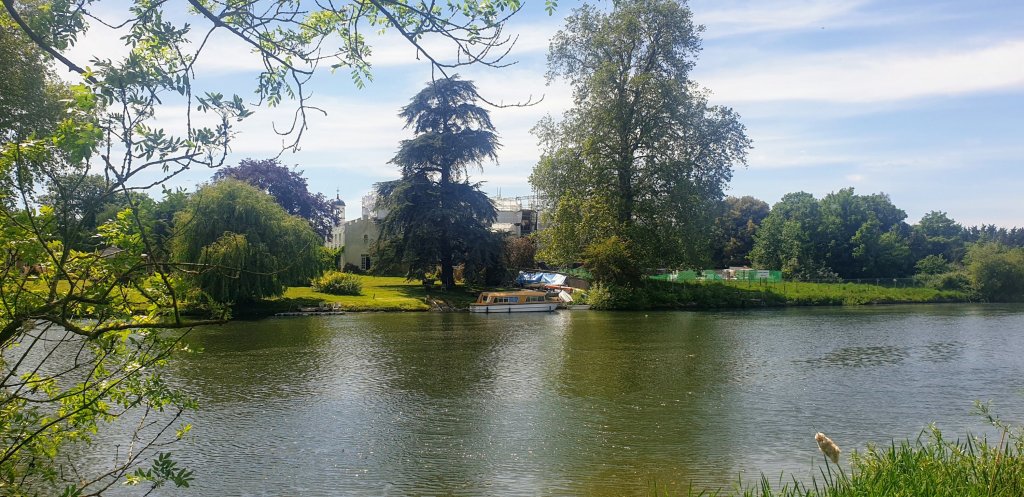
The first landmark I spot fills me with dismay. Redevelopment of the Bray film studios has commenced, with the old mansion house, Down Place, being converted into houses. At least it’s not going to be demolished. Buyers beware though, this is where Dracula, Frankenstein and The Mummy had their finest hours in the gory, glory days of Hammer horror films. A recipe for nightmares perhaps?

Bray Studios, past and present.

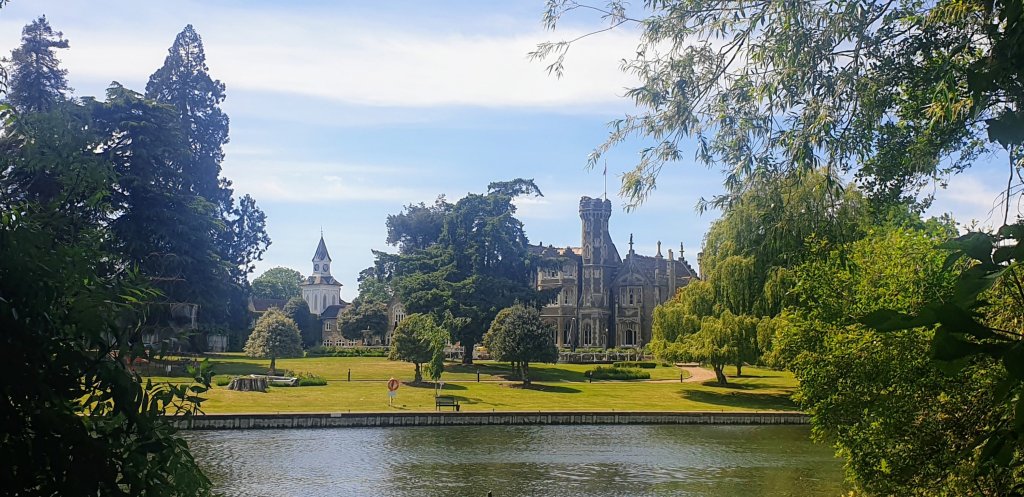
Oakleigh Court is next to come into view. This Victorian gothic country house, built in 1827, is a hotel now but it’s famous in popular culture as Frank N Furter’s castle in The Rocky Horror Picture Show. It had no heating or plumbing during filming, with the result that poor Susan Sarandon came down with pneumonia.

Oakleigh Court, now a luxury hotel.

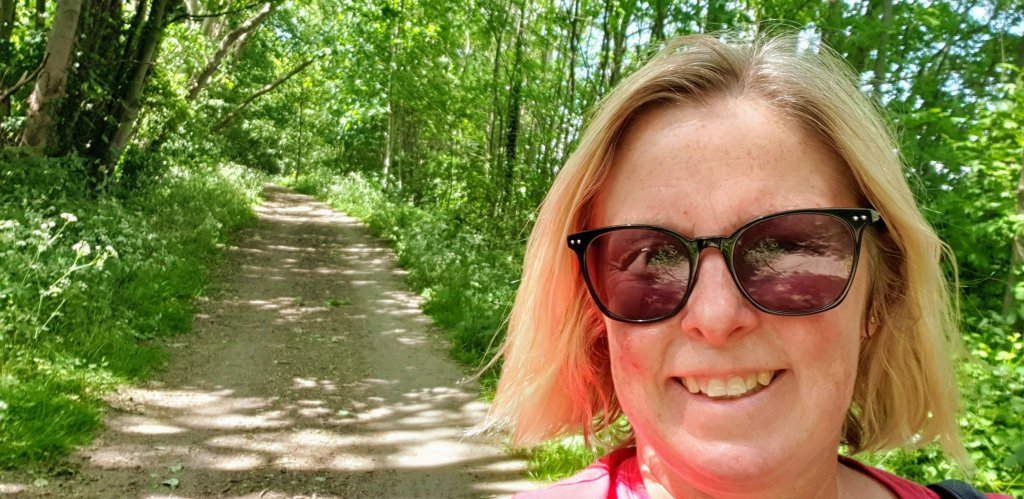
I’m enjoying today’s walk – being close to the river always makes me feel happy, and it’s a lovely warm and tranquil afternoon. I stop for a selfie. I’m not looking where I’m going. I’m asking for trouble…

Enjoying the views of Windsor Marina.
Unsuspecting, with unblemished nose..

Sure enough, something moves down by my feet, and I’m shocked to see a small brown snake uncurling itself. So shocked that I jump violently, my sunglasses hit my nose hard and then clatter down onto the poor sleepy reptile. It slithers off, and I realise that I have blood dripping down my nose. Not a successful encounter for either of us!

The photo I should have taken – probably an adder due to size, colour and location.

Now, don’t get me wrong, I’m a snake enthusiast, after years of having a resident python in my Brisbane garden I know they are fairly harmless if left alone. This meeting was just very unexpected, as I’ve never seen a snake in the UK before. I’m annoyed with myself that I didn’t get a photo. I start walking again, mopping at my injured nose and keeping a close eye on the ground.

Any more snakes out there?

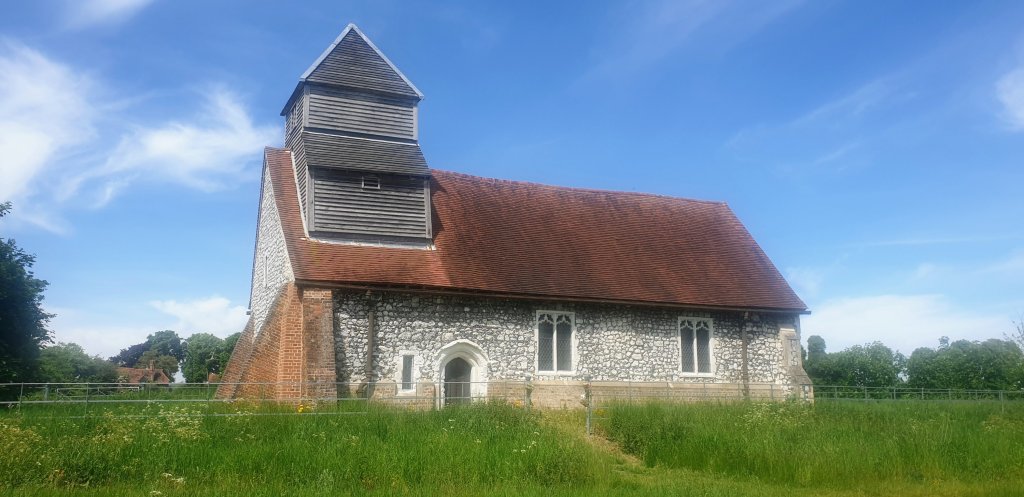
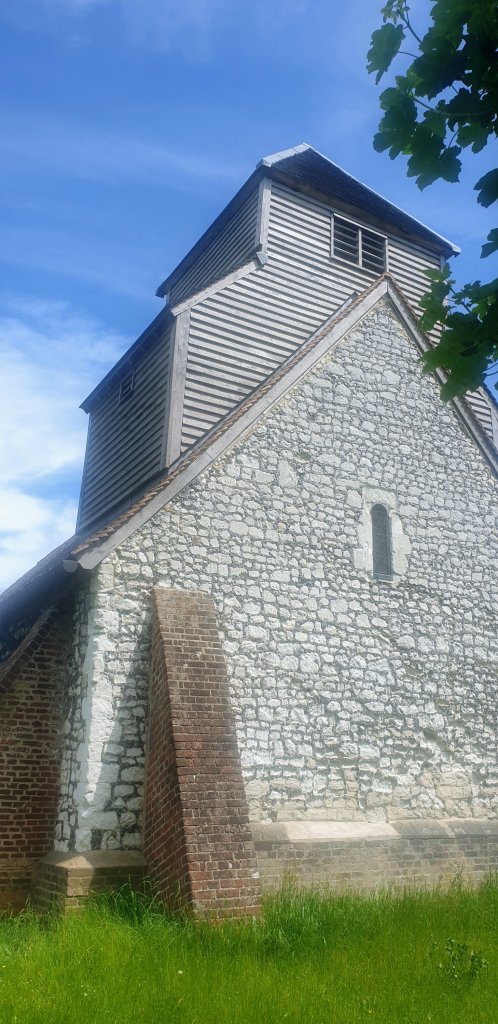
Today’s final landmark, the gorgeous little chapel of St Mary Magdalene, Boveney, is so unexpected as you turn the corner. It sits just slightly set back from the banks of the river, as it has since the 12th century, serving as a place of worship for the men who worked on the barges bringing timber down the river. Even back then, it was all about convenience.

Chapel of St Mary Magdalene.

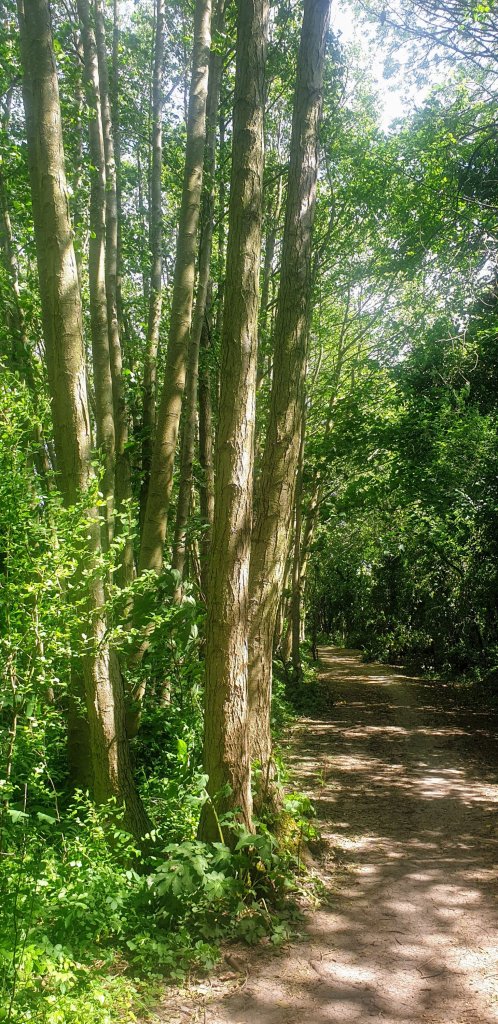
I leave the river at the church and head back along a wooded path to Dorney. Today’s walk was close to home but still full of surprises. I will be watching where I step in future!

Travels in my neighbourhood: Windsor & Eton

Today I’m just down the road from home in the twin towns of Windsor and Eton, joined by a bridge over the Thames. Both are pretty famous – one has the most renowned castle and the other the most well-known school in the UK, if not the world.

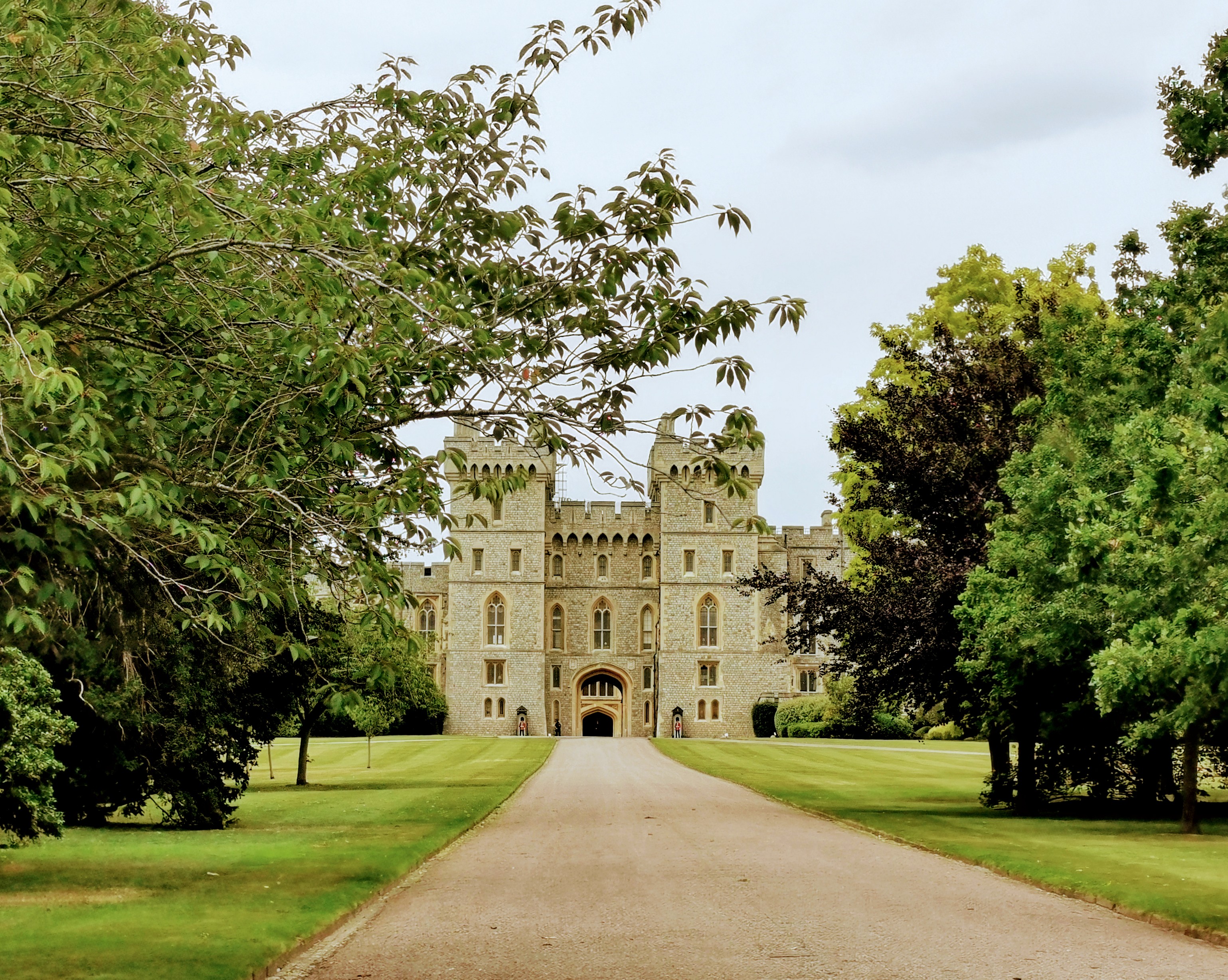
Windsor Castle

I’ve been here many times before, but writing a blog makes me look a bit closer and find out a bit more than usual. It’s always informative to look at a familiar place with a new lens. So let’s get to know this place better together.

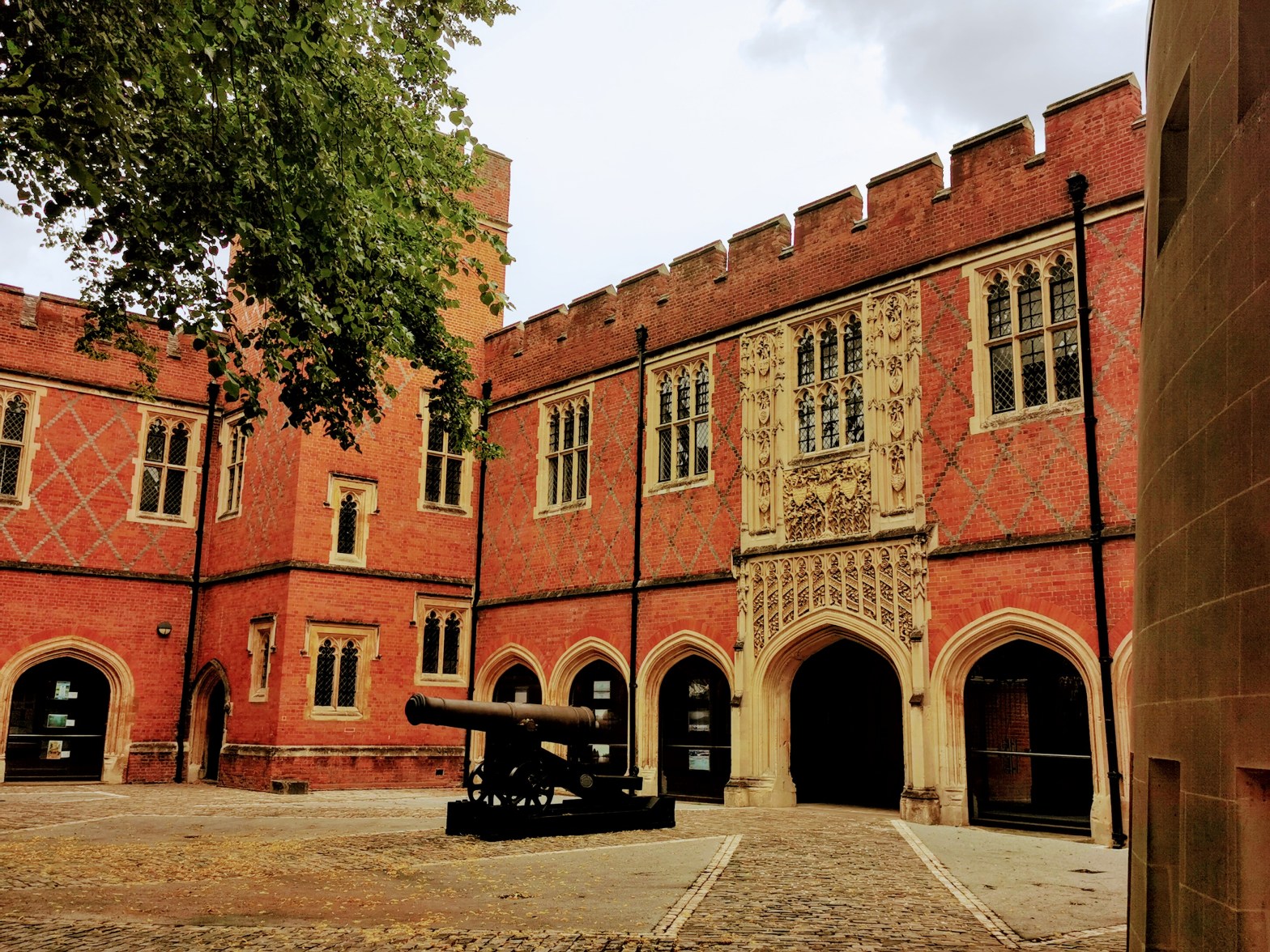
Eton College

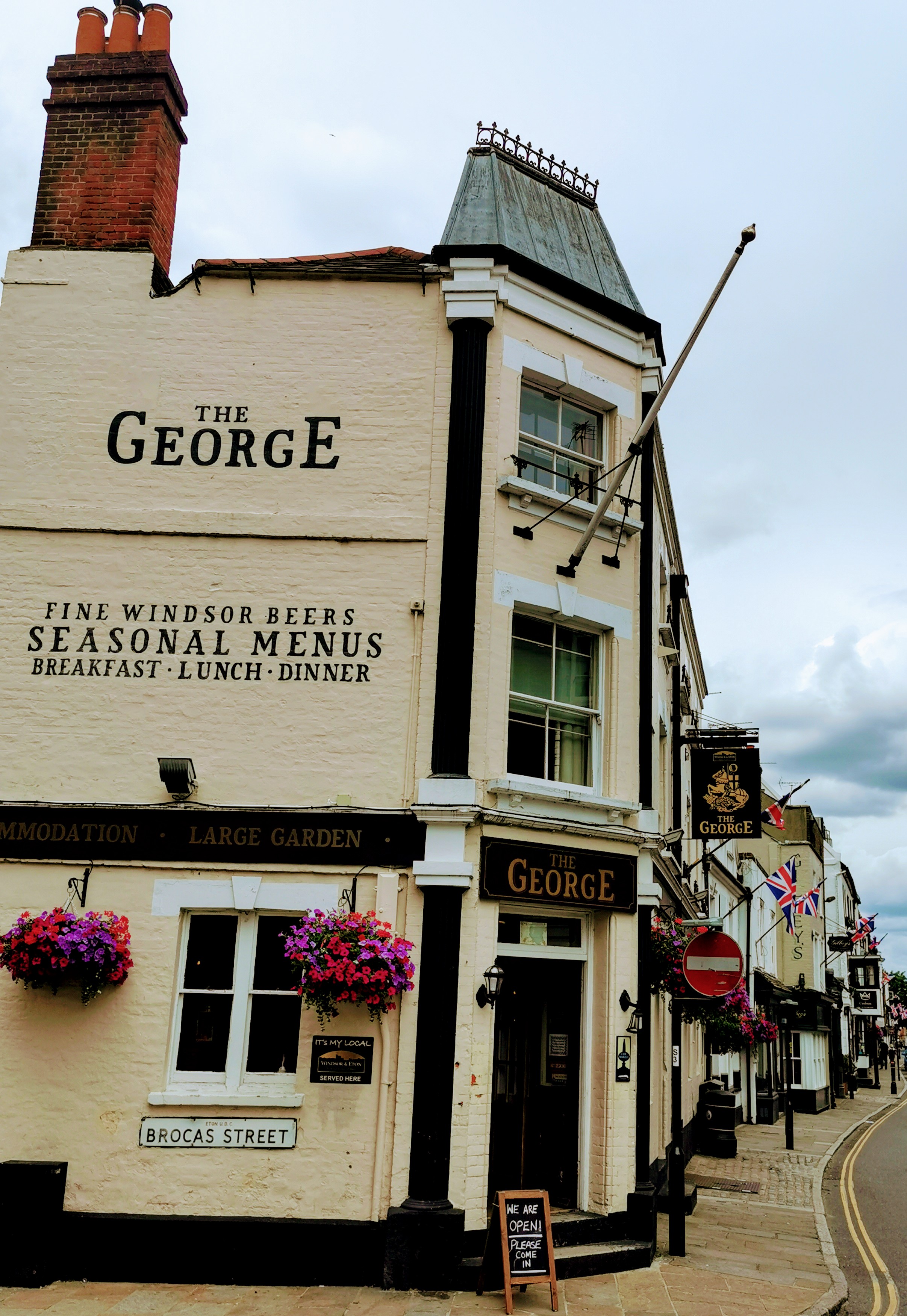
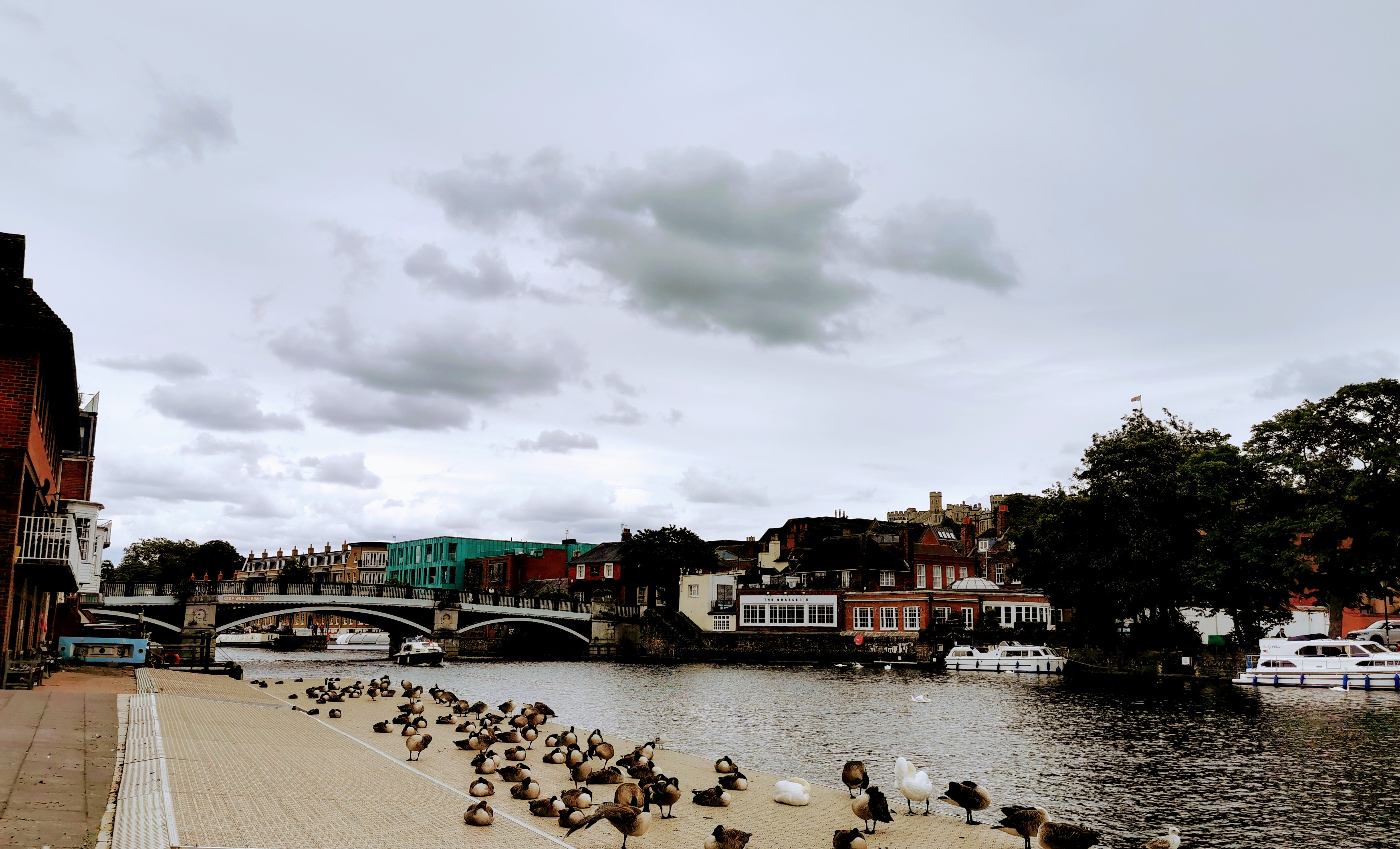
It’s not a great day but hopefully the rain will hold off as I don’t own a brolly. Yes, that’s quite unusual for a Brit and possibly unwise too, but I have a habit of losing them so I just gave up. I start my walk by crossing the Windsor Bridge into Eton. Aptly, the name is Old English for River Town. Looking down the High Street, I’m immediately heartened by signs proclaiming ‘We are open’ outside the pubs and restaurants. After months of walking past forlorn, shuttered buildings, it’s amazing to see signs of life again.

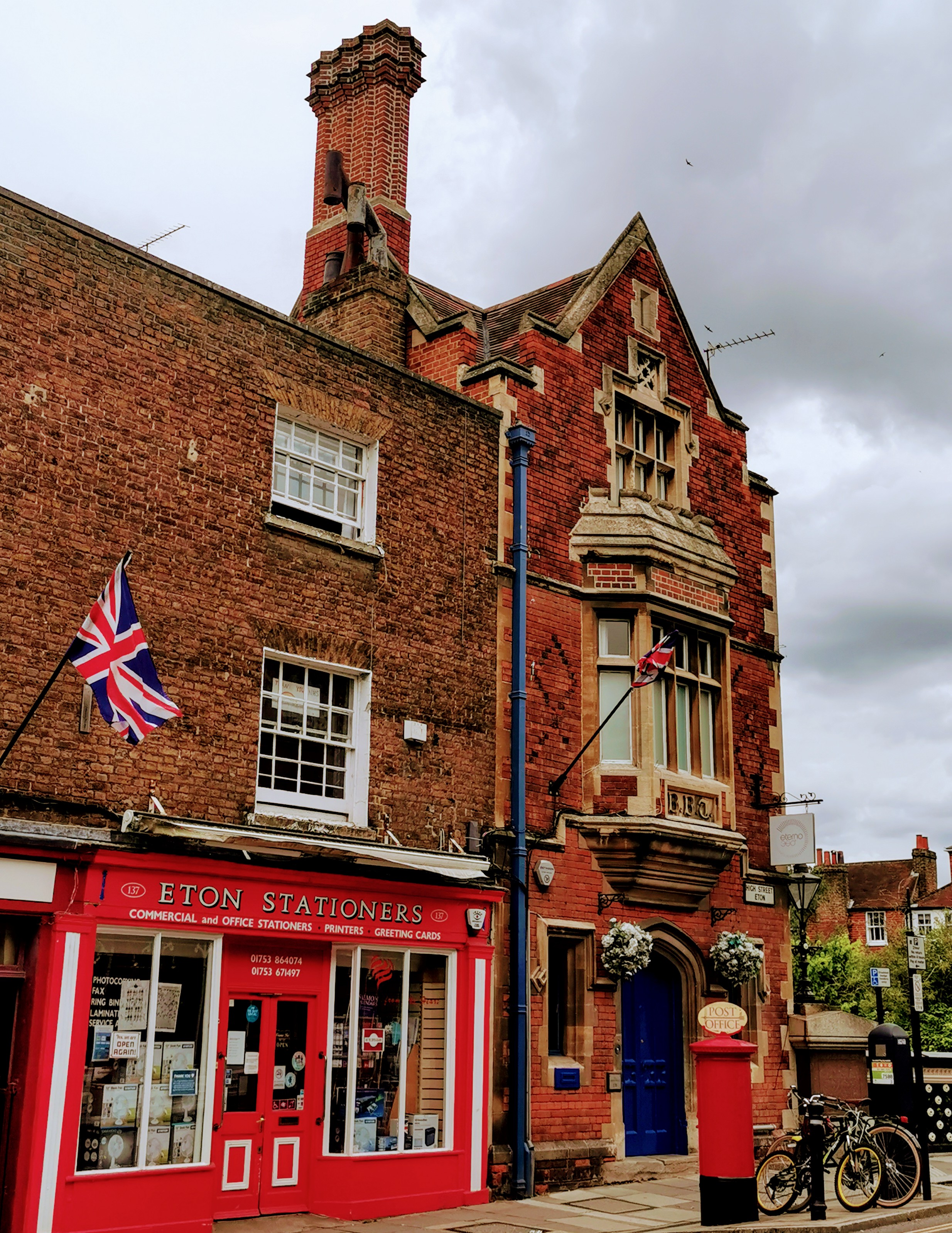
I actually think Eton is much nicer than Windsor. Fewer tourists and more independent shops and restaurants make it a more interesting place for a stroll. The High Street is really pretty and always festooned with flags, giving it a festive air, although it’s quieter than usual.

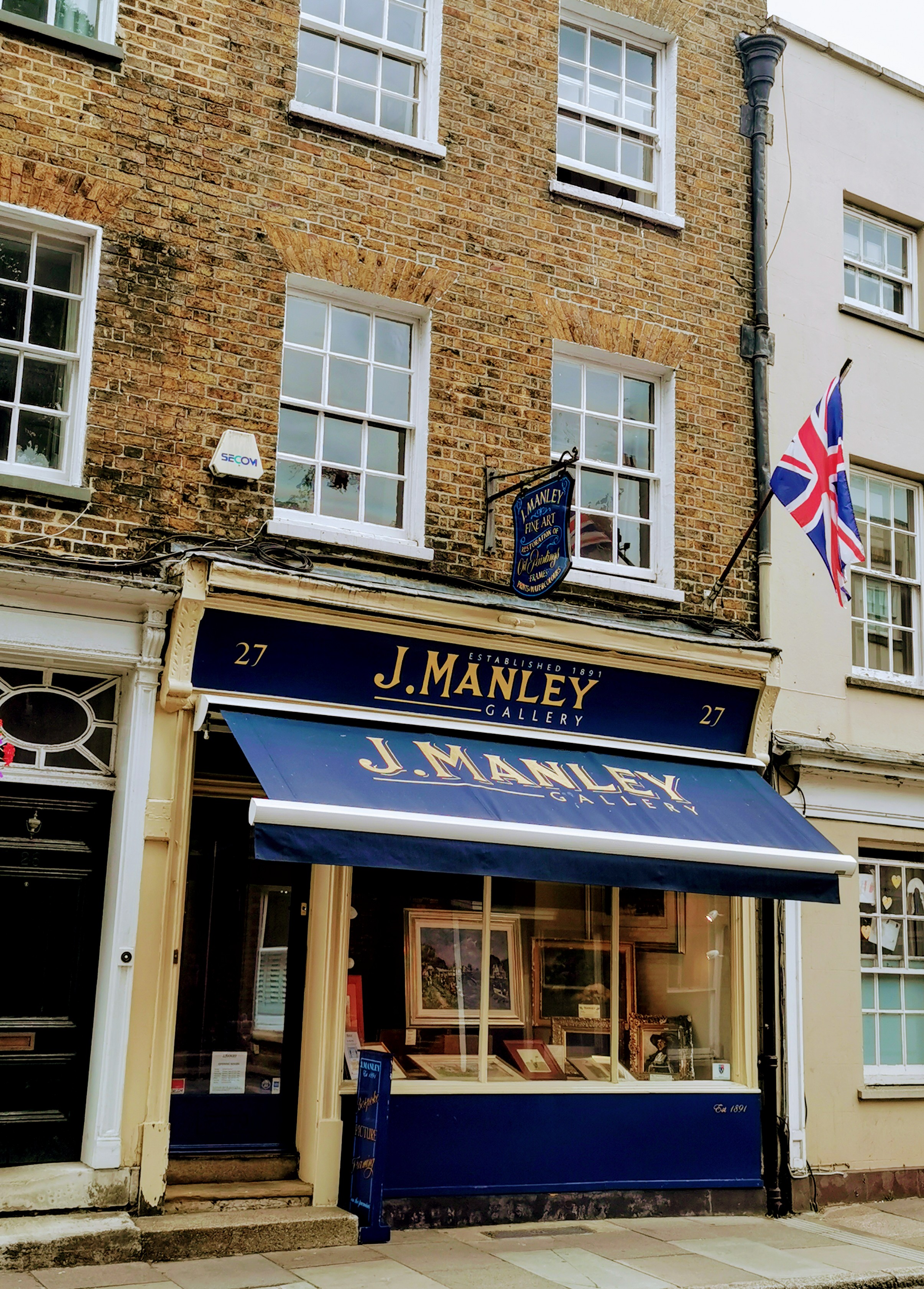
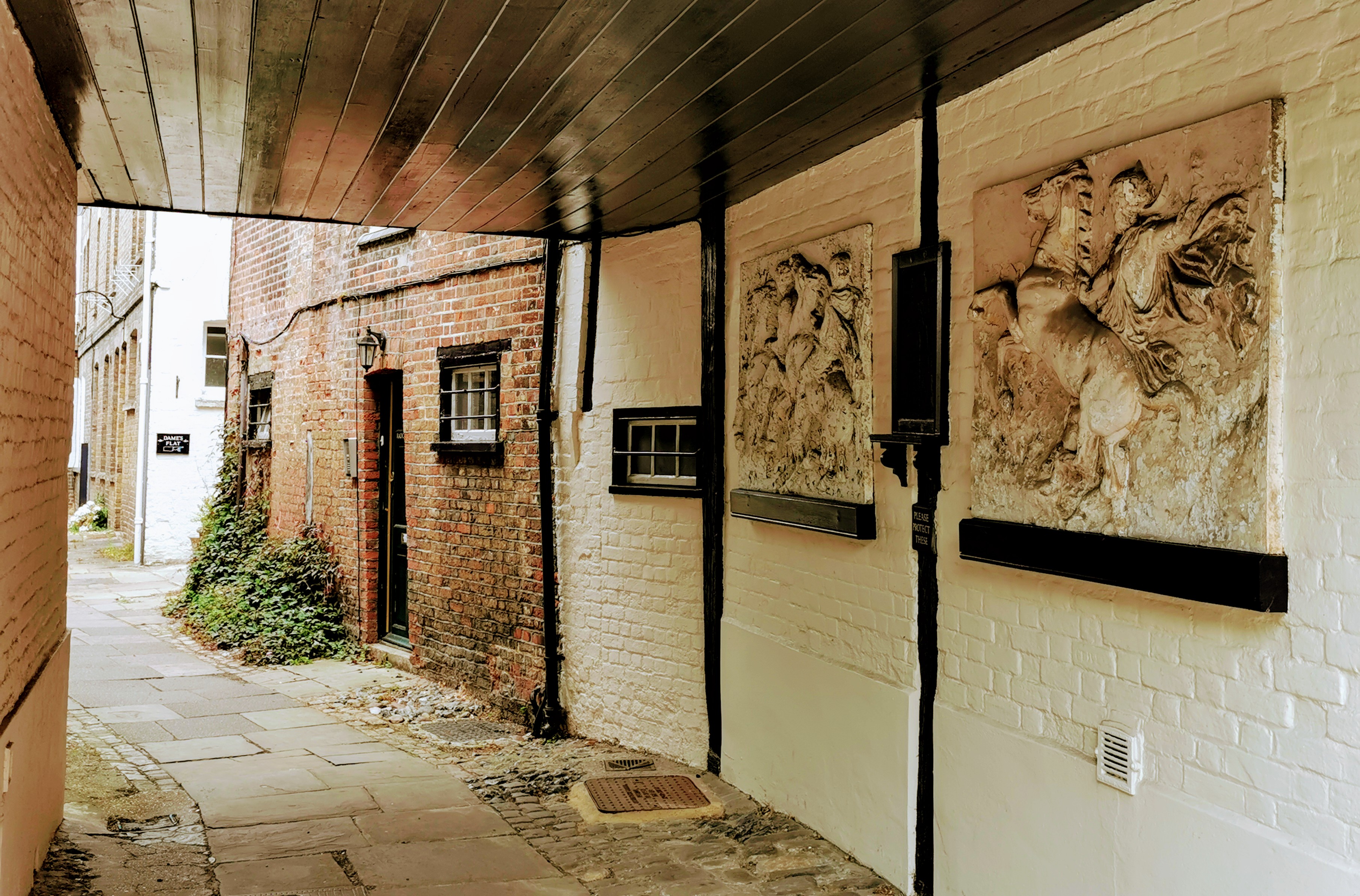
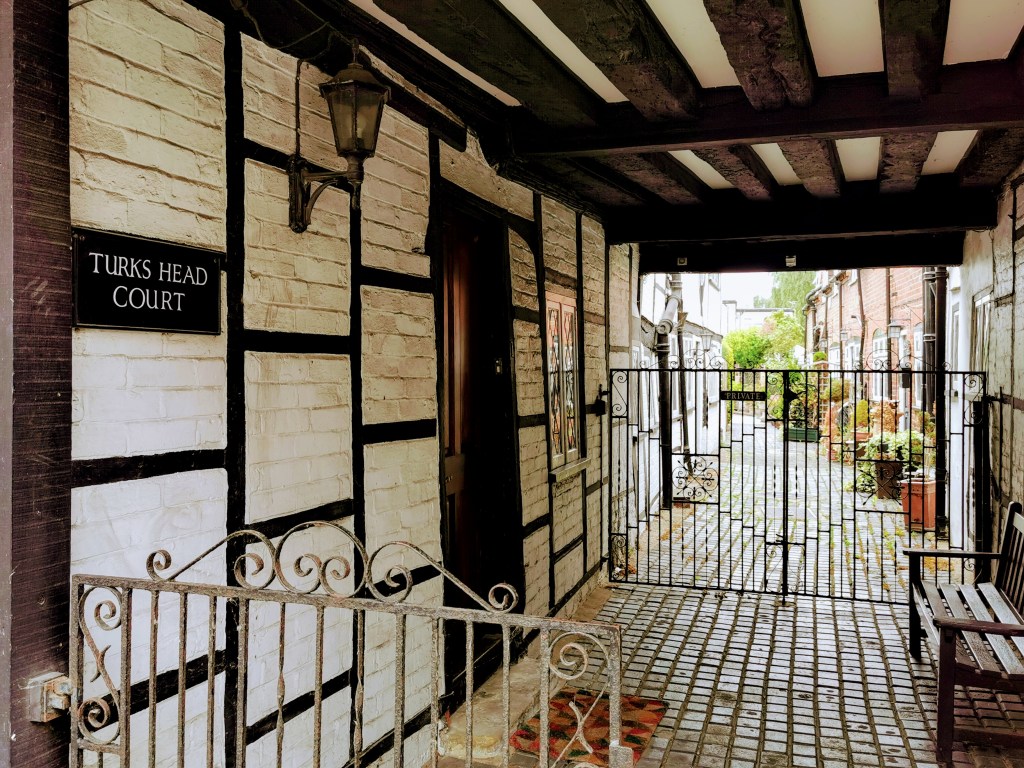
Keep your eyes peeled as you wander along, as there are quirky details to be seen in the shop windows and little laneways that line the road. Bronze markers set in the pavement mark the route of the Eton Walkway for anyone interested in finding out more about the history of the town.

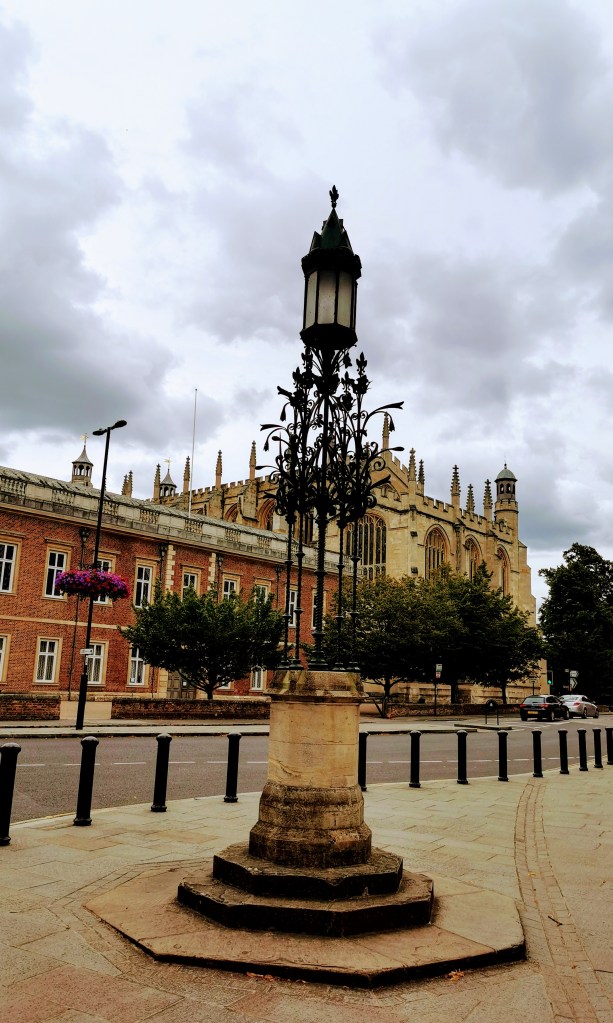
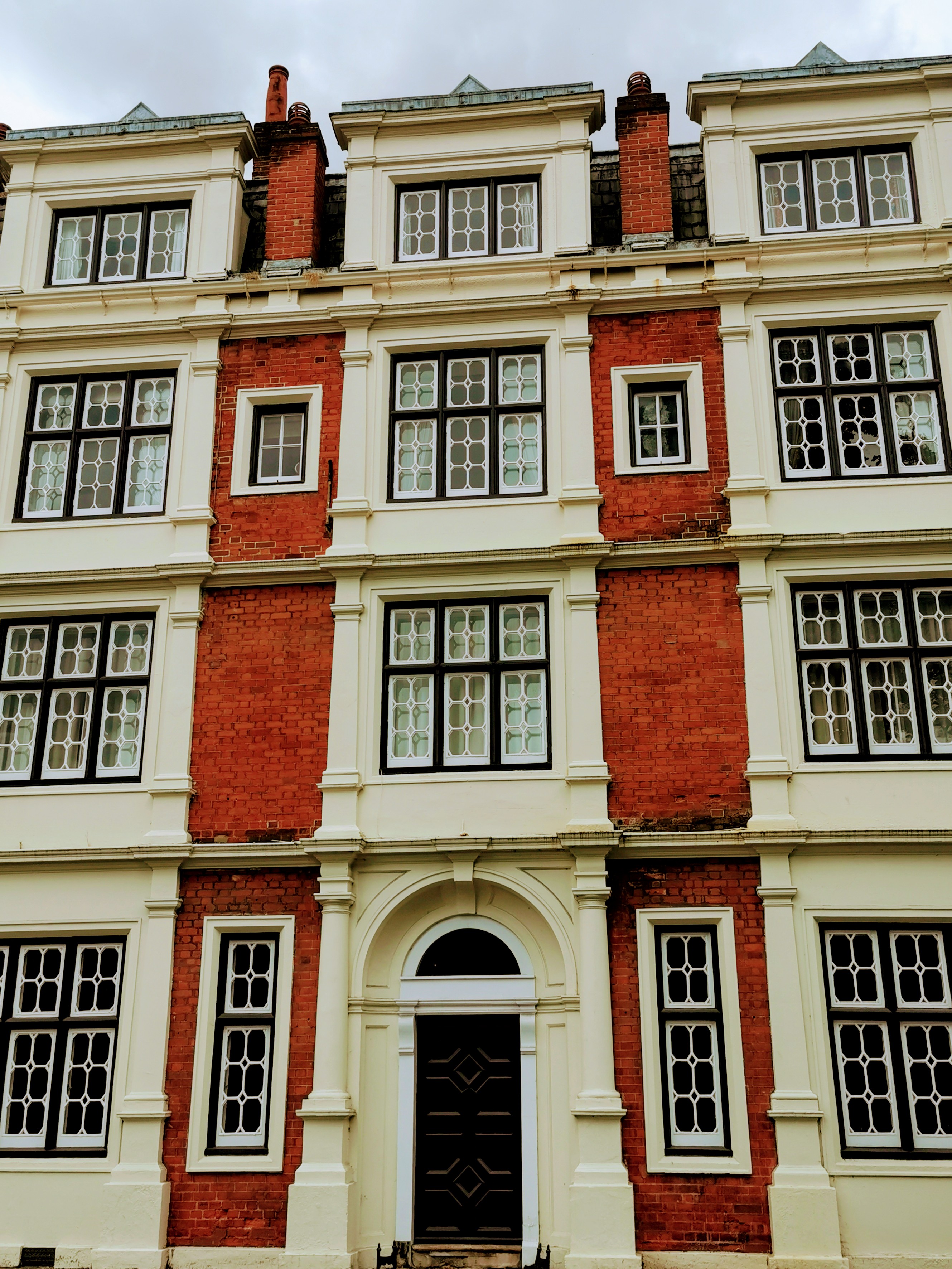
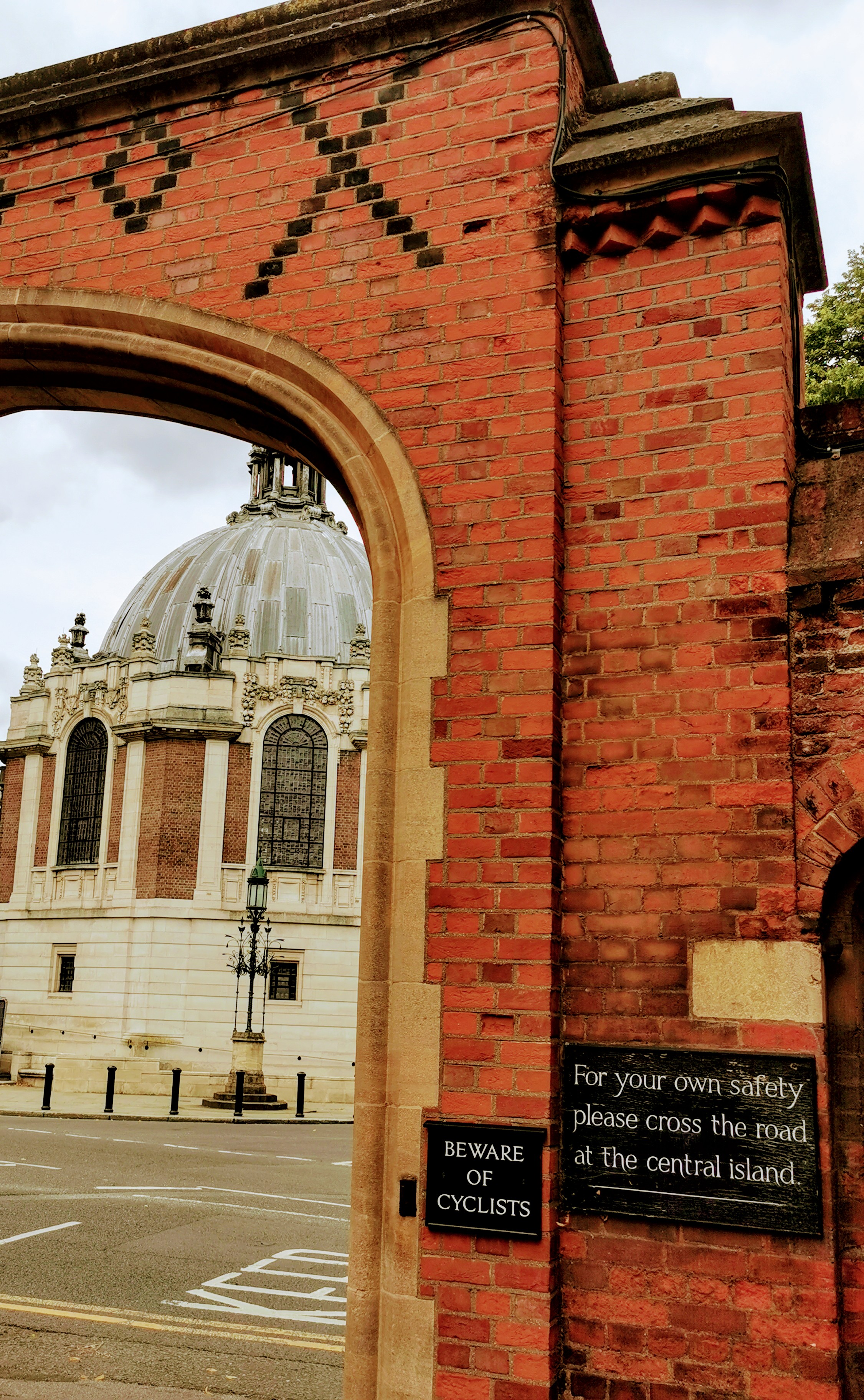
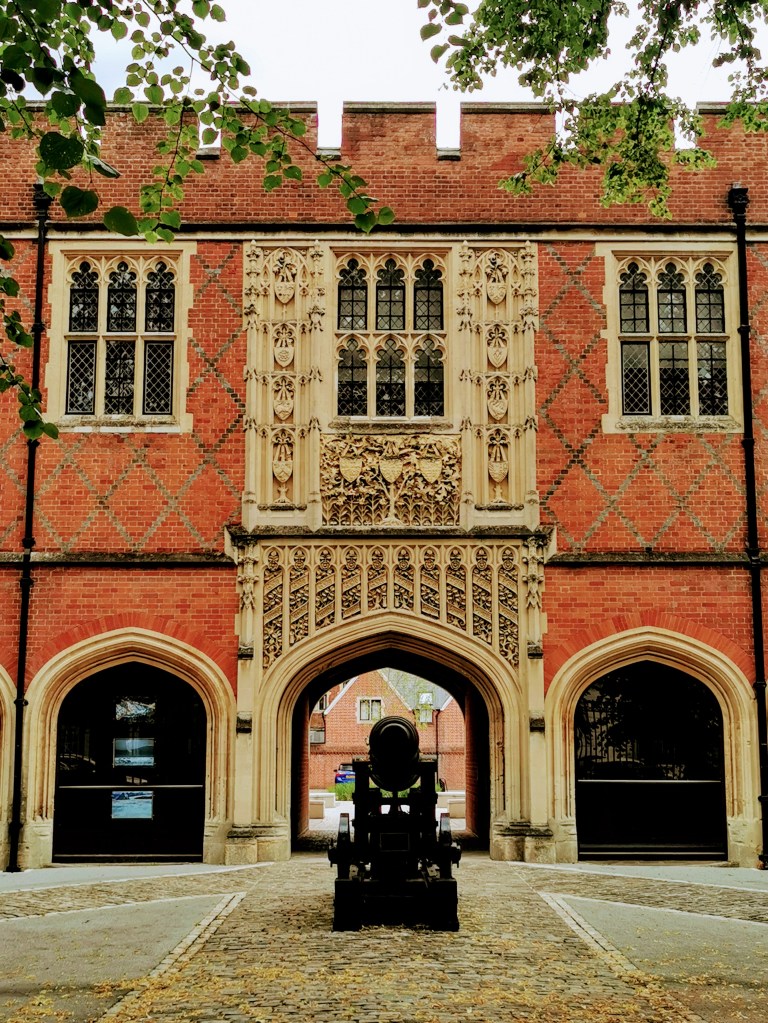
At the end of the main street, you’ll find that almost every building belongs to the school, and very impressive they are too. Eton College was founded in 1440 by King Henry VI and much of the land around the town was bequeathed to the school, which has prevented development and helped Eton to retain its character over the years. Hurrah! I approve.

The schoolboys here wear a bizarre, old fashioned uniform of black tailcoat and waistcoat, starched collar and pinstriped trousers. They look quite surreal usually, mingling with the tourists, but today due to the pandemic neither are in evidence. Currently 1311 boys attend the school and each pay over £40,000 per annum to wonder around Berkshire in fancy dress. Ah, British tradition, it’s so wonderfully weird sometimes.

Twenty of our Prime Ministers have been educated here in Eton, including the lovely Boris Johnson. Numerous other statesmen, famous writers, eminent scientists and stars of the screen have attended. Old Boys Club? Whatever do you mean? Although some have spoken of the ‘stigma’ of being an Old Etonian blighting their lives, I’m not sure I have much sympathy.

Princes William and Harry also went to school here – nice and handy for Granny’s ‘house’. In fact I remember spotting Harry in his school uniform years ago when I was visiting London to see a Spice Girls concert with my friends Sue and Jayne. We were strangely excited about seeing him, despite the fact that we were grown women and he was about 12. Yep, another shameful secret emerges thanks to this blog! Moving swiftly on…

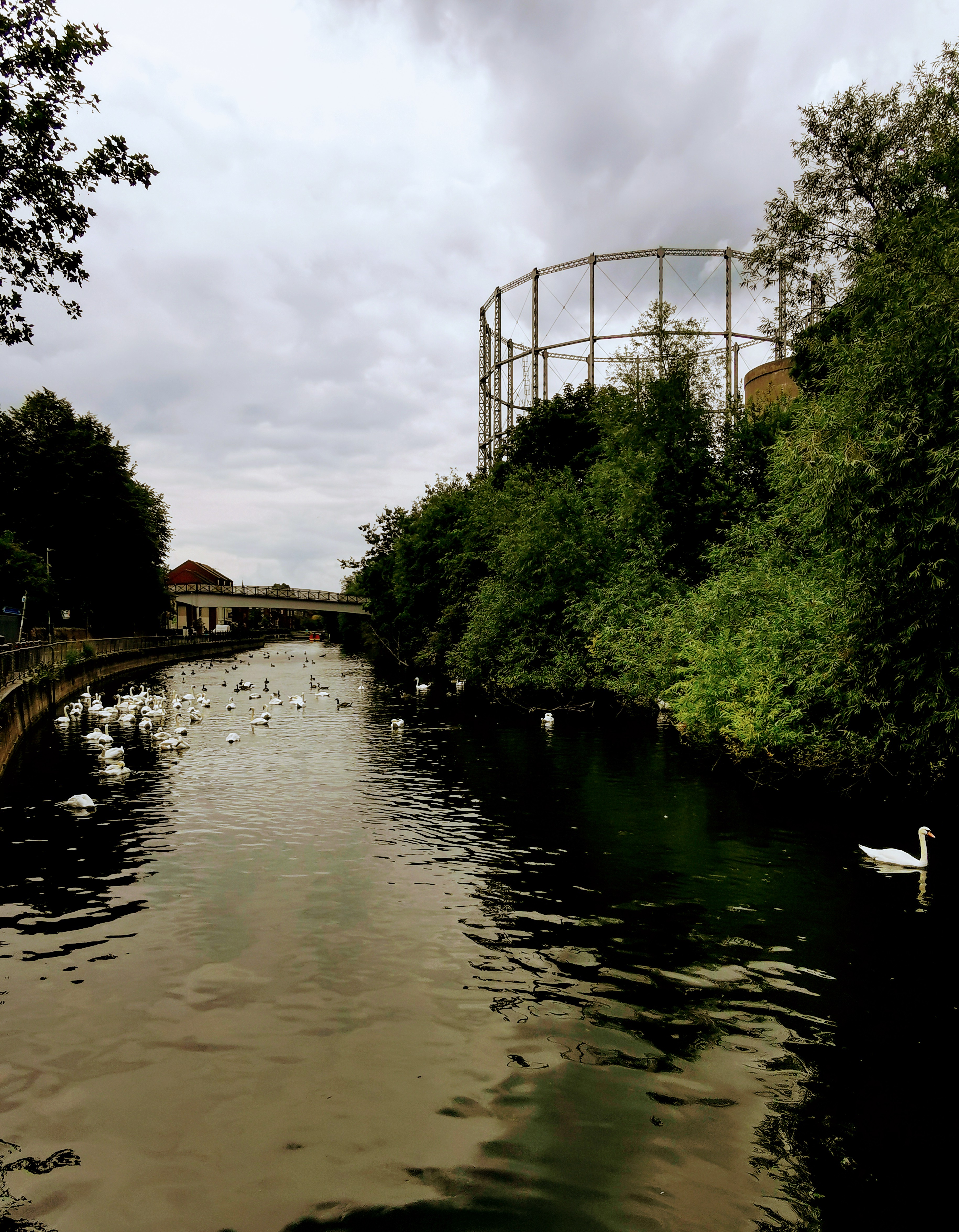
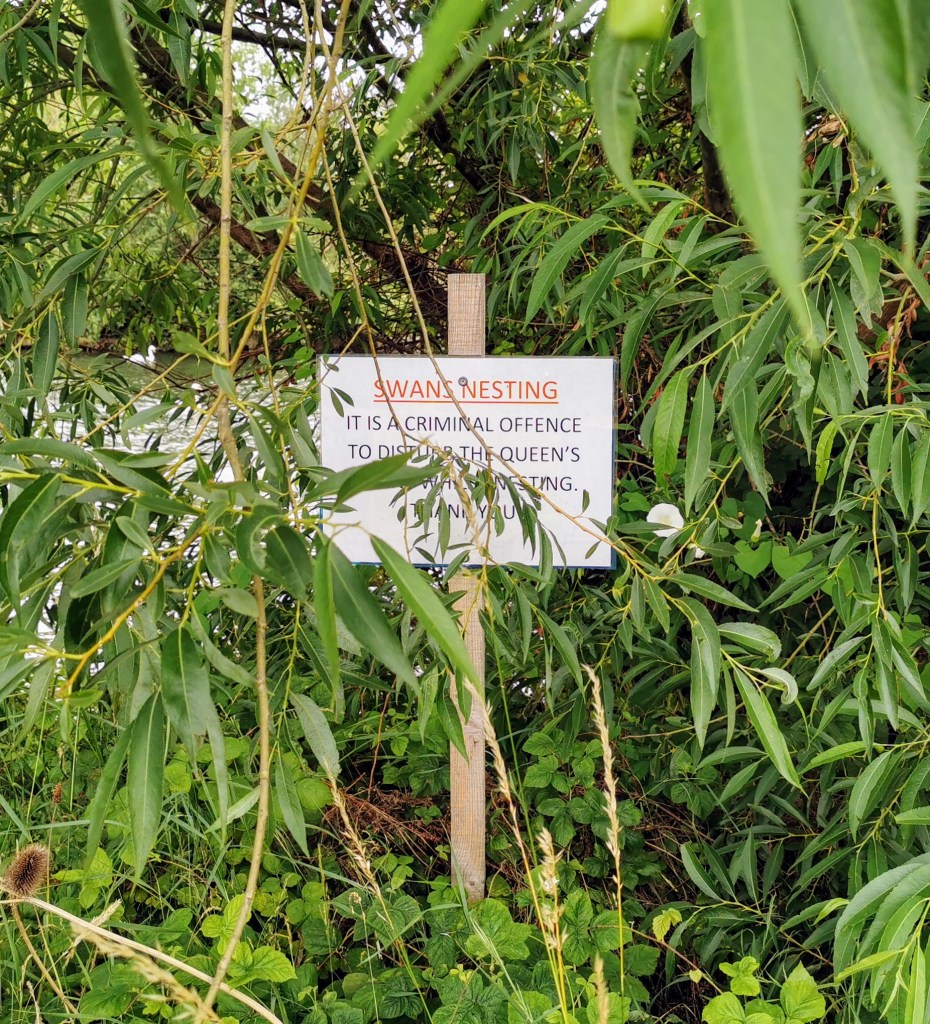
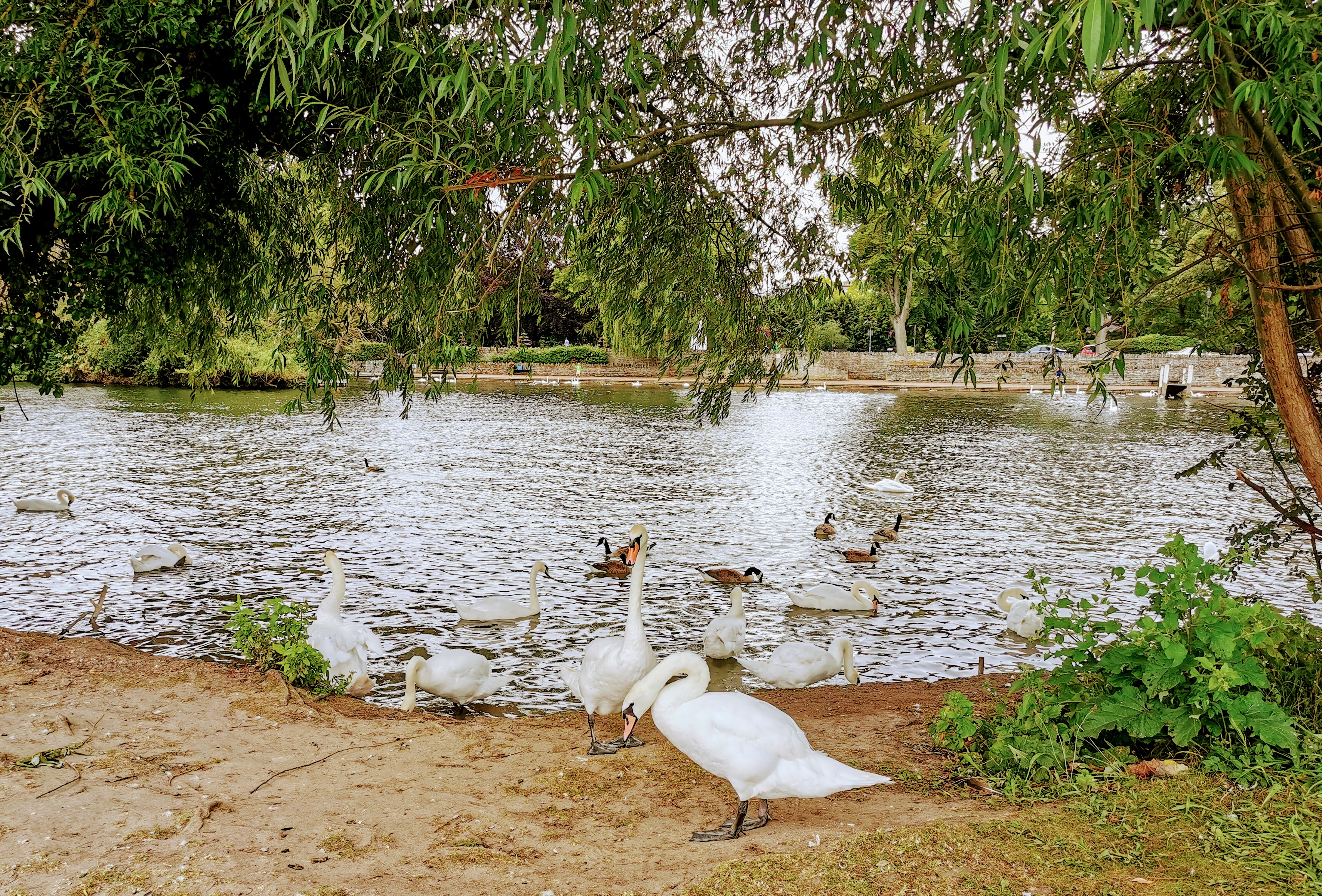
I walk back to the Thames via the parkland area known as the Brocas, named after a local family who served the Crown during the 14th century. The swans on the river here are the personal property of Her Majesty. Each July, a ceremony called Swan Upping takes place to count and identify all the swans along the River Thames – another of those strange customs that make living here so enjoyable.

It’s a criminal offence to disturb or hurt the swans. They, on the other hand, are perfectly free to hurt or disturb innocent passers by, and there are two coming towards me right now. Don’t they look huge when they get out of the water? Time to leave!

Back across the bridge and into Windsor we go. There’s been a settlement here since the 7th century, and it has always attracted royalty, probably due to the excellent hunting. William the Conqueror liked it so much he built a castle, and the rest is history.

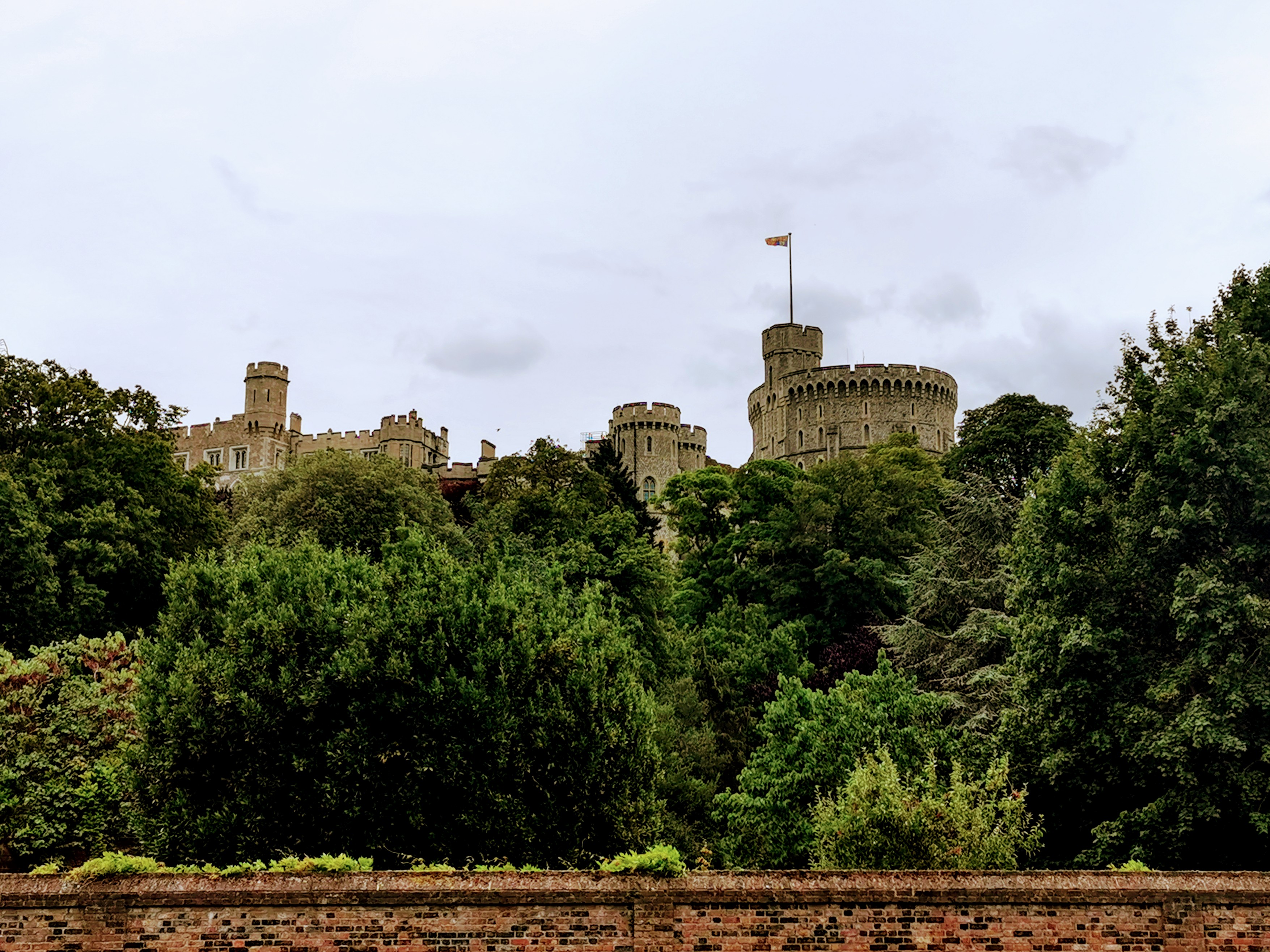
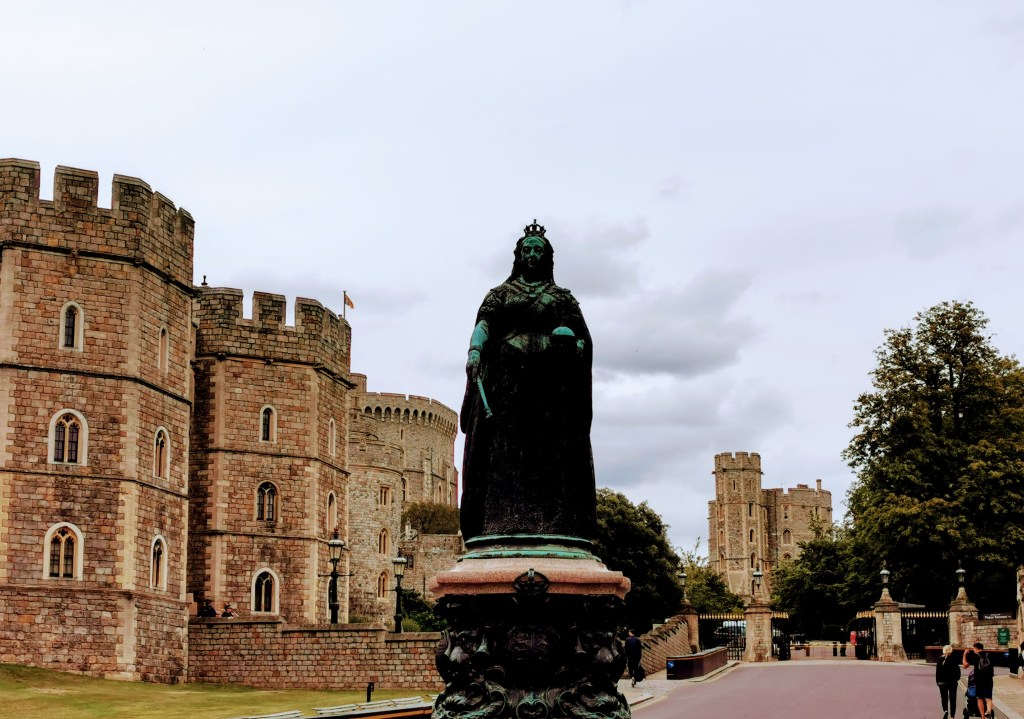
The British Royal family changed their family name to Windsor in 1917. Having a German surname (Saxe-Coburg-Gotha) was obviously not advisable during the first World War, so why not take the name of your weekend retreat? The Royal Standard is flying over the castle today, signifying that the Queen is in residence – she’s not generally here midweek, but she’s been living here throughout the coronavirus crisis with Prince Philip. Confusingly, if the Union Flag is flying, she’s not here.

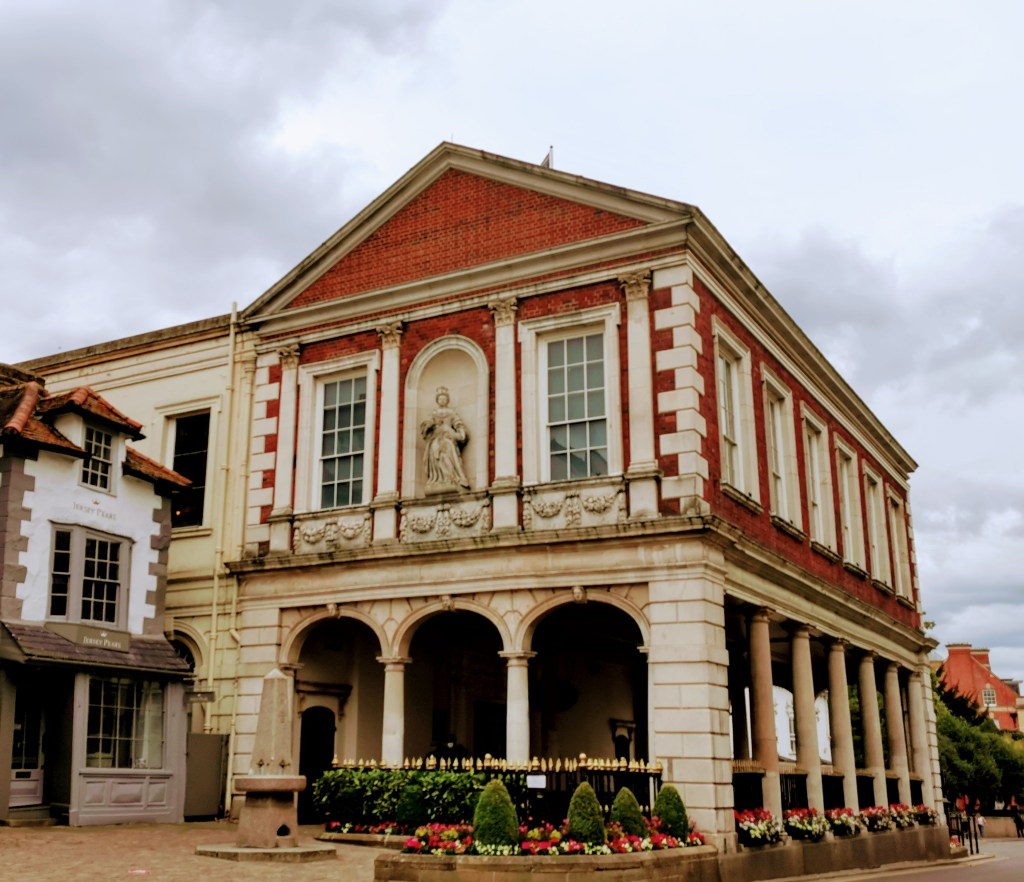
I’ve talked about the castle before – it’s old, it’s huge and it looms over the town. It’s definitely the main attraction here in Windsor, but there are other things to see. The 17th century Guildhall is lovely and houses a museum about the town. It’s also used for ceremonies – Prince Charles and Camilla got married here, as did Elton John and David Furnish. Back in 2005 this was one of the first same sex civil marriages in the country. Fancy that! Windsor is more ground breaking than I realised.

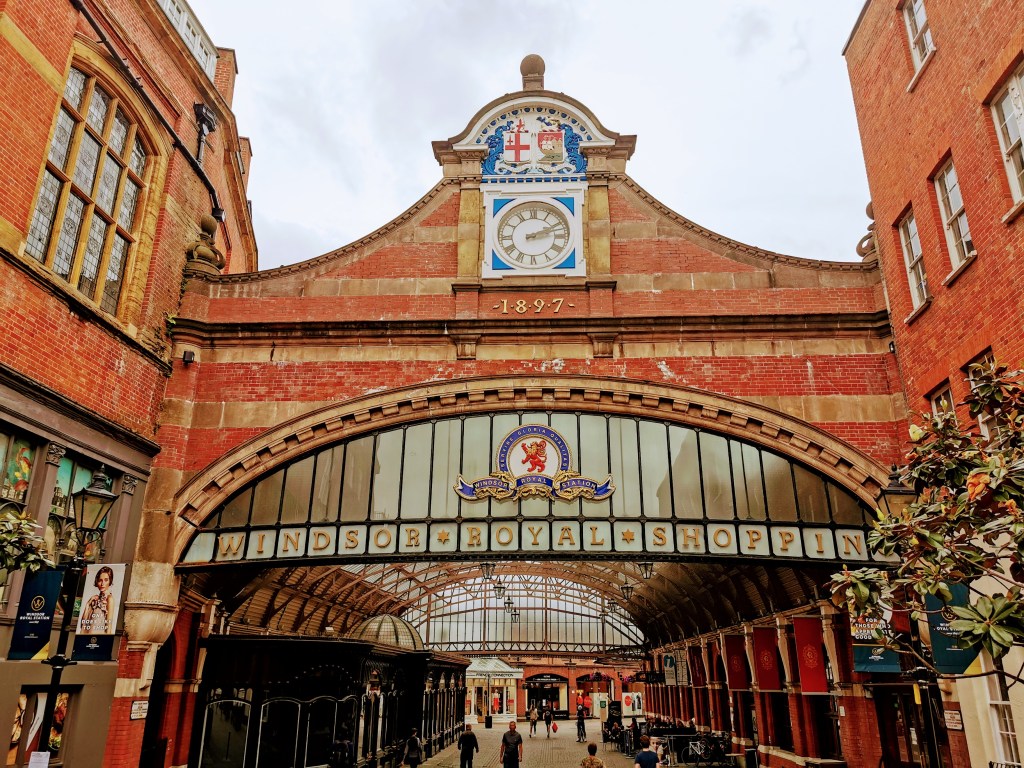
The old train station makes an attractive entrance to the shopping precinct, which is normally bustling. Unfortunately, many of the shops here are empty right now and unlikely to open again in the near future. This is a tourist town, and when visitors are few and far between that soon takes its toll. The castle is still closed (unless you are royal and live there, of course) so there’s no compelling reason to come here. Poor Windsor is suffering badly in this pandemic, I fear.

I usually give a round up of famous residents when I visit somewhere, but Windsor really only has the royals. I don’t think celebs are keen to go up against the Queen – they are never going to be more famous, have a bigger house or a better garden are they? What A lister wants to be constantly overshadowed?

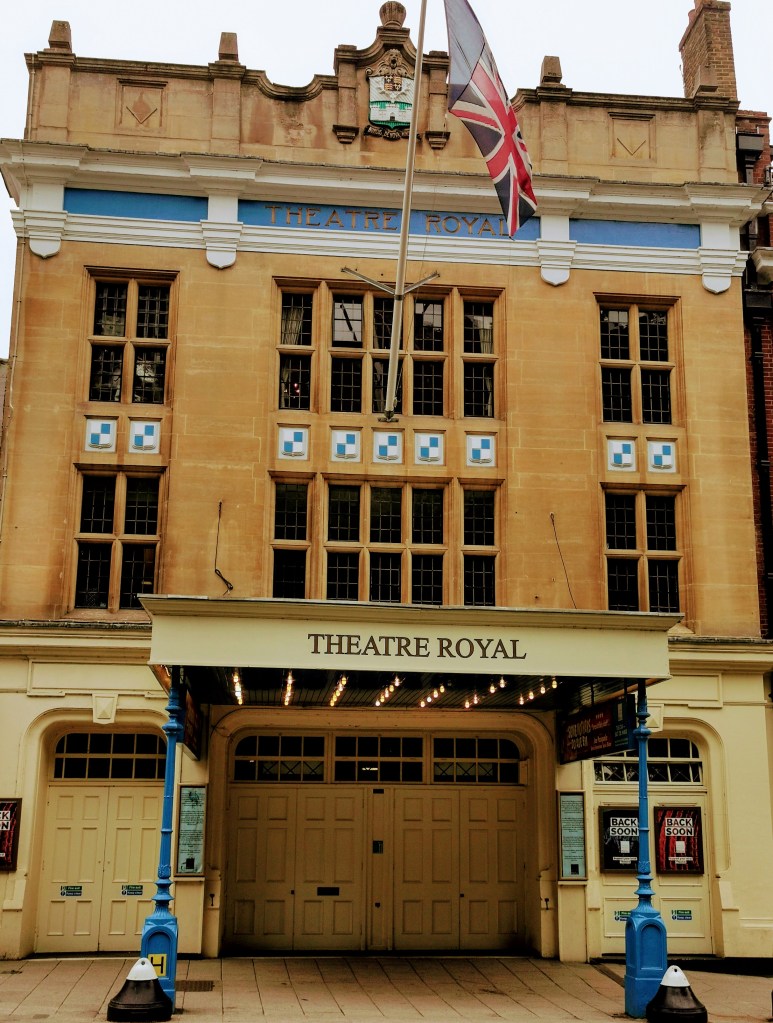
Heading back to my car I pass the forlorn exterior of the Theatre Royal. Other venues may be opening but the future still looks murky for the performing arts. It looks like there will be no Christmas panto for us all this year, and that’s a bizarre tradition that will be sorely missed. Oh yes it will!

Vienna then and now

Oh Vienna! If you’re of a certain age you will immediately hear the soulful voice of Midge Ure. You’ll probably hum it all day – I have been since I started writing this, luckily I’m an Ultravox fan. Many moons ago, I spent a year working in this city as part of my languages degree. Now I’m back, almost 30 years later to wallow in nostalgia.

In the taxi from the airport, I naturally want to try out my extremely rusty German on the driver. So, I say chirpily, Vienna probably hasn’t changed that much since my last visit in the 90s. Hmm, replies the driver, you’ll find there are a lot more Hungarians. His tone makes it clear that’s not a good thing. This isn’t going well – when will I learn to keep my mouth shut? I’ll stick to ordering drinks from now on.

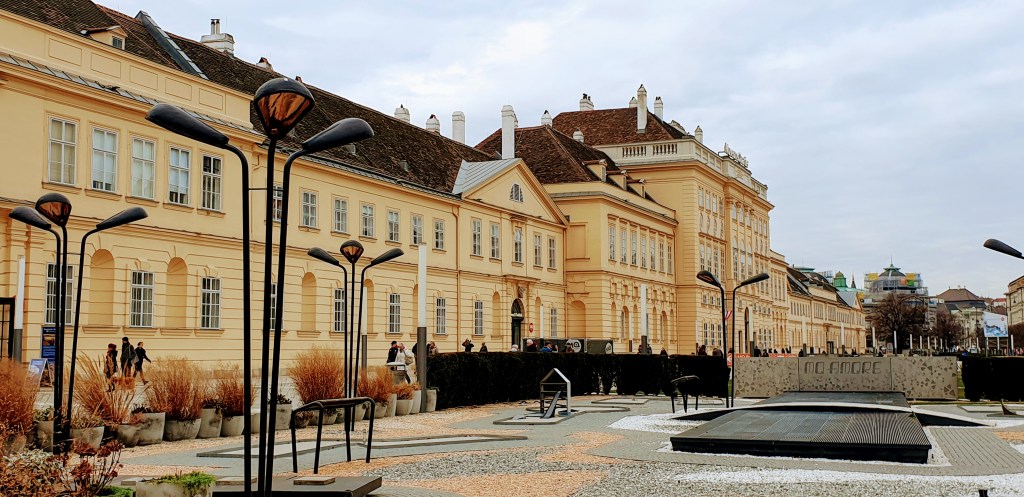
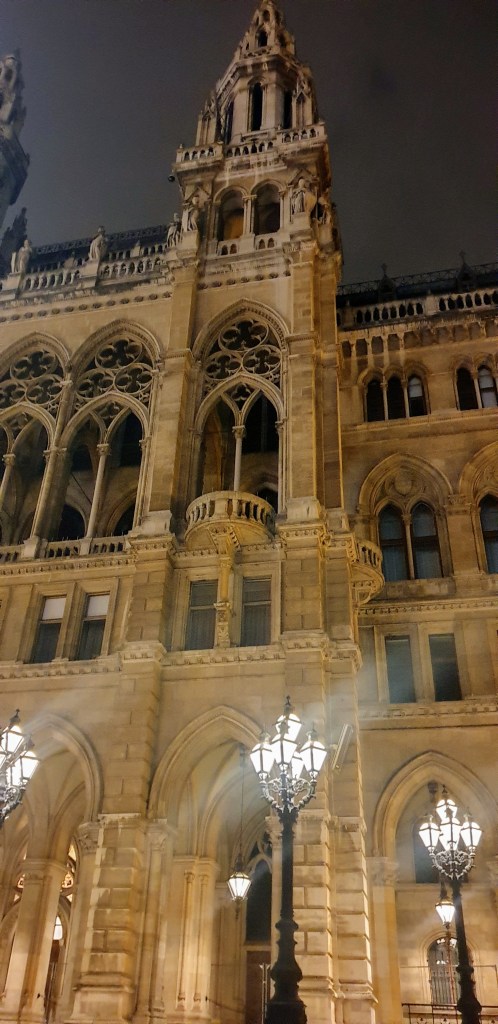
We’re staying at the Hotel Austria Trend Rathauspark, just behind the Gothic City Hall. Set in a refurbished 19th century palace, it’s quiet and understated, with a cosy little bar. I do love a hotel bar – the husband says that’s my Joan Collins side coming out. I think he means I’m sophisticated, or does he?

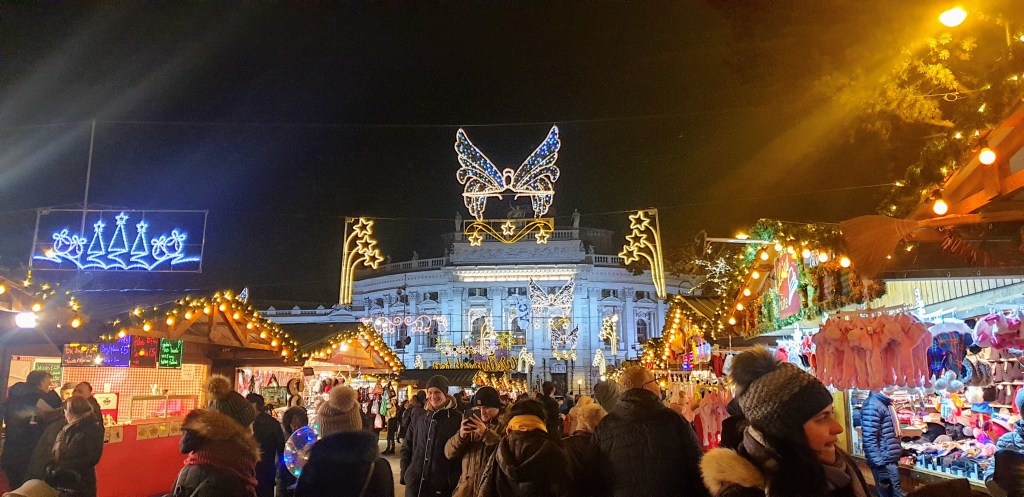
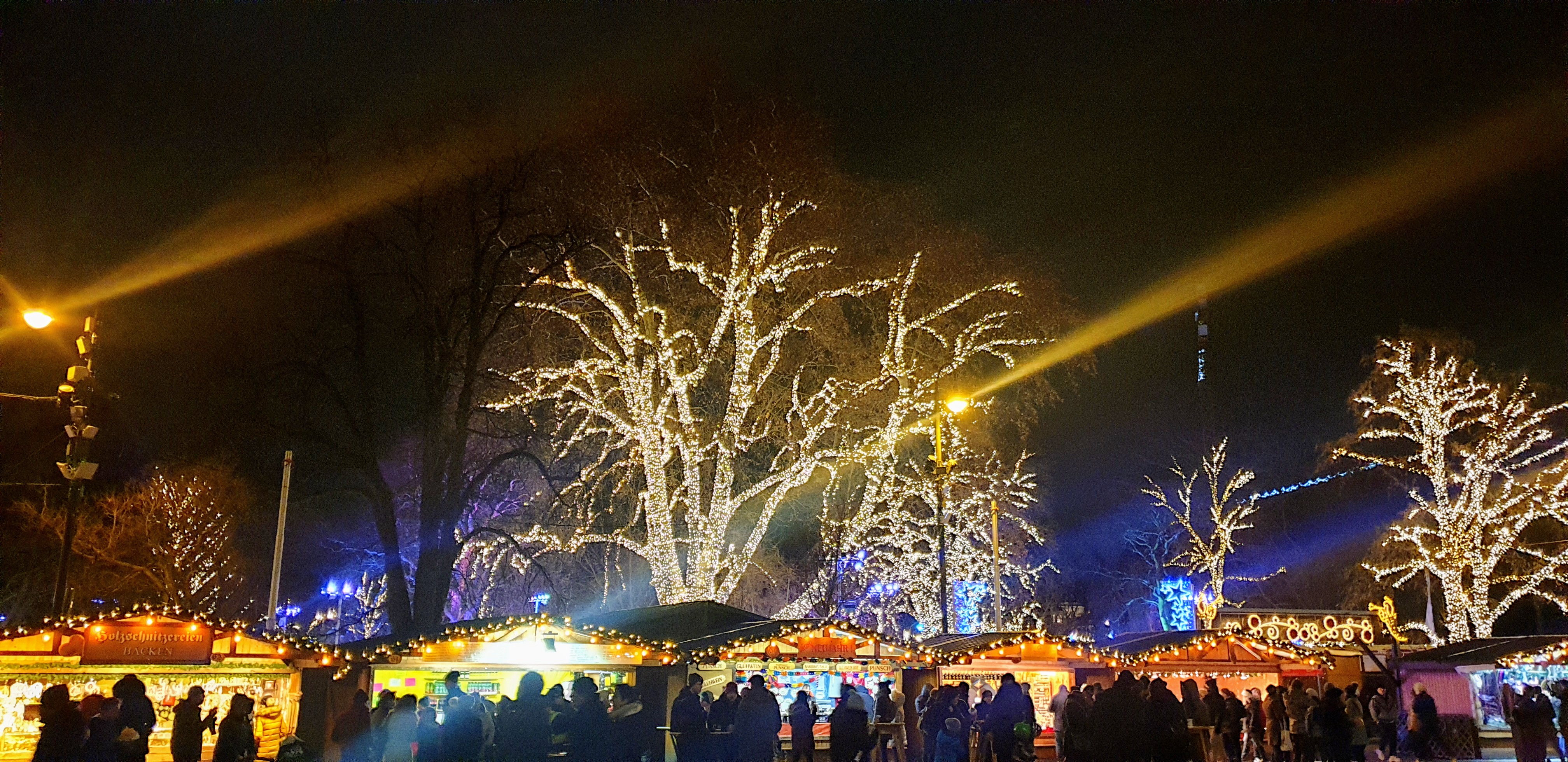
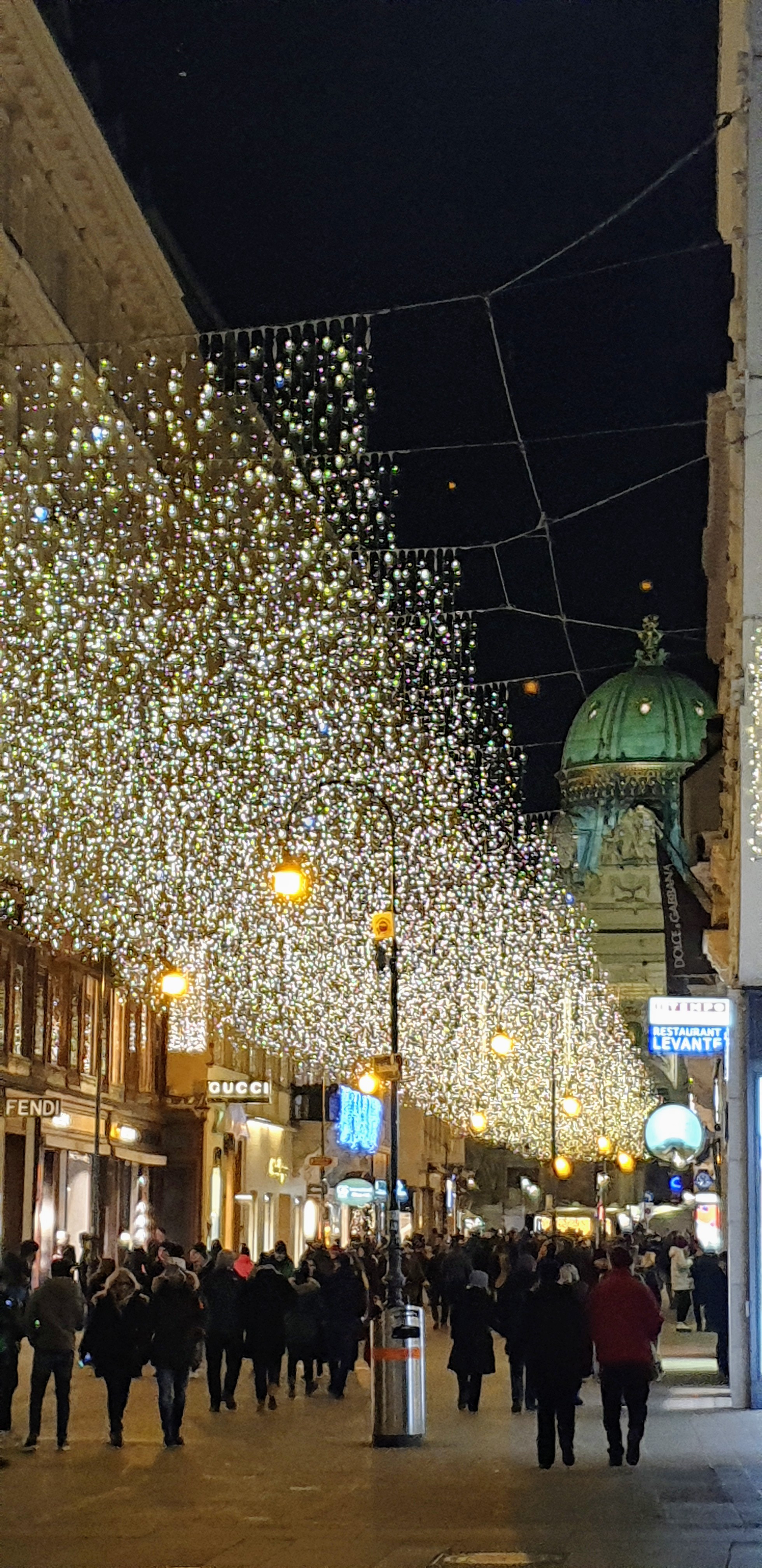
The hotel’s also in a good location, just outside the pedestrianised central district. It’s late December, so the Christmas markets are still in full swing and there’s a big one right outside the Rathaus, complete with skating rink. It’s definitely feeling festive here as we venture out on our first evening.

We’re heading towards the Museumsquartier, a village-like area of bars and restaurants that’s the place to be in Vienna these days according to my research. Erm, well evidently not in December, as everything is closed up. The husband is not impressed – I’m supposed to be trip organiser extraordinaire, so how did I not plan for this? Oh dear! Luckily there’s a cosy looking bar across the road and he’s easily distracted by a beer. A disaster is averted!

We’re lucky with the weather, which is crisp and sunny over the next few days. Good job, as we’re exploring on foot, as we always do. The public transport system in Vienna is excellent, with trams, trains and underground all in good order and running on time, but I’d rather walk if I can, and this is a compact city ideal for surveying on foot.

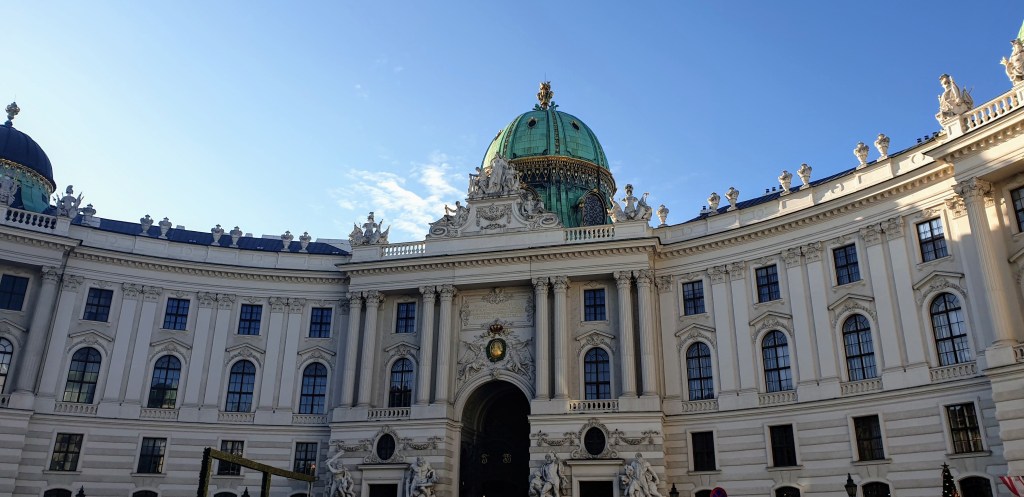
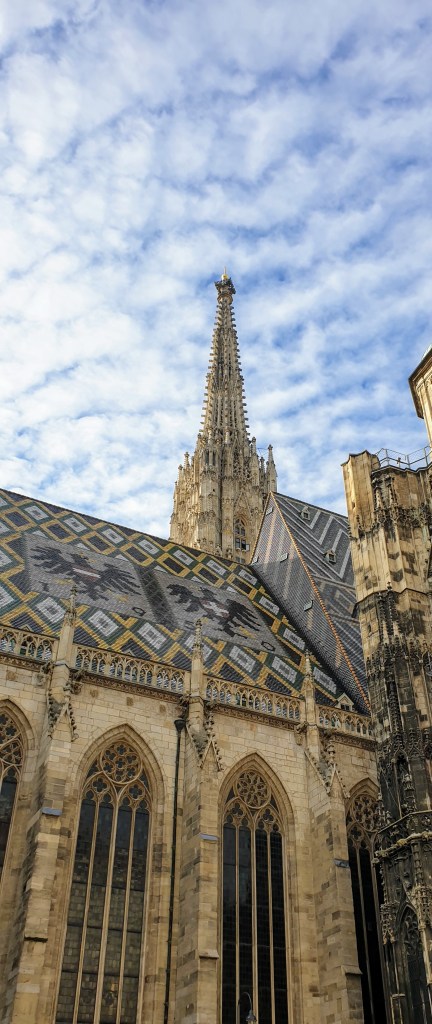
Most of the main sights here are contained within the Ringstrasse, the wide boulevard that circles the Innere Stadt or city centre. At the heart is St Stephen’s cathedral with its eye catching patterned roof, surrounded by shopping streets, lanes, arcades, squares, churches, gardens and palaces.

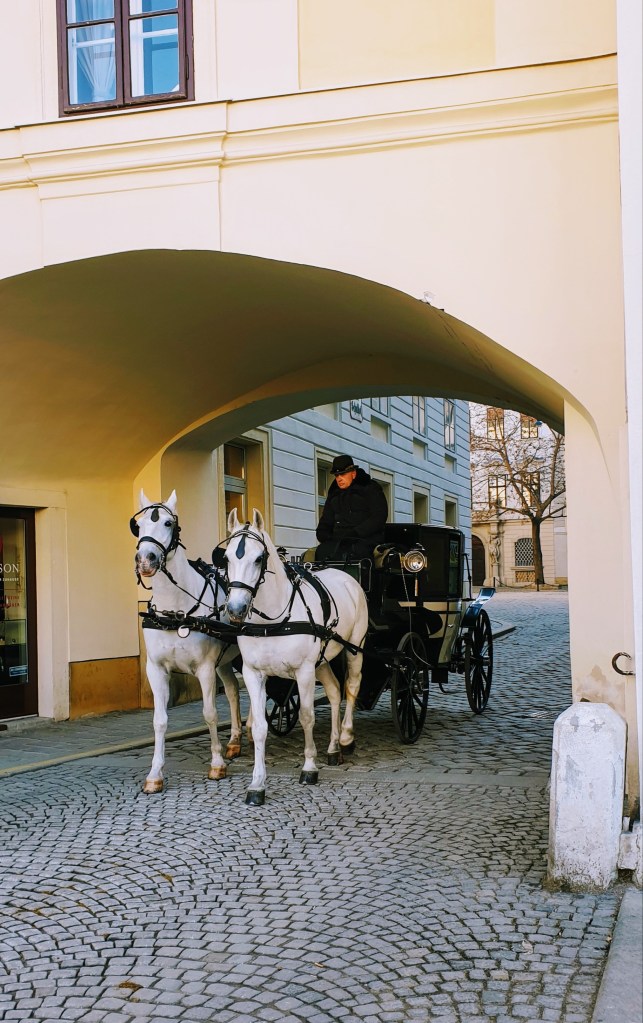
You can spend a few days just ambling around this central part of town – it’s extremely easy on the eye. It’s also very clean, and for the most part traffic free, unless you count the horse drawn Fiaker that clippity clop past every few minutes.

We pass the cute little Ruprechtskirche and find ourselves in the Bermudadreieck or Bermuda Triangle, so called because of the many bars lined up along the cobbled streets where you can easily lose yourself. I did just that several times in my youth, but not today. It’s early and they’re not open yet. That’s my excuse anyway.

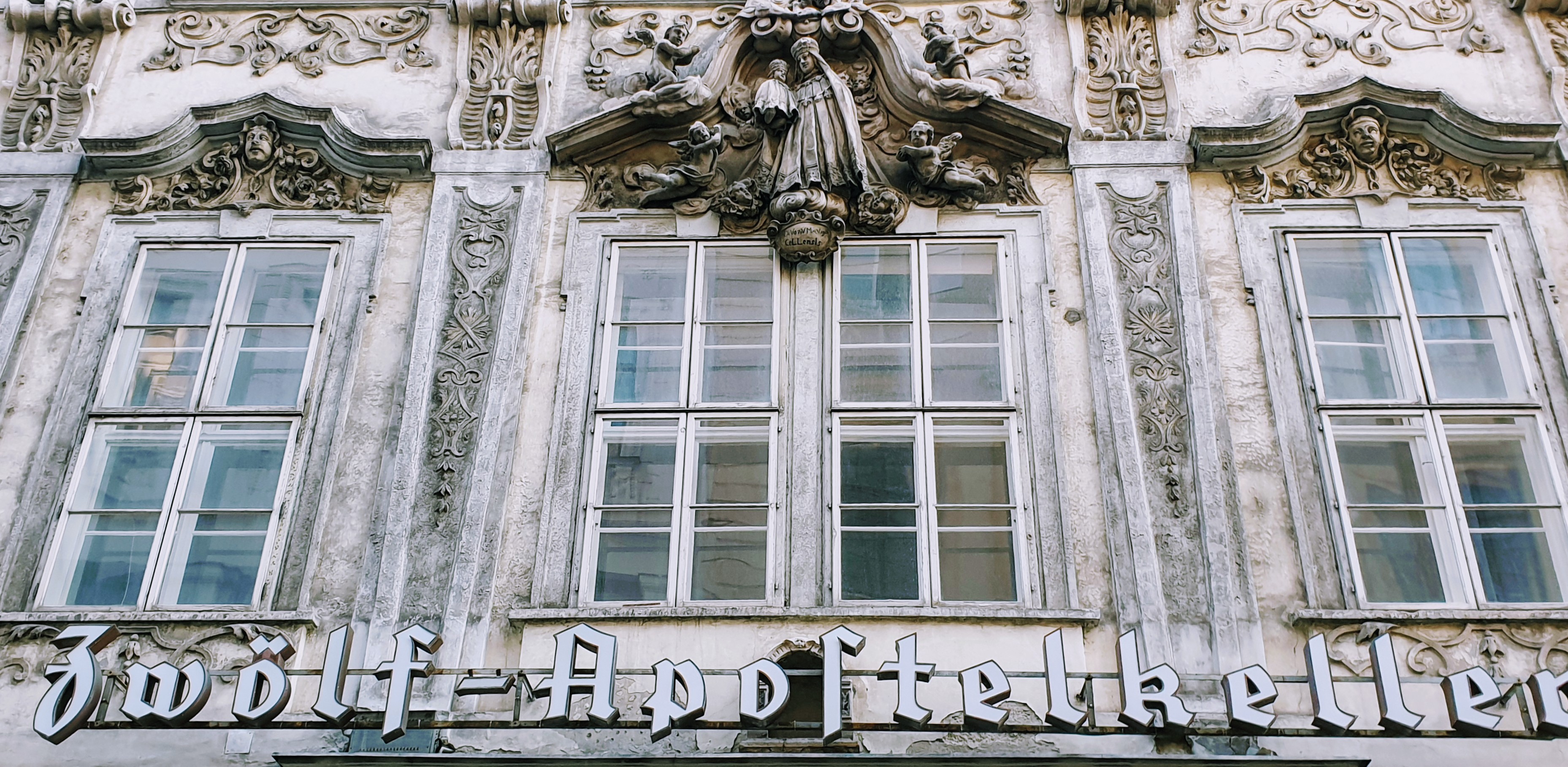
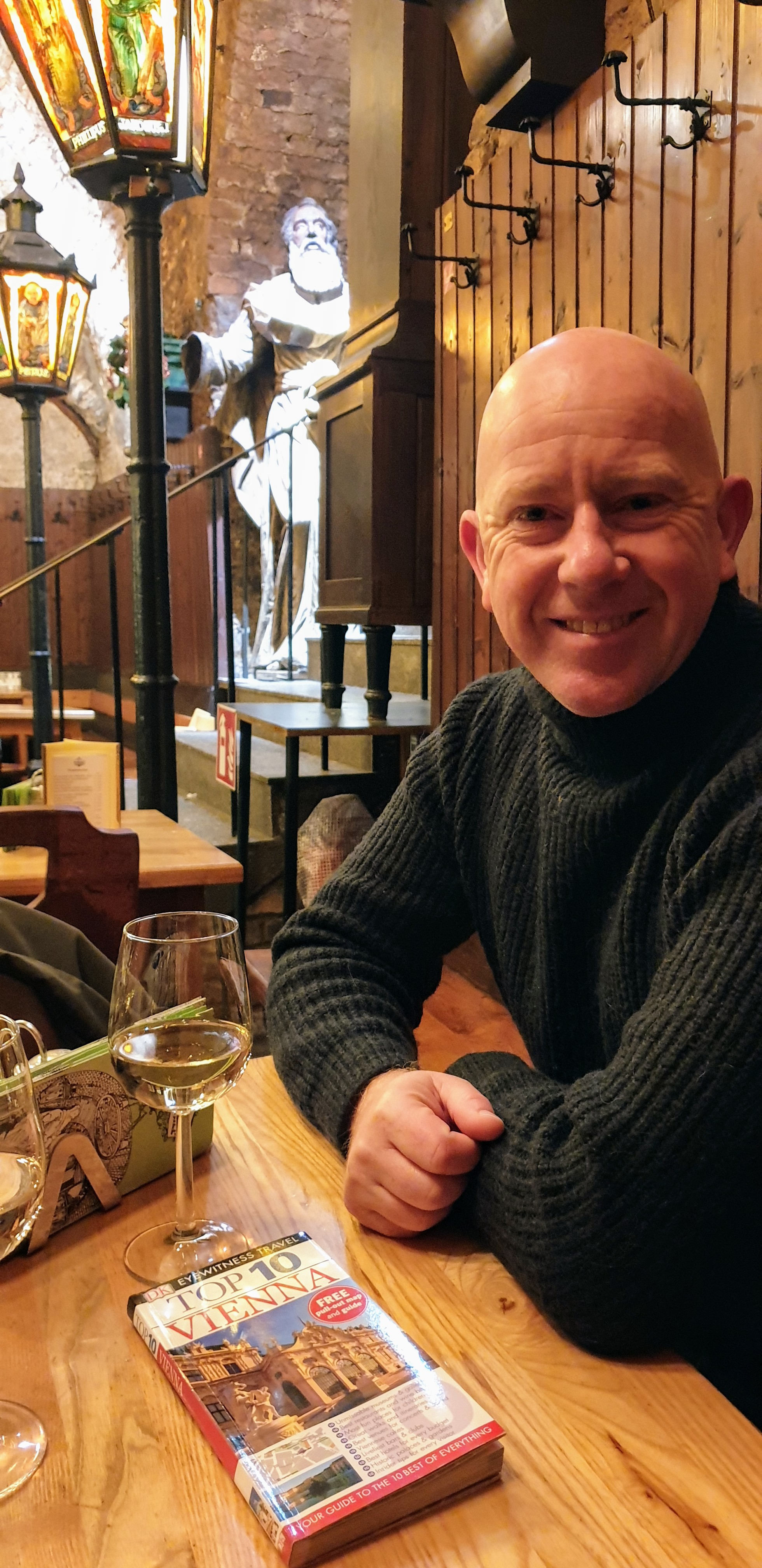
I’m keen to visit some of my old haunts while we’re here though, especially the Twelve Apostles Cellar, a big underground bar-restaurant where I whiled away many a happy hour drinking a Viertel of wine – this was literally a quarter litre in the days when you just couldn’t get such a large glass of wine in British pubs. Happily times have changed.

I’d often accompany my wine with a Mohnknodel, a huge yeast dumpling with an exploding poppy seed filling. You won’t be surprised to learn that I gained a stone whilst living here! The desserts were much too good. Today, I’m just having a drink and admiring the saintly statues.

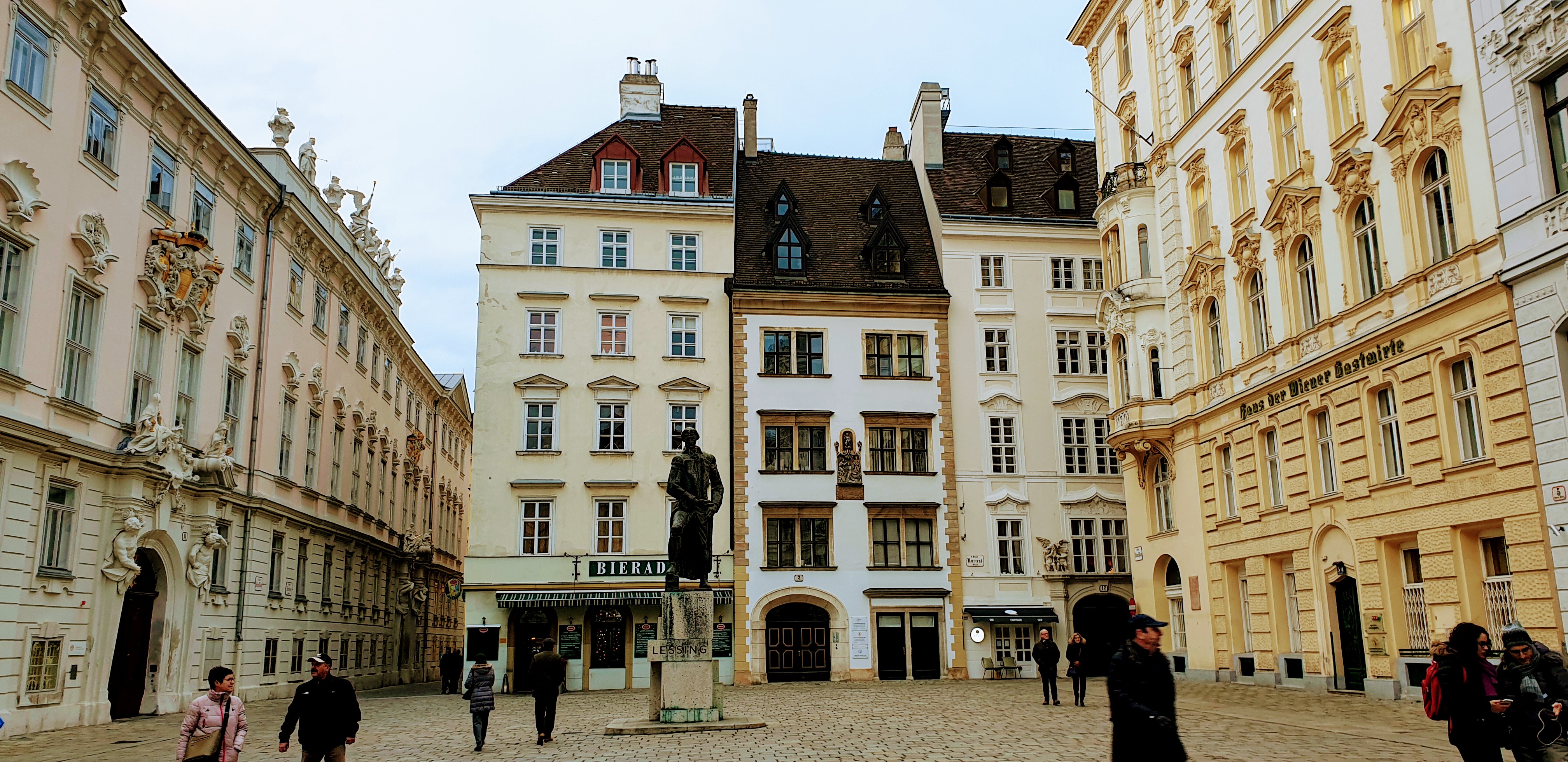
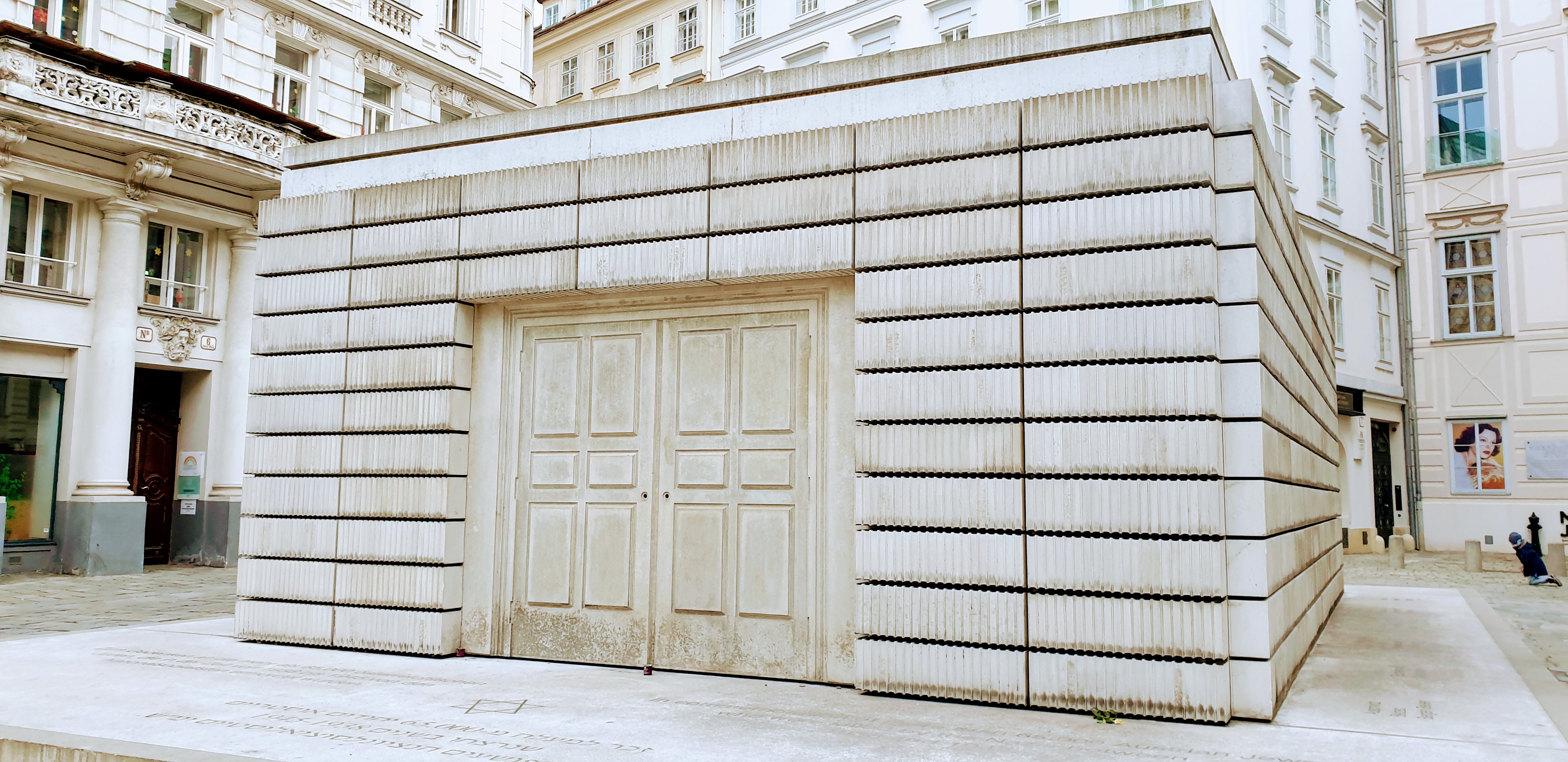
I’m keen to see the Holocaust Memorial, erected in 2000 in Judenplatz, the heart of the old Jewish ghetto. British sculpter Rachel White Read intended the rather bleak bunker to jar with its elegant surroundings but it hasn’t been universally popular.

The history of Jewish oppression here in Vienna goes way back to medieval times, reaching a peak under Hitler when almost 65,000 Austrian Jews died in the Holocaust. The monument was purposely not given an anti-graffiti coating so that any swastikas daubed on it would remain visible, but I’m pleased to report I can’t see any.

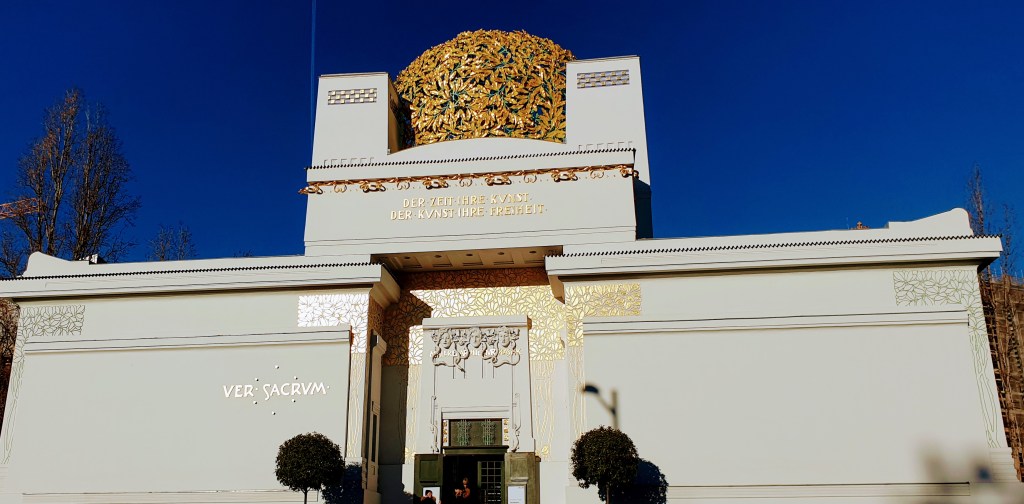
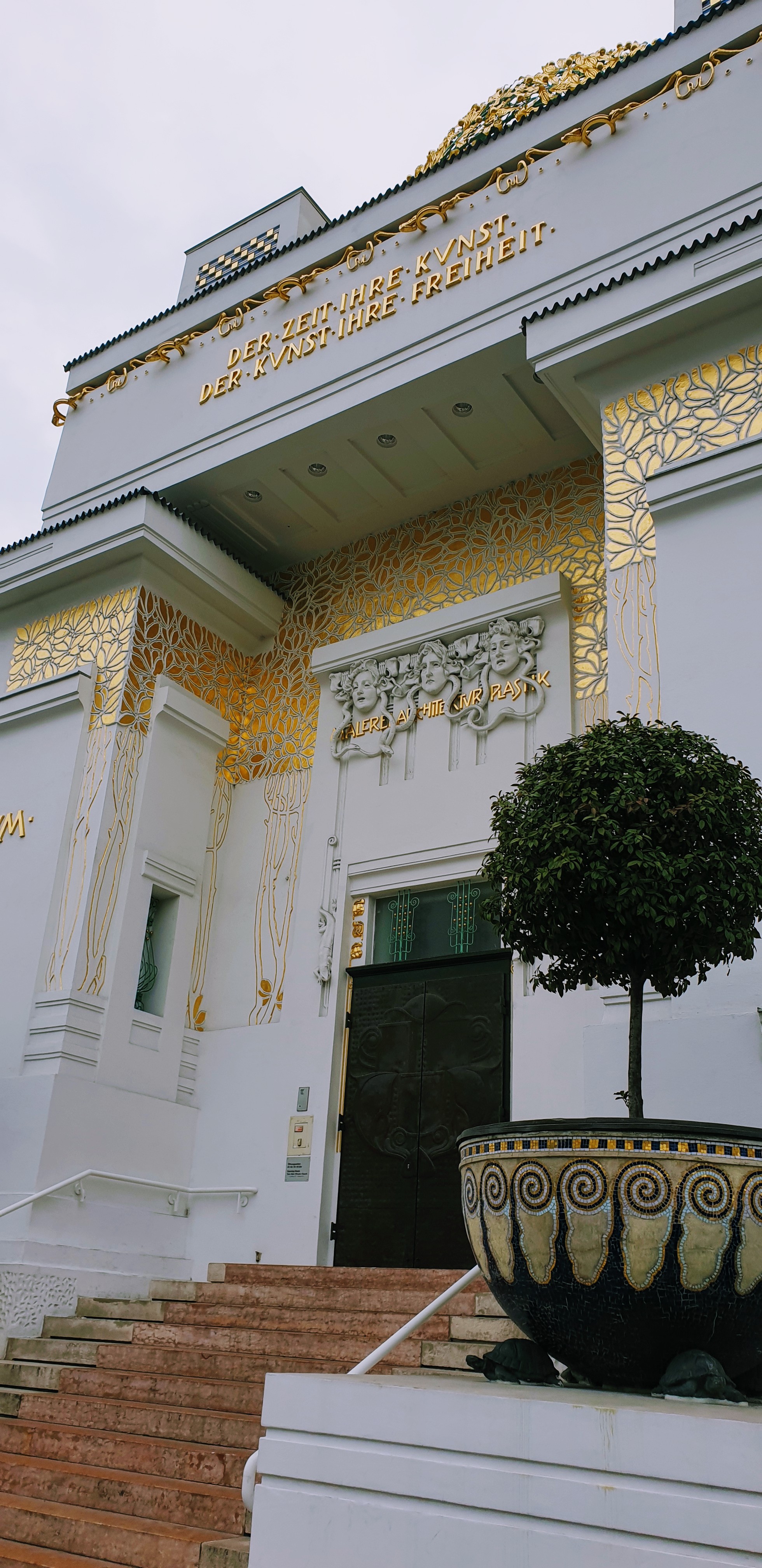
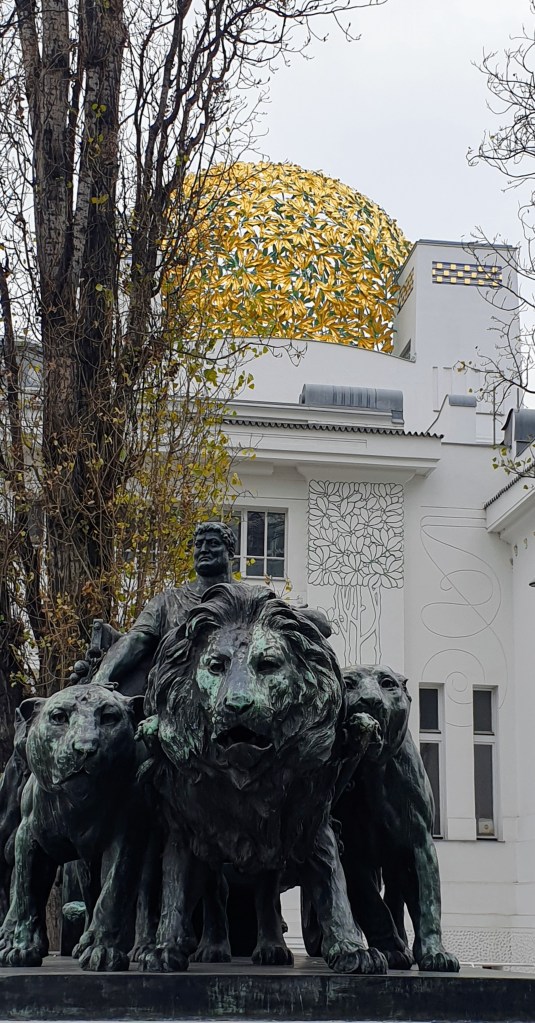
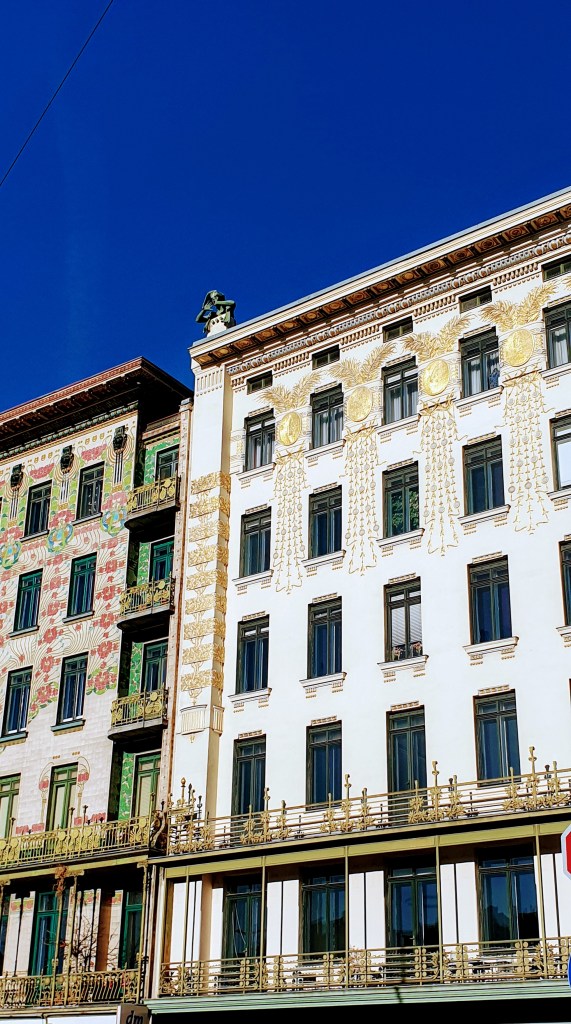
Another landmark I have to revisit is the Secession Building, just south of the centre. It’s an old favourite and still as beautiful as ever, although it has a great big noisy road roaring past the front entry, which is a bit of a shame.

Built in 1898 the building is a manifesto for the Judendstil or Art Nouveau movement. The motto To every age its art, to every art its freedom appears below the dome. I’m not a blingy person, but I love the juxtaposition of the simple white cube and the rich gold writing. I’m not sure the husband is as enthusiastic as I am though.

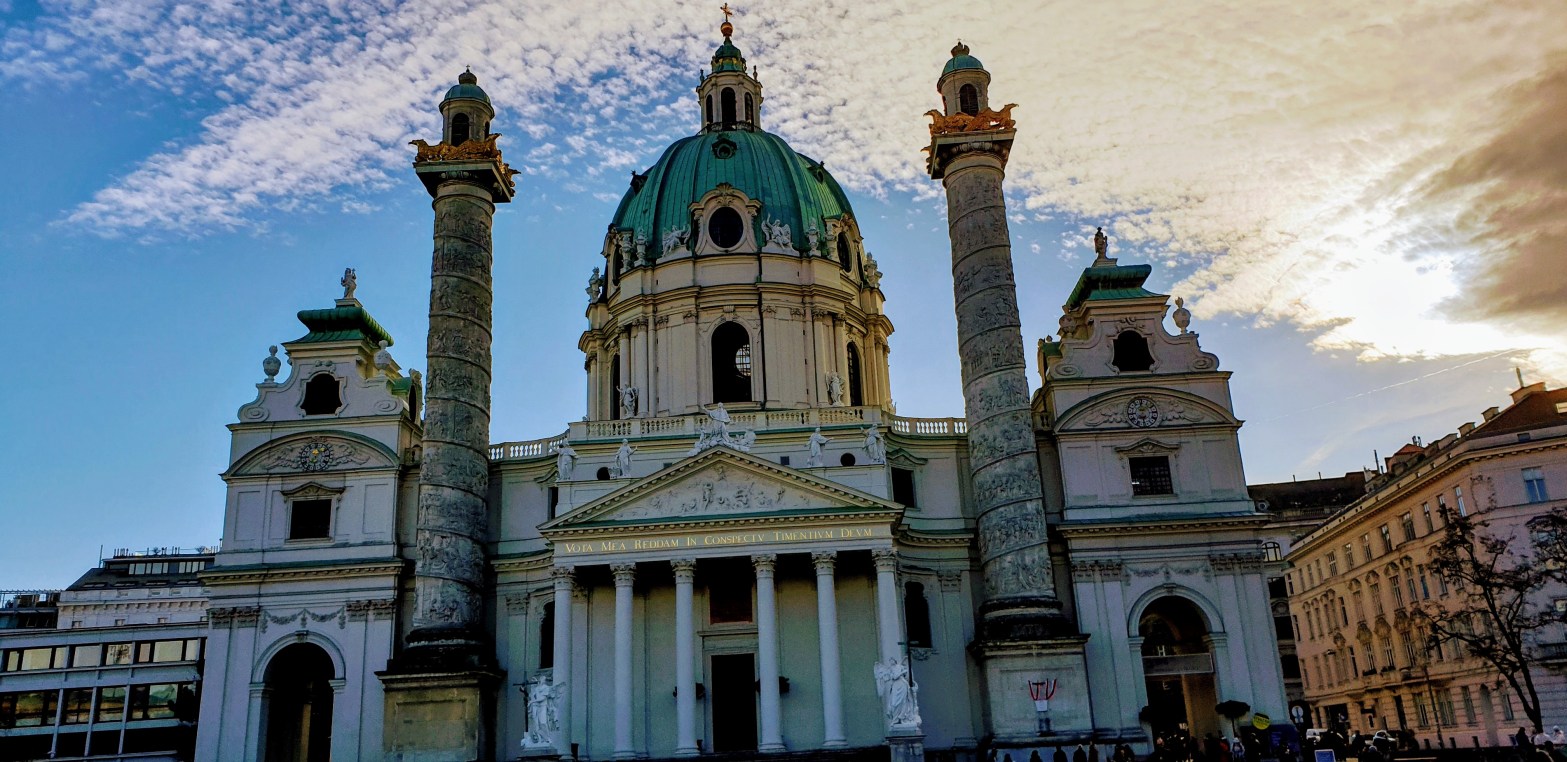
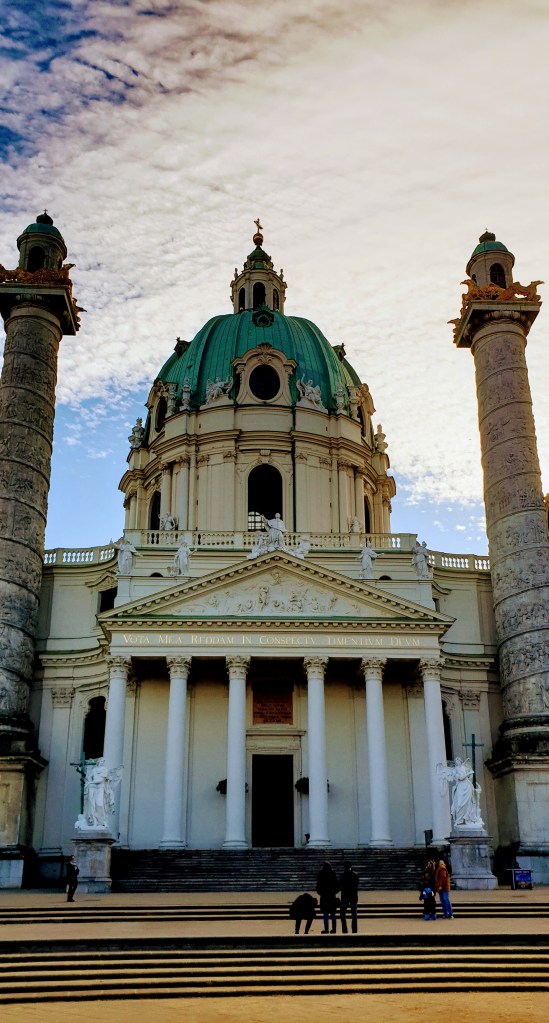
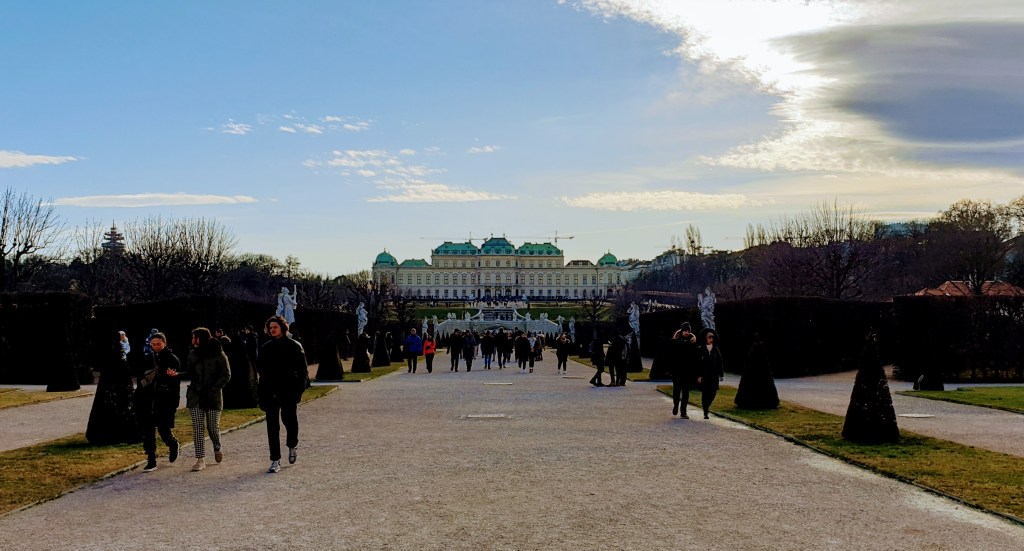
We decide to walk to the Belvedere Palace, in the ambassadorial district to the south west of the city. We cross Karlsplatz with its gorgeous church and stroll along Rennweg.

I used to live here, just opposite the Palace grounds, while working as an au pair to an Austrian Count and Countess with seven children. I know – very Sound of Music! Their chauffeur would drive me anywhere around the city, when we weren’t visiting the family castle out in the countryside. Ah, how life has changed. For the better of course, I reassure the husband.

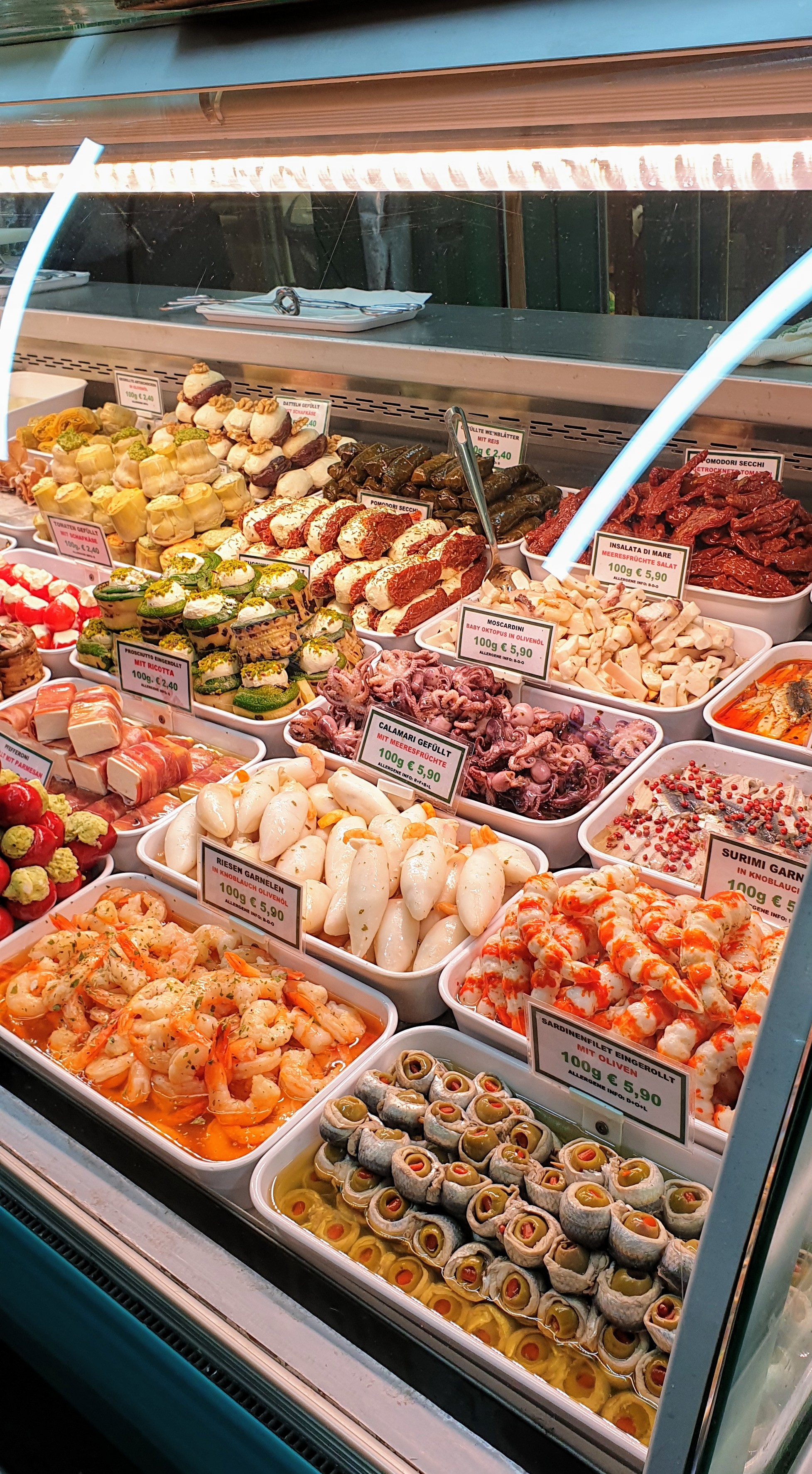
On New Year’s Eve we visit the Naschmarkt, Vienna’s famous street market just south of the centre. Let me be clear, we’re here for the food section. Sorry, but we’re not fans of bric-a-brac or cheap clothes – to each their own – but we’re very interested in food stalls.

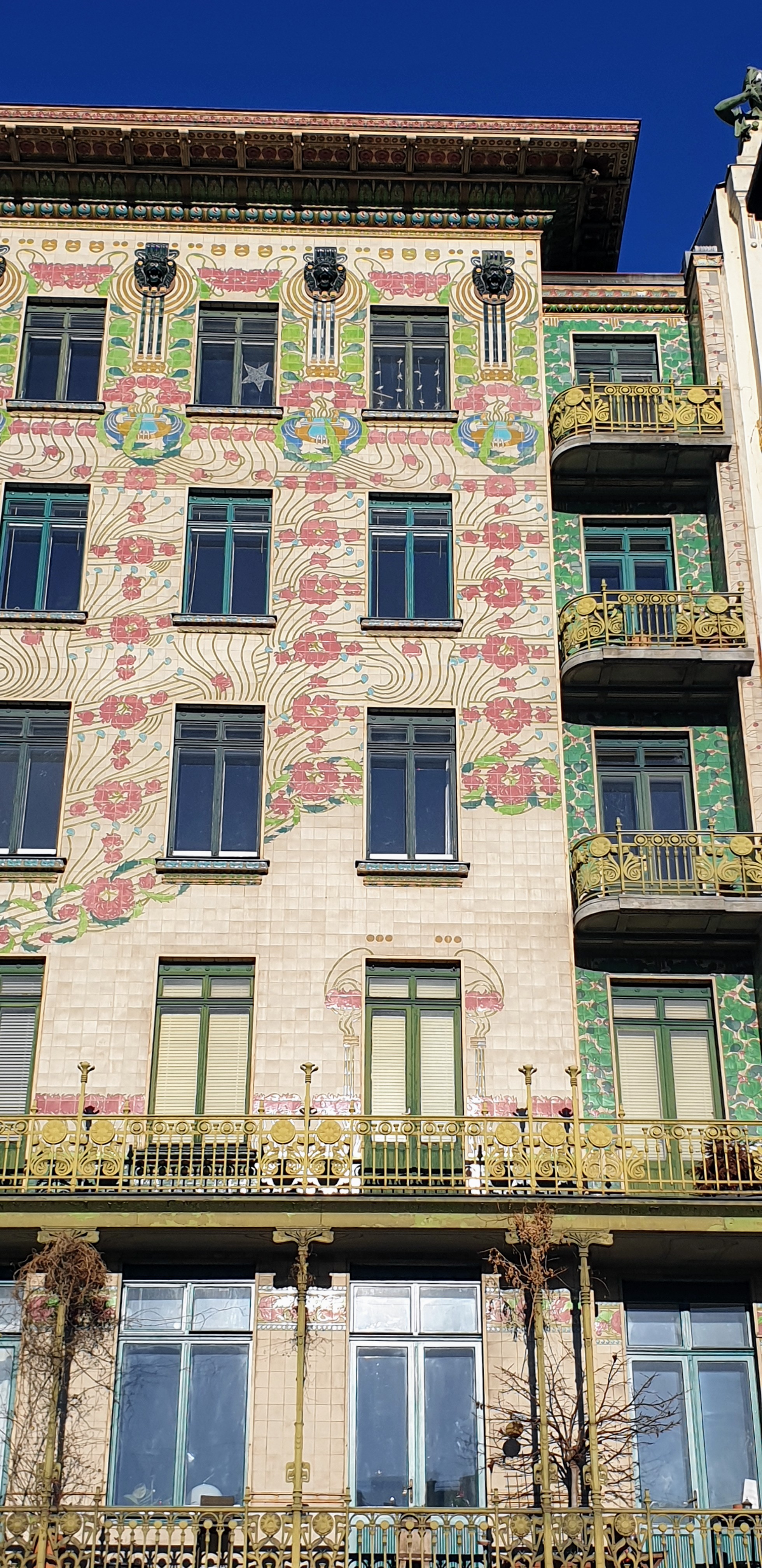
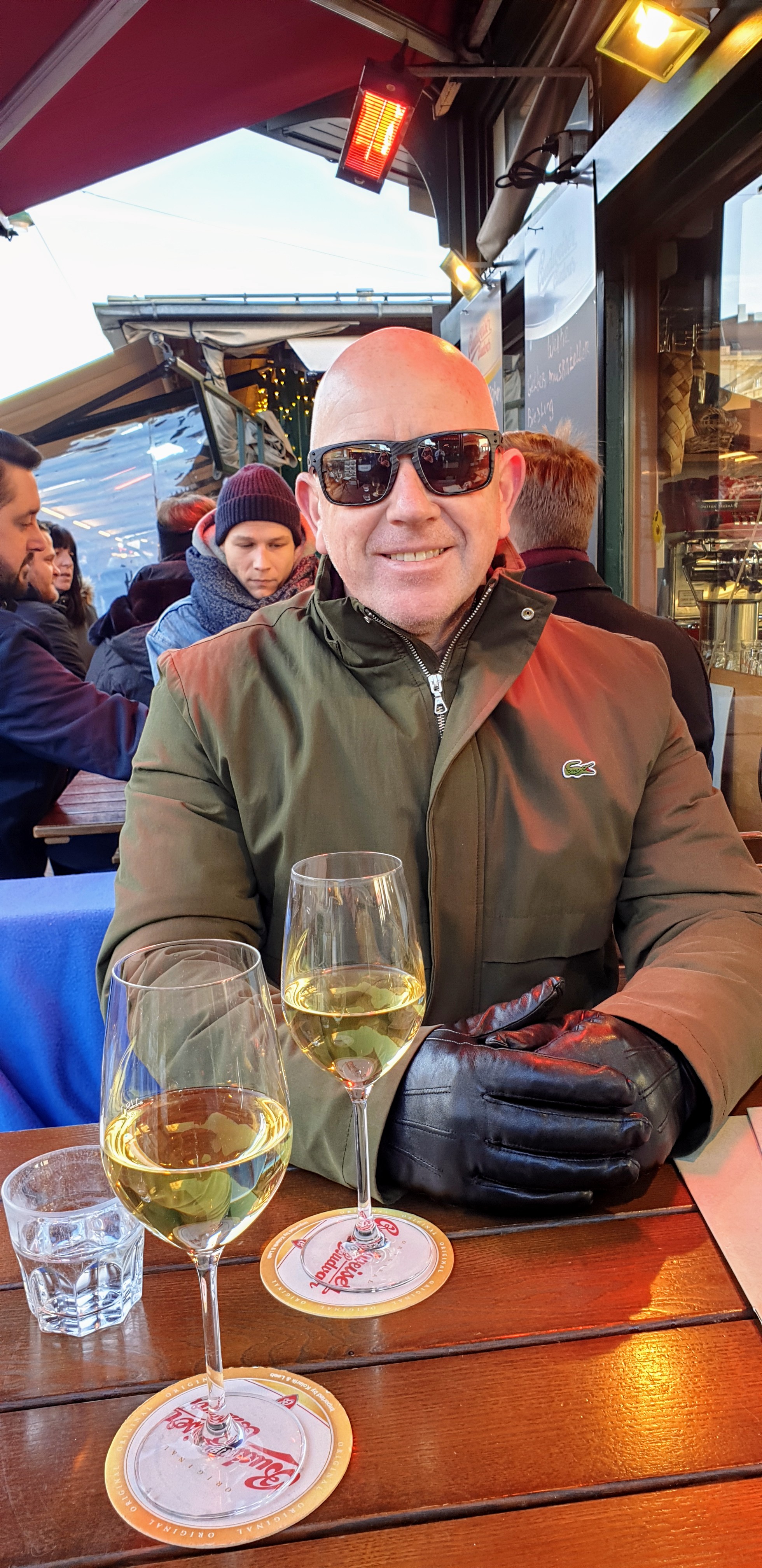
After admiring the culinary displays and the gorgeous Jugendstil buildings lining the road, we can’t help but notice that the market bars are full of locals quaffing champagne. It’s 11am – is this a New Year’s tradition for the Viennese or do they do this every weekend?

Well, when in Rome (or Vienna)…we decide to take a pew and join the fun. This is a great place for people watching! Another drink? asks the friendly waiter. I’m shaking my head, trying to be sensible, but he and the husband are already nudging each other and winking. We’ll be here for a while then.

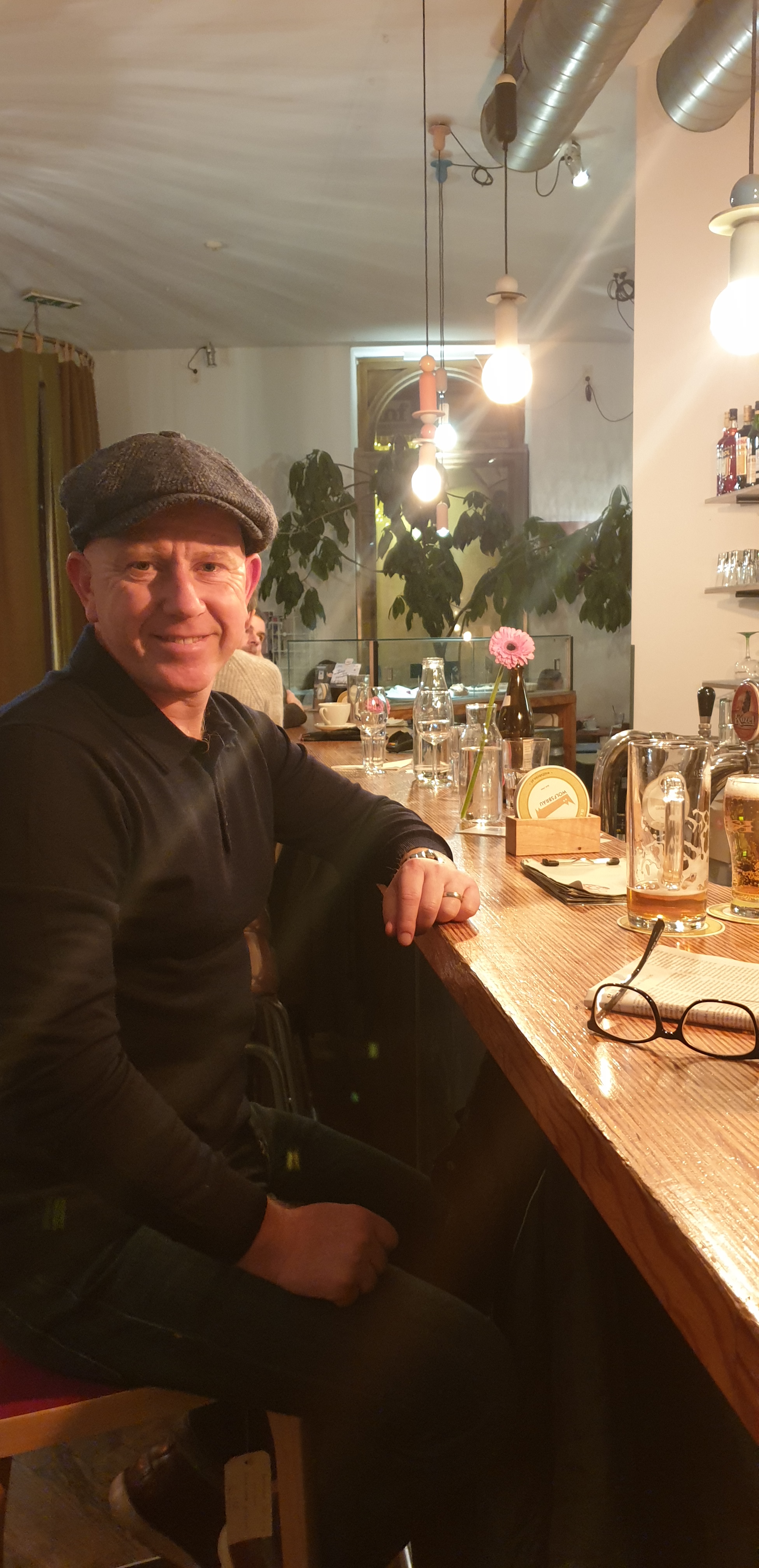
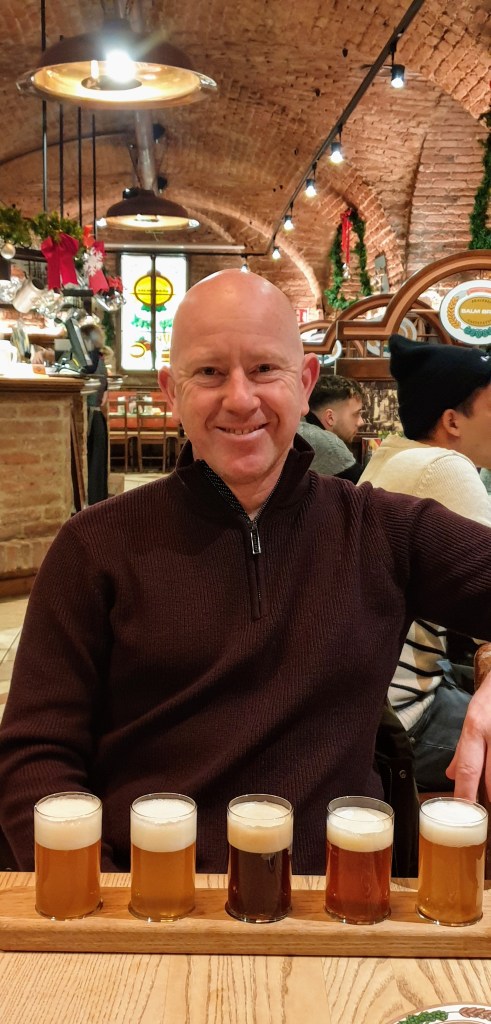
Food in Vienna is hearty. Big portions of meat and fish with mounds of potatoes or noodles is the order of the day. Vegetarians may struggle – as the pesce variety I do quite well. Another mealtime, another cellar – we find ourselves in several brick vaulted venues, the Augustinerkeller, the Salm Brau brewery. It’s all very gemutlich – cosy and comfortable, which is how the Viennese like it. Oh, and the husband approves of the beer too.

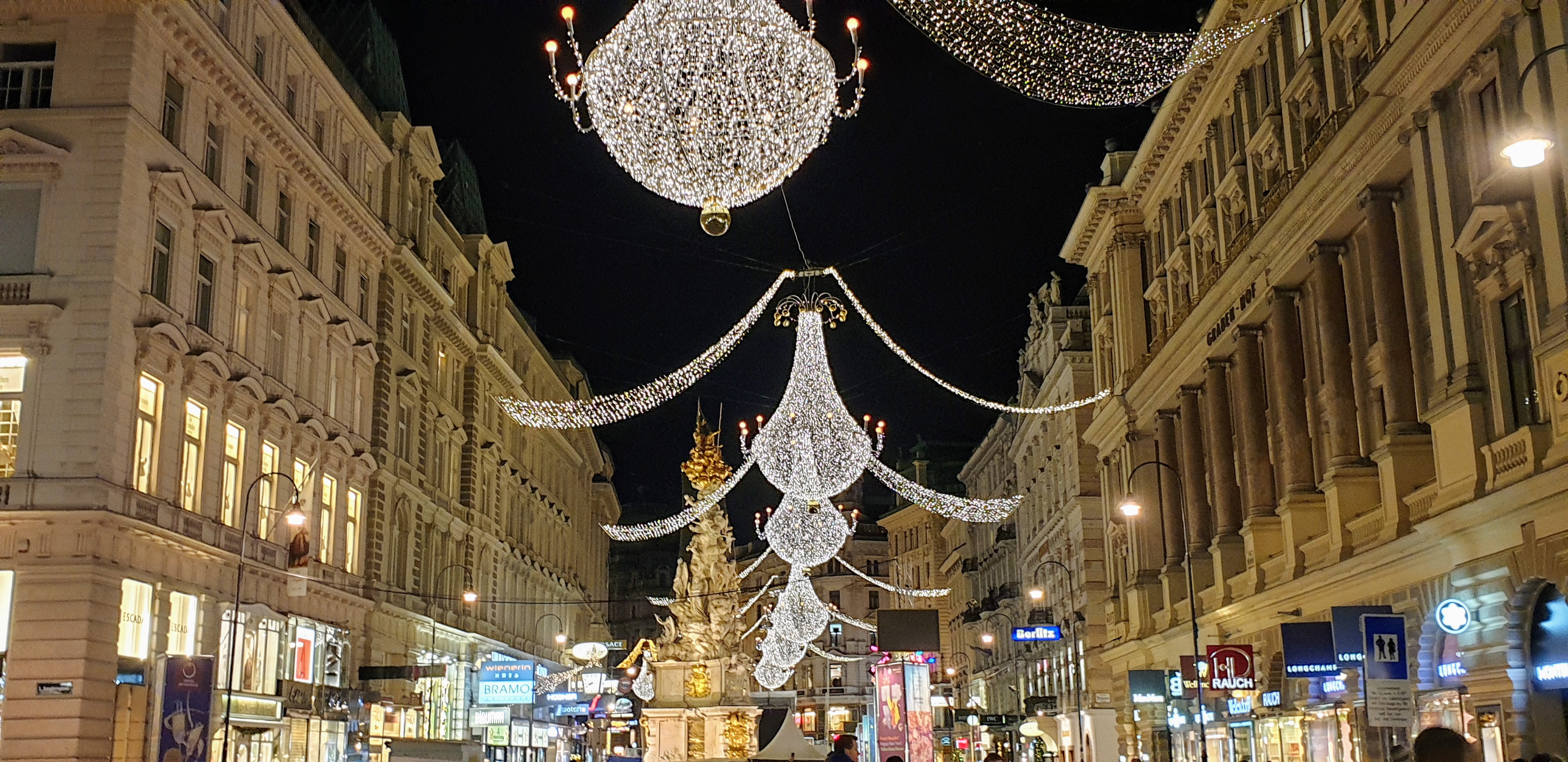
When to go? Well, Vienna is lovely in Summer, and you get the chance to visit the Heuriger, the taverns out in the hills selling wine and traditional snacks. I’ll be coming back for that. But Vienna in Winter is quite magical, with amazing decorations and atmospherically lit landmarks. Why not try both?

Vienna is one of those under-the-radar European capitals where you can see and do whatever you want without the inconvenience of massive crowds (how dare they come here and spoil my visit!?!). We’ve had a great trip – it was definitely worth coming back. My German remains rusty and I’ve probably gained weight again with all those spuds, but never mind. I’ll live with it.

The most anticipated trip of the year – to the pub!

I know I am pushing it, writing a travel blog based around going to my local, but after lockdown it seems as exciting as a journey to the moon.

Lots of people I know are not keen on heading out during this first weekend of legal indoor socialising, and I get that. But for us, restaurants, pubs and bars are a big part of our life, whether at home or abroad, and there’s been a huge void during the past three months. Plus I’m quite curious about how different things will feel. There’s no doubt about it, we’re going out.

Round 1 – Saturday evening in Maidenhead

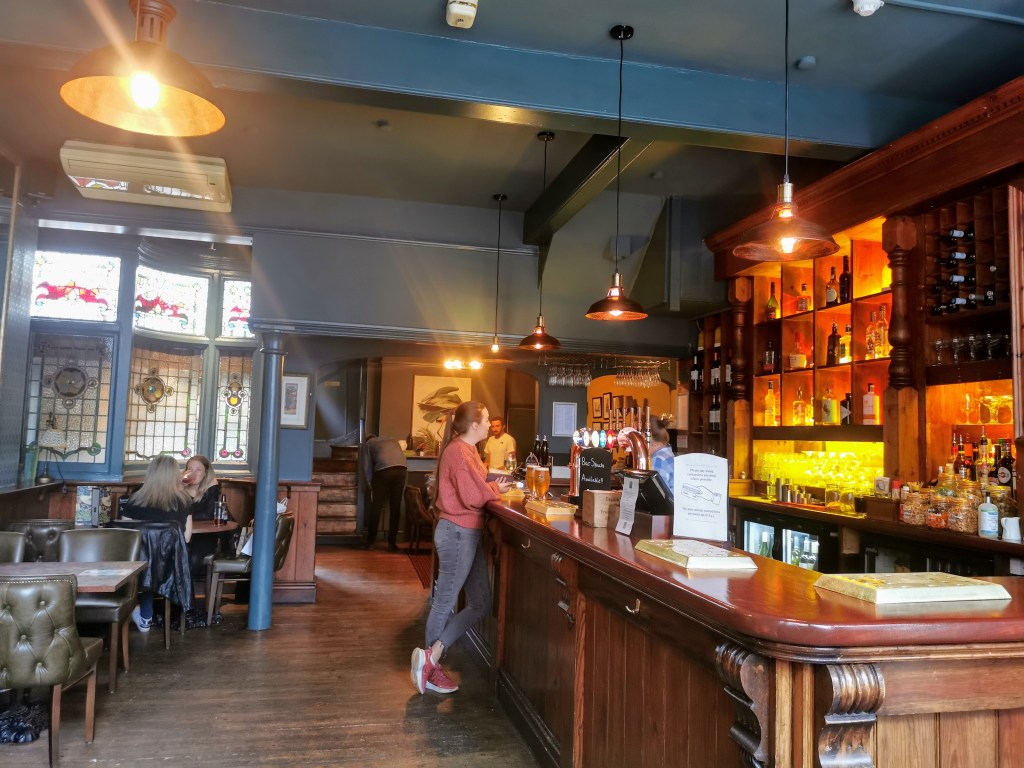
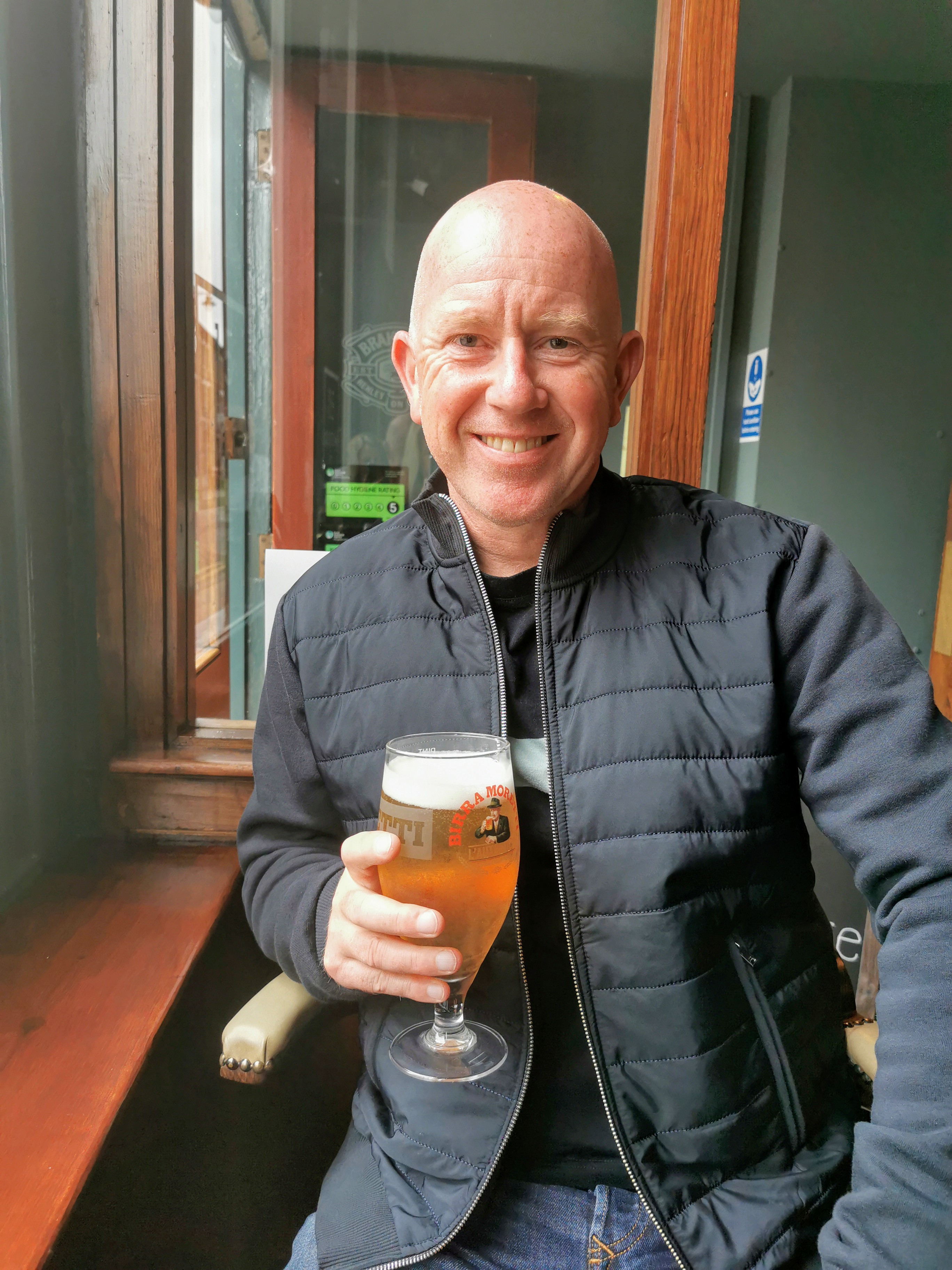
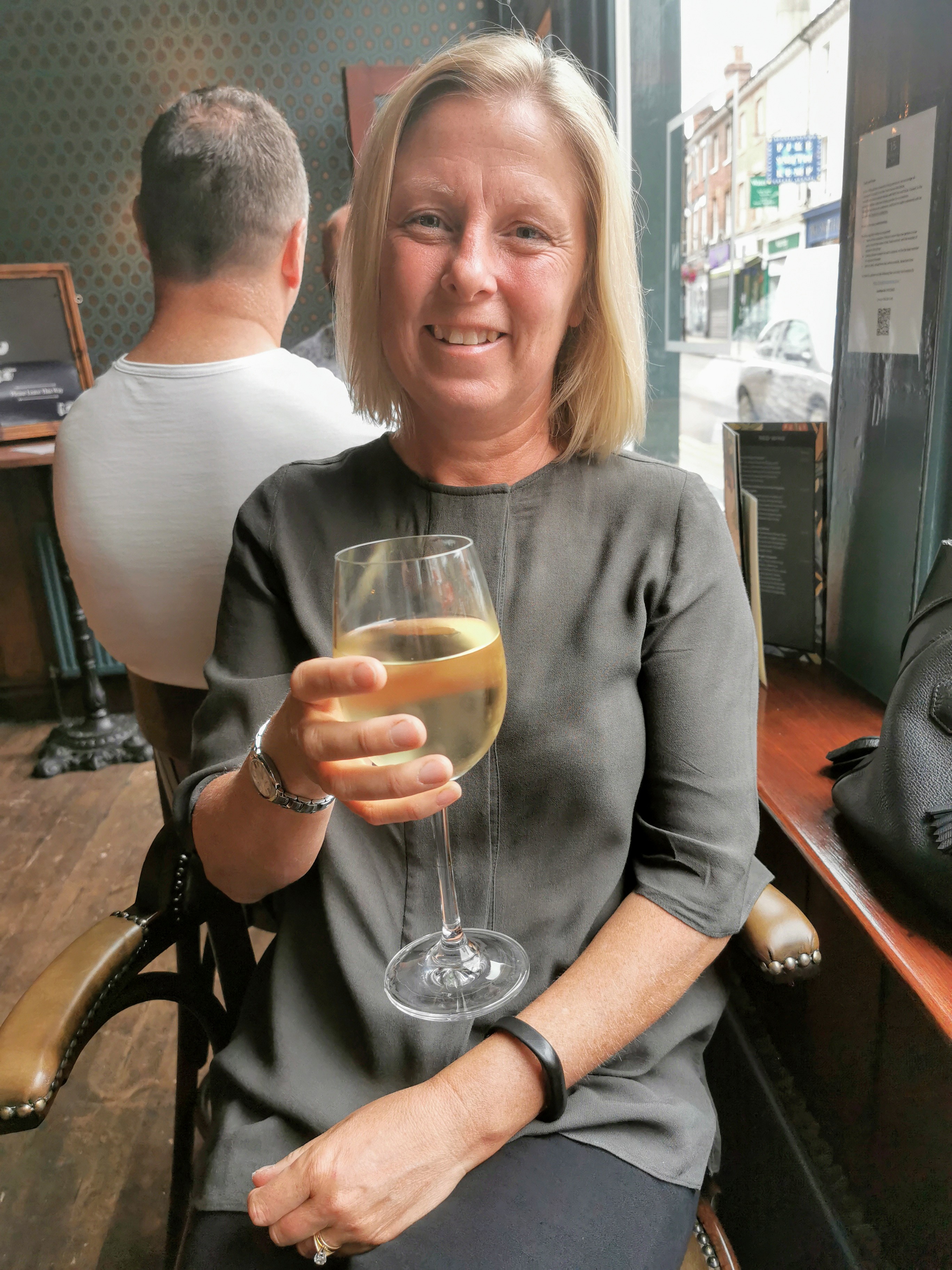
The streets are quiet as we make our way to the centre of town. Our favourite local pub, 15 Queen Street, is only a small space. We were worried it wouldn’t re-open after lockdown, so it’s great to see that several tables are taken when we arrive at 6.30pm. Hopefully they will be able to make it work. We’re greeted and seated, and asked to check in to a track and trace app. Not a problem, whatever it takes.

We sit by the open door, with one other couple behind me. Drinks are brought to us, how very European! It feels completely safe, and absolutely great to be away from the sofa and Netflix for the evening. I have never watched so much telly in my life as during lockdown, and it’s not a habit I want to keep. The husband has subjected me to some real turkeys lately!

The atmosphere is low key. The staff are chirpy and it feels like people are glad to be out again, but keen to have a relaxed evening. After a couple of drinks we pay (contactless) and head out (by the new designated exit). So far, so easy.

Next stop, the local Chinese restaurant. I’ve booked a table so they already have my name and number. Walking in, it all looks very familiar – there are fewer tables perhaps but it’s a big place so no issues with social distancing. The staff are wearing masks, but I think they’re smiling underneath. They sound happy to see us!

The menu is the same as always, and that’s why we’re here. I’m just not a takeaway kind of woman. I like going out to eat. As usual, we stuff ourselves silly with our favourite dishes. All is serene, it’s just a normal Saturday night in Maidenhead despite the new requirements. If nothing else, lockdown has taught me to appreciate the joy of having food brought to me and dirty plates taken away. It seems like a minor miracle!

After finishing our meal we head across the road to the Maiden’s Head, only to be told they are closing early tonight, a planned precaution just to ease everyone back into pub-going. Disappointing, but understandable – it’s not just the punters who are feeling a bit jittery about the end of lockdown. We decide to head home, feeling satisfied with our first foray back into normality. Extremely civilised is the verdict. Admittedly, Maidenhead is not Soho, but I expect, like us, that the vast majority of people have a safe and sensible first night out.

Round 2 – Sunday pub lunch in Cookham

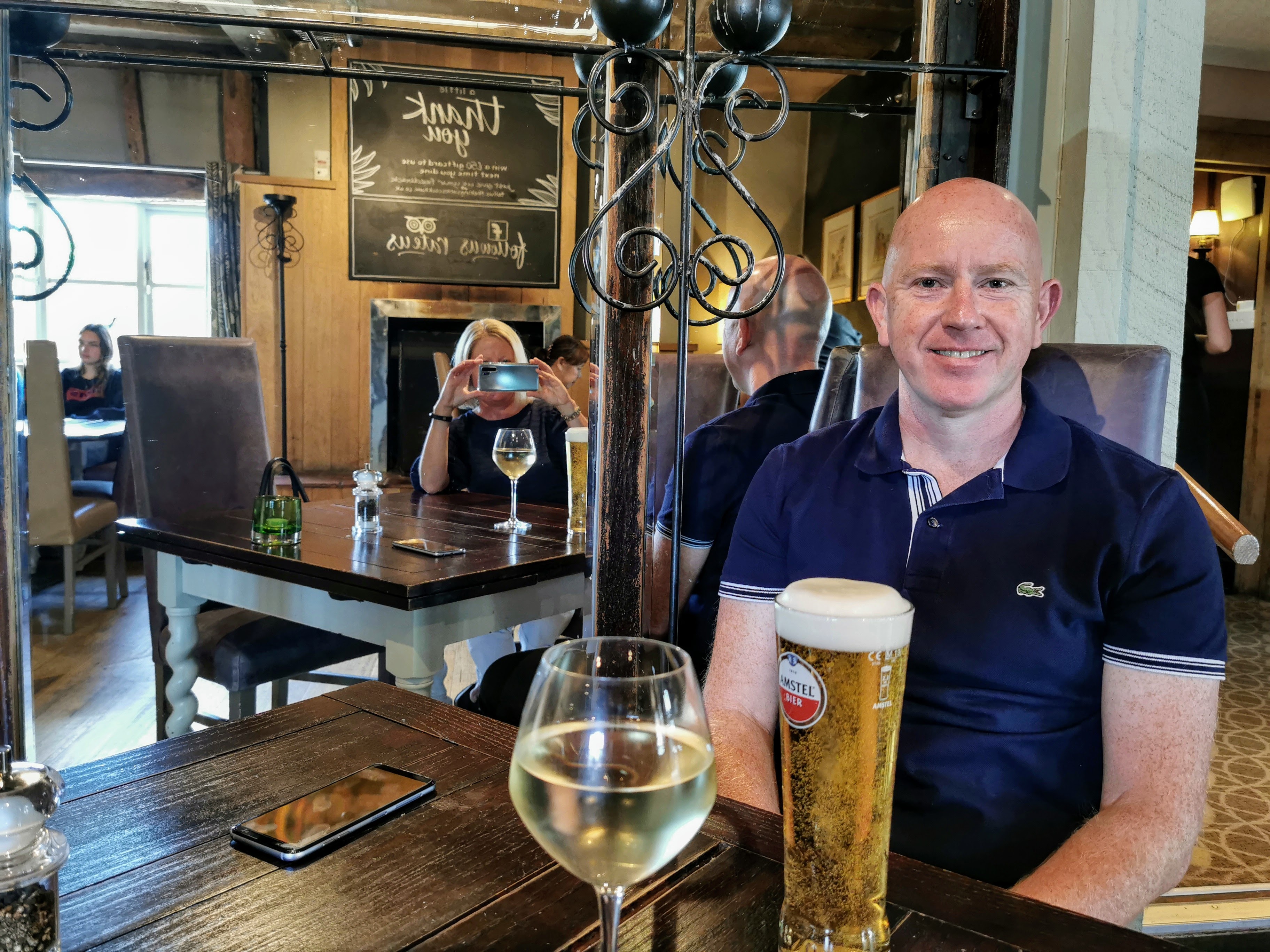
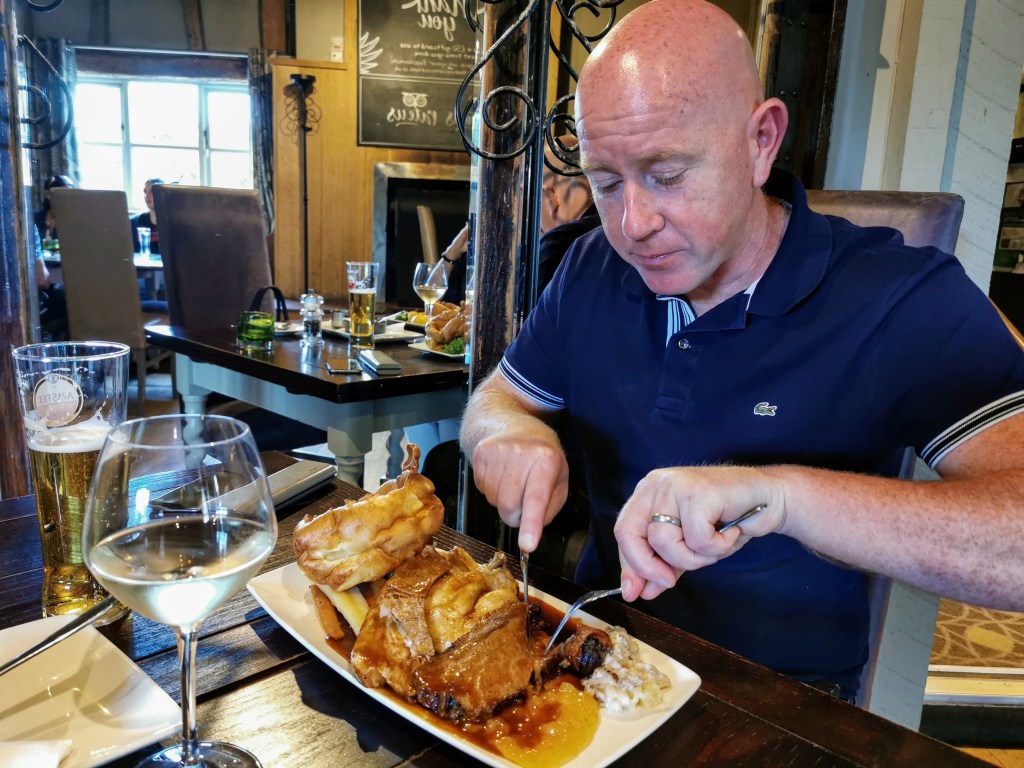
I’m surprised to get a table at quite short notice at the King’s Arms in Cookham, given how popular a pub roast is normal circumstances. I have to admit that I’ve never cooked a roast dinner in my life, so this will be our first since lockdown began. The husband is looking forward to some meat. I don’t eat it, therefore I don’t cook it (why would I?), so a few steaks on the barbie excepted, it’s been a meatless few months for him.

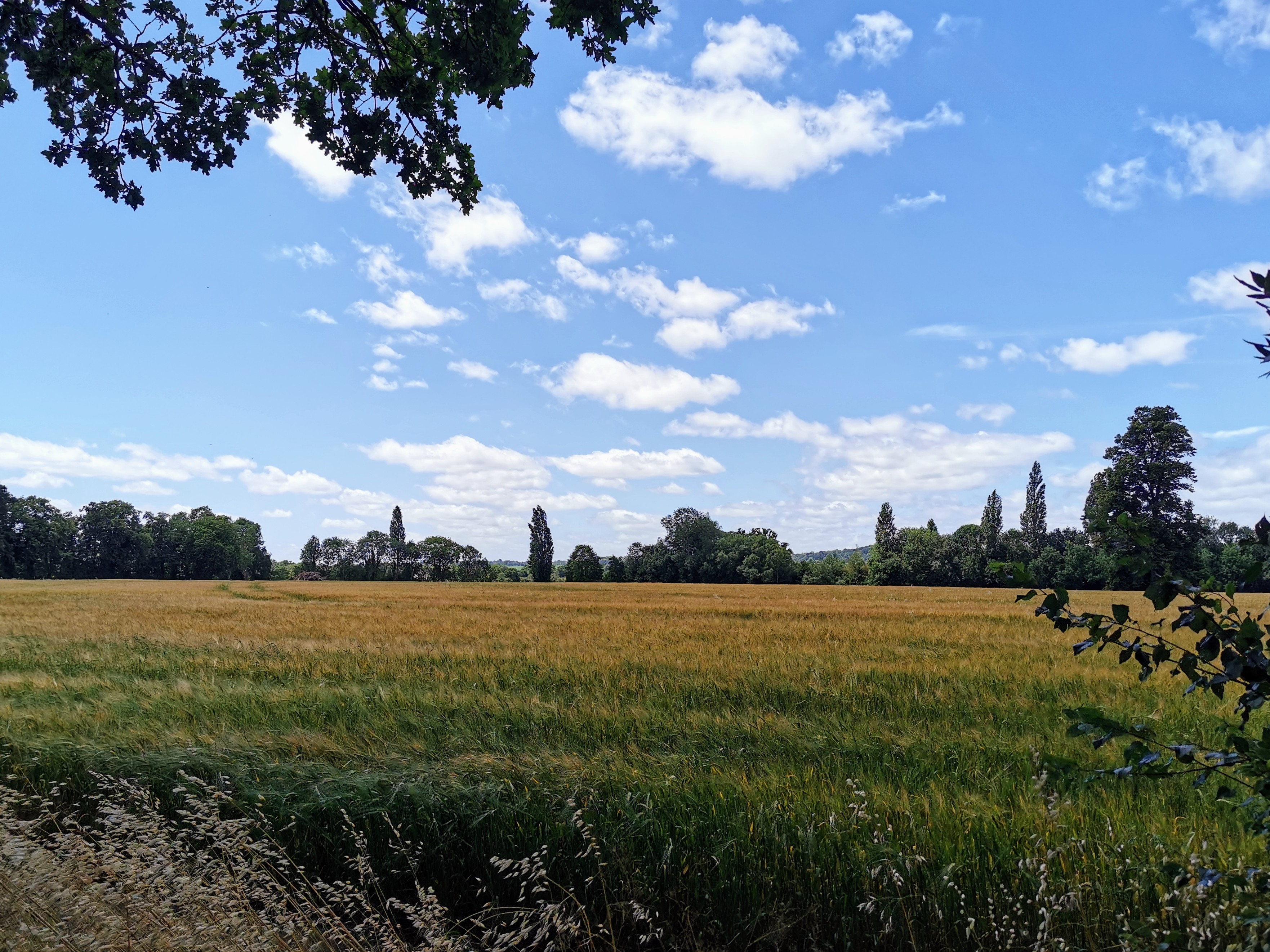
We decide to walk there across the fields. It’s an hour’s walk, and we want to be hungry! Reaching the high street, it looks like around 50% of places are open. Evidently, some feel that they want to wait a bit longer. At the King’s Arms, new signs direct us to the side entrance, as the front door is exit only. Nothing too complicated there.

Inside the pub, we have a short wait for our table, although they don’t seem to be particularly busy. It’s a bit strange to see the empty bar – it’s usually packed. The staff seem generally nervous, like it’s their first day on the job ever, messing around with the computer screen and unsure of what wines are available. But drinks are delivered to our table without much delay and our food order is taken promptly. It didn’t take us long to decide – of course we want our long-awaited Sunday lunch. The husband orders the mixed meats version to make up for lost time! It’s a huge pile of chicken, pork and beef, which should keep him happy for a while. Nut roast for me – believe it or not, I’m a huge fan.

The verdict is positive – it was worth the wait. I feel a bit sad that the place isn’t busier. There are a couple of groups out in the garden, but lots of empty tables inside. I want our pubs to survive this pandemic, so hopefully more locals will feel confident enough to come back soon. We certainly don’t feel that coming out has put ourselves or anyone else at risk. Everyone is following the rules and it doesn’t feel like too much of a chore at all.

We’re both stuffed, so it’s a good job we have the walk home to look forward to. It’s been a lovely weekend, and hopefully there’s a lot more of this to come. Fingers crossed we are finally heading back towards normality and the hospitality industry will survive the crisis. I will personally do my utmost to help – cheers!

Design a site like this with WordPress.com
Get started