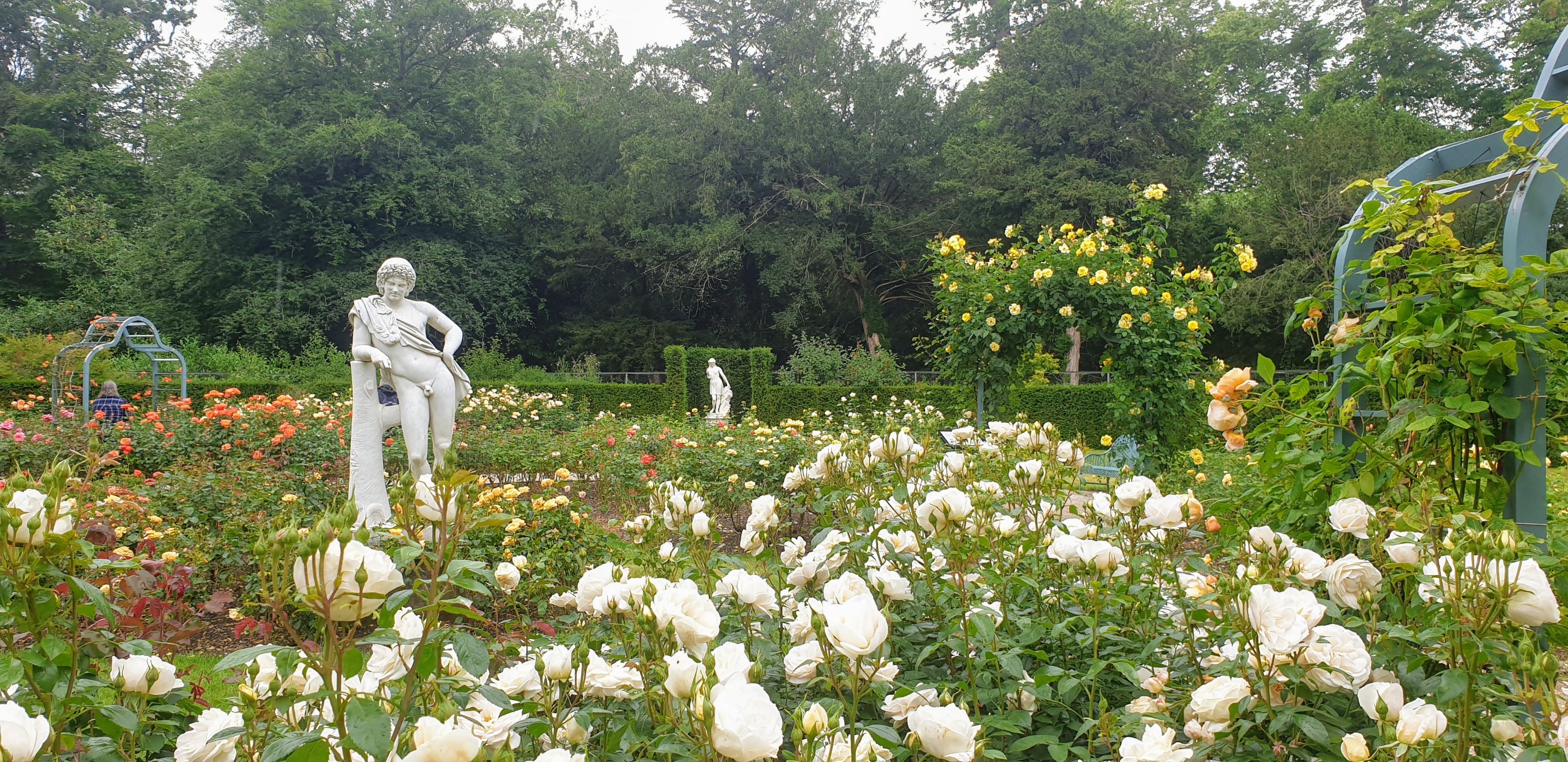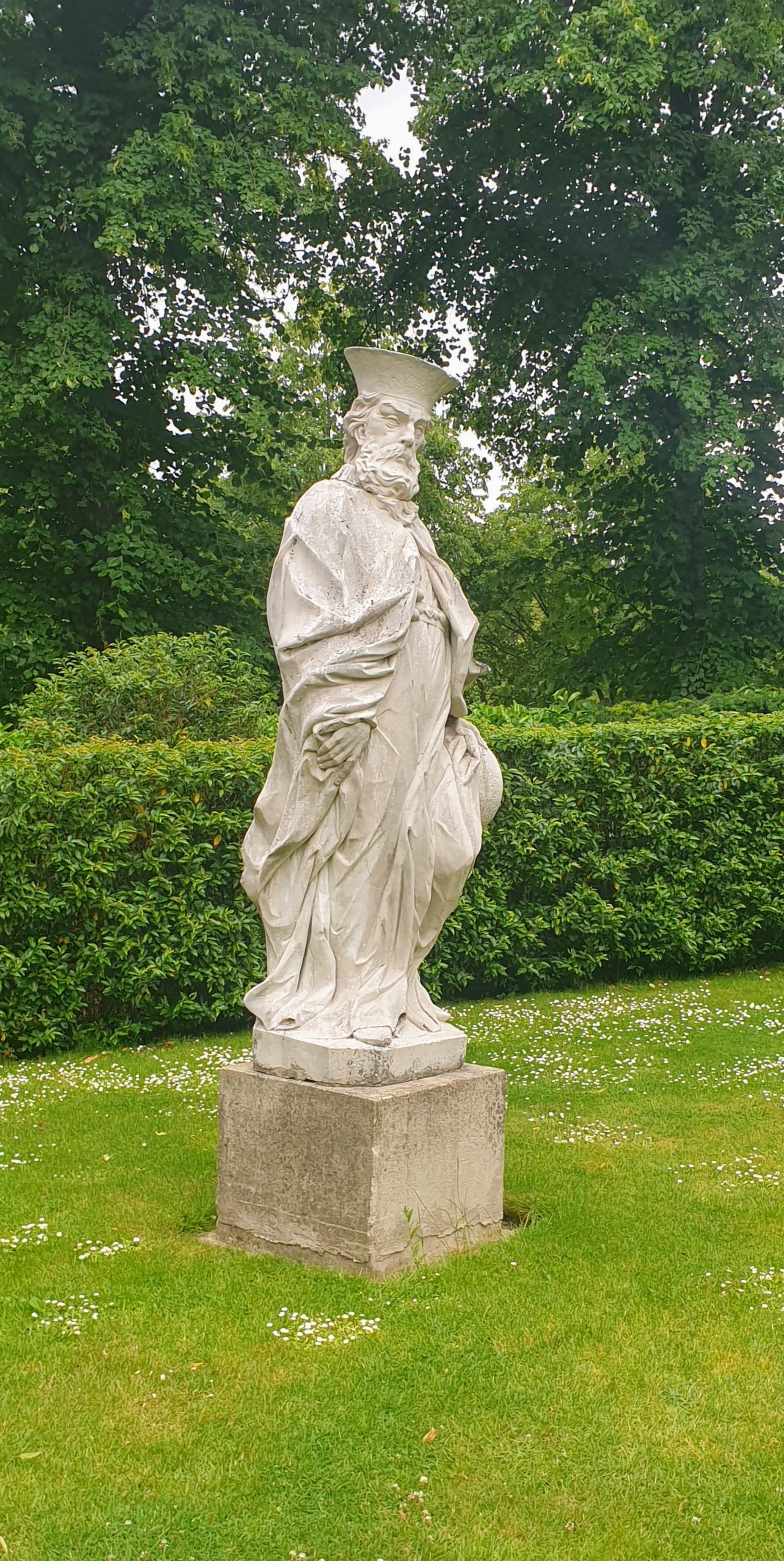
Battersea – giving dogs a home for 160 years

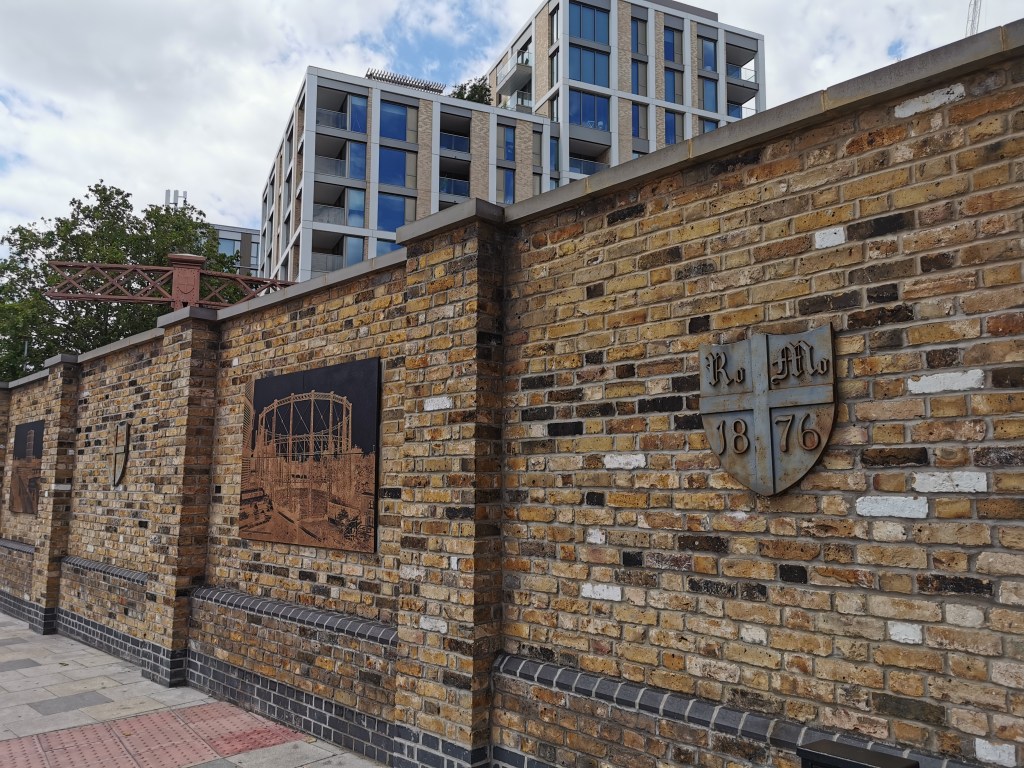
So today I’m back in the Big Smoke for a walk, lured by the promise of an Aperol Spritz with friends at the end of it. Go on, twist my arm then! I’m in Battersea, just 3 miles southwest of the City, on the banks of the Thames. Originally a fishing village, then an agricultural area known for producing lavender and asparagus, it was industrialised from the 18th century. What a shame! Nowadays it’s the site of huge redevelopment around its iconic power station.
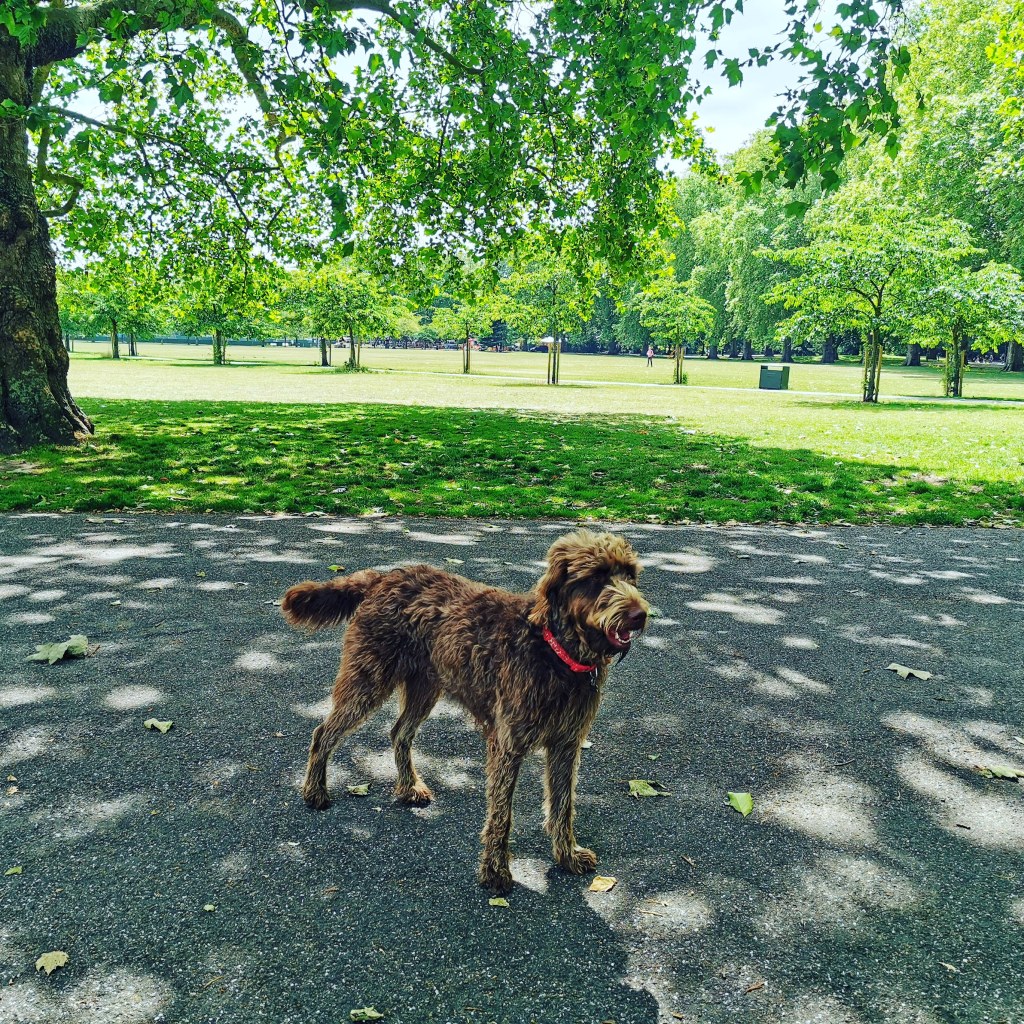
As Battersea is indelibly associated with dogs, due to its world famous rescue centre (also for cats since 1883, fear not feline fans) I’ve brought along Lizzie the Labradoodle for company. It’s her first taste of the capital and she looks very impressed. Of course, we’ve parked in Battersea Park and there are dogs everywhere, which helps.
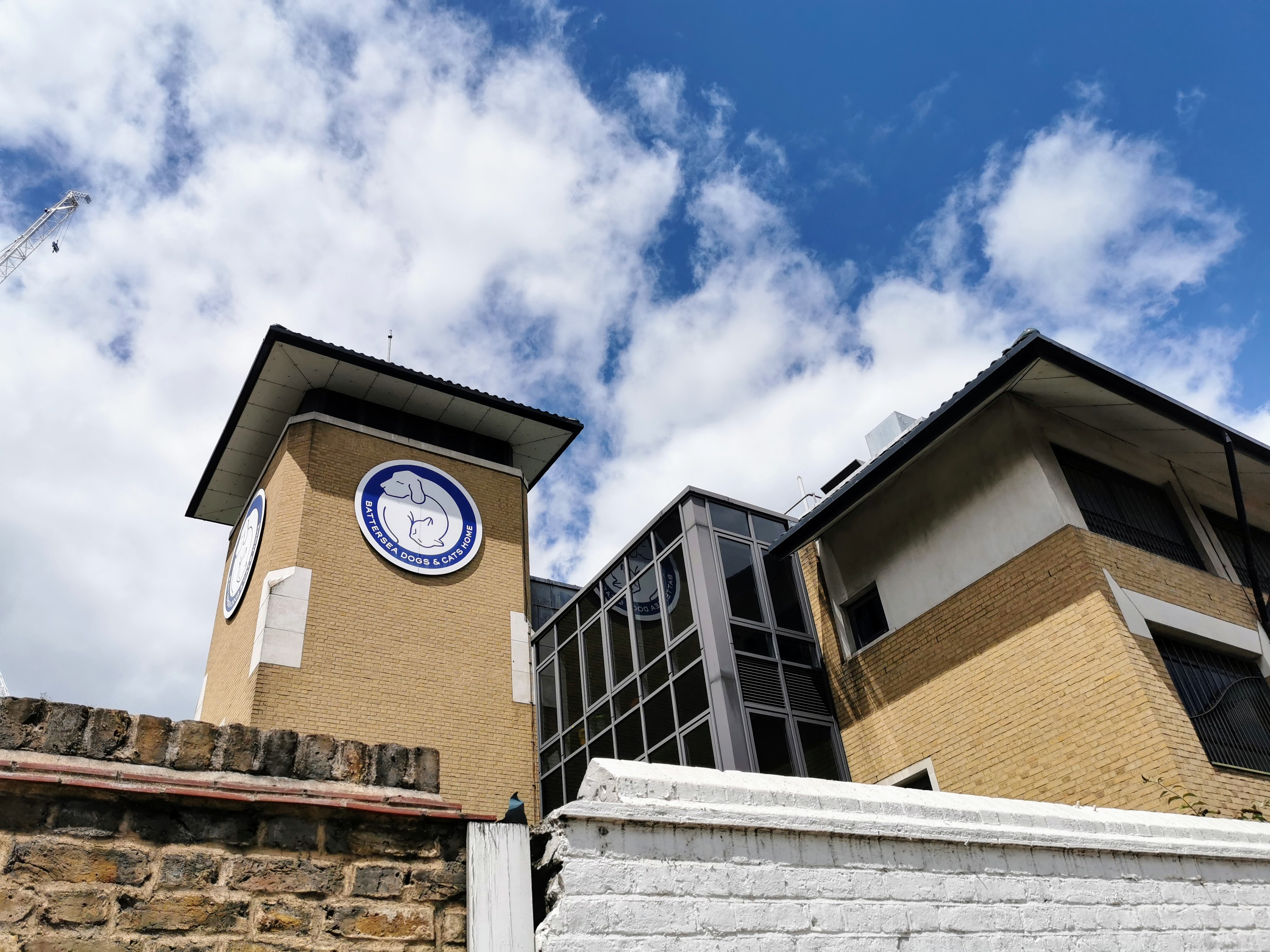
We make our way to the venerable Battersea Dogs & Cats Home and I have to admit to feeling very disappointed. For somewhere that does such joyous work, saving thousands of pets each year, it looks like a boring office block! It was originally founded in 1860 and called The Temporary Home for Lost and Starving Dogs (awww!). Since then, it has saved more than 3 million cats and dogs (hurrah!).
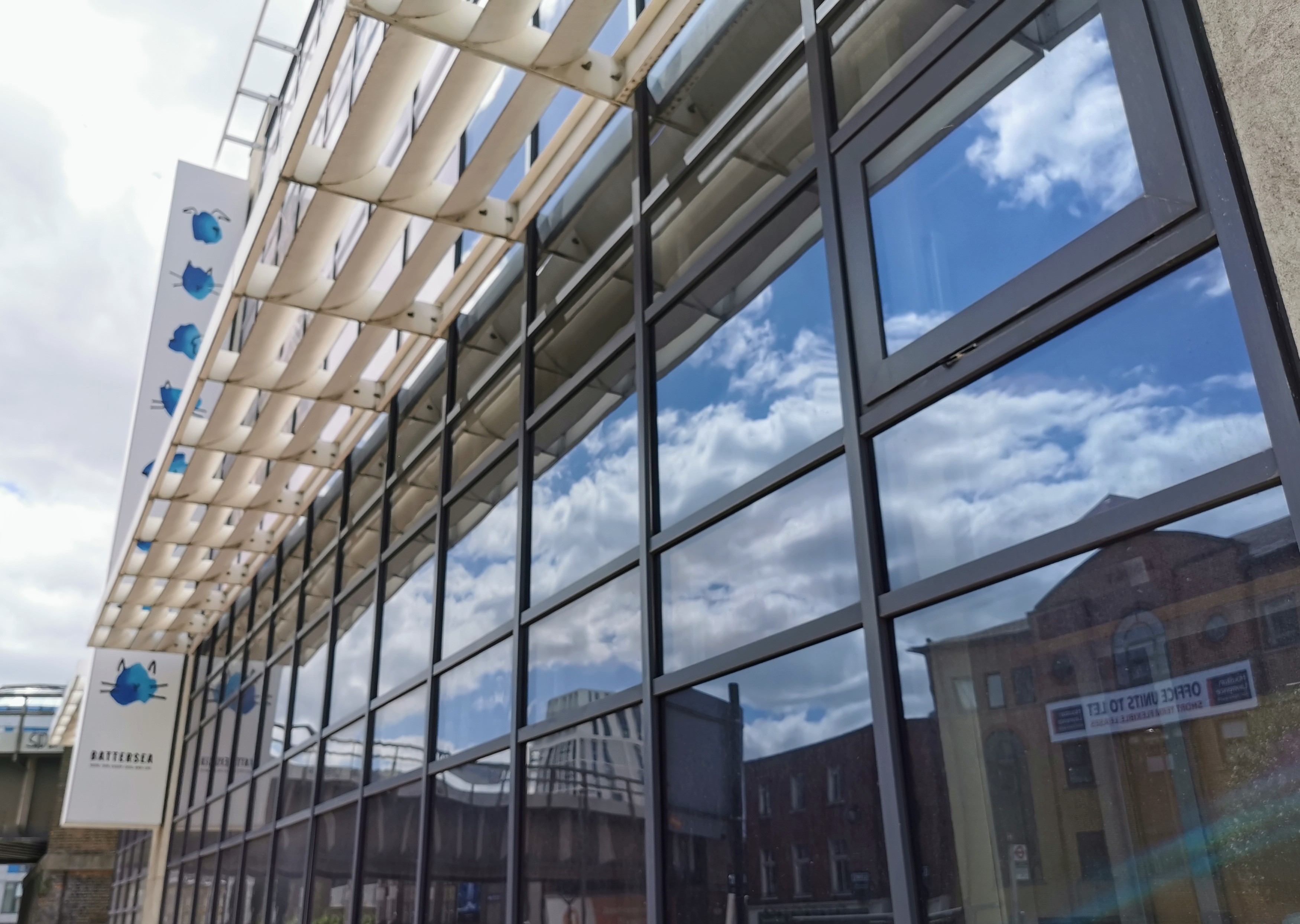
I’m not quite sure what I expected really – happy dogs and cats romping around on Battersea Park Road? Probably not. But perhaps a bit of excited barking at least. All is silent, there’s a turnstile to get in, and a rather stern notice about requiring an appointment to enter. But I never judge a book by its cover – great work happens here, just ask Paul O’Grady.
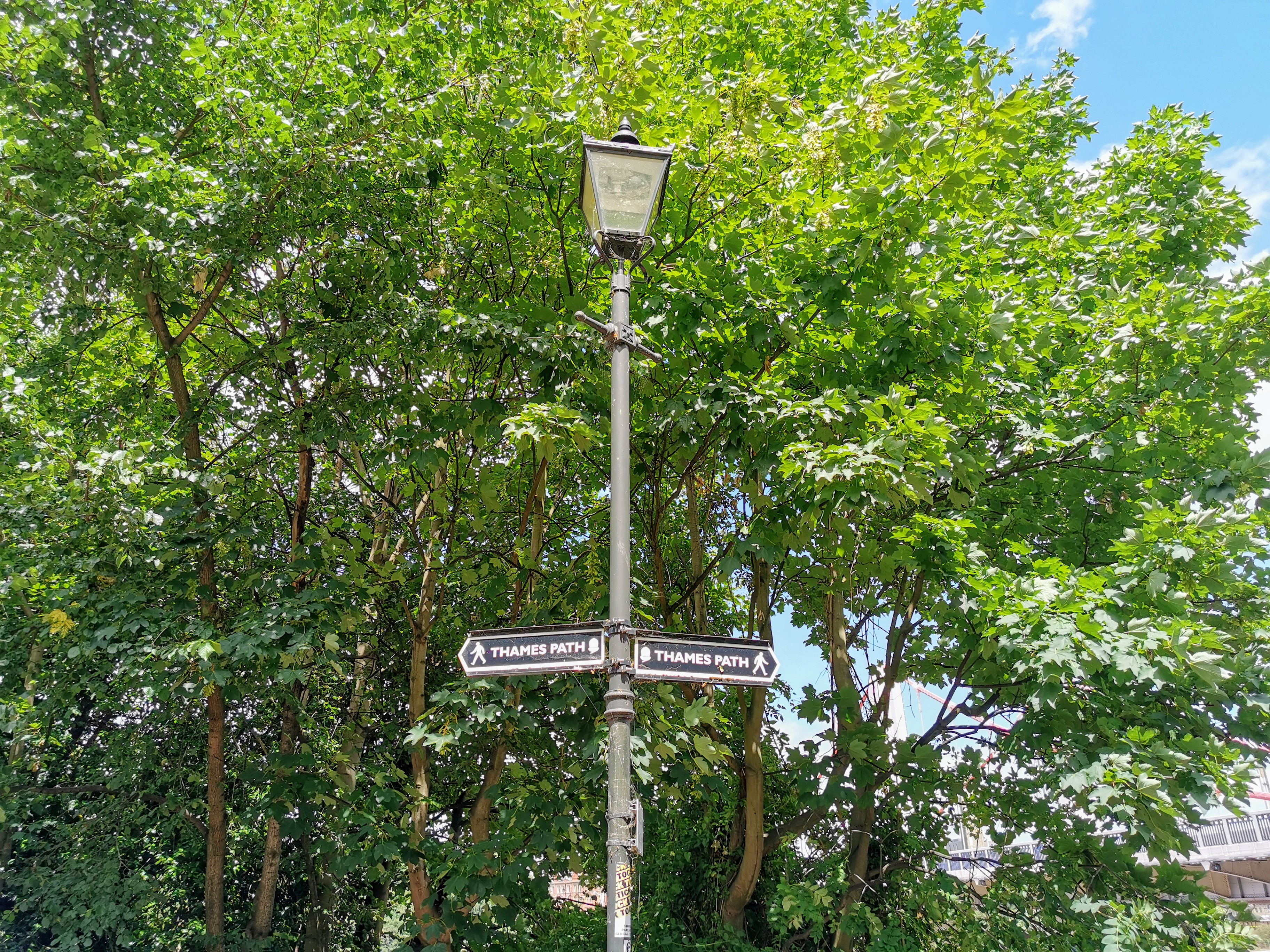
Good news readers – Battersea has its own stretch of the Thames Path skirting the park with views across to Chelsea on the northern Bank of the river. At some point I’m sure I’ll cover the whole stretch of it. At almost 300 km though, it might take me a while.
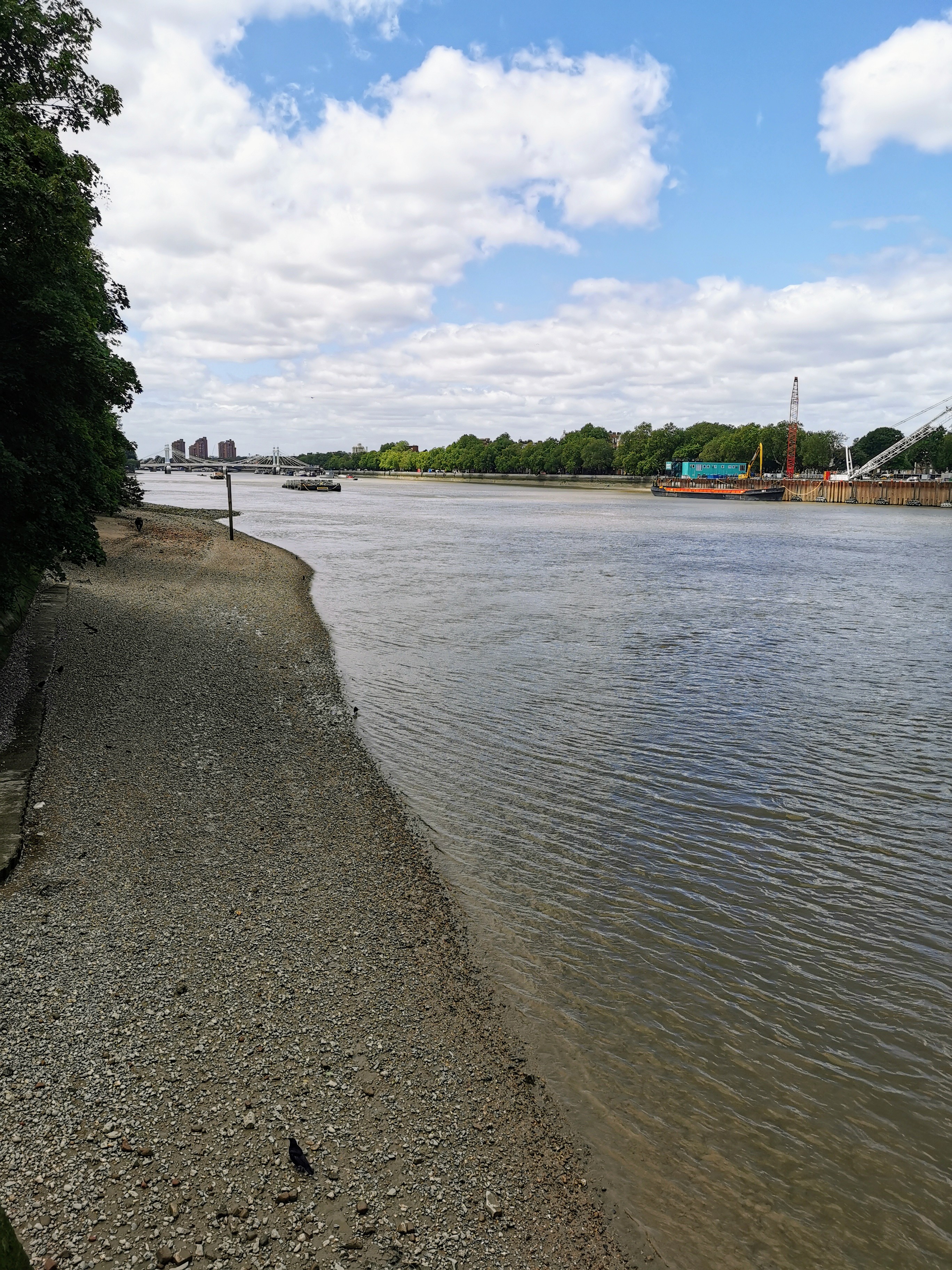
Today, we pass underneath Chelsea Bridge, built on the site on an ancient ford. It’s here that Caesar crossed the Thames during his invasion of Britain in AD 54, allegedly riding an elephant. The locals were so scared of this unknown beast that they ran away, allowing Rome to gain influence over the country. Shameful!
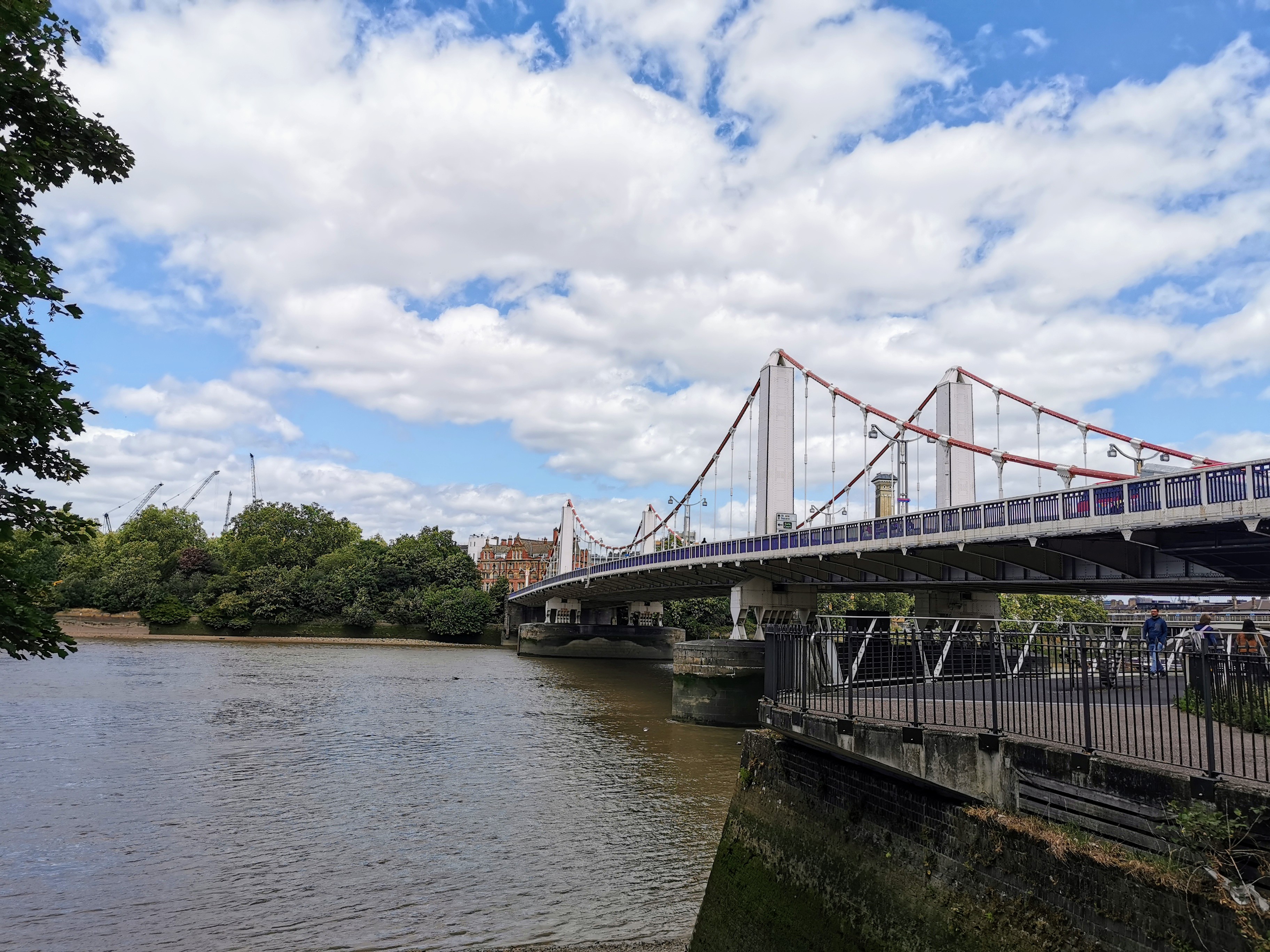
I’m here to see the long awaited redevelopment of Battersea Power Station. Built between 1929 and 1955 and decommissioned by 1983, it’s one of the largest brick buildings in the world and is considered an iconic landmark. Therein lies the problem, as any developer taking on the site had to ensure the preservation of the station, including its four chimneys. So for 30 years, it fell into disrepair.
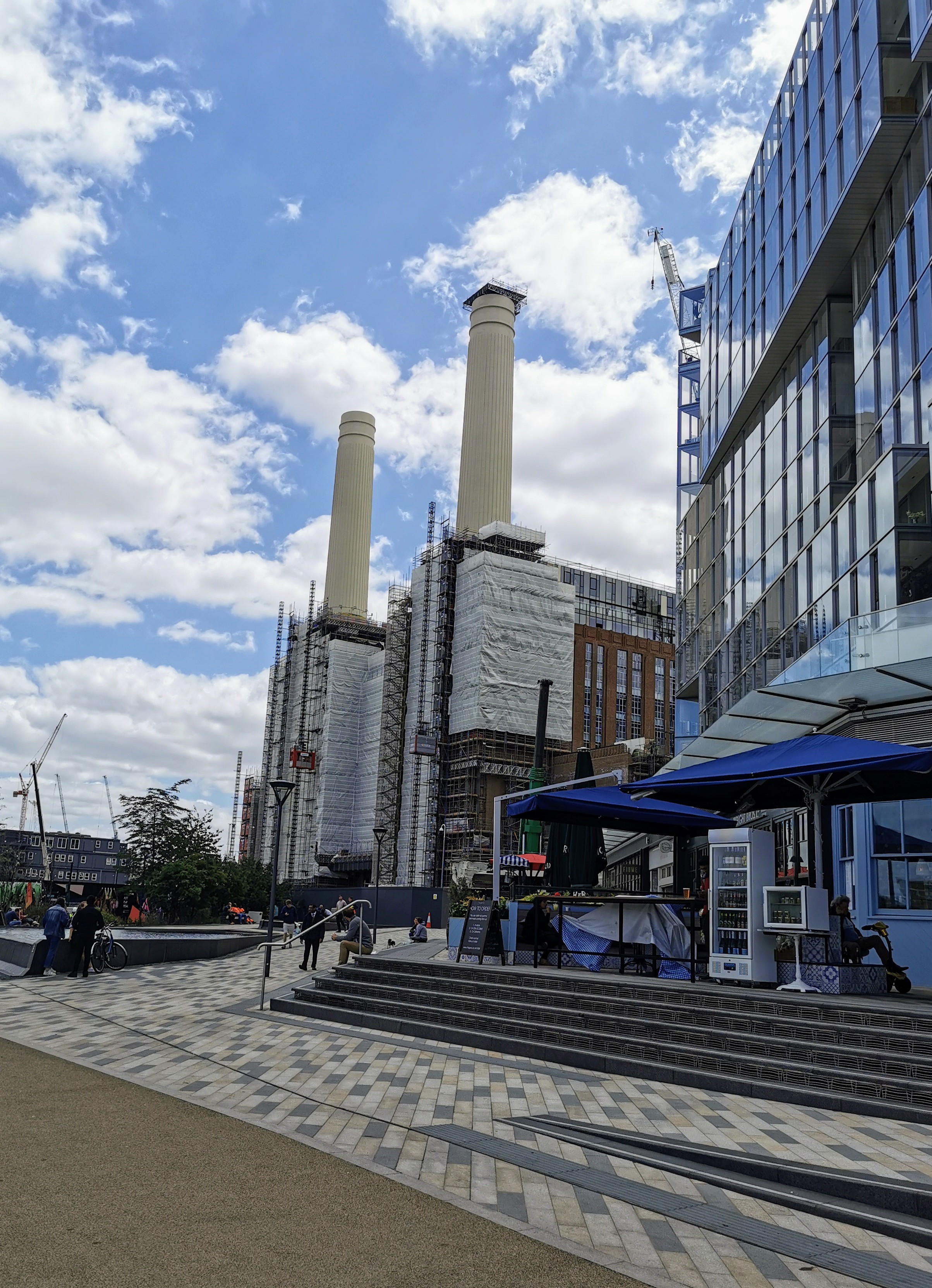
Now, though, the site is finally coming back to life. After years of failed schemes involving theme parks and football stadiums, work commenced in 2013 and is due to finish in 2025. It’s hoped that the Power Station will be open to the public again next year, and we’ll we able to admire the interior, considered to be an Art Deco masterpiece. Looks like I’ll be coming back…

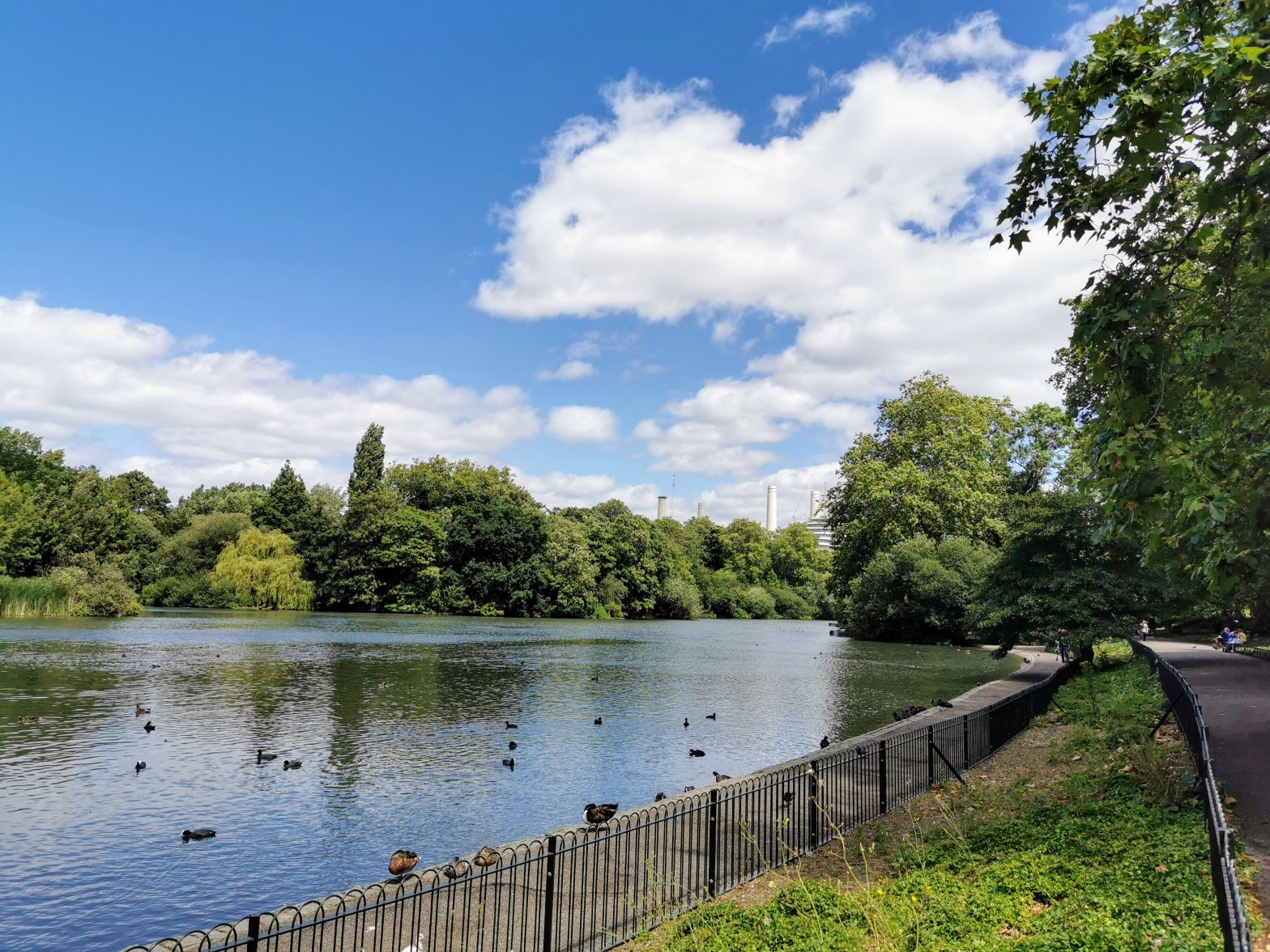
We head back to explore Battersea Park. Well, that’s my plan. Lizzie just wants to socialise with the many local canine visitors. The park opened in 1858 in an area previously known for duelling and carousing at the Red House Tavern, a favourite of Charles Dickens. The park was designed to encourage more civilised behaviour, how very dull.
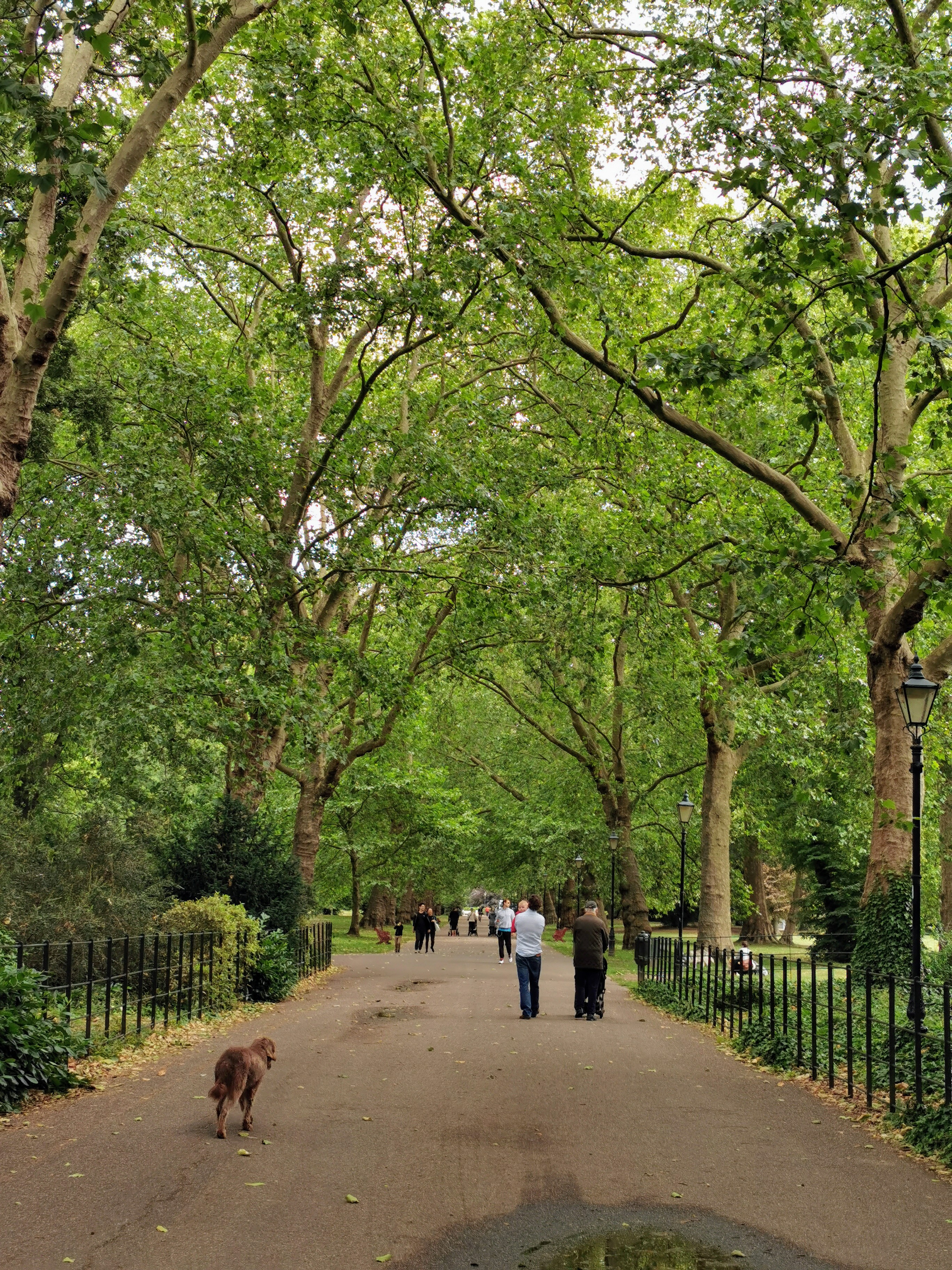
It covers 300 acres including a large boating lake and extensive gardens and woodland areas. At the northern end of the park are the ‘Festival Gardens’, part of the Festival of Britain in 1951 which aimed to restore British pride and confidence after WWII. They are sadly looking a bit shabby and dated now, but at the time they were a huge success. Remember, in the 50s black and white telly was a novelty, so people were easily pleased!
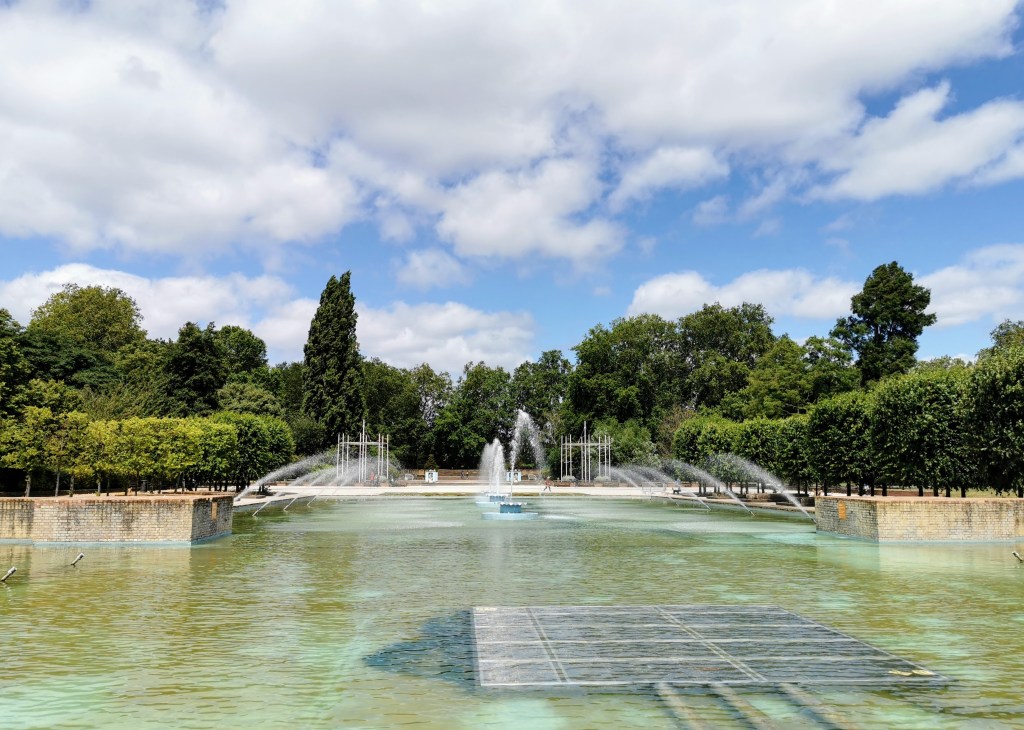
I spot a sculpture by Barbara Hepworth on the lakeside and immediately feel right at home – like me she is a Wakefield lass, albeit a slightly more successful one. Single Form is dedicated to Dag Hammarskyold, the former UN Secretary General who was killed in a plane crash and posthumously awarded the Nobel Peace Prize.
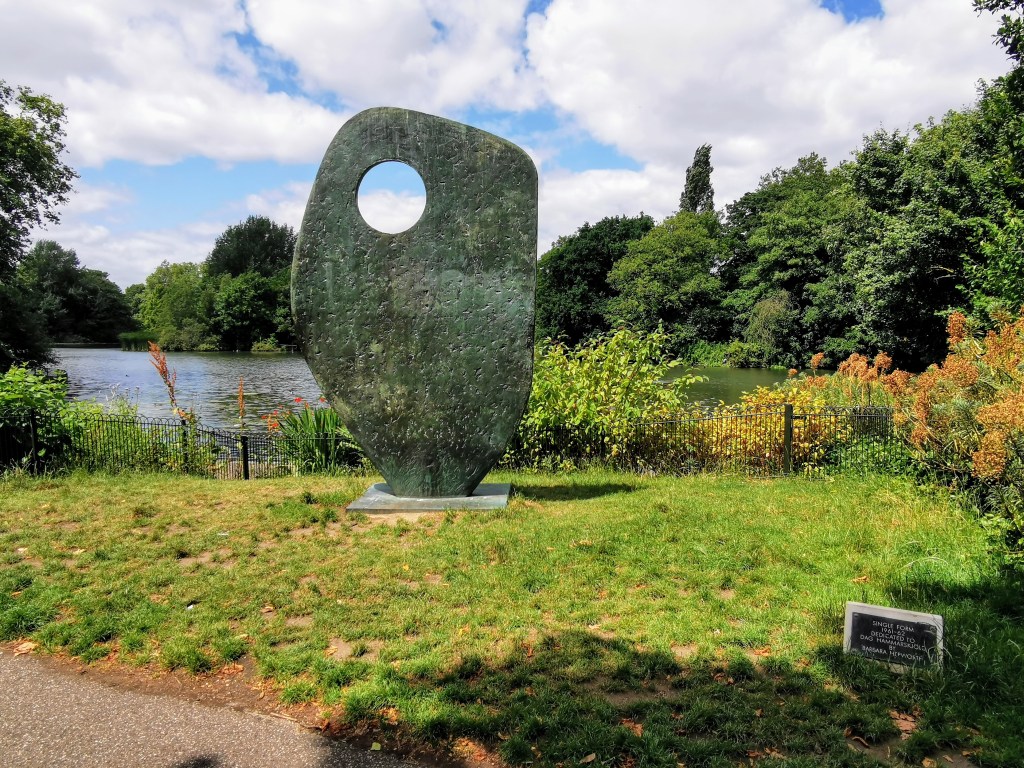
The lake is also home to a huge number of ducklings, cygnets and moorchicks, which is always nice to see. Lizzie is mesmerised by the extraordinarily tame squirrels. They don’t run away from her like the ones near home, and she doesn’t know quite what to make of it…
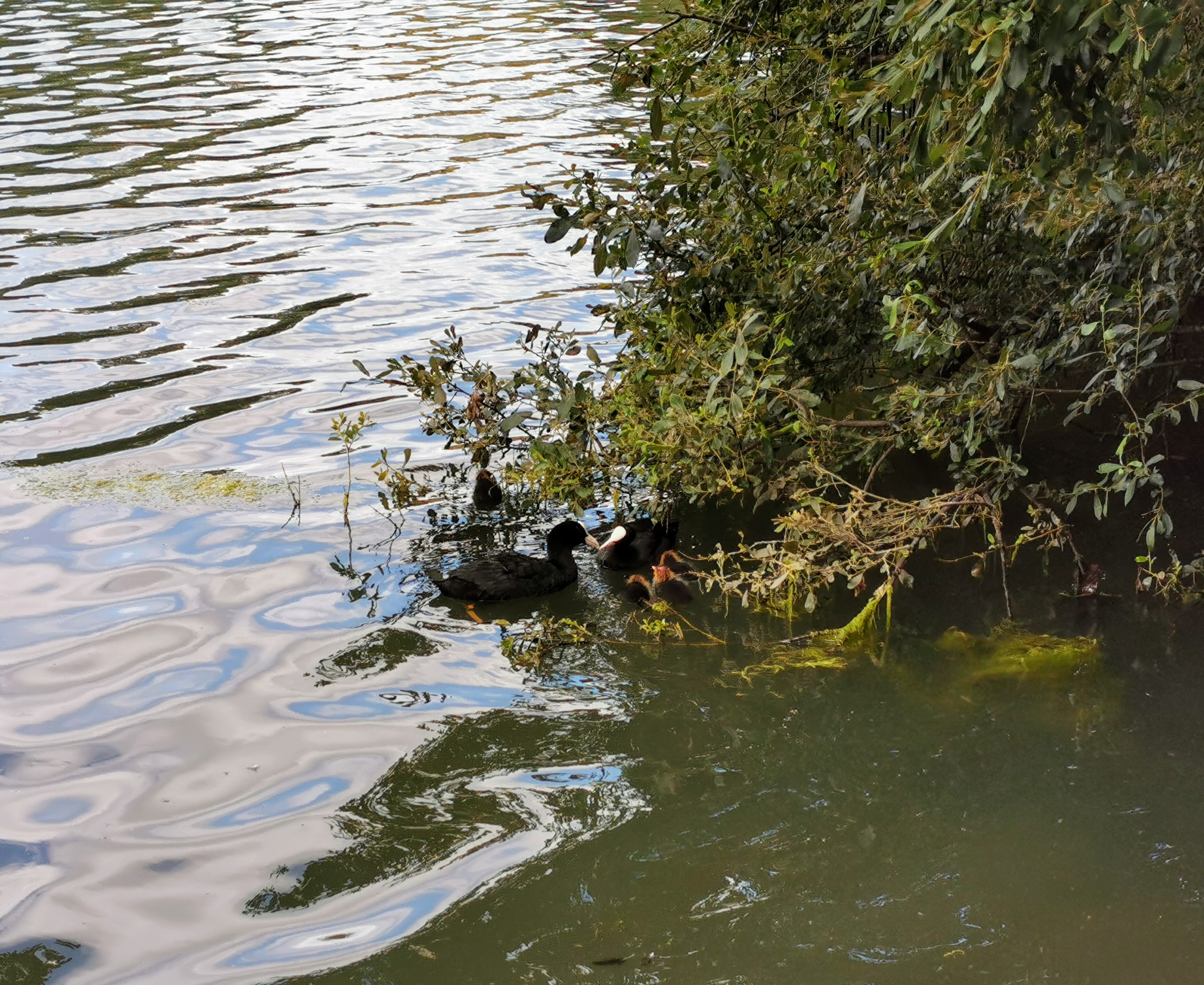
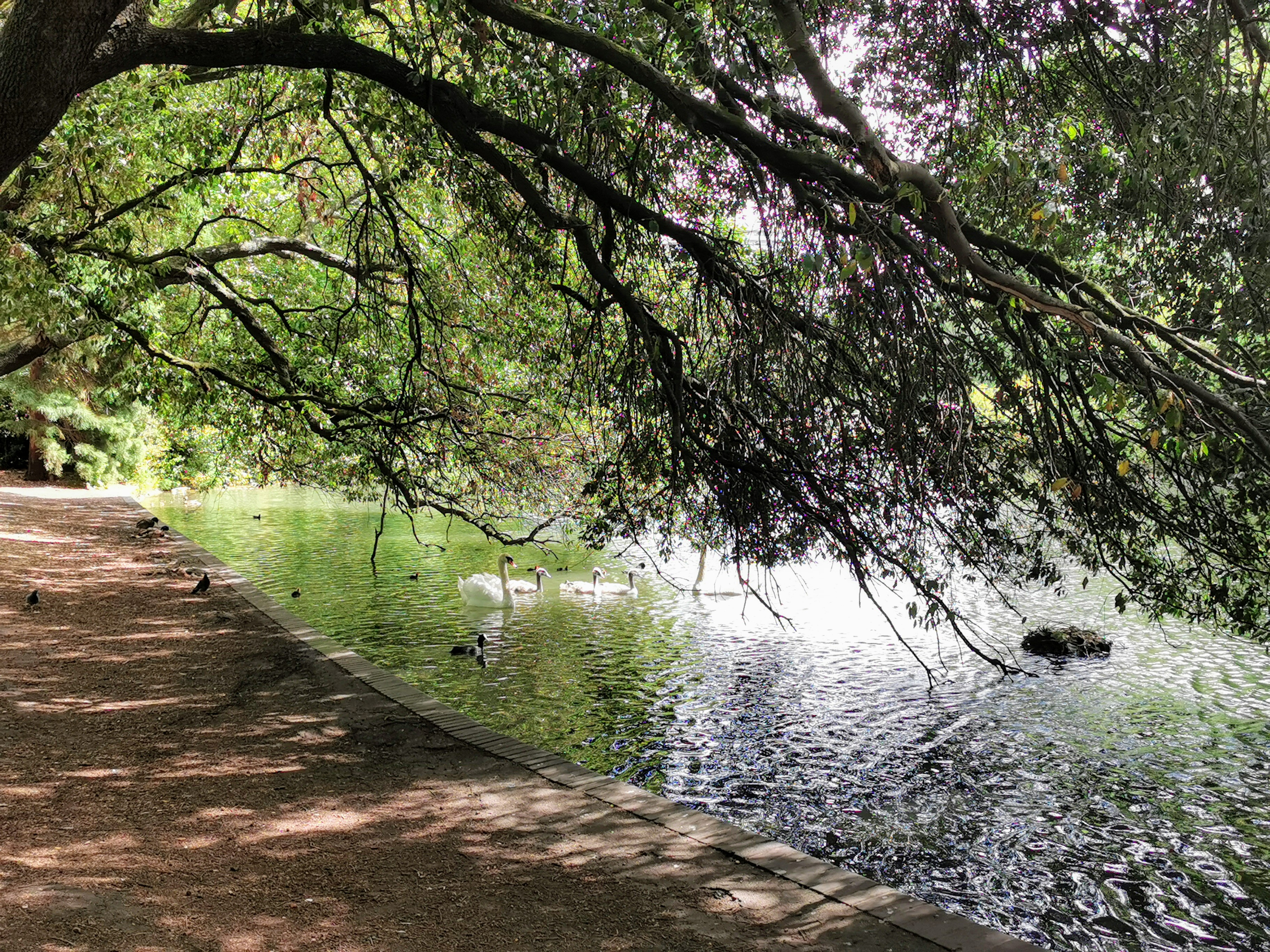
I’ve whiled away a lovely few hours here in Battersea, I have a tired and contented Labradoodle, and now it’s time for drinks with Lucie and Tom at the Pear Tree Cafe. What more can a girl ask for? See you next time.
Travels in my neighbourhood: Runnymede

Poor old King John! He’s always the bad guy, that phony King of England. Meanwhile, his elder brother, Richard the Lionheart, is remembered as a hero by us Brits, despite the fact that he spent most of his time in France or on crusade in the Holy Land. He probably didn’t even speak English, which is a bit poor when you’re in charge of the country.

Richard wasn’t particularly great at crusading either, managing to get himself imprisoned on his way back from Jerusalem, which cost the English 100,000 pounds of silver in ransom, quite a lot of dosh in those days. Meanwhile, brother John was holding the fort back home.

So why are we so nasty about him? I can’t think of him without humming the Disney tune about him from Robin Hood. Snivelling, grovelling, measly, weasely and much more besides. What on earth did he do to deserve his dreadful reputation?

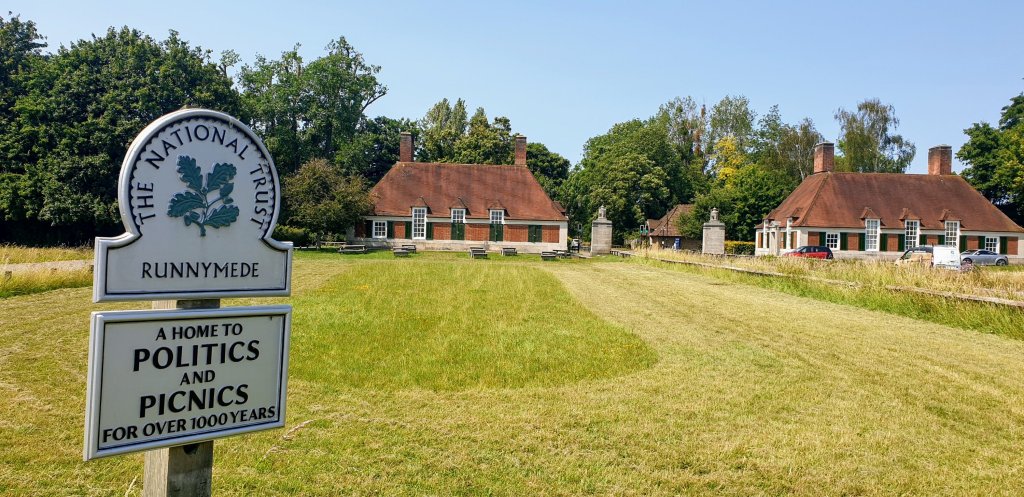
I’m musing on this because today I’m visiting Runnymede, site of the signing of the Magna Carta ot Great Charter. Suggested by my friends Heather and Andrew. If they’ve been, when they live in Edinburgh, why the heck haven’t I when it’s 10 miles down the road? The pressure! Feel free to tell me, dear reader, if you think I’ve missed somewhere…

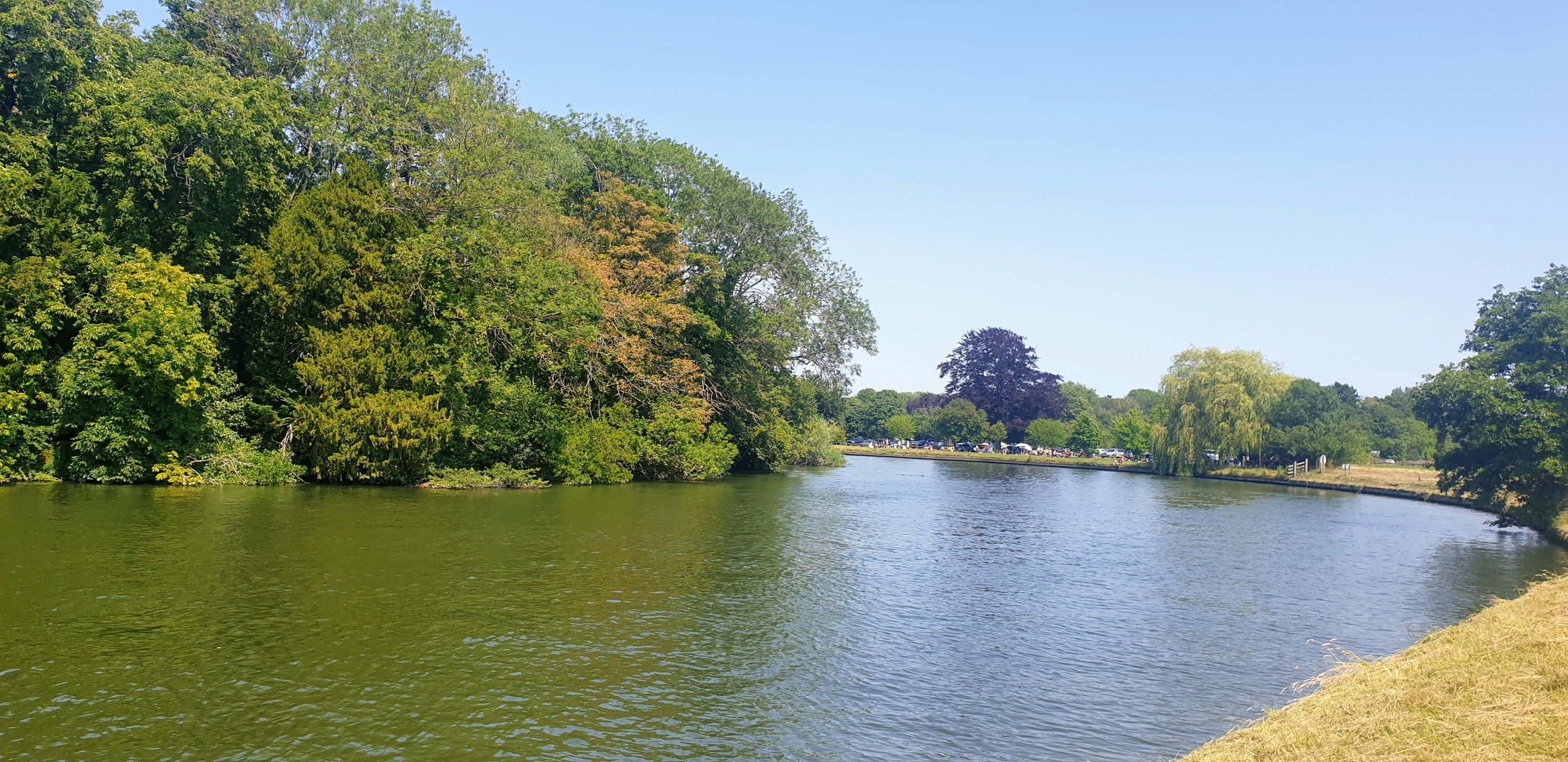
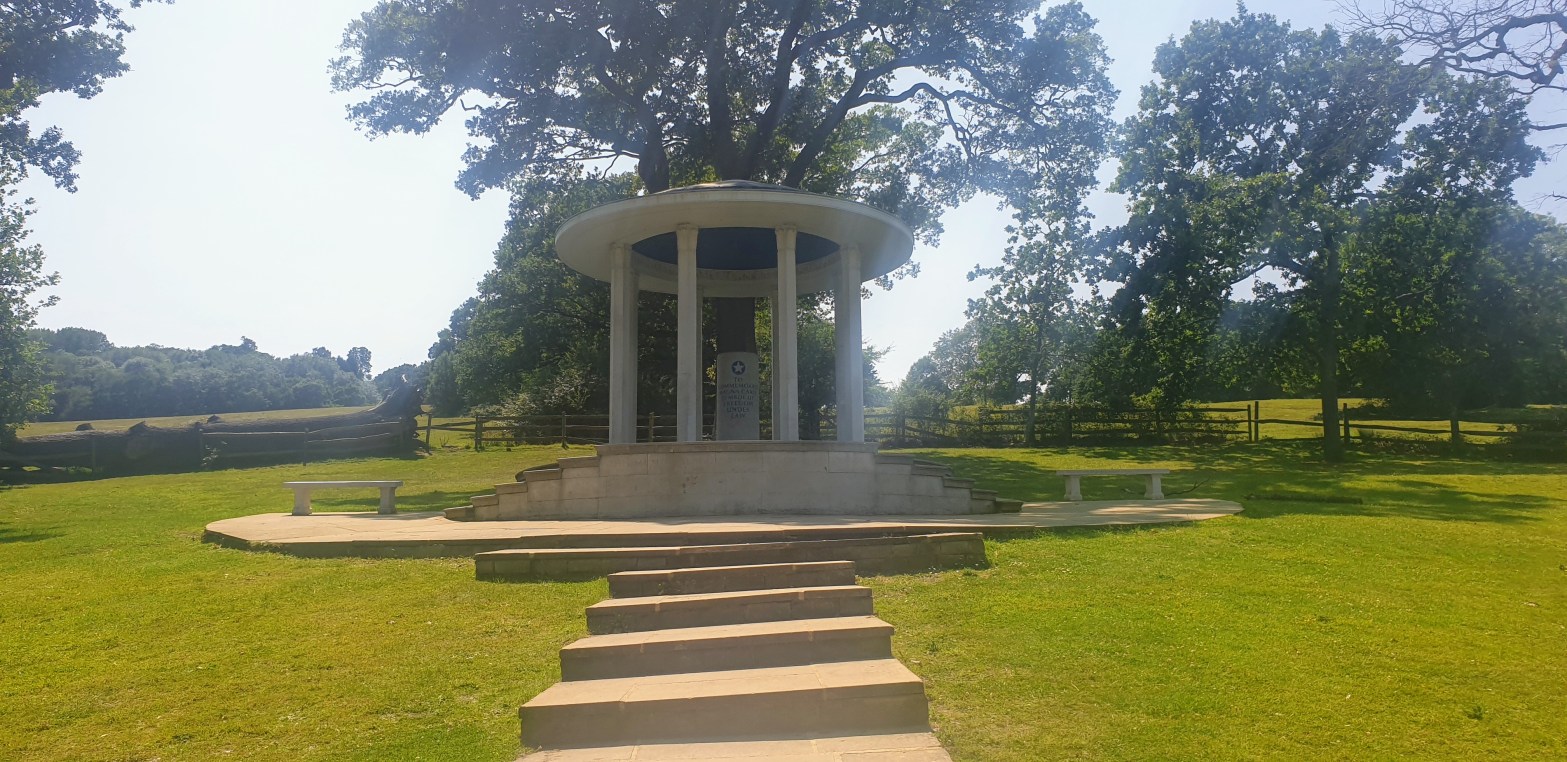
Runnymede sits on the banks on the Thames between Old Windsor and Egham. Although it’s best known as the location for the sealing of Magna Carta, the historic and far-reaching agreement between King John and his barons, it’s also a memorial landscape that’s been added to over time.
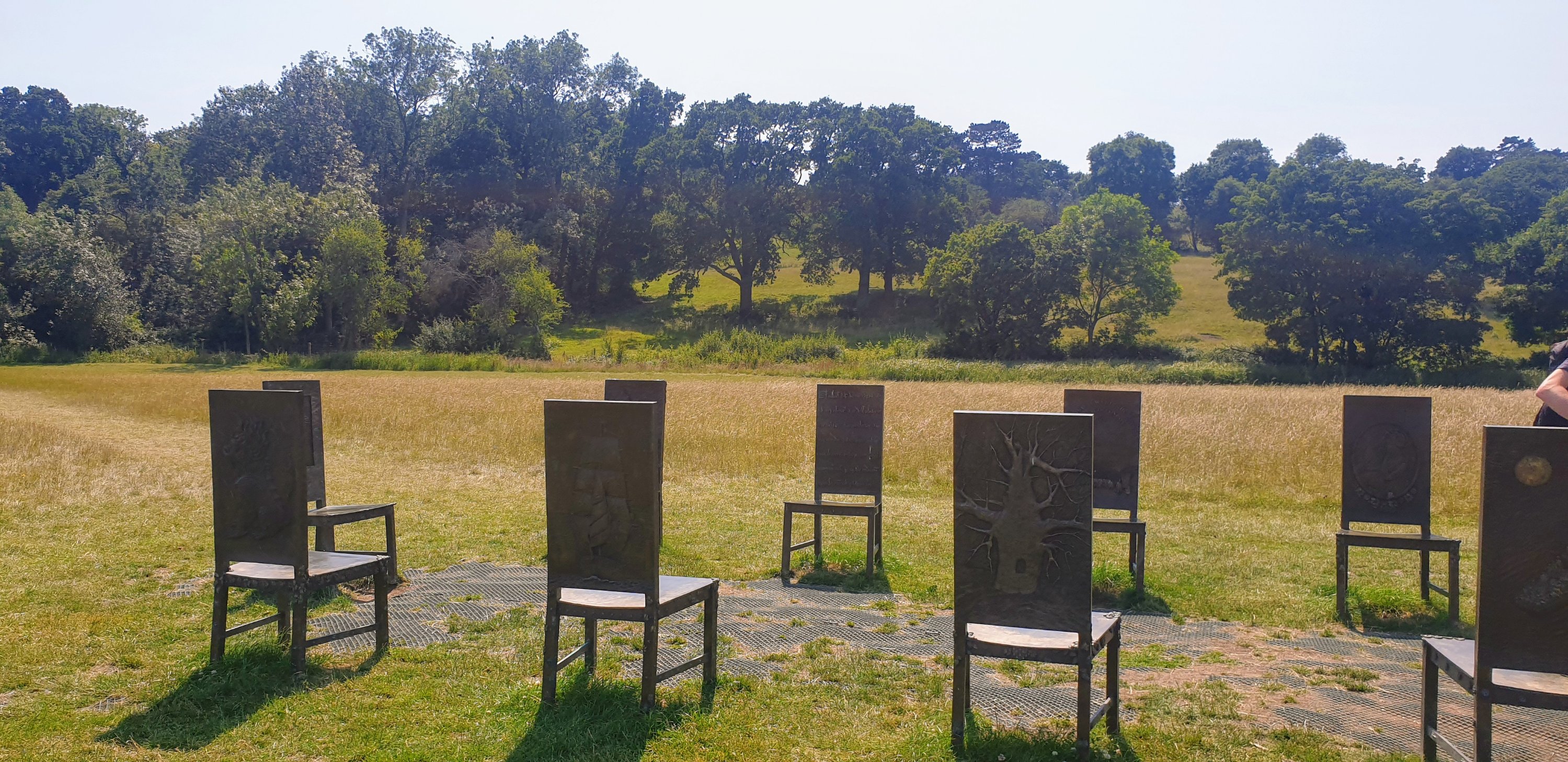
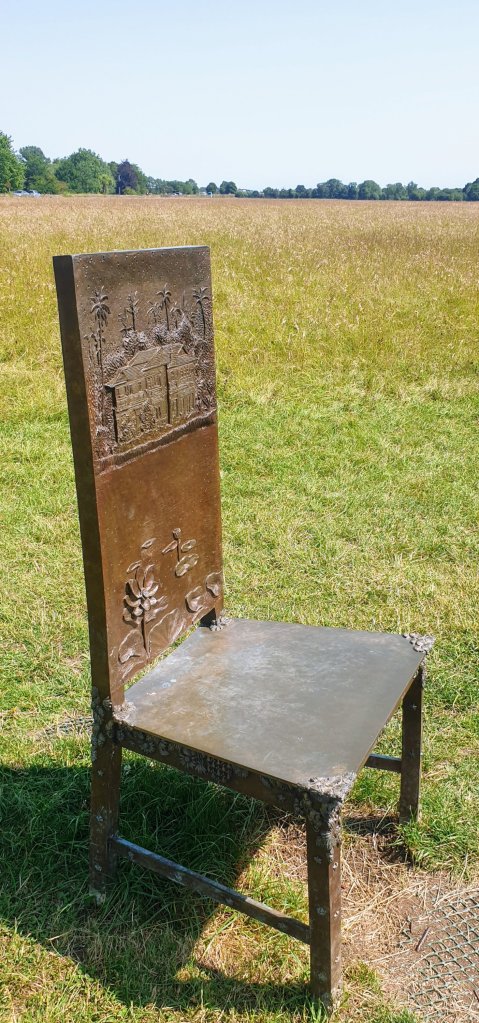
When you arrive, you may well think, as I did, who’s left a load of chairs out in the middle of the field? Oops, that’s actually an artwork! The Jurors by Hew Locke was commissioned to mark the 800th anniversary of Magna Carta in 2015.

Closer up, you can see that all of the chairs are individually designed. According to the National Trust, they represent the changing and ongoing significance and influences of Magna Carta. After 800 years, we’re still talking about the actions of King John.

So why all the fuss about Magna Carta then? Basically it was a charter of rights agreed in 1215 by the King and his barons which neither side stuck to at the time. But it laid the foundations for individual freedom from the hitherto arbitrary rule of the monarch. The document sealed by John refused to disappear, much as he and his successors might want it to. It’s been described as the most important constitutional document ever written and is seen as a symbol of liberty.
Admittedly, King John was pretty much forced into signing away his right to be a despot, but that doesn’t take away from his enormous significance with regard to the rights we take for granted today. Hurrah for the King who renounced his absolute power! Although it might be suggested that Elizabeth II would do a better job of running the country than some parliaments we’ve had recently…just a thought.

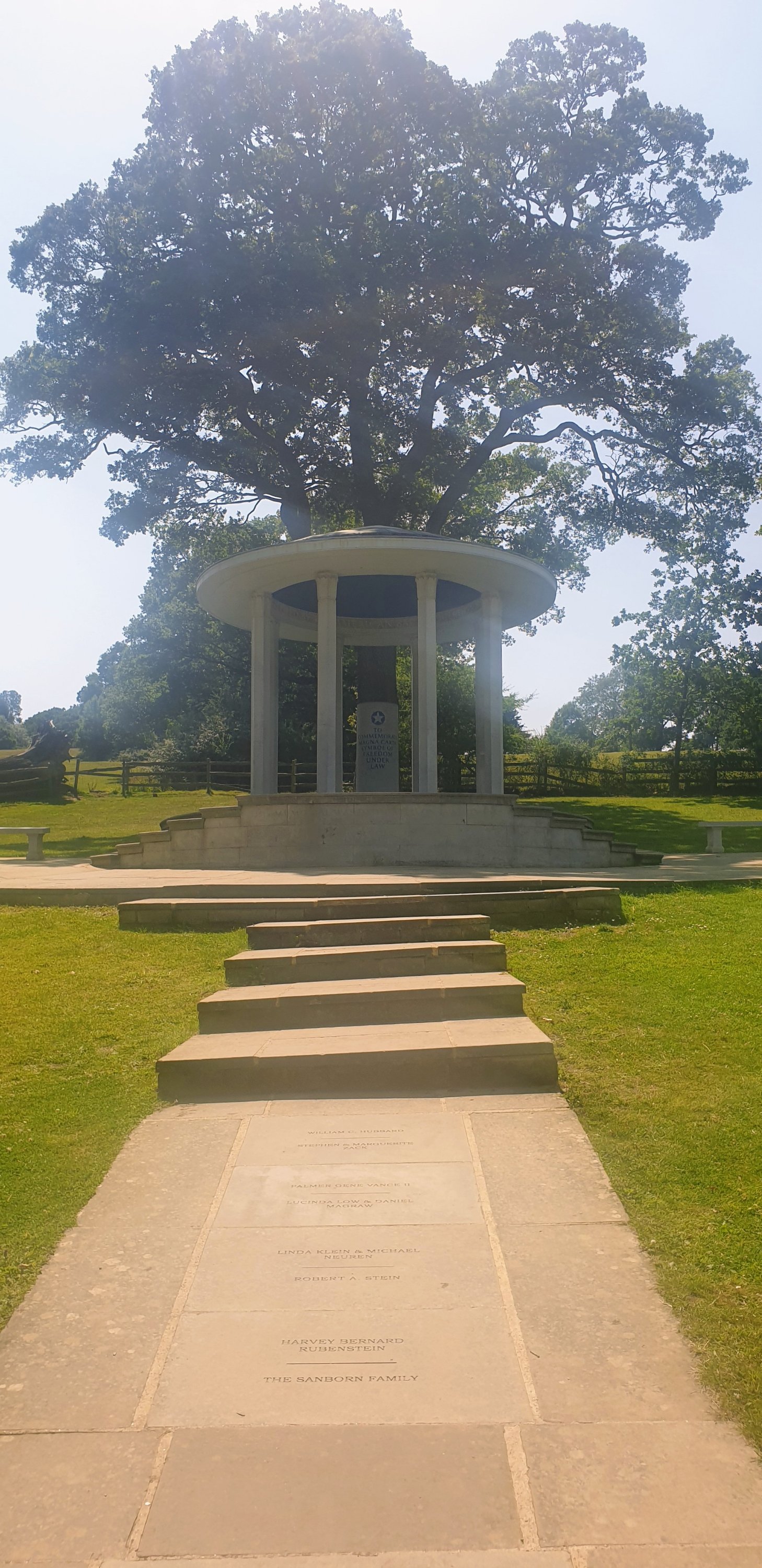
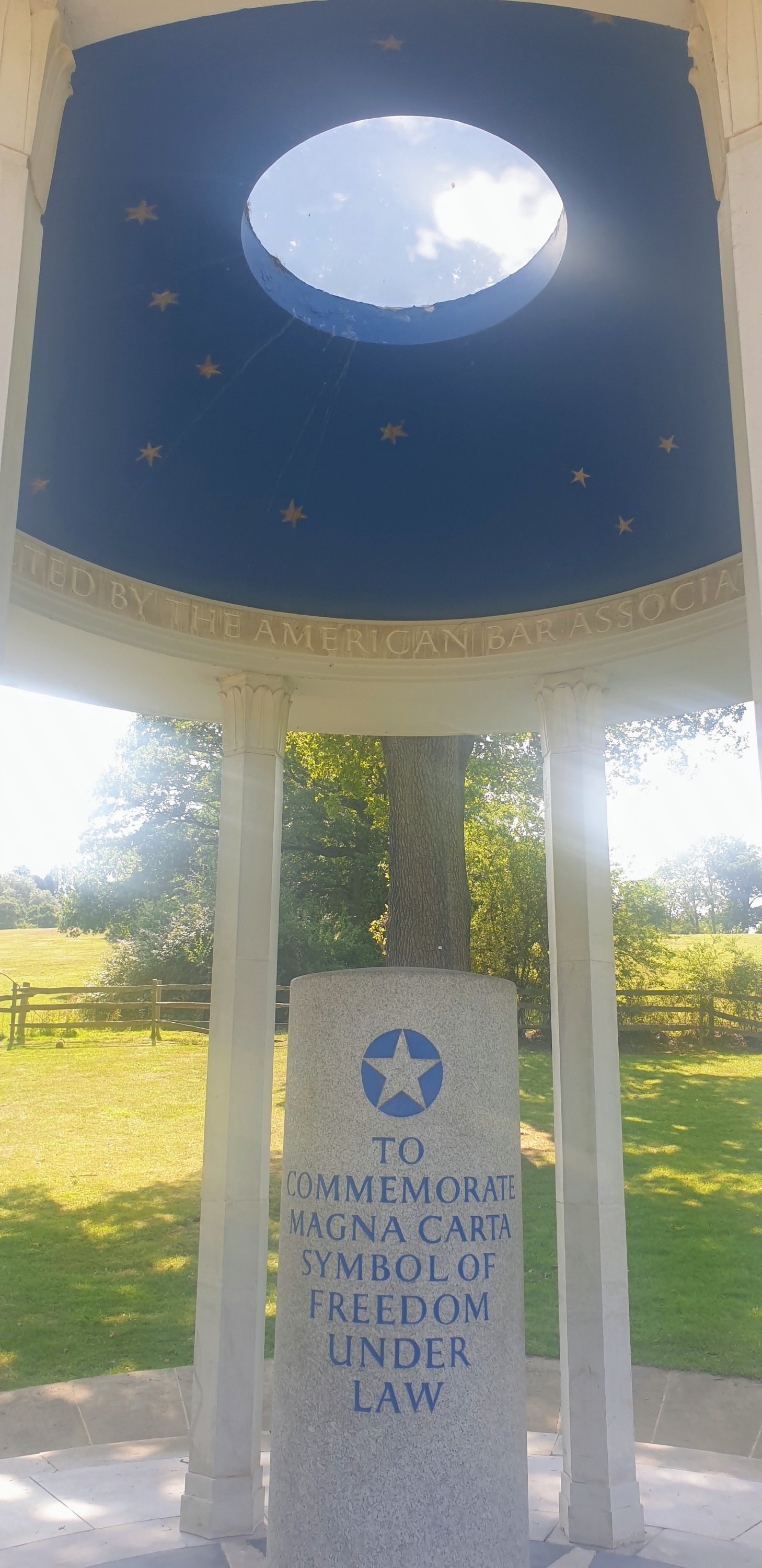
You may be surprised to find out that the original Magna Carta memorial was erected by the American Bar Association in 1957, but in fact the document is seen as a major influence on the early American settlers and the foundation of the US constitution. The Americans seem to be more impressed by King John’s historic charter than we are.

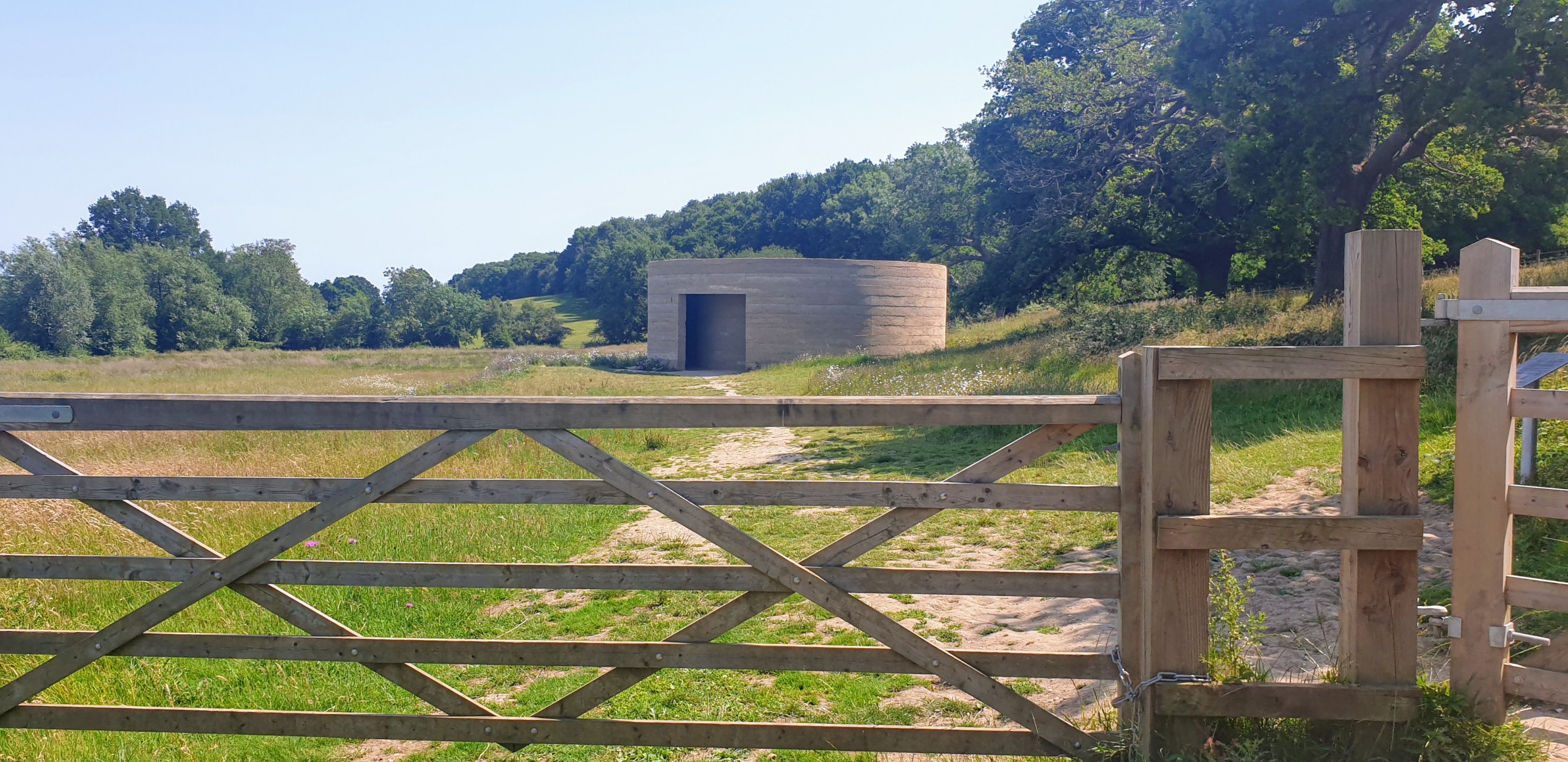
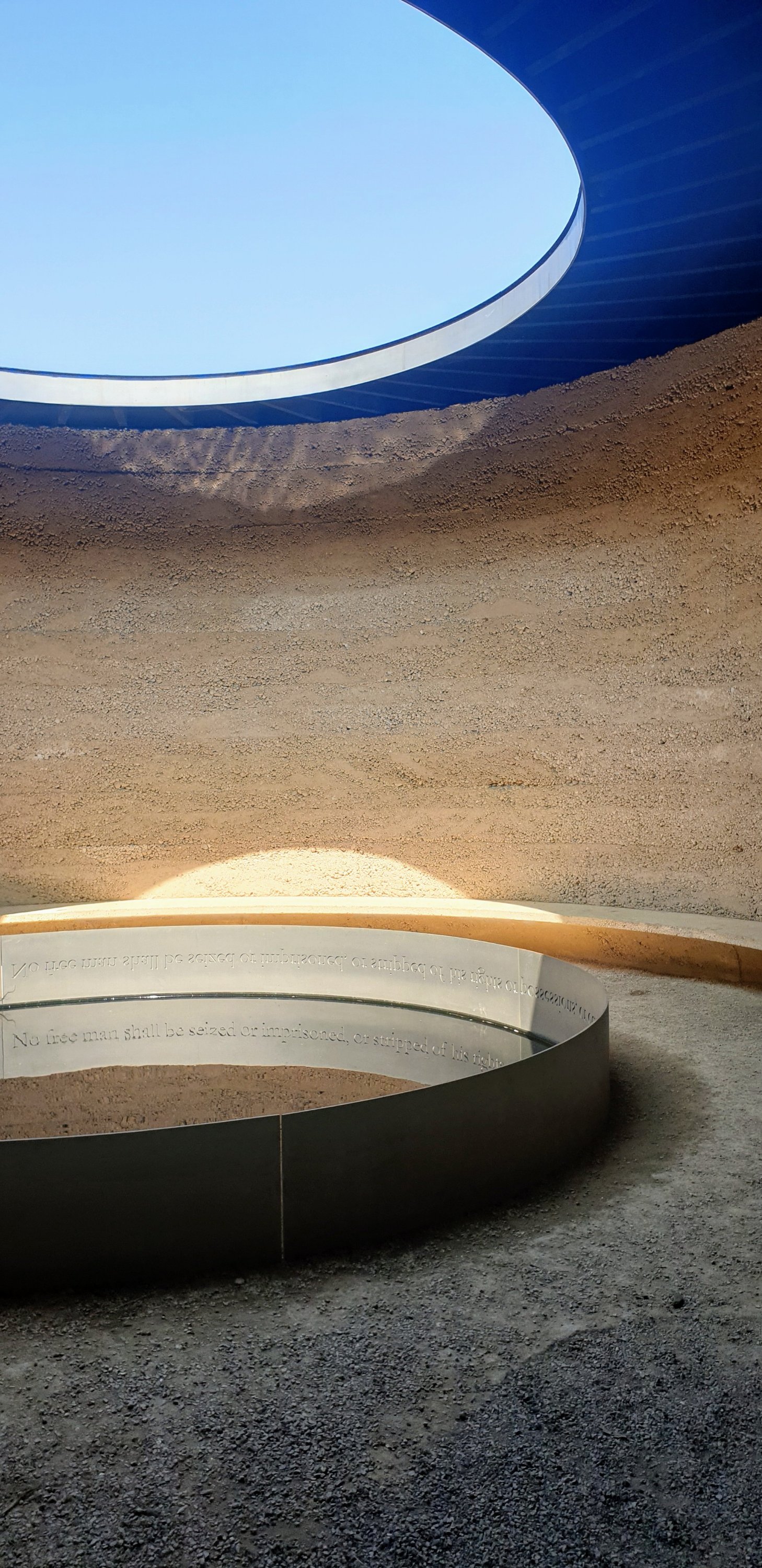
A more recent memorial to Magna Carta, and a much more impressive one in my humble opinion, is the art installation Writ in Water. It’s based on Clause 39 of the charter, and it’s a cool (literally on a hot day) and relaxed place to sit and think, looking at the words reflected in the pool of water and feeling grateful for the freedoms that we have, although they have been suspended quite a bit during lockdown. Let’s move on before I lose my composure.

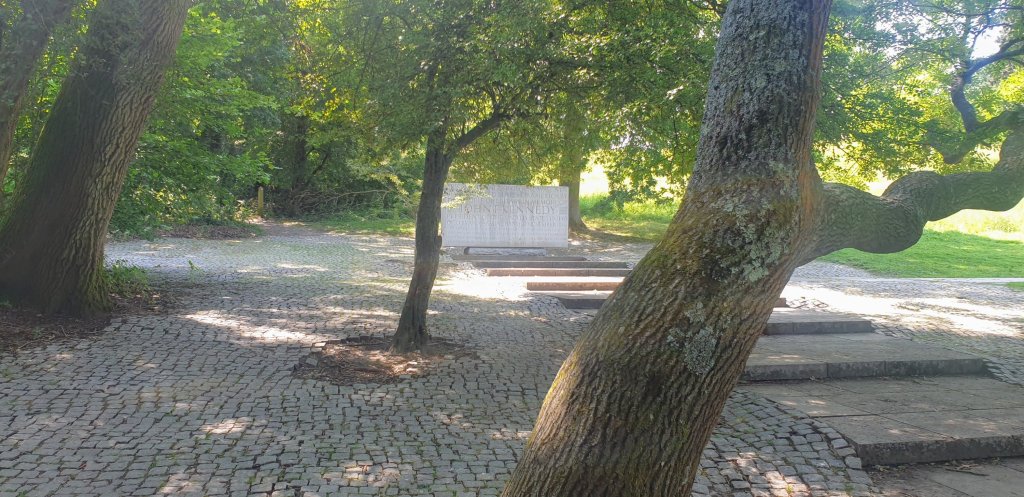
Ironically enough, given that one of the reasons for King John’s notoriety was his lechery (in particular with regard to the wives and daughters of his barons), Runnymede is the site of a British memorial to US President John F Kennedy. JFK was rumoured to have a string of affairs with famous actresses, strippers, socialites and wives of colleagues but unlike King John, he was envied rather than pilloried for his prowess with women. It seems a bit unfair!

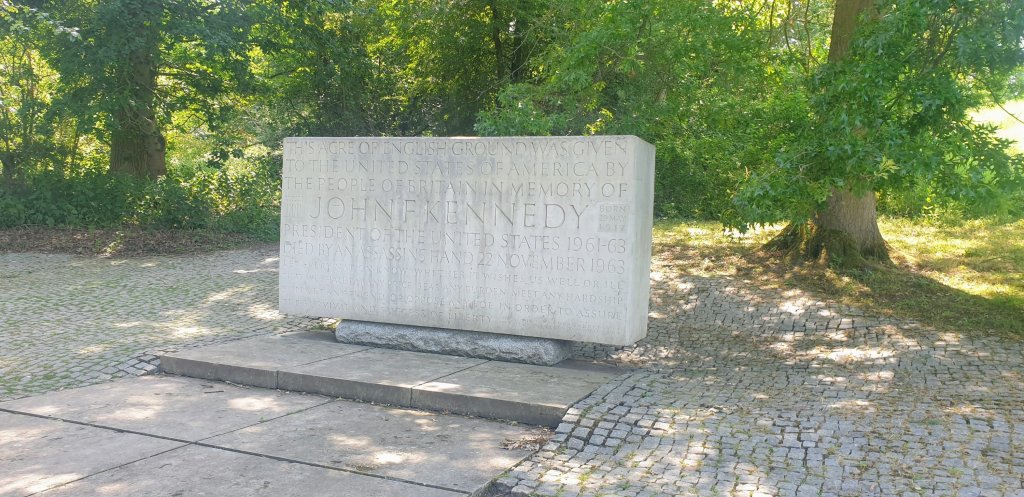
The JFK memorial is situated on an acre of land given as a gift from the UK to the USA. I wonder if this is a veiled reference to King John giving back all of his French possessions to France? Personally I’m quite glad he did – who wants to go to all the trouble of crossing the Channel only to find more England at the other side? Not me. Again, it’s well done Johnny Boy as far as I’m concerned.

A 7-tonne block of stone commemorates the President’s dedication to the ongoing fight for liberty. It was damaged by a bomb during anti-Vietnam-war protests in 1968. Someone obviously didn’t buy into the Camelot myth.

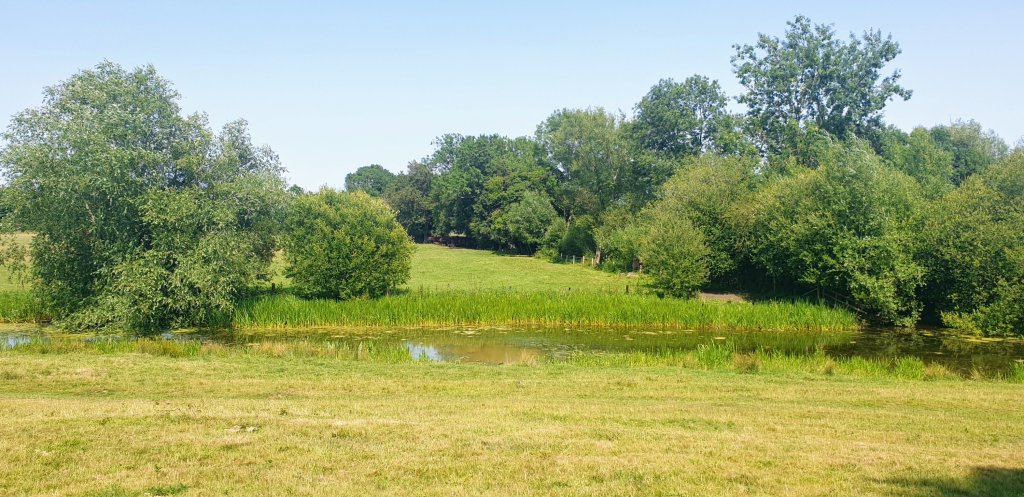
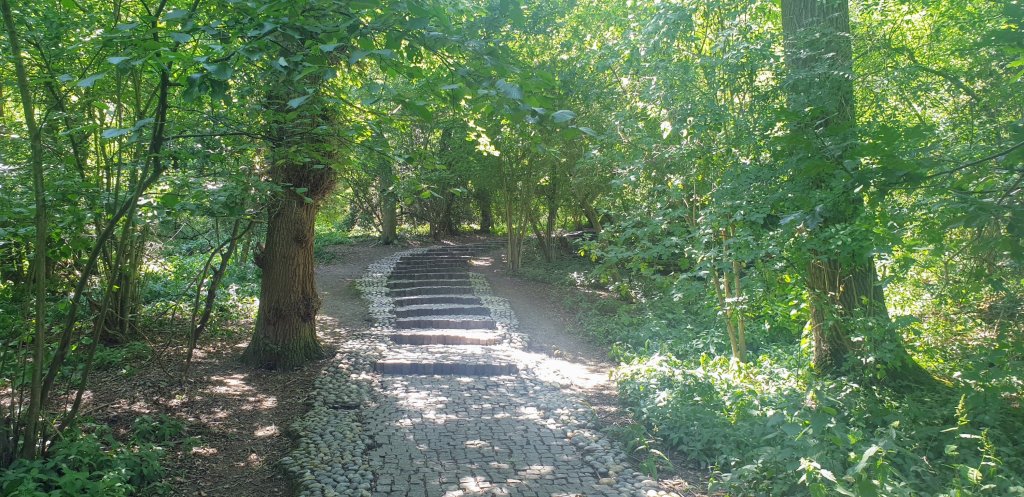
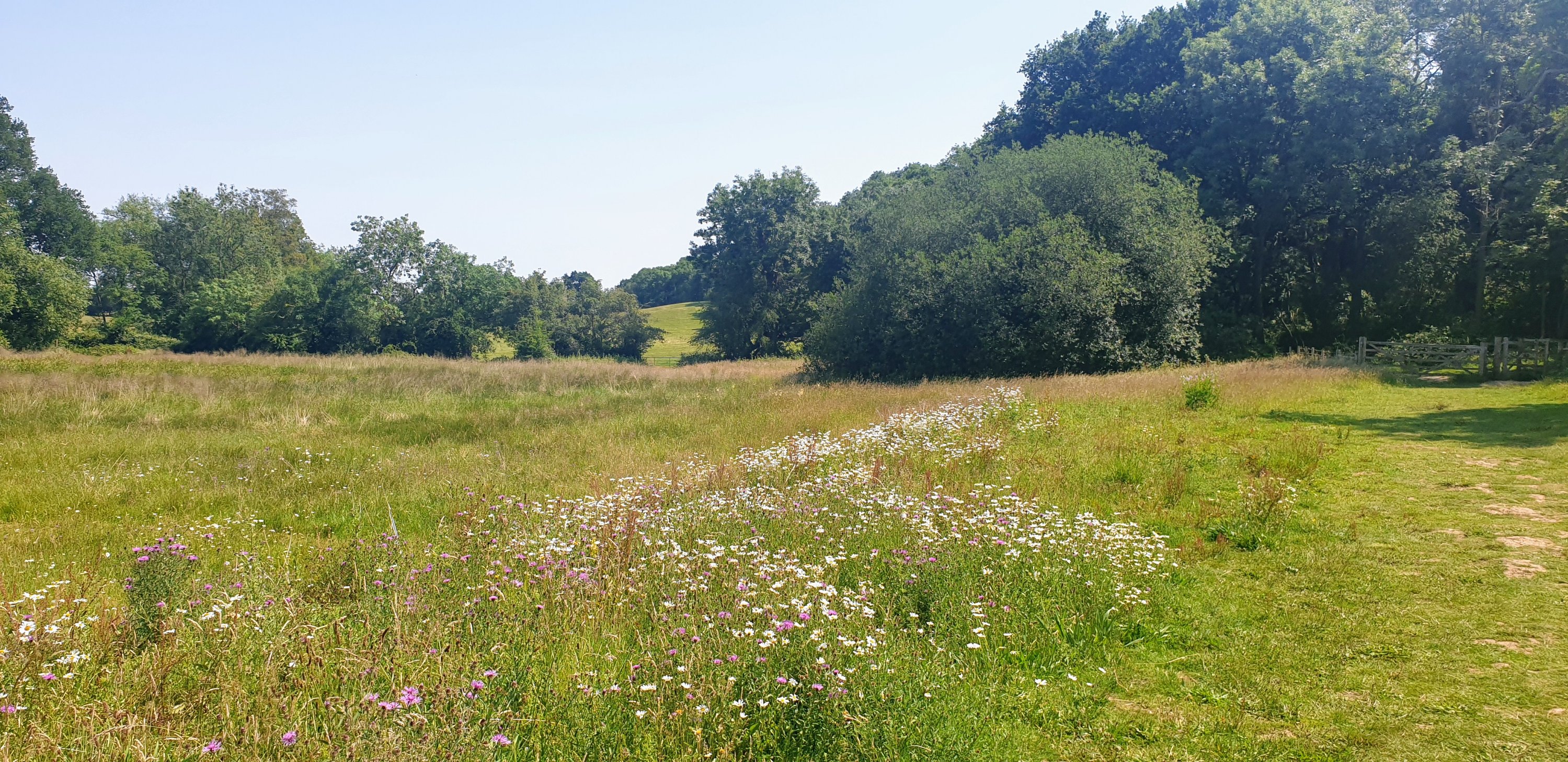
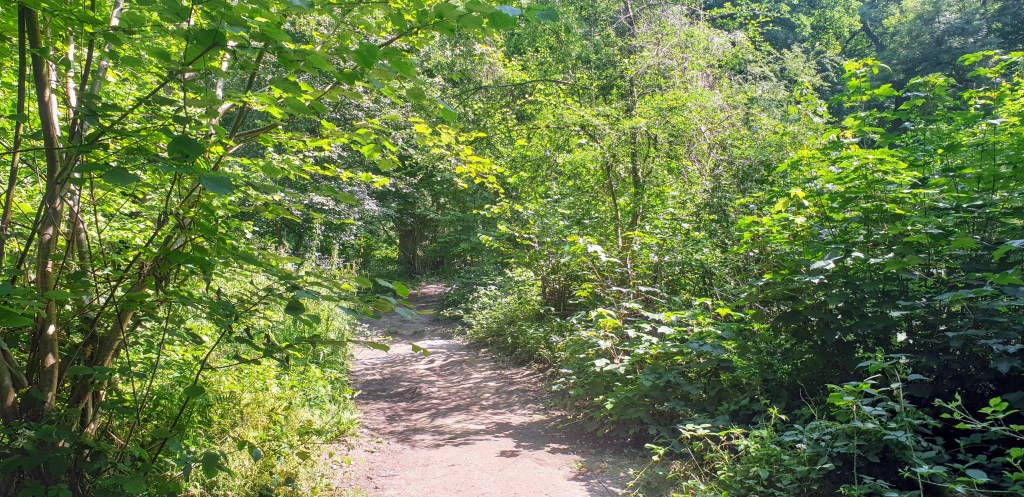
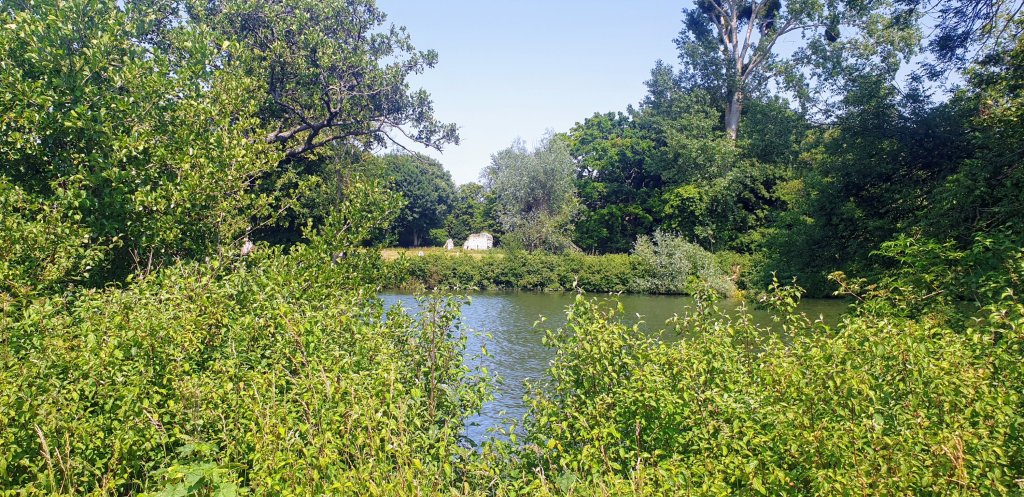
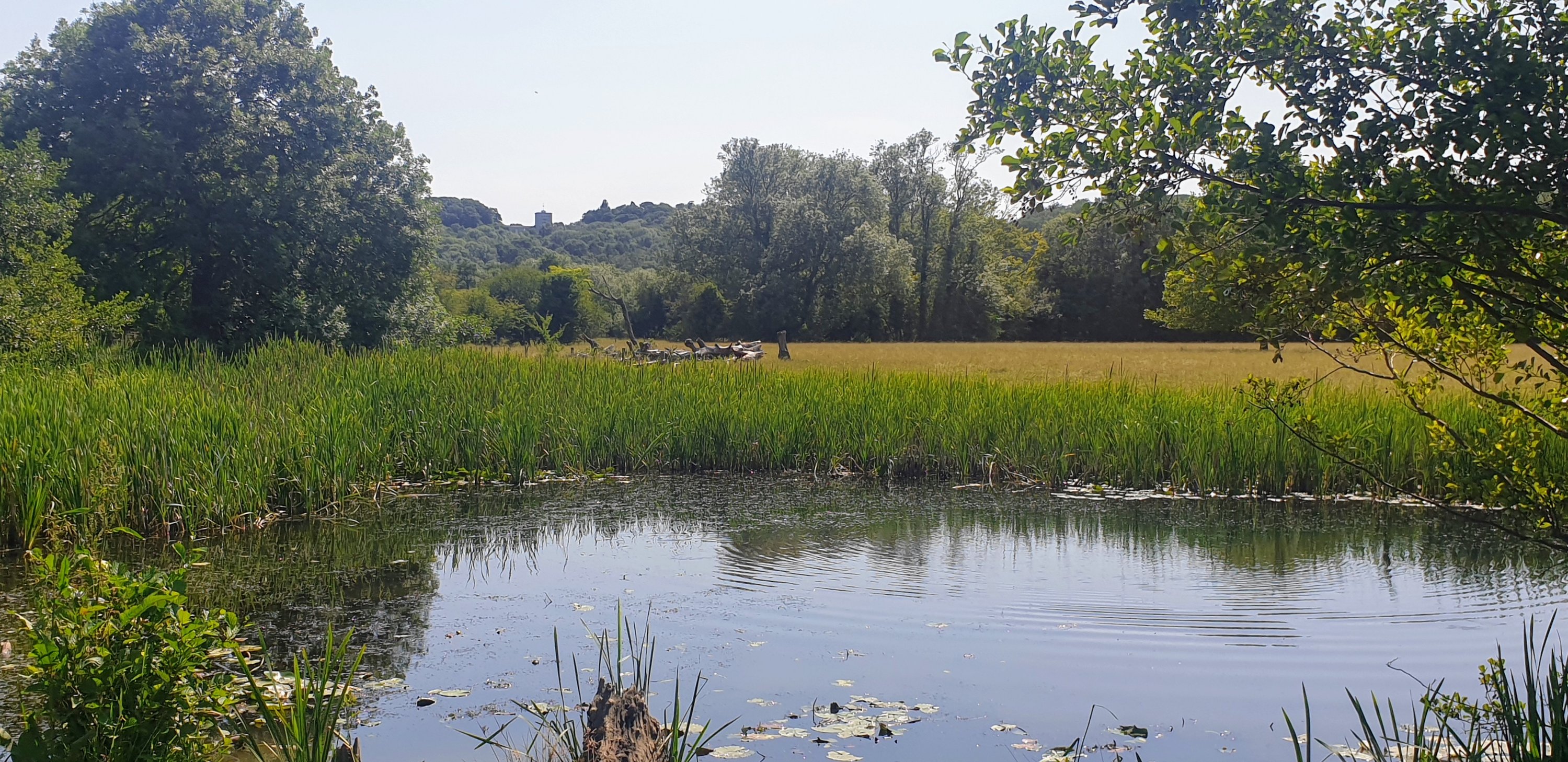
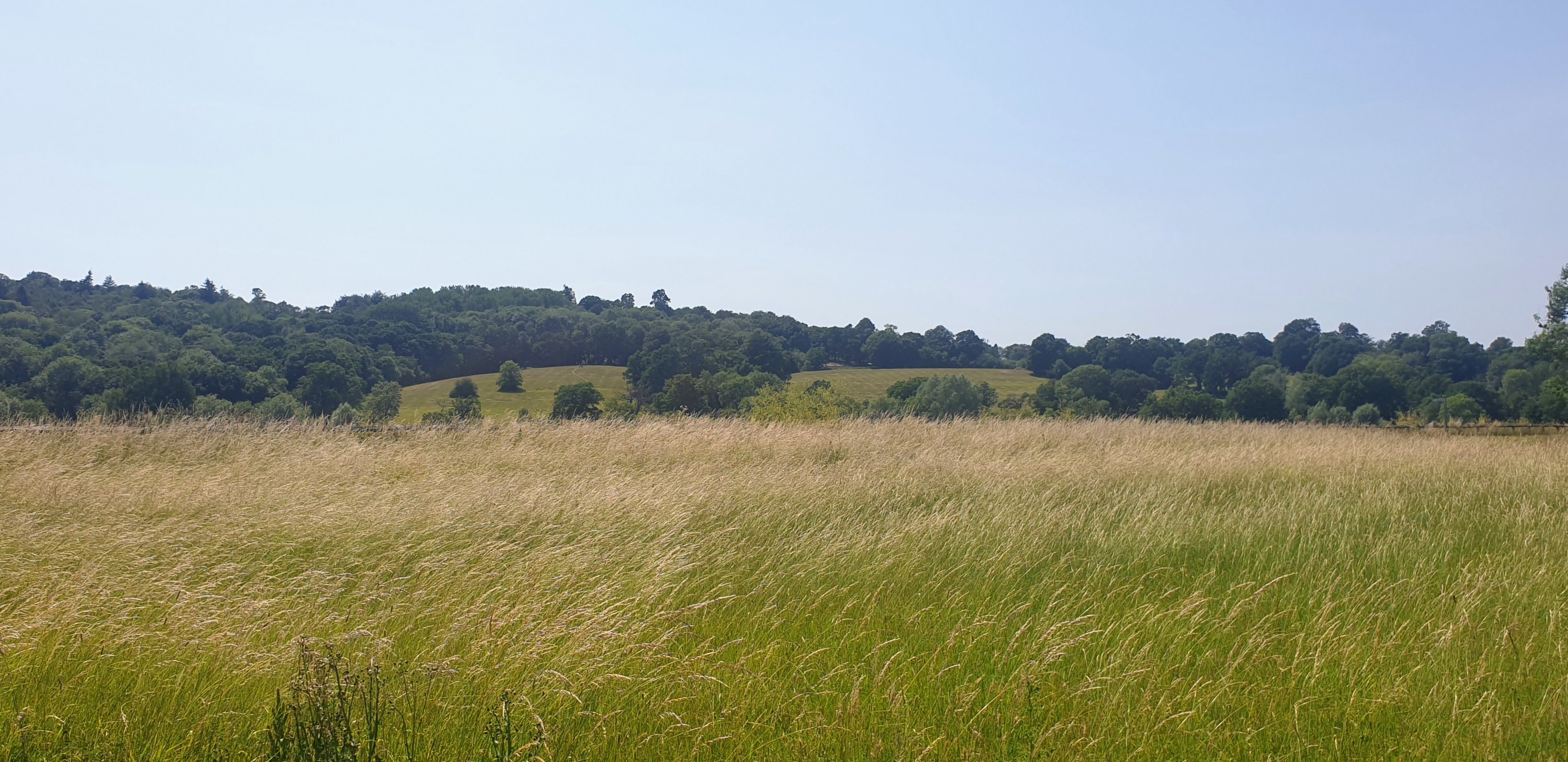
There are several guided walks, around the site at Runnymede, and I’ve chosen the circular route that takes in part of the Thames Path. No surprises there! Quite apart from the monuments and historic significance to ponder upon, it’s just a lovely place to stroll, taking in meadows, woods and ponds as well as my favourite river.

I spy what looks like ruins across the Thames and decide to explore the other National Trust property here – Ankerwycke. There’s no bridge but it’s only 7 minutes away by car so I may as well see everything while I’m here.

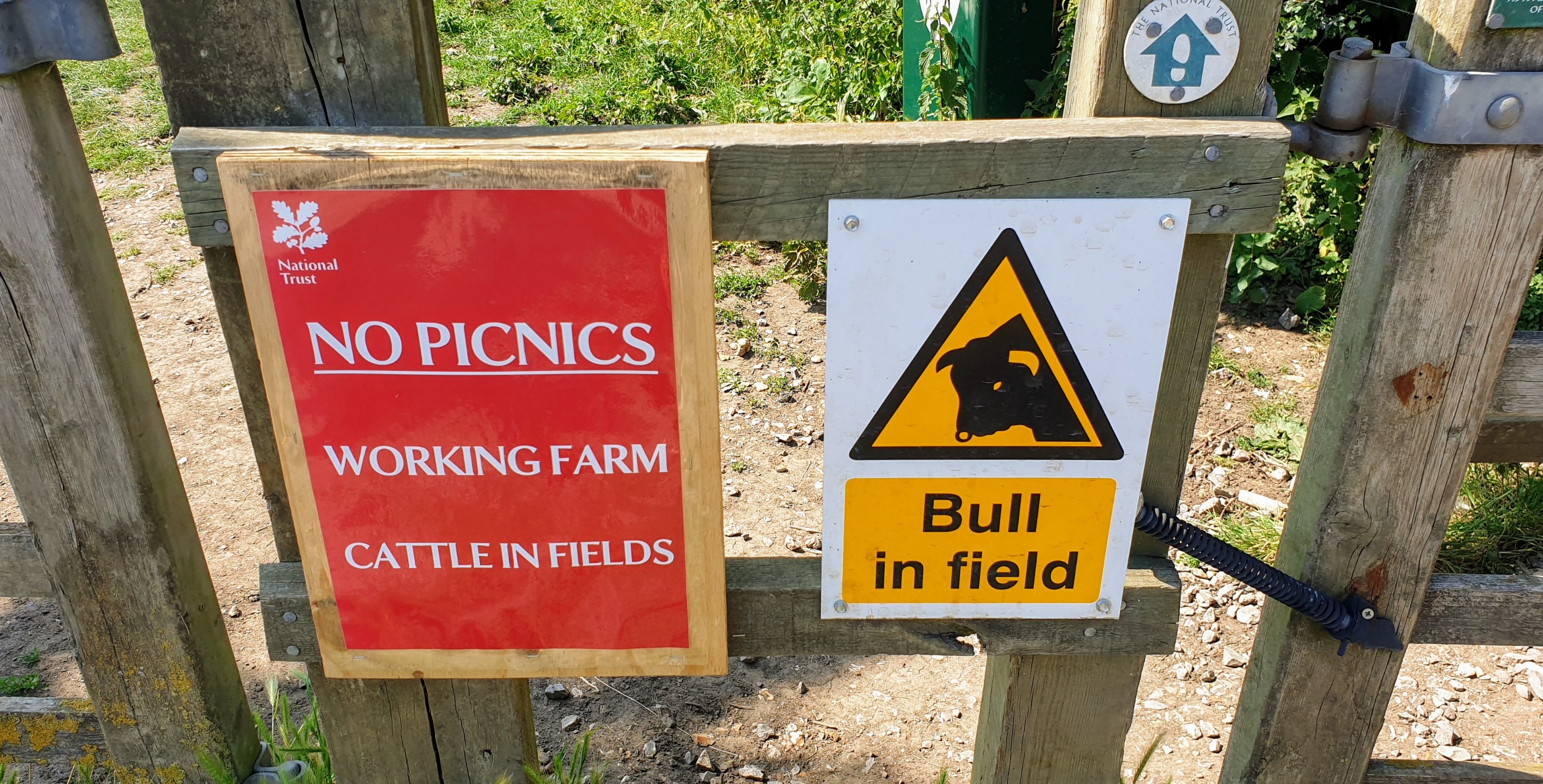
Arriving at Ankerwycke car park, I find myself faced with something no walker wants to see…

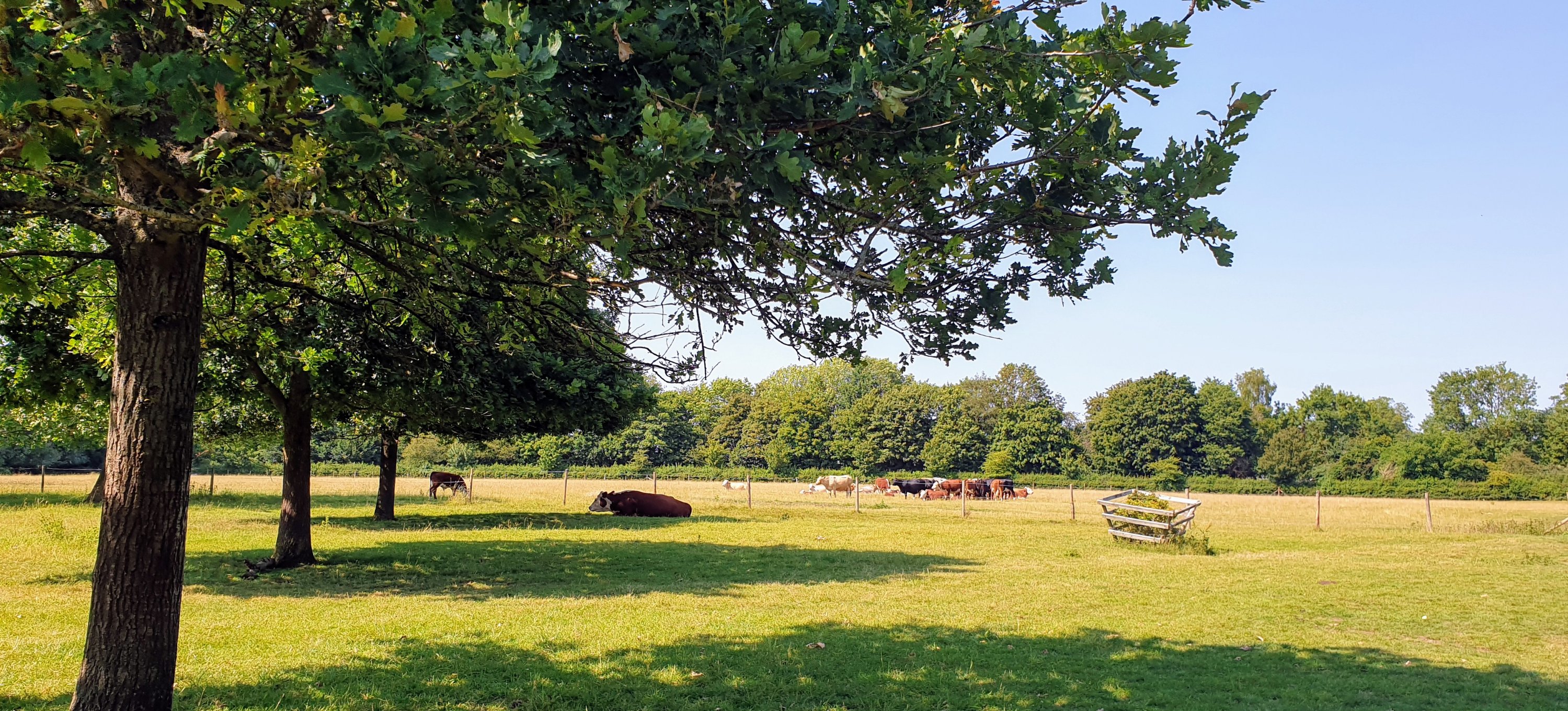
I love cows. I definitely don’t eat them. But I am a teeny bit scared of them, especially when they come rushing towards you en masse in the middle of a field with no obvious escape route. And if there’s a notice about this bull, presumably there’s a reason why…

Luckily he appears to be napping right now, but I sneak along the side of the field anyway, holding my breath. It’s a tense few minutes.

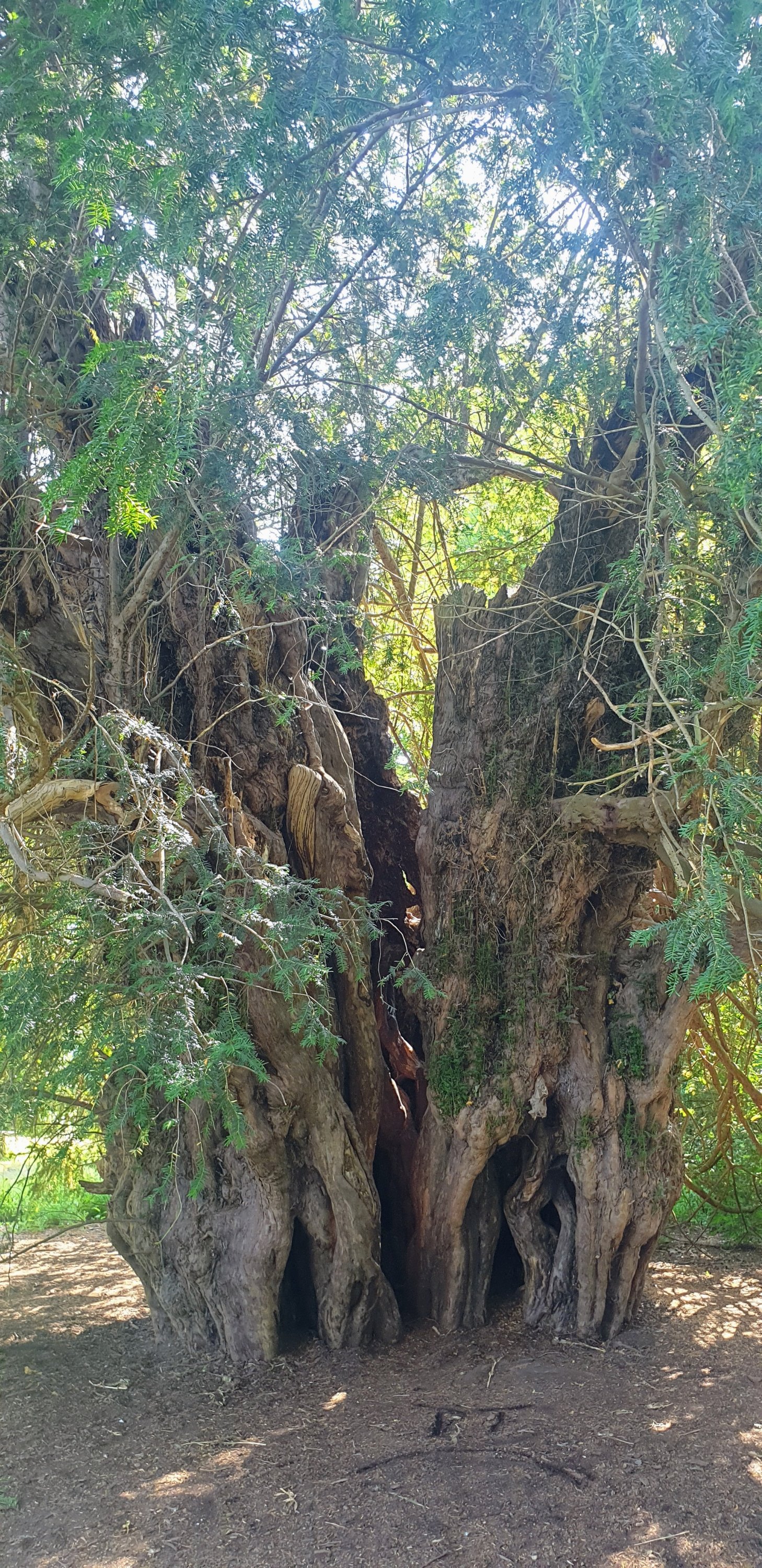
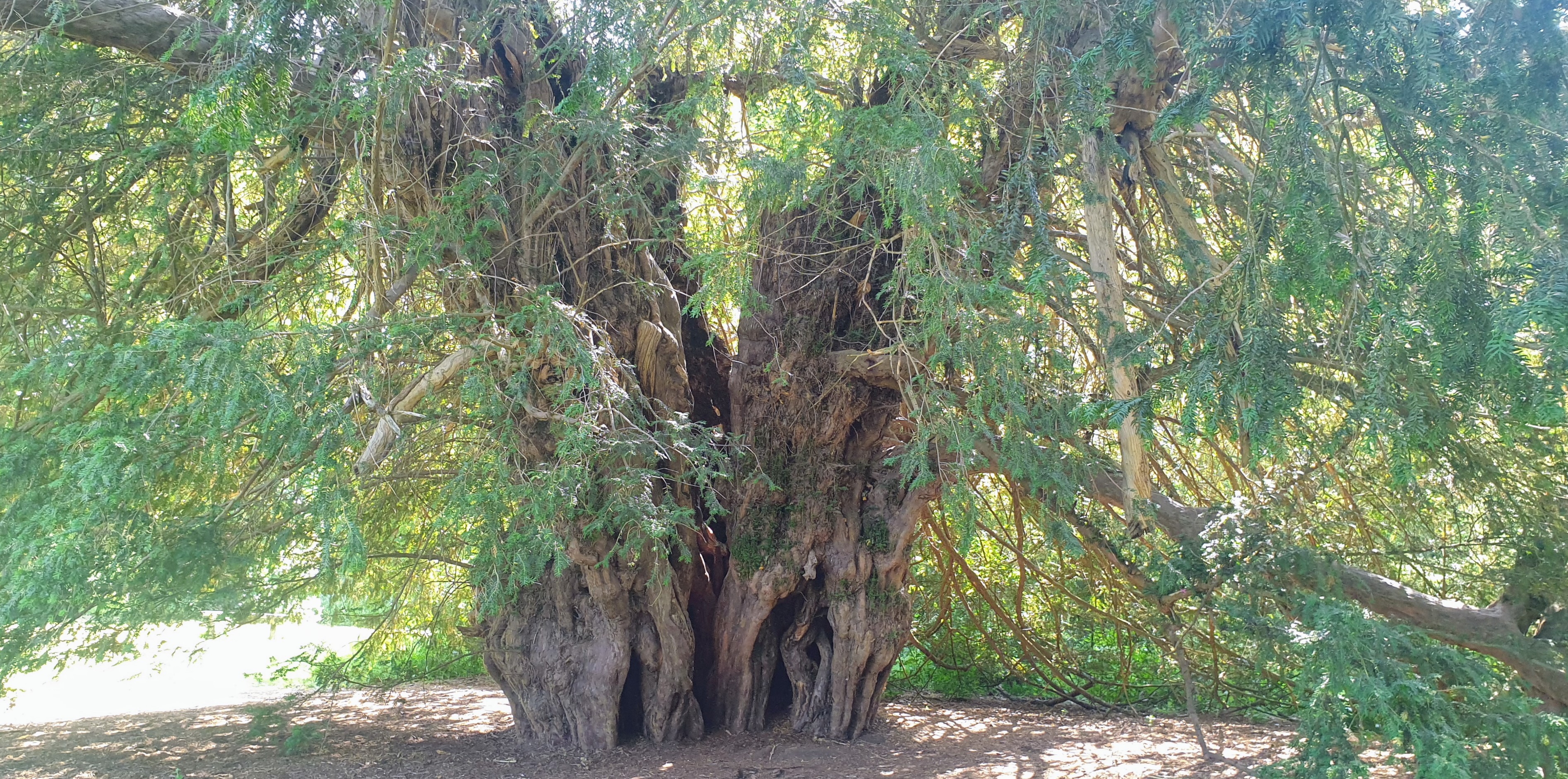
Ankerwycke is famous due to a very, very old tree. The Ankerwycke Yew is around 2500 years old, and it’s believed to be where Henry VIII proposed to Anne Boleyn. Hmmm, maybe not a very auspicious place to bring your loved one. This tree was here when Magna Carta was signed in 1215 and it was pretty old even then!

It’s not the most attractive tree I’ve seen, I have to say. It looks a bit like an Ent from Lord of the Rings but I’m sad to say it didn’t speak to me on this particular occasion. Maybe you’ll have more luck…

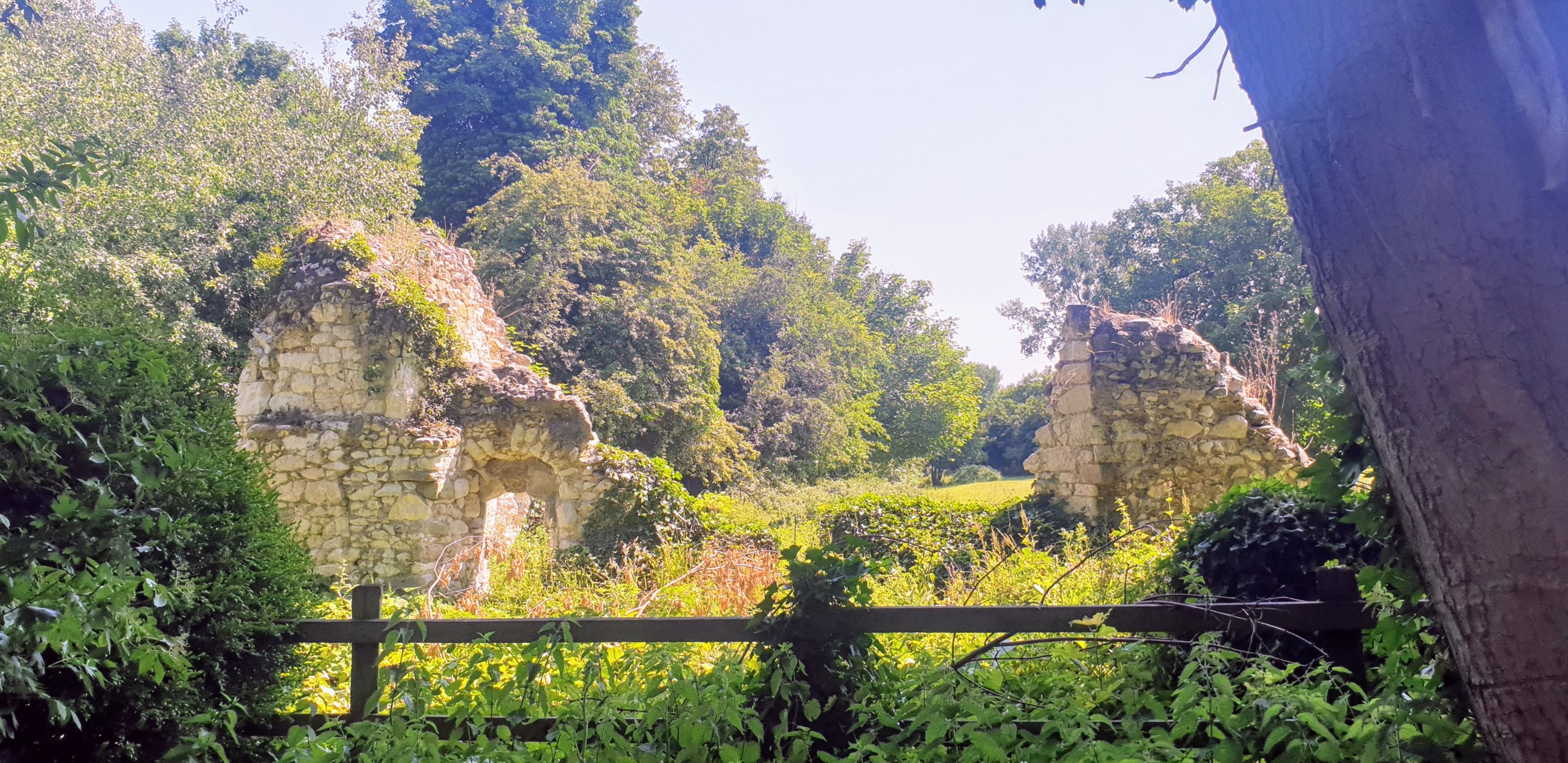
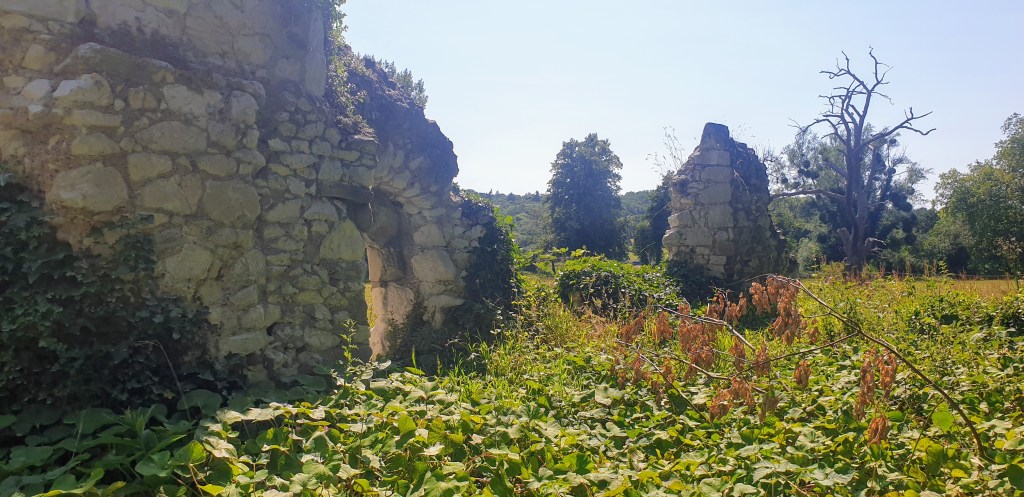
Close up, the ruins of St Mary’s Priory aren’t as impressive as I hoped. Established in the 12th century, the priory was dissolved along with many monasteries by Henry VIII in the 1530s. Ostensibly on religious grounds, but the King made a lot of money from the dissolution – hmmm. There’s another one who seems to have overcome some vile deeds (including the treatment of his six wives) to be fondly remembered by the public.

Well, I’ve had a lovely walk today but on reflection I still feel time has been harsh to King John. In the words of Churchill, the British nation and the English-speaking world owe far more to the vices of John than to the labours of virtuous sovereigns. In other words, he was rubbish, but his legacy isn’t. Maybe we need to give the guy a break?

An exclusive promenade in Richmond

It’s another warm weekend (yes another one, I’ve almost forgotten that I live in the UK recently), so we decide to get in the car and drive to outer London again. Why have we never done this before? Apparently it’s because of my holiday ‘obsession’. We decide on Richmond this time around – the West London suburb has an upmarket reputation and is definitely not a village – it has shops which have just re-opened, and the husband is desperate for some much-missed retail therapy.

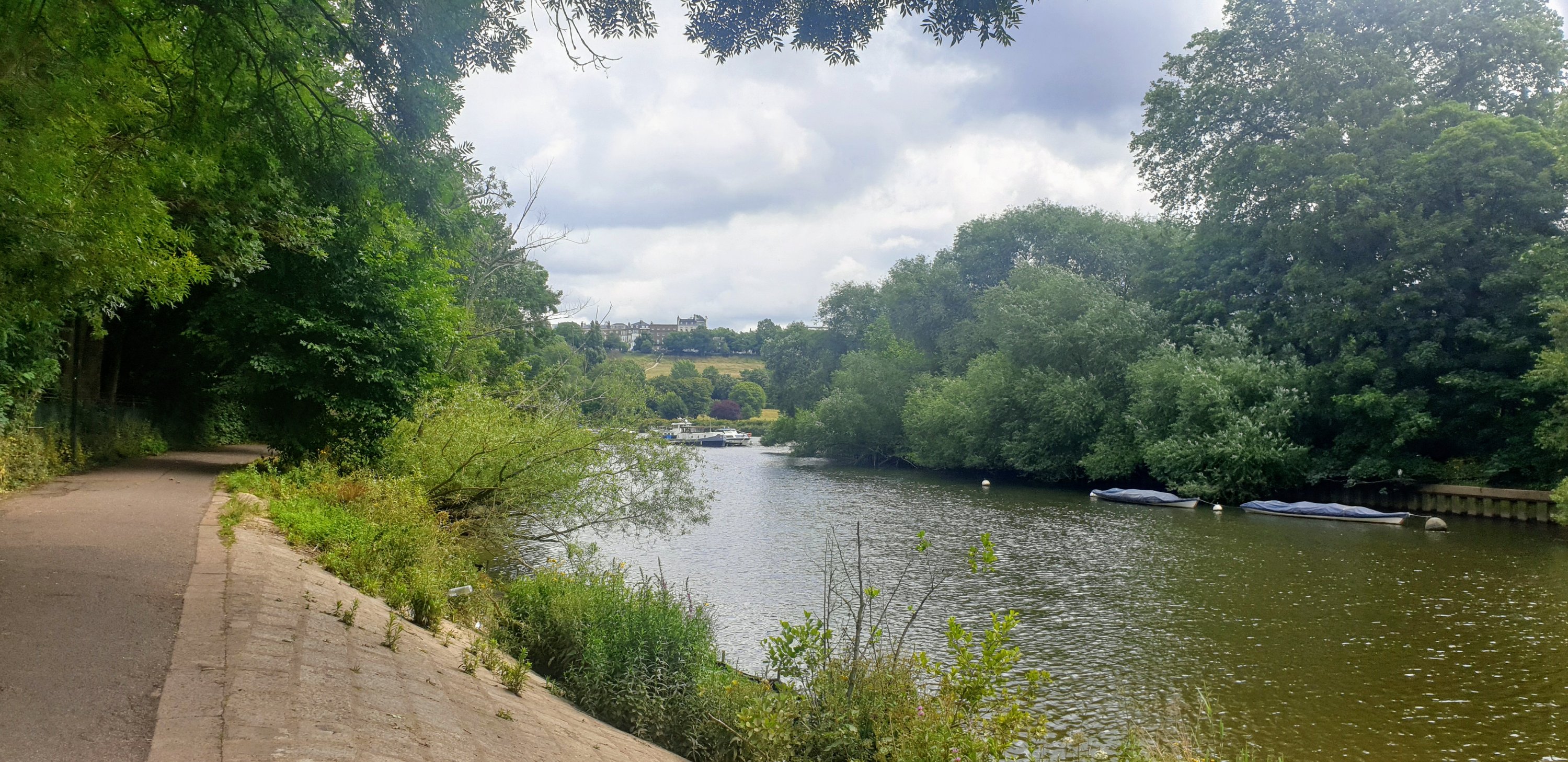
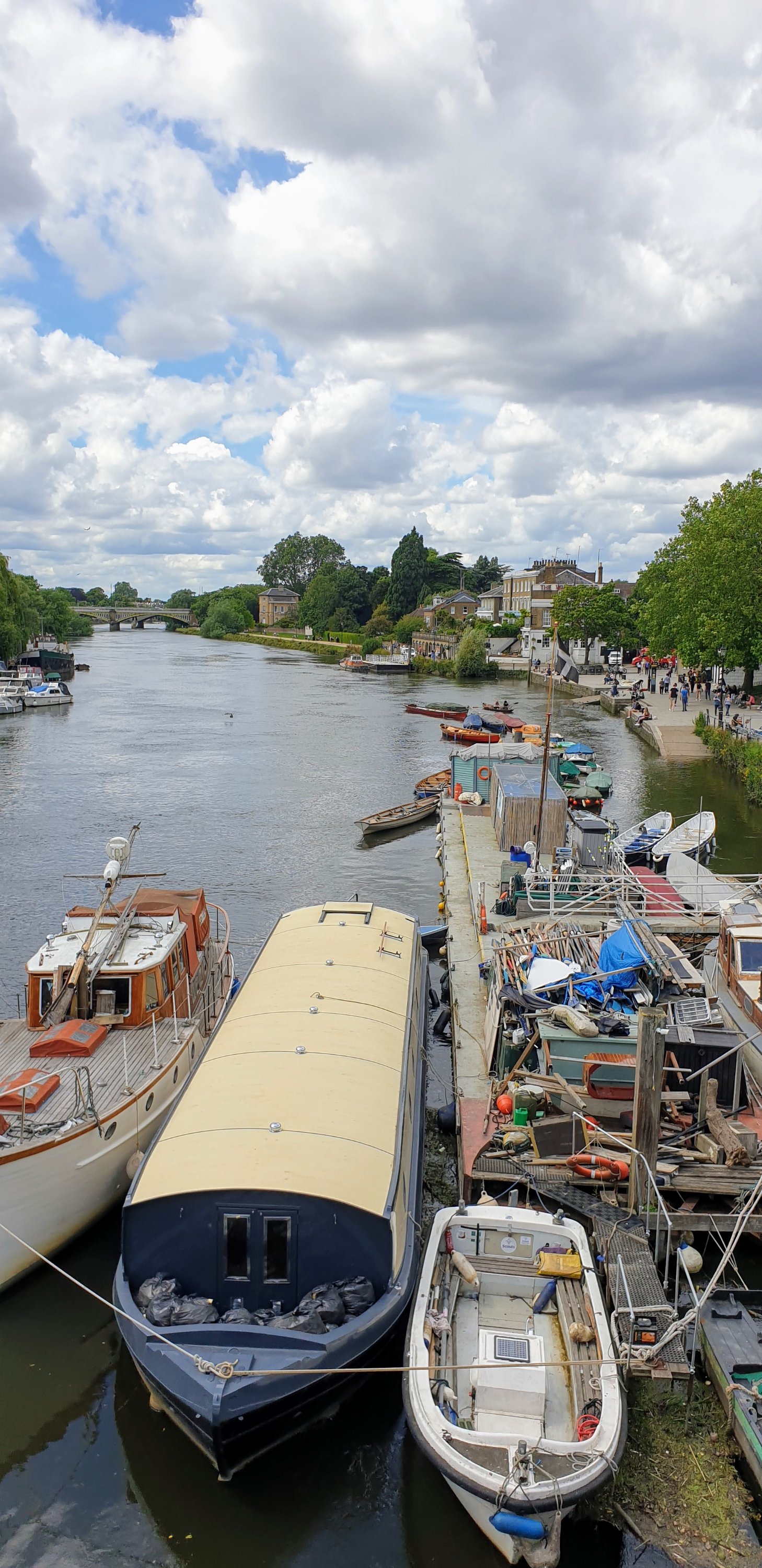
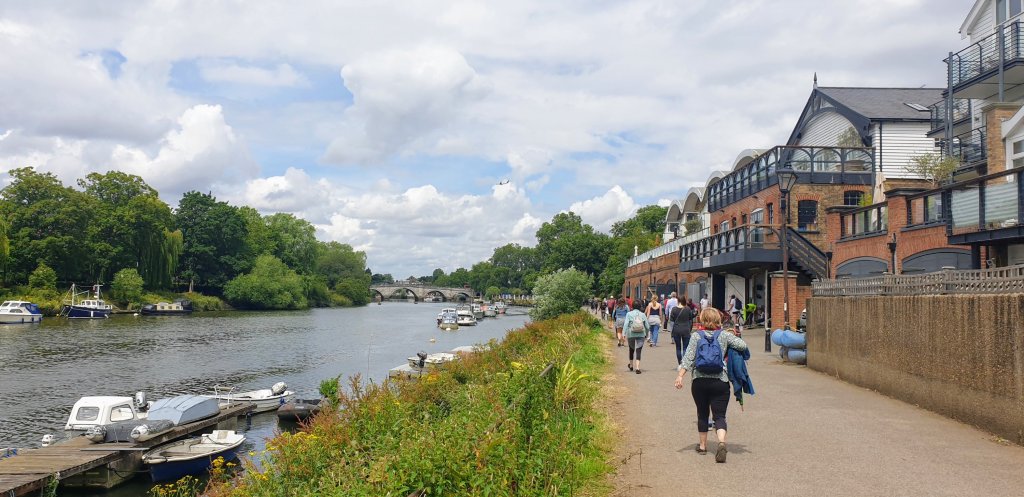
We park in quieter Twickenham just across the Thames and have to pay for parking for the first time in months. Well, this interminable lockdown is lifting so I’ll happily take the rough with the smooth, even if it costs me 7 quid. We head along the river on the Thames Path, yay! I’m also ‘obsessed’ with the river, he says. Well, it’s pretty lovely in my defence.

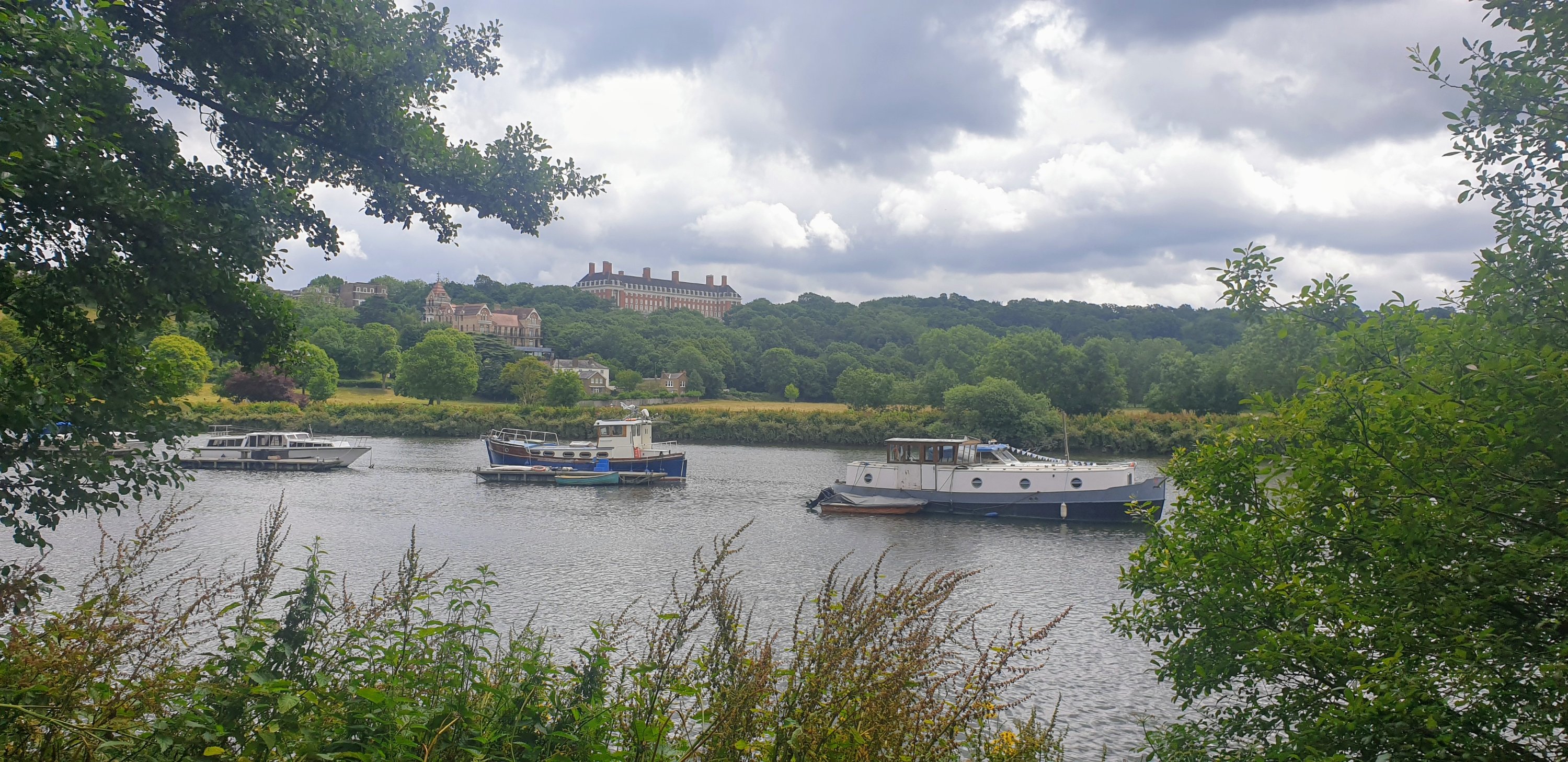
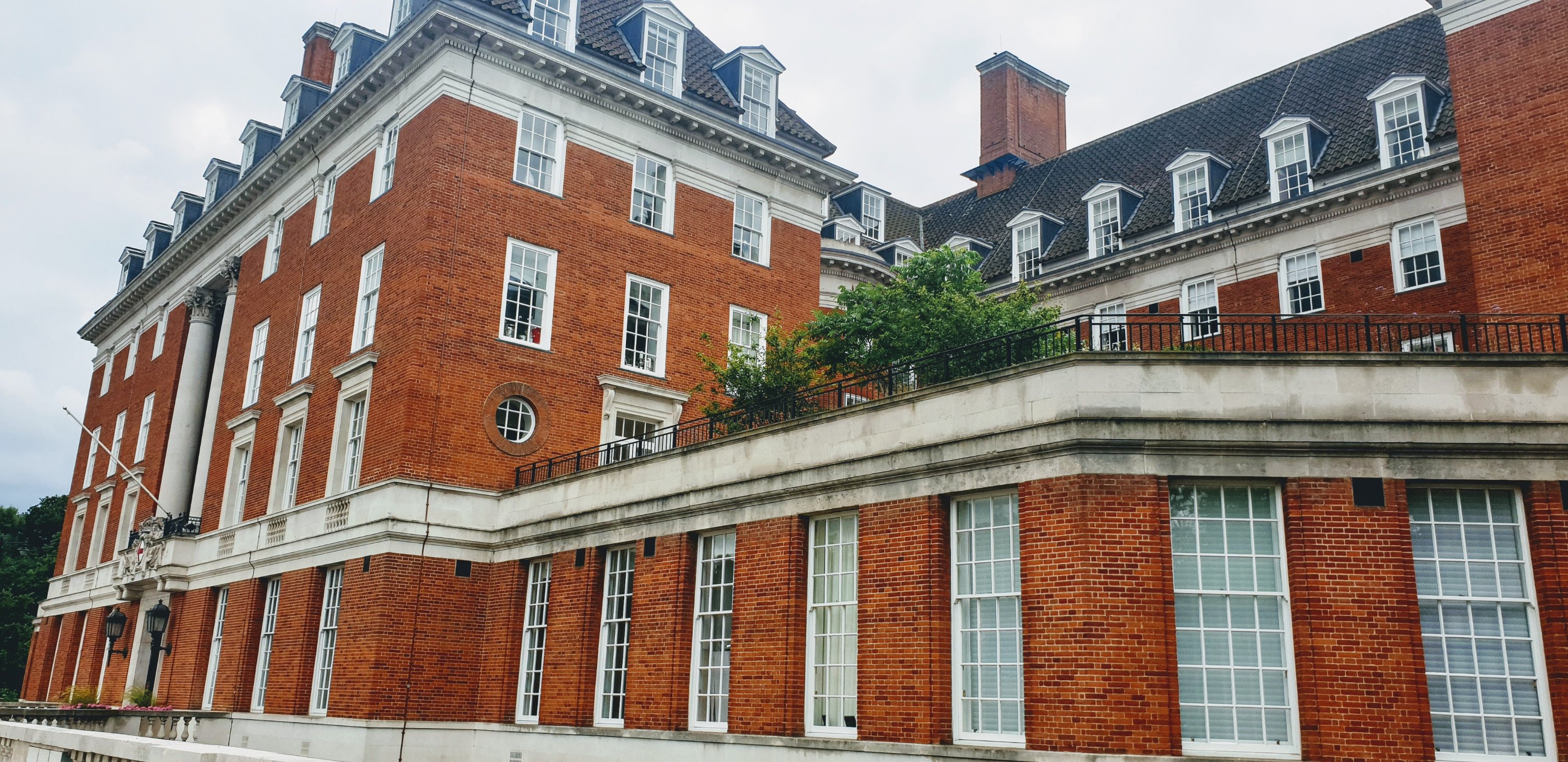
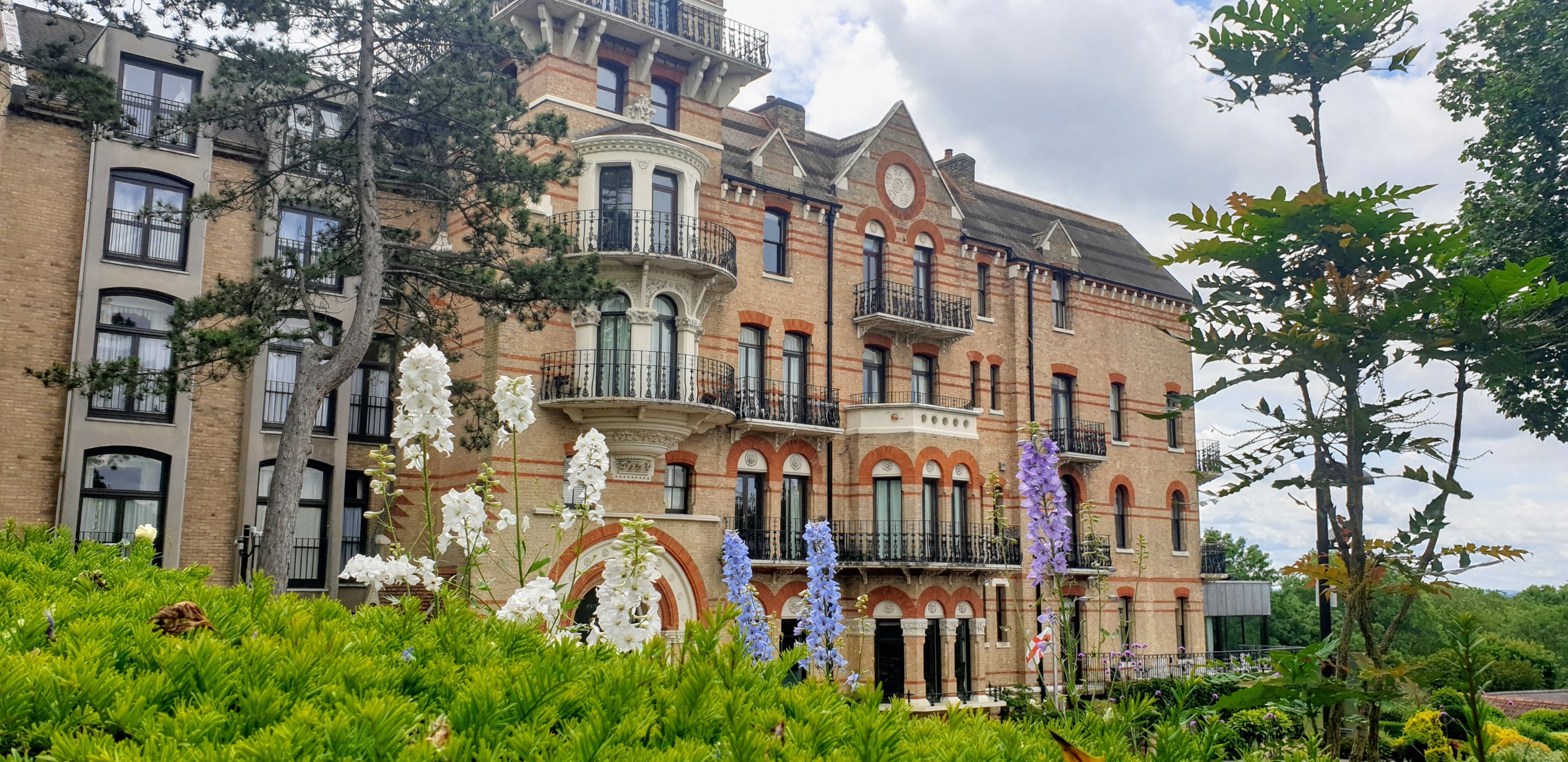
As we get closer to Richmond the landscape is dominated by the huge Royal Star and Garter building at the top of Richmond Hill. Obviously, we’ll go up there today for a closer look – we like to earn our lunch! The agreed schedule is 1. historical area (rolling of eyes by the husband), 2. shops, 3. climb hill and look at celebrity homes, and 4. food and drink. It’s always best to set out these things in advance when you have differing priorities!

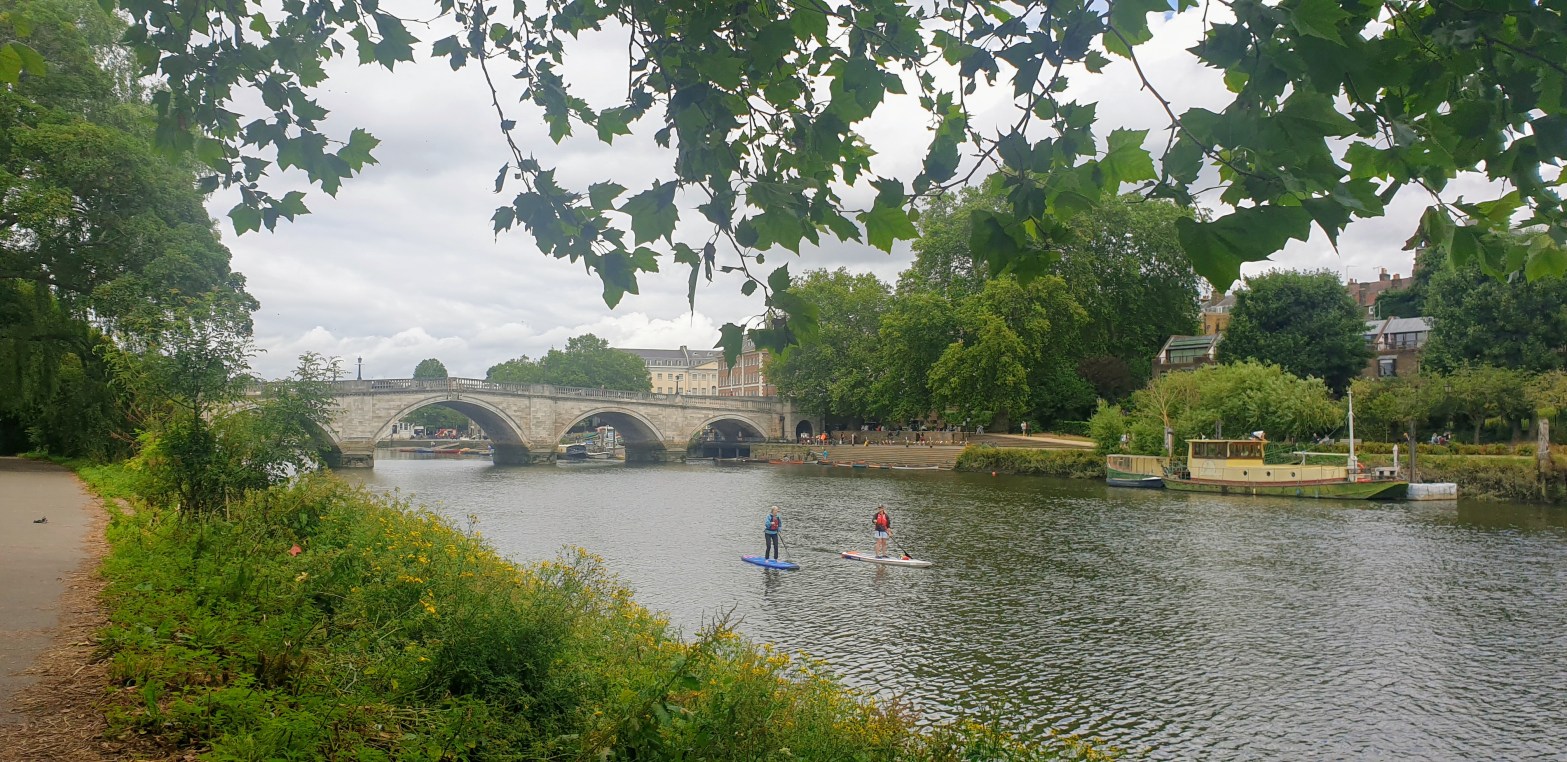
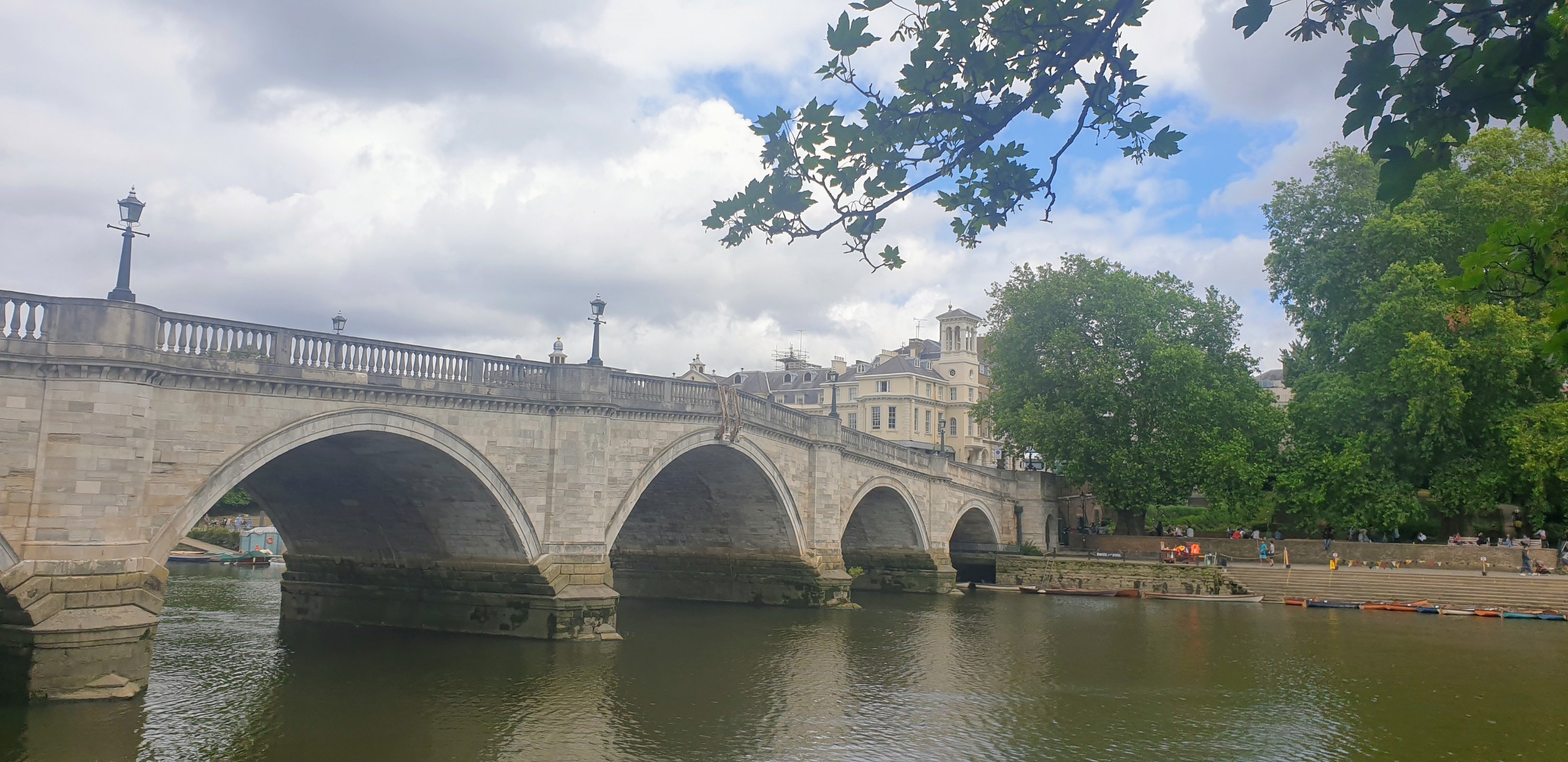
We cross the river to Richmond by the oldest surviving bridge in London today, built between 1774 and 1777. At the moment it has a new addition – a coronavirus one-way system for pedestrians. Yes, really. As I’ve just braved the traffic to get to the ‘wrong’ side, and both pavements are practically empty, I pretend not to notice and carry on, bracing myself for denunciation. It doesn’t come – thank goodness we still have some common sense.

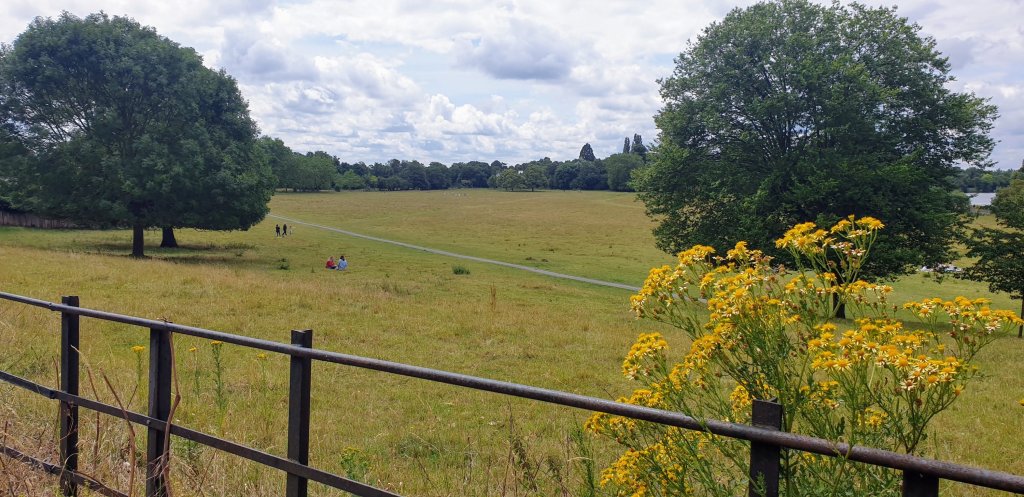
Richmond is a busy town 8 miles west of central London. It’s famous for its Georgian terraces and green spaces, particularly Richmond Park which is the largest Royal Park in London and home to the Queen’s cousin, Princess Alexandra. Those royals, you can’t move without falling over them in this part of the country!

Richmond was actually named after a town in Yorkshire. Of course it was, I hear all my Yorkshire-born friends saying with satisfaction. King Henry VII built a palace here in 1497 and called it after his ancestral lands in the north – one of his titles was Earl of Richmond.

Henry is chiefly remembered now due to his marriage to Elizabeth of York in 1485 which allied the Yorkists and the Lancastrians and ended the War of the Roses, England’s civil war which had raged on and off for 30 years. We Yorkshire folk are quite persistent when we want something, you know.

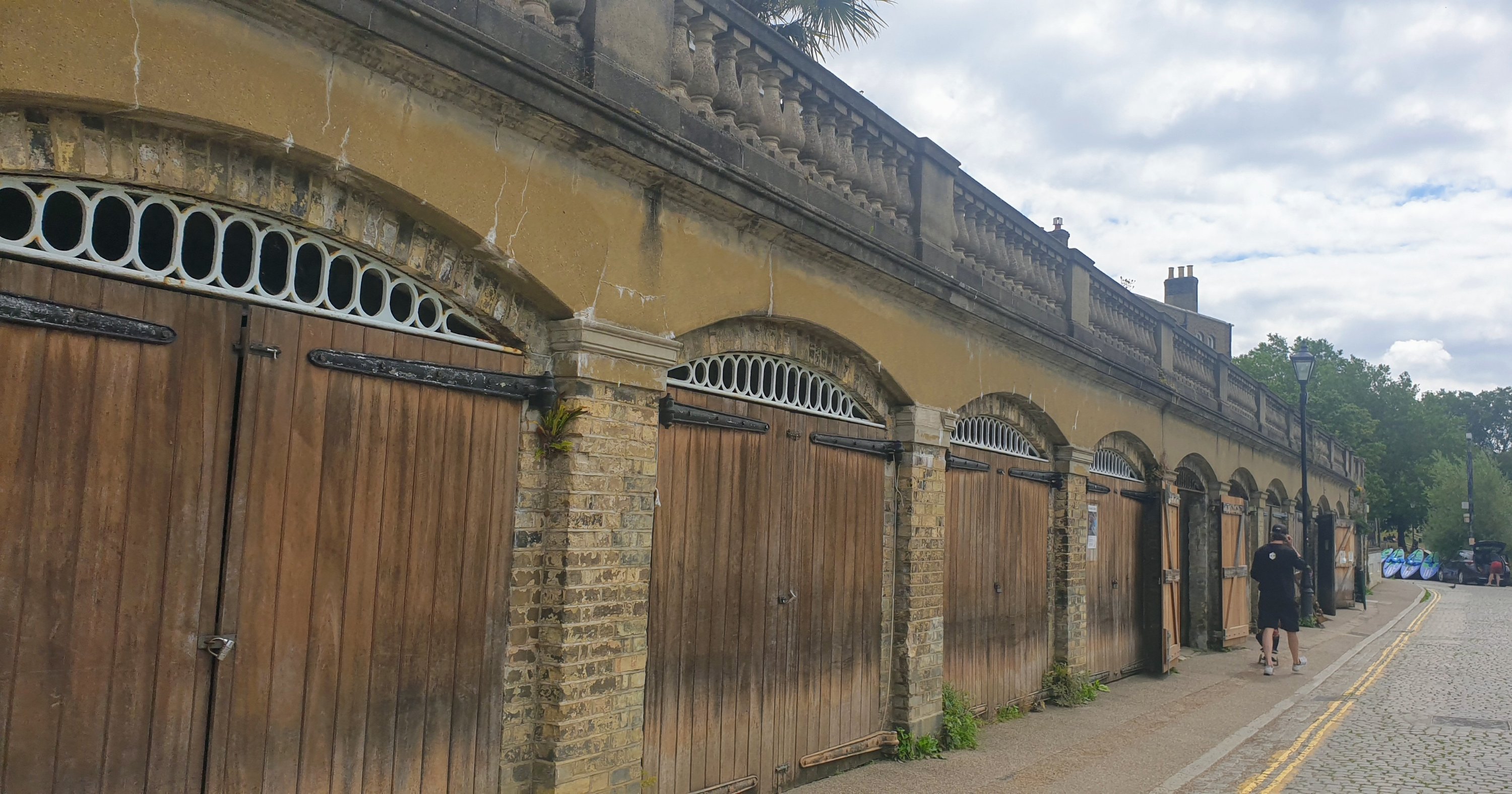
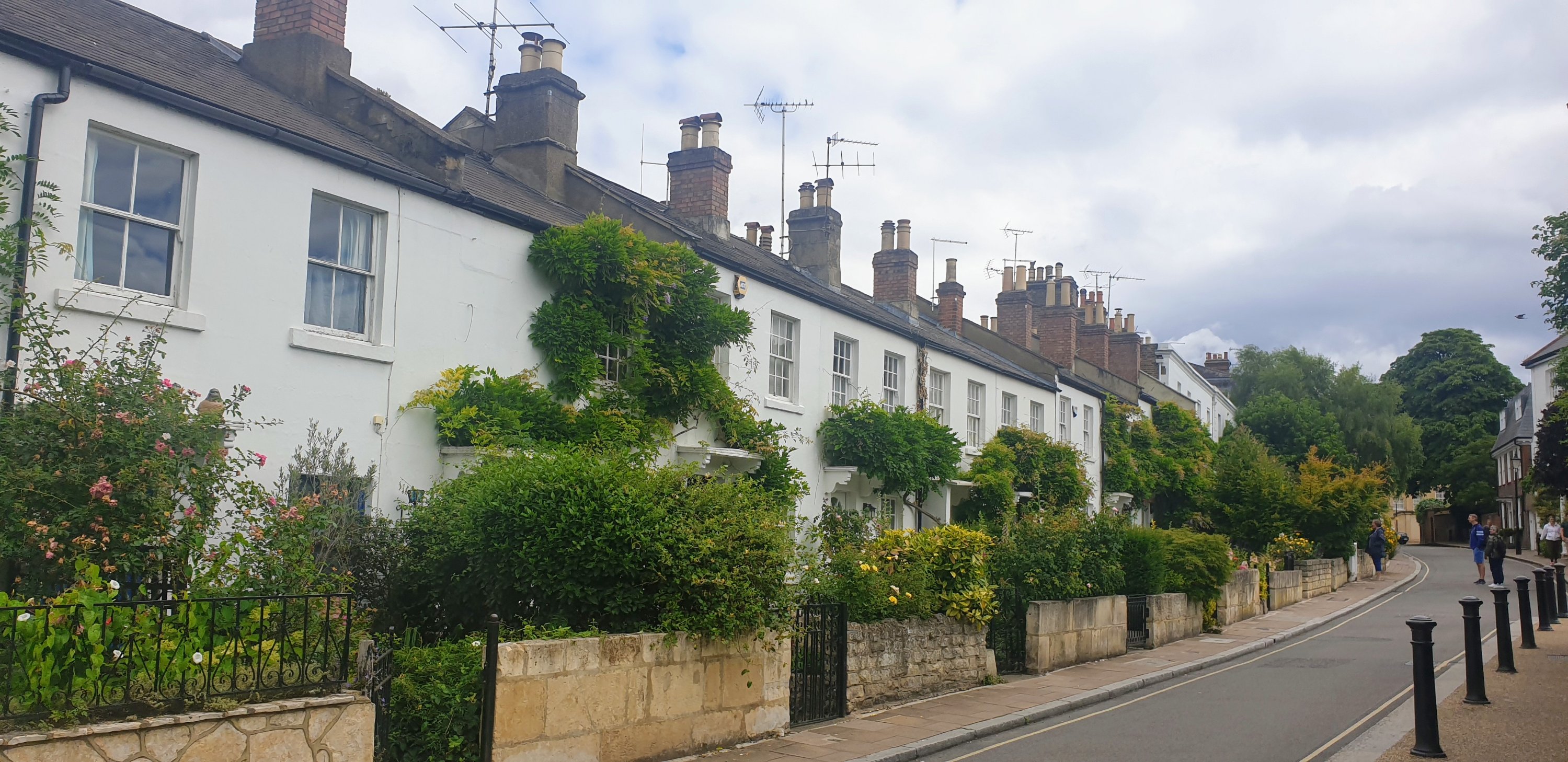
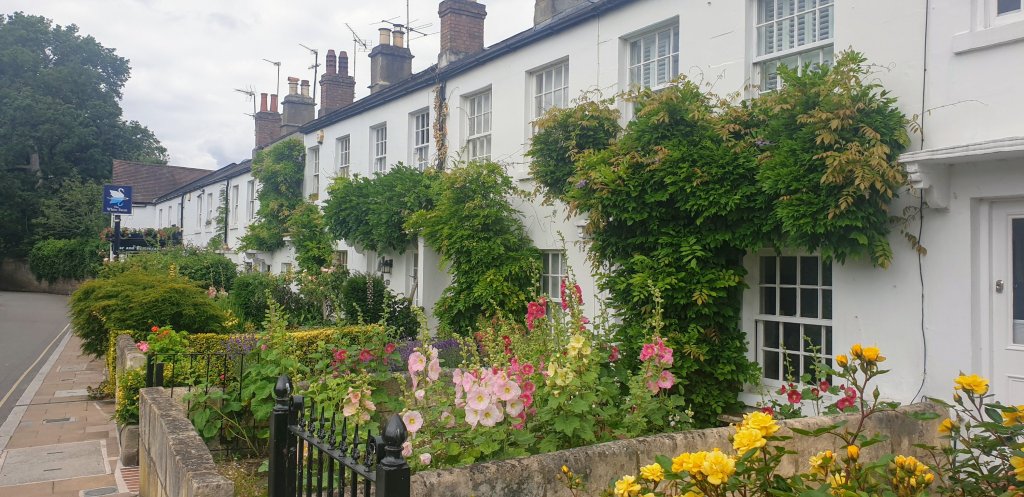
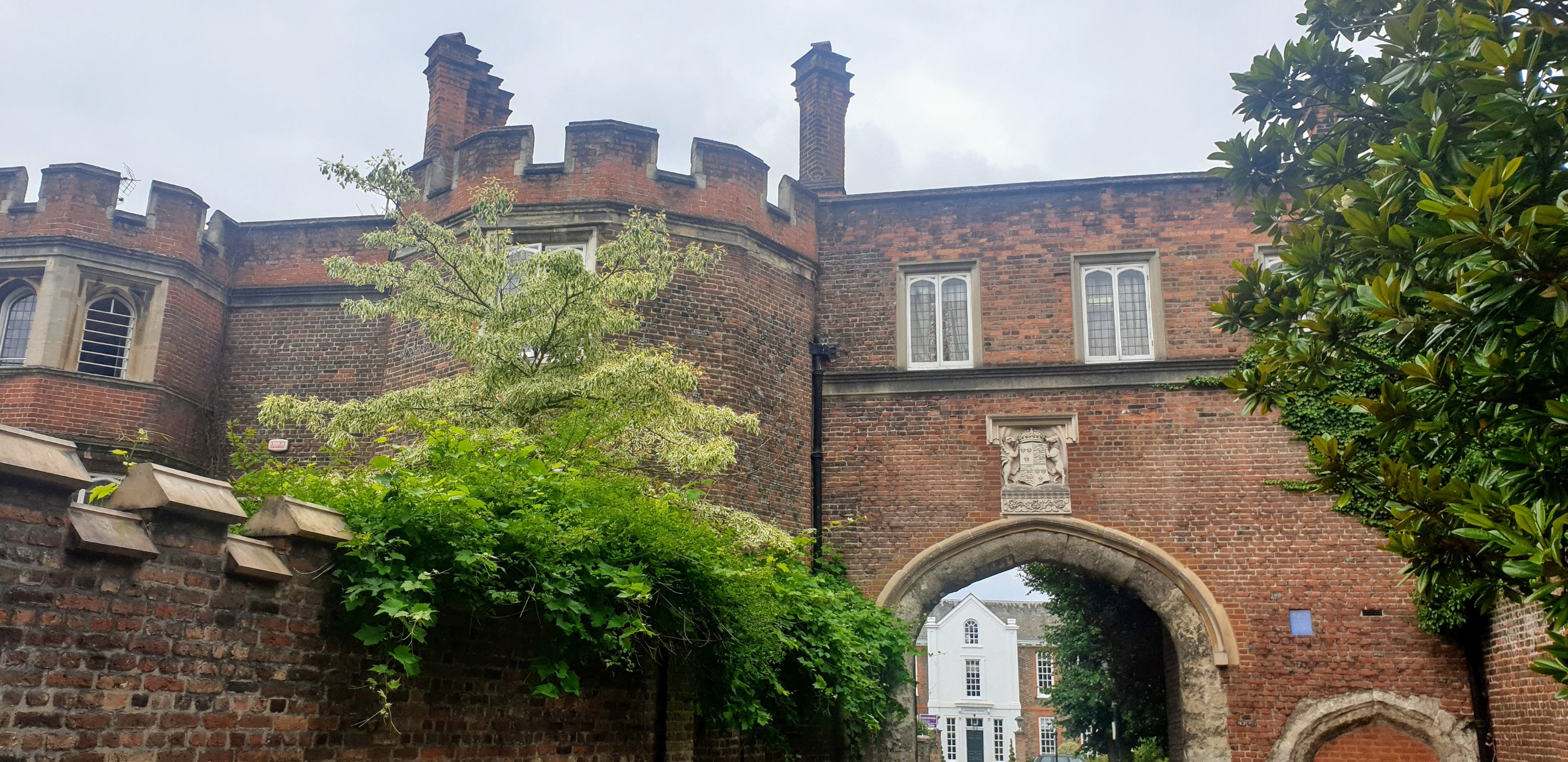
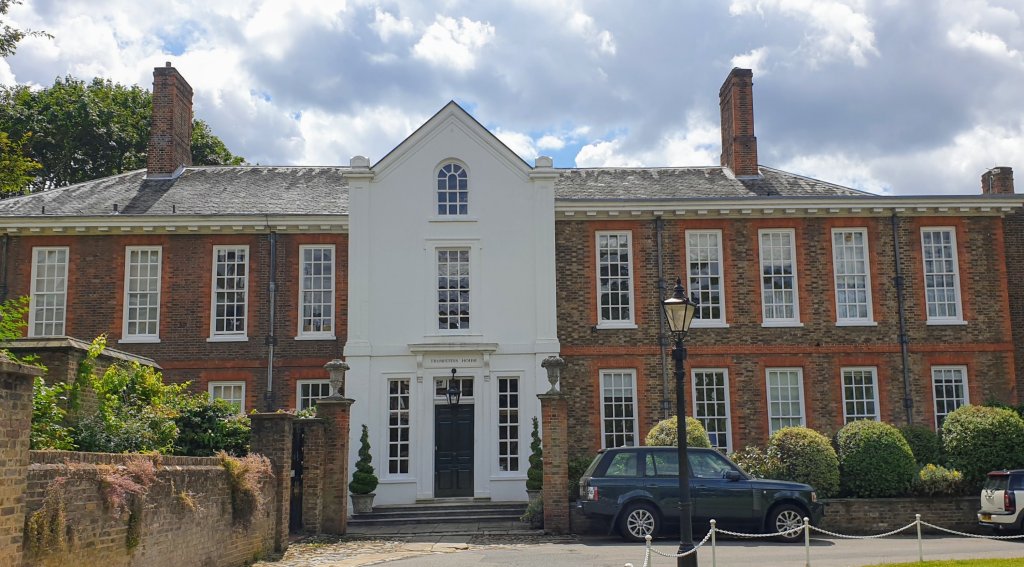
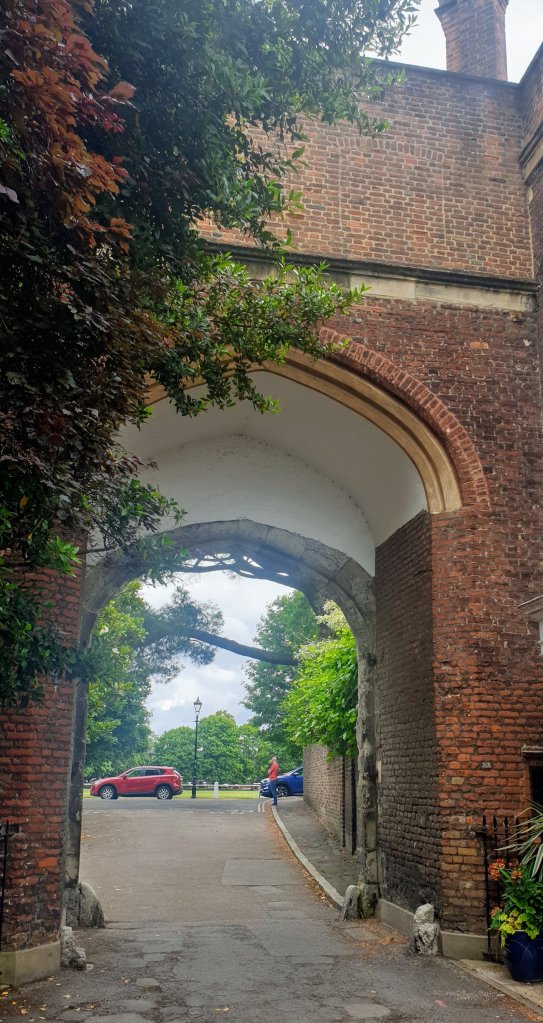
Unfortunately, the Palace no longer exists, but the town still has hints and remnants of it. We walk up Old Palace Lane with its picture book cottages and gardens and turn into Old Palace Yard, where the Gate House and Trumpeters House are all that remain of the palace buildings.

A passing local obviously clocks me as a history buff and advises me that Queen Elizabeth I died right here. I wonder if it’s the lockdown hair that’s making me look more intellectual? Anyway, he’s right and she did.

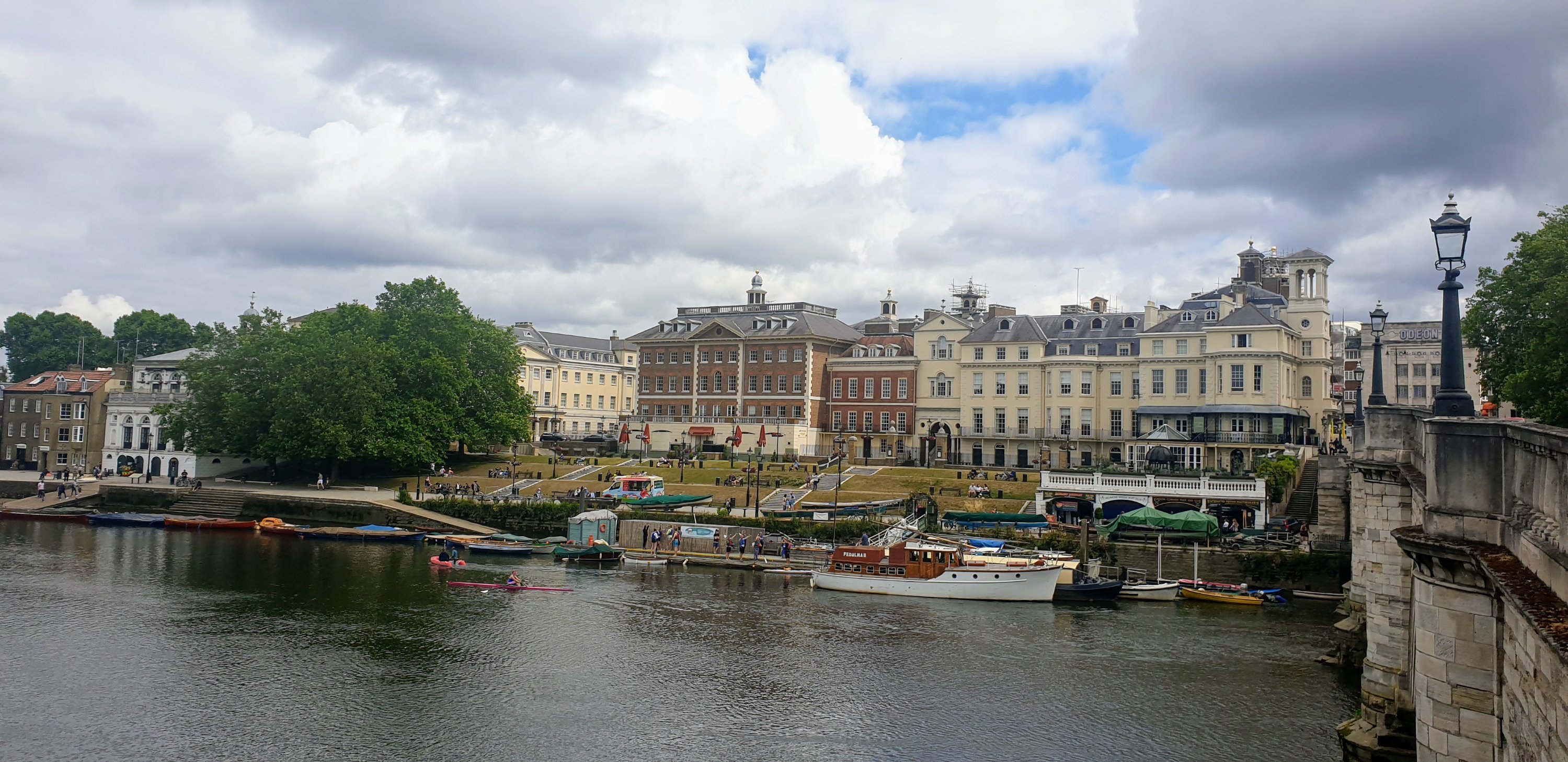
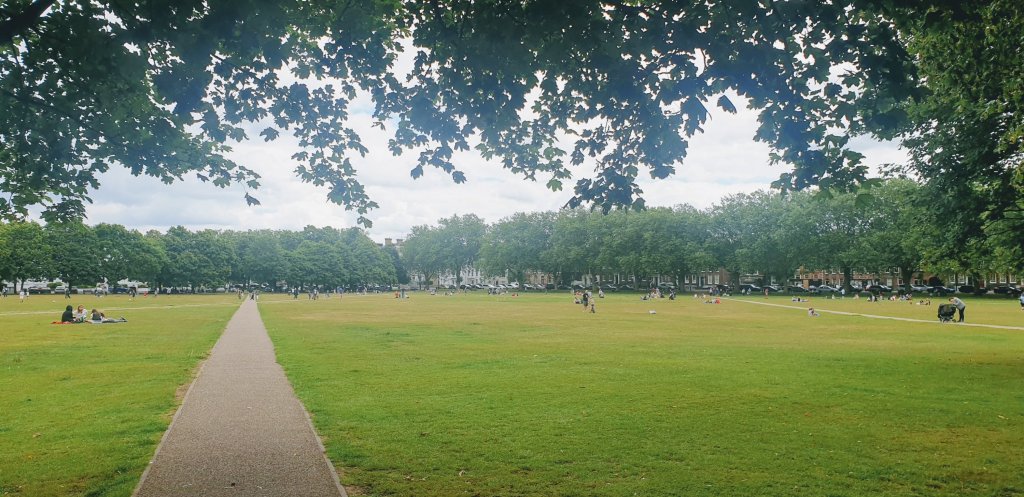
Outside the Gate House, Richmond Green spreads out before us. It’s been described as one of the most beautiful urban greens surviving in England, and it’s clearly popular with the locals. Surrounded by elegant terraces, alleyways, and several pubs, it’s a perfect picnic spot…we’ll be back later.

I won’t bore you with details of our shopping. As we didn’t actually buy anything it was a bit of an anticlimax. For the life of me, I can’t understand why I can’t try something on in the shop, but I can take it home for up to two months and then bring it back. Let’s move on – up the hill we go then…

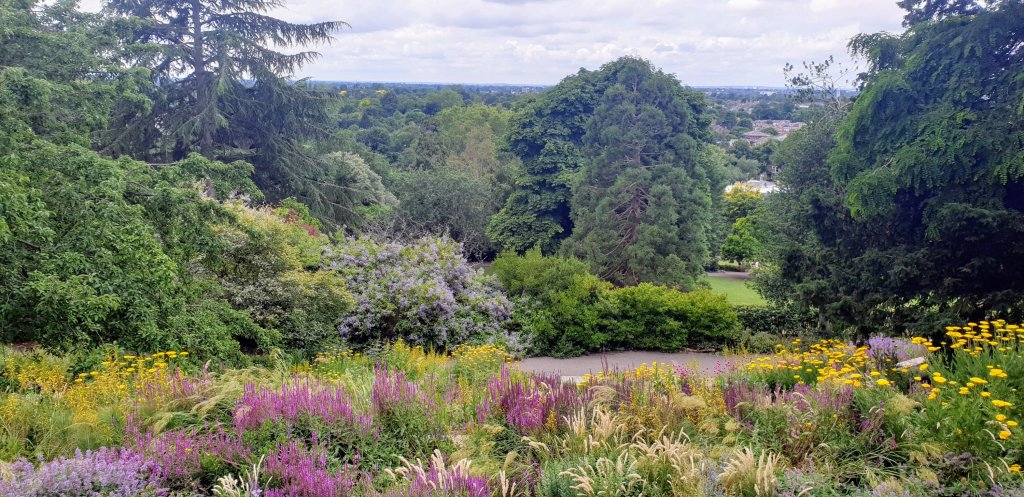
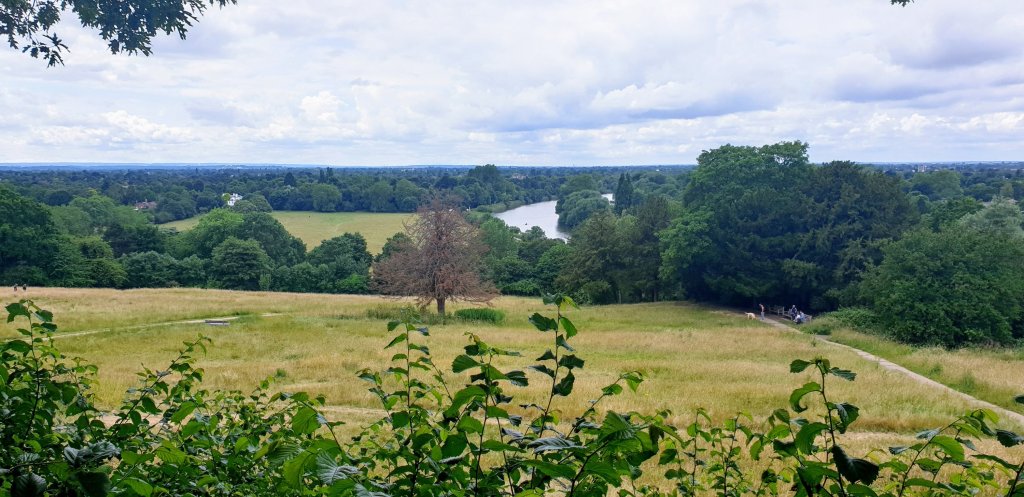
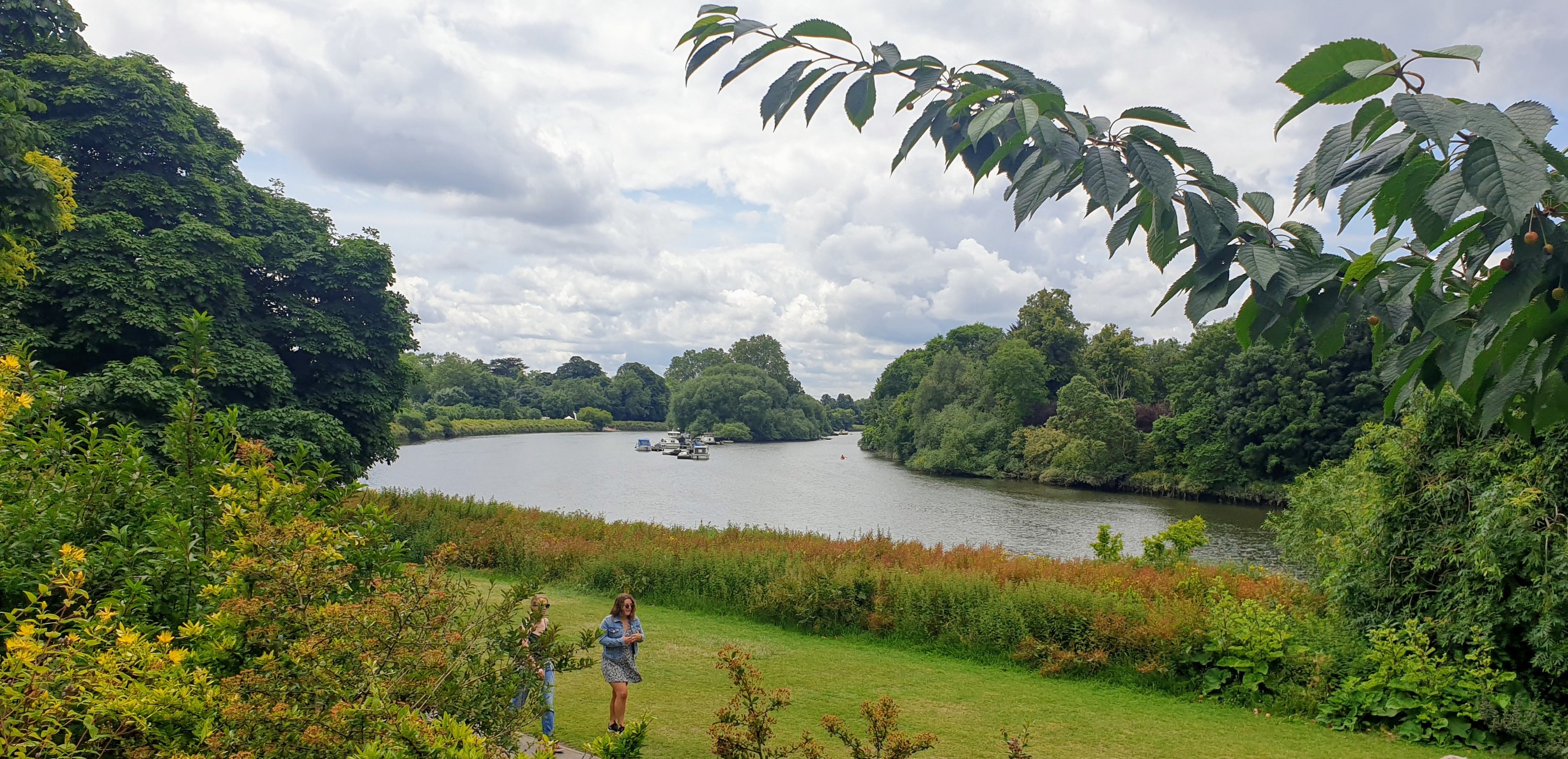
Richmond Hill runs from the town centre parallel to the river up to the entry to Richmond Park. It’s unusual in that the view down towards the Thames is protected by an Act of Parliament dated 1902. Reynolds and Turner both painted this vista and the Terrace Gardens are the perfect place to enjoy it.

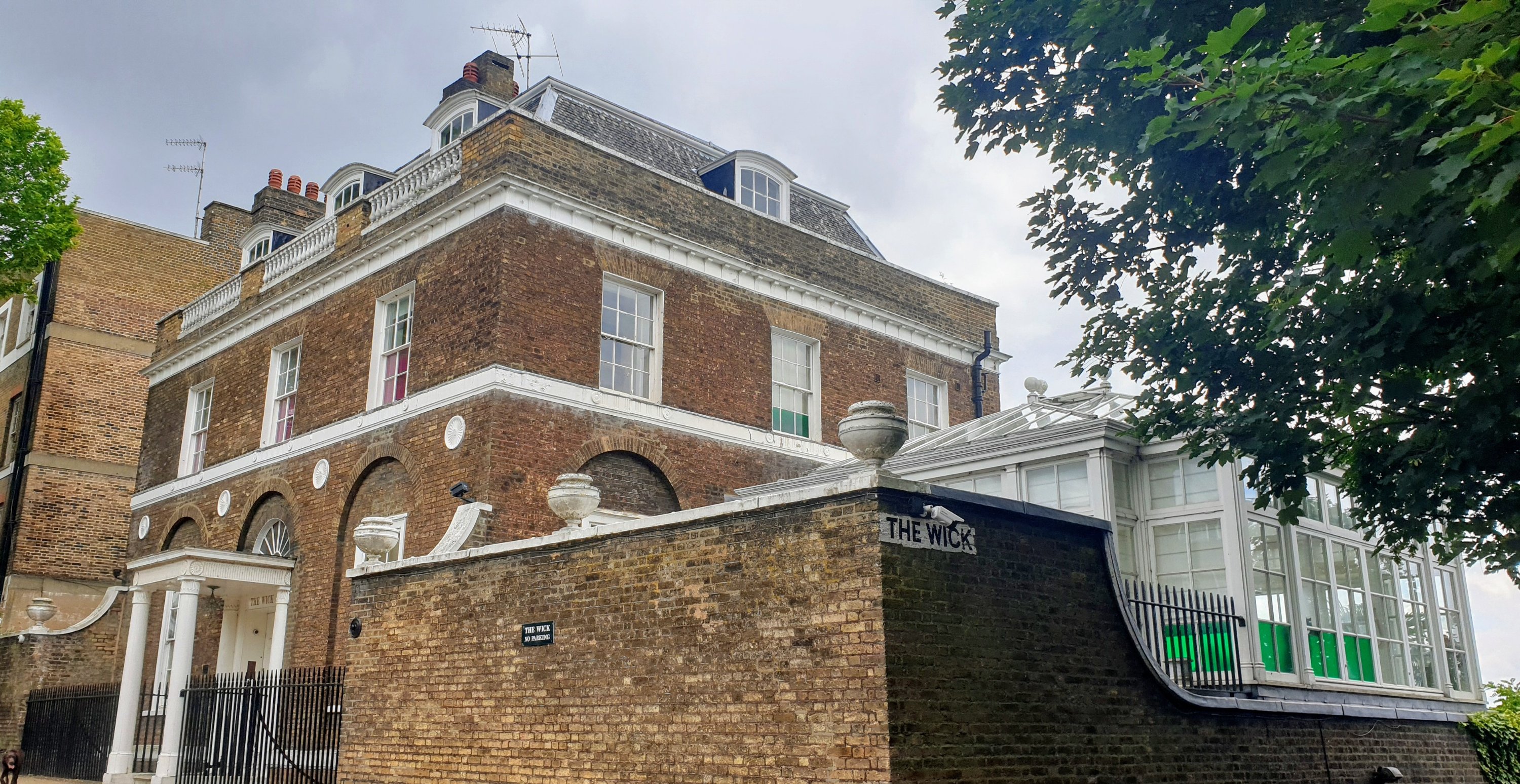
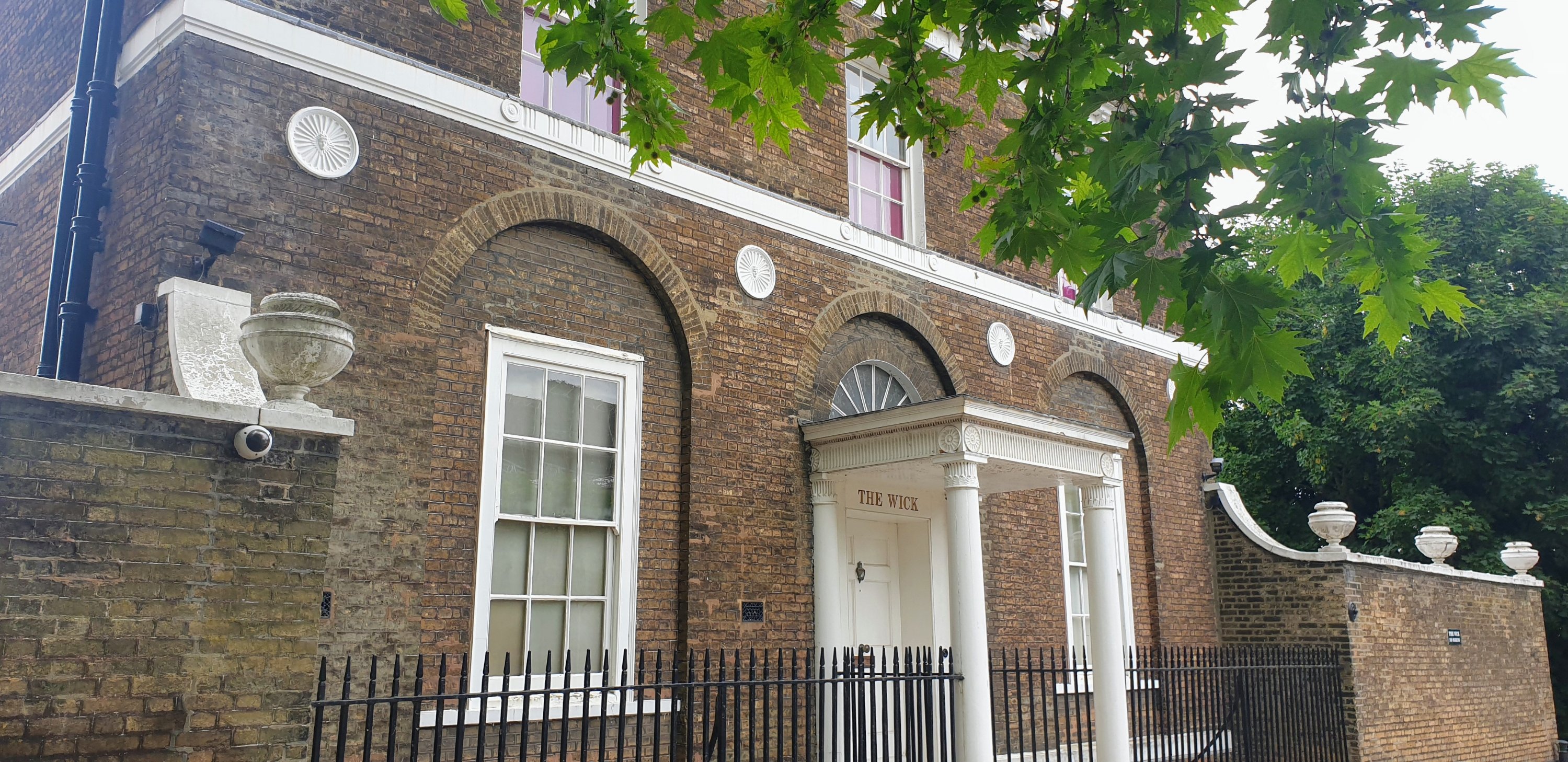
Some of the most impressive properties in Richmond were built here to make the most of that view, and obviously this part of town continues to attract the rich and famous as those pesky developers can’t block their lovely panoramas. The Wick is situated right at the top of the hill and has a history of well-known owners – Sir John Mills, Ronnie Wood of The Stones and currently Pete Townshend of The Who.

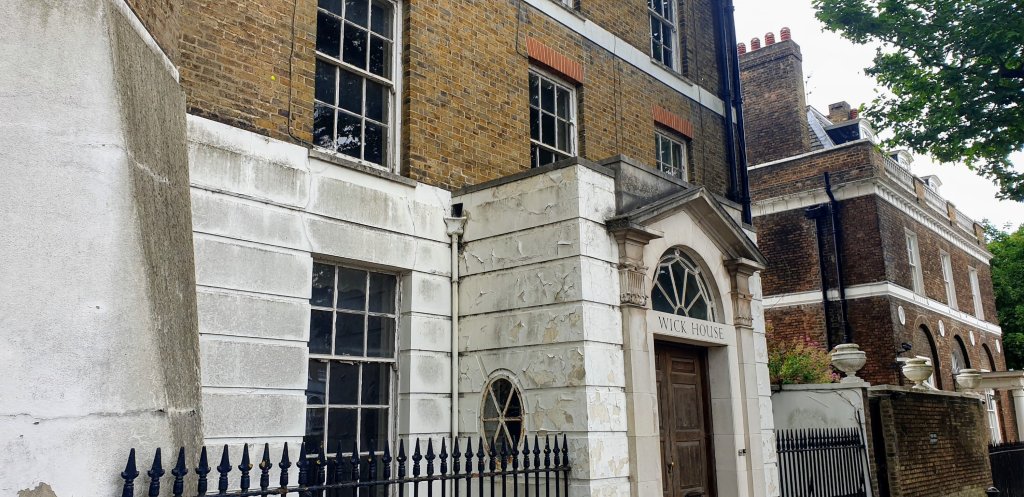
Wick House next door was originally built for the painter Sir Joshua Reynolds. Other inhabitants of this area have included Mick Jagger, Jerry Hall, Brian Blessed, Rick Astley, Brad Pitt, Angelina Jolie and Rudolph Nureyev. Oh, and Bamber Gascoigne, can’t forget him! I have to say I’m a tad surprised that people around here don’t keep their multi-million pound mansions in better condition – some of them could really do with a lick of paint!

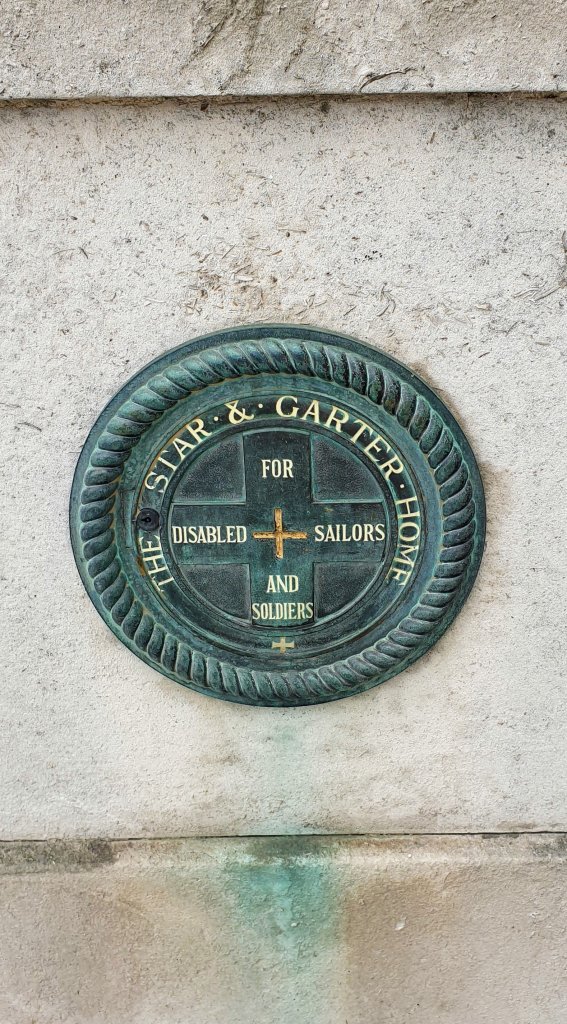
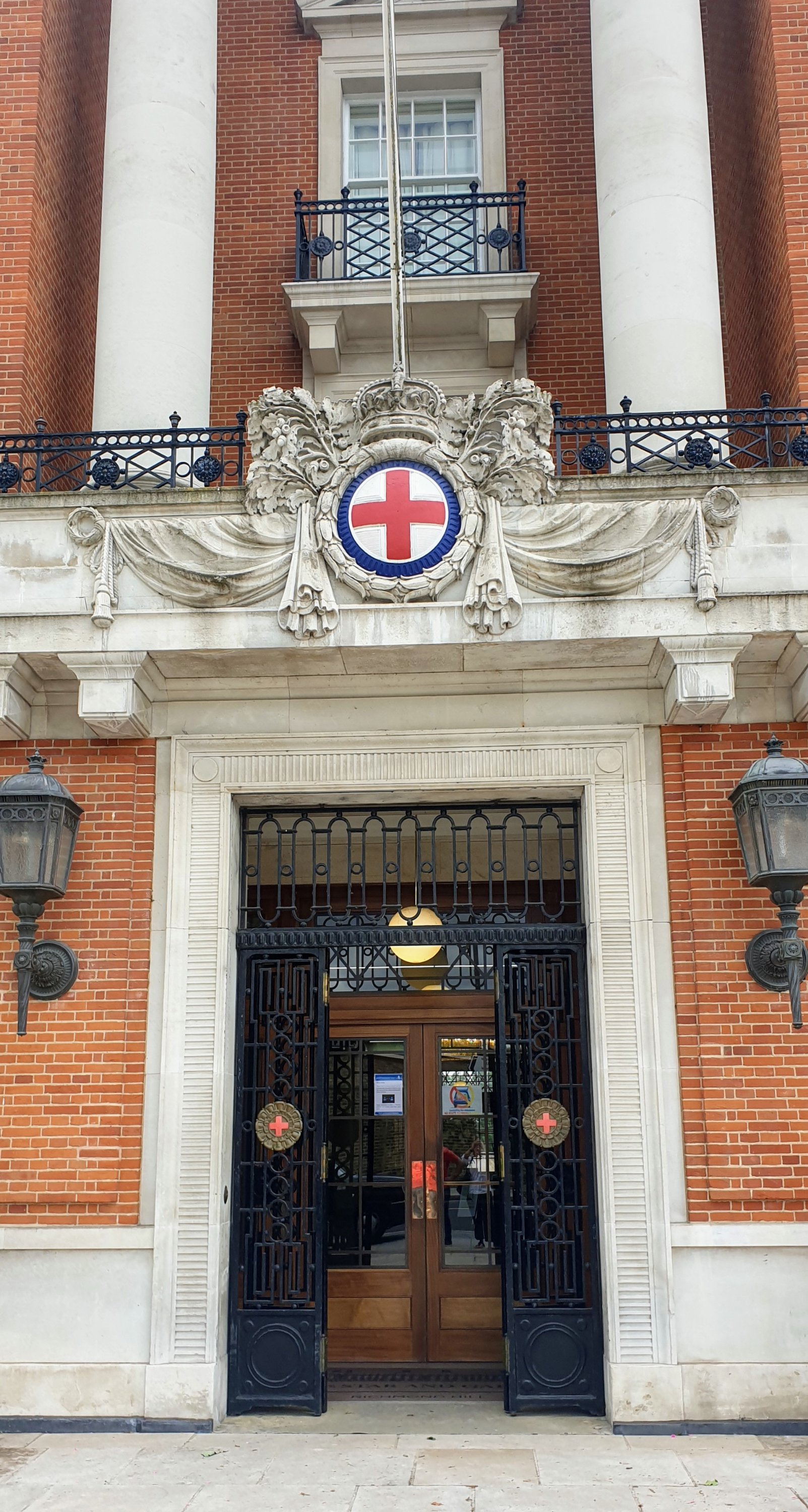
By far the best views were for many years reserved for injured servicemen living in the Royal Star and Garter Home right on the crest of the hill opposite the Park.

Built in 1921, it was decided in 2011 that it no longer met modern requirements and was sold off and converted into posh flats. The former inhabitants were rehomed in Surbiton and Solihull, where they probably didn’t have such a nice outlook, and more rich people moved in. Hmmm, sounds a bit suspect to me.

Feeling suitably virtuous after our tramp up the hill, we decide it’s time for refreshments. We head downhill past the Victorian era Petersham Hotel, reputably the most romantic place in town for dinner. The husband didn’t offer to take me there, so sadly I can’t comment…

The views are fabulous though. Apparently Richmond is a hotspot for both proposals and breakups but I can’t imagine why you need a nice backdrop for the latter, can you? I’m a big fan of the river, but seriously, it won’t help.

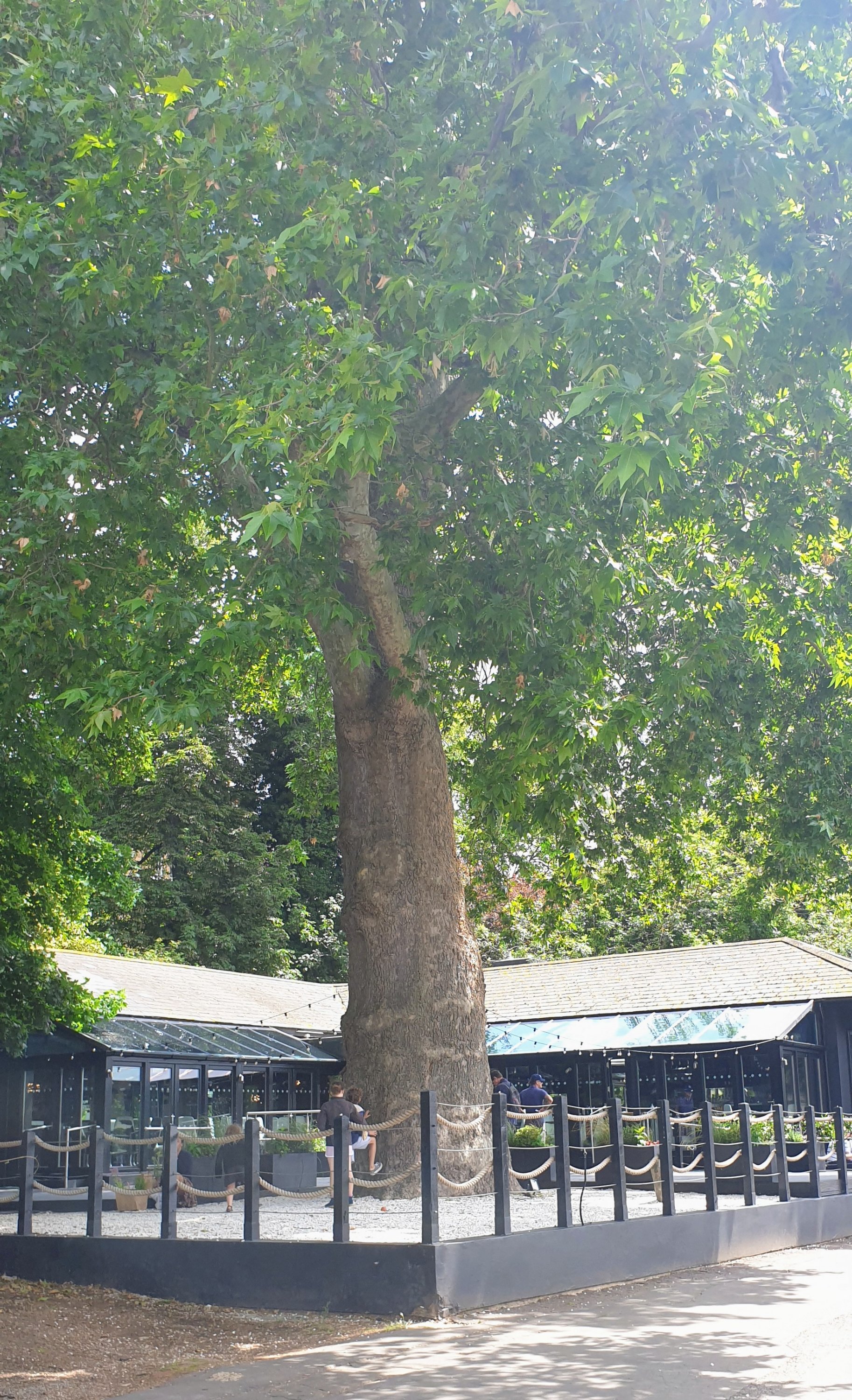
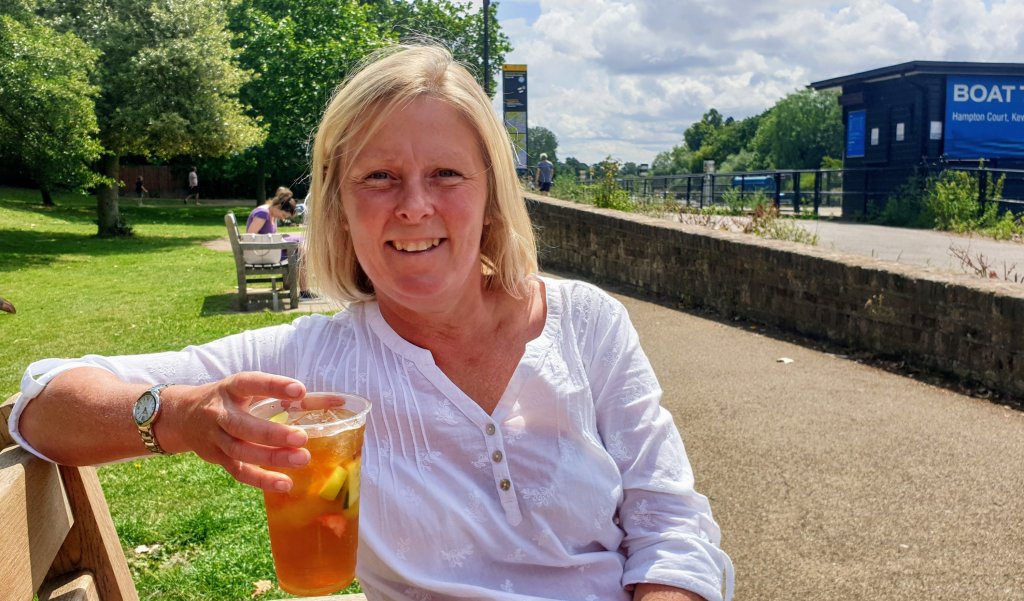
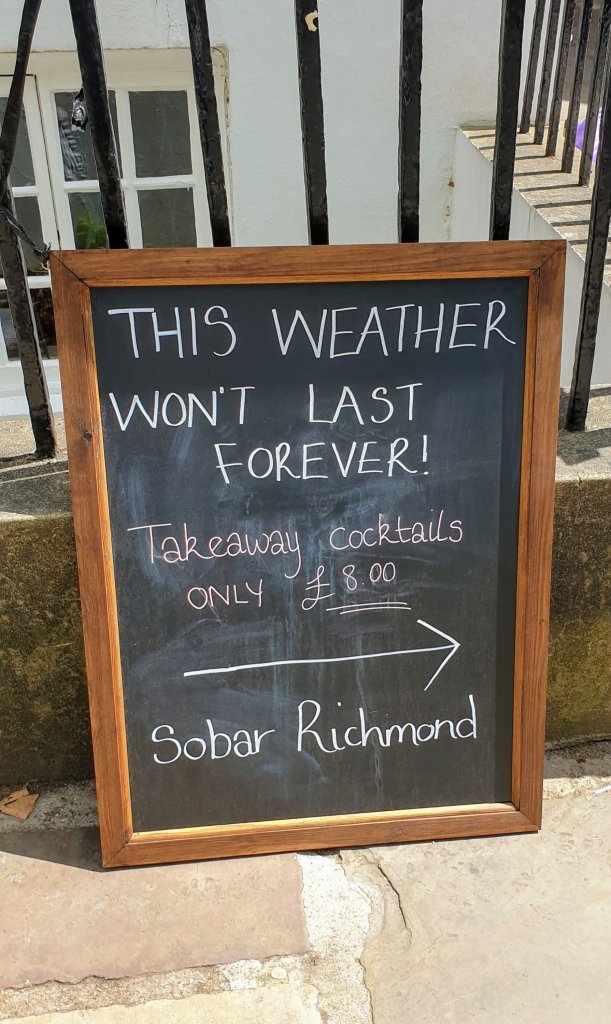
As we hit the riverbank I spy people with plastic glasses of Pimms – yippee! It’s that kind of place for sure, so when in Rome…Two drinks from the wsterside Gaucho Grill sets me back £15.50 – now that’s what you call exclusive! But we do get to drink them underneath one of the Great Trees of London, a Riverside Plane.

Richmond done and dusted, and very nice it was too. Now back to the Green for lunch. Until next time…

Travels in my neighbourhood: Cliveden

When we moved back to the UK after 11 years away, I vowed that I wouldn’t take my own country for granted like I did when I was younger. I even bought a Lonely Planet guide to England as a statement of intent.

When I was a kid, we were always out and about visiting another stately home. My Mum likes nothing better than a musty old mansion. I’ve lived just down the road from Cliveden House and estate for several years now, and I’m starting to feel slightly guilty that I haven’t visited such an infamous landmark.

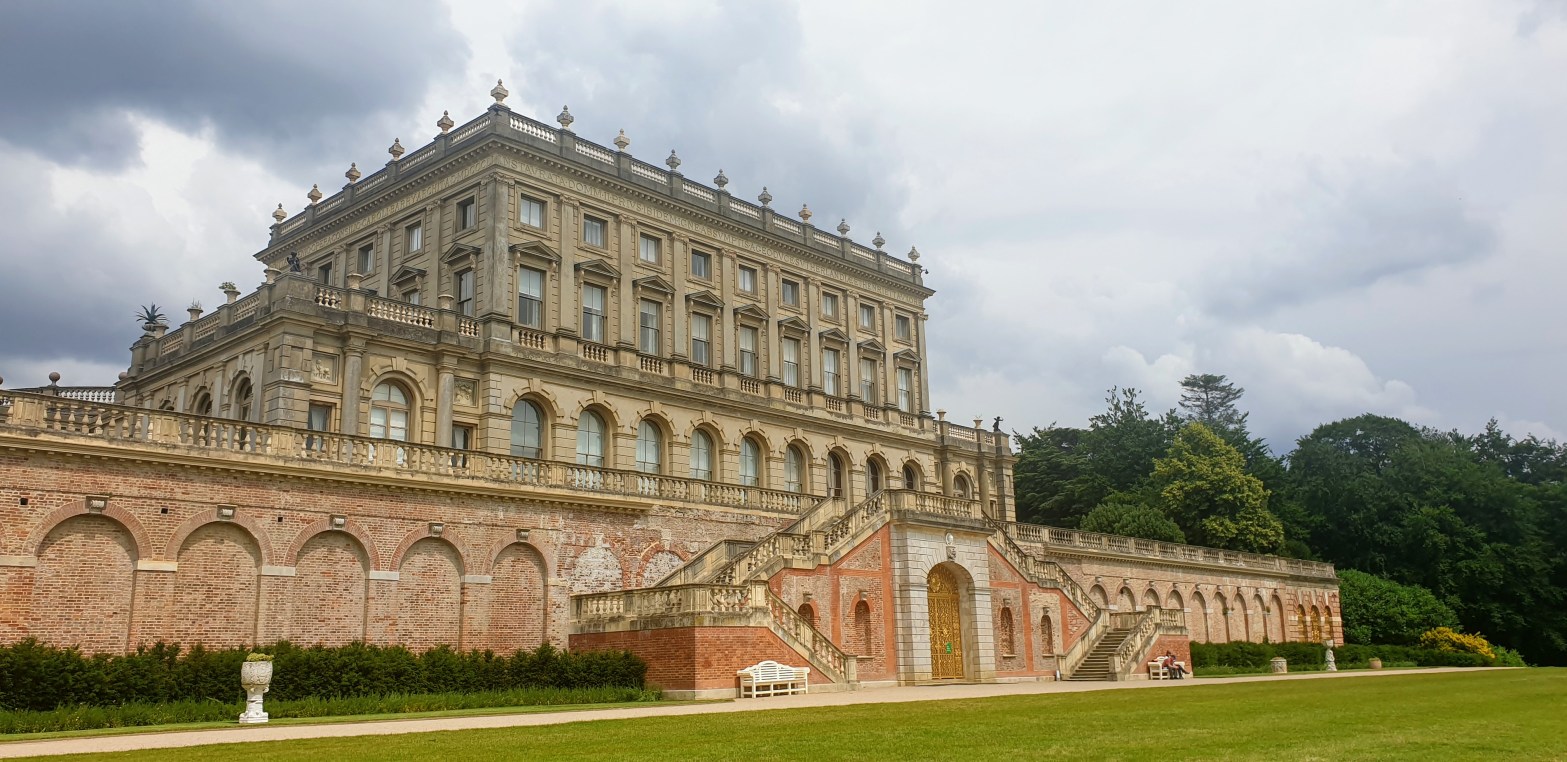
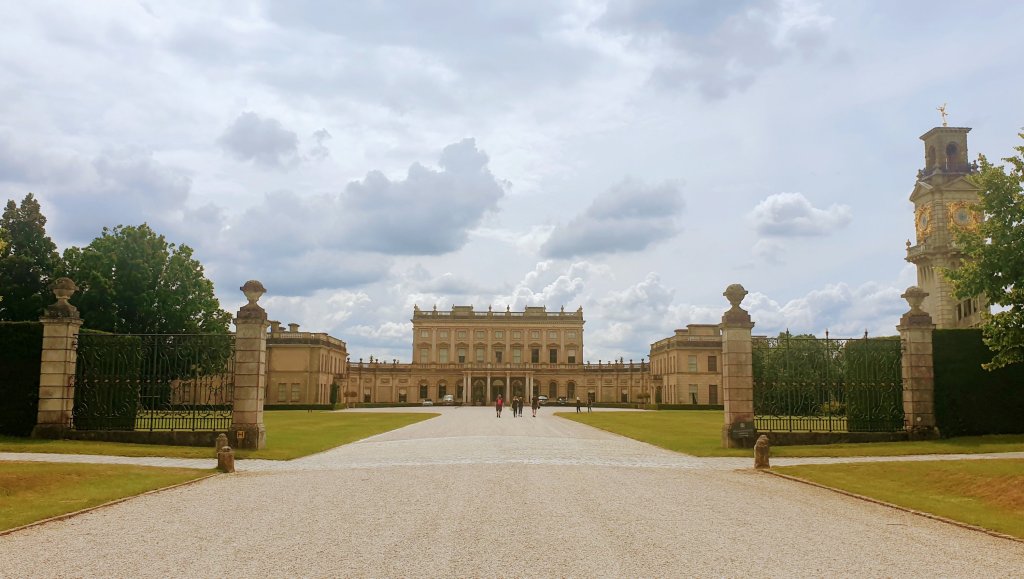
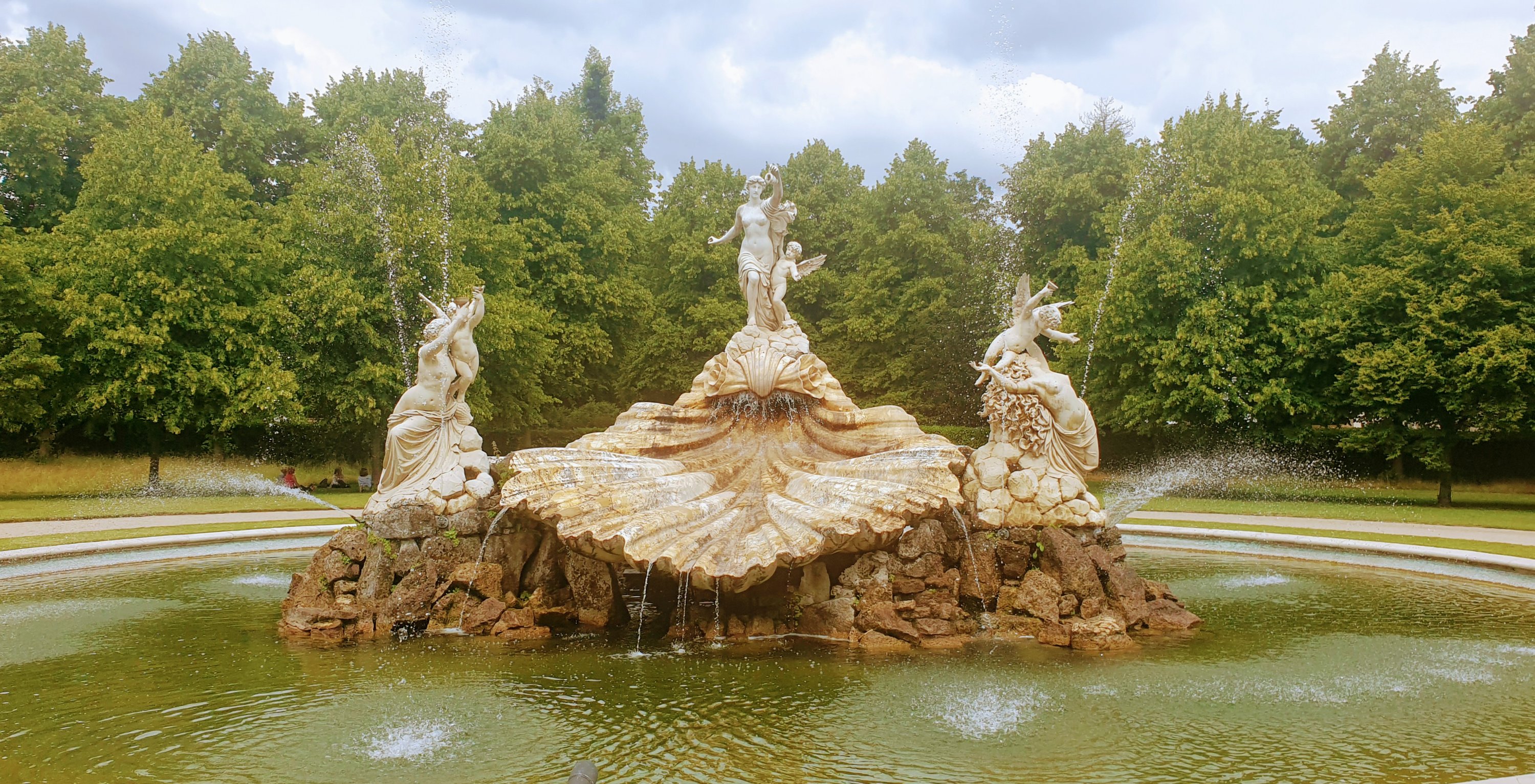
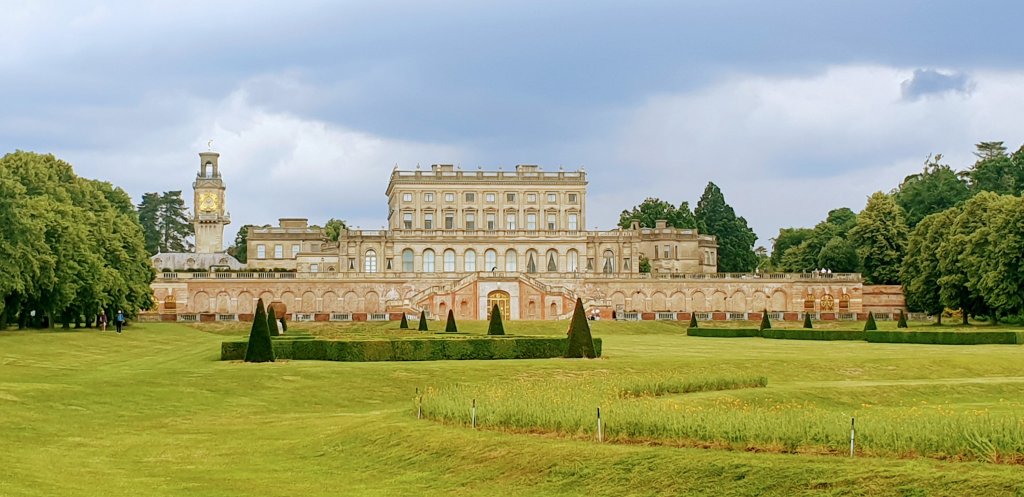
But finally here I am, after snaffling a much sought-after ticket for the grounds, and hoping that the forecast thunderstorms don’t materialise. First impressions are good, as I walk past the Fountain of Love and head towards the very impressive main house.

Cliveden achieved fame for glamourous parties in the 1920s and 30s as the home of Waldorf and Nancy Astor. It became notorious in the 1960s as the setting for the Profumo Affair which almost brought down the Government. And it hit the headlines again in 2018 when Meghan Markle spent her last night as a single woman here with her Mum.

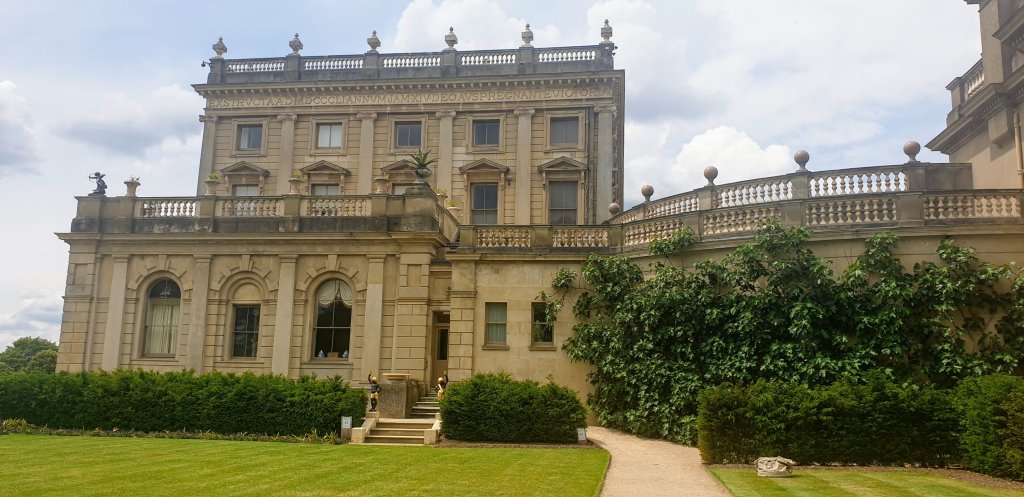
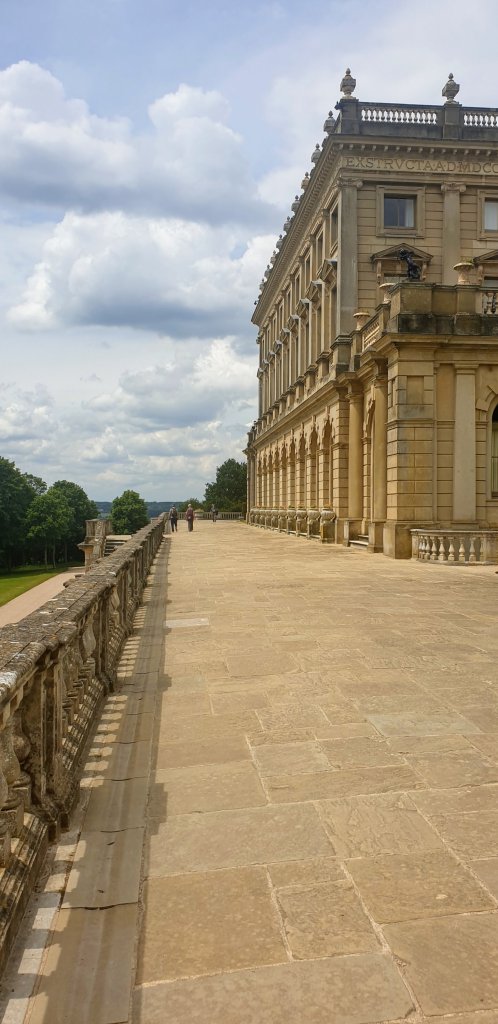
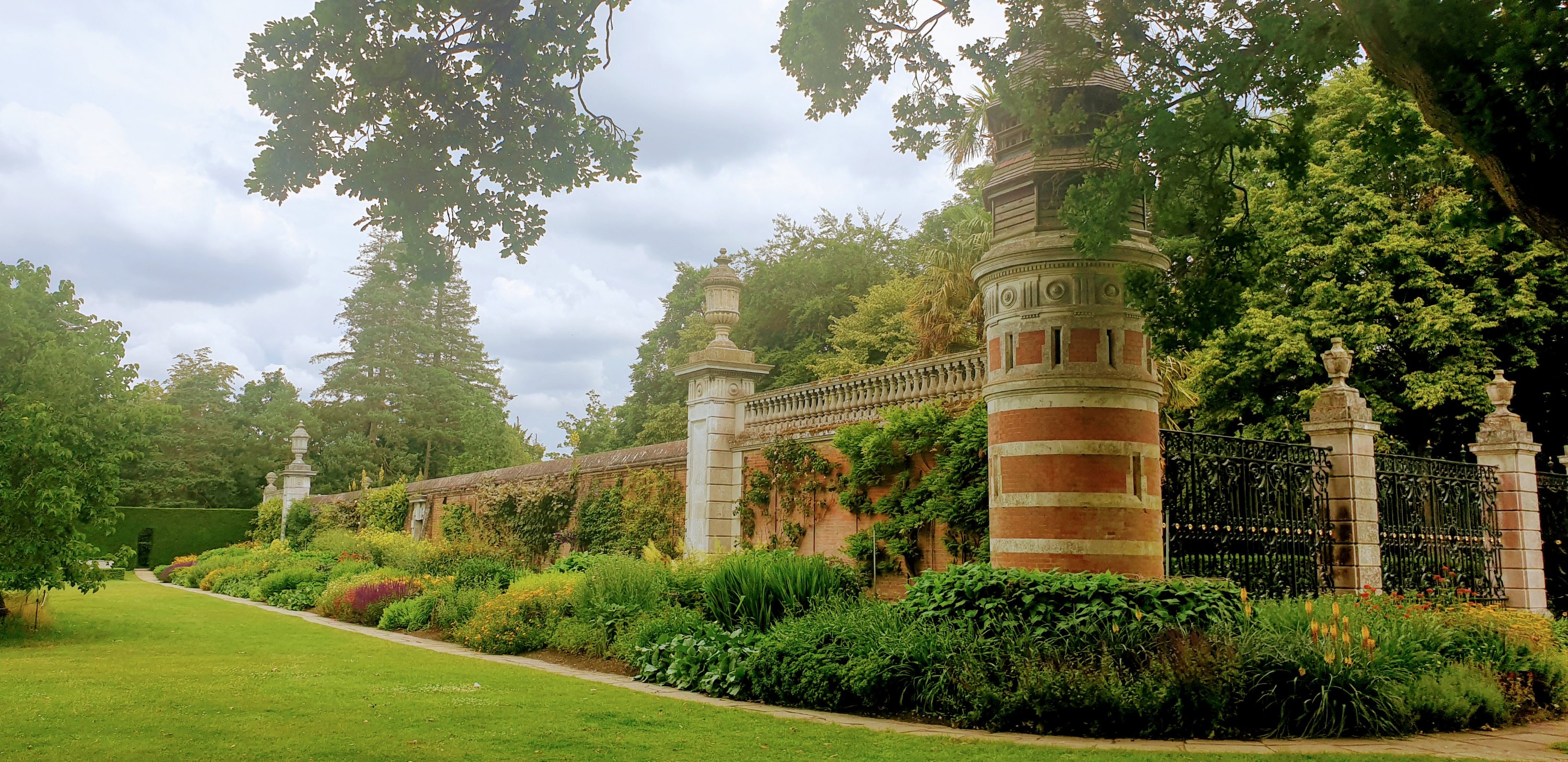
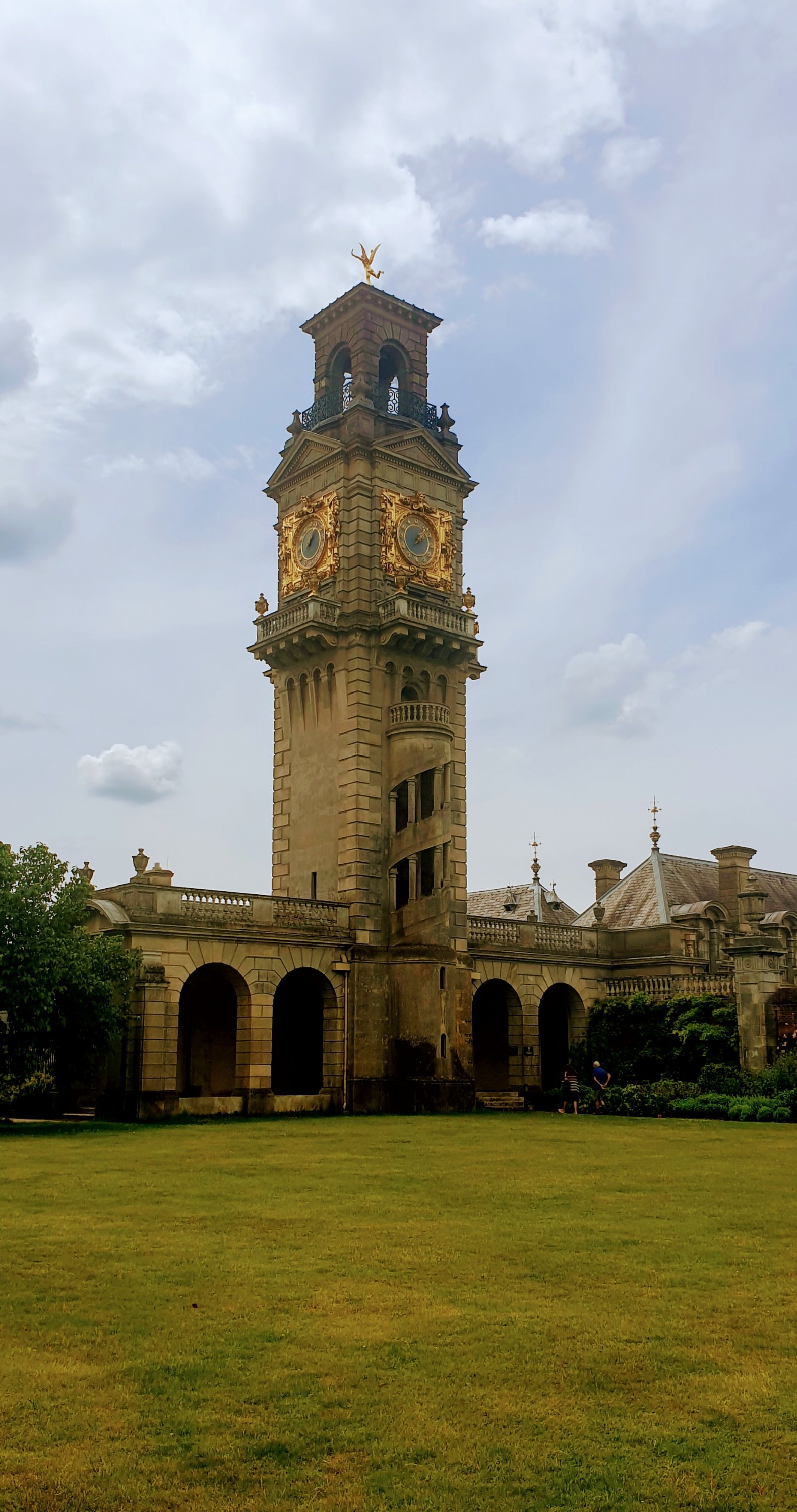
The current house dates from 1851, although there has been a mansion here since 1666. Nowadays, it’s a luxury hotel, and the grounds are owned by the National Trust. Not surprisingly, the estate is often used as a film and TV location, ranging from Antiques Roadshow to Sherlock Holmes and Mr Selfridge. The house itself was the model for Lady Penelope’s house in Thunderbirds. It’s a stunner!

Cliveden over the years belonged to Dukes, Earls and Princes. Queen Victoria was a regular visitor by boat from Windsor. But it became the place to be when it was given to Waldorf and Nancy Astor as a wedding present in 1906. Hmmm, I don’t know about you, but I never had a stately home on my wedding list! I obviously have the wrong sort of friends…

A bit unfairly, the Astors are chiefly remembered for their lavish social gatherings and celebrity guests, such as Winston Churchill, Charlie Chaplin, Mahatma Gandhi, Lawrence of Arabia and Rudyard Kipling. But both of them had distinguished political careers. Nancy was the first woman MP to take a seat in the House of Commons and she fought for women’s rights. Go Nancy! My kind of gal.

The Cliveden grounds are as beautiful as the house, and were the site of meetings between model and showgirl Christine Keeler and politician John Profumo in 1961. Profumo was married but that wasn’t the problem – then as now MPs could get away with indiscretions (I’m mentioning no names…). The issue was with Keeler’s other boyfriend – a Russian. This was during the Cold War years, so obviously he was a spy.

When the details came out, as they always do, Profumo had to resign. Christine, only 19 at the time of the affair, lived the rest of her life under a cloud, her reputation in tatters. 1989 film Scandal tells the story of the liaison, while the 2019 BBC series The Trial of Christine Keeler attempts to give a more sympathetic portrayal of the teenage girl caught up in a national outrage. It’s a story that has continued to resonate over the years.

Nowadays, Cliveden continues to attract a star studded clientele. The Queen has been here several times and it’s popular for society wedding parties. Footballer Cesc Fabregas got married here just days before Meghan came to visit. Of course, you can stay here too, but be prepared for a hefty price tag – the swish Lady Astor suite costs a cool £1,500 per night. Or, like me, you can opt to pay £10 and wander through the grounds. With 376 acres to cover, you can easily spend a few hours here and get your money’s worth.

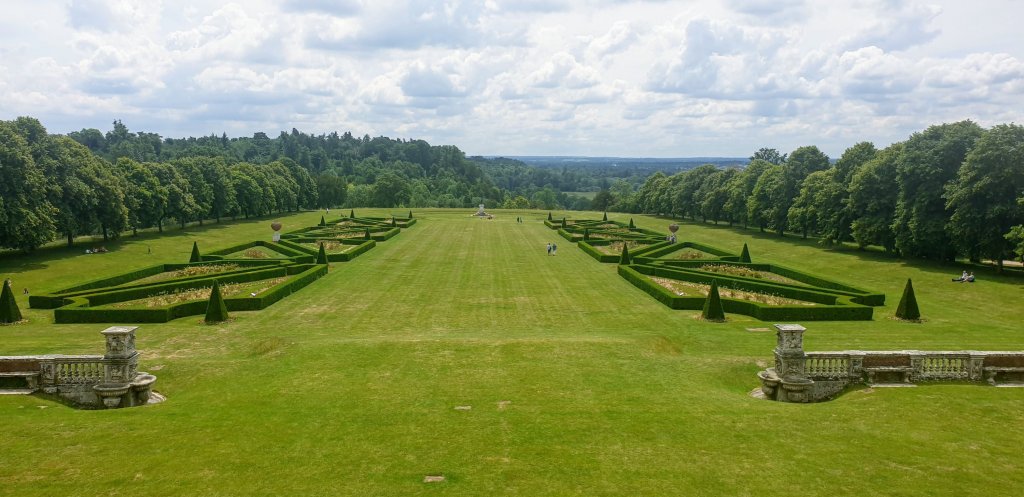
To the north-east of the house, high above the river is a grassy amphitheatre which was used in the past for open-air concerts and plays. In 1740 the first performance of the rousing anthem Rule Britannia took place here for a select audience. I’m tempted to sit on the grass and hum my own rendition – there’s no-one around to be offended – but just then the heavens open so I fish my mac out of my bag and carry on walking.

There’s so much to see here, around every corner a different garden, statue, building or view, all with their own history. Yikes, I love it so much, I must be turning into my mother!

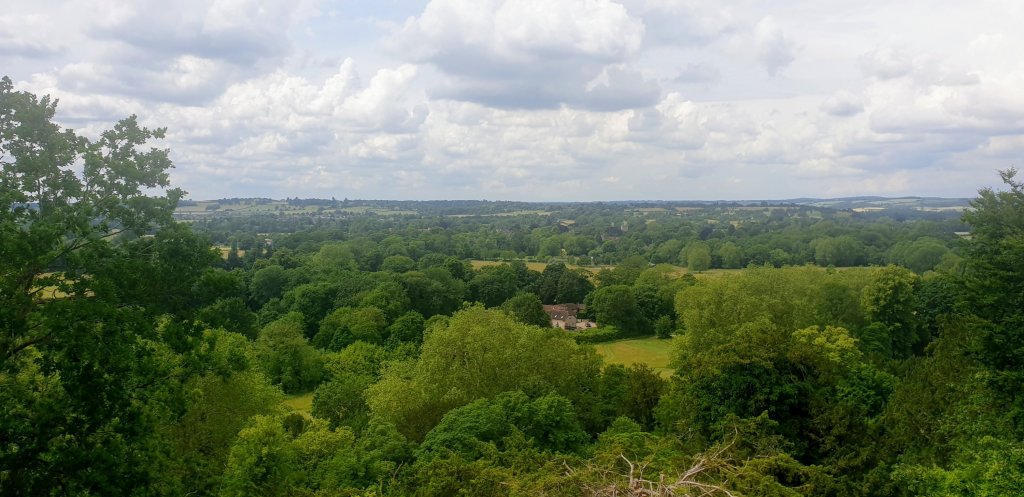
I end my visit to Cliveden in the oriental-style Water Garden. Past the ponds, the Green Drive stretches off into the distance, cutting through the woodlands. I’ve been here for ages and I haven’t come close to seeing everything.

I’ll come back with Lizzie the Labradoodle I think, and explore some more. This place is known for high society entertainments and intrigue, but it’s got a fair bit of natural magic too.

Heading towards a fishy treat in Barnes

Where to walk this weekend…? Well, sometimes the choice is made for you. If you’ve read my blog before you will know how food orientated I am. Last week, chef Rick Stein announced that he was opening his restaurants for takeaway. While I’m not prepared to drive to Cornwall for Rick’s fish and chips, his Barnes restaurant is only 25 miles from home. And it’s right on the Thames Path. Decision made then!

Lunch is always welcome at the end of a walk!

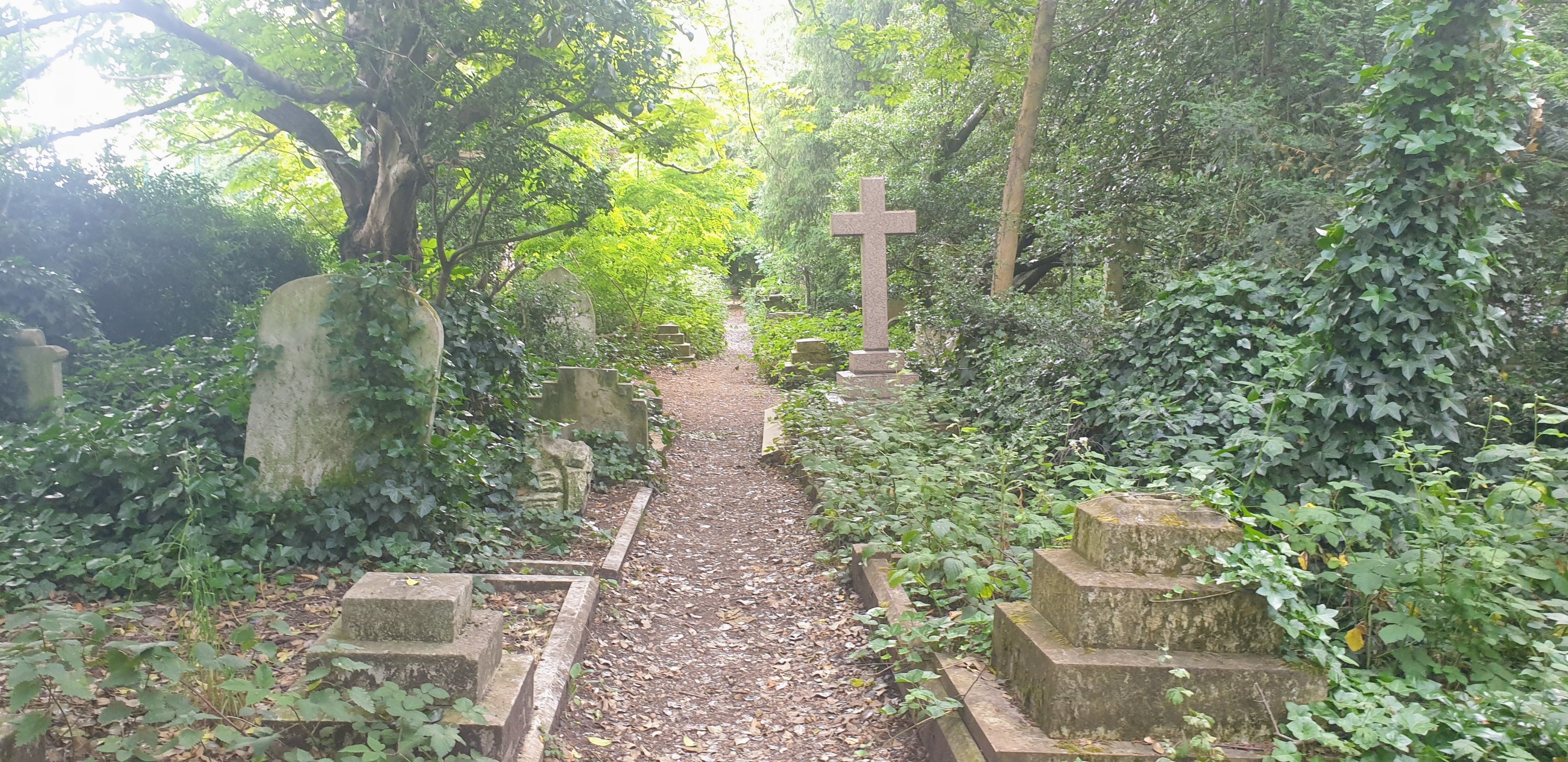
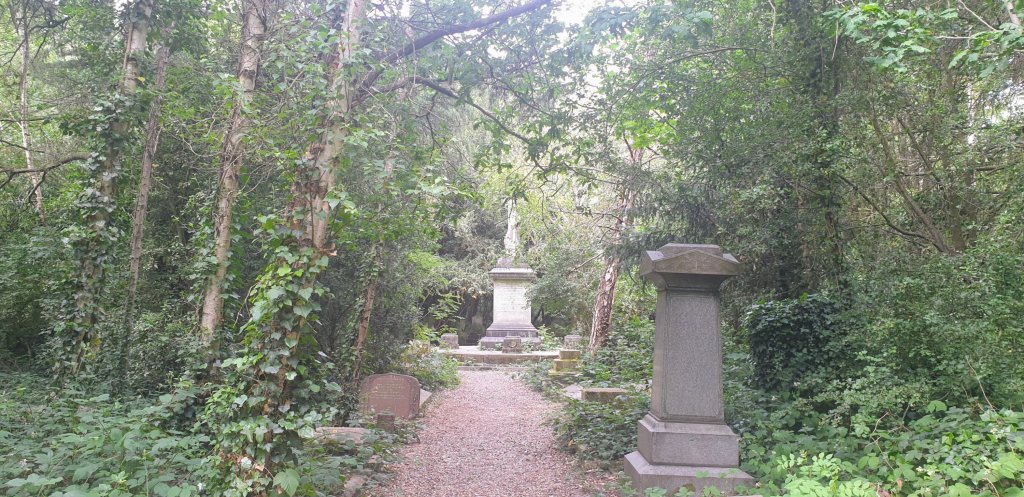
It’s Sunday morning so traffic is light and the Rocks Lane carpark is empty. A path leads from the car park through the peaceful old Barnes cemetery, slowly being reclaimed by nature with its leaning, greening headstones. Eerie at night I imagine but during the day it’s an unexpected delight.

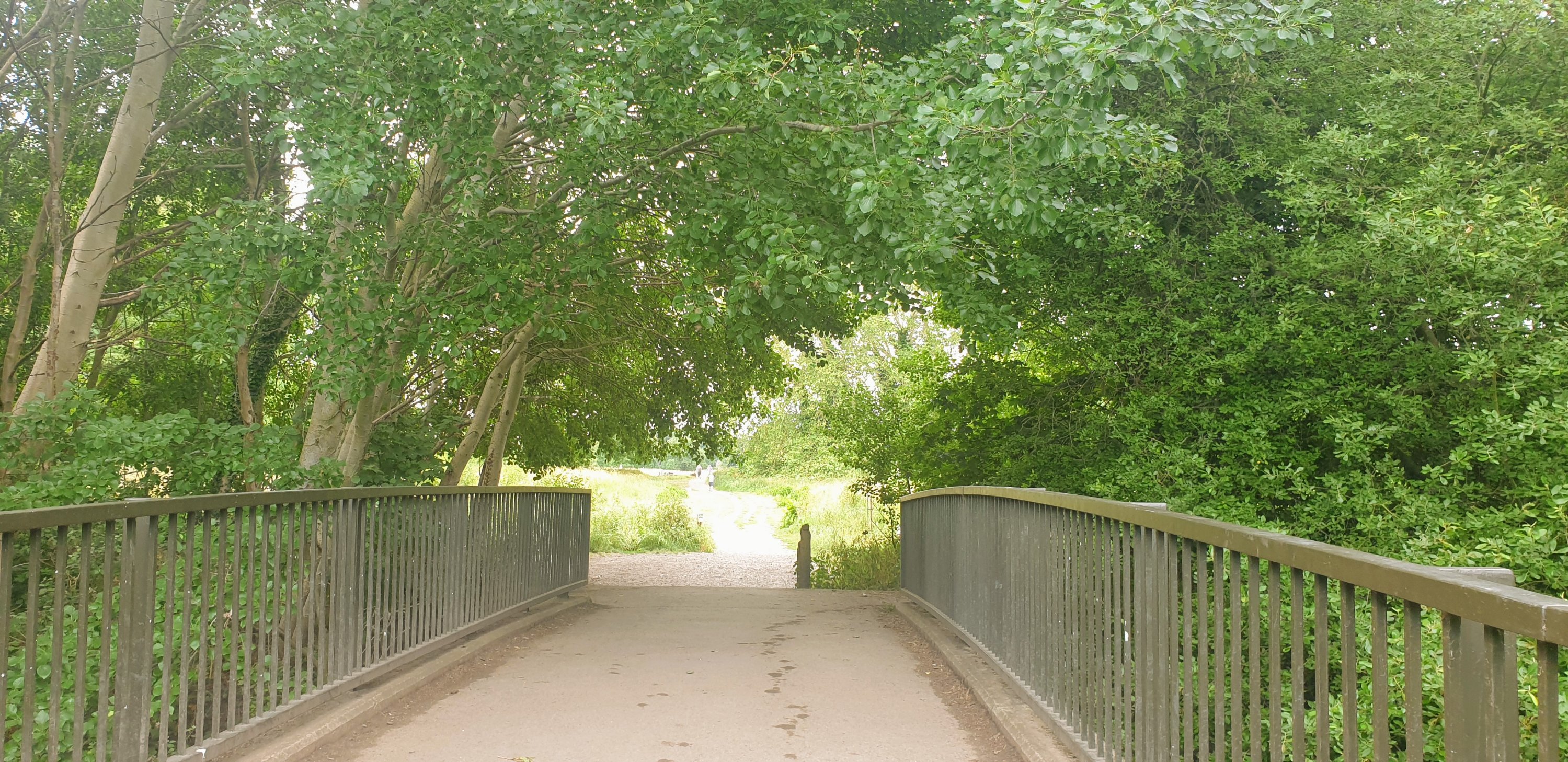
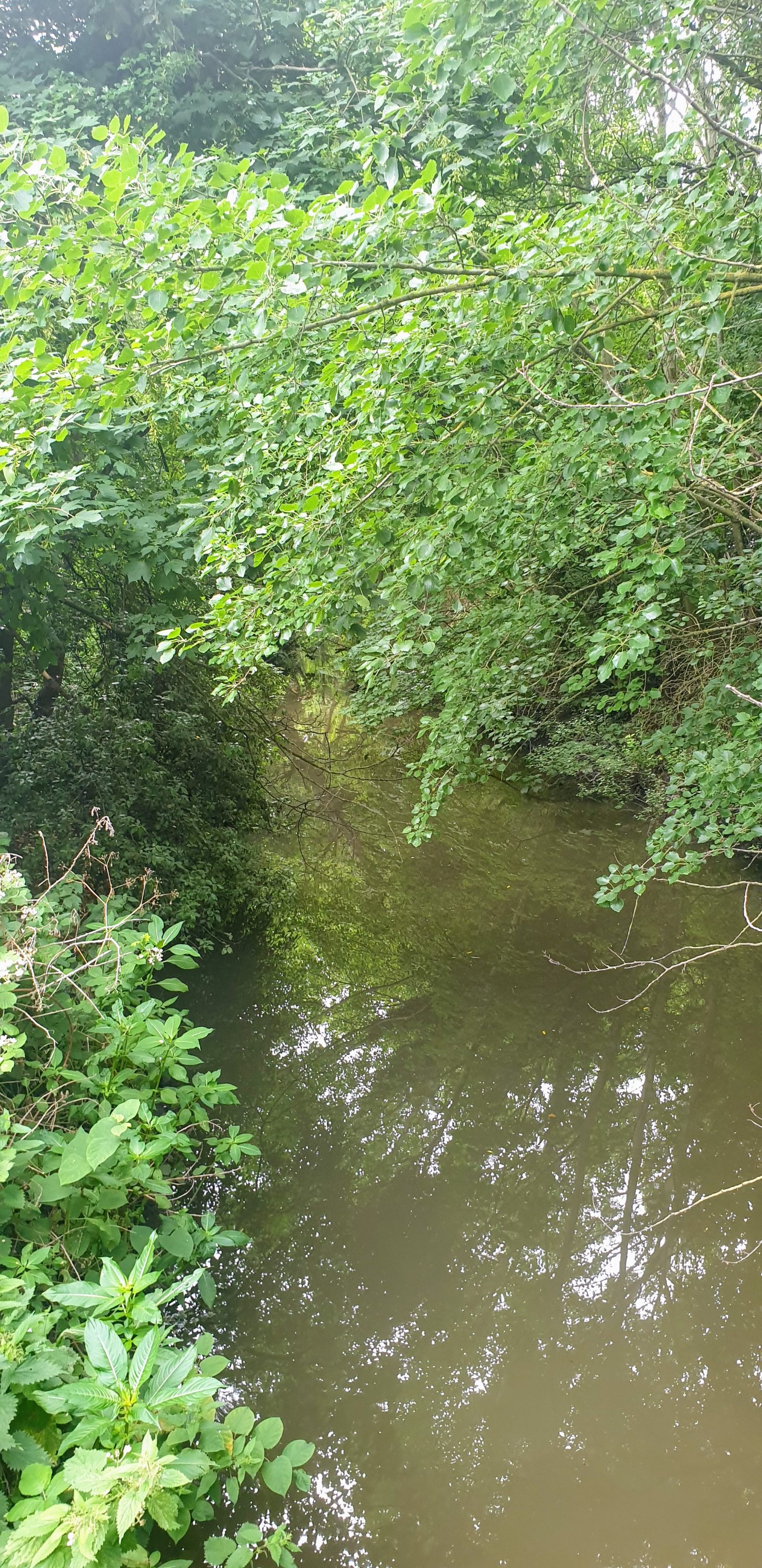
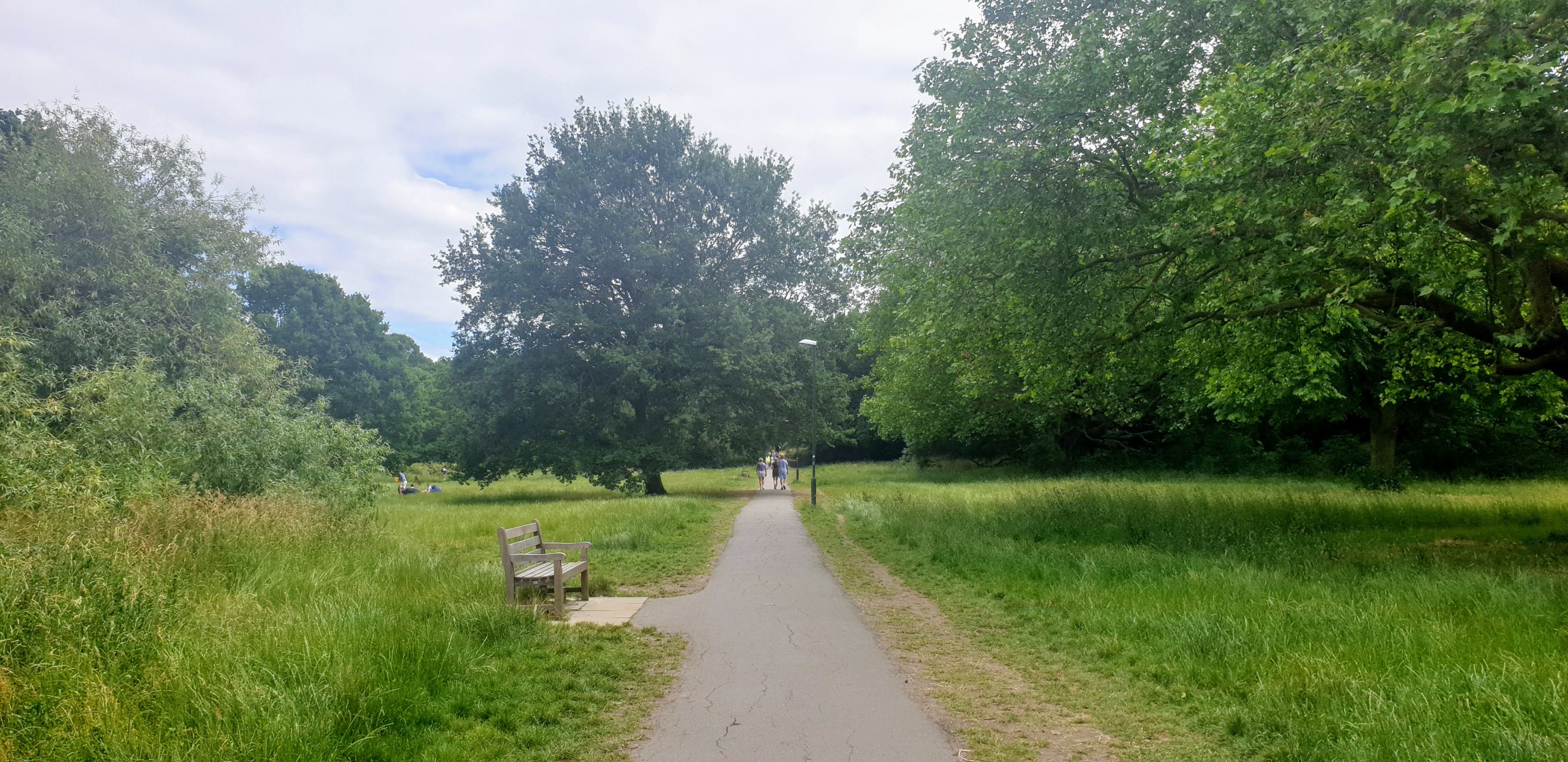
The path leads out onto Barnes Common and along the Beverley Brook. The Common adjoins the largest area of public land in London at 122 acres, so there are neverending dog walks if you are lucky enough to live here. But it’s witnessed tragedy too – Marc Bolan died here in a car accident in 1977.

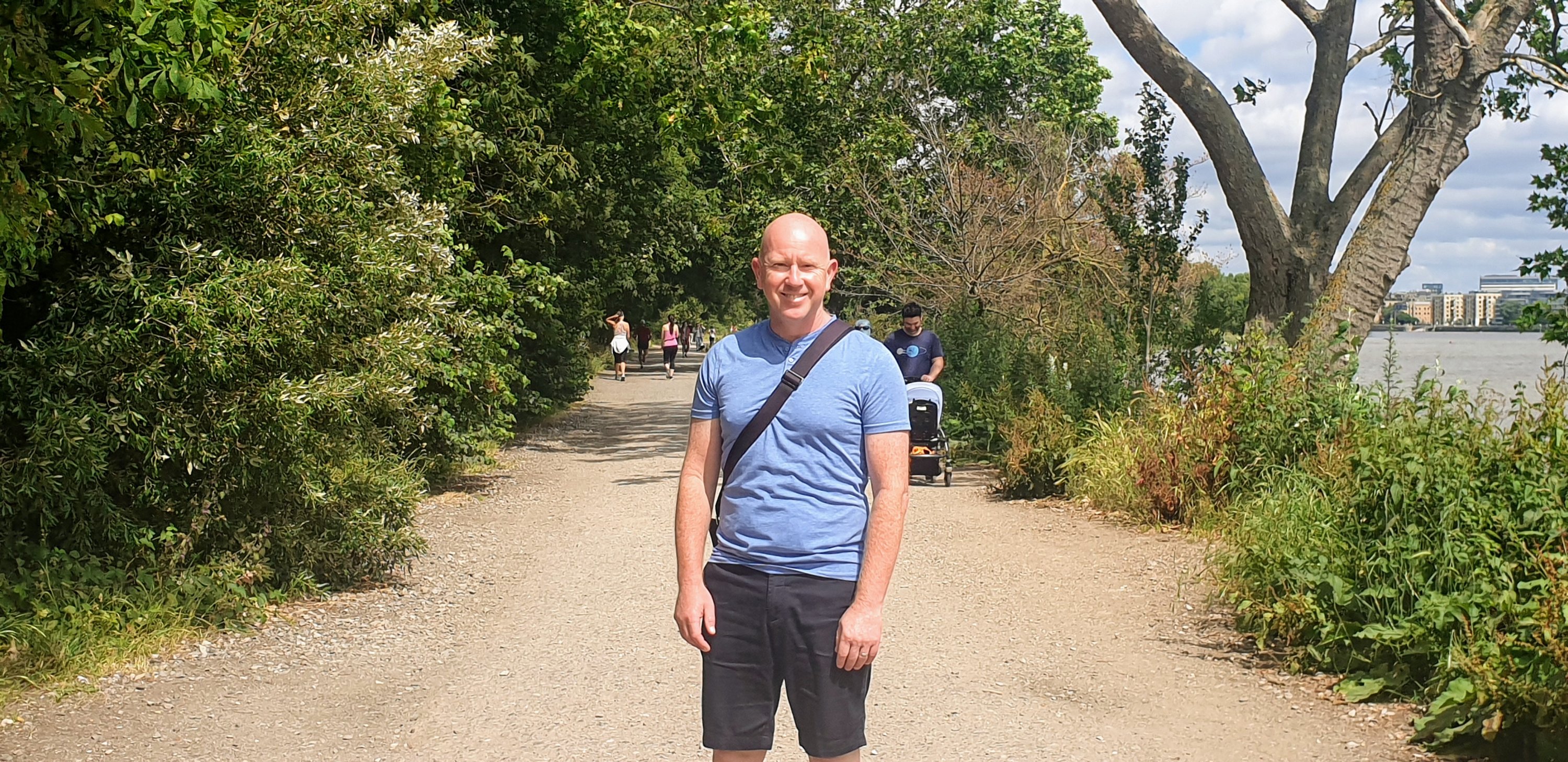
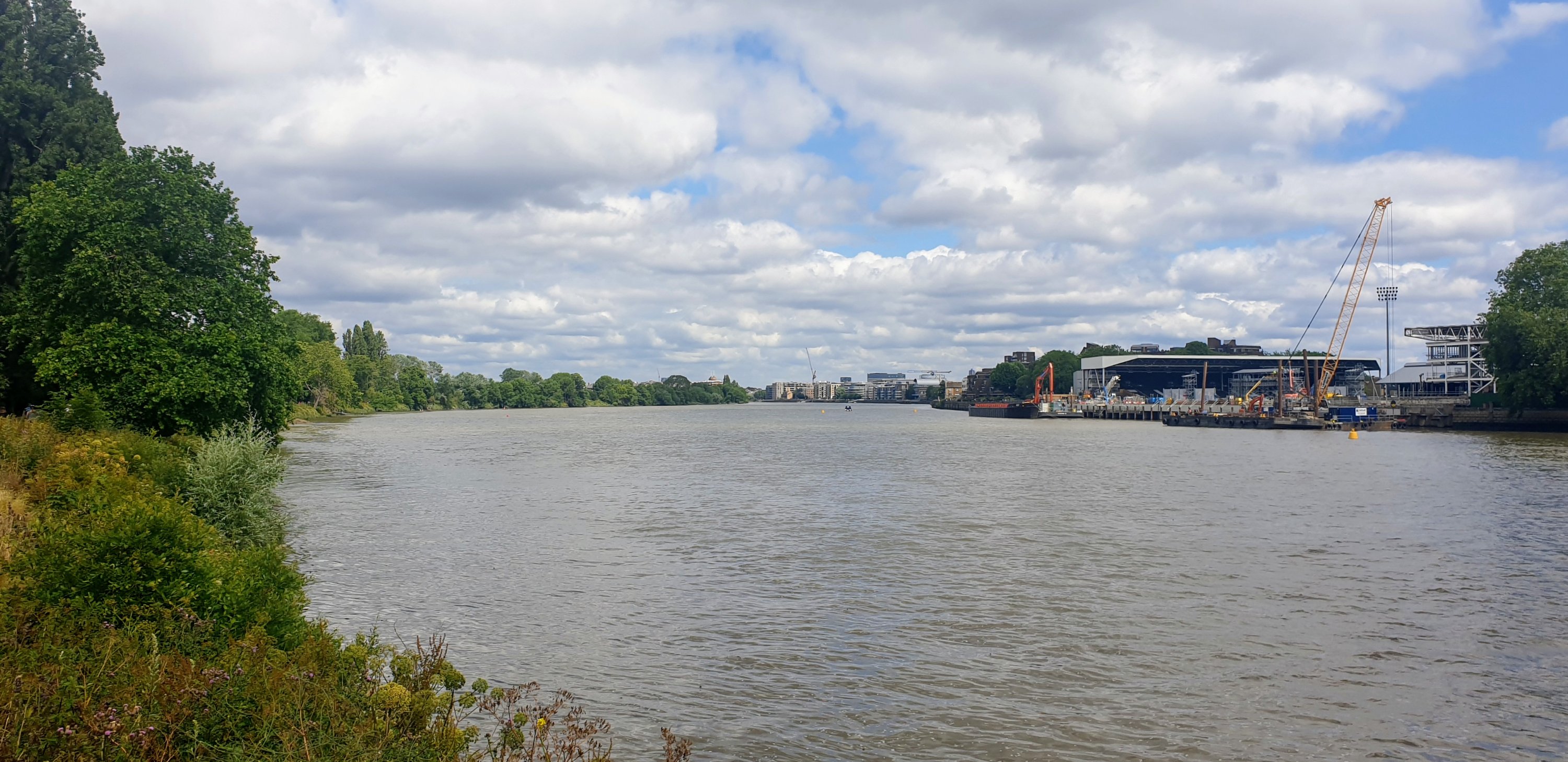
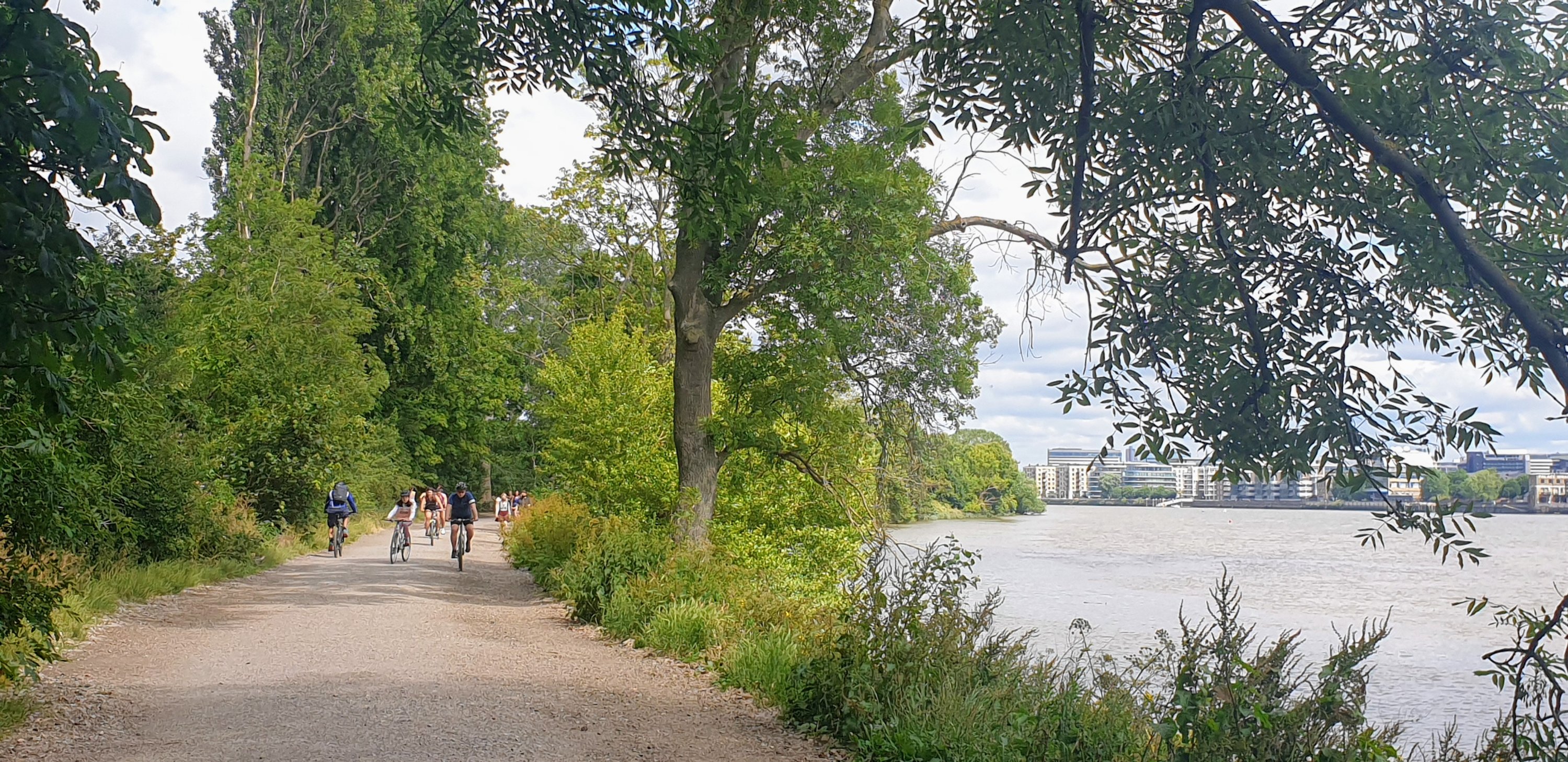
After about a mile we hit the Thames Path. It’s a lot wider and busier here than at home in Maidenhead but still a great place for a stroll. Opposite they’re putting the finishing touches to the new Fulham football stadium. ‘Take a close-up for your blog’ urges the husband. I’m not sure why he thinks my readers would be interested? I’m not.

I’m not particularly a rowing fan either, but this section of the Thames is where the University Boat Race takes place each Spring (except 2020 for obvious reasons, surely the most boring year ever). The first race between the Oxford and Cambridge boat clubs took place in 1829 and the course stretches for 6.8km between Putney and Mortlake. It’s known as The Championship Course and also hosts other prestigious rowing events.

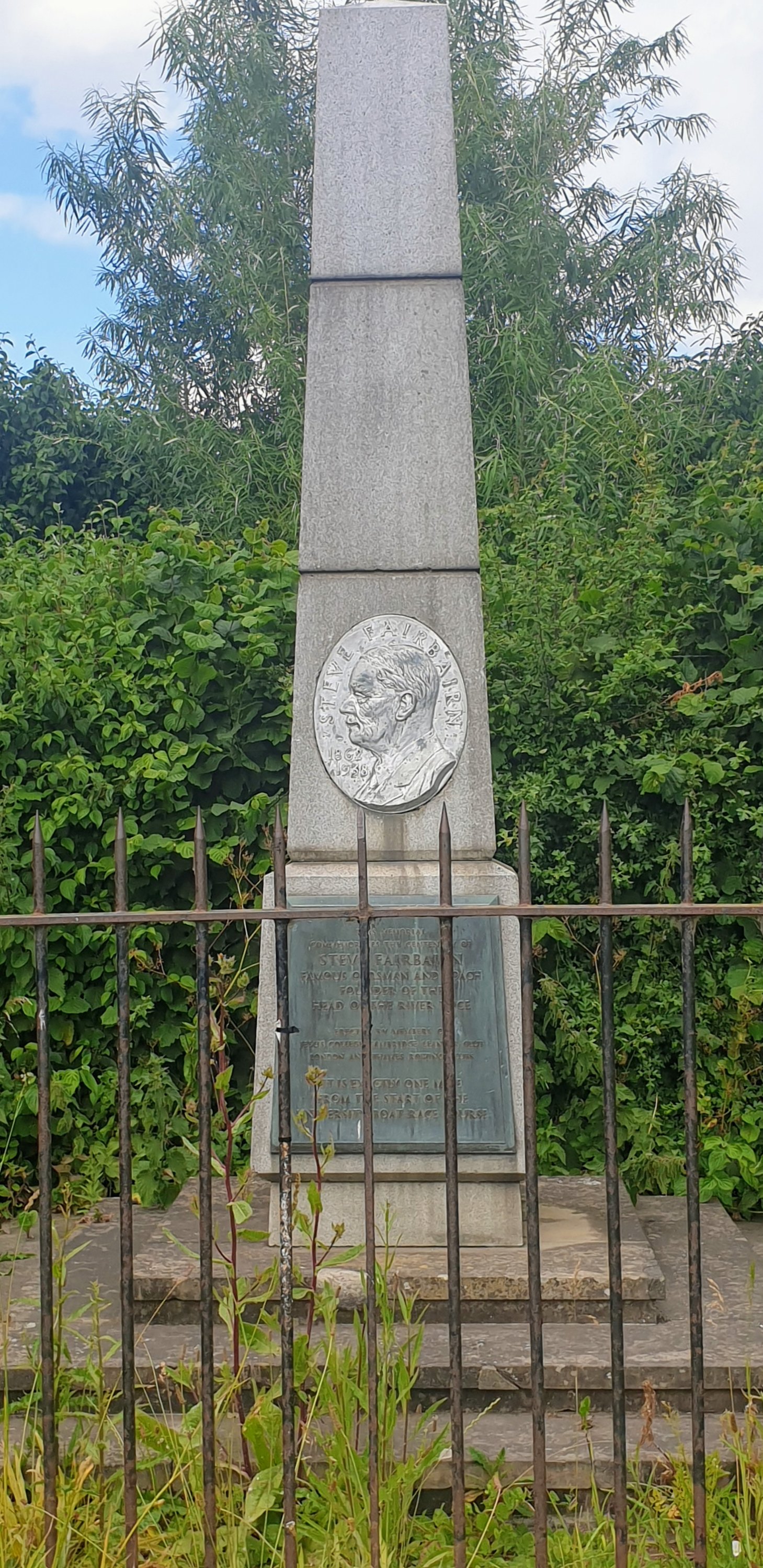
Exactly one mile from the start is a memorial to the man who founded the yearly Head of the River Race, Steve Fairbairn. The HORR first took place in 1925 and attracts top rowing eights crews from the UK and overseas every March. I’m becoming a bit of a rowing expert – these walks are brilliant for my general knowledge.

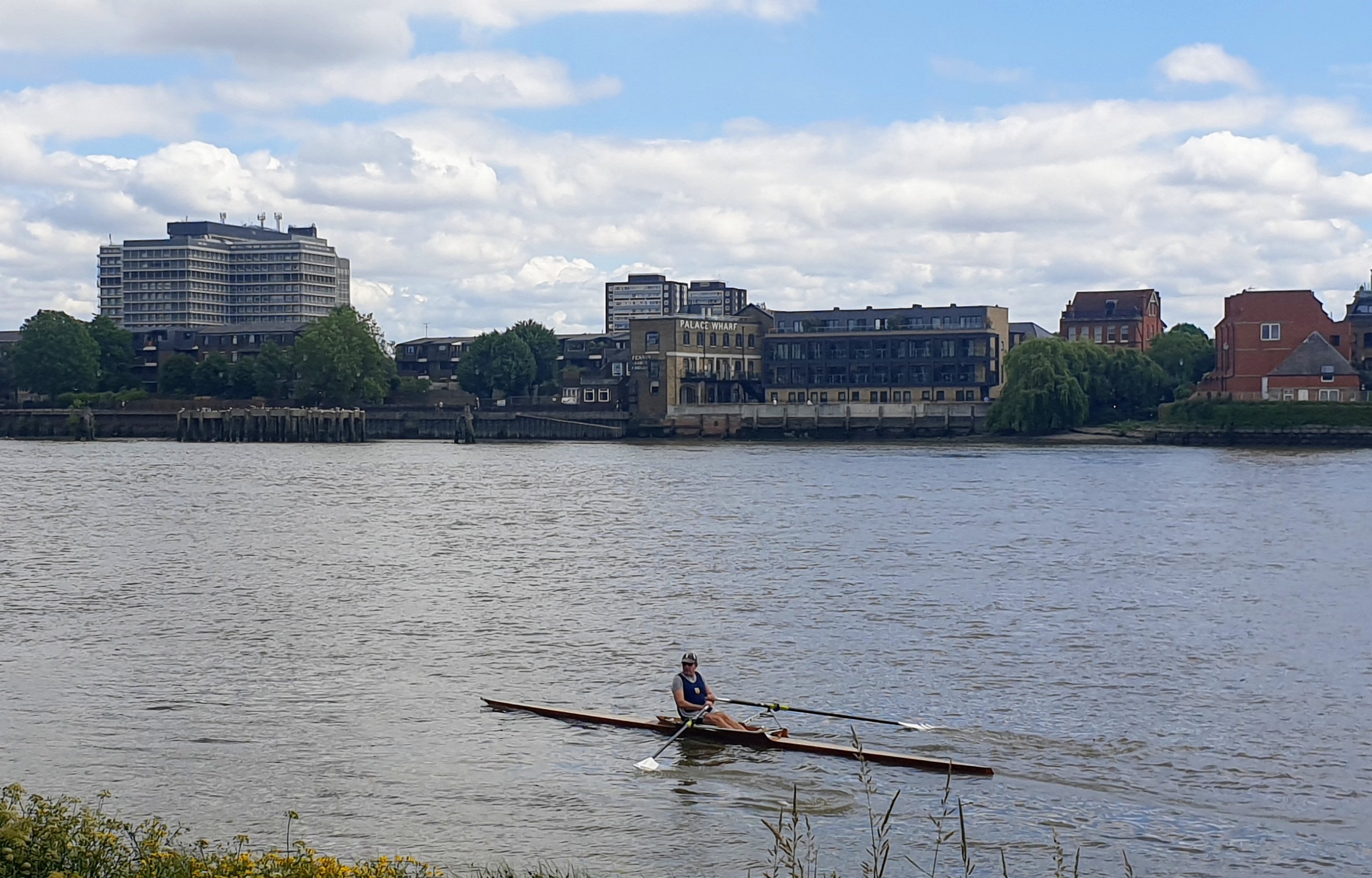
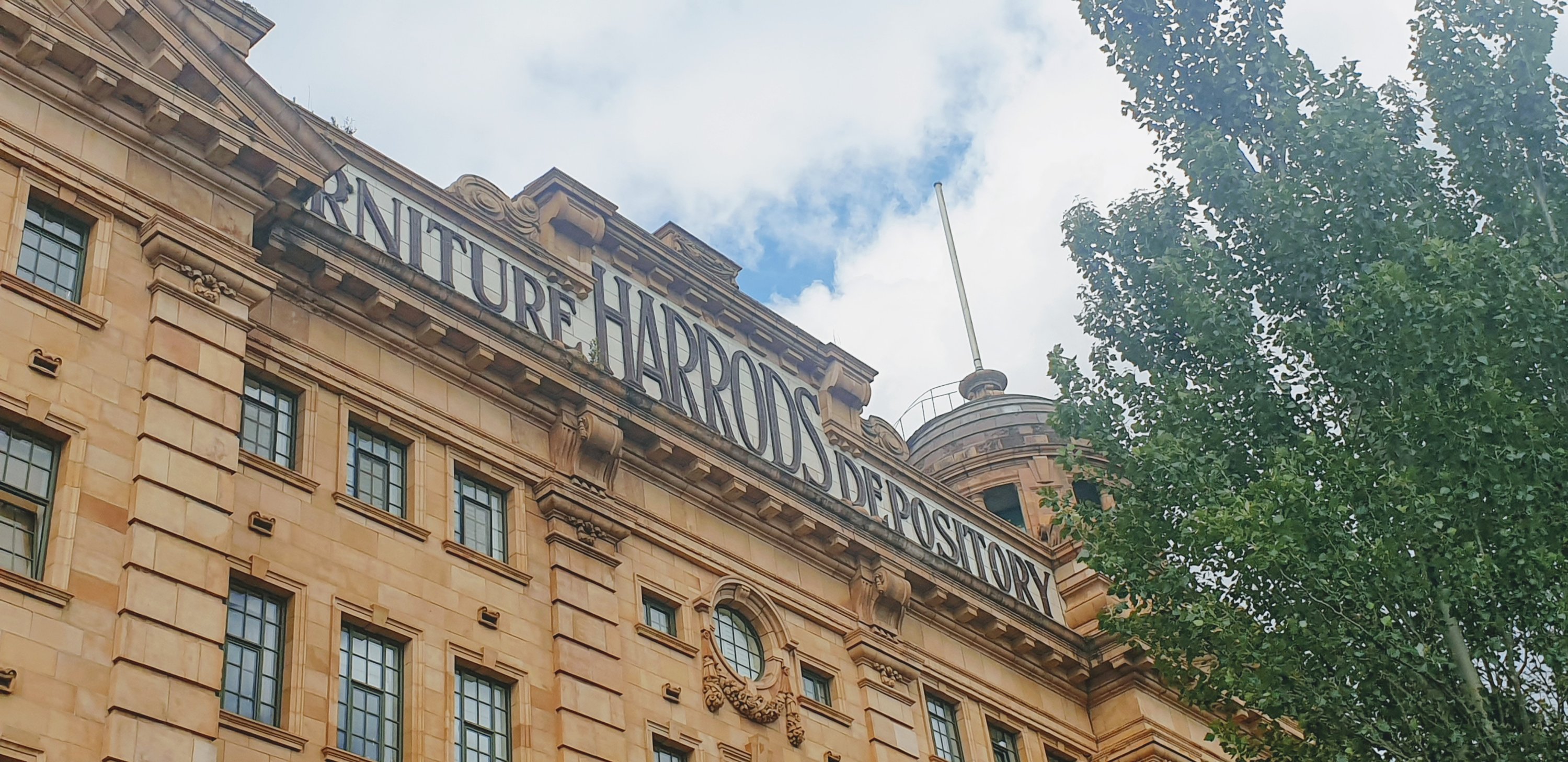
Many of the old commercial wharves on the Thames embankment have been preserved and turned into housing, like the Palace Wharf, built in 1907 for marble imports. We also pass the old Harrods Furniture Depository, now flats called Harrods Village. The warehouses were built in 1914 for pieces that wouldn’t fit in the Knightsbridge store.

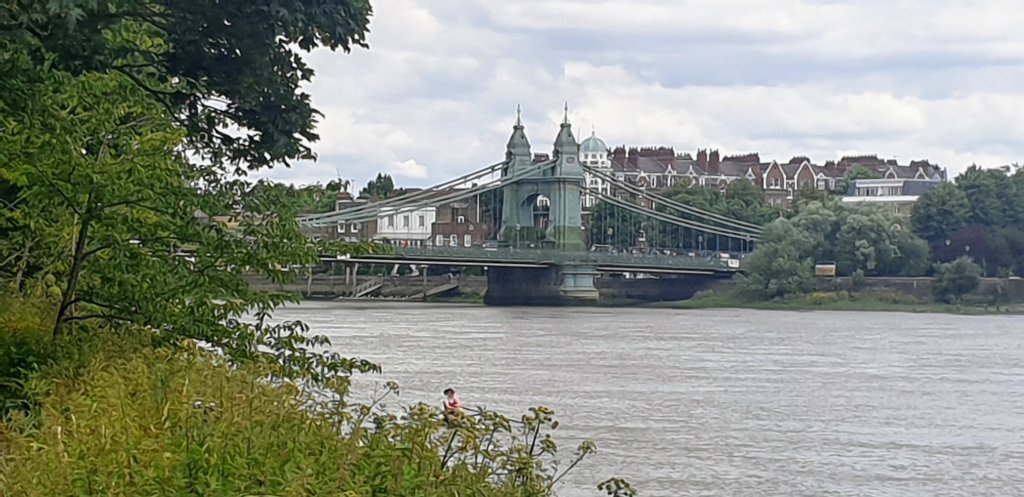
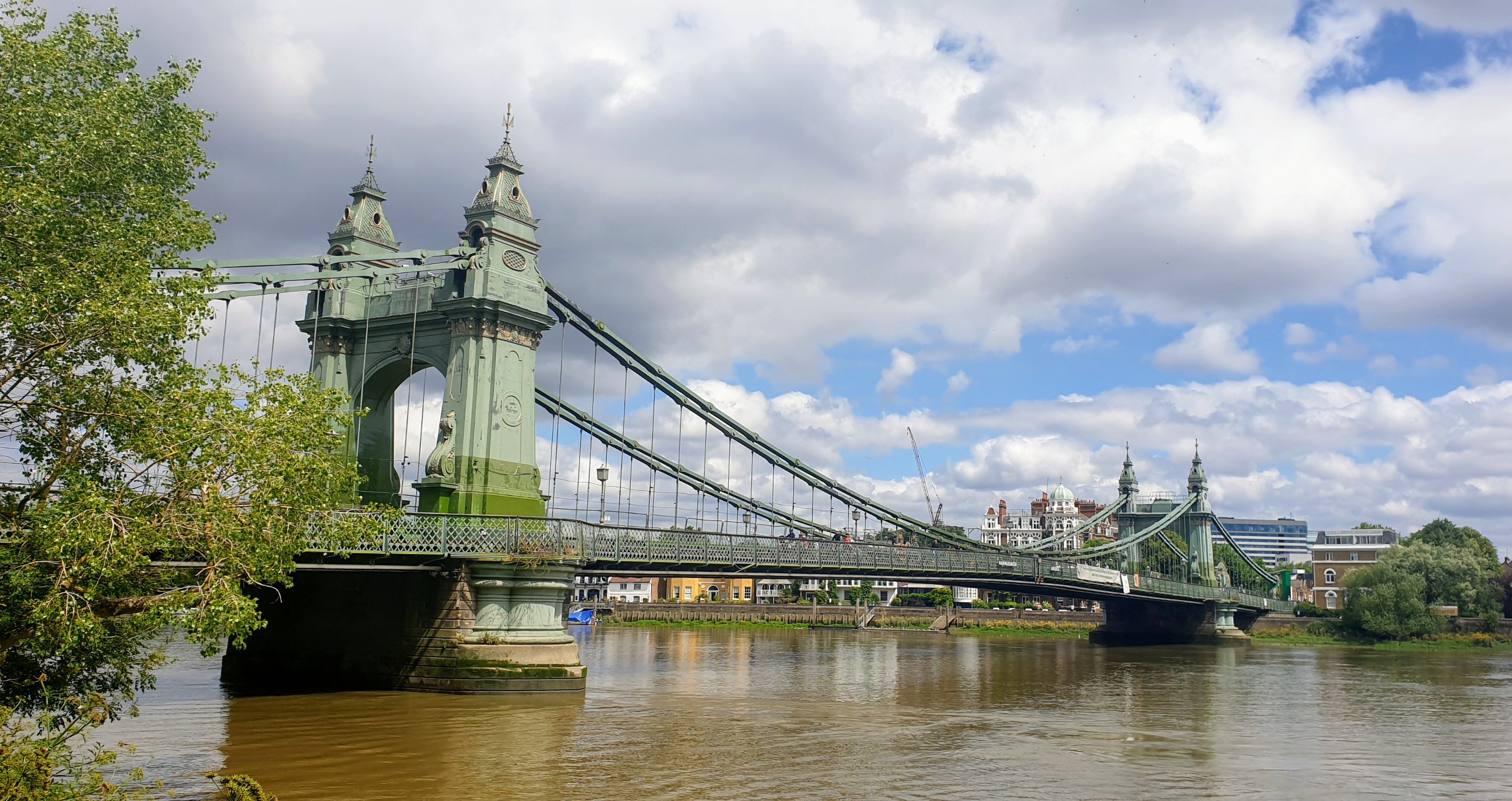
Next, we pass underneath the Hammersmith Bridge in all it’s green glory. It’s currently closed to traffic due to cracking in the pedestals and I bet local residents are hoping it doesn’t get fixed, it must be so much more tranquil in Barnes right now.

The bridge was built in 1887 to replace an earlier structure which couldn’t cope with the increasing London traffic. The current bridge has struggled with the very same problem. Amazingly, Irish republicans have attempted to bomb the bridge not once, but three times. Happily, the bridge survived and is now Grade II listed.

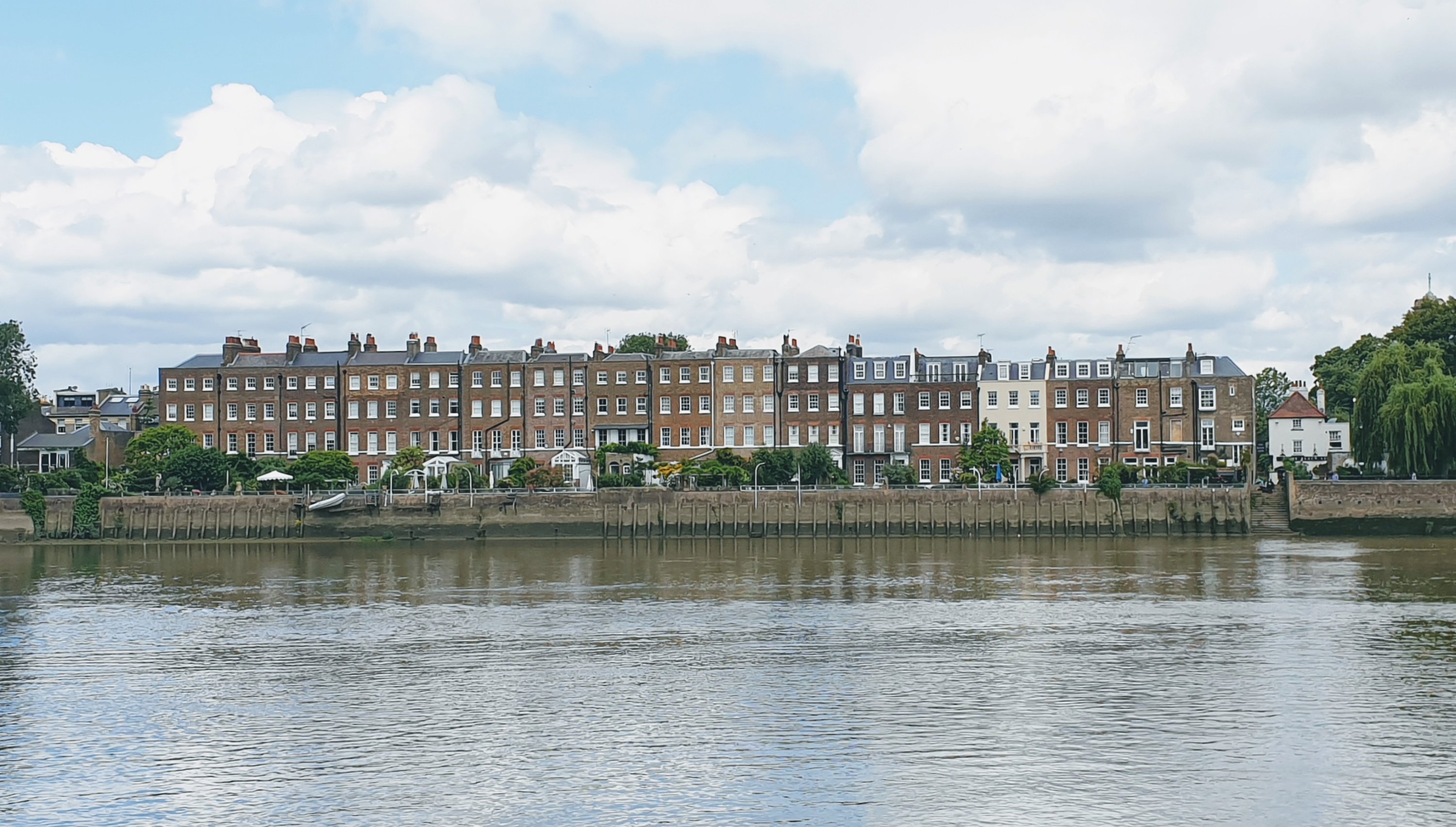
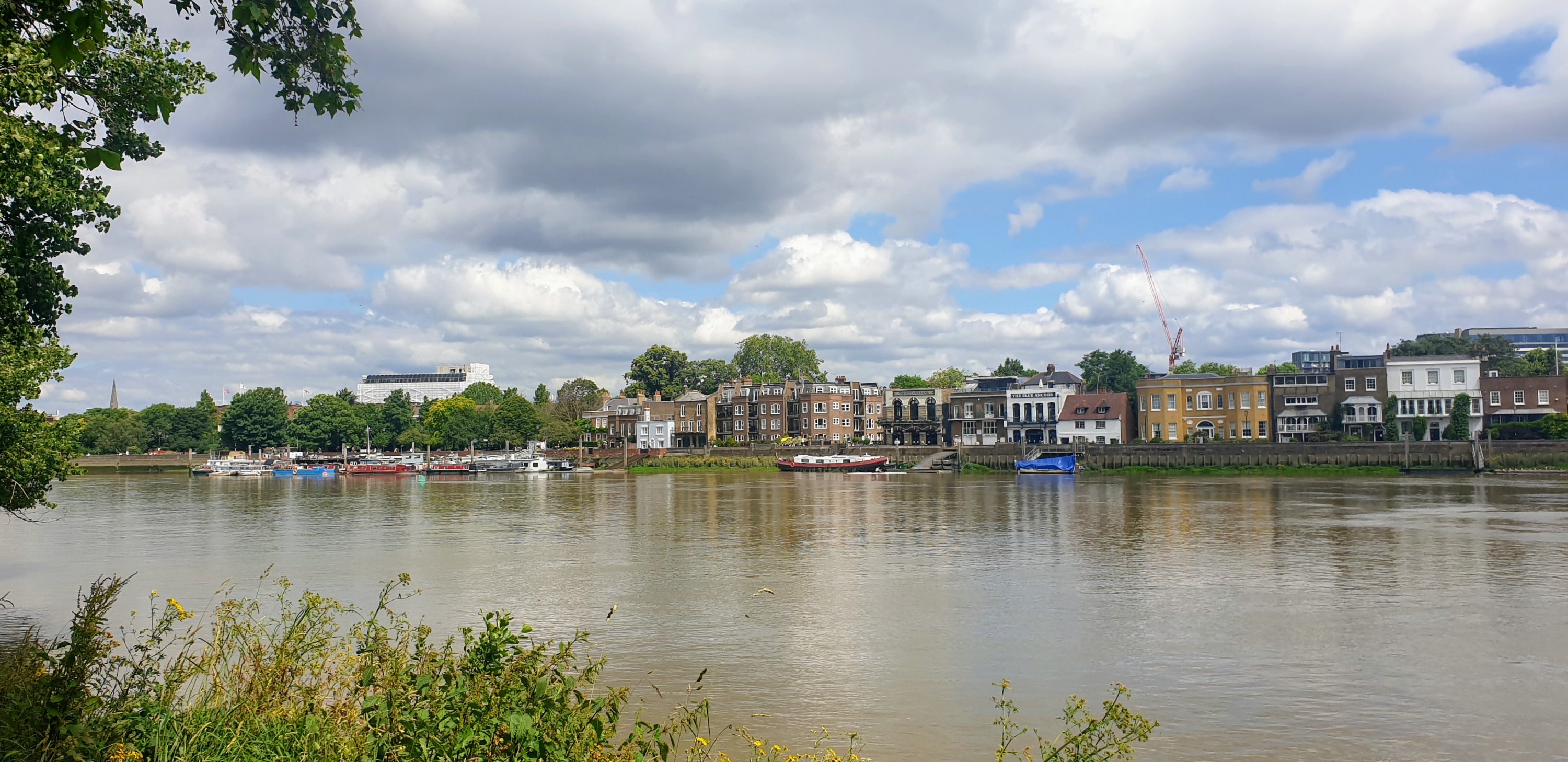
Looking across the river to Hammersmith as we walk, we admire the harmonious architecture along the banks, and remember past visits to the waterside pubs. Ahhh…

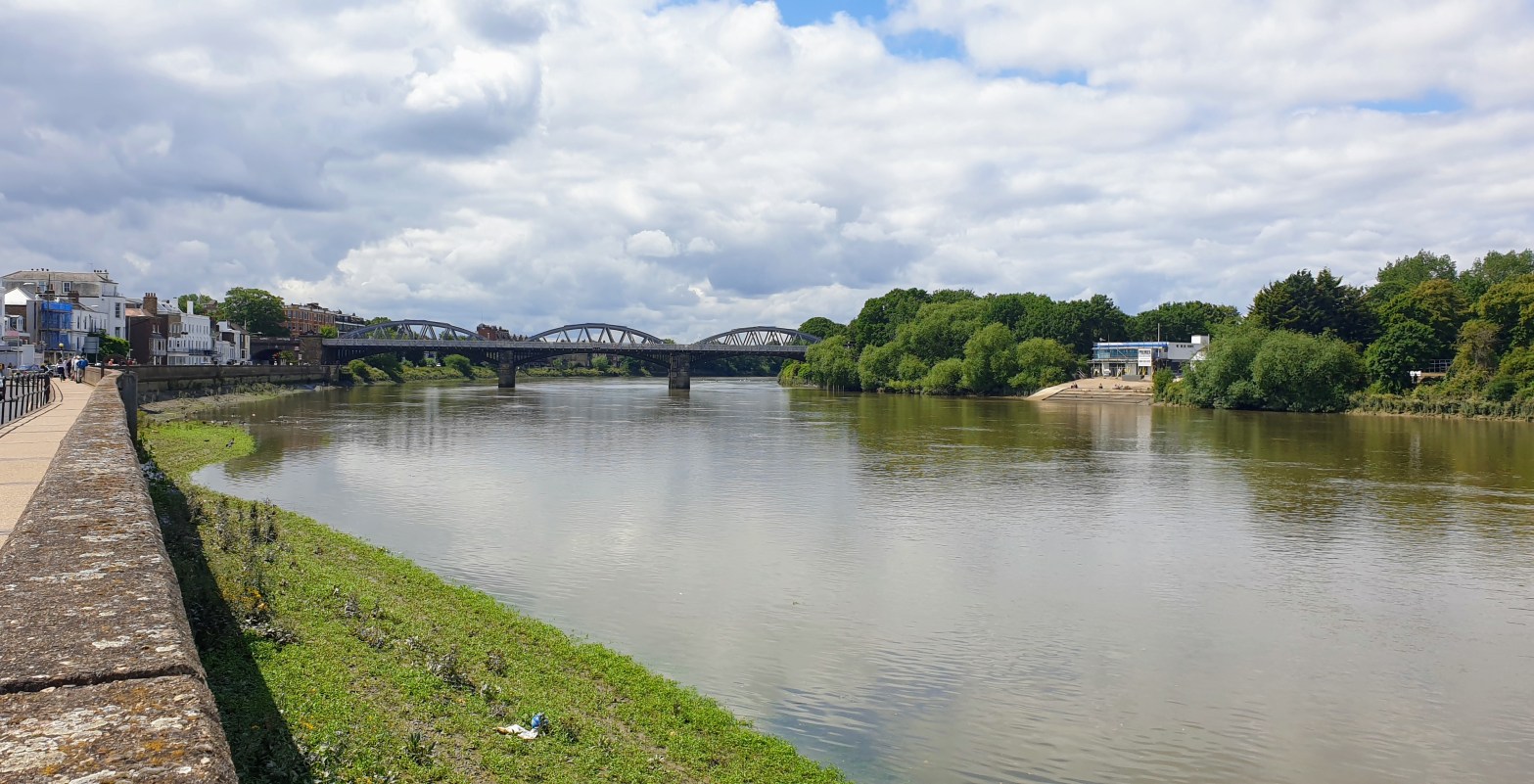
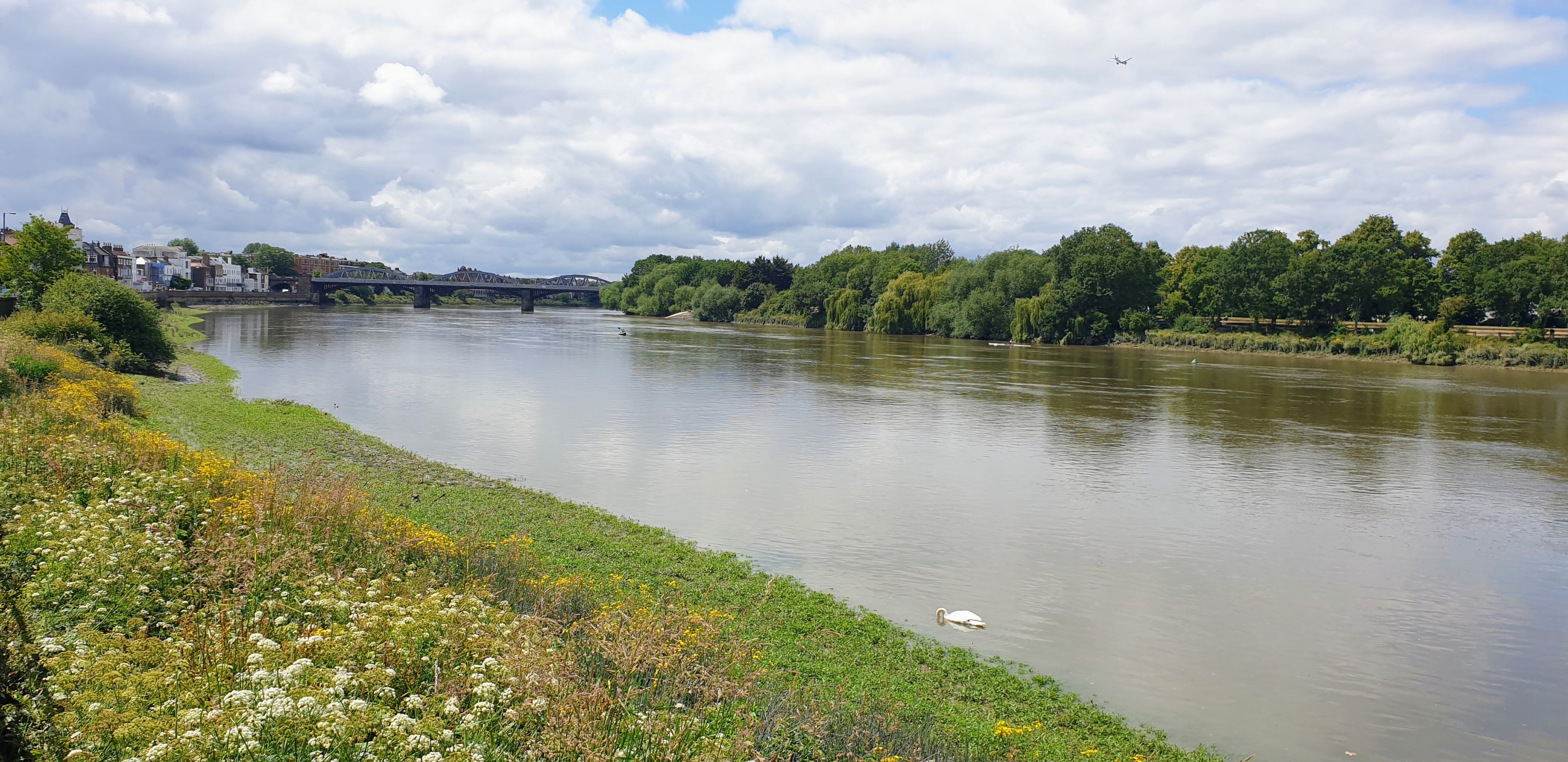
We know we’re on the final straight towards our lunch when we see Barnes Bridge in the distance. Barnes itself, only 5 miles from the centre of London, is another of those suburbs that claims a ‘village atmosphere’. It has a central green, some lovely pubs, independent shops and the London Wetland Centre as well as miles of walking paths. The husband and I are quite impressed.

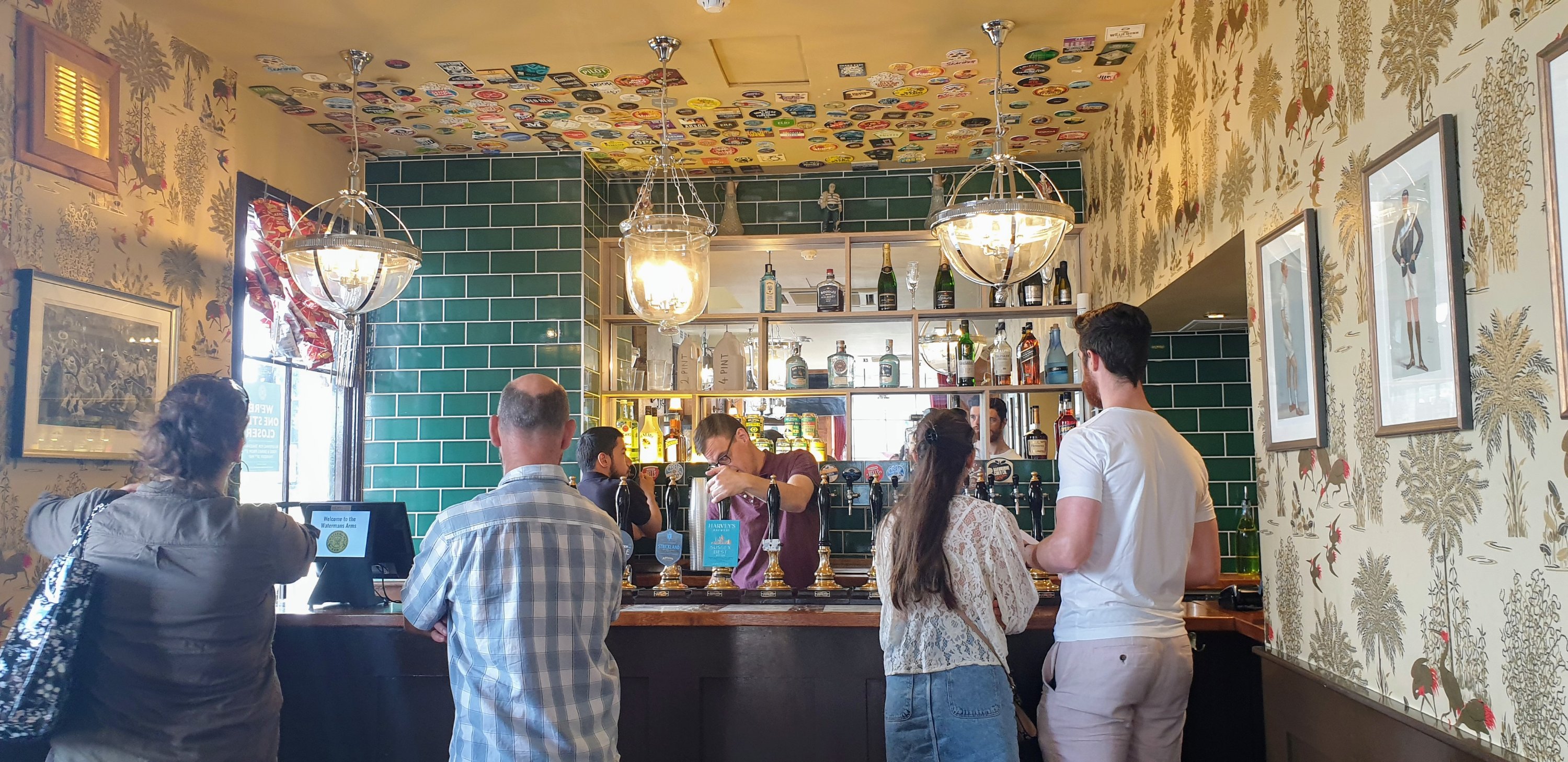
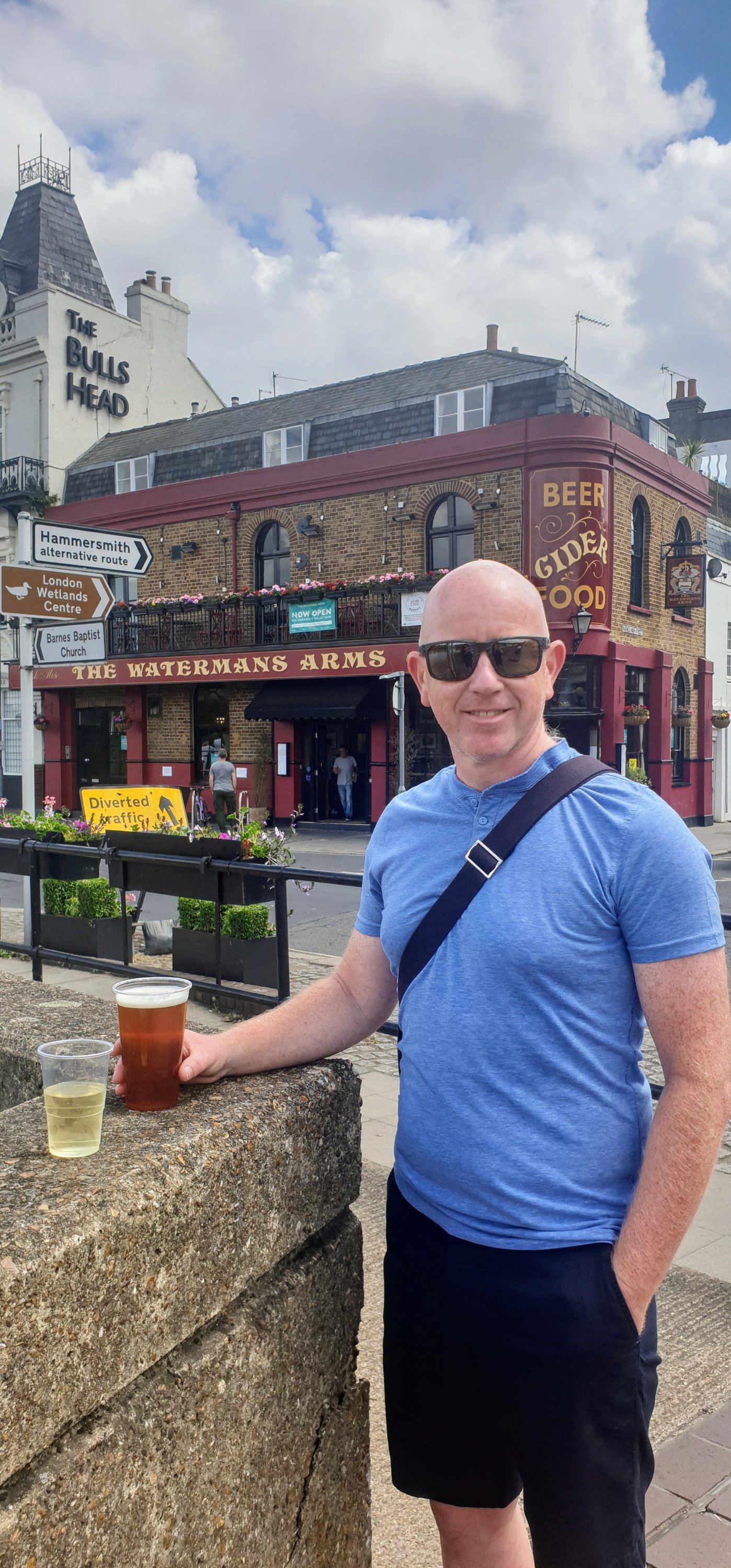
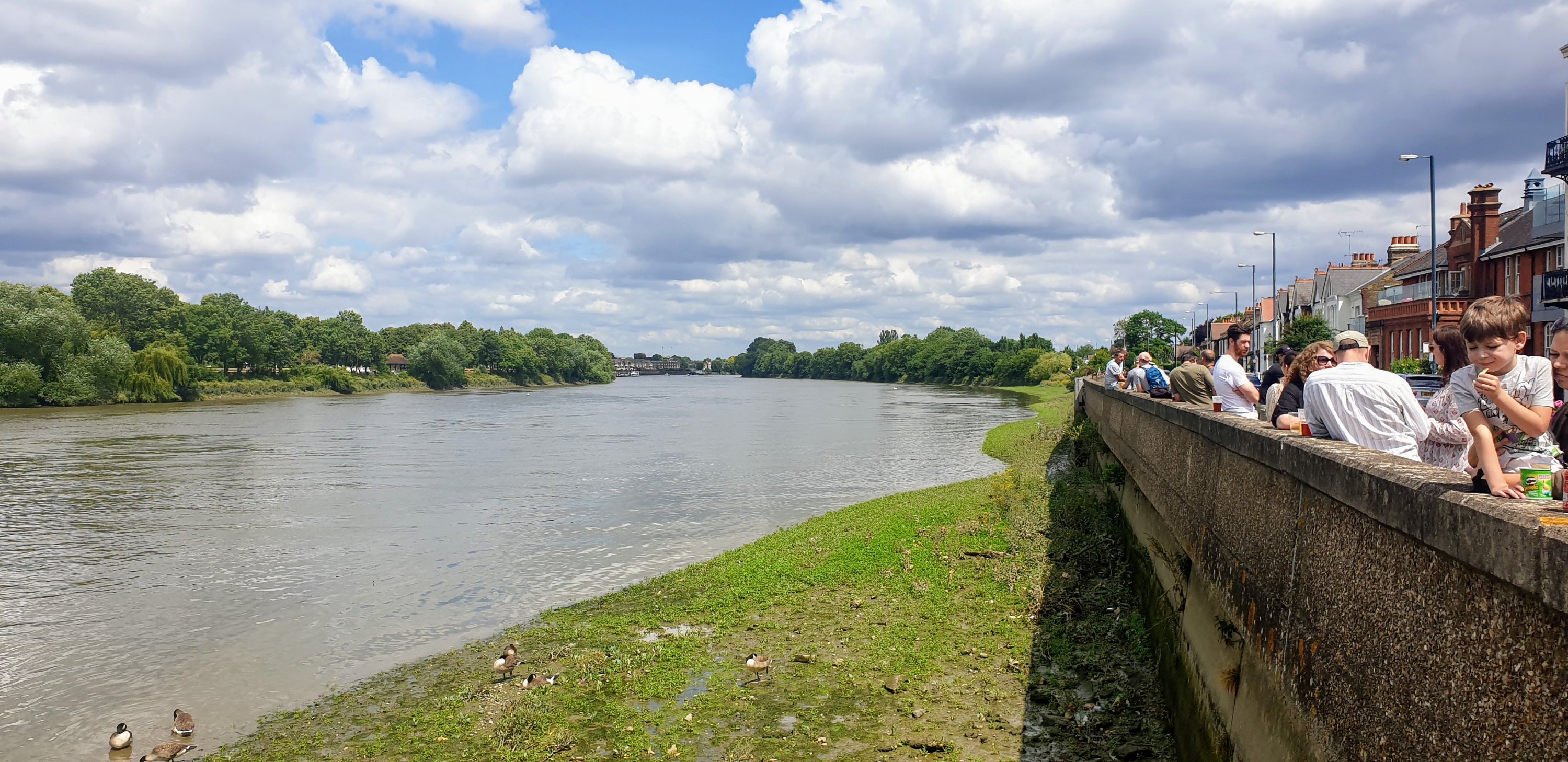
As we arrive in the village centre, there are two pubs beside the river. The first one, alas, is closed, but the second…I think it’s open, yes, hurrah, it is! The Watermans Arms is doing a steady trade in takeaways on this warm day. It helps that you can stand opposite and soak up the Thames views as you drink. This feels, dare I say it, like normal life!

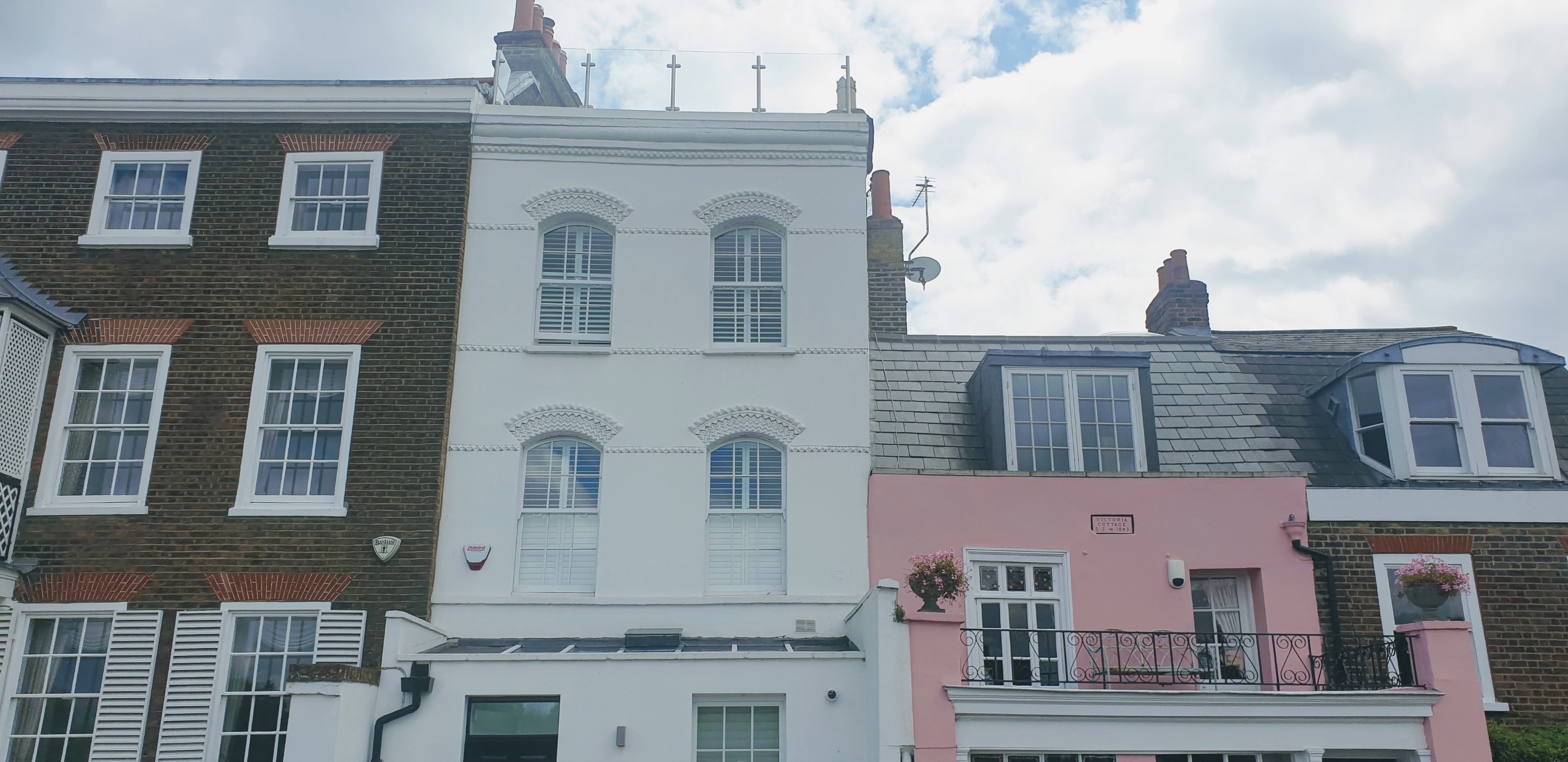
Fully refreshed, we wander along The Terrace, the address in Barnes from what I can gather. Some of the oldest riverside housing in London can be found here, overlooking the Thames and the Grade II listed railway bridge.

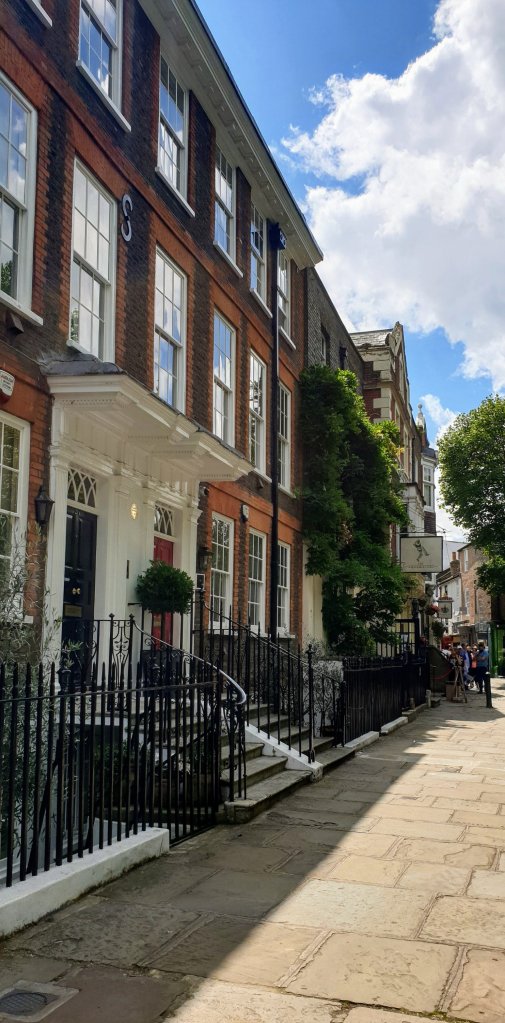
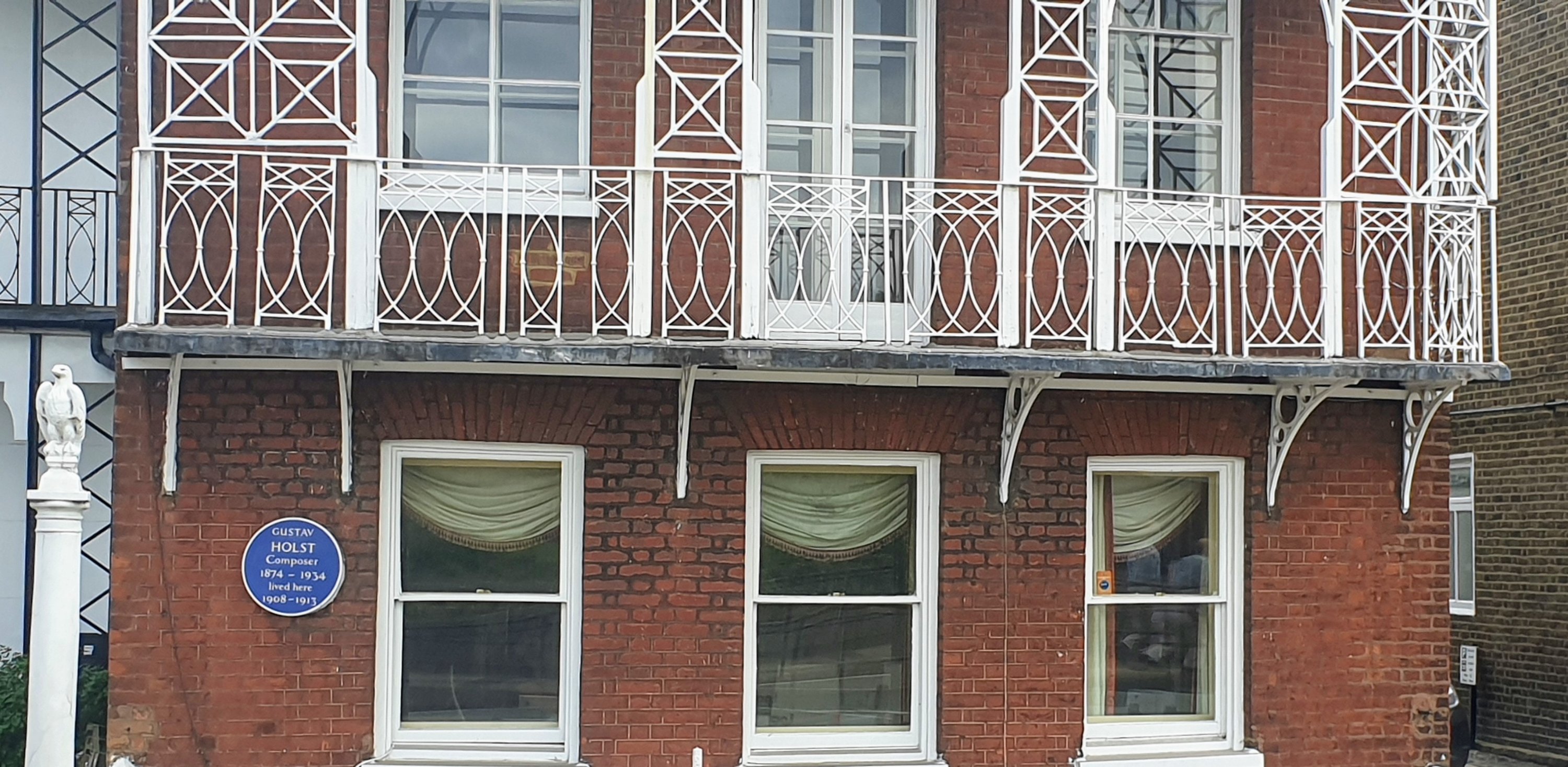
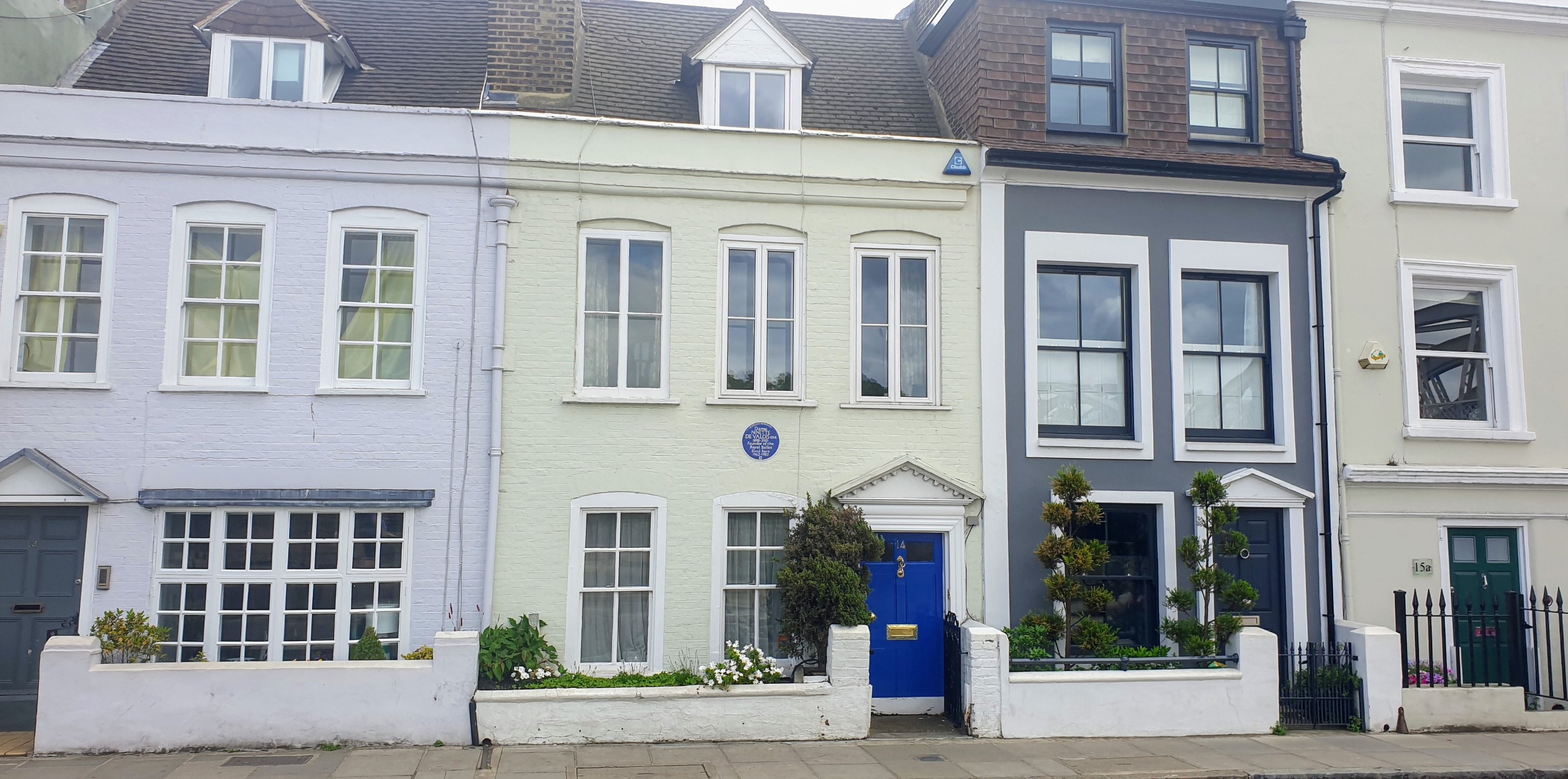
We spot a few blue plaques along the way. Composer Gustav Holst I’m familiar with, but I have to look up Ninette de Valois, who founded the Royal Ballet. I’m going to be so good at pub quizzes in future! Freddie Mercury, Henry Fielding and Rik Mayall all lived here. Current residents include singer Michael Ball, DJ Pete Tong, Queen’s Brian May and Roger Taylor, broadcaster Gary Lineker… but do we spy anyone famous? Nope!

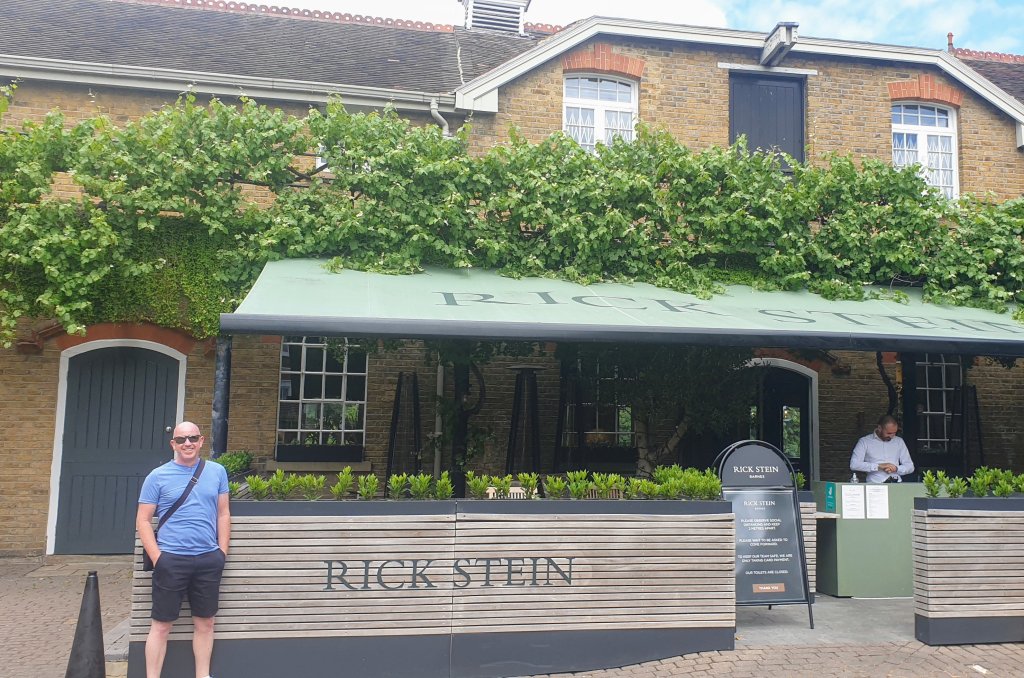
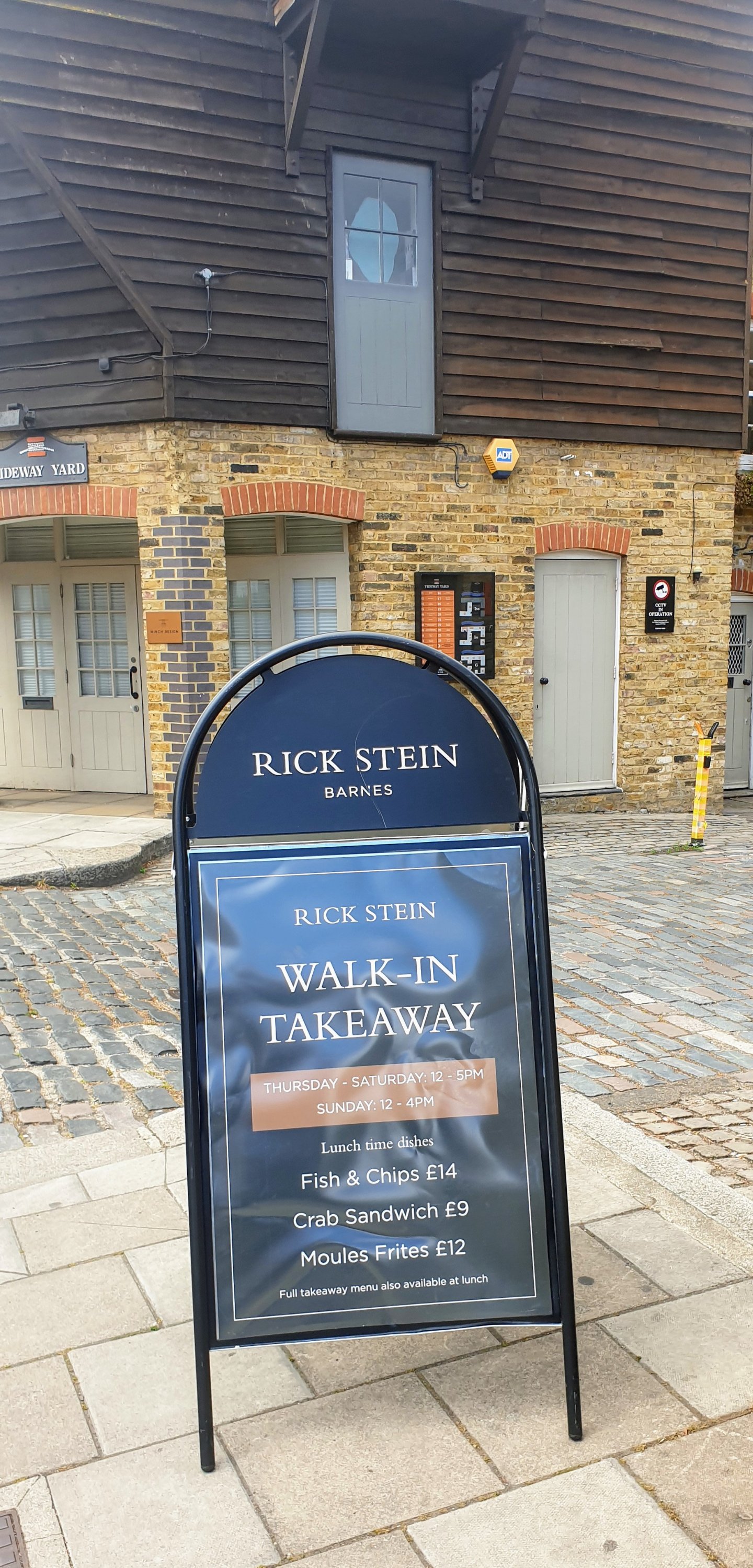
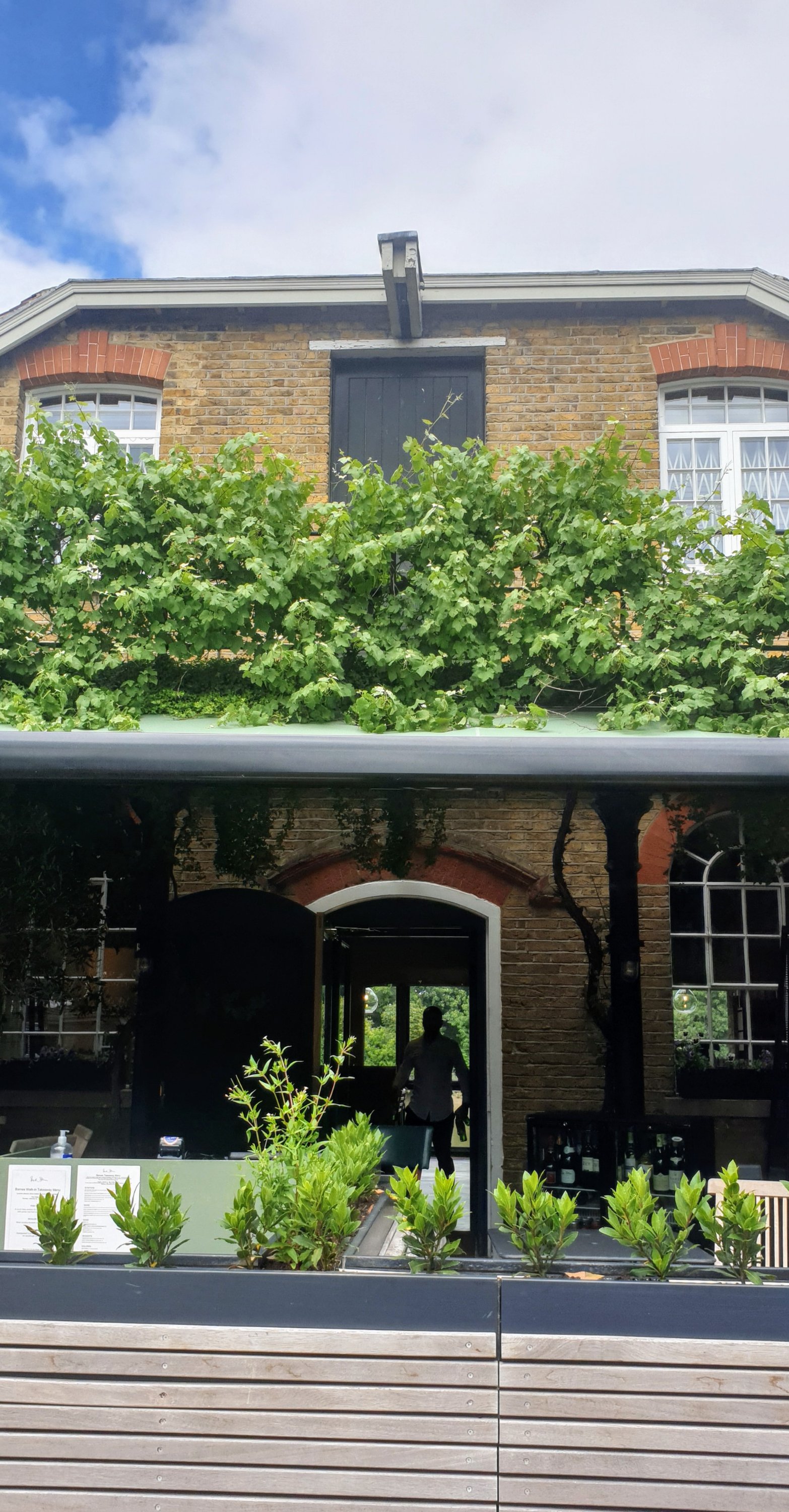
Finally, we arrive at our ultimate destination. Rick Stein is an absolute favourite of mine – food and travel, what’s not to like? Hopefully he won’t let us down today. His Barnes restaurant is right on the river, inside a lovely vine-clad courtyard. Unfortunately, we’re told, the man himself isn’t here, he’s in Australia.

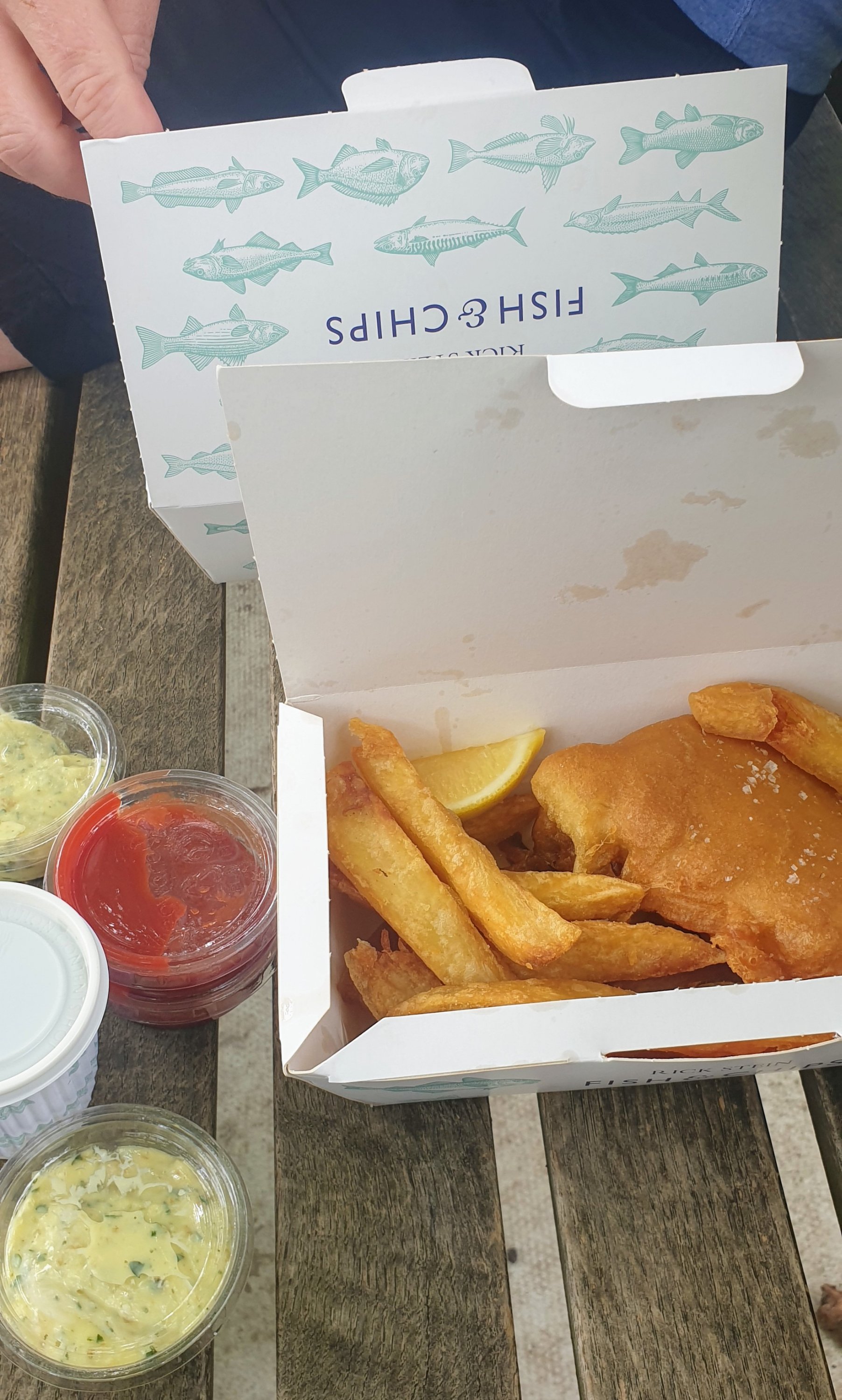
Granted, £14 for takeaway fish and chips is a bit steep. My Dad guffaws when I tell him – £6.50 is what he pays at his fave chippy up North. But this is Rick’s…and it includes mushy peas and tartare sauce. Let’s face it – after 5 miles of walking we’re ravenous so we’d pay whatever.

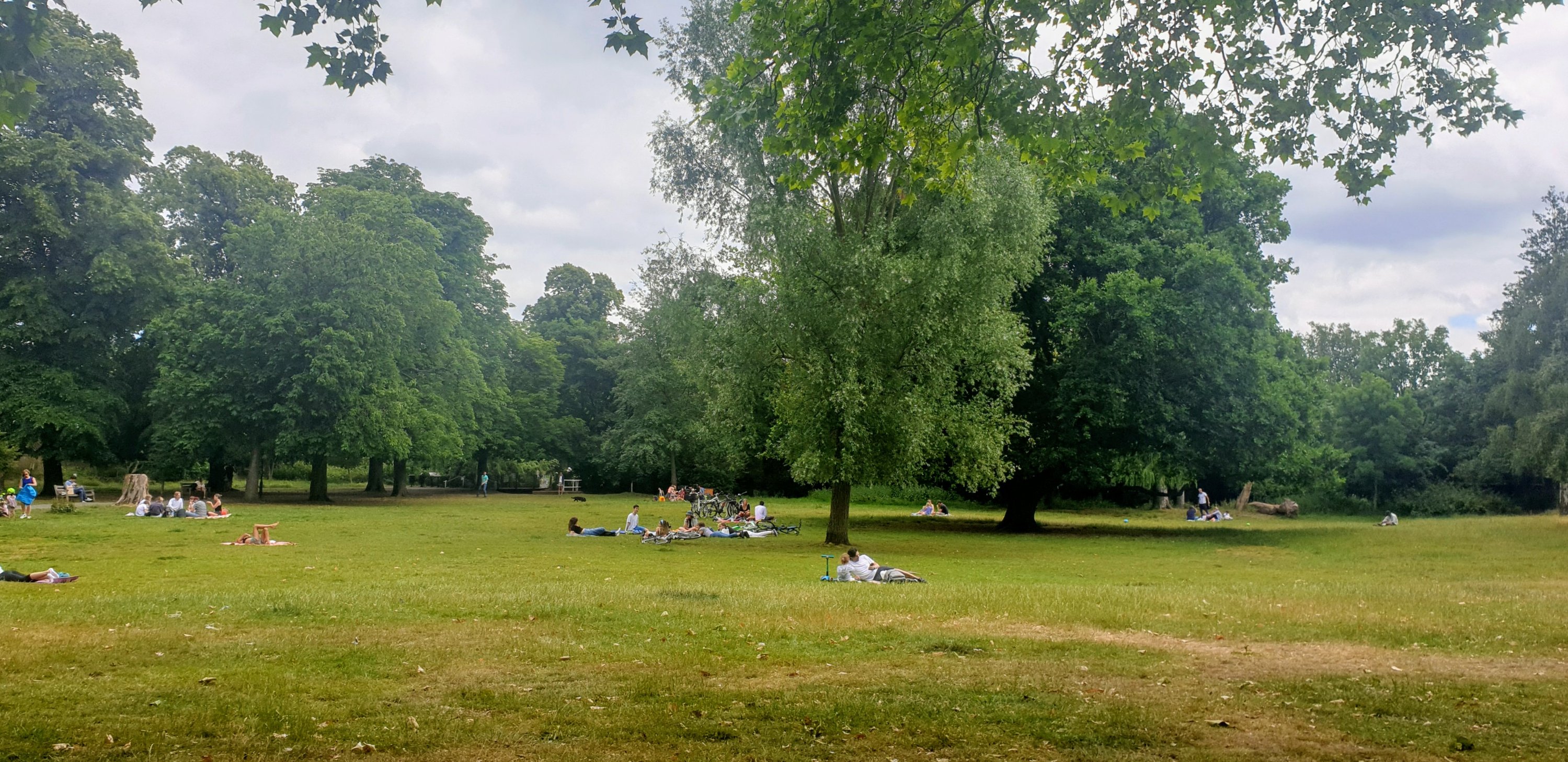
We take our expensive parcel, from which delicious smells are wafting, and leg it at top speed along a nearby alleyway towards Barnes Green in the centre of the village. It feels like a long way – we’re starving! We grab a bench amongst the sunbathers, family groups, dogs, everyone in Barnes it seems, and rip open the paper. For a while, there is an appreciative silence… Pricey, yes, but worth every penny if you ask me. No disappointments from Rick, thank goodness for that. Padstow here we come!

As we head back across Barnes Common to the car, the husband is full of praise for my walk planning today. Beer and gourmet food will clearly now be expected at the end of each outing. During current conditions, that’s a big ask. Better get googling!

Sun, sea and sandwiches in San Sebastian

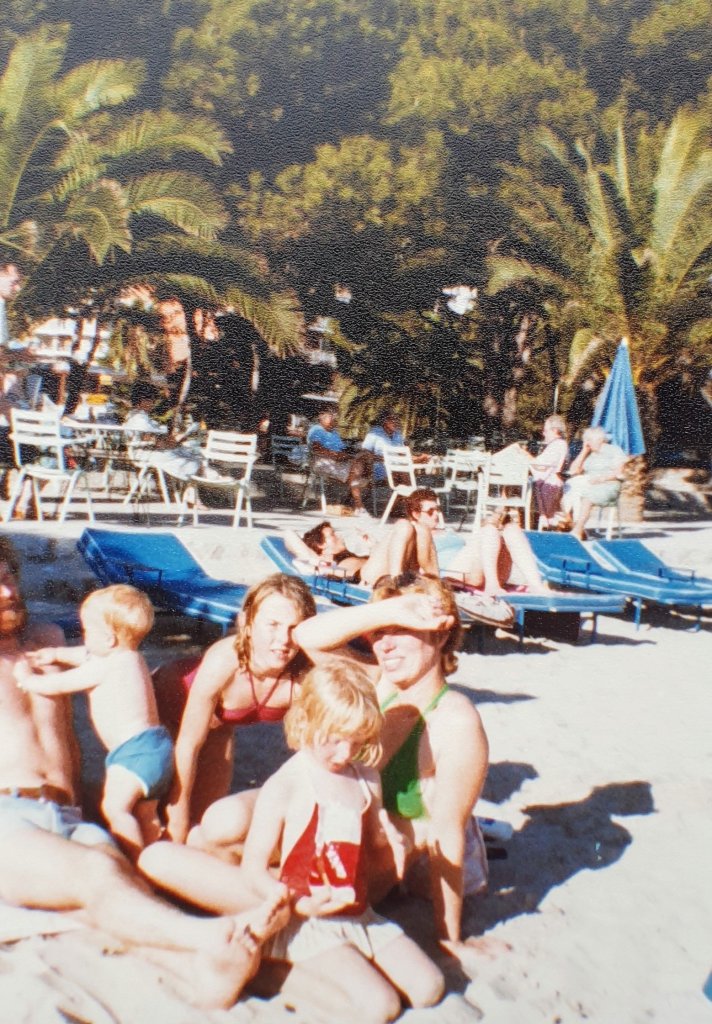
I love Spain. I associate it with fabulous, carefree childhood holidays in the sun with my parents and three siblings. Dad ran his own business, but back then you could completely escape by jumping on a plane. No-one could contact you – you could have been on the moon! And hotel buffets meant unlimited portions of chips, ice cream and fizzy pop. Paradise for the whole family!

In Spain circa 1982. My sister Vick took this – she’s easily distracted.

Grown-up me still loves the sunny, chilled-out vibe of España but I’m pleased to say that my tastes have matured a lot, so obviously the tapas and vermouth play a big part too. We try to visit a different part of Spain each year for a slightly nuanced experience. Today I’m taking you to San Sebastian up on the northern coast in Basque country.

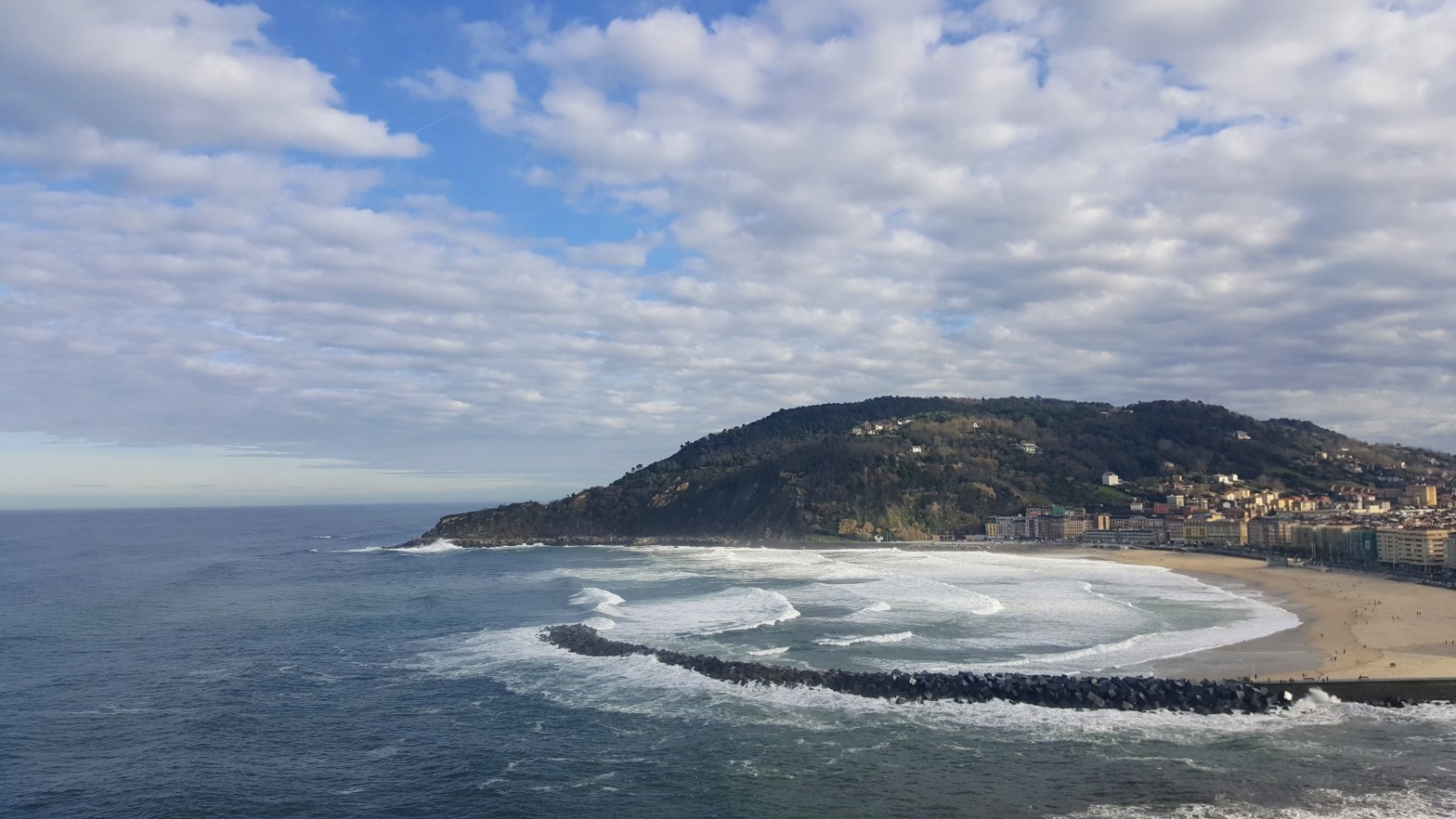
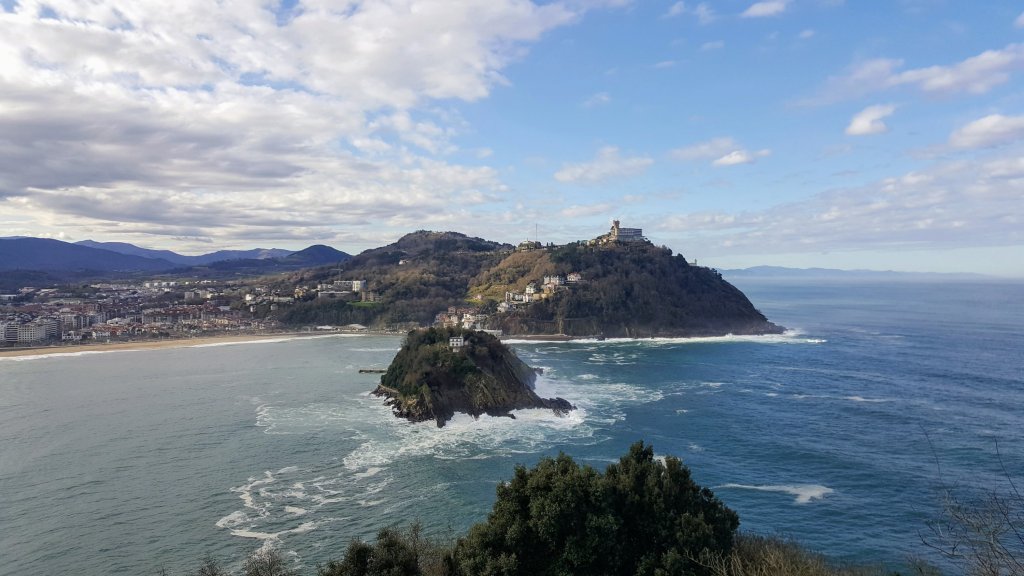
The view over Playa de la Concha from the lookout on Monte Urgull.

Originally a fishing village, San Sebastian rose to fashionable prominance in the 19th century when the Spanish royal family came here to escape the Summer heat of Madrid. The crowds followed and the seafront was soon sprouting a host of elegant art nouveau buildings.

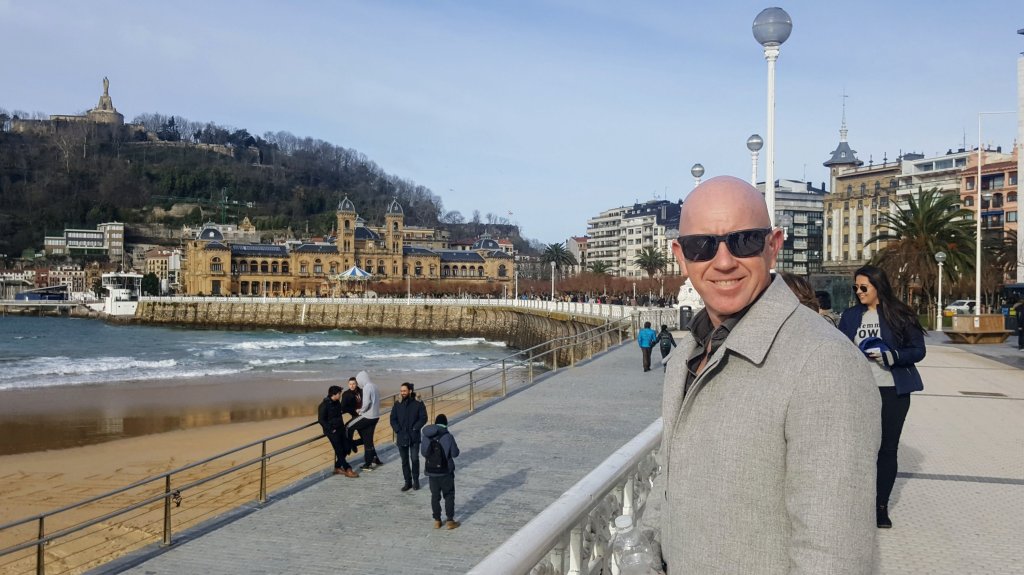
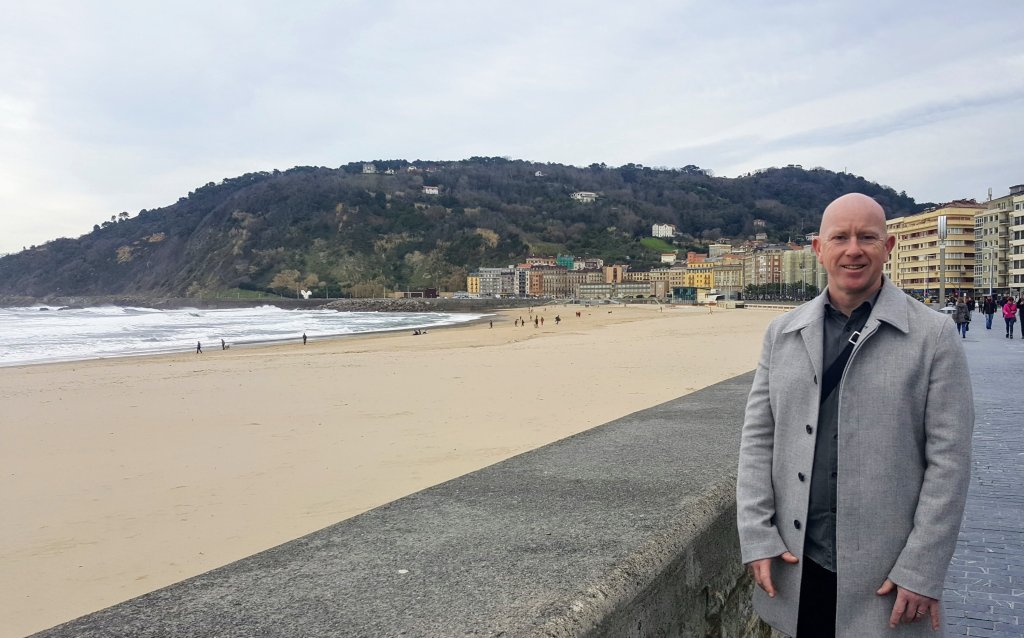
The husband overlooking Playa de la Concha.

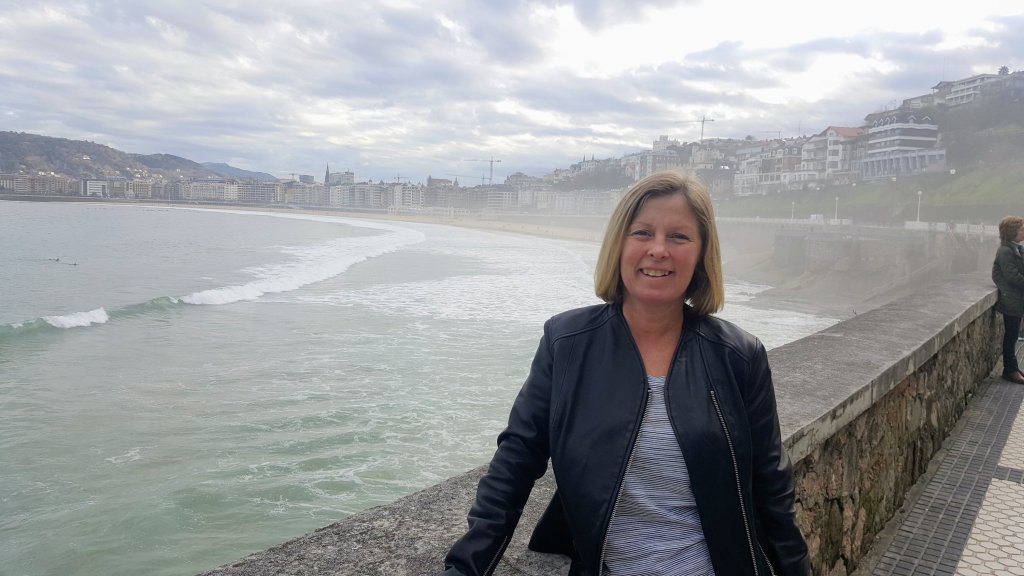
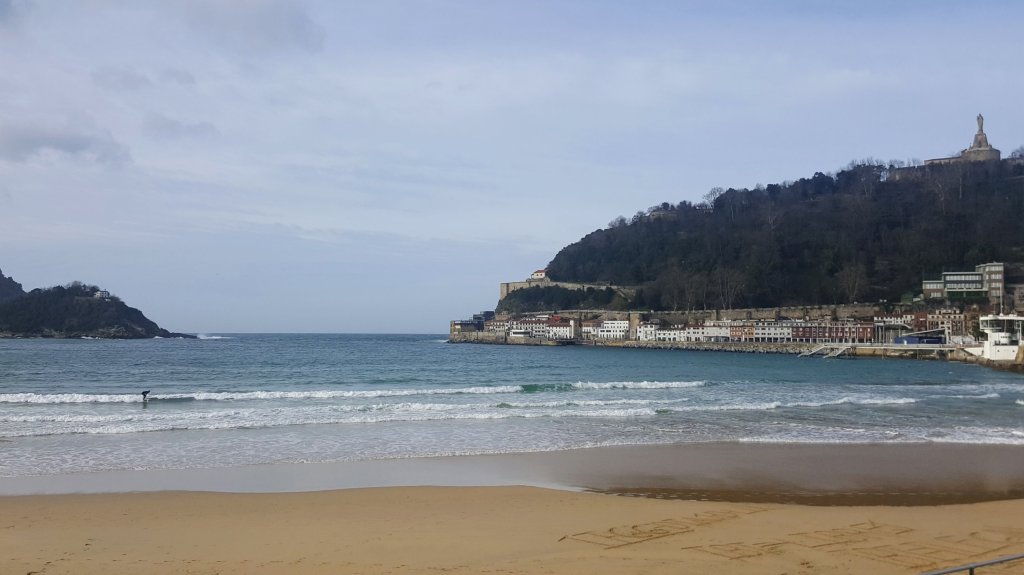
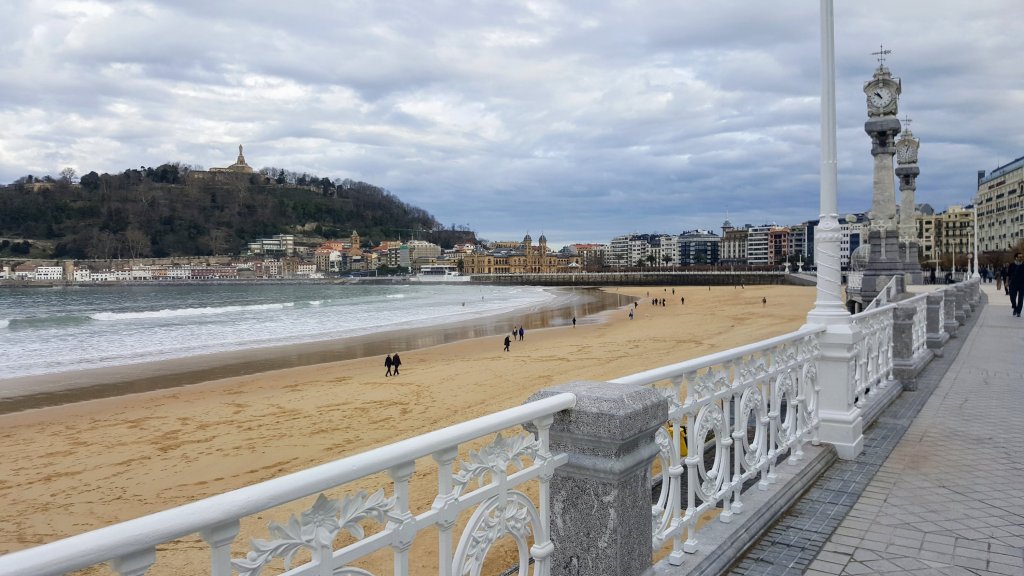
The city has a knockout location along two beautiful bays, both with immaculate crescents of sand. Playa de la Concha lies to the west of the centre and Playa de Gros stretches east with rocky outcrop of Monte Orgull jutting out between them. It’s quite simply stunning. But I have to admit that I’m not really here for the scenery. It’s the food…

A typical pintxos spread.

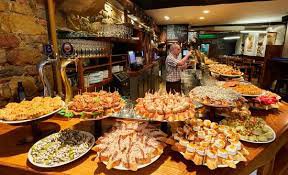
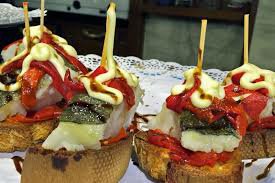
San Sebastian is a foodie heaven, with more Michelin stars than Paris. But it really excels in the art of the pintxo, the Basque version of tapas. Mostly based upon a small piece of bread or baguette, a pintxo is a towering concoction of delicious flavours held in place with a wooden toothpick.

Pintxos – yum!

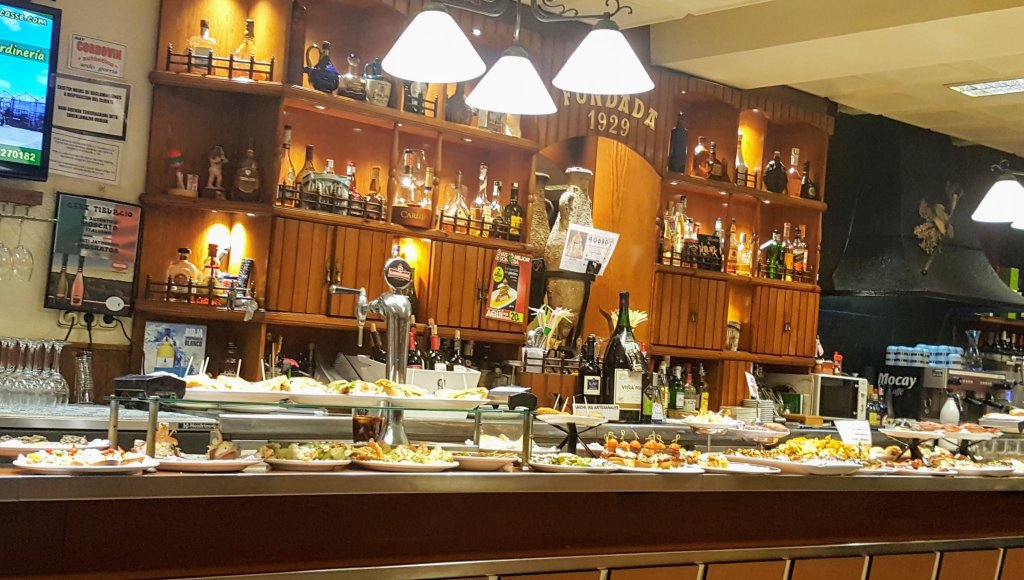
There are countless pintxo bars in the Parte Vieja, or Old Town, between the bays. The counter will be filled to tipping point with all varieties of snacks – point to what you want and enjoy with a glass of local wine. I guarantee you will make more than one visit to the bar! The trouble with pintxos is that they’re just too tasty.

I want to try them all!

After a few days of pintxo scoffing, the husband pointed out that he’d had enough of what were basically sandwiches. ‘I have sarnies every day at work’ he complained. I didn’t concur – comparing these succulent Spanish savouries to cheese and Branston on Hovis is pretty much sacrilege if you ask me. However, compromise is the secret to successful travel, so we went to a spectacularly bad Chinese restaurant for a change. My advice is to stick to the local specialty!

The view along Playa de la Concha to the centre of town.

Needless to say, we don’t just eat and drink during our trip. We’re lucky enough to get excellent weather in December, so we put on sensible shoes as always and walk for miles. Either bayfront makes for a great stroll, joining the locals for a constitutional and enjoying the lovely views out to sea.

Looking out to Isla de Santa Clara and Monte Urgull.

Playa de Concha is longer and busier, overlooking the Isla de Santa Clara 700m out from the beach. It claims to be one of the best city beaches in Europe and who am I to argue? This is the place to be in the Summer months, although it’s not quite sunbathing weather for us. Playa de Gros is the quieter of the two beaches, popular with surfers. Both have wide seafront promenades which make for easy ambling.

Playa de Gros.

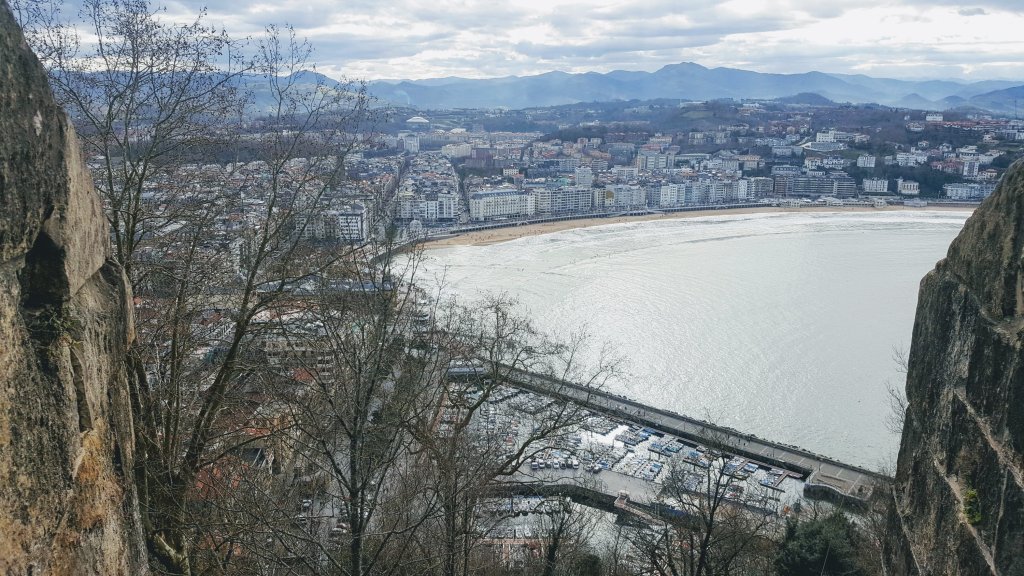
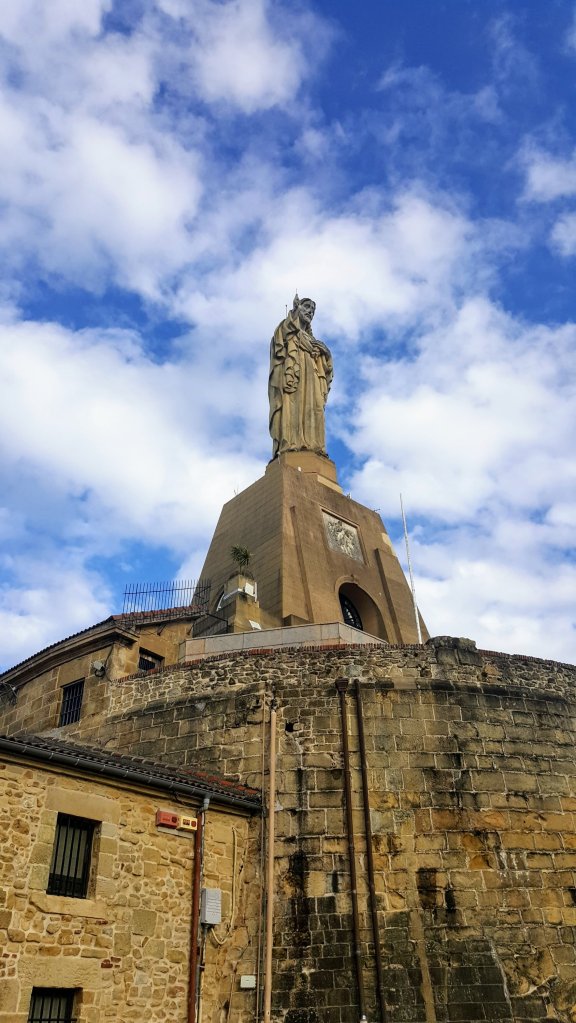
Another nice walk, although a lot more strenuous, is the climb up Monte Urgull to the north of the Old Town. The views from the lookout are amazing and there’s a castle and an impressive statue of Christ at the top, so you can take some time to hang out and recover.

View west from Monte Urgull – well worth the climb.

Following family tradition, I manage to find a cannon I can pose with up there. Old habits die hard!

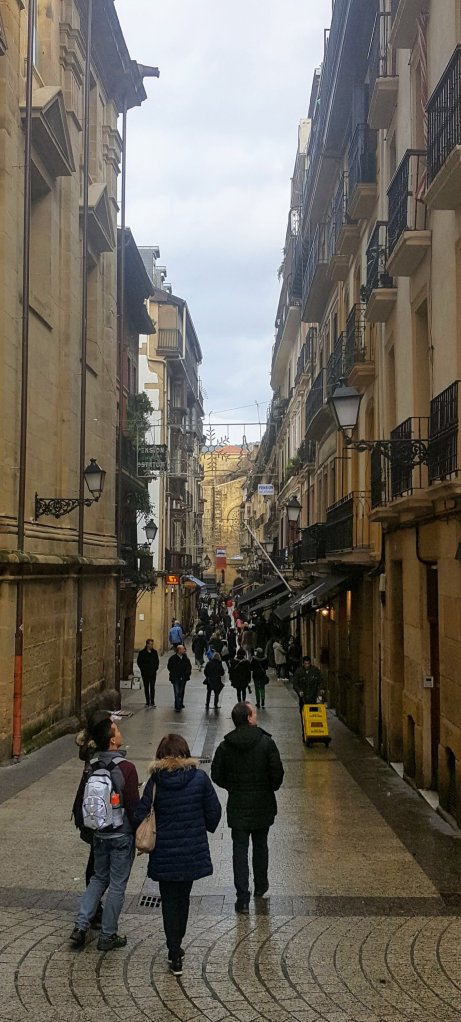
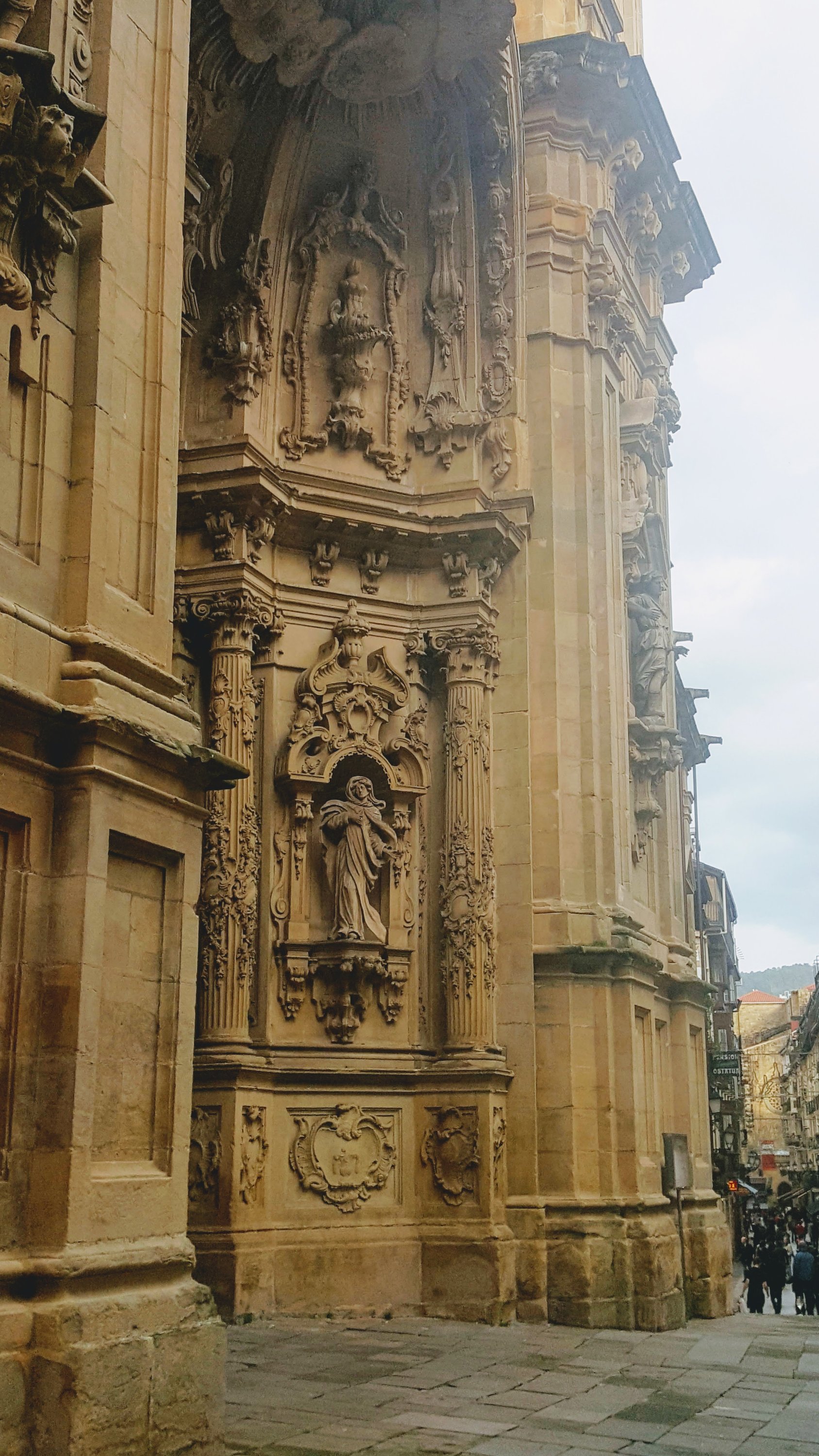
The Old Town itself is really enjoyable to wander around, with its narrow streets and myriad bars should you need a breather (we do). The whole area is pedestrianised with some lovely buildings, including the 18th century Basilica de Santa Maria del Coro.

In the Parte Vieja.

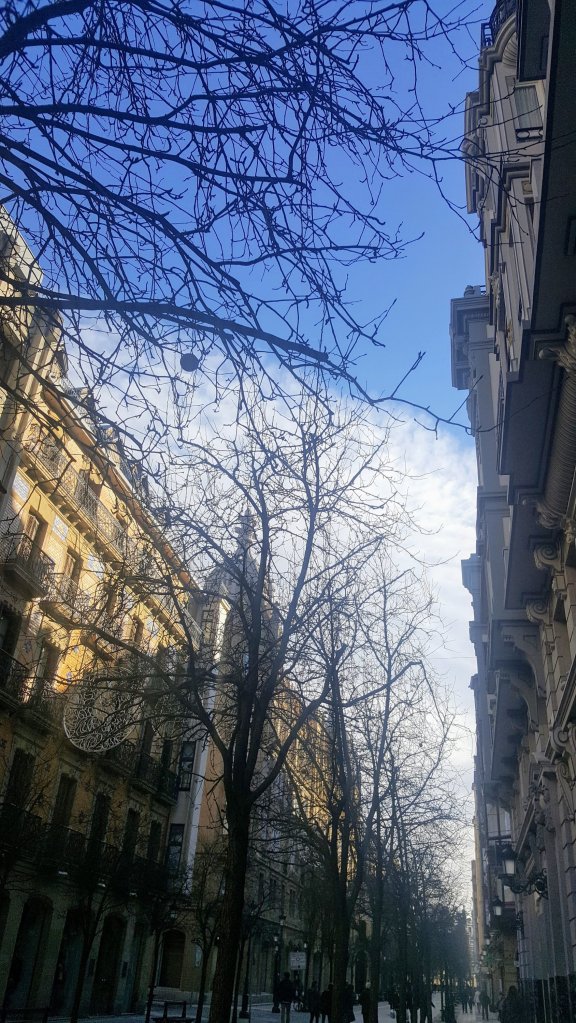
The Centro Romantico to the south is the commercial centre, with a grid of wide avenues and plenty of hotels, shops and restaurants. It’s separated from the Old Town by a wide tree-lined boulevard and has a completely different atmosphere.

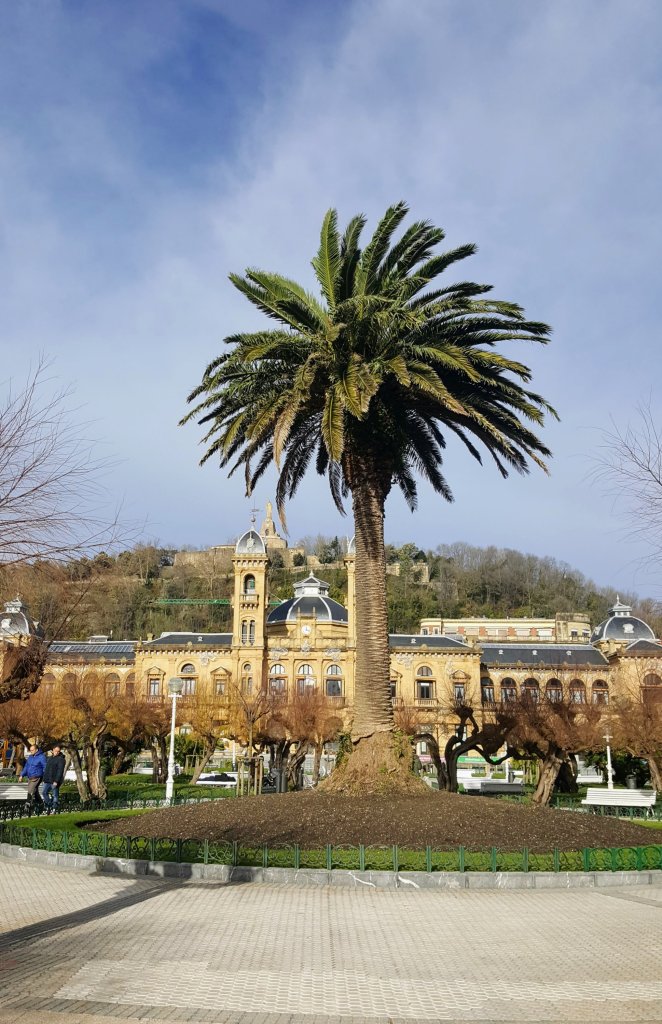
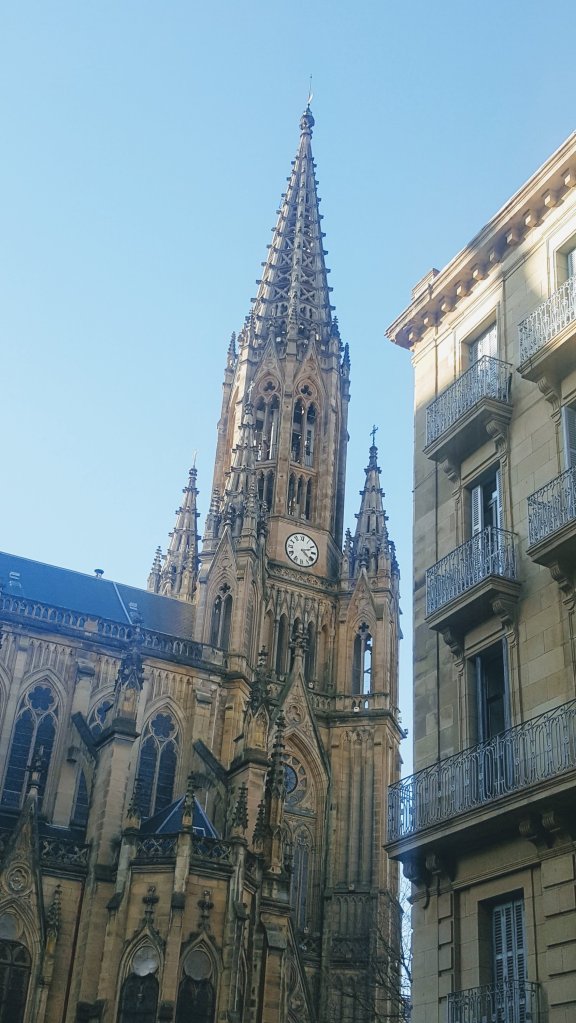
This part of the city was carefully planned in the 19th century after the old walls were demolished. This is where you’ll find the City Hall, originally a casino when it opened in 1887, and the gothic Good Shepherd Cathedral.

Centro Romantico by day.

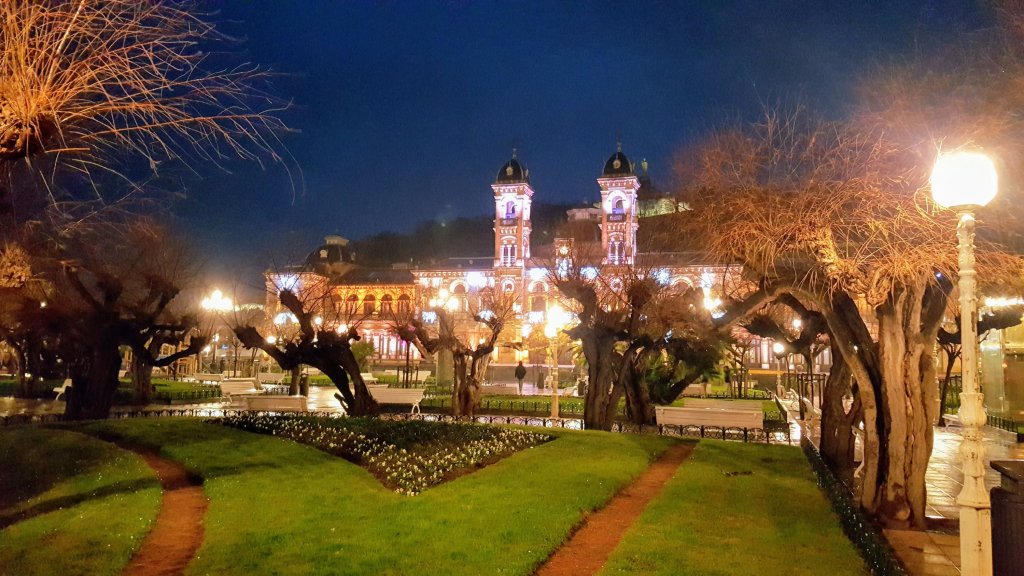
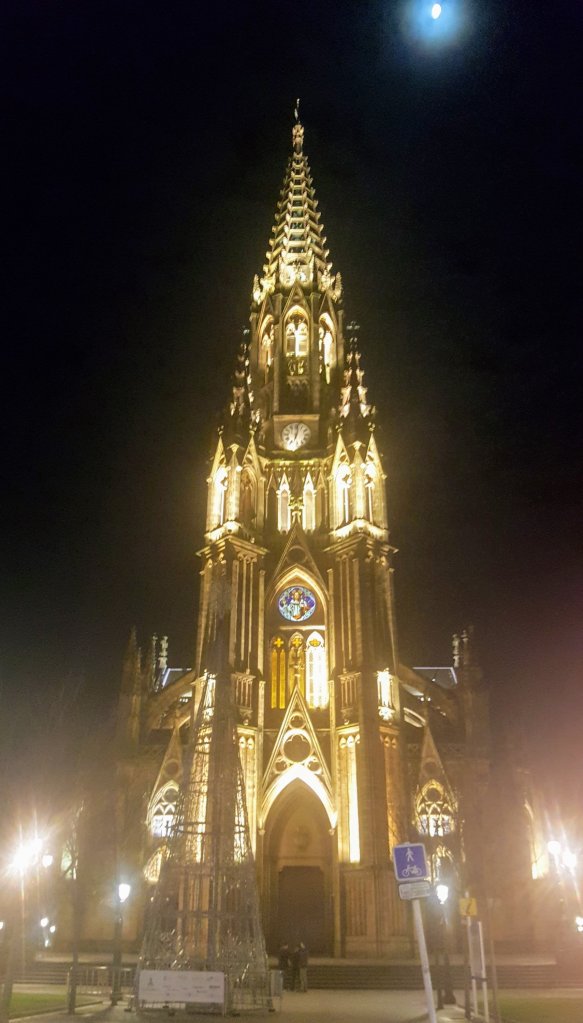
San Sebastian is spectacular by night when the lovely old buildings such as the City Hall and Cathedral are lit up. If you’re visited Spain you’ll know that the people are night owls, so walking around town late in the evenings is not a problem, it’s busier than lunchtime.
Centro Romantico by night.

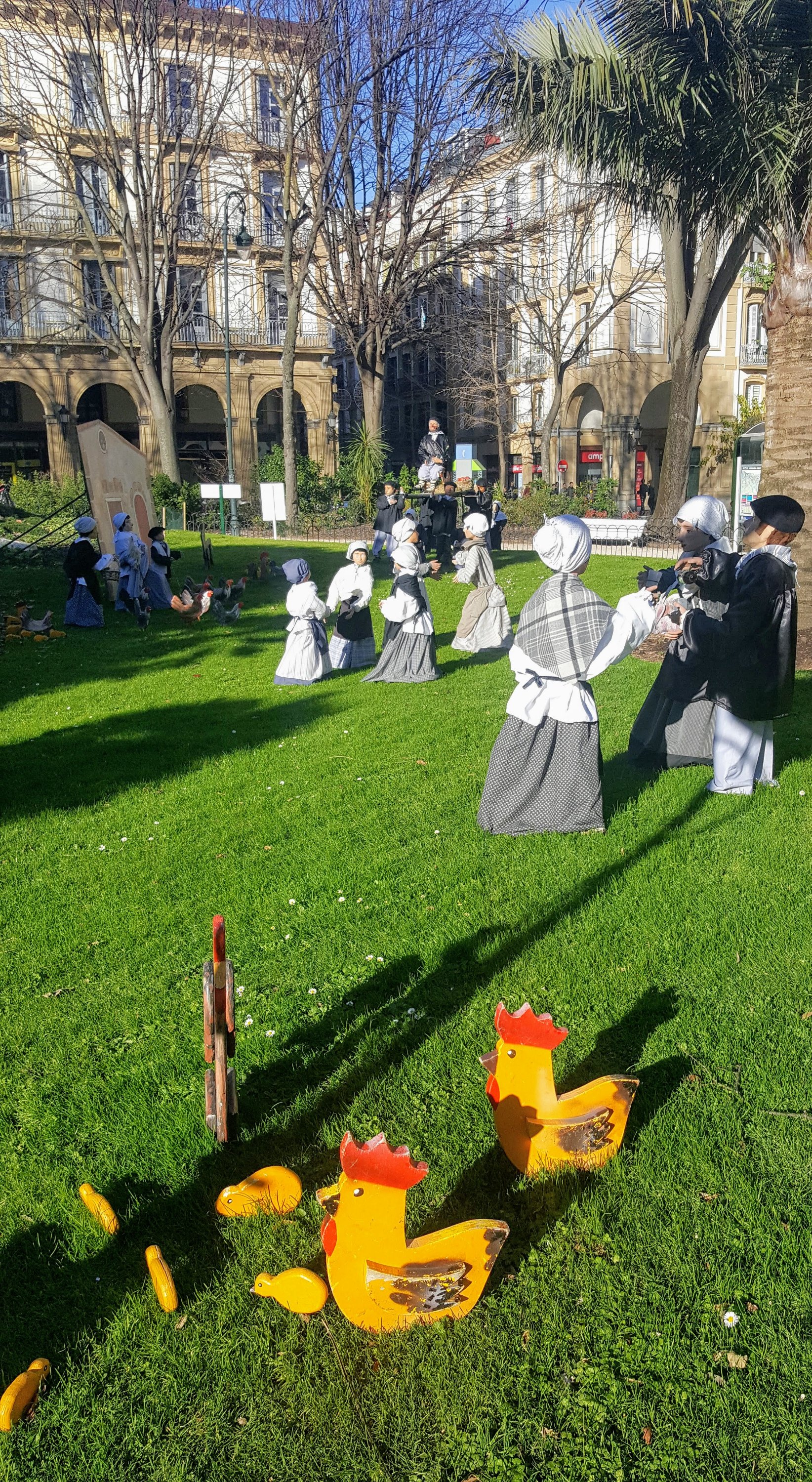
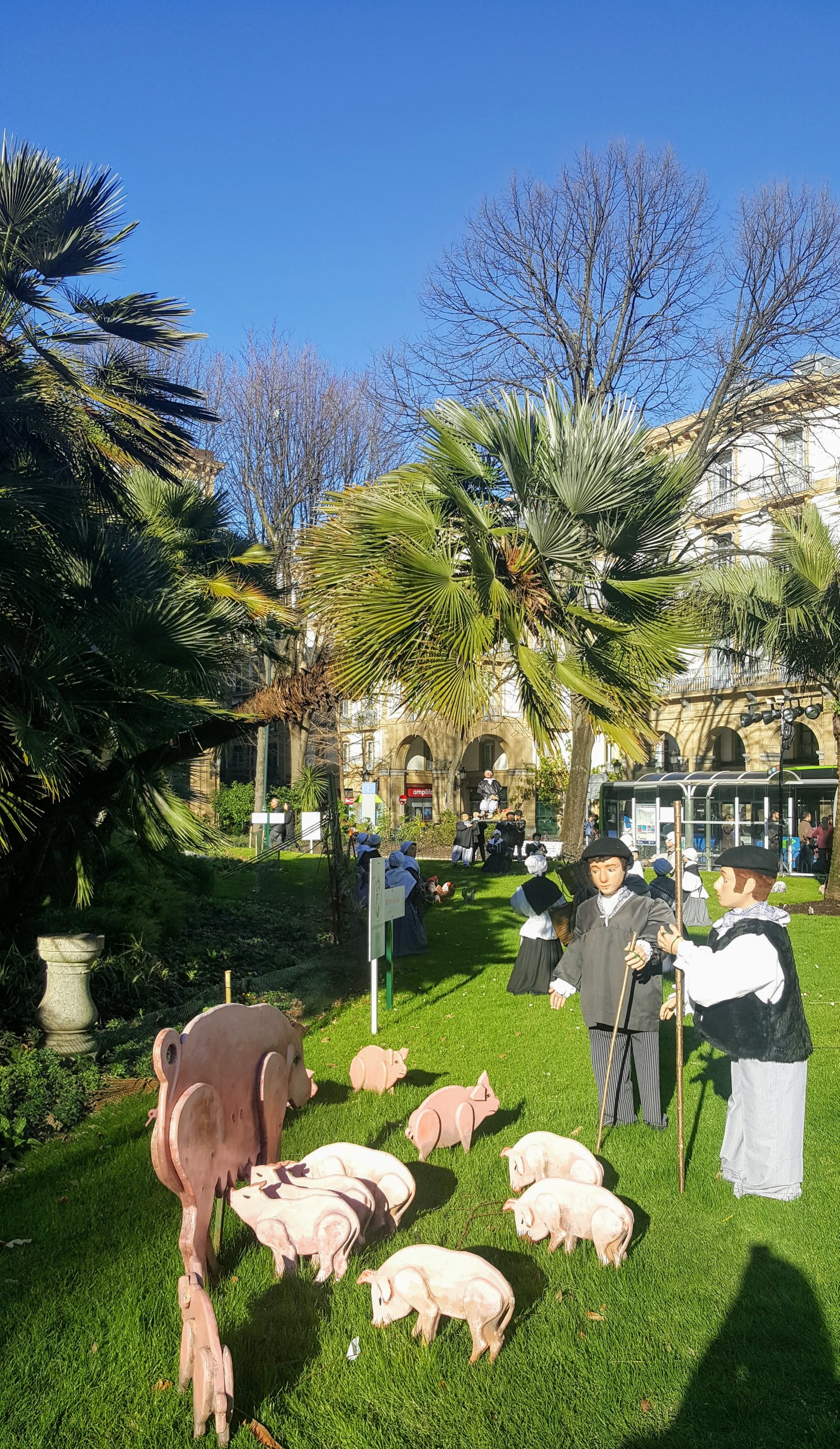
There’s one thing we find a bit unusual – the many mannequins in nativity scenes set up in Gipuzkoa Park in the centre of town. They’re lovingly made and rather sweet, but I’ve never seen anything quite like them before.

Apparently these elaborate depictions of Bethlehem are common in Spain around Christmas time, but San Sebastian is known for putting on a particularly detailed representation. So now we know. Don’t you love the pigs?

Practicalities? We travel to San Sebastian with BA via Bilbao airport and take a bus to the underground bus station in the centre of town. Easy. We stay at the Silken Amara Plaza Hotel which is perfectly acceptable, albeit a bit of a stomp from the Old Town. The husband informs me several times that his choice would have been the historic Hotel de Londres e Inglaterra overlooking Concha Bay. It’s pricey, but on this occasion he’s right and I should have coughed up the extra cash. You live and learn…

The view we should have from our hotel.

For food and drink, the Old Town is where most of the action takes place but we also find a strip of bars and restaurants we like in Reyes Catolicos Kalea behind the cathedral, further south on the trek back to our hotel. Just don’t bother with the Chinese restaurant!

Hampstead, the ultimate urban village

Only 4 miles from Trafalgar Square, but bordering 790 acres of green space, Hampstead has a totally different vibe to much of inner London. Yes, it has a bustling high street, but venture into the neighbouring laneways or along the many footpaths onto Hampstead Heath and you could be miles from the city.

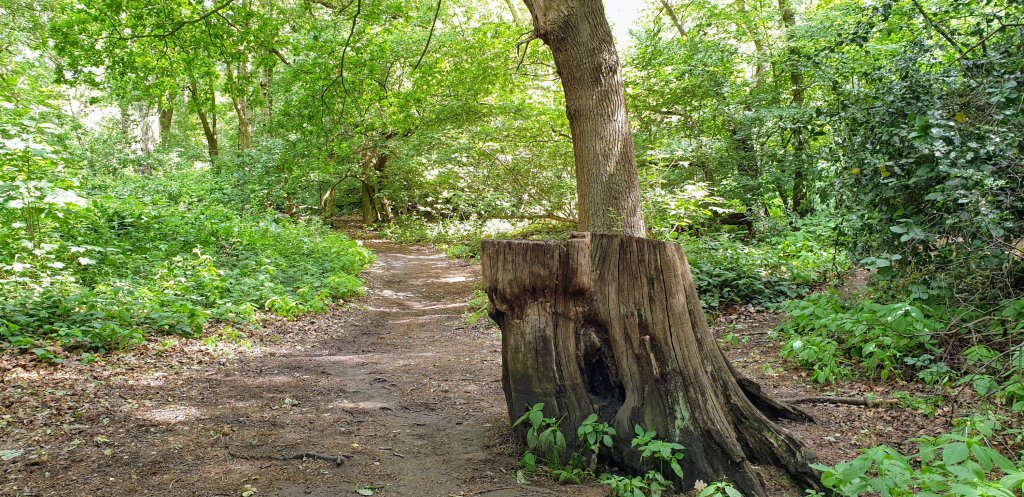
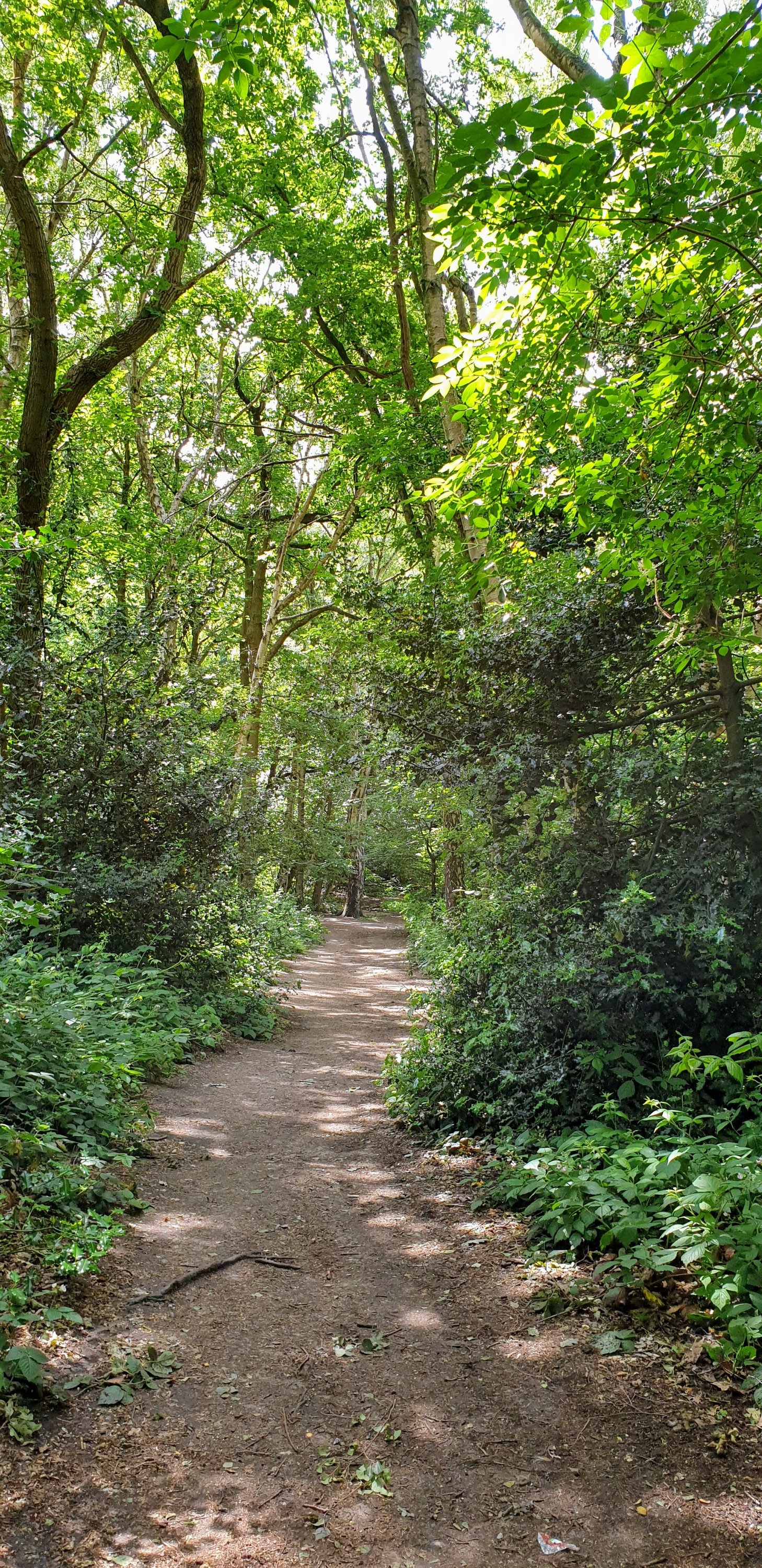
The husband likes to look at multimillion-pound houses (one of his hobbies) and Hampstead has plenty of those – it has some of the most expensive homes and more millionaires than anywhere else in the UK. As you know, I’ll walk anywhere, so off we go on another lockdown adventure. We park at Heath Brow and staightaway we plunge into the trees of the West Heath. It feels like we’re a long, long way from Oxford Street already.

The Heath at Hampstead has always been common ground, and evidence of a settlement here goes back to 986 in the reign of King Ethelred the Unready. This is one of the highest points of the capital so it was thought to be a healthy escape from the smog of the city, hence it was where the wealthy built their homes.

The Hill on West Heath.

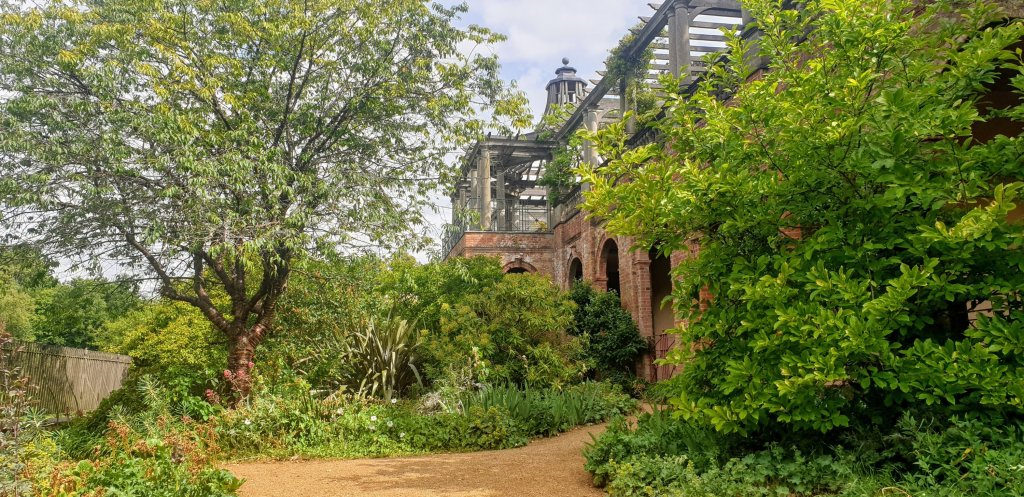
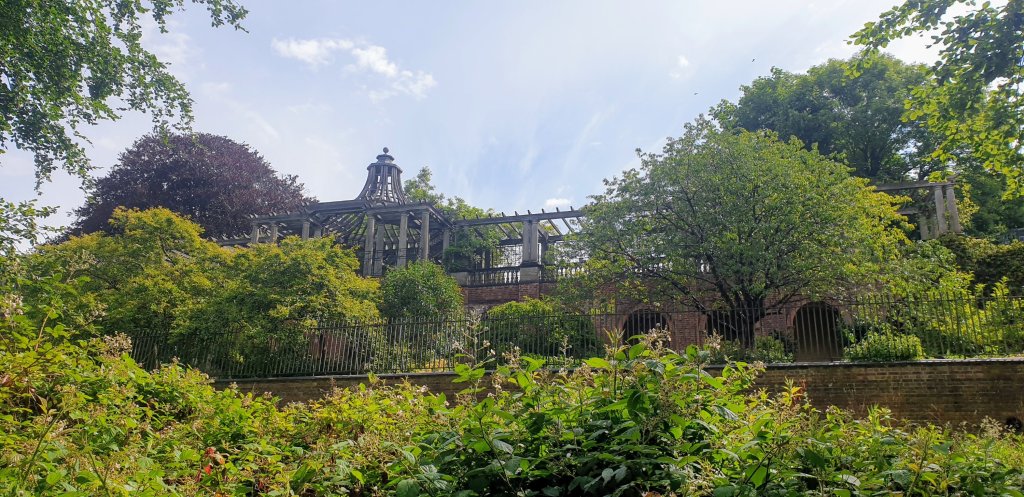
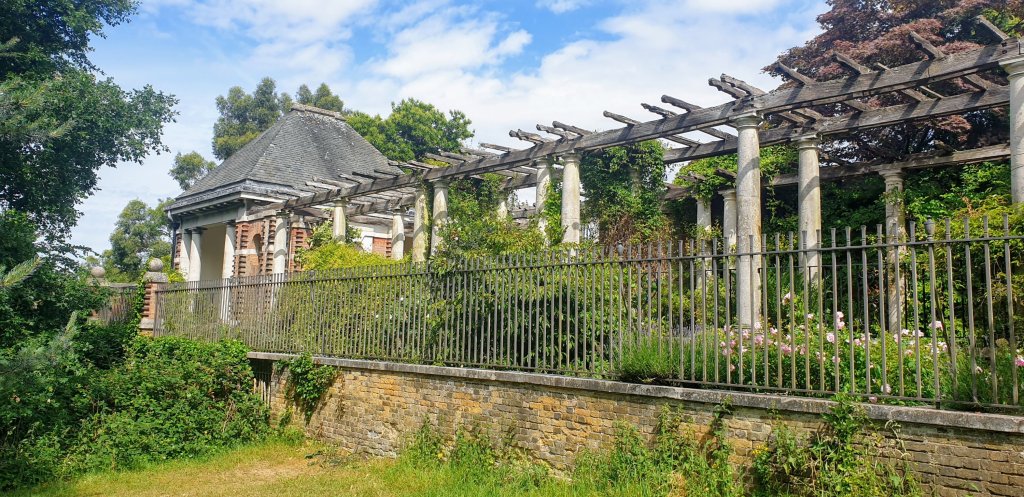
Just a few metres along the path we come across The Hill Garden and Pergola, unfortunately closed due to Covid 19. This lovely structure was conceived by Lord Leverhulme as a setting for extravagent garden parties at his neighbouring mansion, The Hill. Construction started in 1905 using soil from the excavations of the Northern Line of the underground railway. It’s a spectacular venue for a party – I could just imagine myself here with a glass of Pimms and a cucumber sandwich.

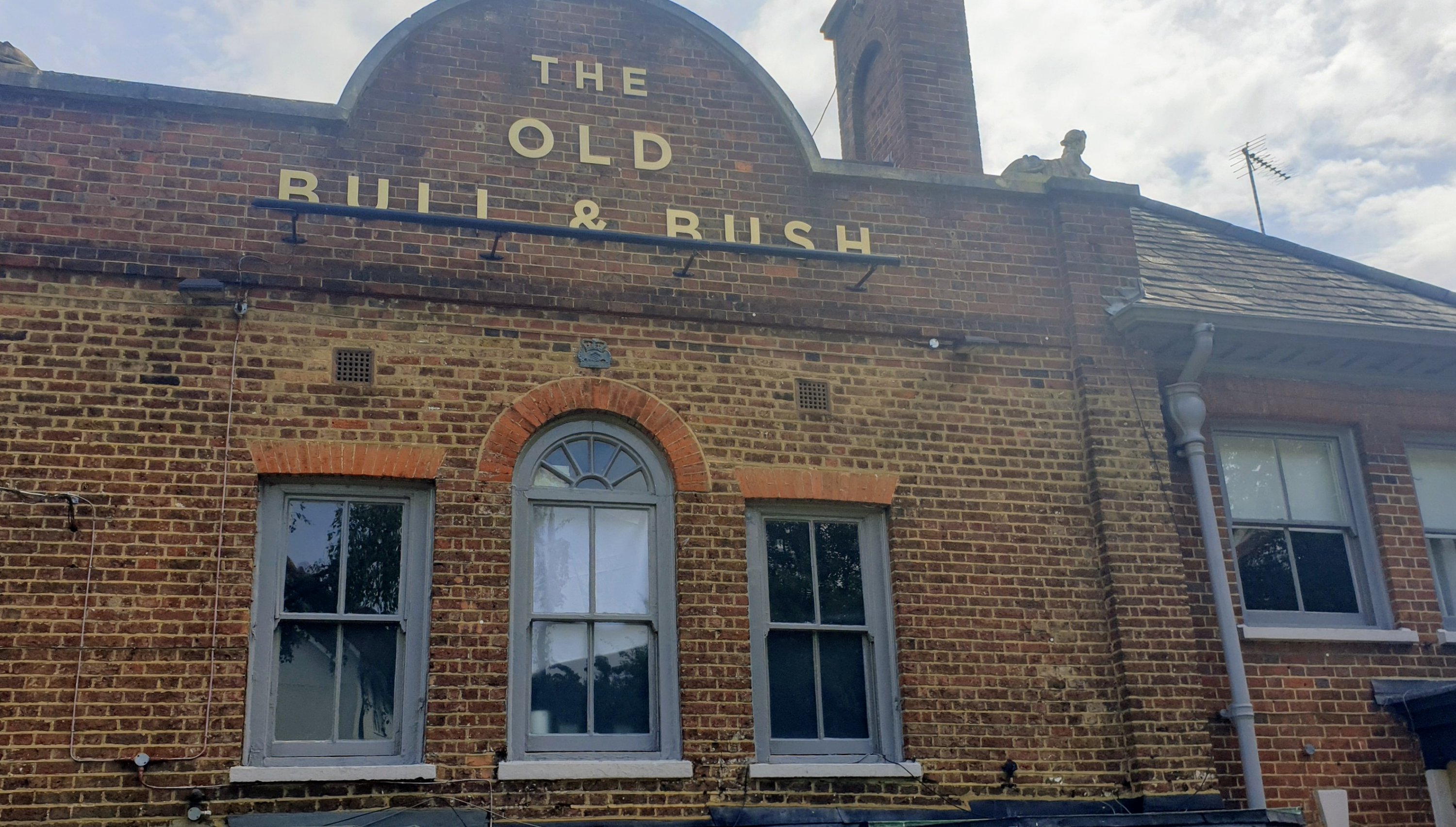
Our next landmark is one of Hampstead’s most famous pubs, which has been serving alcohol since 1721. It was a popular destination for cockneys wanting a ‘healthy’ day trip in the fresh air and music hall star Florrie Forde celebrated this in her well- known song…Come and have a drink or two down at the Old Bull and Bush. No drinks today I’m afraid – it’s shut.

Behind the pub we cross Sandy Heath towards Spaniards Road. This area was the haunt of highwaymen in the 18th century, including the legendary Dick Turpin, who was a regular at the nearby Spaniards Inn after relieving wealthy travellers of their cash. It took two hours to get here by coach from central London in those days – the Northern Line’s not so bad after all.

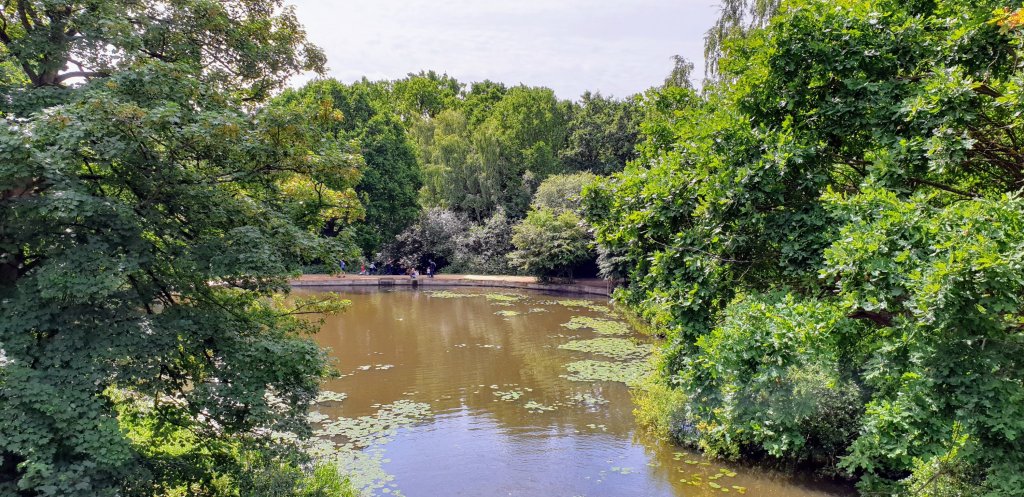
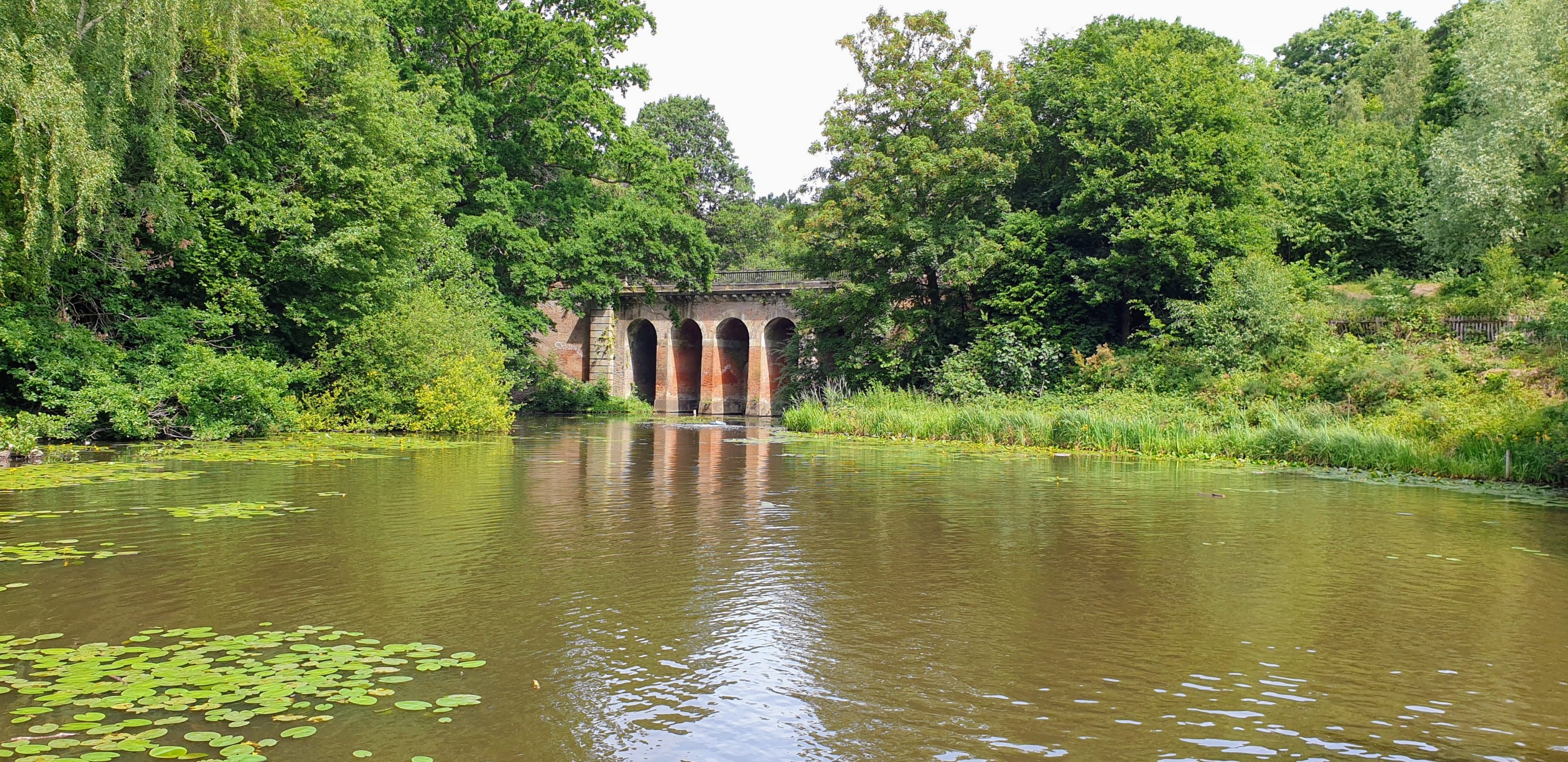
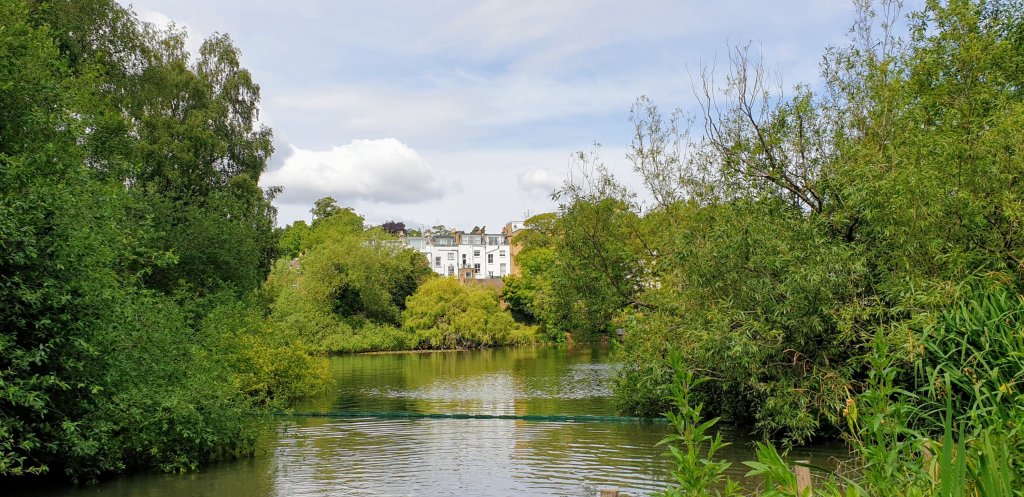
The East Heath is the largest expanse of open ground, stretching across to Highgate and Kentish Town, with a string of pools and ponds along the eastern and southern edges. These were dug in the 17th and 18th centuries as reservoirs to supply London with water, but are now used for swimming, boating, angling and exercising dogs. I’m not game to have a swim personally – muddy cold water isn’t really my thing – but the dogs are having fun.

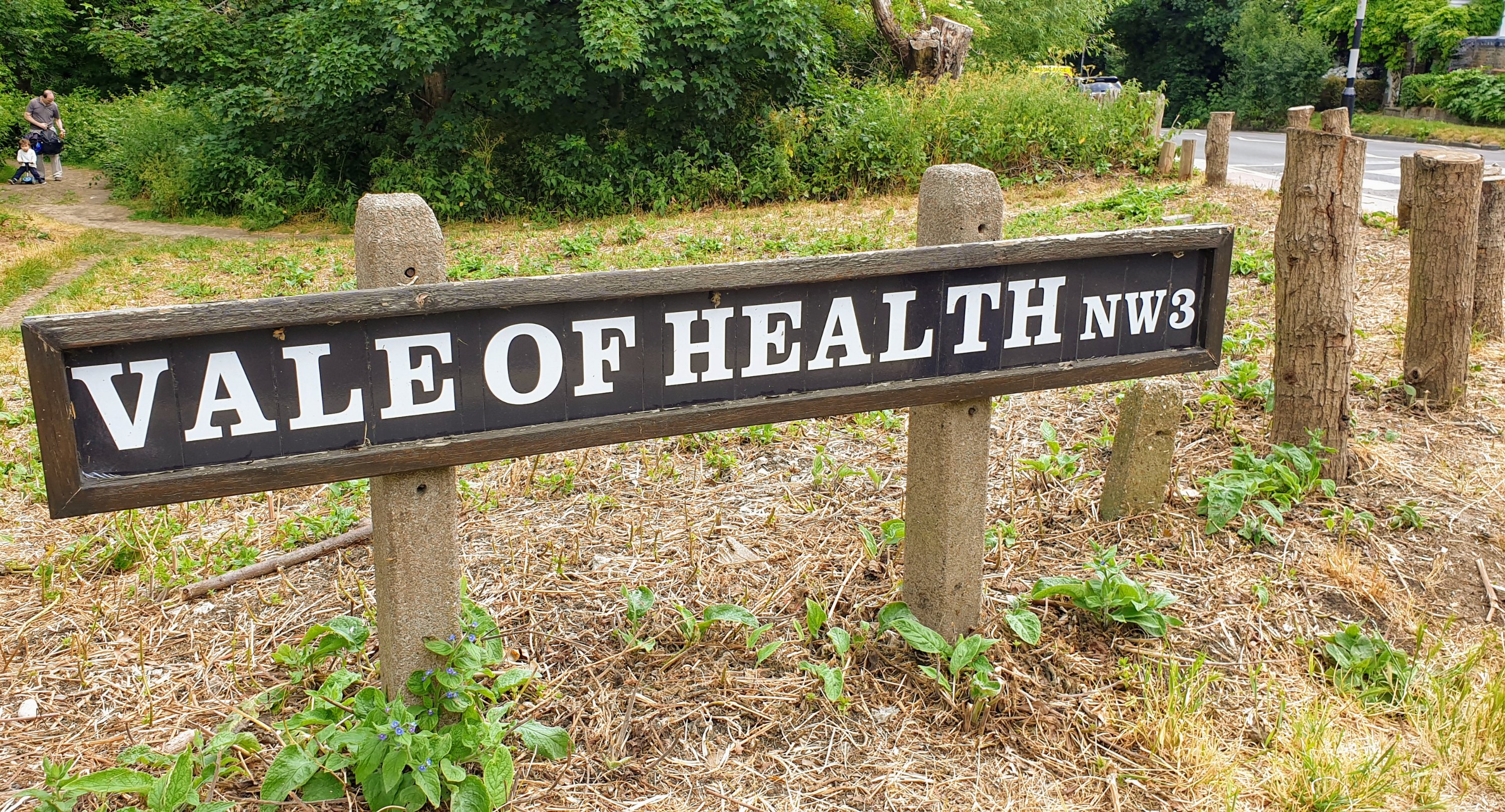
We head south towards the village centre, through the aspirationally named Vale of Health. Originally known as Hatches Bottom, the name was changed after the area was drained and housing built, in order to attract well-to-do residents. Developers haven’t changed much over the years really…

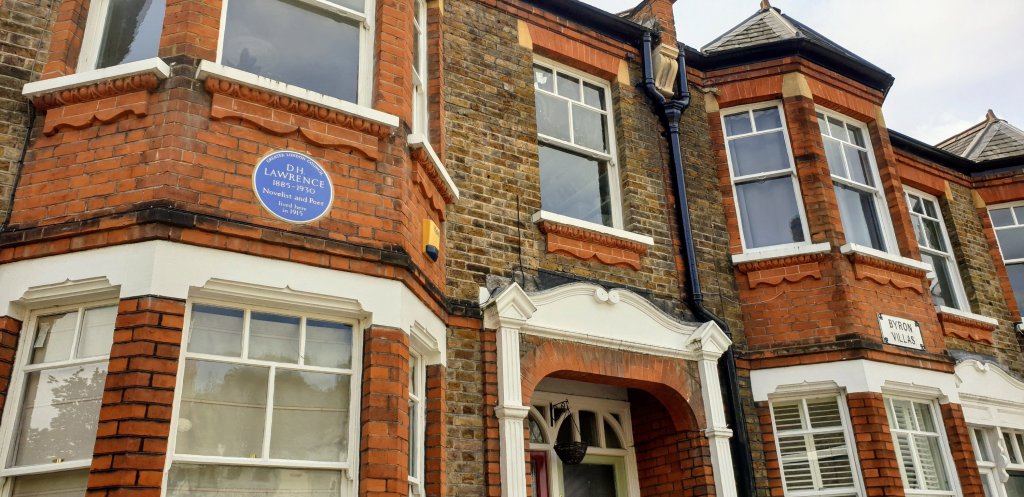
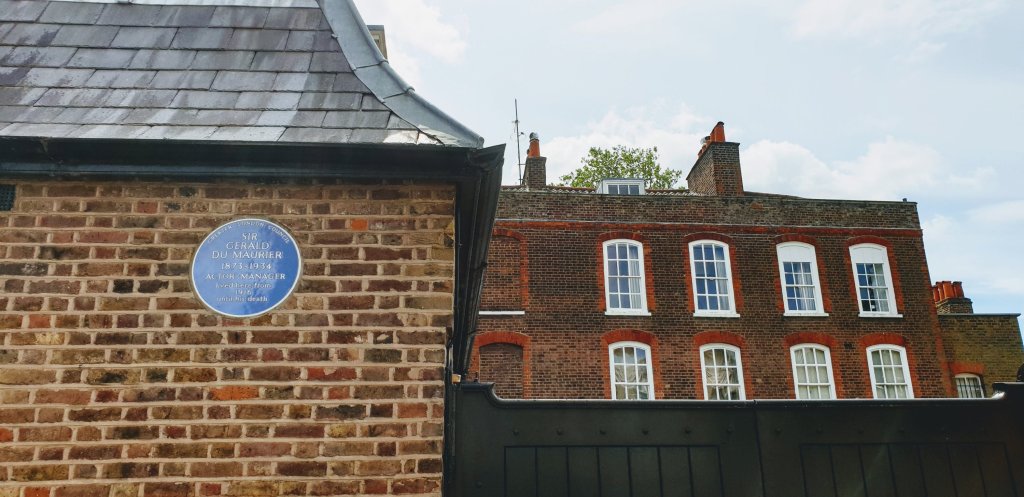
Hampstead is renowned for attracting artistic types – writers, actors, musicians and painters flocked all here in the past due to the intellectual associations of the village. Freud, Betjeman, Keats, Constable, Darwin, Dickens, Galsworthy, Huxley, Maynard Keynes, Orwell, Moore, Mondrian, Lawrence, du Maurier – the list just goes on.

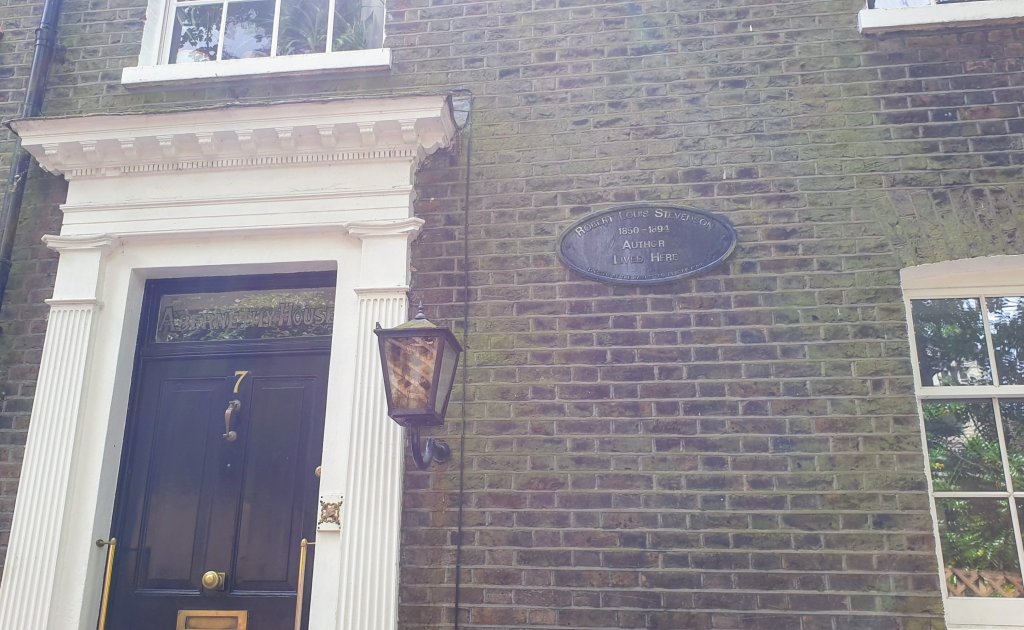
The many English Heritage blue plaques around the streets bear witness to this illustrious history. It’s quite good fun playing spot the star! I have to admit that I didn’t recognise some of the ‘famous’ names. Obviously I’m not as knowledgeable as I’d like to believe.

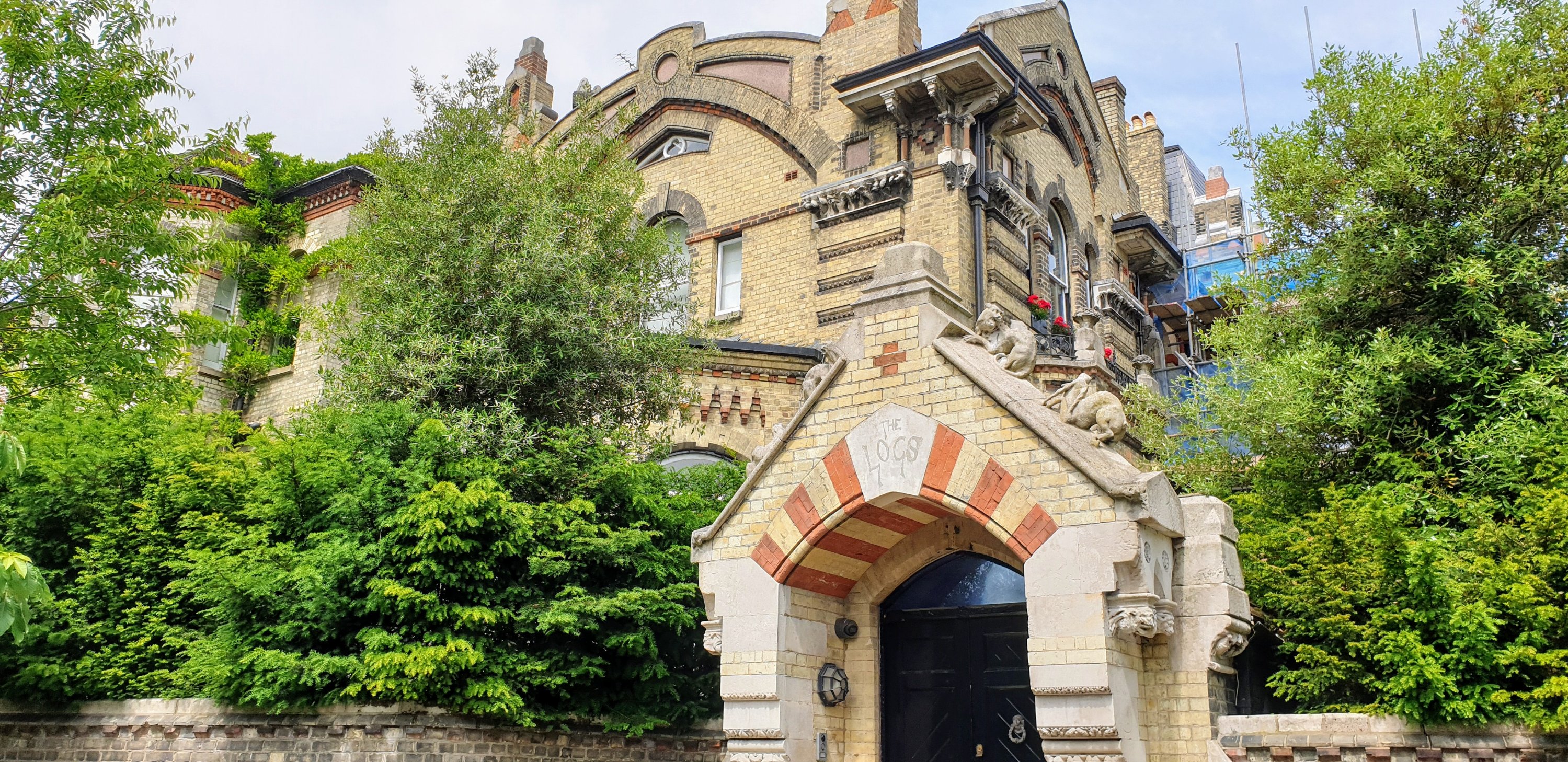
The area continues to draw celebrities today. Why wouldn’t you want to live here if you had several million to spend? We spotted The Logs, which is the huge home of Boy George. Ricky Gervais, Jamie Oliver, Liam Gallagher, James Corden, Ridley Scott and Harry Styles all live in Hampstead too. The husband is clearly envious, it’s quite nice here!

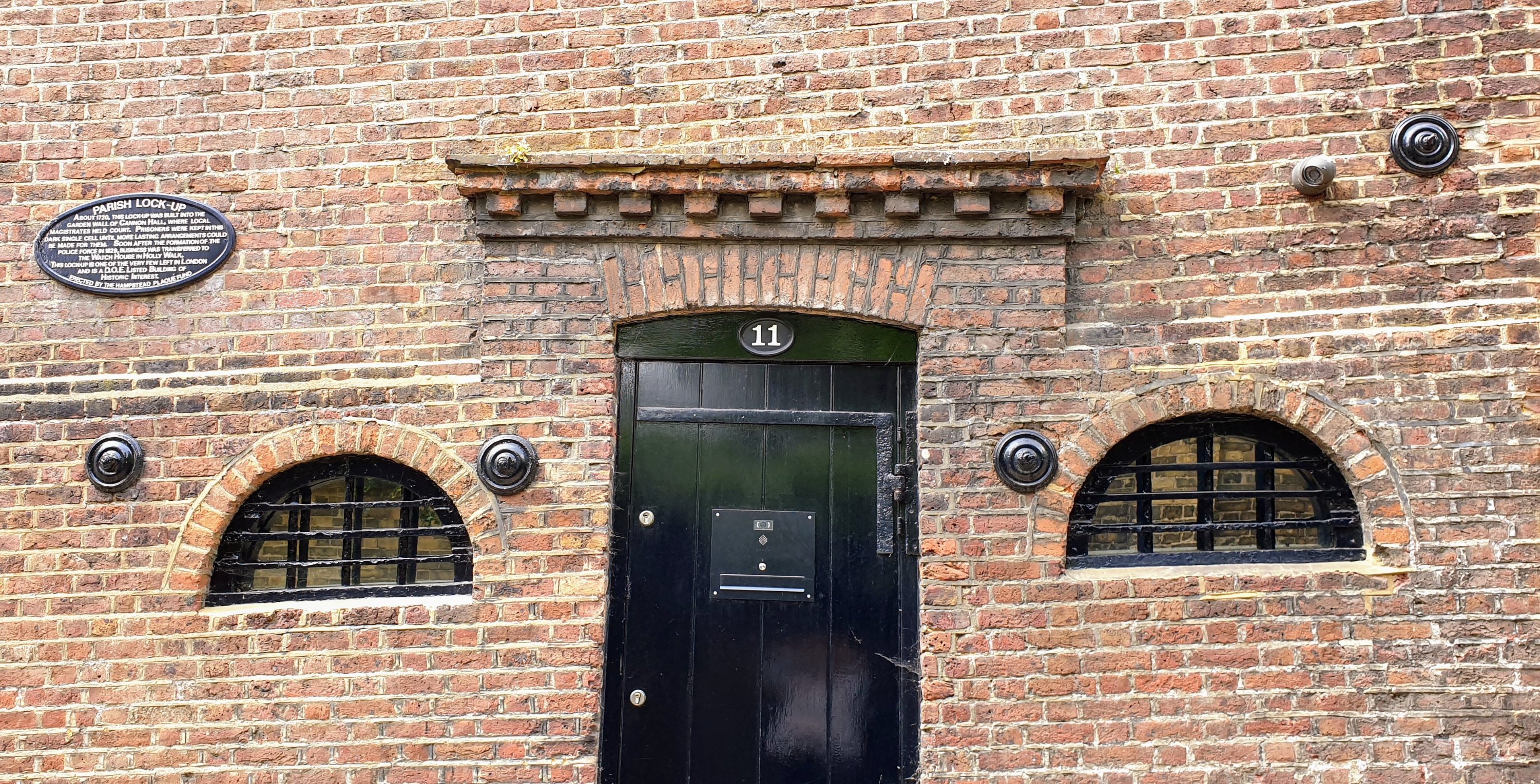
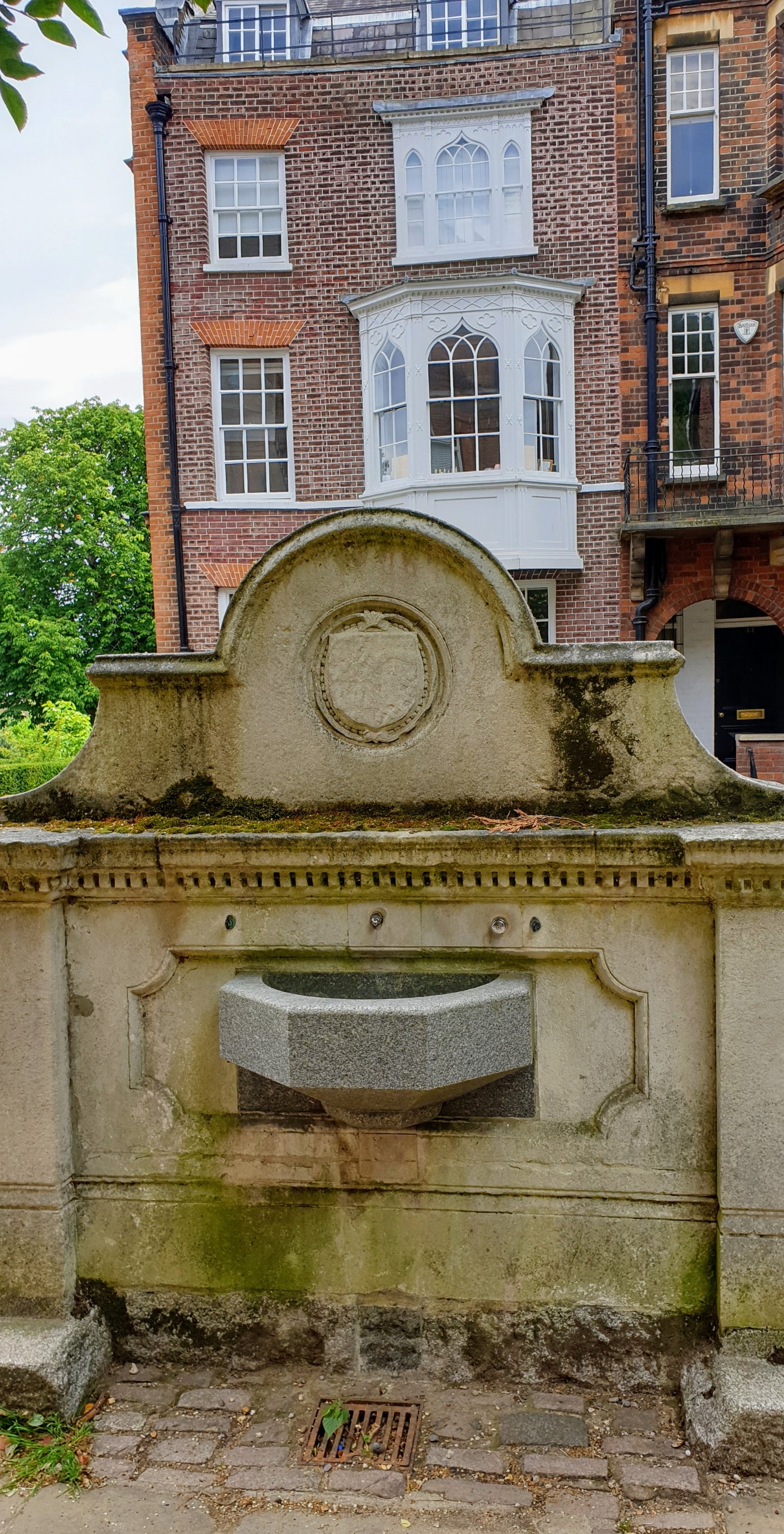
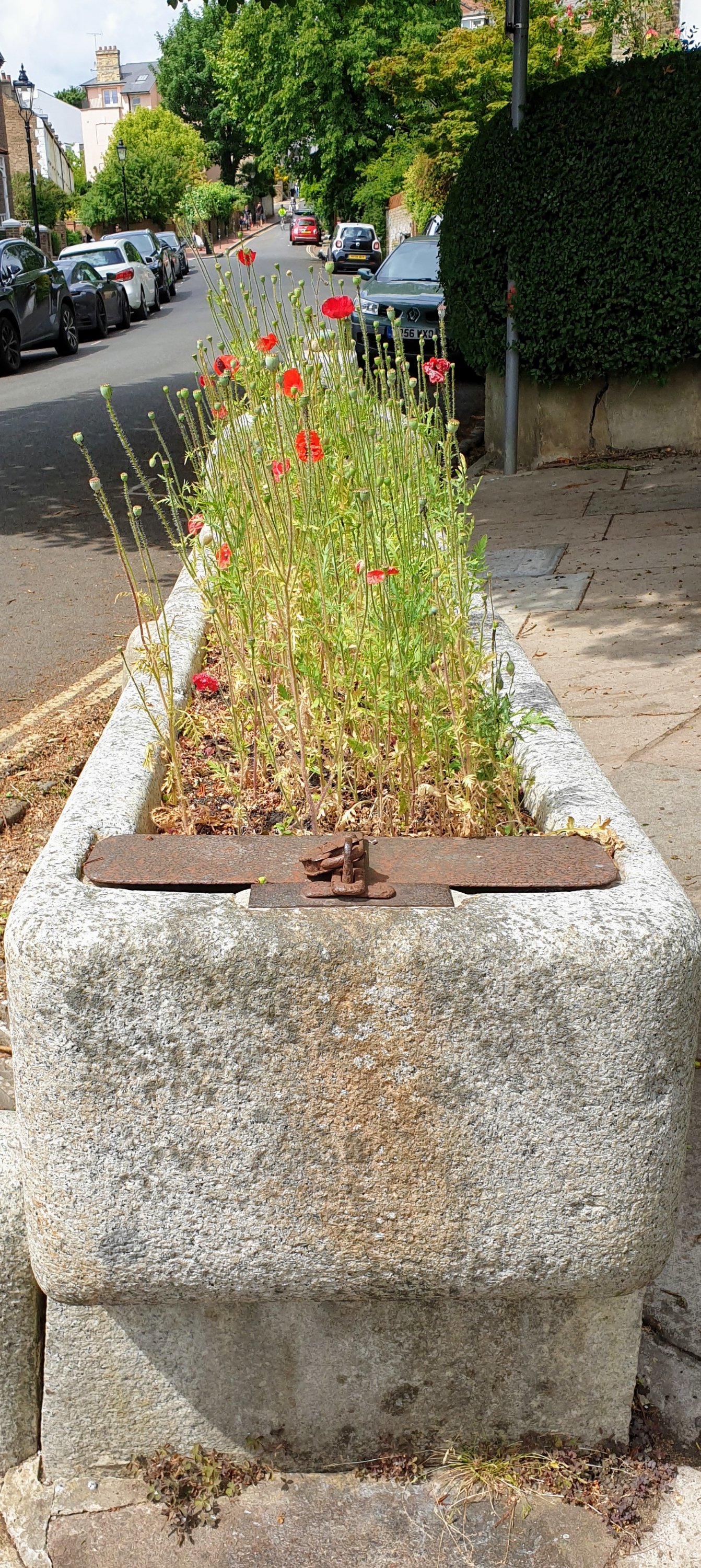
The village also abounds in quirky historical features. We pass an old lock-up set into the wall of a house, a Victorian drinking fountain and a 19th century water trough for horses passing through. This is a place where it really pays to keep your eyes open for details.

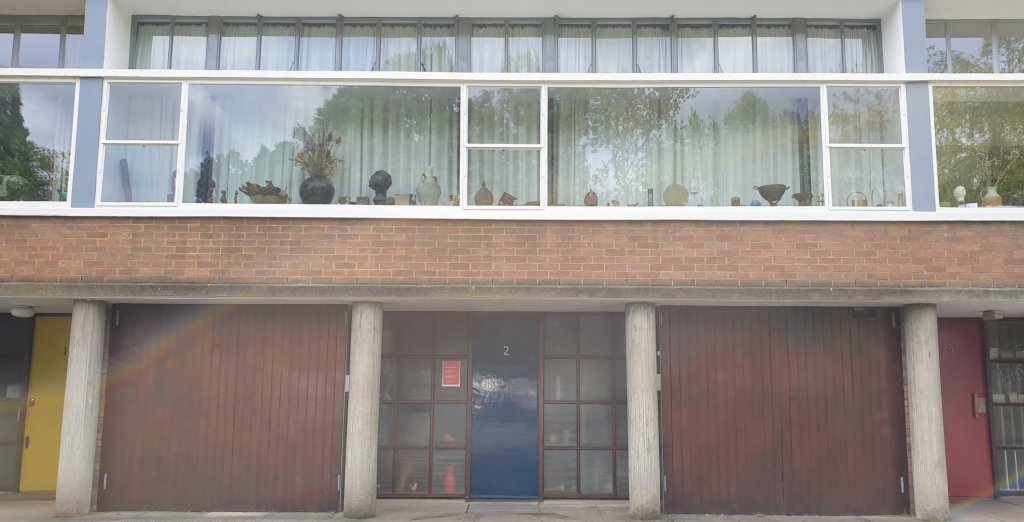
Although best known for well-preserved and ever so desirable Victorian and Edwardian housing, Hampstead also has some modernist buildings sprinkled around, including the former home of Erno Goldfinger on Willow Road. Goldfinger was famous for his brutalist residential tower blocks – not everyone’s cup of tea, but some are preserved as listed buildings so we are stuck with them regardless. His home is now a National Trust museum.

Goldfinger’s modernist home in Hampstead, and his iconic Trellick Tower.

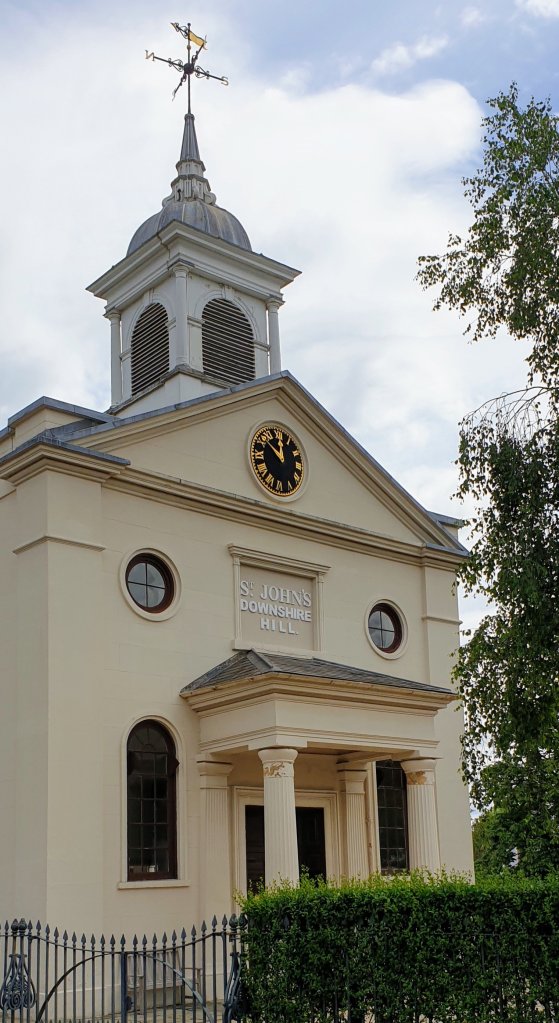
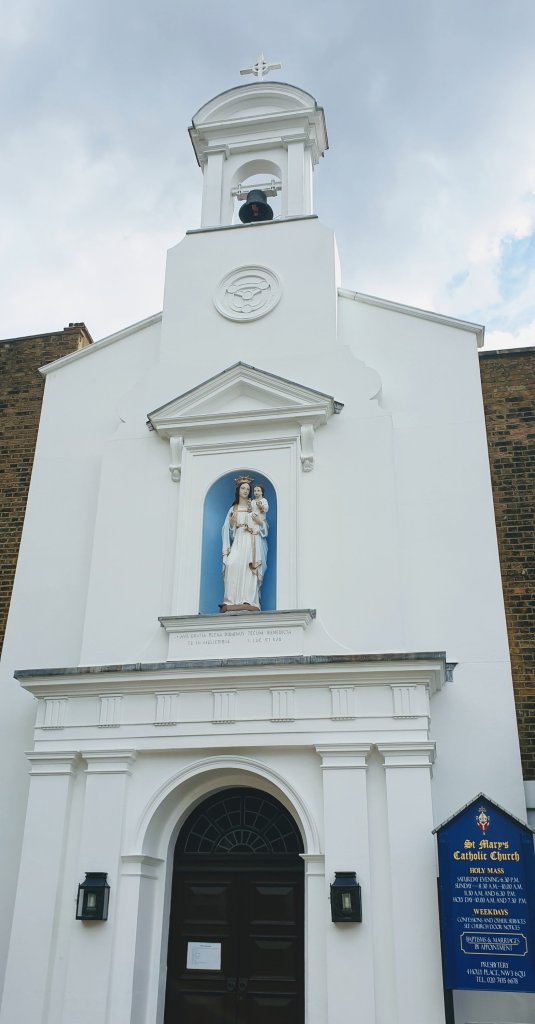
Walking around Hampstead, you might get the feeling that past residents were particularly religious – there are no fewer than nine churches here, plus a synagogue. Admittedly, they are outnumbered by the dozen or so traditional pubs. Life here was all about balance, it seems. How sensible.

St John’s Devonshire Hill.
St Mary’s Catholic Church, hidden away on Holly Walk.

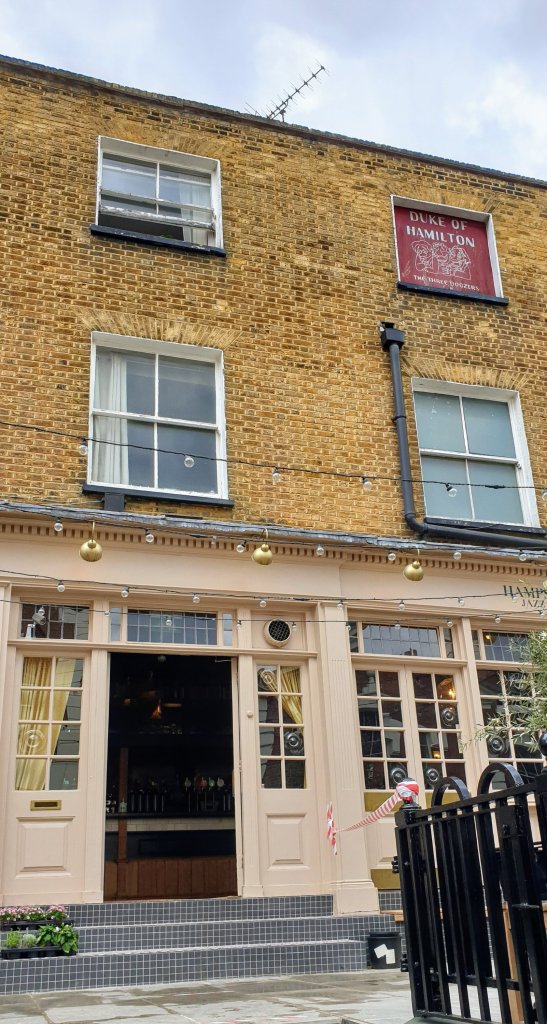
Our last stop on this particular walk may surprise you. If you’ve read my earlier blogs you will know how often I bemoan the closure of pubs during the current pandemic. Walking is thirsty work, after all. Well, this time I’ve found one that’s open, so we can reward ourselves for our exertions. It’s takeaway only, but beggars can’t be choosy. Cheers!

Hurrah for the Duke of Hamilton.

Come trot with me around Royal Ascot

Sorry, couldn’t resist that. As you know, Ascot has probably the most famous racecourse in the world, owned by the Crown. Today’s walk around the village of Ascot is ten kilometres long, so I will be taking it at a steady pace, definitely no cantering. I know this place quite well, as I lived here for a while, but I haven’t visited lately. So come and rediscover it with me.
Ascot High Street today.

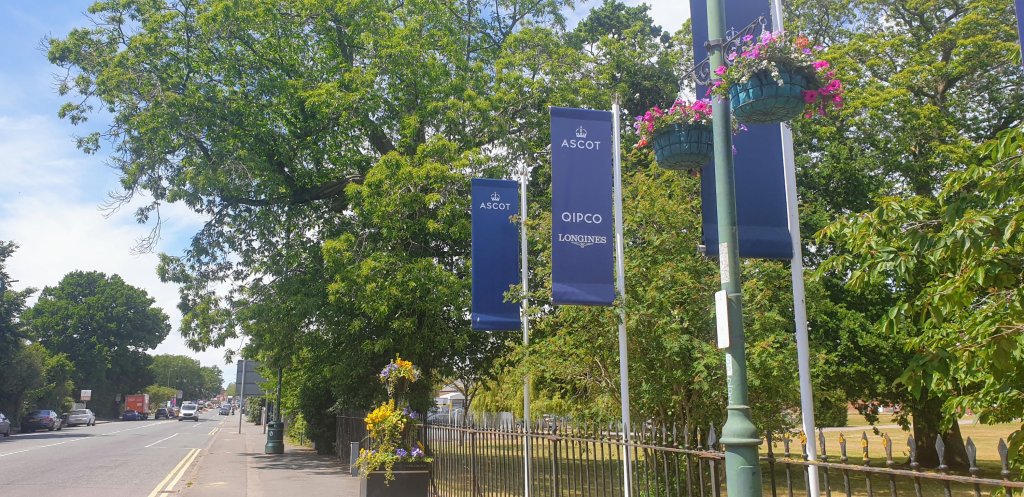
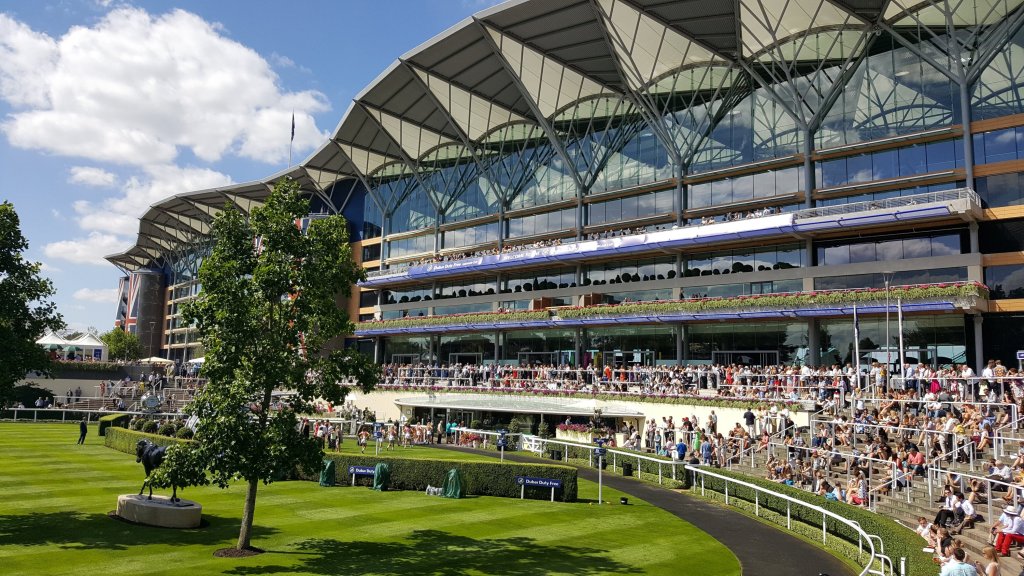
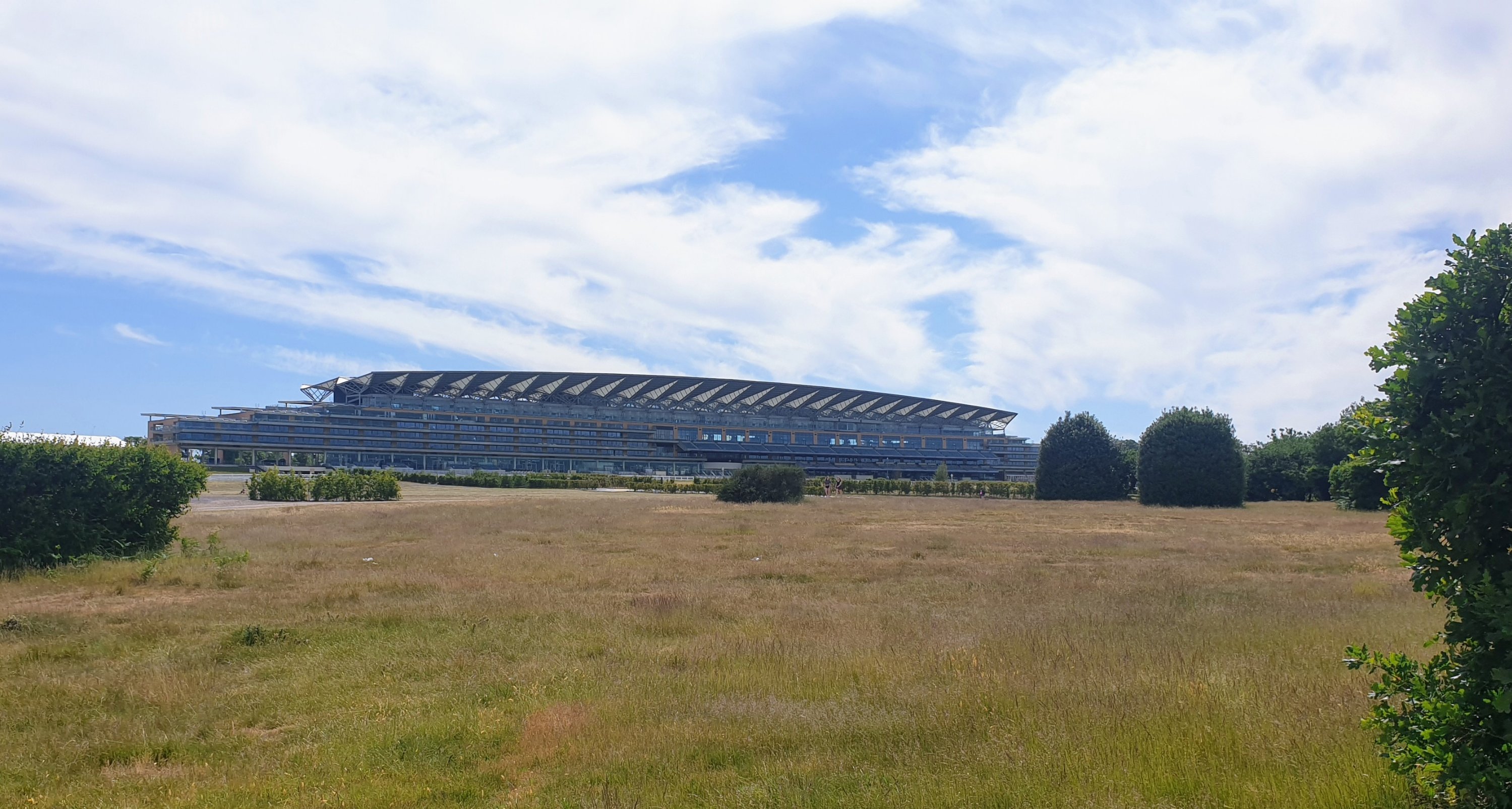
My walk starts just off the high street, which is quite underwhelming for such a world famous location. When I moved here I was surprised to find that Ascot is literally one street, with the usual couple of pubs (the Stag is my favourite), a few cafes, chain shops, mother-of-the-bride style boutiques, and then a huge monster of a grandstand hulking at one end. It’s quite incongruous really.

Ascot on a raceday.

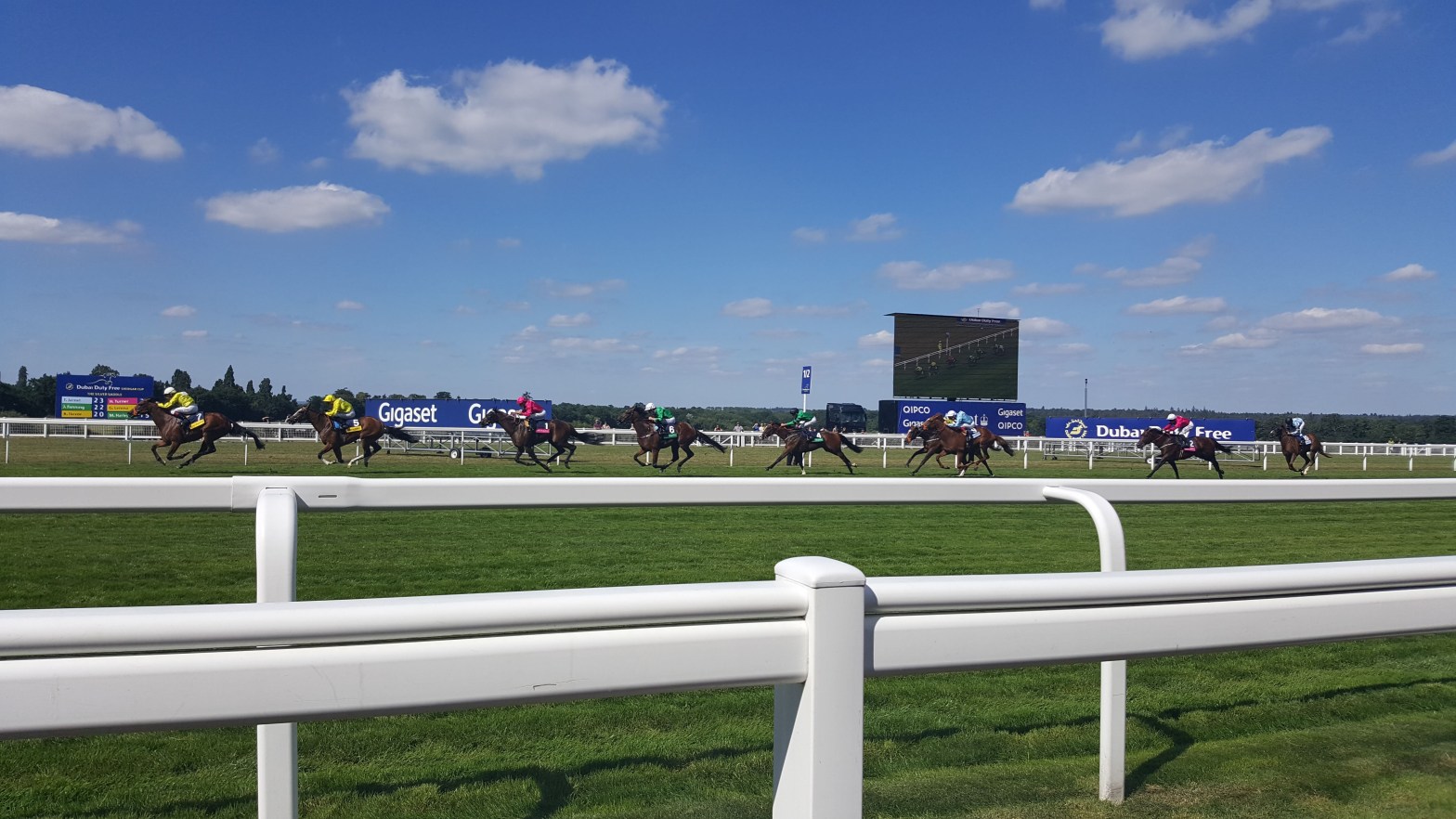
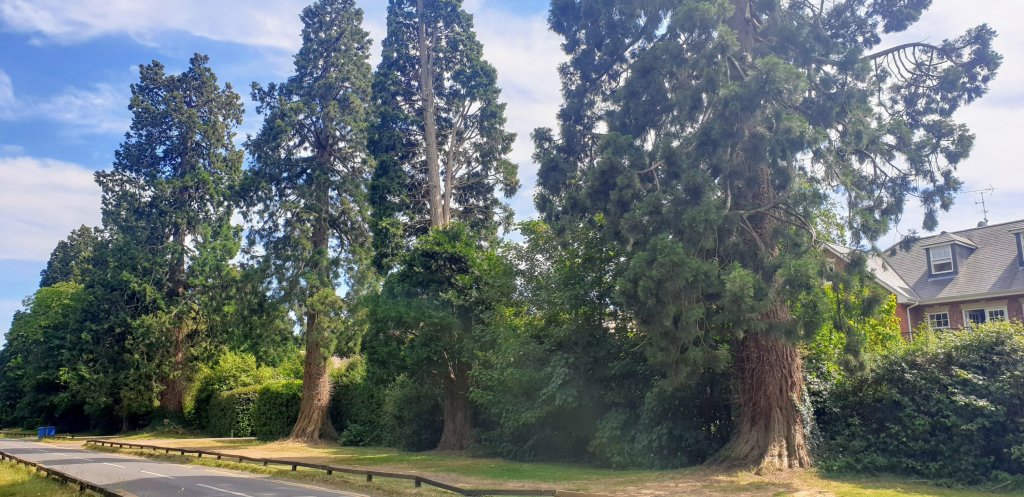
You’ll also notice that the houses all have royalty and racing themed names. It’s all about that regal racetrack. On a race day, the place is thronged, particularly during Royal Ascot in June, when the Queen and co turn up each day in a procession of horse-drawn coaches. There’s no racing today, so it’s nice and quiet. Let’s go and explore.
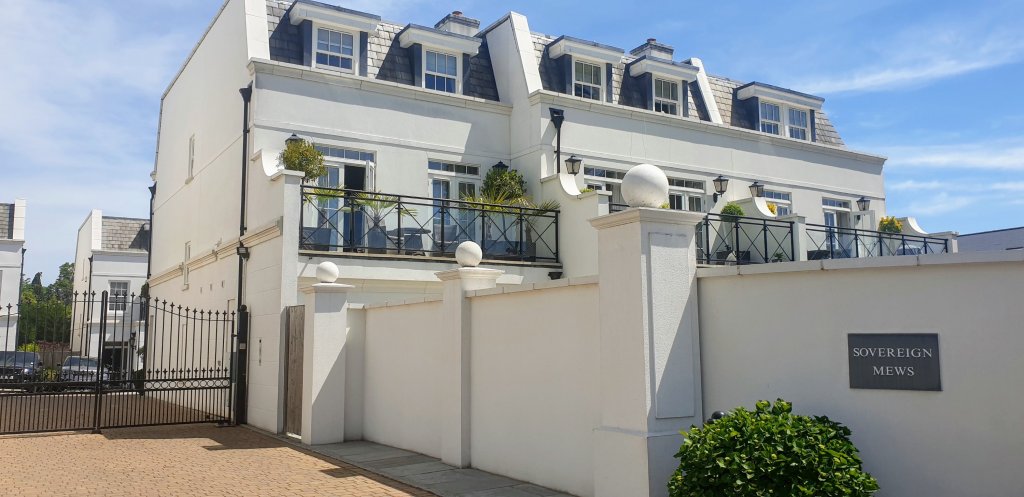
Sovereign Mews – there’s not much originality in the house names here.
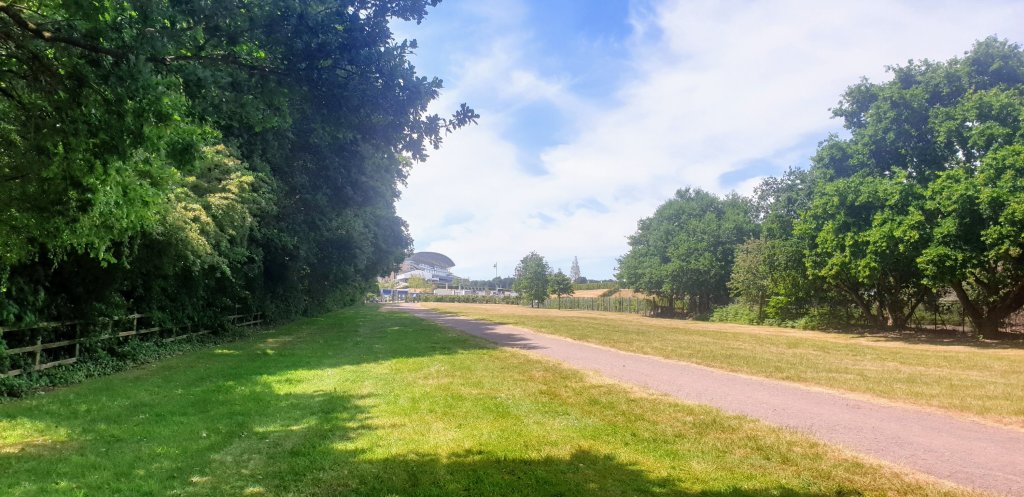
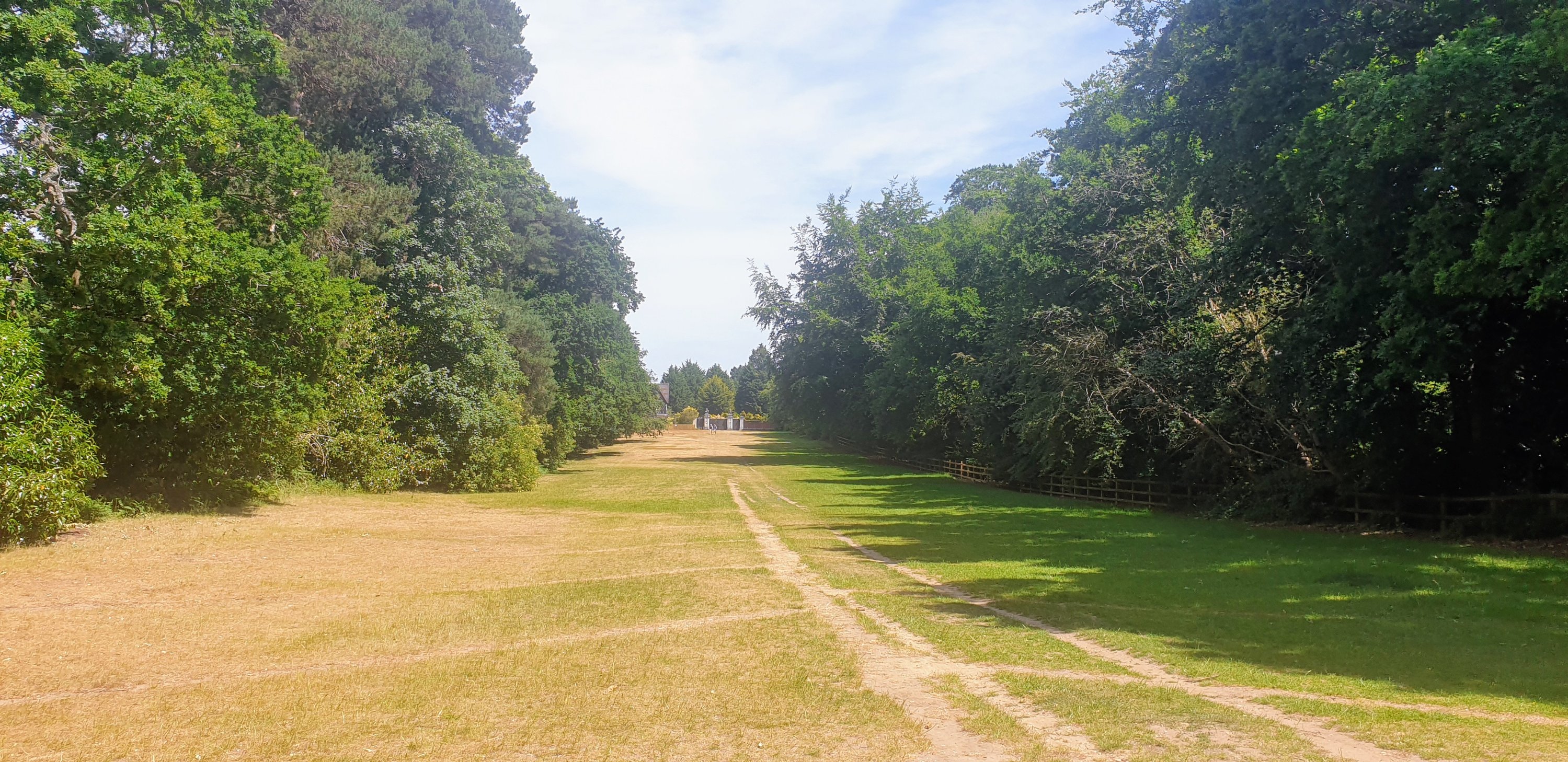
To start my walk, I’m heading along the original straight mile course at the eastern end of the high street. Ascot racecourse was founded in 1711 by Queen Anne, who was a keen rider. Apparently she was out riding from nearby Windsor Castle when she spotted a good location for a track, and the rest is history.

The old straight mile.

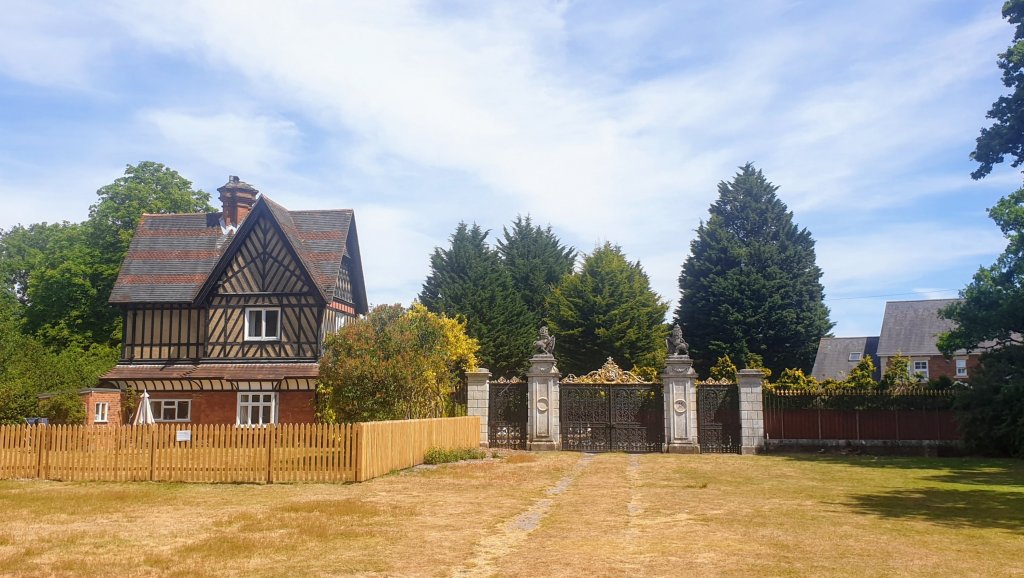
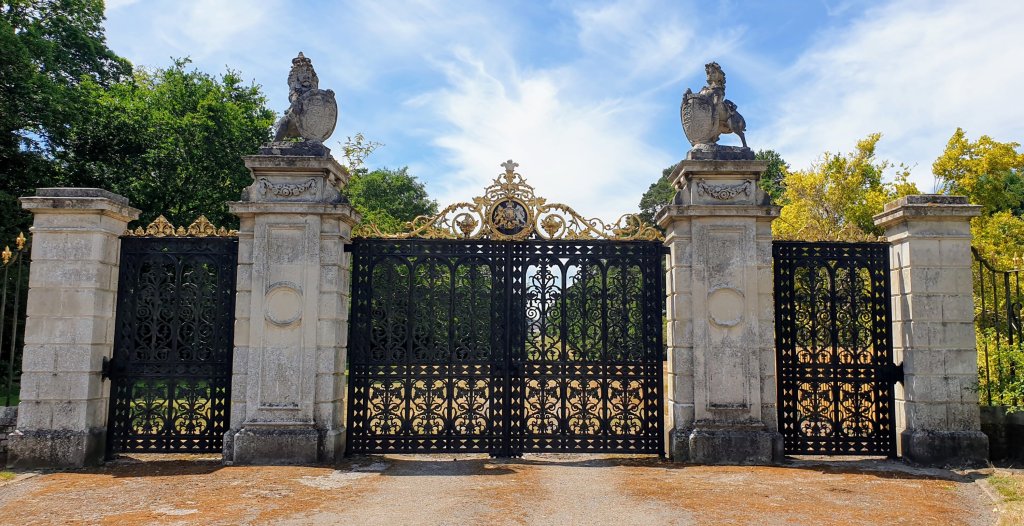
At the end of the old straight mile are the Golden Gates which were the original entrance to the racetrack. This stretch of track was abandoned long ago as it’s not visible from the grandstand. The current entrance is at the western end of the high street. Just memories here, and a whole lot of bling!

The old Golden Gates and entry lodge.

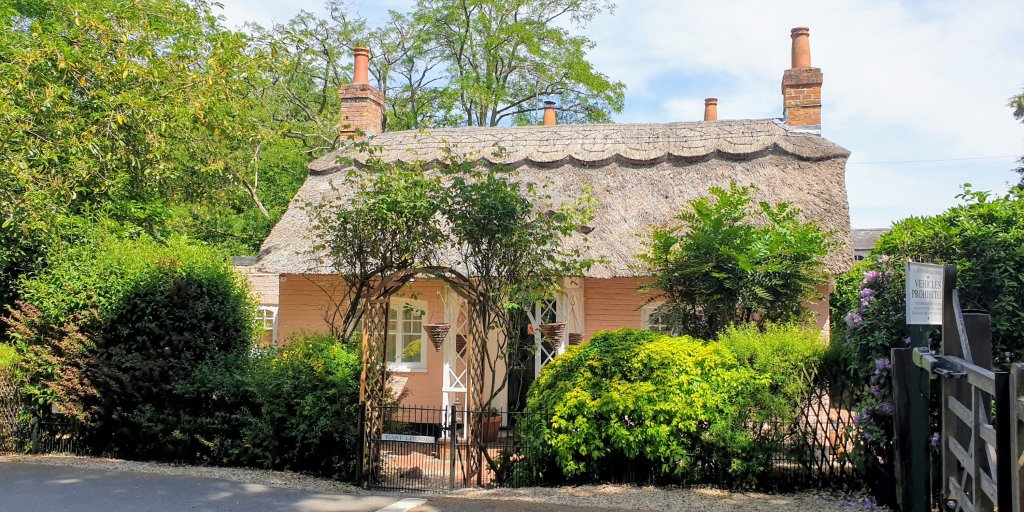
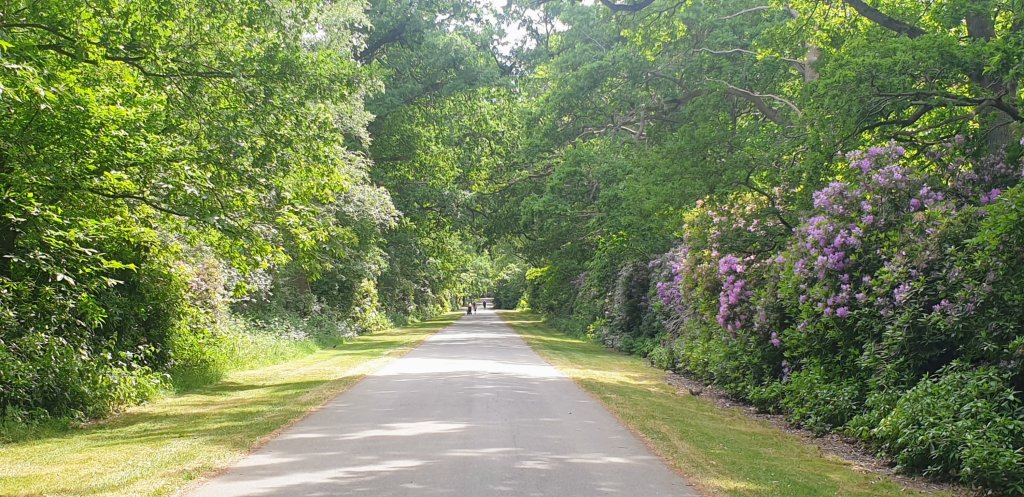
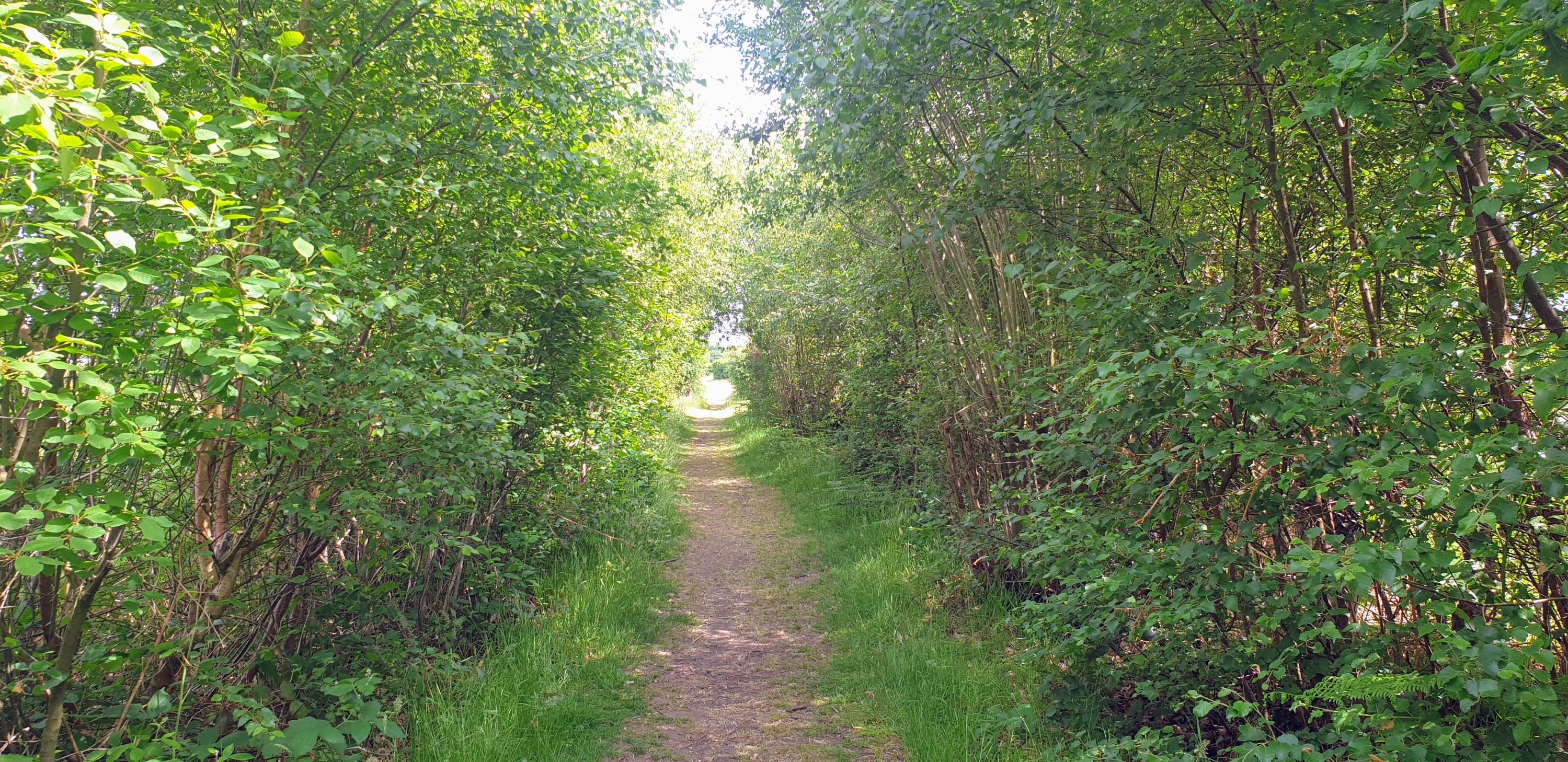
I leave the racecourse behind and head towards the Sunninghill Park estate, past the cute East Lodge at the entry and along the driveway into the woods.

East Lodge at the entry to Sunninghill Park.

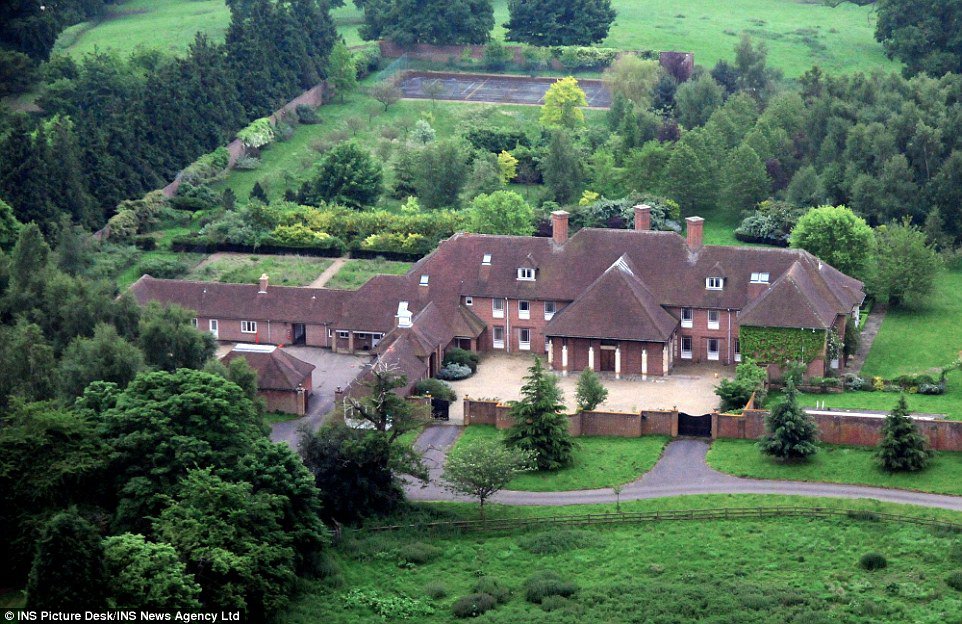
The royal connection persists here, as this is where Prince Andrew and Fergie had their marital home, dubbed ‘Southyork’ after the ranch in the TV show Dallas. The press had a field day when the house was built, comparing it to a Tesco superstore. It wasn’t exactly beautiful, but it was big and expensive.

Southyork in its heyday. Can you see the Tesco resemblance?

When the Yorks split up the house was sold and left deserted. It eventually had to be demolished after only 30 years. Another unfortunate Prince Andrew story… I have to say that after watching the Netflix documentary on Jeffrey Epstein, I wouldn’t be too keen on hanging around the Duke’s house if he still lived here.

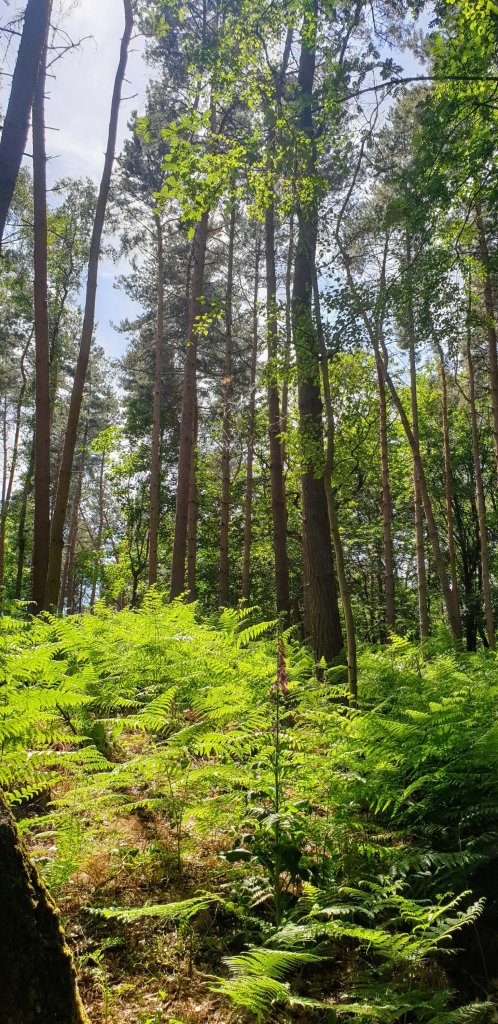
In the woods at Sunninghill Park.

As it is, I can’t get close to the site of the house, it’s fenced off, but the surrounding grounds are lovely. I’m the only person here, just scuffling squirrels, birdsong…and overhead jets going to and from Heathrow. A bit of aircraft noise is inevitable in this neck of the woods, even during lockdown.

The Great Pond at Sunninghill Park.

I wonder why Andrew and Sarah didn’t like it here. I’m loving my walk through their old and huge ‘garden’. The royals hey? So hard to please!

The grounds of Sunninghill Park.

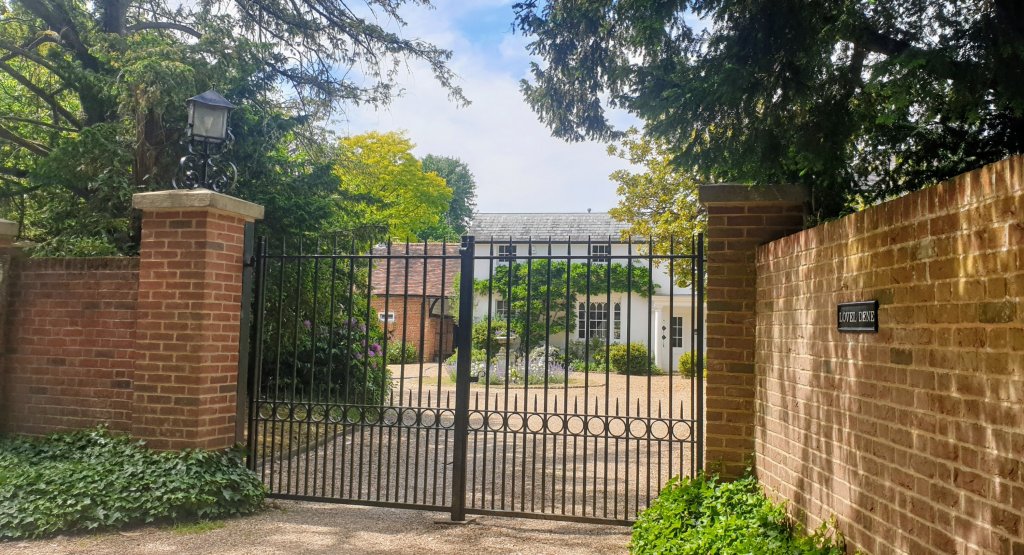
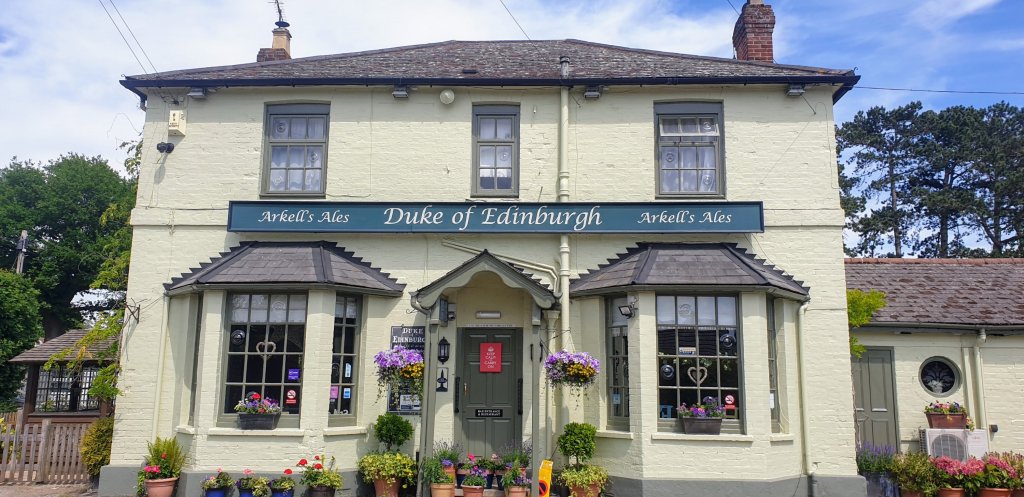
Eventually leaving the estate behind me, I walk along shady laneways towards the tiny village of Woodside. With some beautiful residences, two pubs and even a vineyard, this is the husband’s kind of village. Small but perfectly formed.

The village of Woodside.

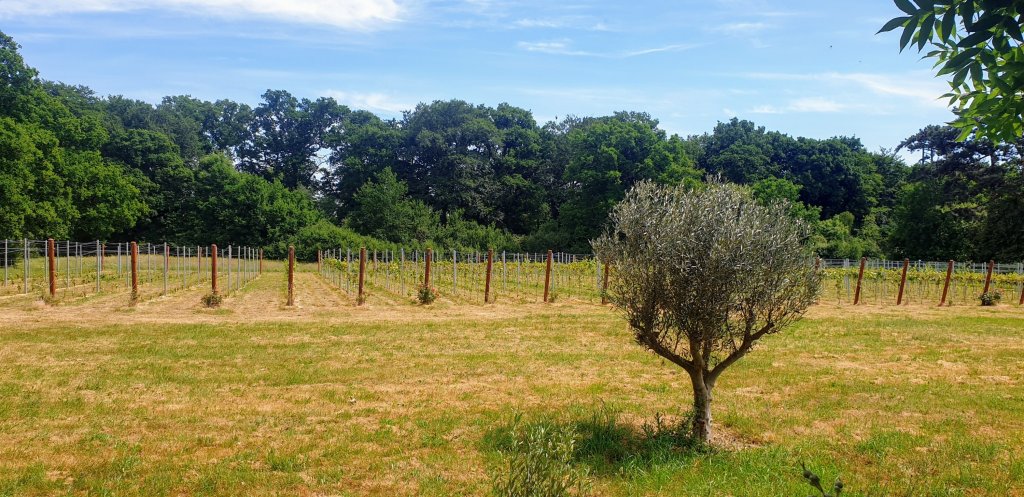
Woodside Park Vineyard is actually brand new, they planted the first 1800 vines early this year, so no wine just yet. I’ll be keeping my eye on the website though – a bit of local wine tasting would go down a treat.

Vines – a welcome sight.

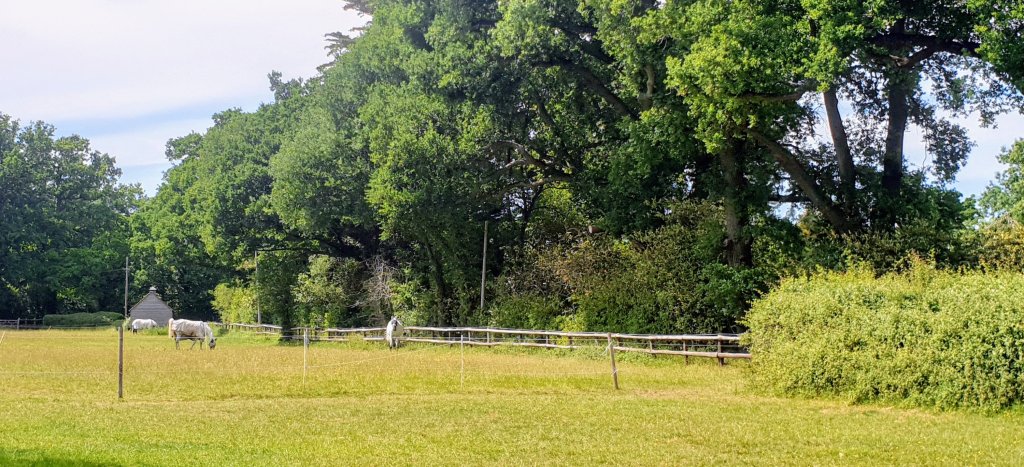
You won’t be surprised to hear that there are lots of horses around here. Several stud farms and trainers are based in and around Ascot – makes sense doesn’t it? My walk takes me through several paddocks and one thoroughbred prances uncomfortably close to me. I may have screamed a bit! Well, these animals are notoriously temperamental you know.

Don’t get too close, they’re excitable.

I turn into the driveway of Mill Ride Golf Club, known as the Coach Road as it was originally part of the driveway to the 18th century mansion known as Ascot Place. The Heinz family used to own the estate, which proves there’s money in baked beans!

The old Coach Road.

Turning left at the entrance to yet another stud farm, I walk through the centre of North Ascot. The pub here, the Royal Hunt, is boarded up, but for once this doesn’t make me feel bad, as we had a very uncomfortable evening inside. Think An American Werewolf in London kind of vibe where you’re just not welcome.

Kennel Avenue.

I walk along Kennel Avenue, where Queen Anne used to keep her hounds back in the day. Nowadays it’s full of very large, pricey homes. At the end of the street you go through a gate and hey, presto, you’re actually on the racetrack.

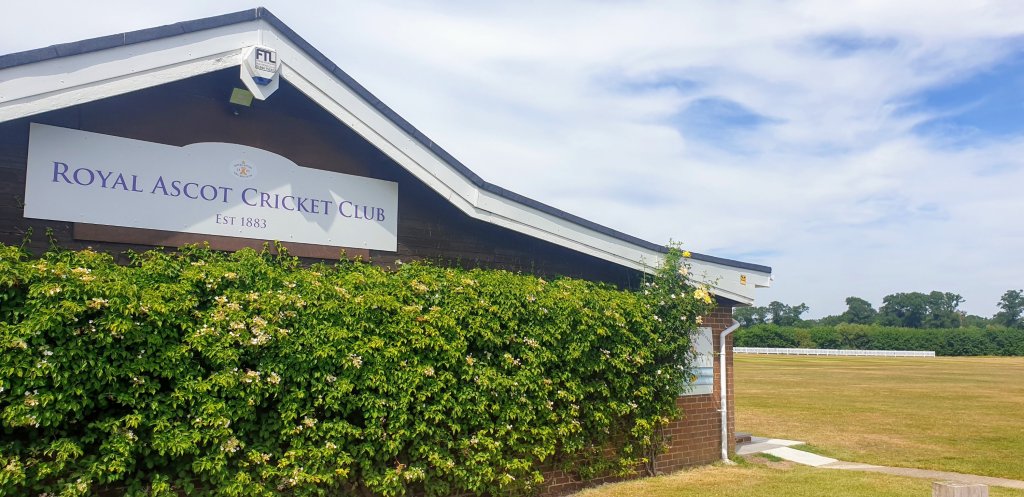
In our great democratic tradition, the heath at the centre of the track is open to locals 365 days of the year. If a race is on there may be a few minutes’ wait to cross the grass. It’s popular with dog walkers, ramblers, sunbathers and even cricketers. All overlooked by that absolutely huge stand. It was opened by the Queen (who else?) in 2006.

Ascot Heath at the centre of the track.

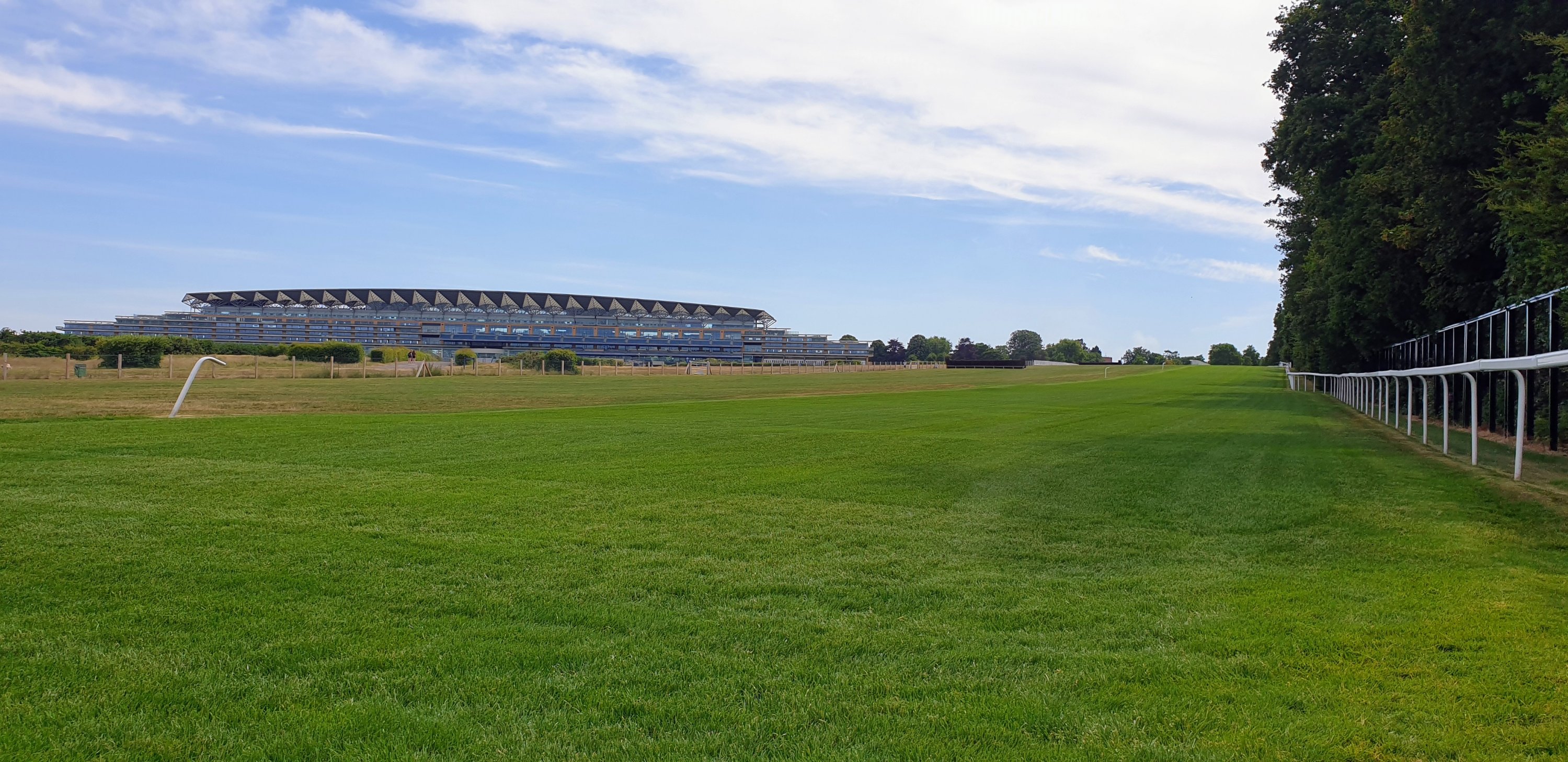
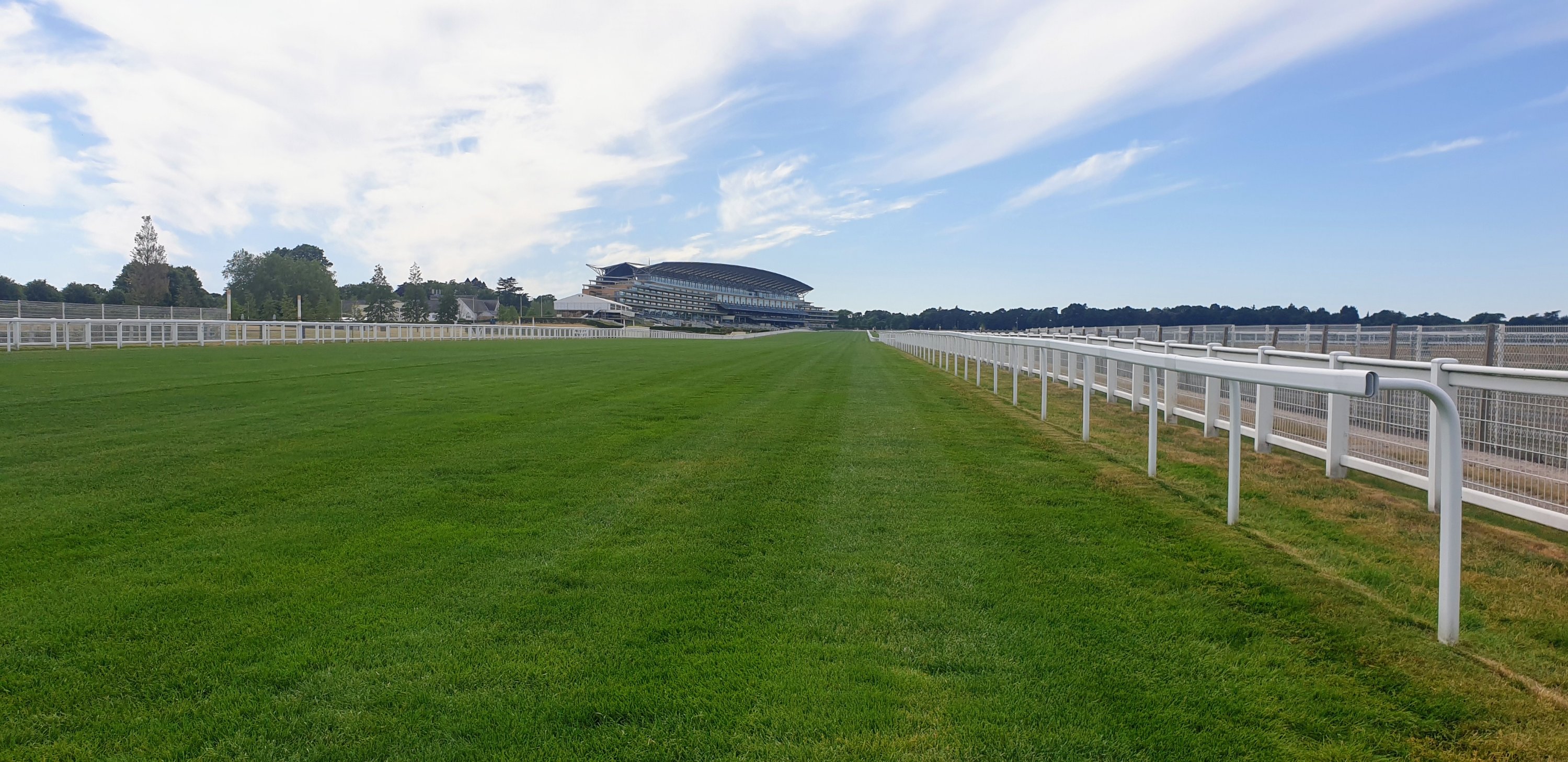
The last section of my walk takes me across the new straight mile of the course, this one clearly visible from the grandstand – as a psying punter you expect to be sble to see the horses after all. We’ve had no rain to speak of for months, but the grass is obviously lovingly tended here, ready for the next camera close-up.

The new straight mile.

As racing has now resumed, albeit without spectators, Royal Ascot will be taking place as usual this month. The monster grandstand will be empty. The Queen won’t be attending. Pimms and champagne sales will suffer. It won’t be the same, but the locals may well enjoy a rest from the mayhem.

I’ve had some good times here at Ascot, although I’m not particularly a fan of racing. I’ve seen the Queen and I’ve also sung along to some quality retro post-racing concerts starring the likes of Rick Astley, Go West, 5ive and Ronan Keating. I’ve drunk a few pints of Pimms here in my time. Hopefully I’ll be getting frocked up to come again soon, but for now it’s back to the car.
Enjoying a pre-coronavirus visit.

Come walk with me in the Midlands

I know, the excitement! I’ve actually driven to a completely different part of the country for today’s walk. A whole 100 miles from home, woohoo!

Welcome to Leicestershire.

Leicester would not usually spring to mind as an ideal location for a countryside wander. Personally I associate the city with textiles, curry, football and Walkers crisps. But I’m meeting my friend Sue, who lives 200 miles from me. So obviously, you stick a pin in the map halfway, find somewhere to walk and hope for the best. Luckily, I chose well – Bradgate Park is amazing. History, tick. Scenery, tick. Wildlife, tick.
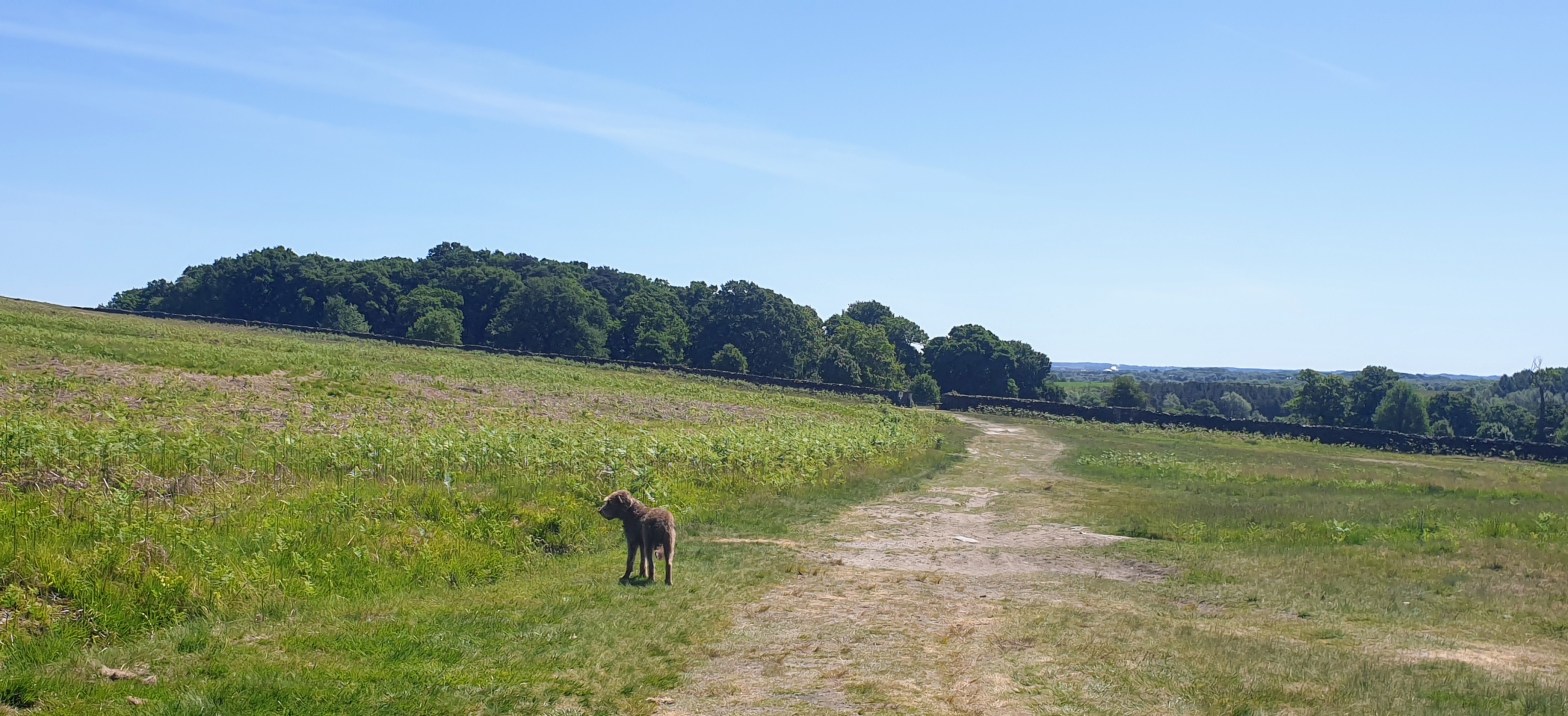
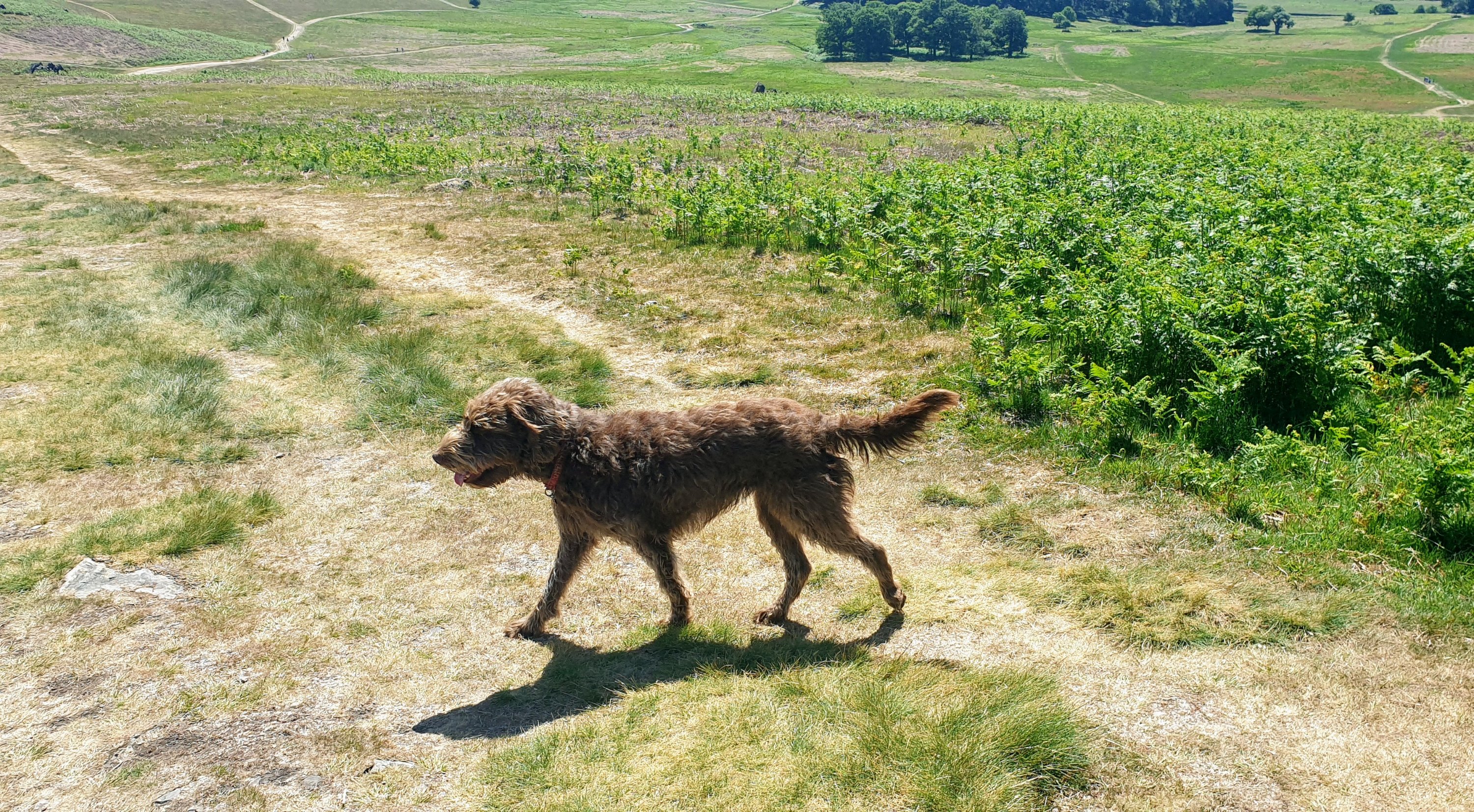
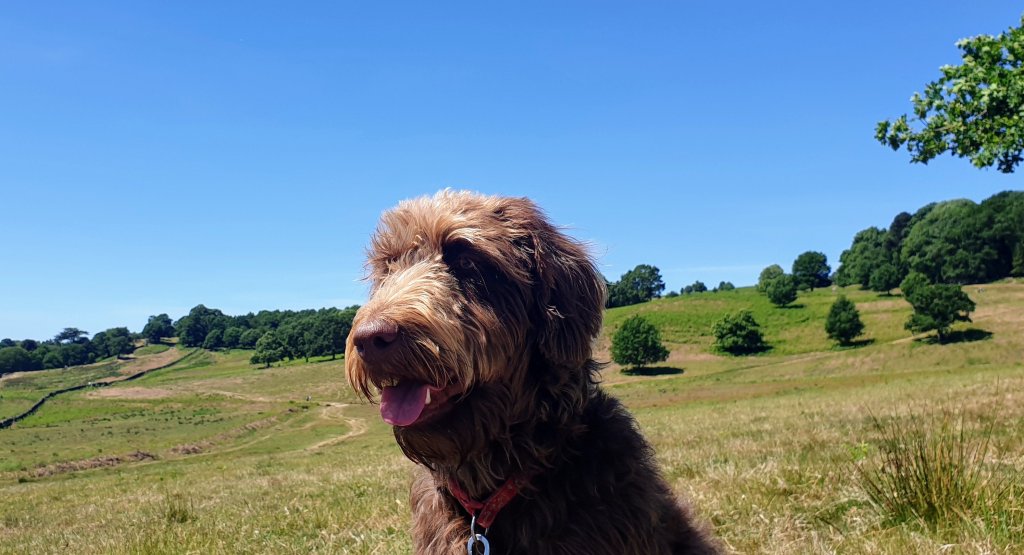
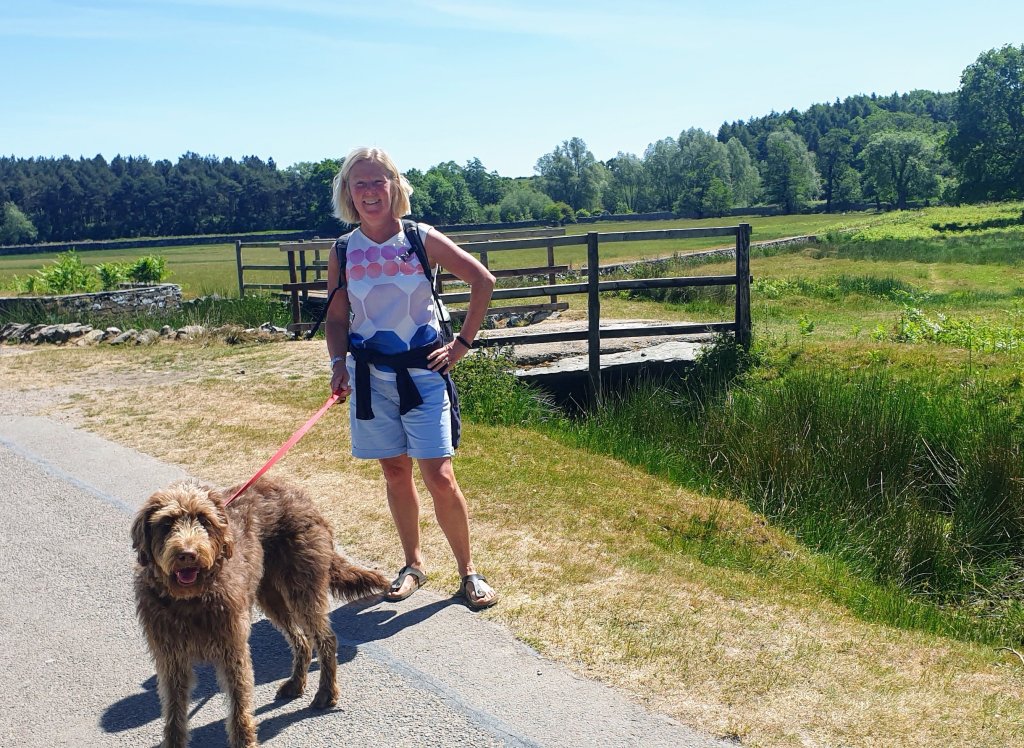
You really find out who your friends are during a pandemic, don’t you? If someone is happy to do a 200 mile return trip just to spend a few socially distanced hours with you and your dog then they are a proper mate. Although I have to admit that Lizzie the Labradoodle did try to kiss Sue several times, she doesn’t really care for rules.
The climb up to Old John Tower as we enter the park.

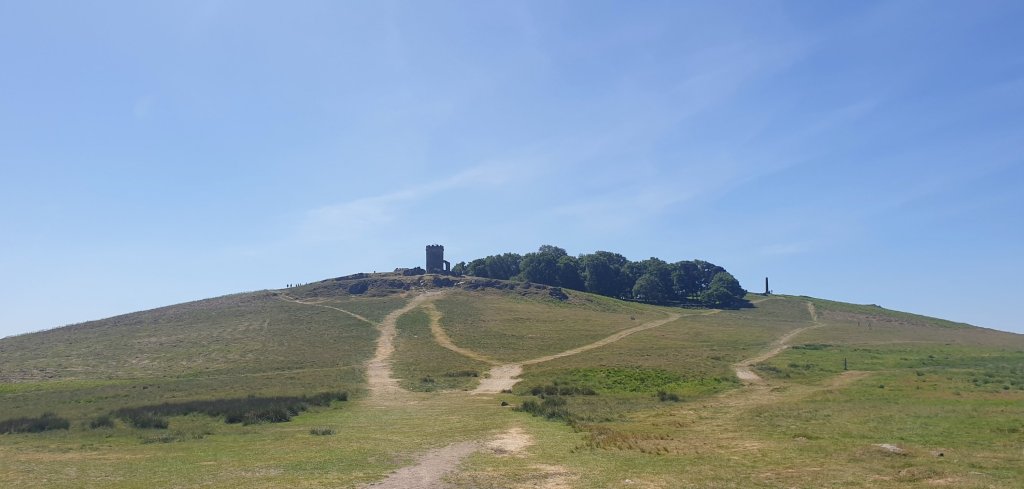
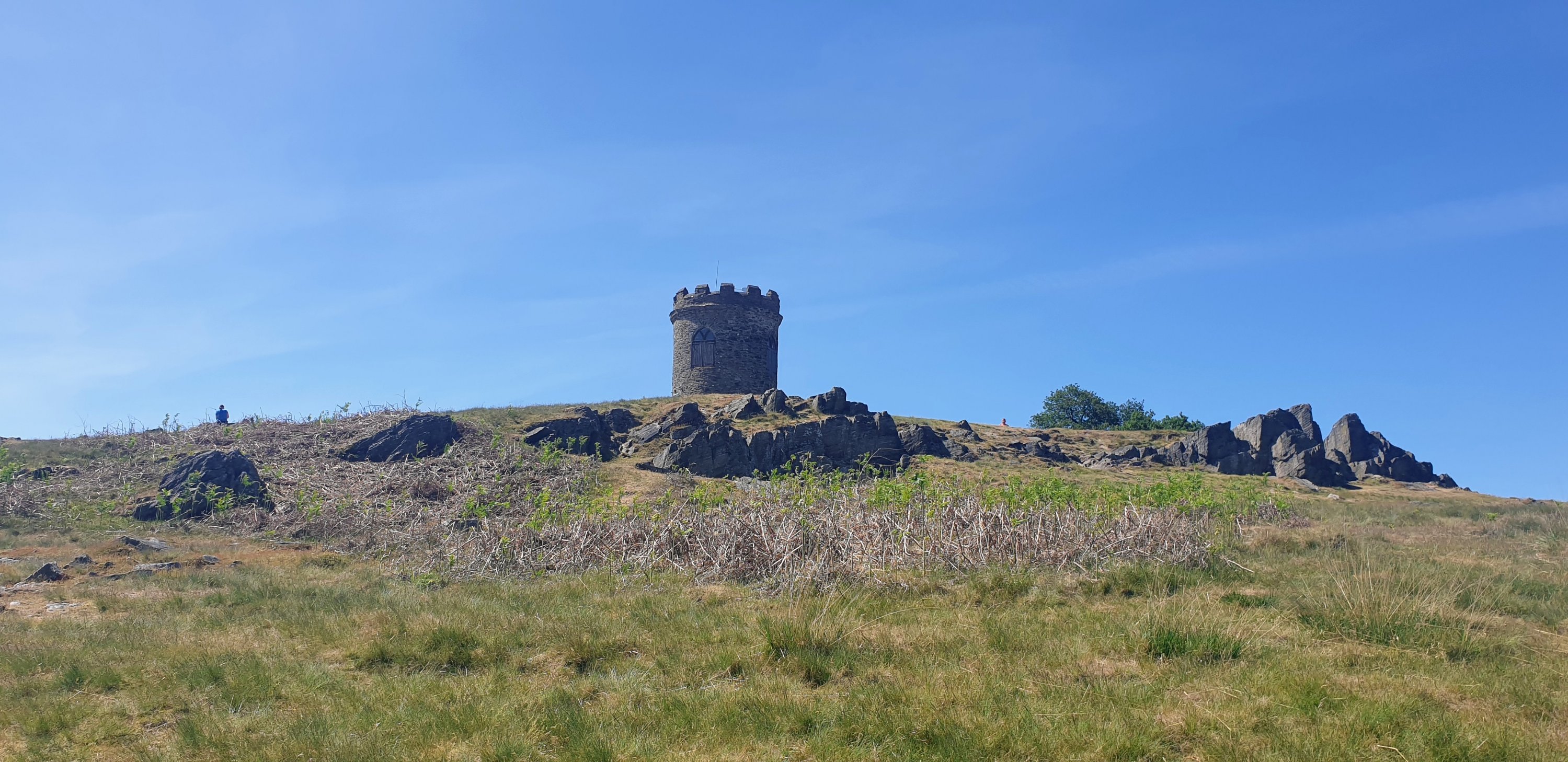
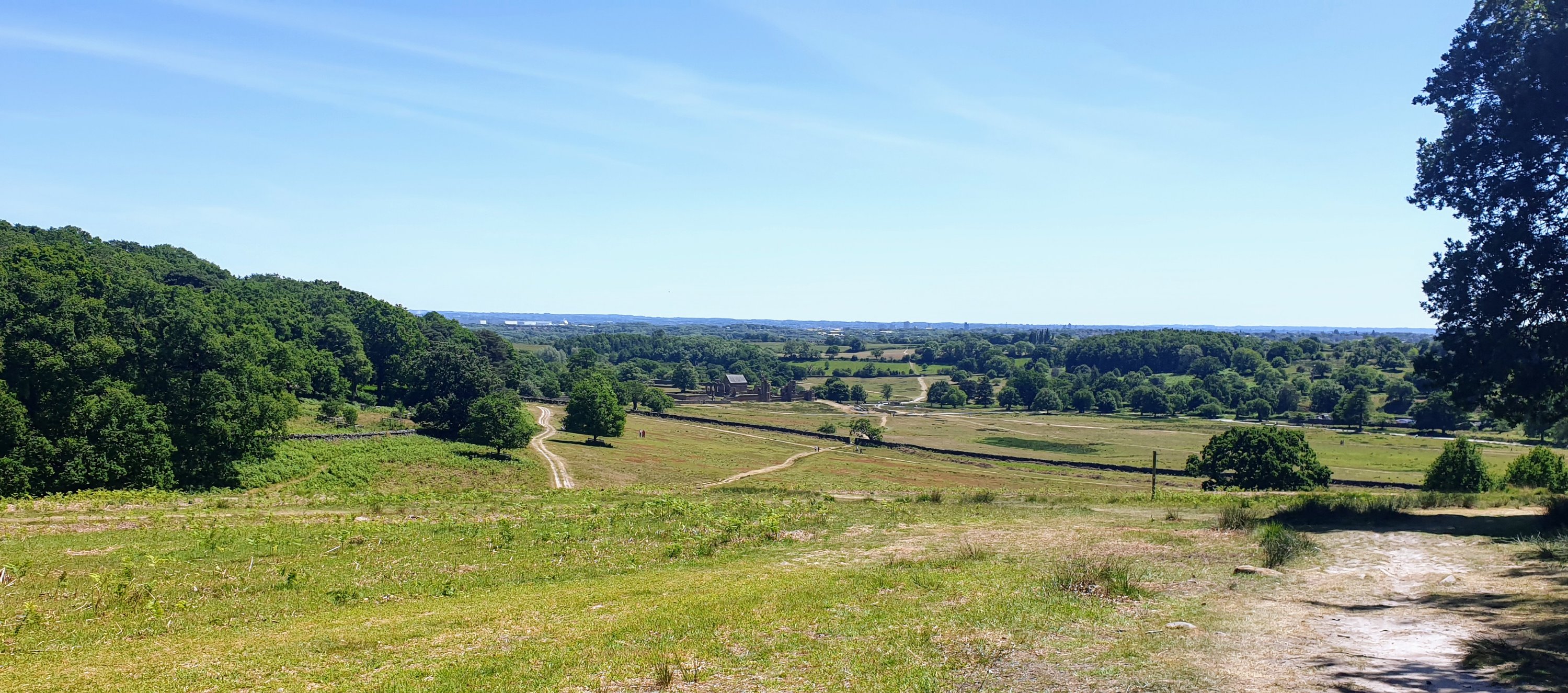
Bradgate Park was first established as a deer park around 800 years ago and covers 830 acres. We enter the park at the northern end and immediately make the clamber up to Old John Tower, an 18th century folly which is one of Leicestershire’s most famous landmarks.

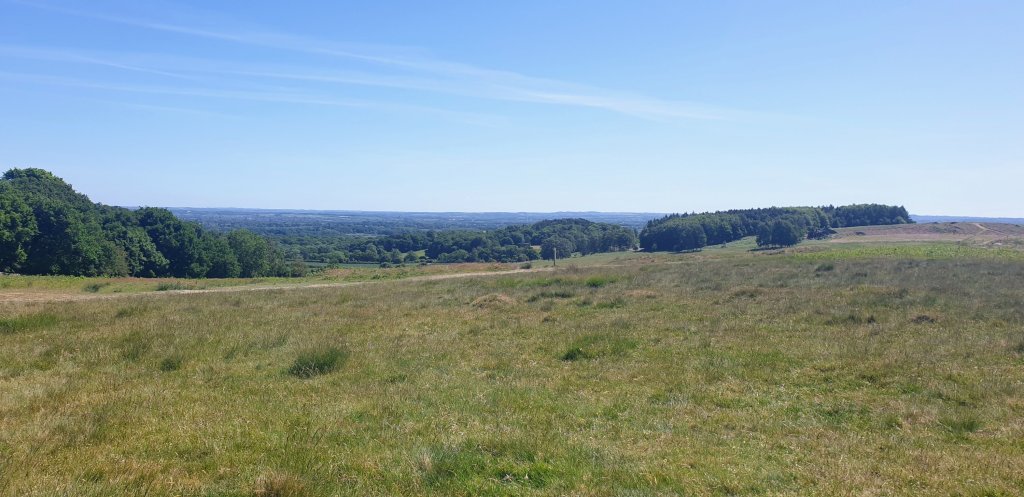
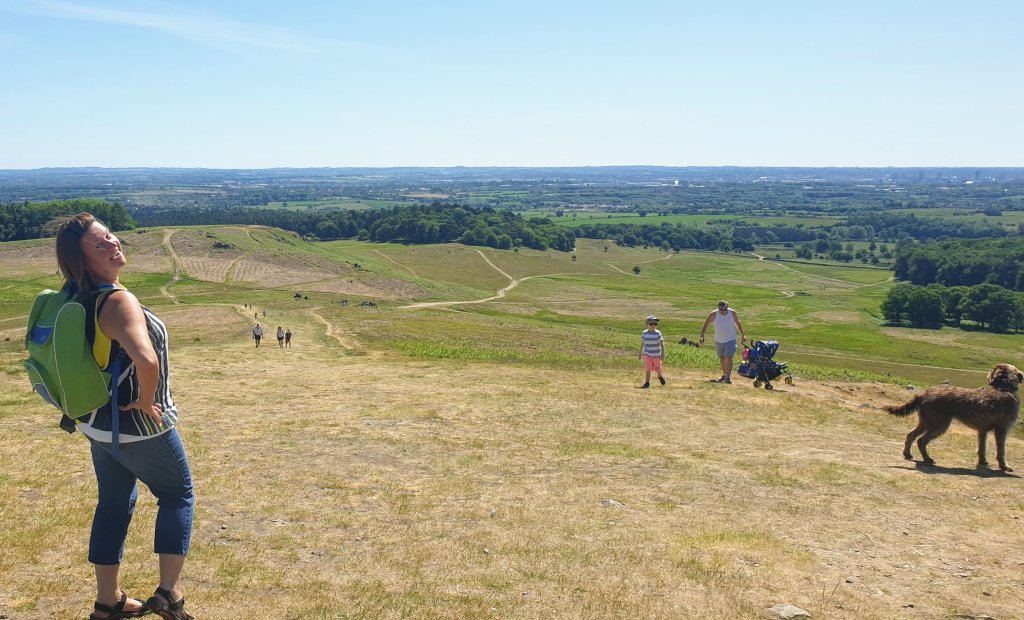
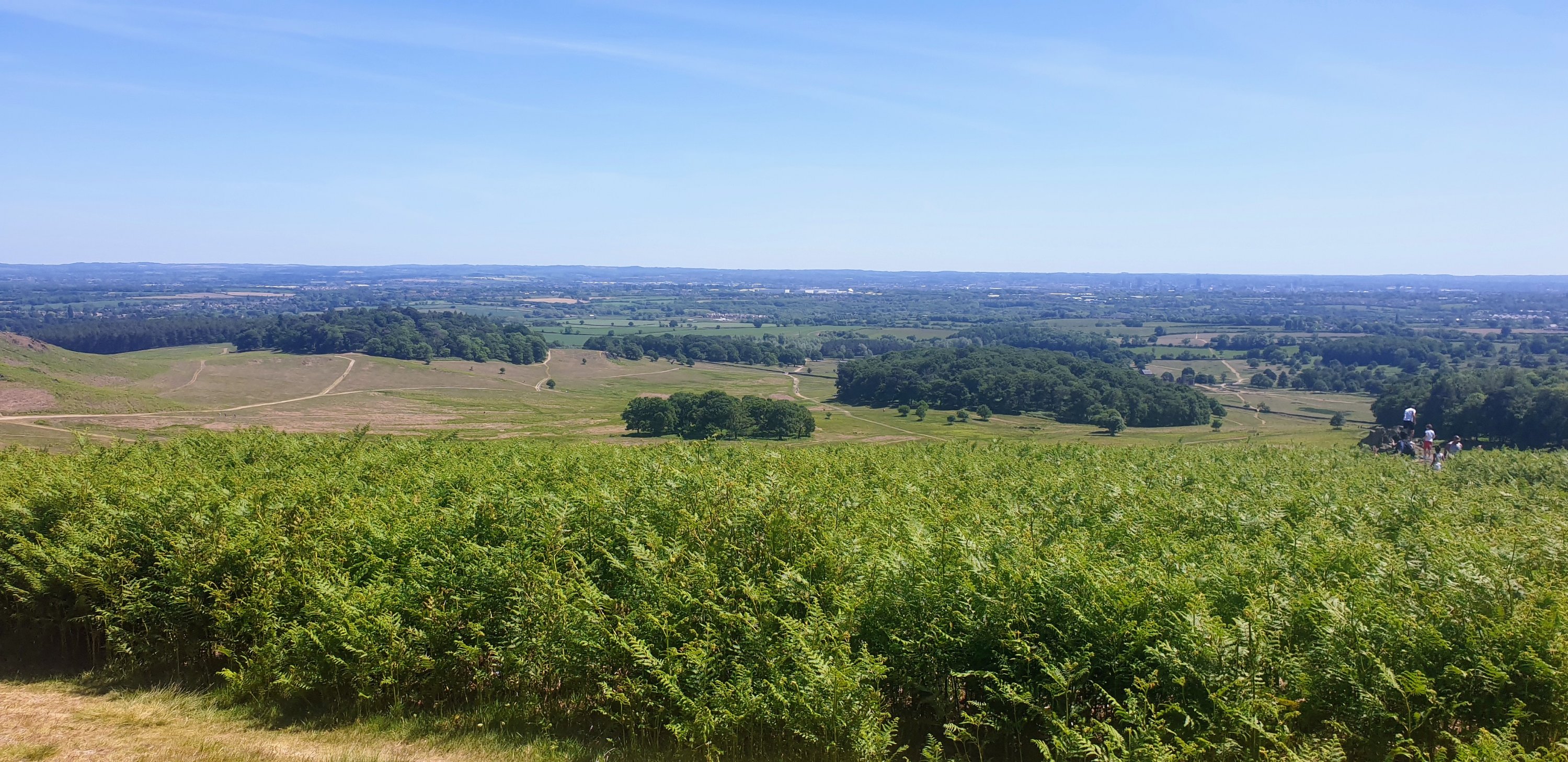
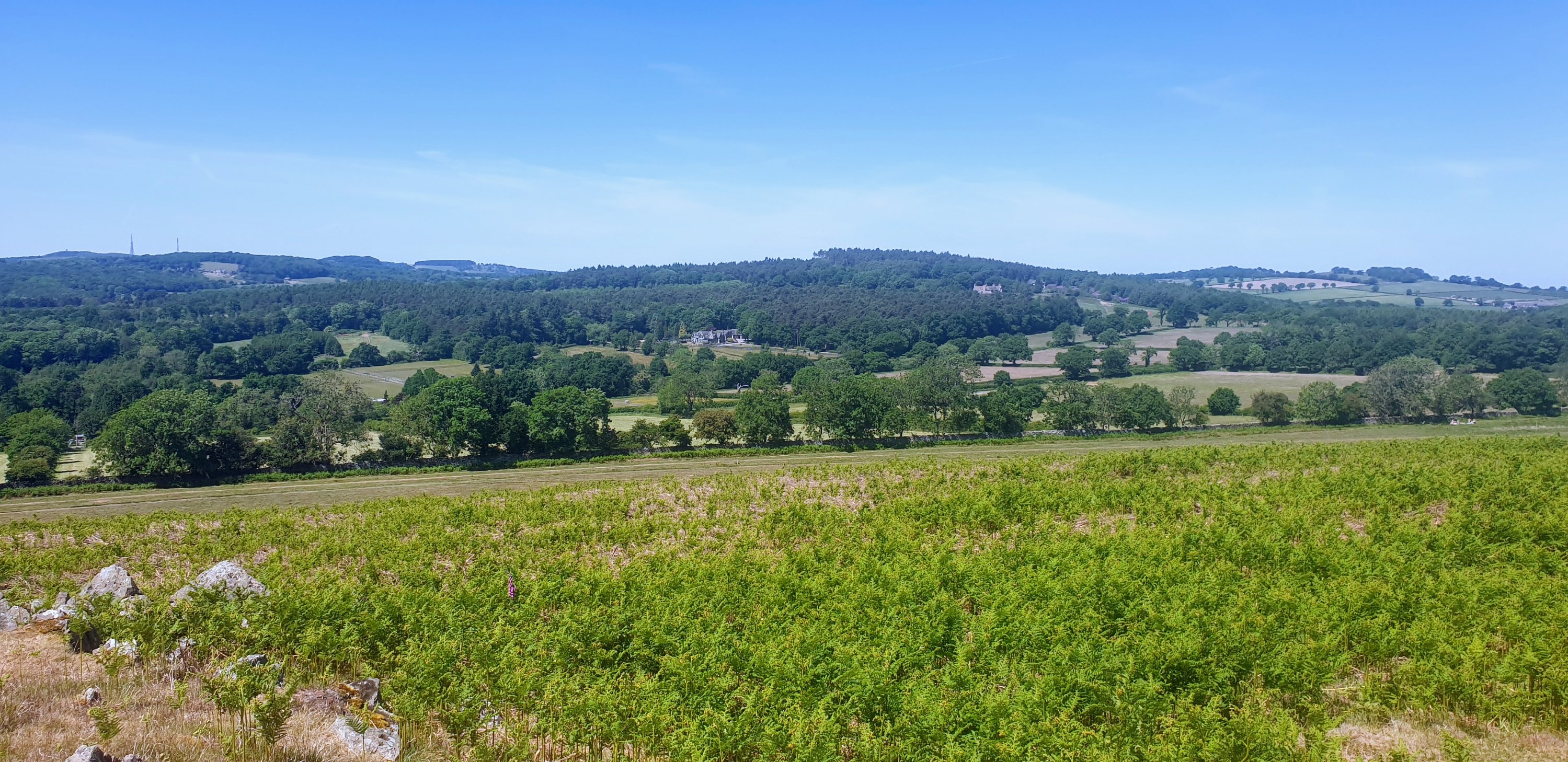
This is the highest point of the park and the views are astonishing on a clear day like today. Leicestershire is at the geographical heart of England, and totally landlocked. Surprisingly, when we often think of the Midlands as quite industrialised, it’s green as far as the eye can see.

Sue and Liz survey the landscape.

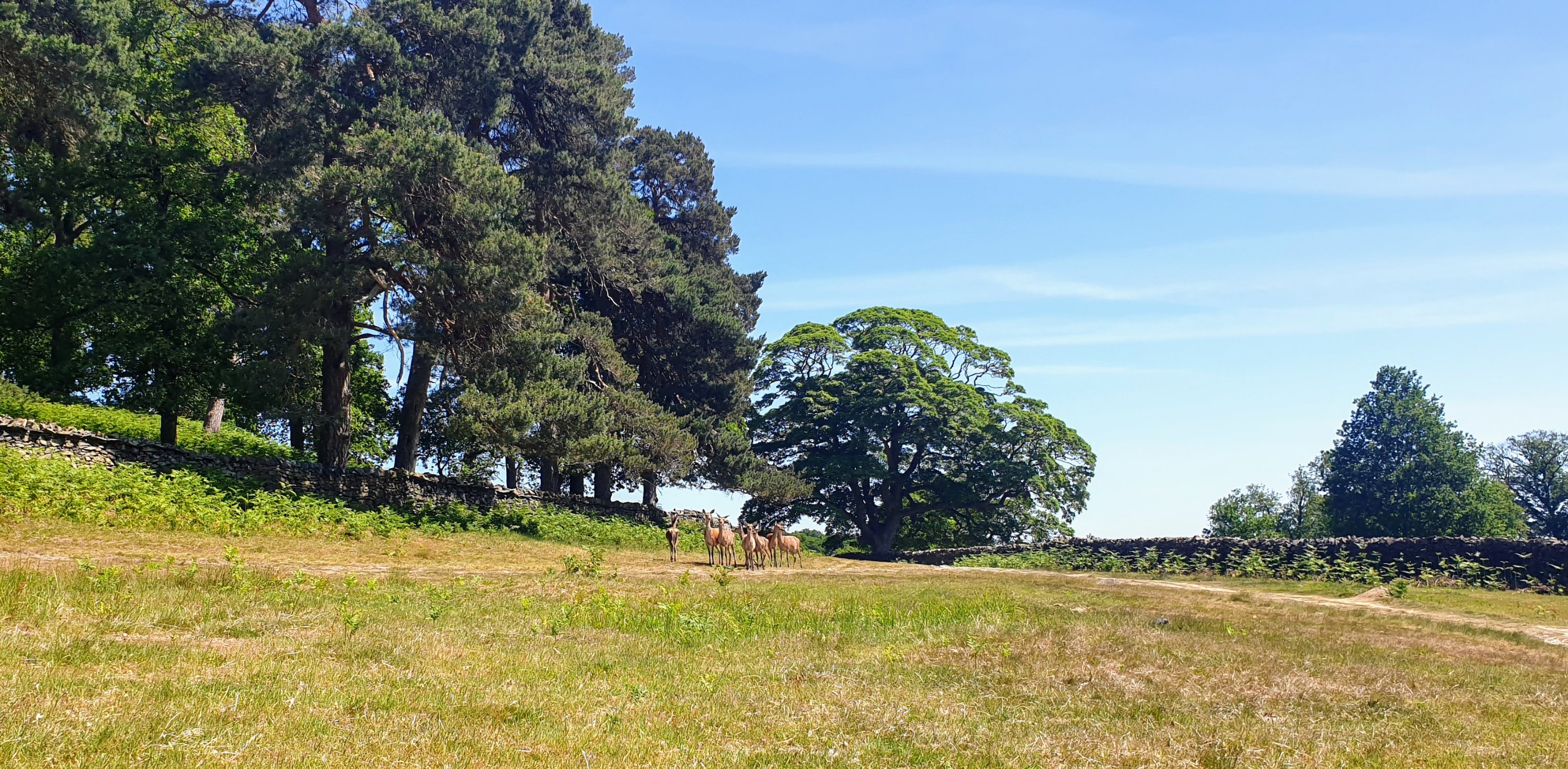
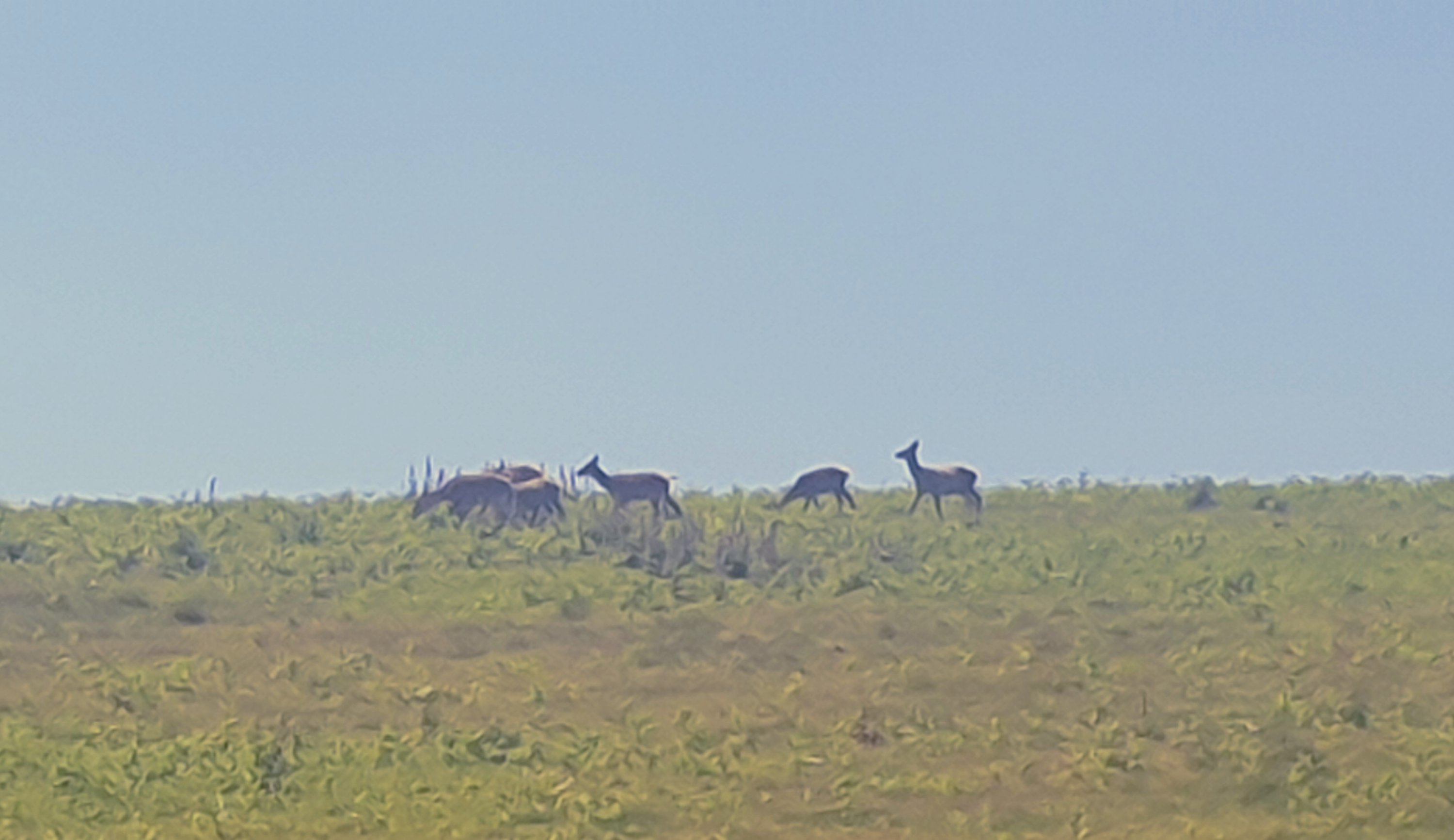
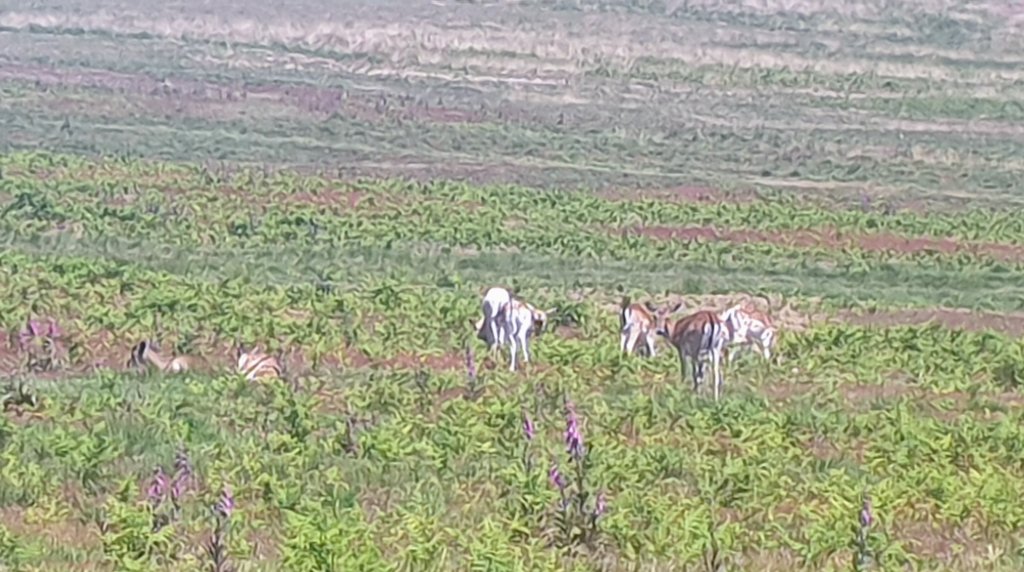
The park supports around 500 red and fallow deer who roam free across all areas. Unlike other parks I’ve visited where the deer seem to hide away from me, here they are literally everywhere. They appear completely unfazed by people, although some visitors insist upon disturbing them by getting too close, no doubt in search of a good selfie. But there are idiots everywhere, unfortunately. We admire the lovely animals from a distance.

The park is very dog friendly – Lizzie made a few new furry friends while we were there – but you need to be aware of the deer at all times, as they appear without any warning and travel at great speed.

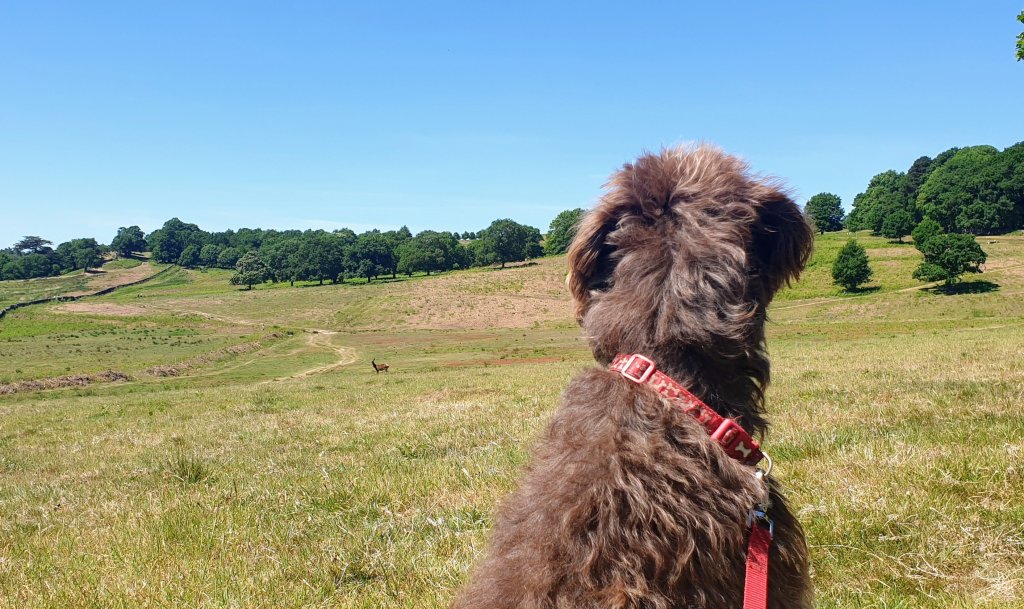
Most of the time, Lizzie was off leash, but when deer started hurling themselves past us at 50 miles an hour I decided she was getting a bit too excited. If she ran, I would have to follow, and I was far too busy enjoying my hummous and crudités, thanks very much. Sue and I don’t walk far without sustenance!

I really would like to chase that deer…

If you have a dog, you’ll know that there’s nothing funnier than their look of amazement when faced with an unknown beast. The absolute classic for me was dog meeting big red kangaroo – obviously that was in Australia, not Bradgate Park! But Lizzie meeting her first deer was pretty amusing too.

Very happy dog!

The picturesque ruins of Bradgate House stand within the southern part of the park. Built in 1520 by the Grey family, it was one of the first unfortified great houses of England and it has a tumultuous history. It’s the birthplace of Lady Jane Grey, who was Queen for 9 days before being executed by ‘Bloody’ Mary I in 1553. Her father was also executed the next year for good measure. Mary wanted rid of those pesky Greys with their troublesome claim to the throne!

The ruins of Bradgate House.

Legend says that when Jane was beheaded, groundsmen in the park pollarded the oak trees around the house as a tribute. I’m not sure that would have made anyone feel better, least of all the trees! The house has been uninhabited since 1739 and slowly went into decline, but the remains are still quite impressive – they built to last back in the old days.

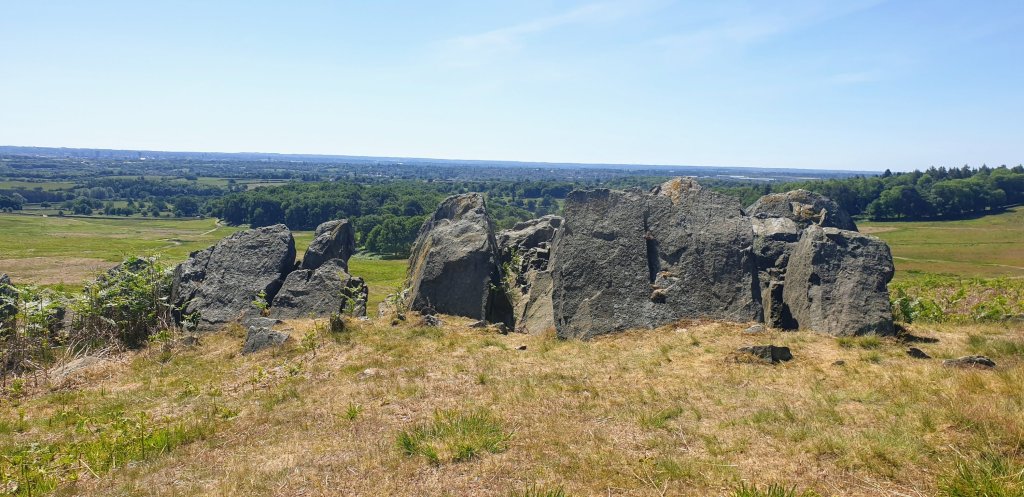
Anyone deciding to visit the park should be aware that the terrain is not for the faint hearted. There are a few uphill scrambles that left Sue and I unable to talk for a while. This does not happen often. But the vistas make it all worthwhile.

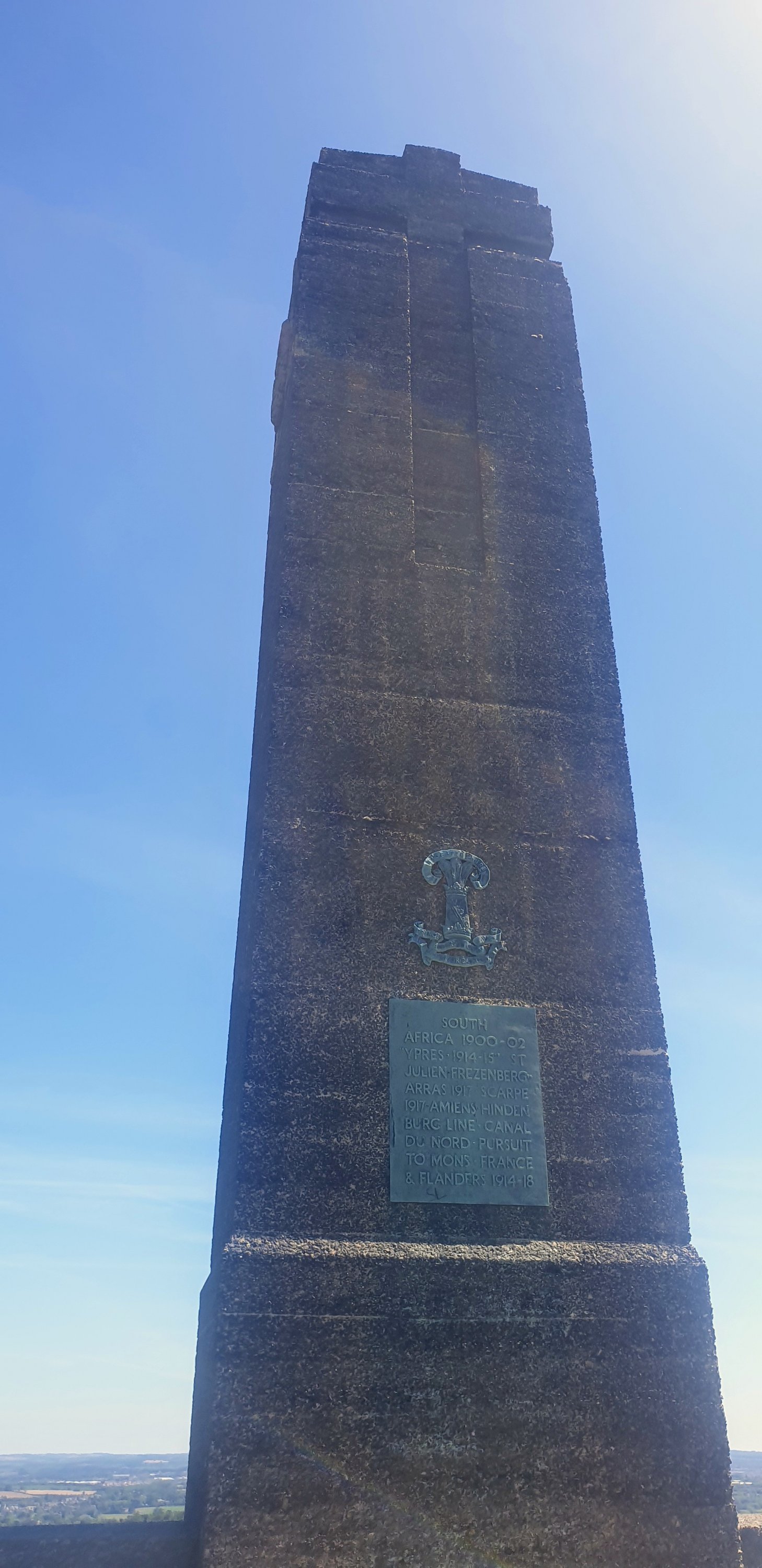
One last landmark to visit, and yes it’s at the top of a hill. The Leicestershire Yeomanry War Memorial commemorates the fallen of the Boer War and both World Wars in spectacular fashion, visible for miles around along with the Old John Tower.

One last look around from up here, and it really does take your breath away. It’s lush and lovely and not at all what I was expecting. But Leicestershire is really a rural county – its symbol is the fox, and I’m sure there are a few of those about if you come at dusk or dawn.

If this lockdown is teaching me anything, it’s that this country is ever surprising. So much to see, do and learn, no matter where you go. Sadly, my cooking skills are not improving as I thought they might (I gave up after disastrous home made pizza) but I can get out there and walk, and share my discoveries. Until next time, enjoy the great outdoors!

Thank you for the music Stockholm!

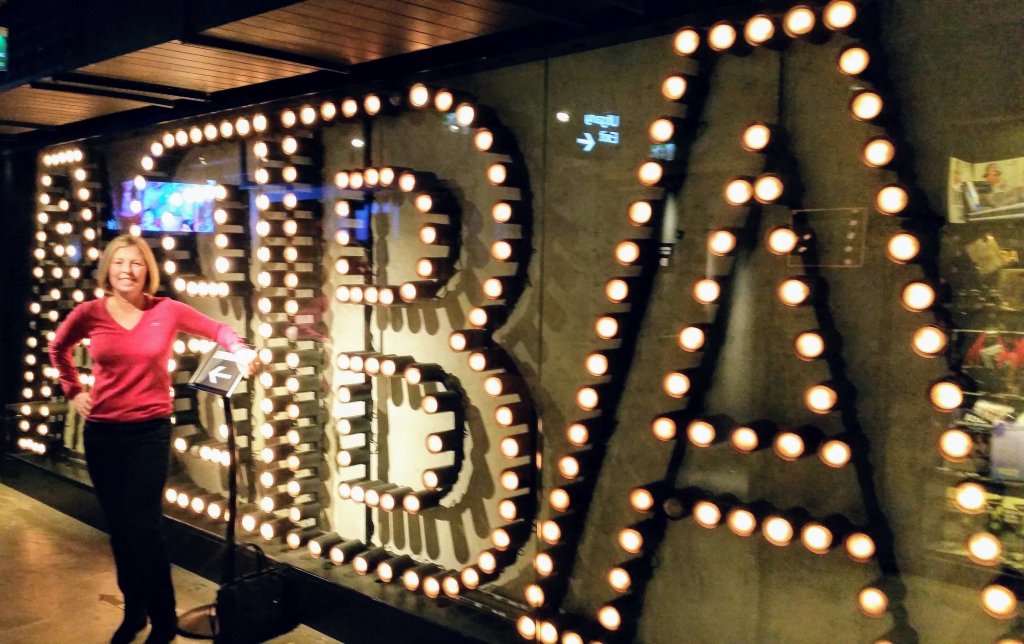
As a lifelong Abba fan, Stockholm was always going to be on my list of must-see destinations. I had to visit the Abba museum. Not sure the husband was quite so excited about it.

The main attraction, for me anyway.

As a kid, I was mad about Abba, constantly singing the songs, ’cause everyone listens when I start to sing... I had the albums, the posters, the annuals. I played guitar, and Dad very optimistically bought me a book of Abba song music.

Don’t be silly, of course I was never good enough to play any of the tunes. I regret this lack of application now – the husband would love a quick lockdown rendition of Fernando by the barbecue, I’m sure.

I’ve been so lucky. I am the girl with golden hair. Tra-la!

This was my first trip to Scandinavia and it was March, so I had two expectations – the prices would make me wince, and the weather would be shocking. I’m happy to say I was wrong on both counts. The weather was mostly sunny and prices were London level. In my humble opinion, this is is a seriously nice place for a city break.

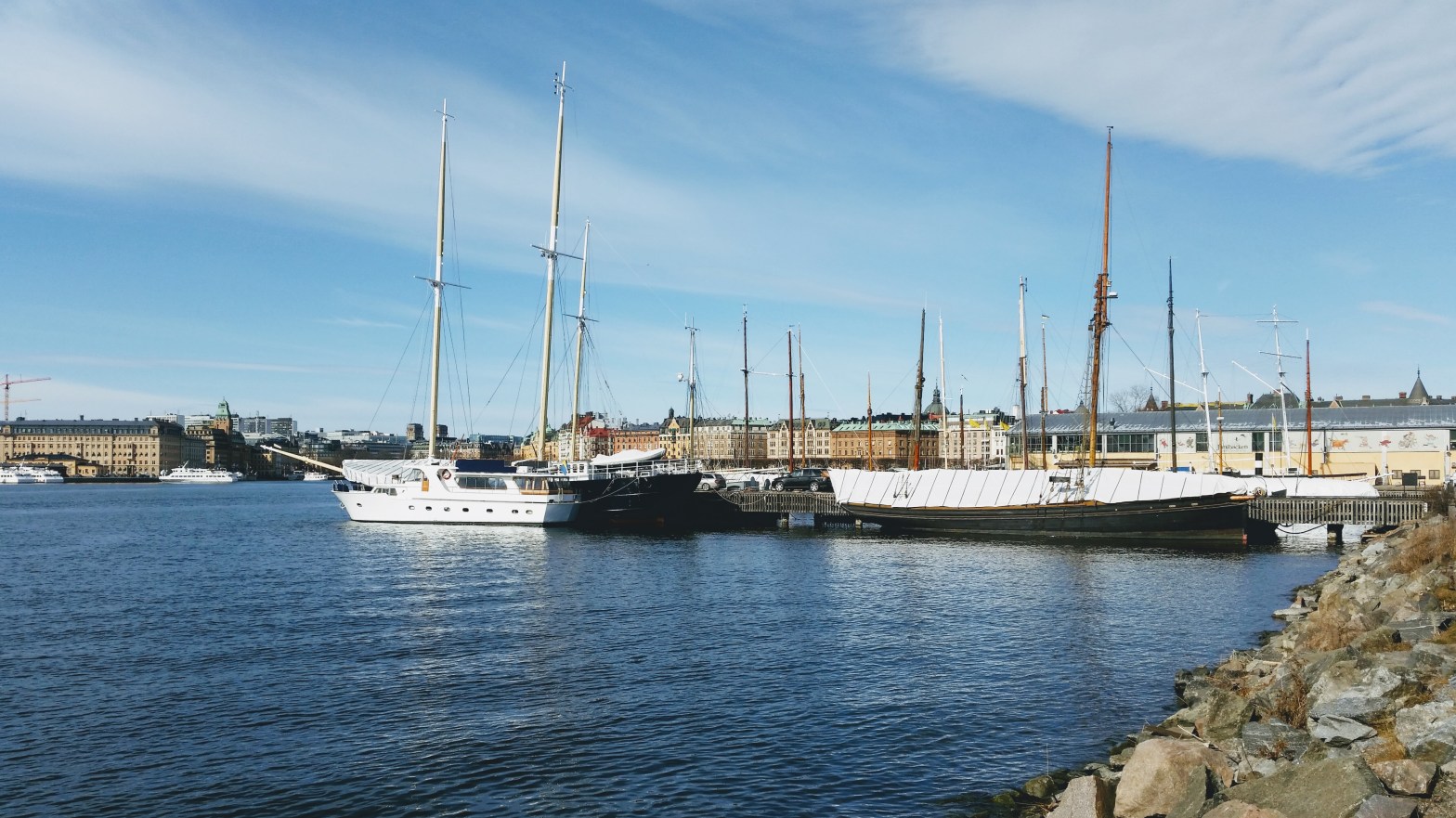
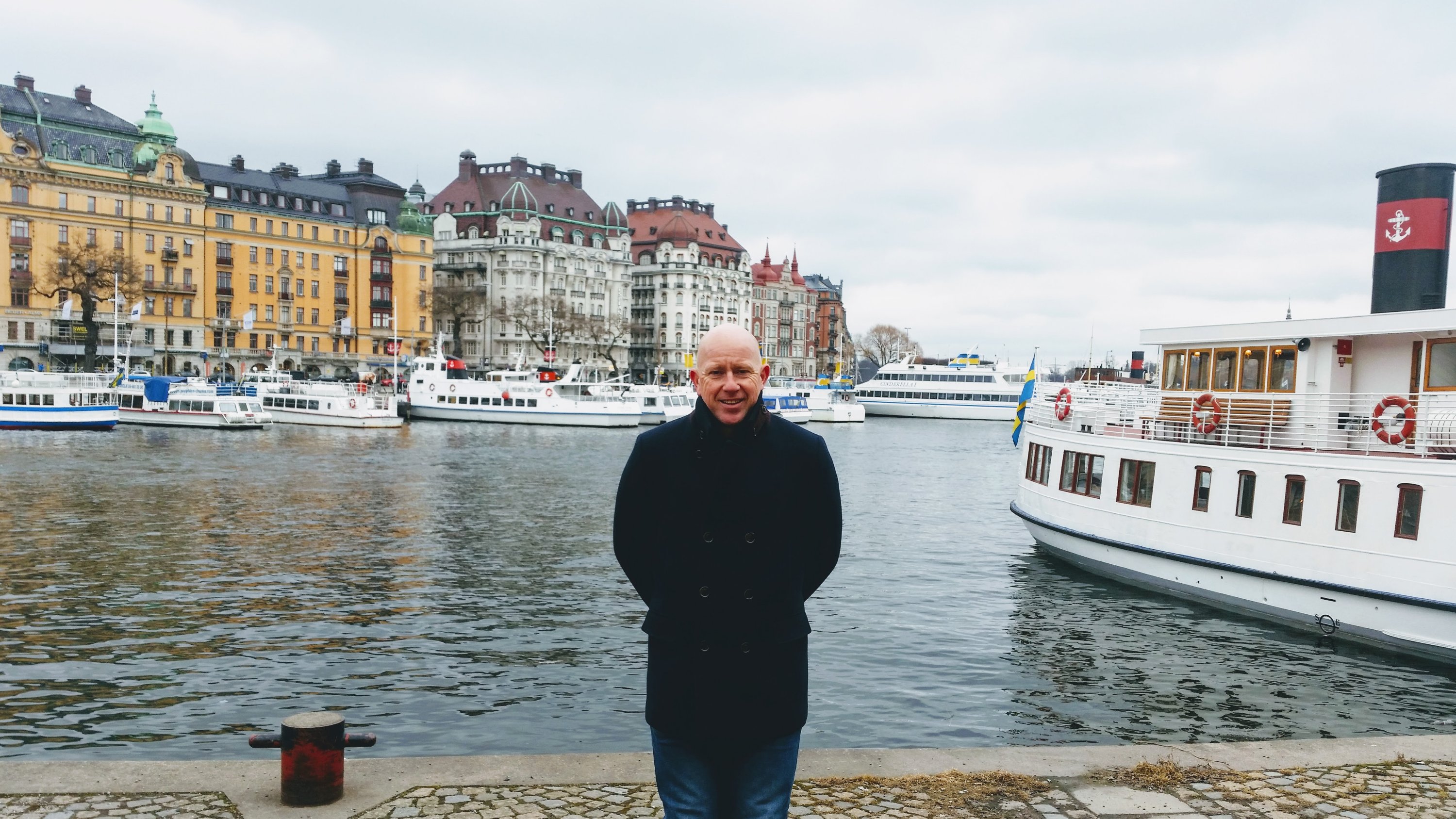
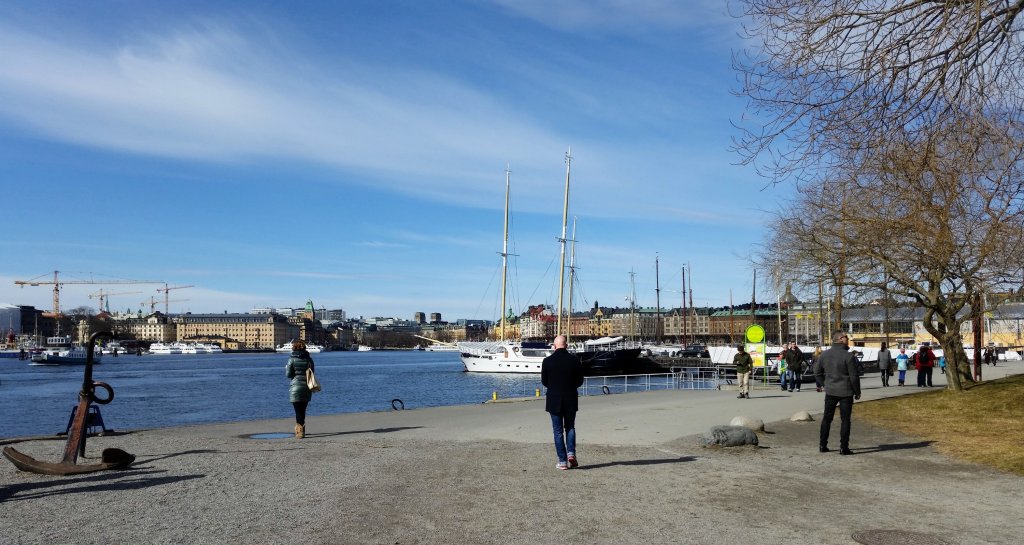
Down on the waterfront in Stockholm.

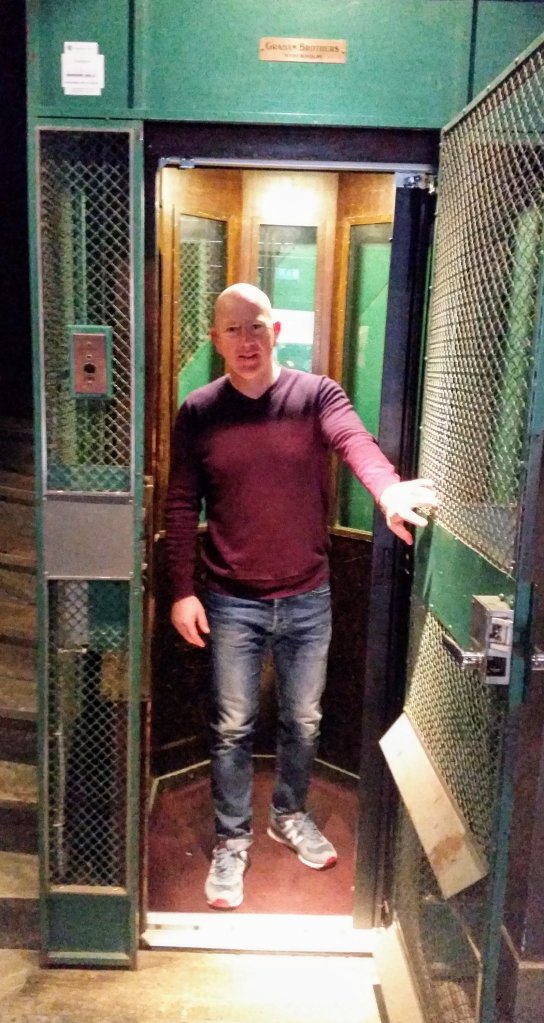
We stayed at the Story Hotel Riddergatan. The blurb says it’s urban and bohemian. No idea why I chose it, sounds way too cool for us. Needless to say, we were at least 10 years older than anyone else staying there and the hotel bar was the only place we actually winced when we got our bill. From memory about £20 for two drinks. Ouch! But breakfast was yummy and there was one of those cool old cage style lifts. We liked it.

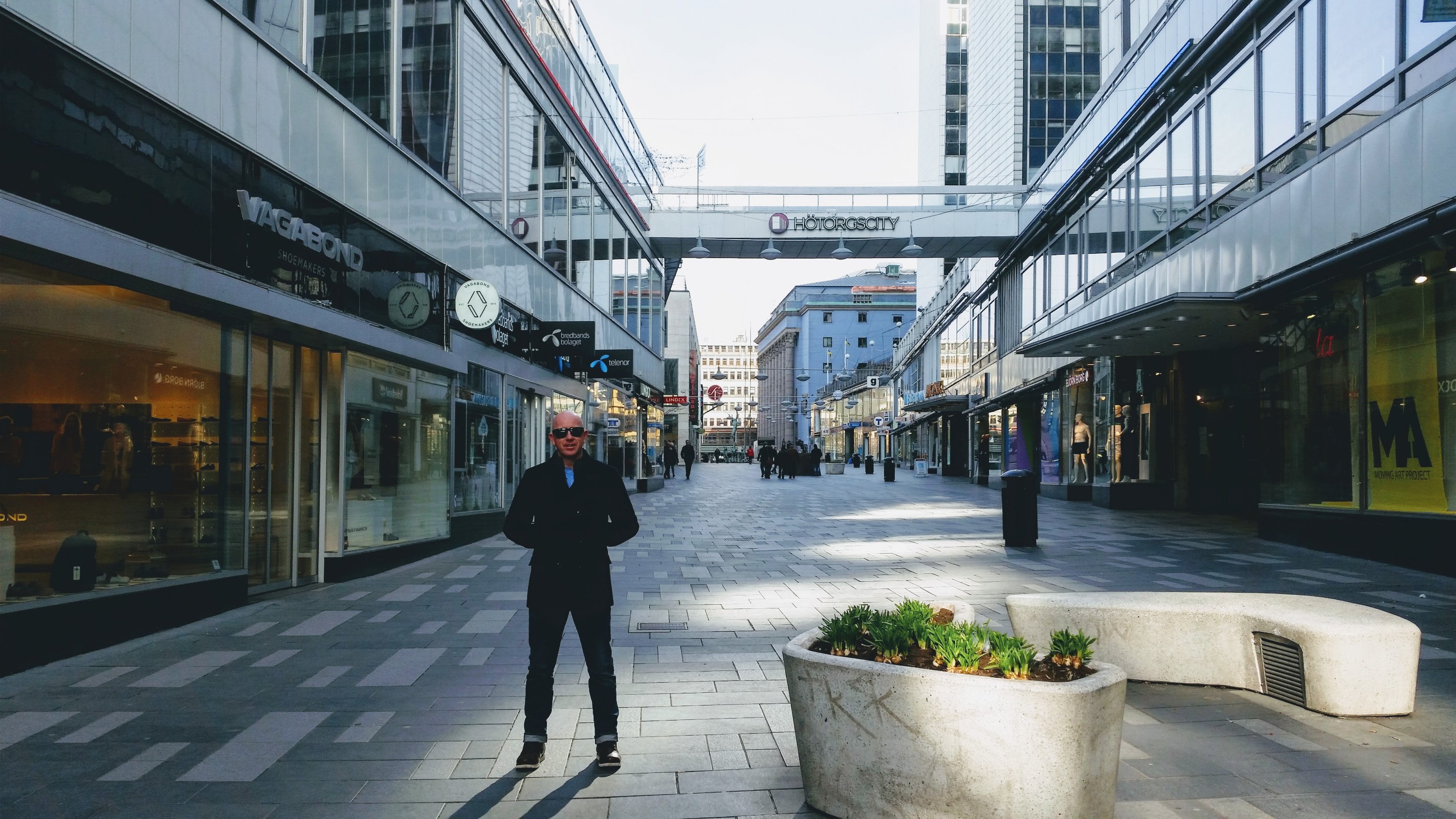
If you get the train from the airport to the city on arrival, like we did, don’t be discouraged by first impressions. There are some quite uninspiring 60s and 70s shopping streets in the central City area. Who knew Bjorn Borg made undies nowadays?

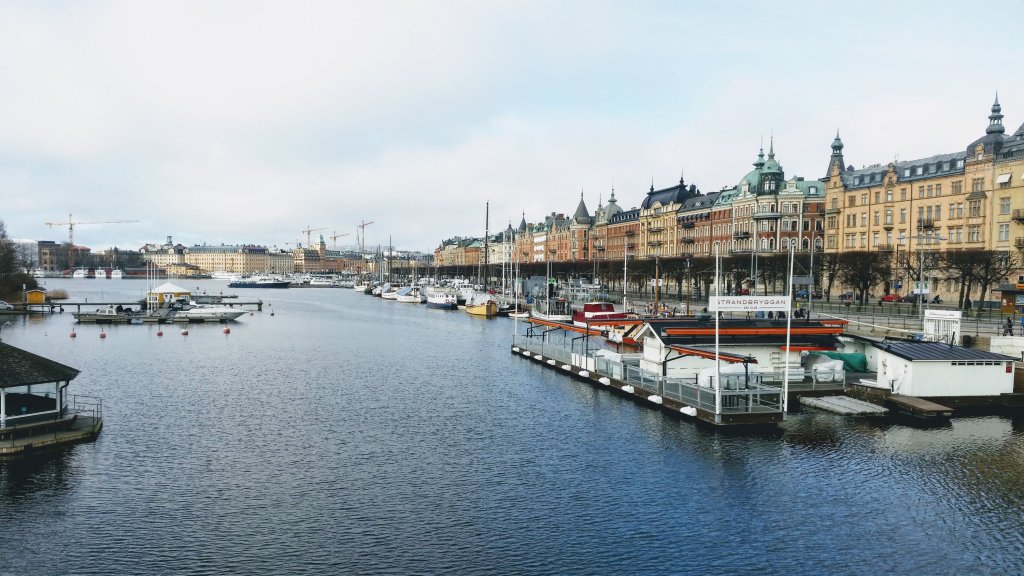
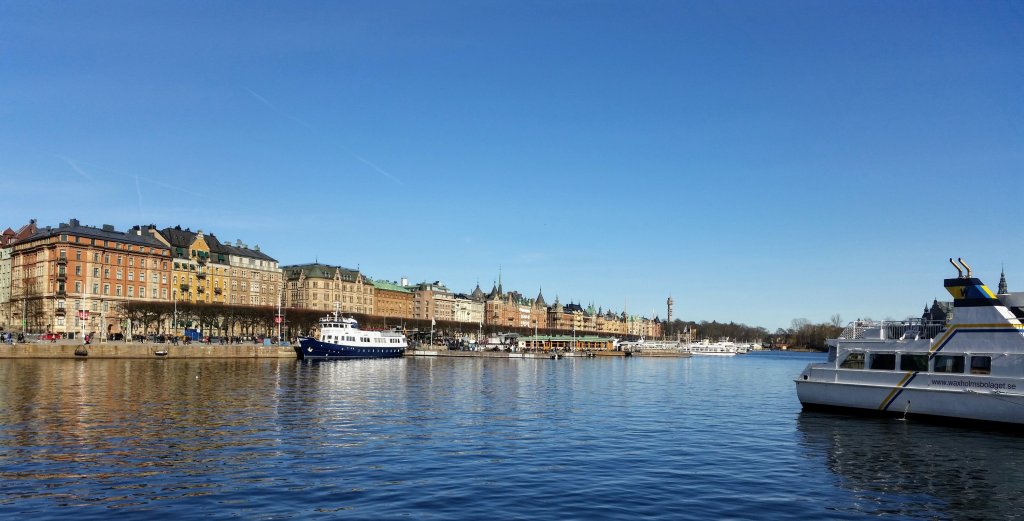
Head for the waterfront is my advice. That’s where Stockholm shines. Water, water everywhere…

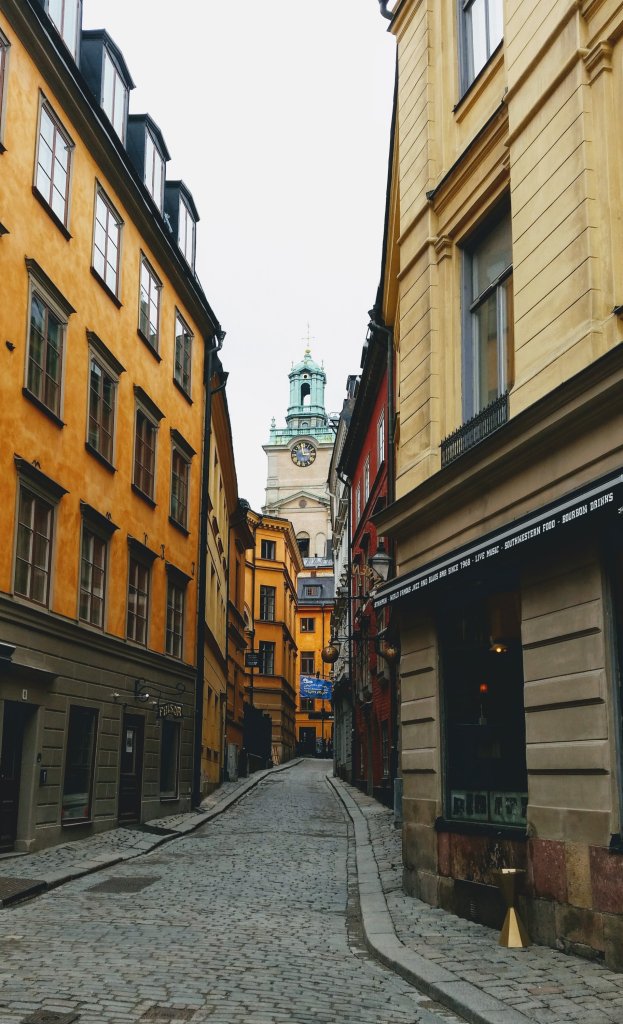
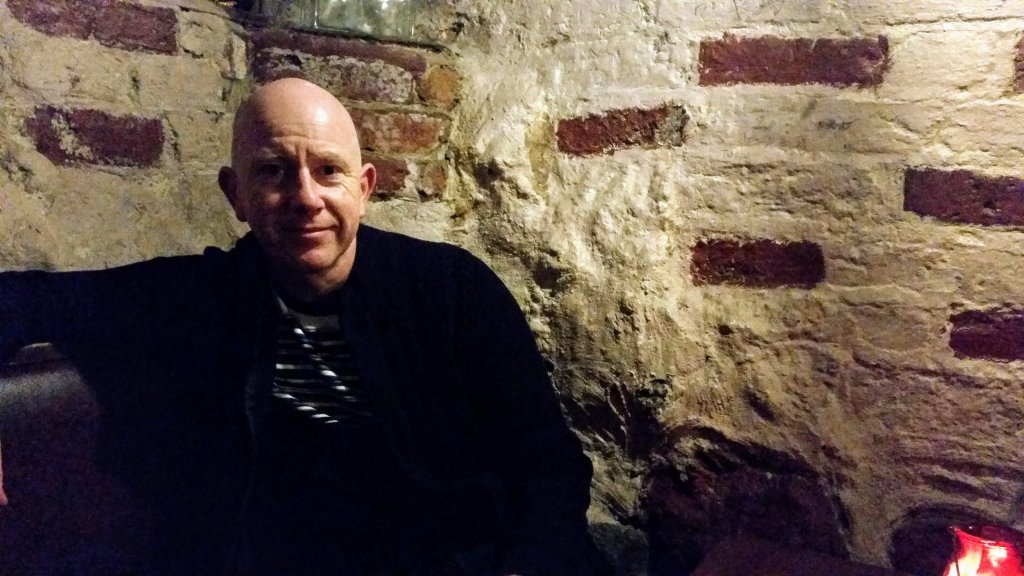
The Old Town, or Gamla Stan, sits on an island opposite the City. It’s a tangle of narrow, steep streets and a great place for wandering aimlessly, taking in the atmosphere and visiting one of the cosy basement bars and restaurants.

Winding streets and cosy bars get a thumbs up from us.

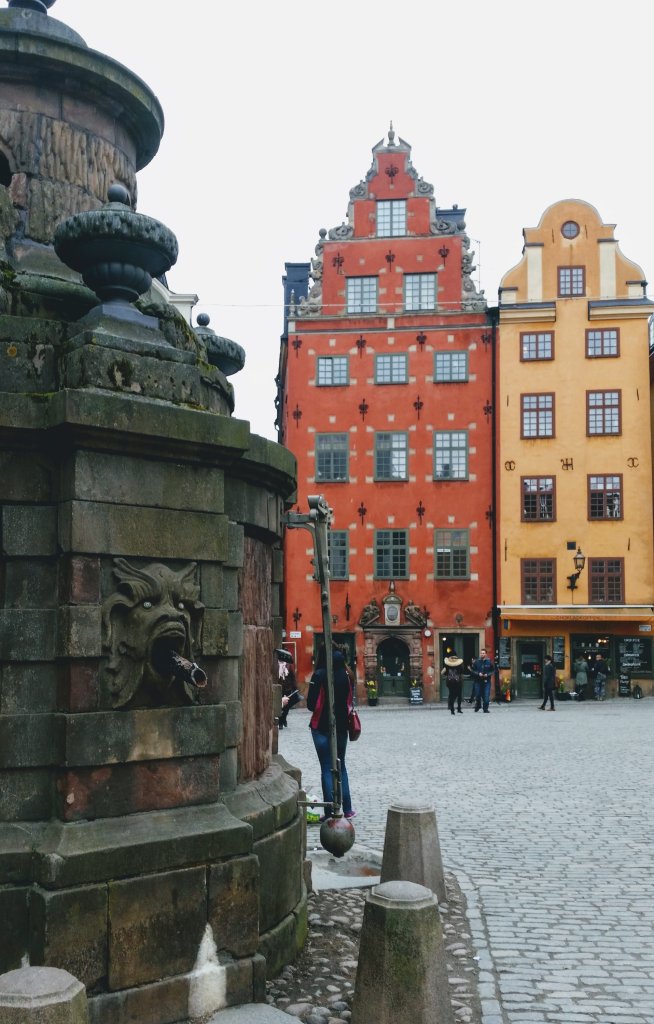
The City Square, or Stortorget, is the oldest square in Stockholm. It’s beautiful now, but it was the site of the so-called Bloodbath in 1520 when the dastardly Danes executed close to 100 locals. These things are never forgotten!

It’s all serene at the Stortorget today.

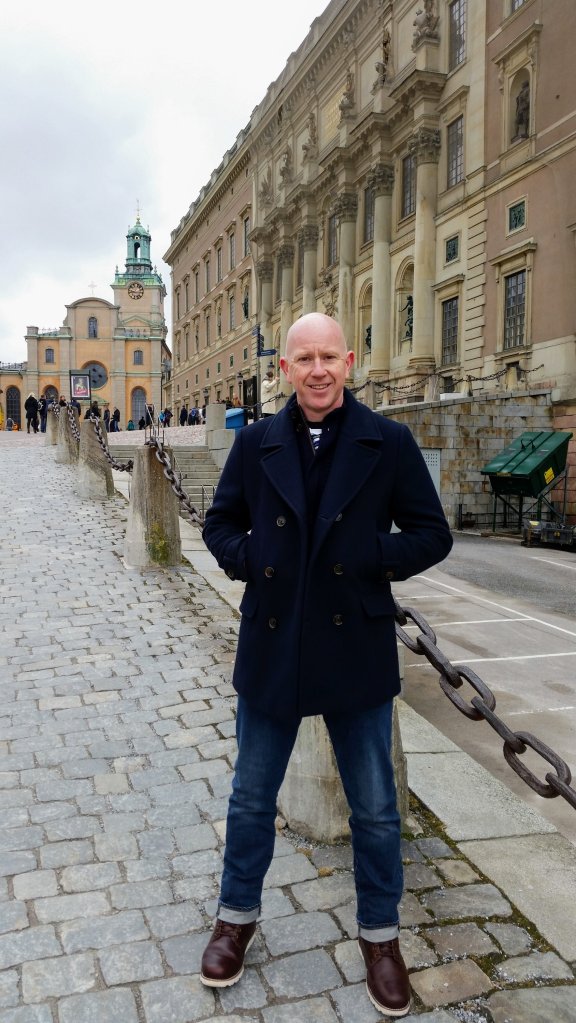
The main sights of Gamla Stan are at the eastern side of the island. The Royal Palace occupies a huge chunk of the Old Town – with 600 rooms it’s one of the largest palaces in Europe. Next door is the Storkyrkan, Stockholm’s cathedral which dates from 1279.

Downhill on the western side are some great bars and restaurants which come alive in the evenings, but a word of warning…the streets are cobbled. Ladies, do not make the foolish mistake of packing stilettos like yours truly. No accidents, I’m pleased to say, but the husband didn’t take kindly to me hanging onto him for dear life every night.

The palace and cathedral. Note the cobbles and sensible shoes.

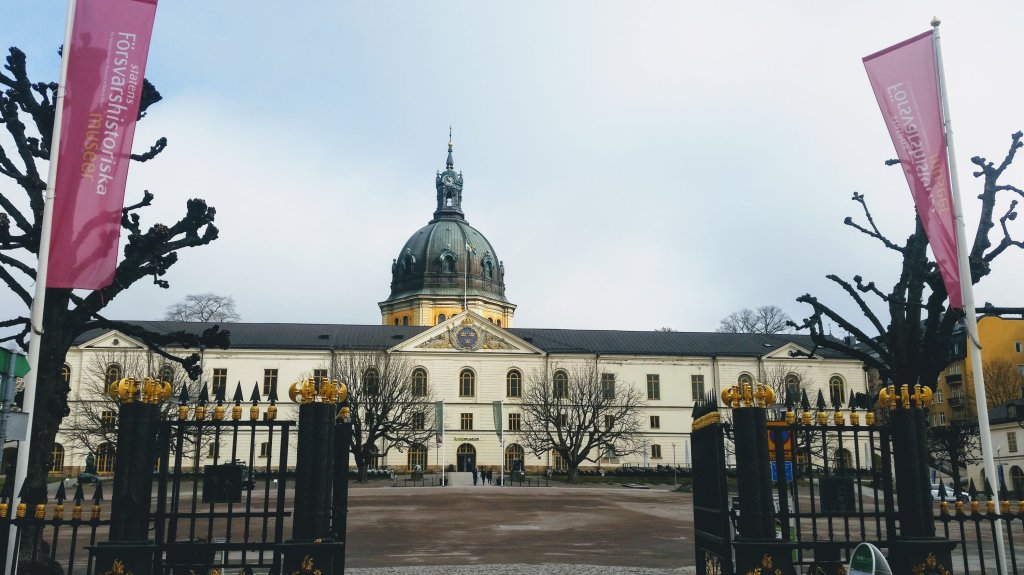
Östermalm is the most exclusive part of the city, home to the Historiska Museet – the Swedish History Museum – which tries to shatter the myth that the Vikings were brutal robbers. Why let the truth spoil a good story, you may ask? There’s nothing very sexy about being mild mannered traders, is there?

If you prefer to keep your old Viking prejudices, stay outside.

Along the waterfront here runs the swanky Strandvägen boulevard with its elegant mansions looking out over the bay and islands.

Stockholm’s most desirable address.

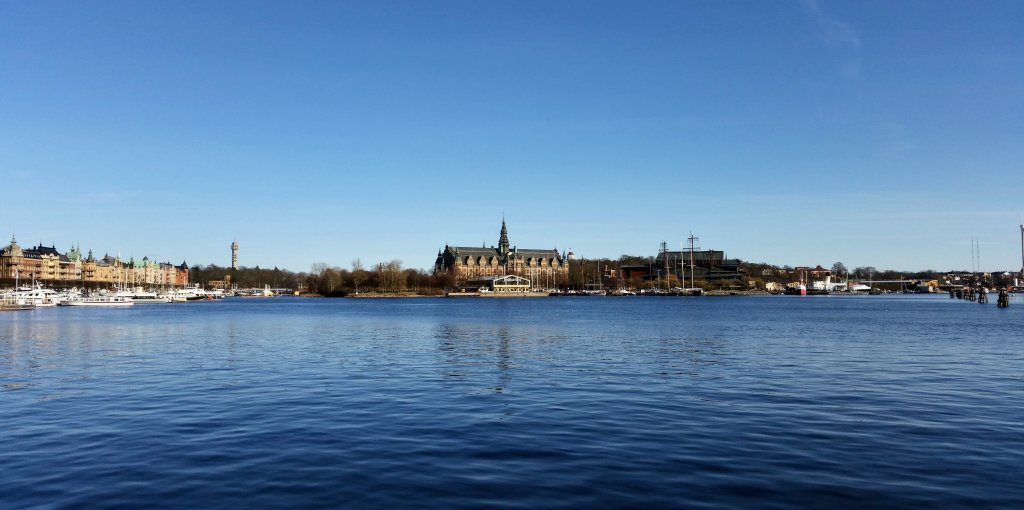
Across the bridge is the island of Djurgården with its parks and tourist attractions, including, you guessed it, the reason why I’m here. It’s not all about those famous Eurovision winners though, you can also visit the Skansen open air museum or the Vasa, a 17th century warship. As for me, I’m a woman on a mission.

The island of Djurgården.

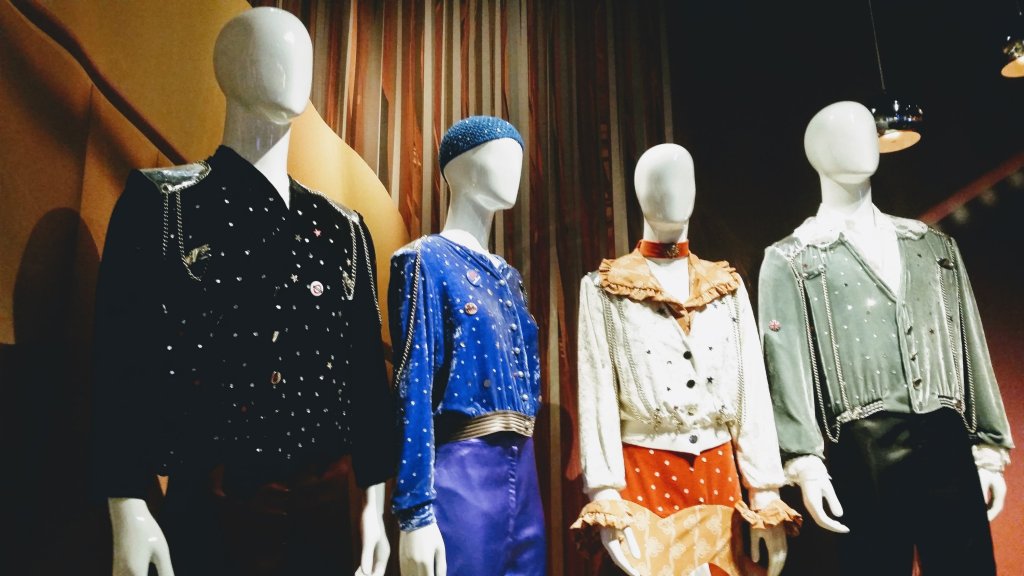
The main attraction – ABBA the Museum is a really fun place to visit, although of course it does help if you’re a fan and you know all the words! You can get up on stage and sing with holograms of Bjorn, Benny, Agnetha and Frida. You can choose your fave song (Knowing Me, Knowing You in case you were wondering) and sing over a backing track in a booth by yourself. You can get on the dancefloor (complete with disco ball) and have the time of your life, digging the Dancing Queen. There are props, costumes, you can even jump in the Arrival helicopter. Yes, I loved it! The husband secretly enjoyed it too, although he refused to dance.

Waterloo costumes – tacky but fabulous.
Steadfastly refusing to dance.
Smaller than I expected.

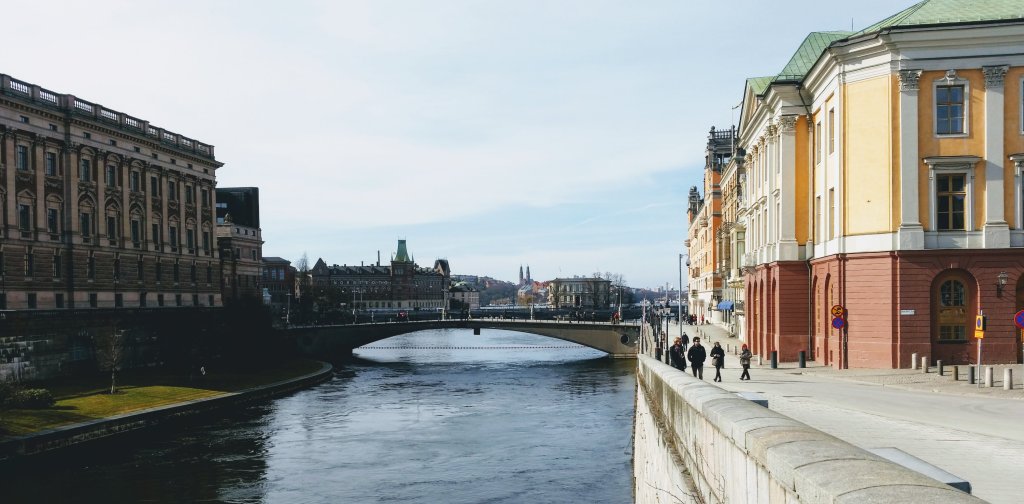
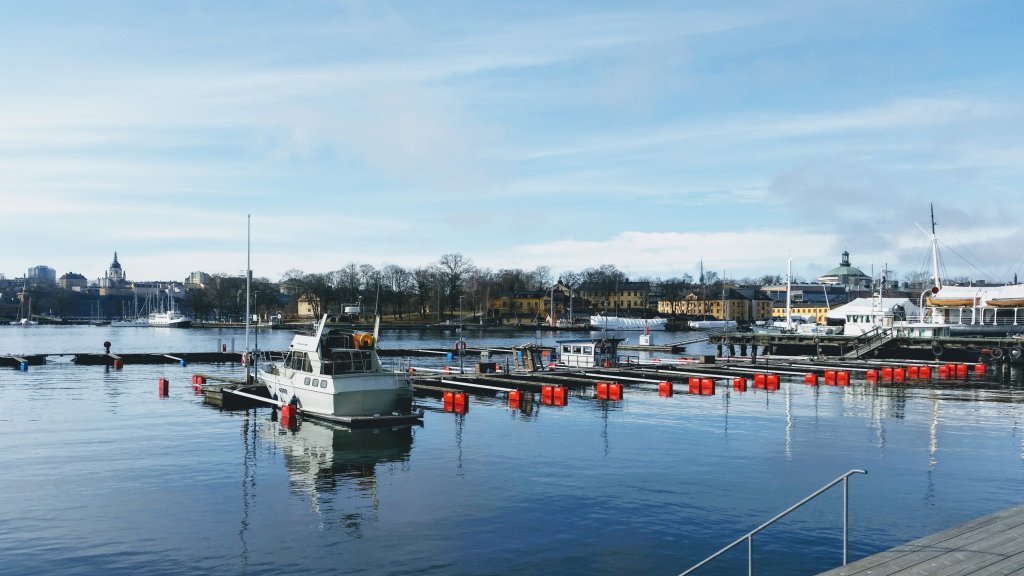
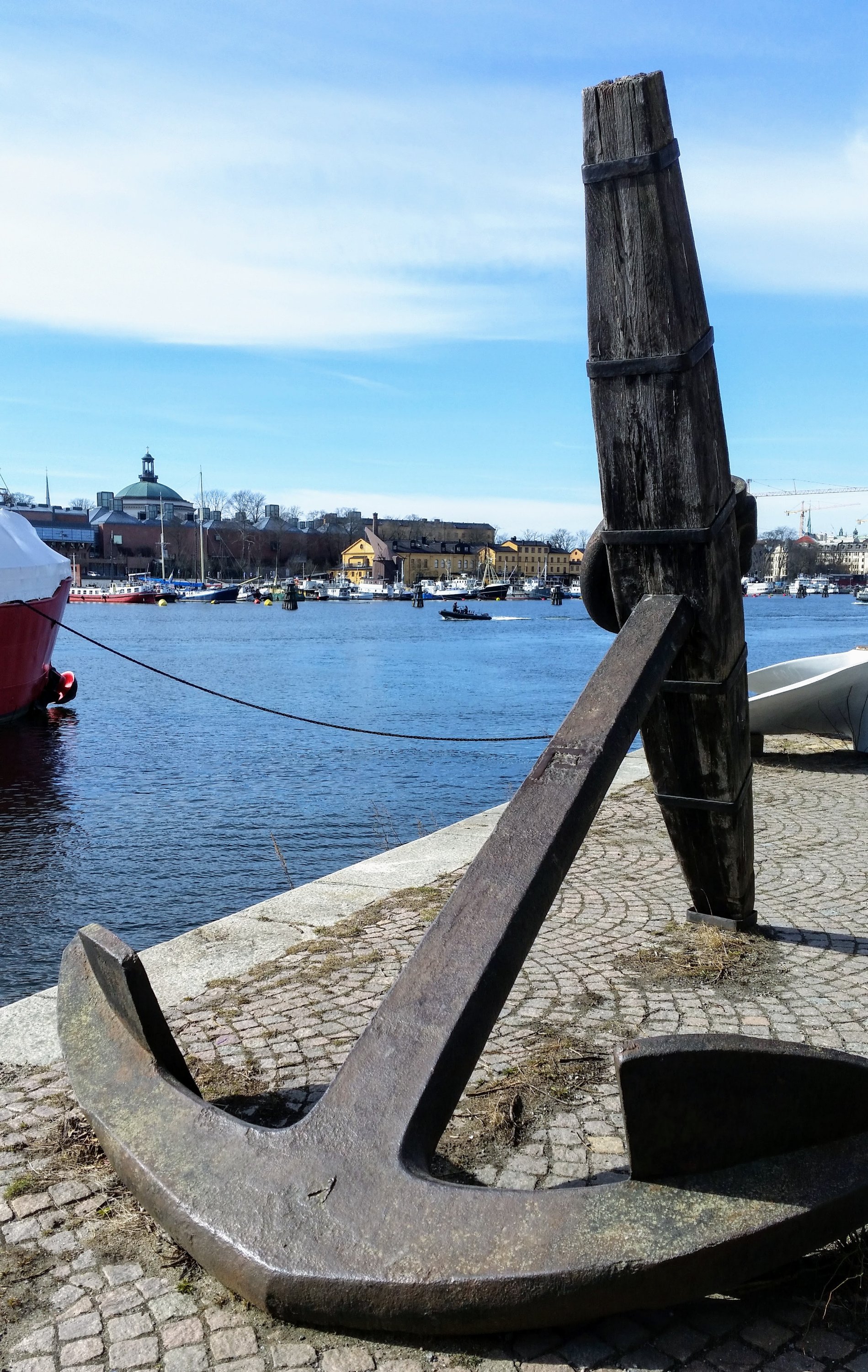
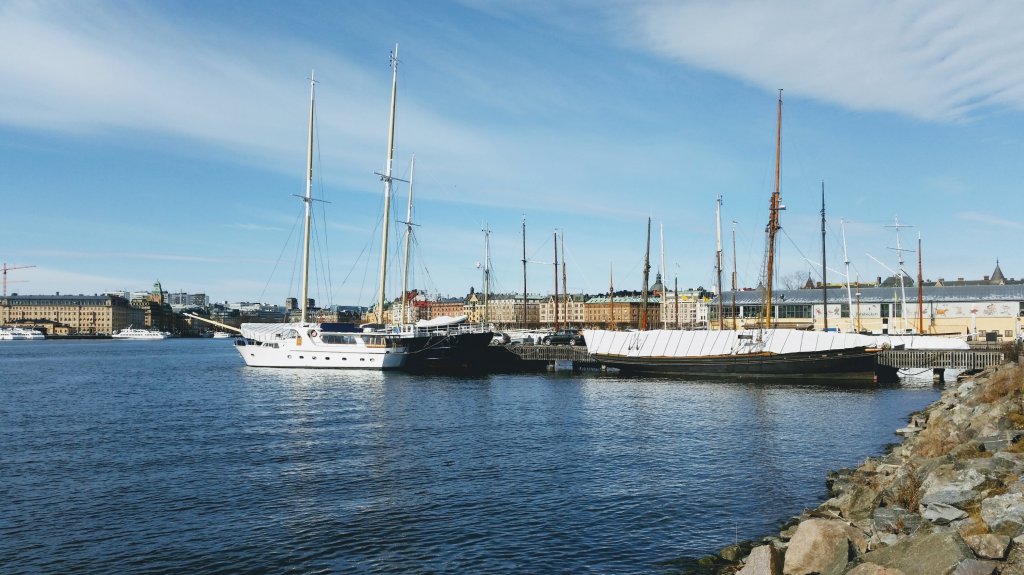
Obviously the sunshine helped, but one of the things I loved about Stockholm was how walkable it is. As you know, I live to walk, hence I get through a lot of shoes. This city is perfect for strolling. There are endless vistas across the water as you explore the islands that make up this green city. Bridges, causeways and cute little taxi boats make it easy to get from one to the other.

Stockholm’s water views.

Given more time, I would certainly have taken a boat out into the archipelago to explore more of Stockholm’s islands. There are an incredible 30,000 of them so you can take you pick!

And more watery prospects.

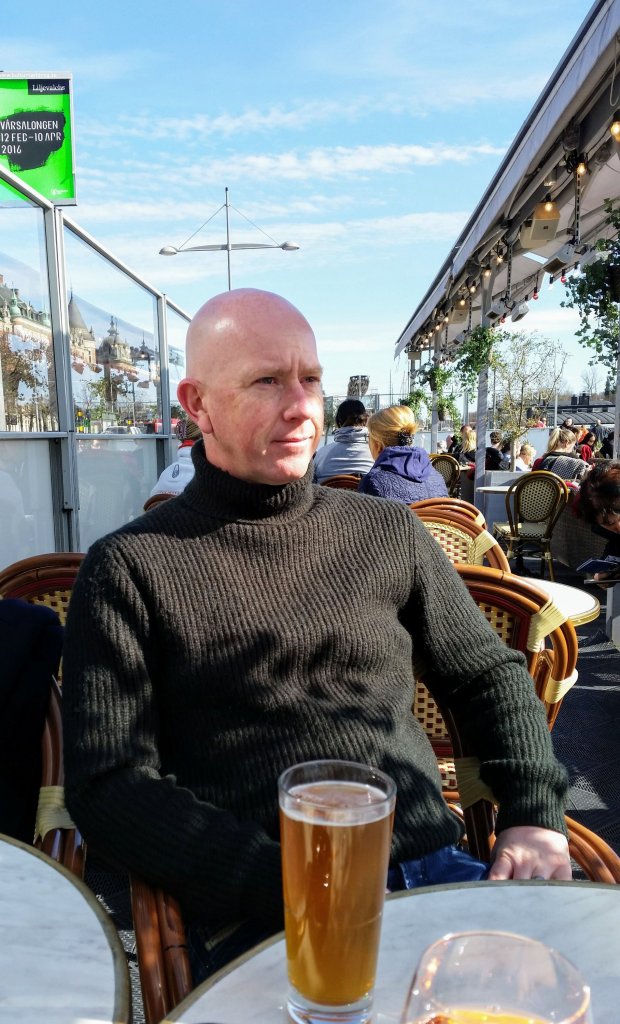
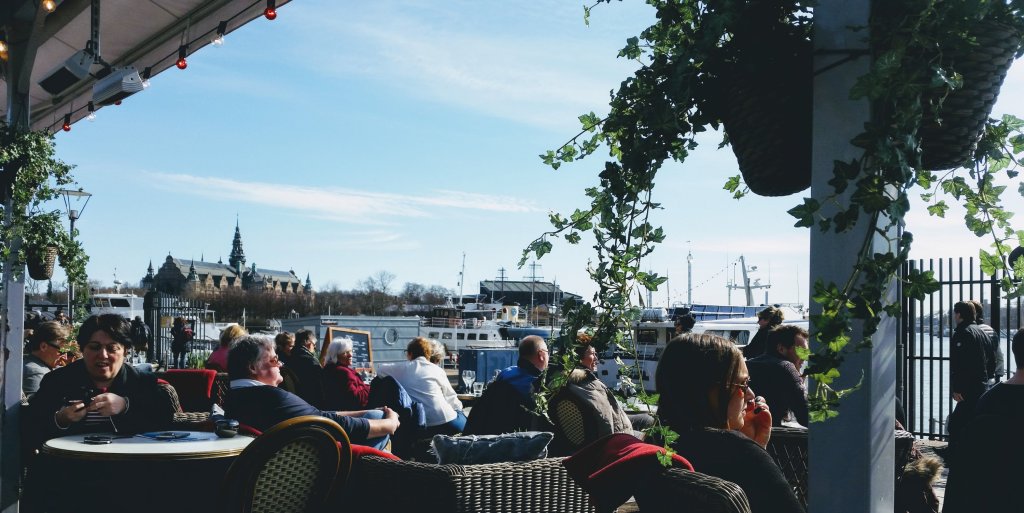
Winters here in Sweden can be extremely harsh, with temperatures dropping as low as minus 20. We were lucky to get such great weather in March, but you get the feeling that the Swedes take every oppourtunity to get outside when they can. Many of the bars and restaurants have outdoor areas and they were buzzing on this particular weekend.

Grab a seat if you can. The Swedes take every opportunity to sit outdoors.

So to sum up, visit Stockholm if you like the Eurovision Song Contest and the great outdoors. Expect glorious bayside panoramas and a lively social scene with the odd ouch moment when you get your bill. And take sensible shoes or hang on tight.

Design a site like this with WordPress.com
Get started