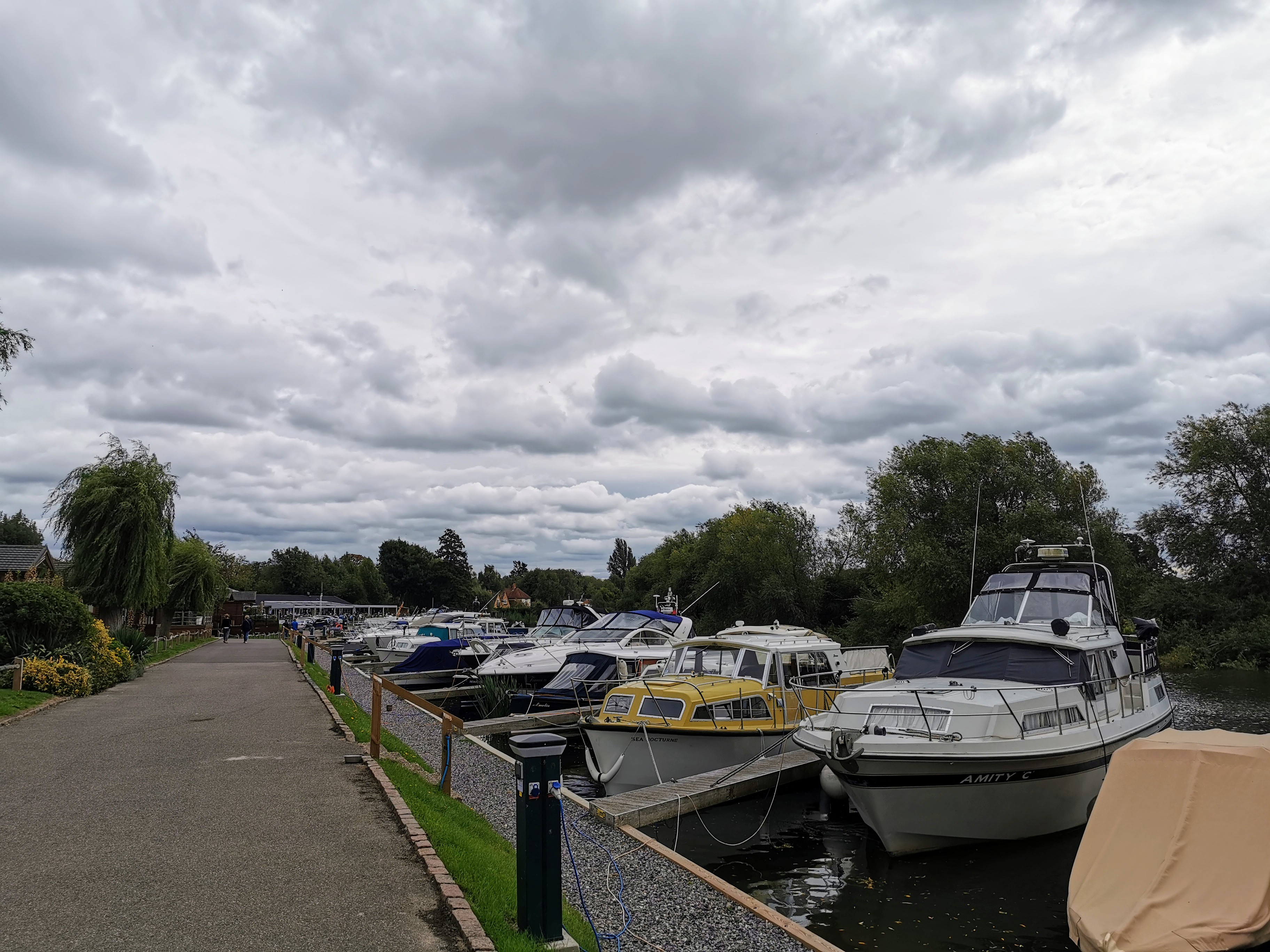
It’s walking time again while the UK weather holds out. Today I’m back on the glorious Thames Path, exploring a new stretch of my favourite walkway along our most famous river. I’m going from Benson to Dorchester on Thames, a distance of around 4 miles, but unfortunately as I don’t have a chauffeur I’ll then have to walk back again. Such is life!
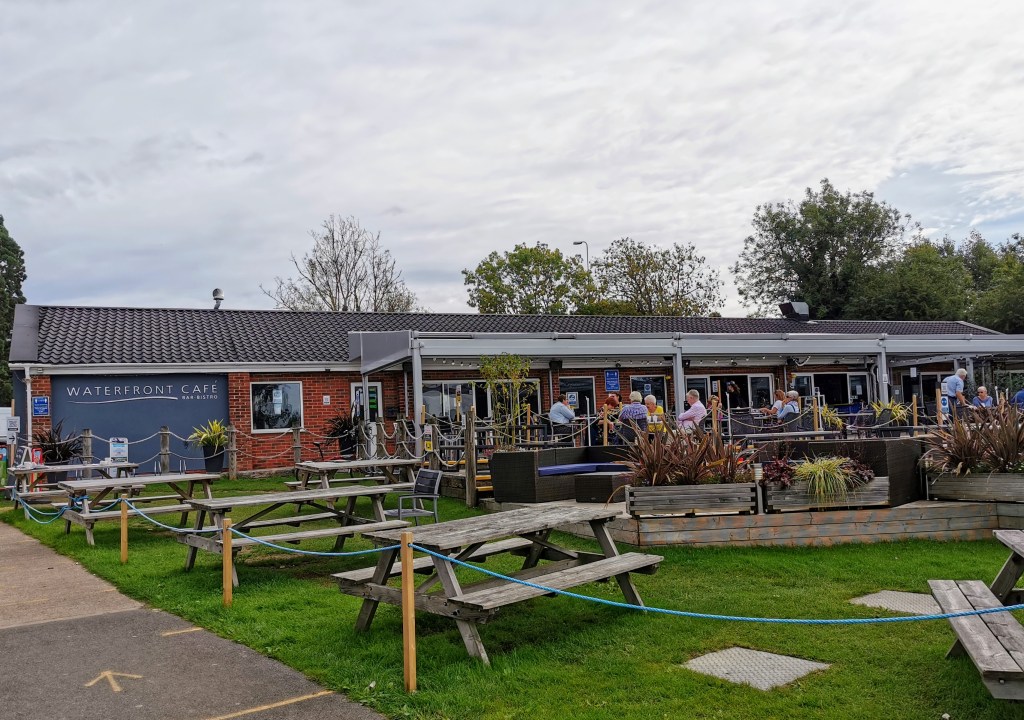
Benson is an easy 40 minute drive from home, through Henley, some lush Oxfordshire countryside and the cute little village of Nettlebed. Great name! My walk starts at the Waterside Cafe overlooking the Thames, which is fairly busy on what’s quite a warm day. I’m tempted to sit down, order a drink and watch the world go by like everyone else, but no, maybe later when I’ve earned the rest! Let’s walk…
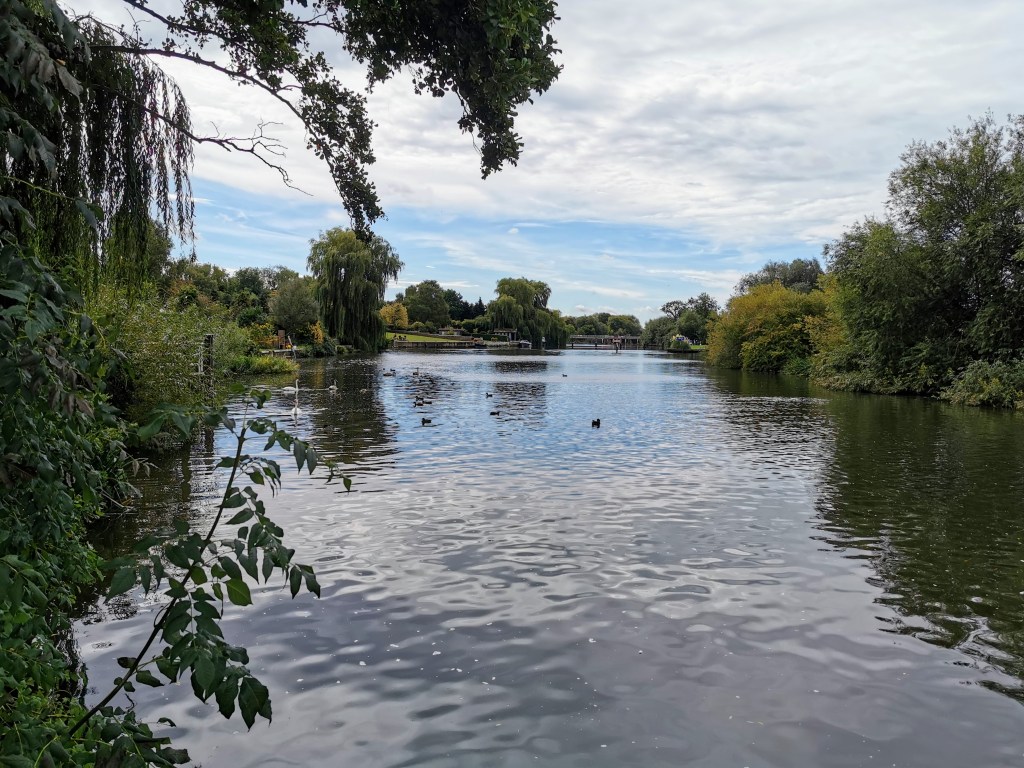
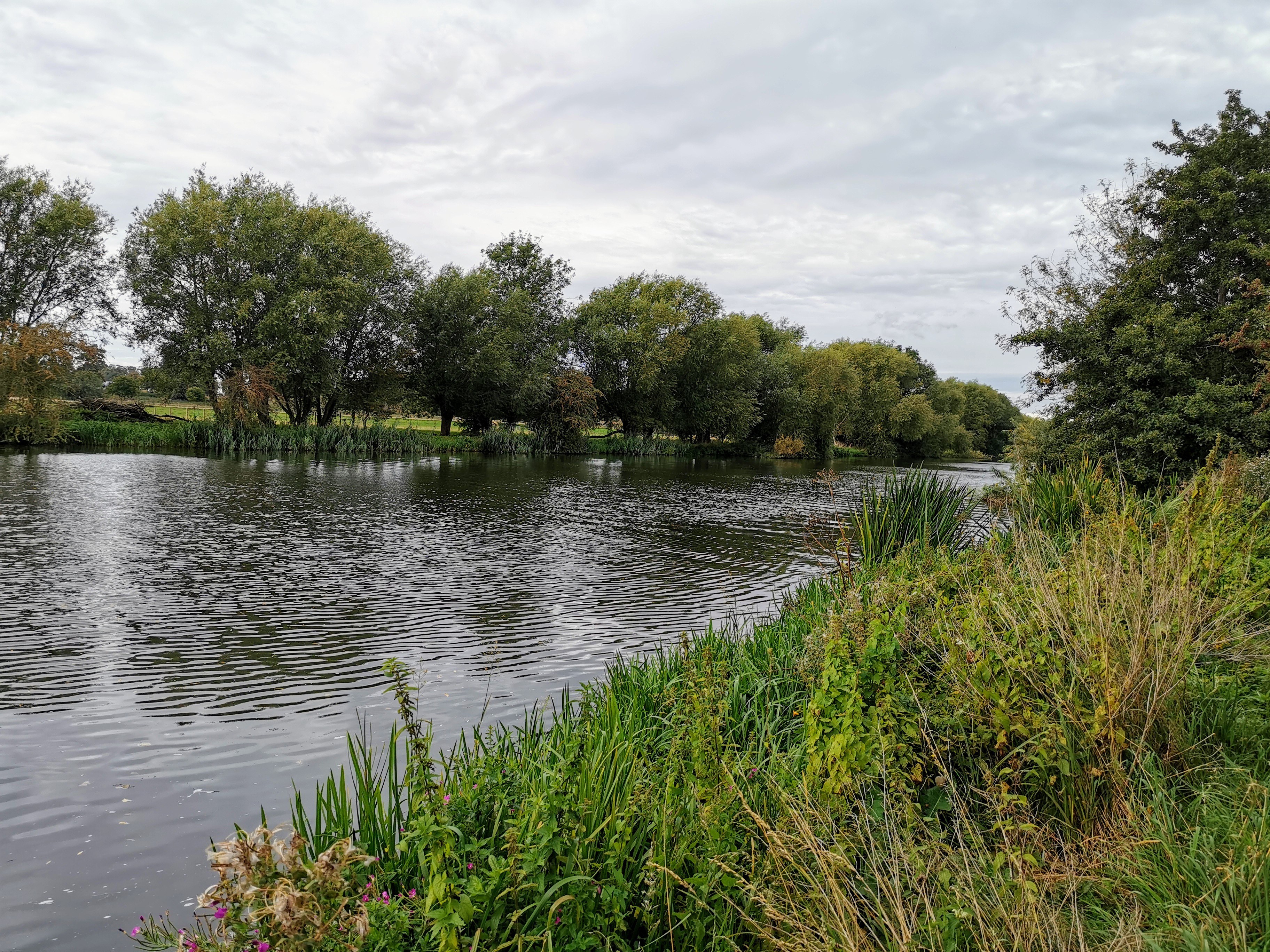
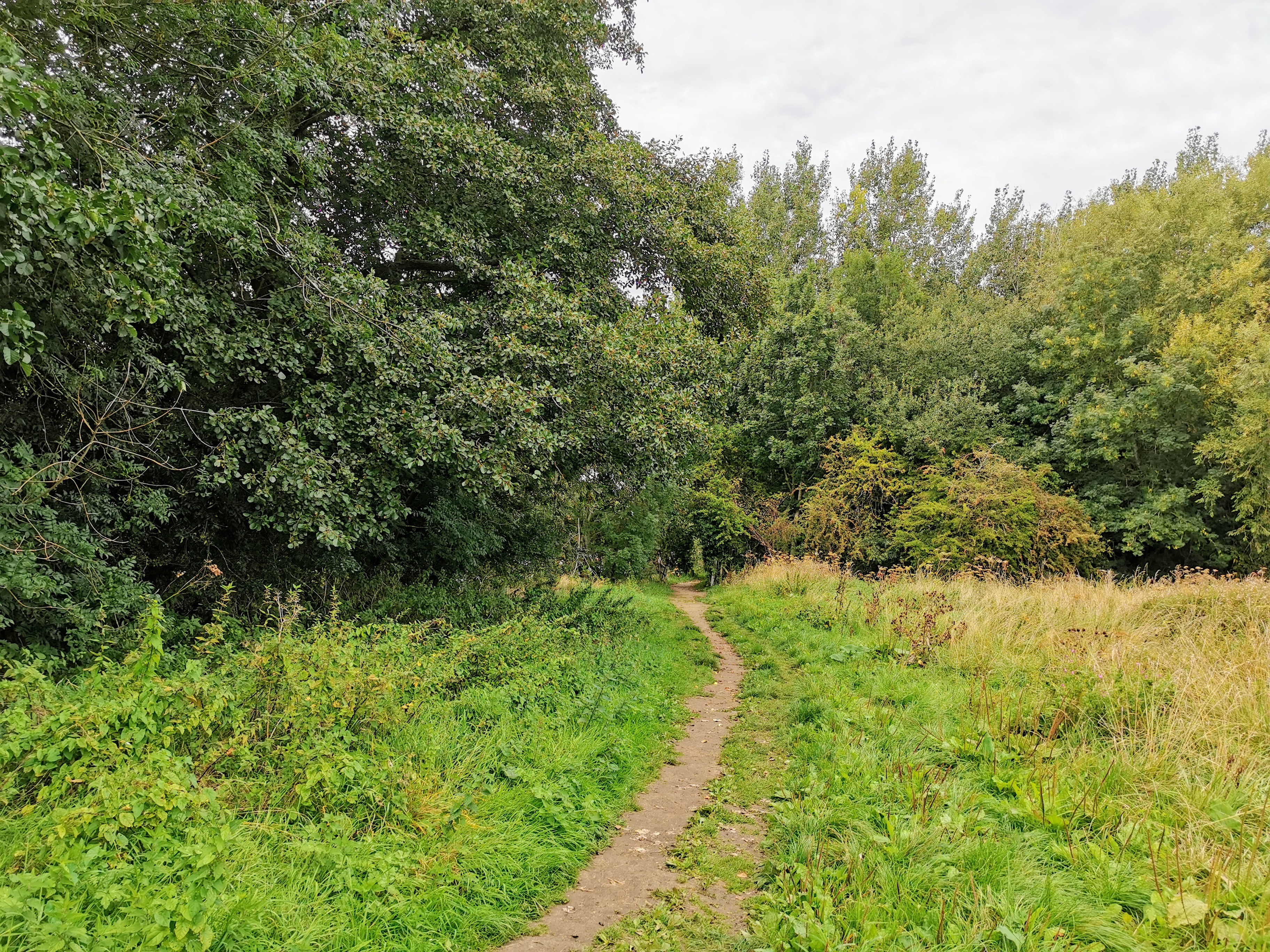
The Thames Path strikes out along the riverbank here in familiar fashion, mostly sticking close to the water’s edge, but sometimes snaking into the neighbouring fields. There are a few walkers about with their dogs but mostly I have the pathway to myself. I stride along, feeling happy to be alive. Lockdown may be over, but with temperatures dropping and nights drawing in, the spectre of further restrictions hangs over us all. I’m making the most of freedom while I can.
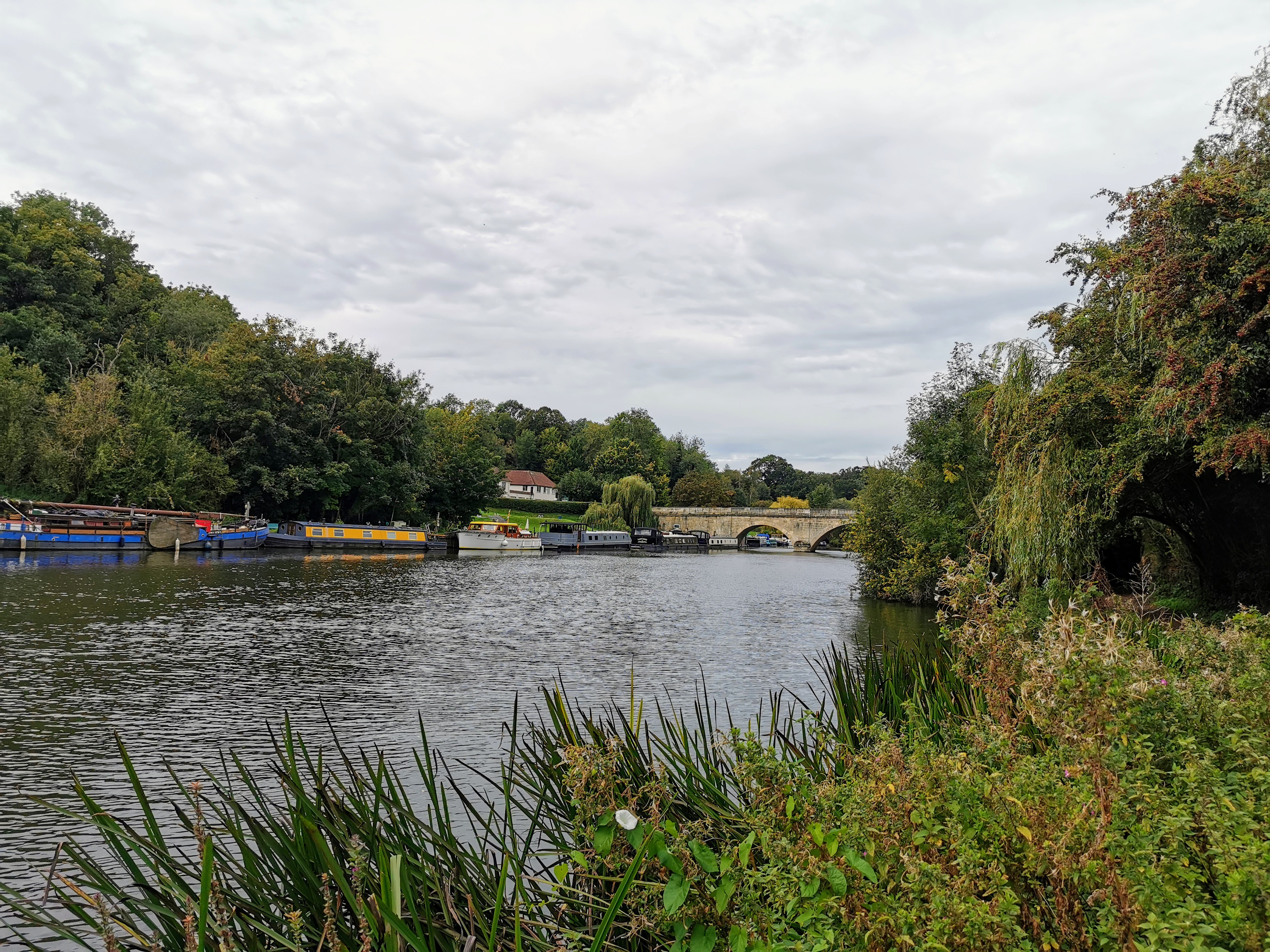
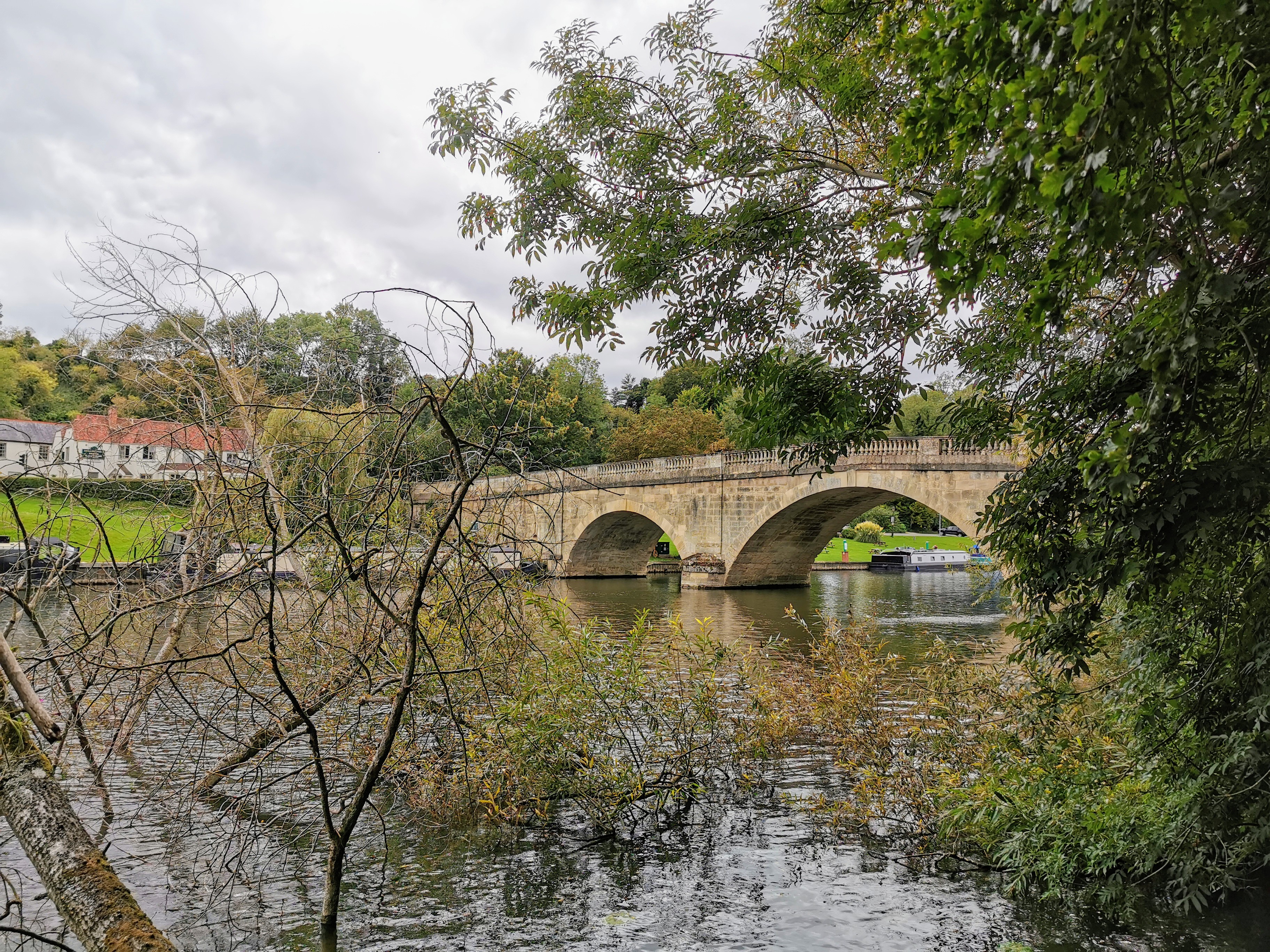
After about 30 minutes the Shillingford Bridge comes into view, marking the 1.5 mile point. Nearly halfway there. A ferry crossed the Thames here until 1767, when a timber bridge was built, in turn replaced by the current stone structure in 1827. The path ends at the bridge, so I turn right towards the village.
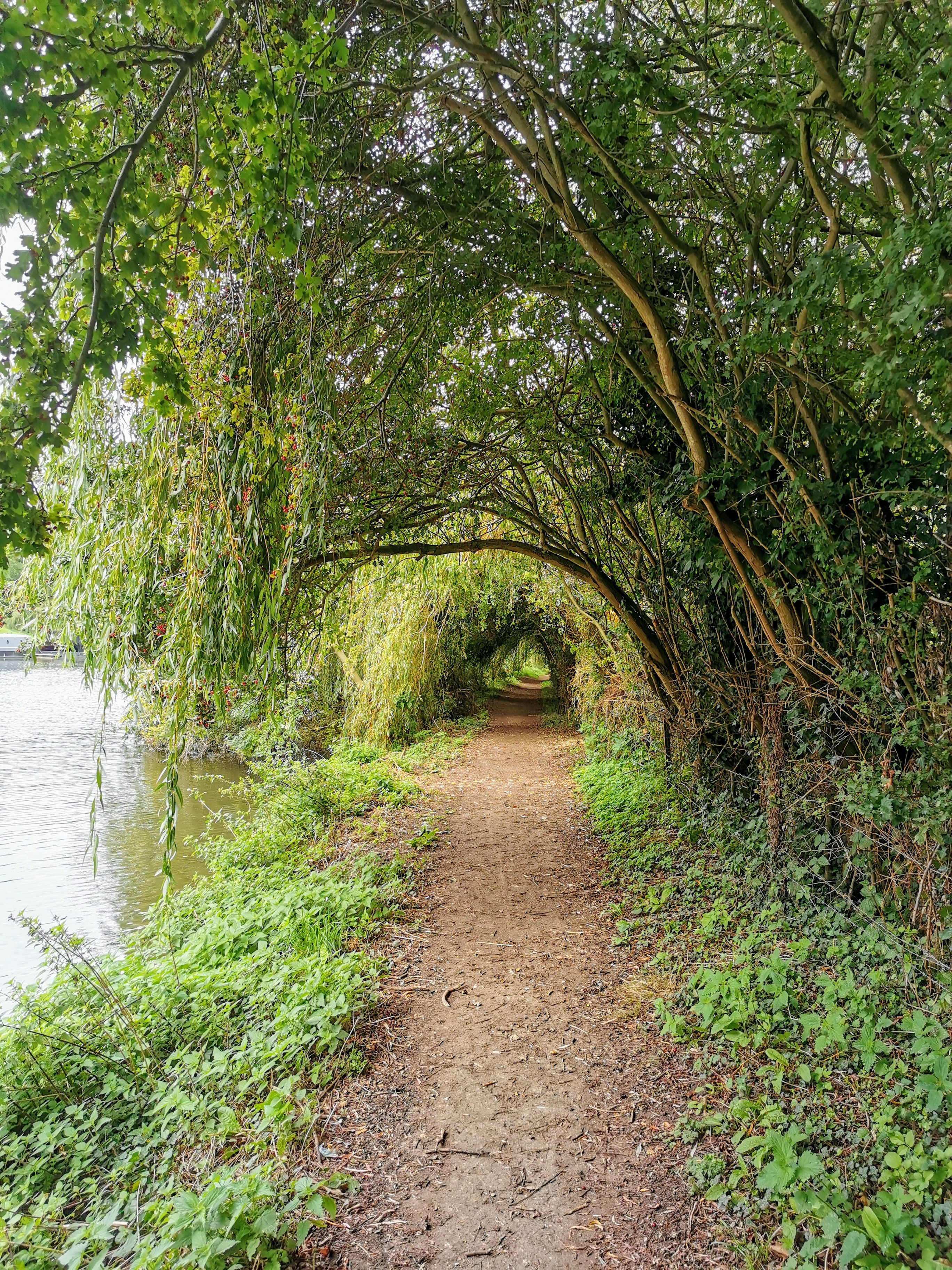
At Shillingford, a pretty hamlet filled with lovely old houses, the path veers away from the river and onto the roads, no doubt because landowners here refused access for a public right of way on their property. I’m not sure I would want ramblers constantly peering into my garden either but it does seem a shame. The Thames Path without the river is just wrong, especially as we come out of Shillingford and onto a main road.
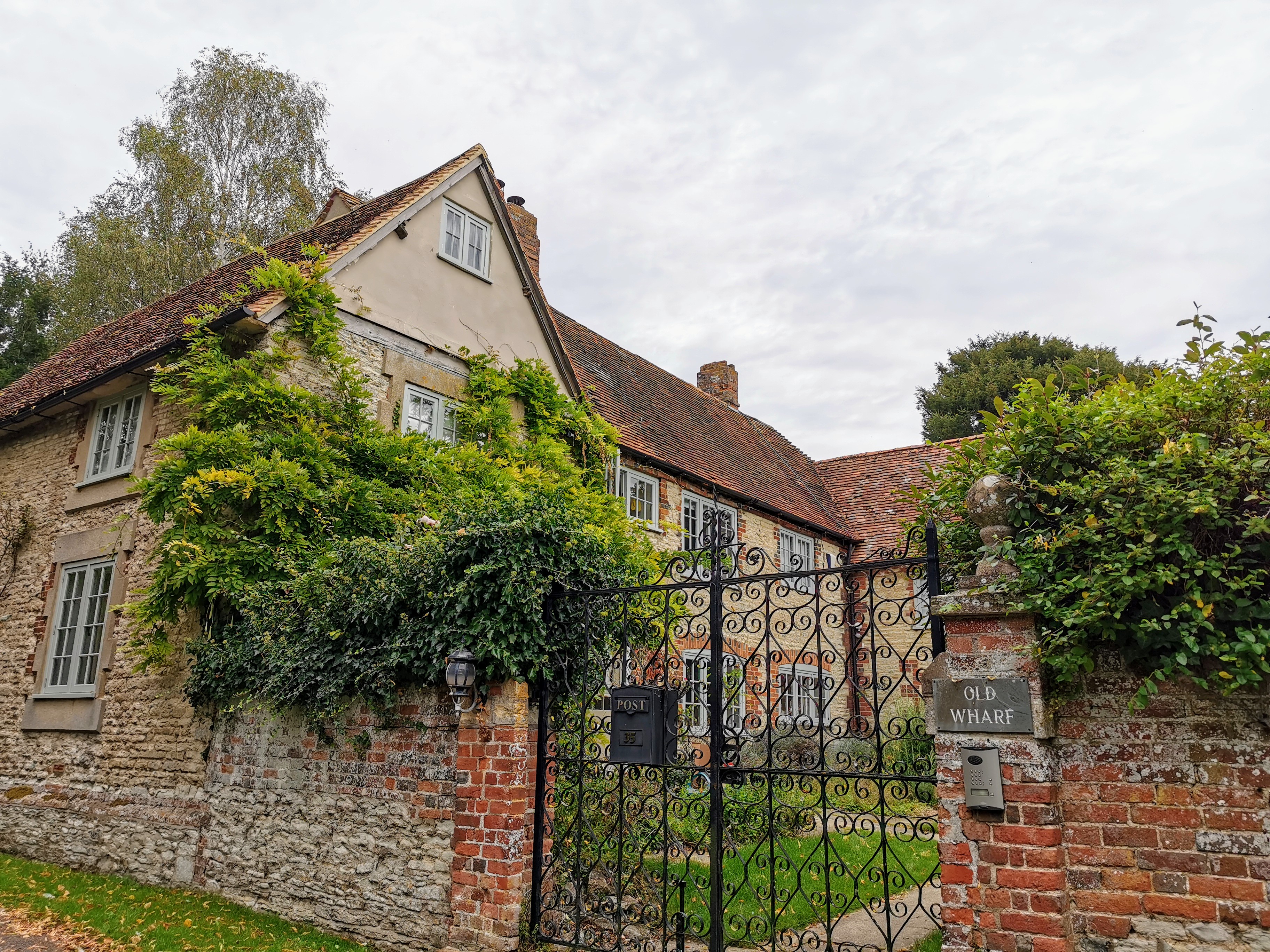
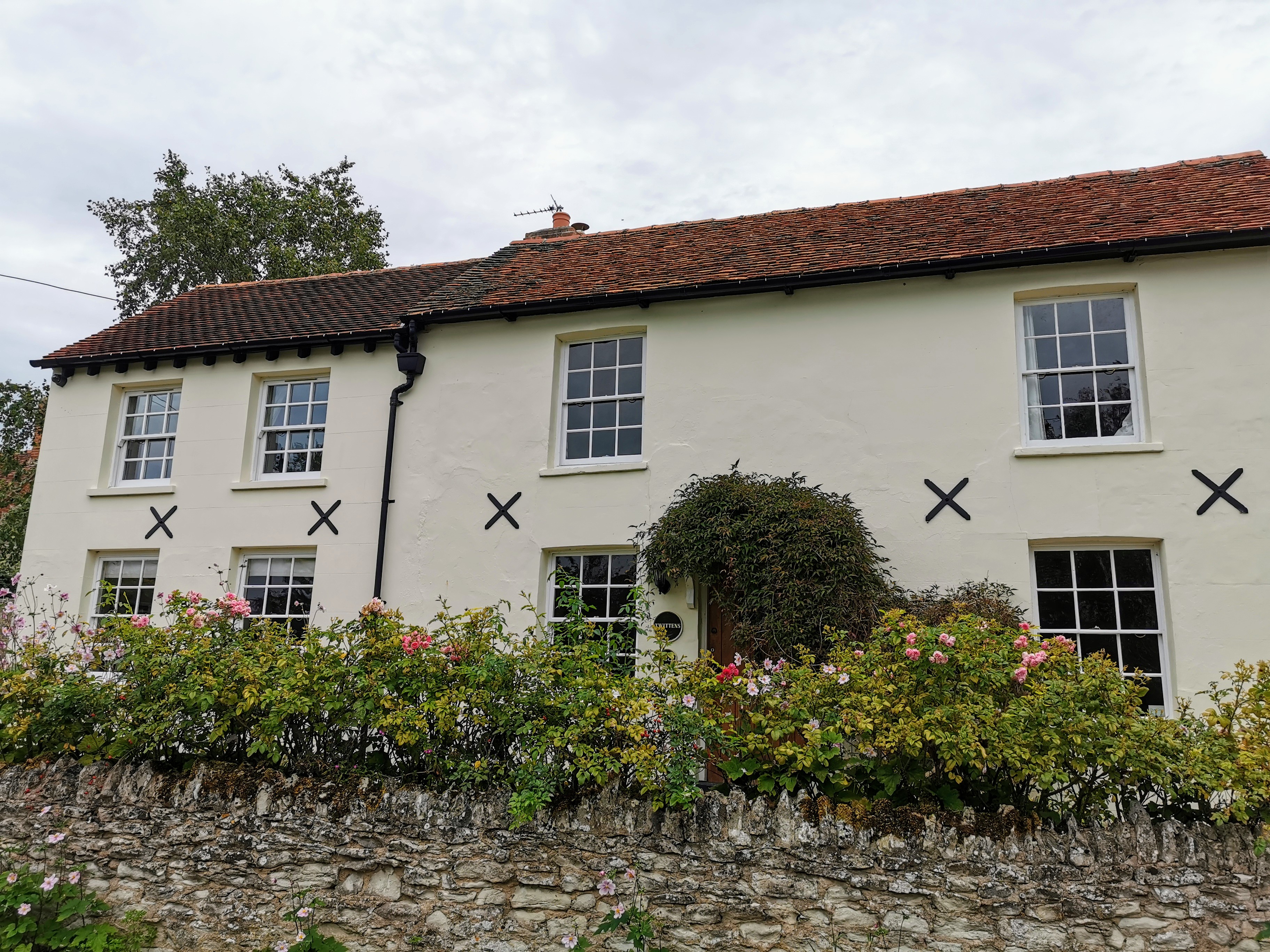
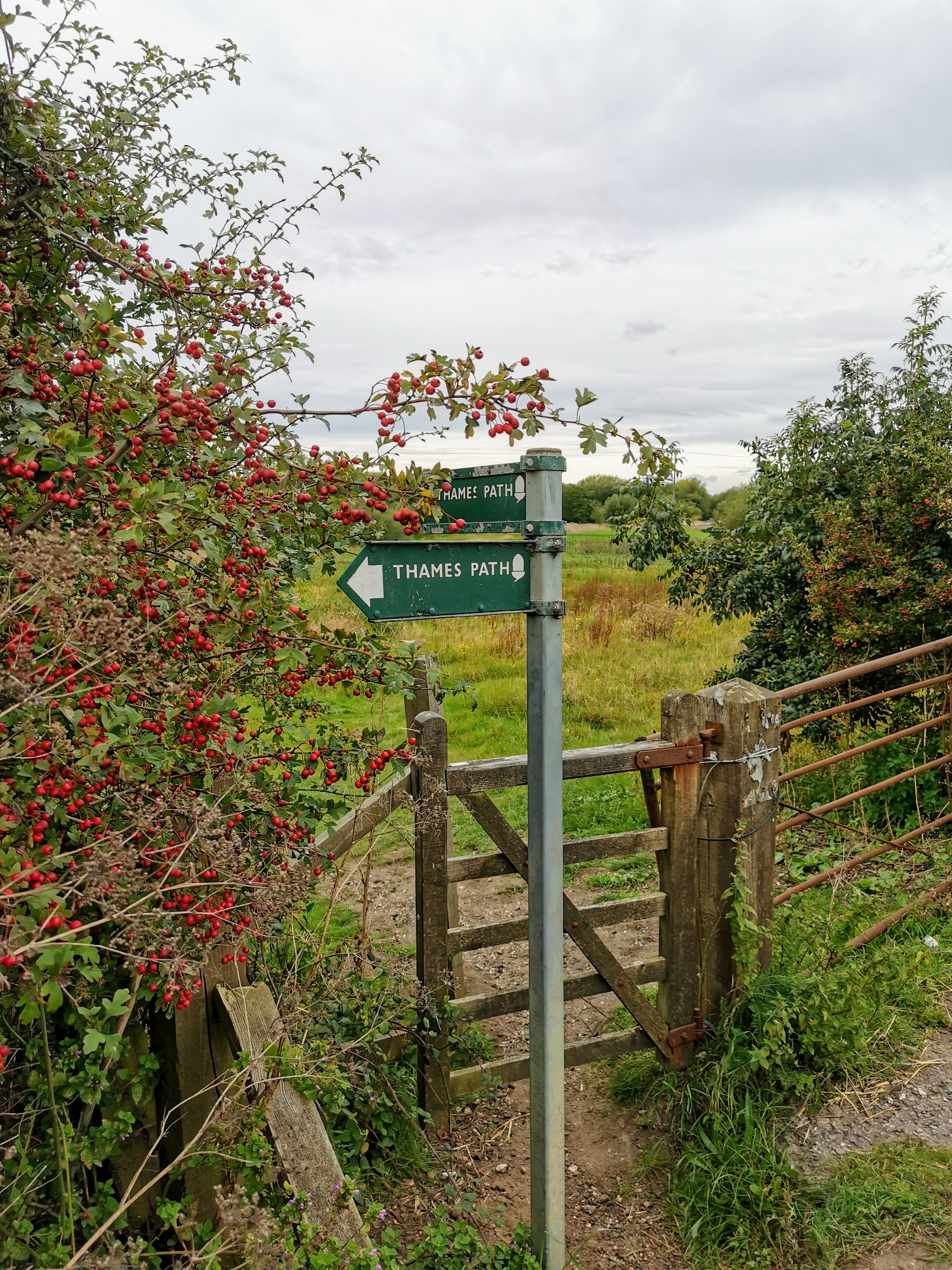
It’s only five minutes or so alongside the traffic, but with lots of lorries trundling by on a single carriageway I’m very relieved to see the gate leading back to the footpath. A return to tranquility, ahhh! The powers that be need to sort out those selfish landowners, how dare they send humble pilgrims like me out onto the concrete?
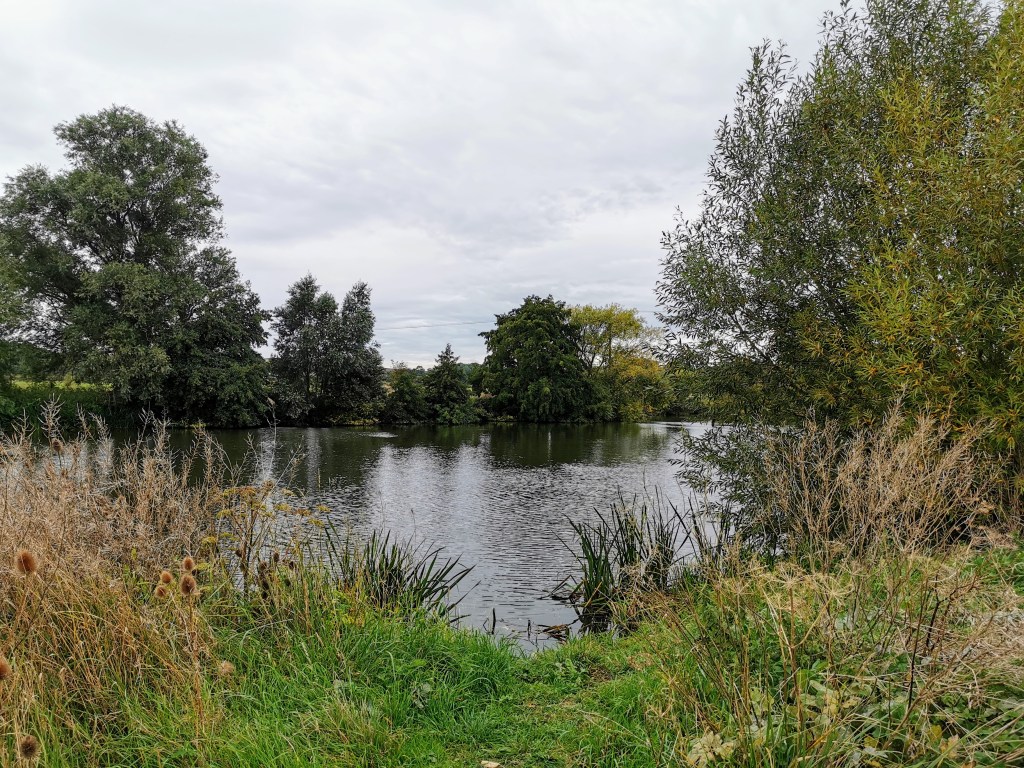
Where the meandering River Thame meets the much wider Thames I head north through the fields, leaving the main Path behind. The otherwise flat landscape is punctuated here by some mysterious looking mounds. These are the Dorchester Dykes. This land was settled throughout the Bronze Age and Iron Age, and the mounds are all that remains of an ancient hill fort.
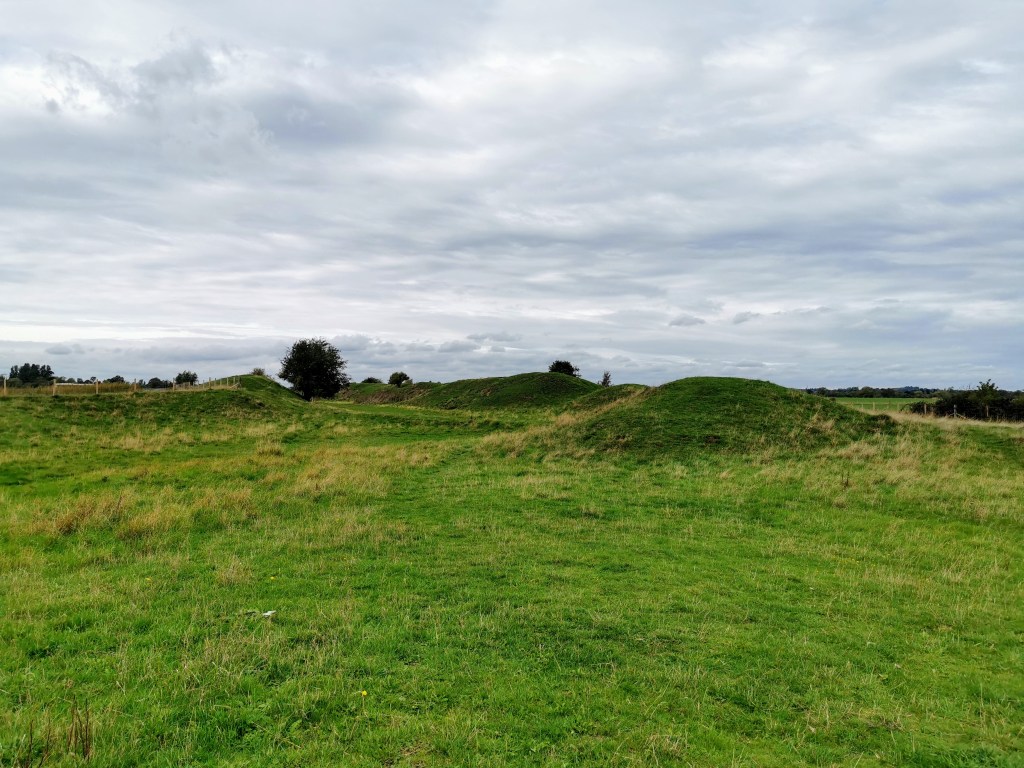
In the 19th century these structures were partly destroyed by a greedy farmer who started to plough them away so the fields could be fully cultivated. He had to be ‘persuaded’ to stop by the Secretary of the Etymological Society in London. Whatever it takes to protect our heritage! Nowadays they are safely fenced off but disappointingly there is no information on site about their history.
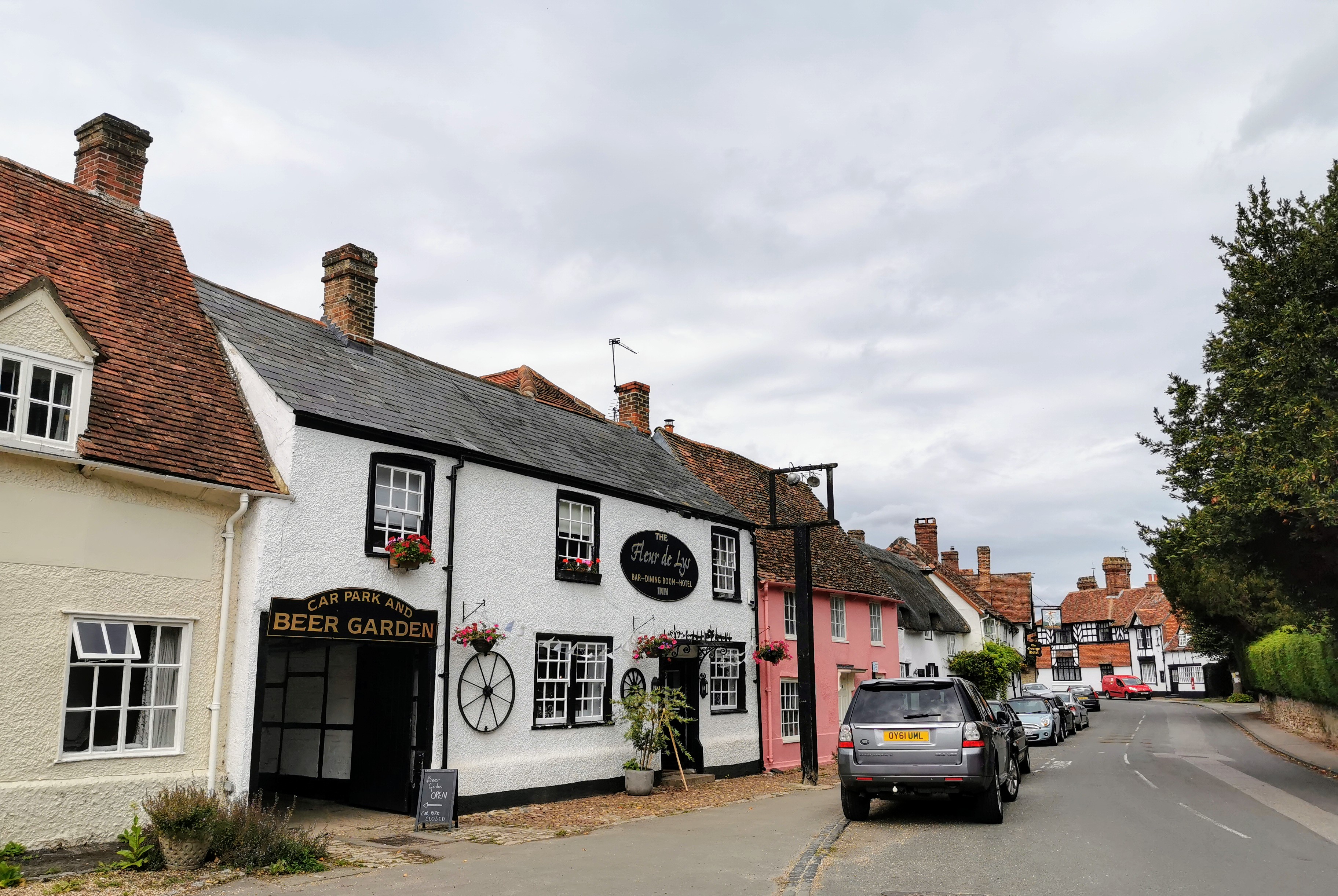
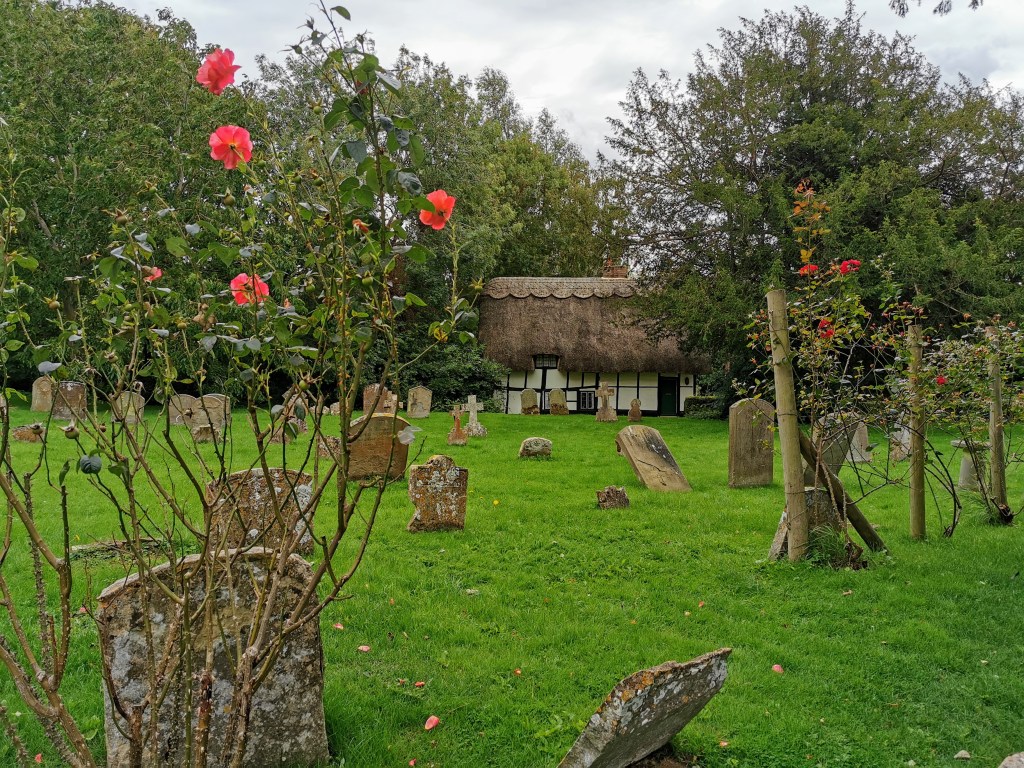
Arriving in Dorchester through a laneway bordered by orderly looking allotments, I reach the High Street. This is picture-book-England territory. There are thatched roofs, pastel hues and wisteria galore. Not for the first time, I wish I could wave a wand and get rid of the cars. Useful they may be, but oh so ugly. They ruin my photos. Without them, this place would be idyllic.
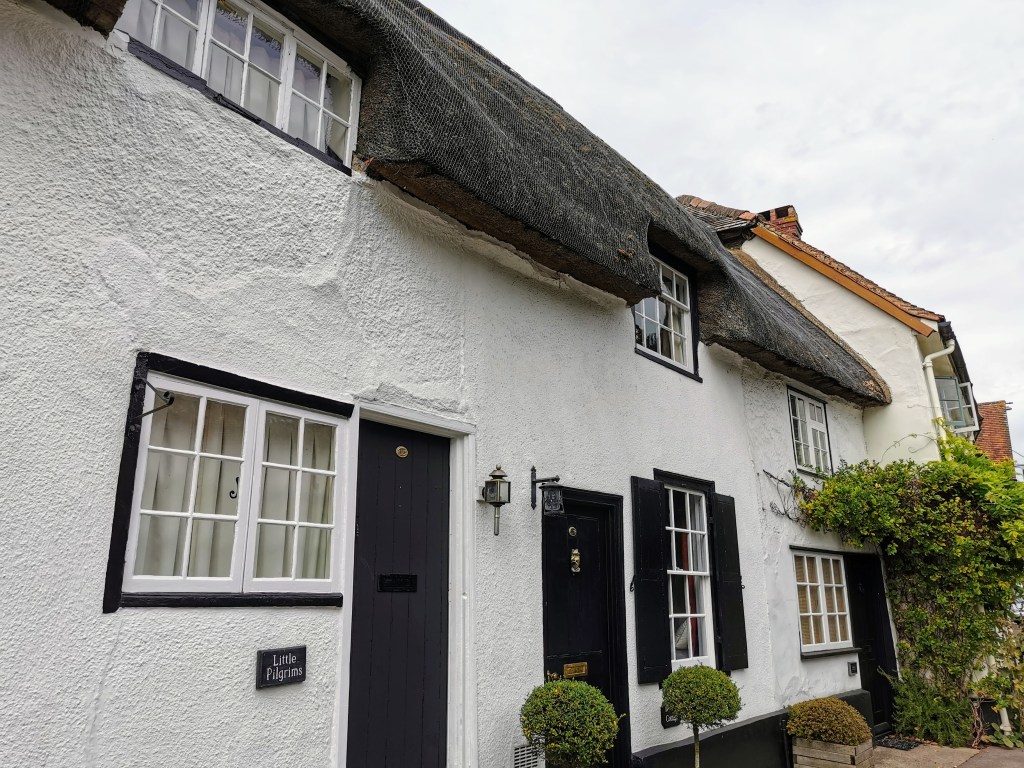
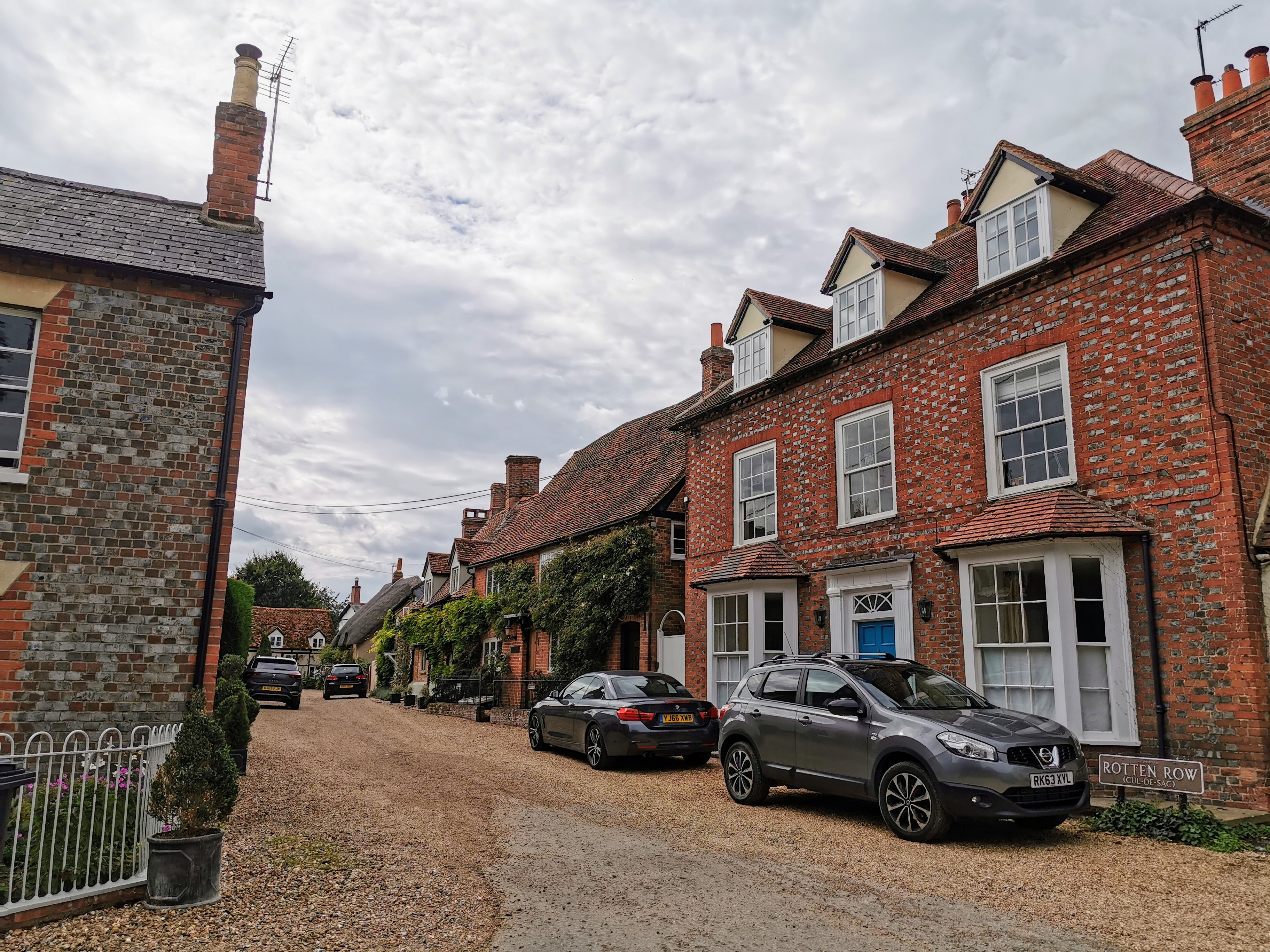
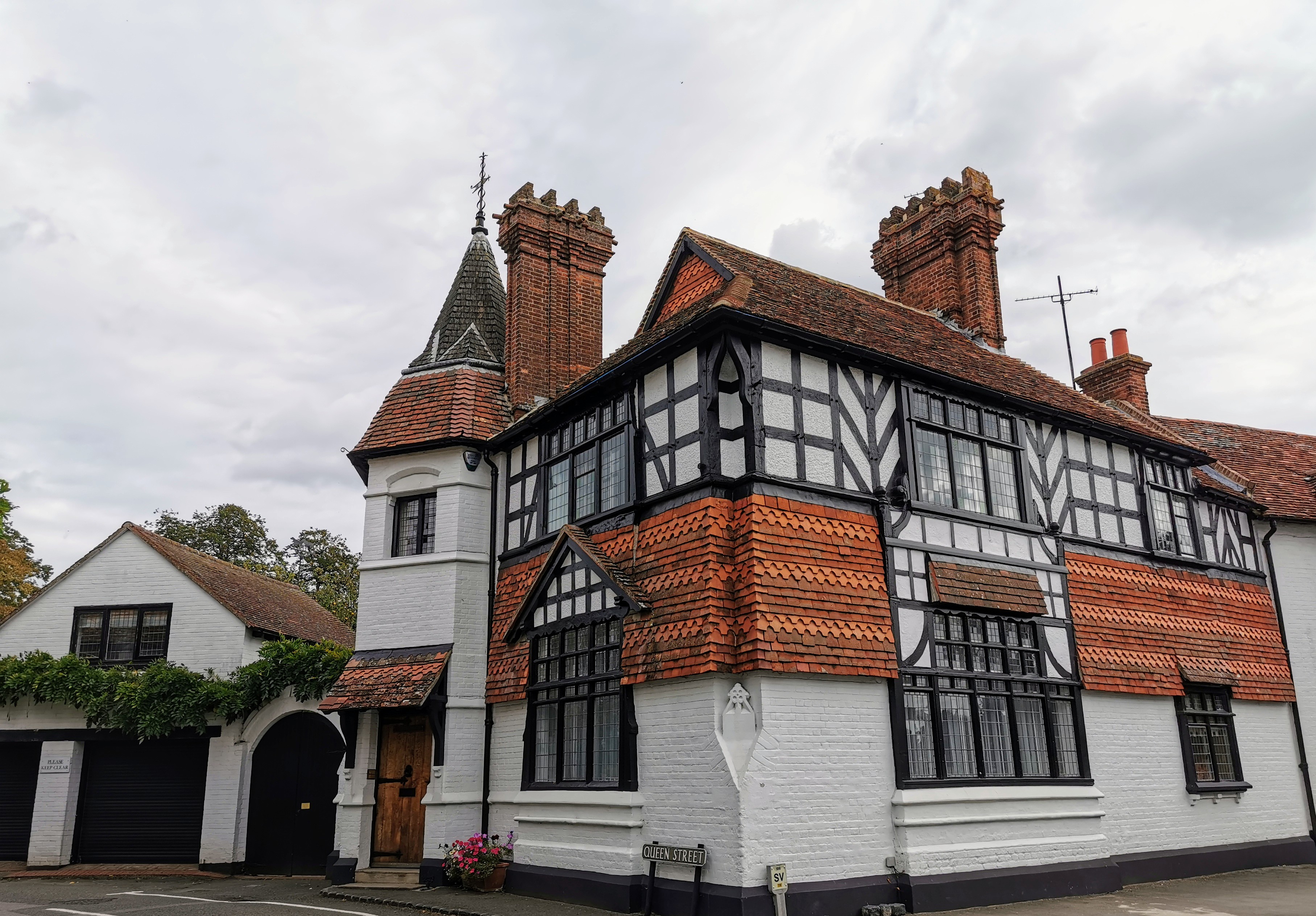
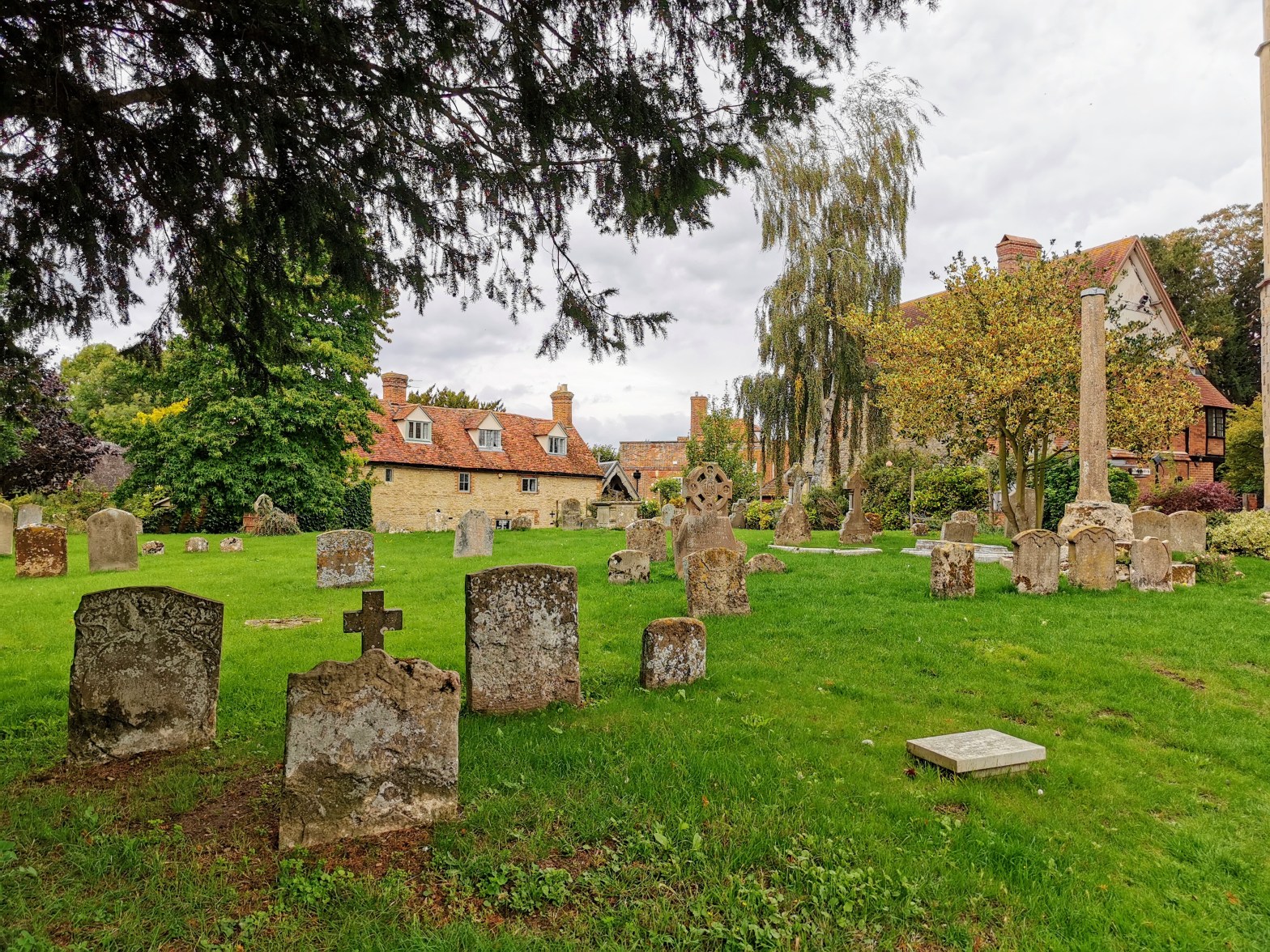
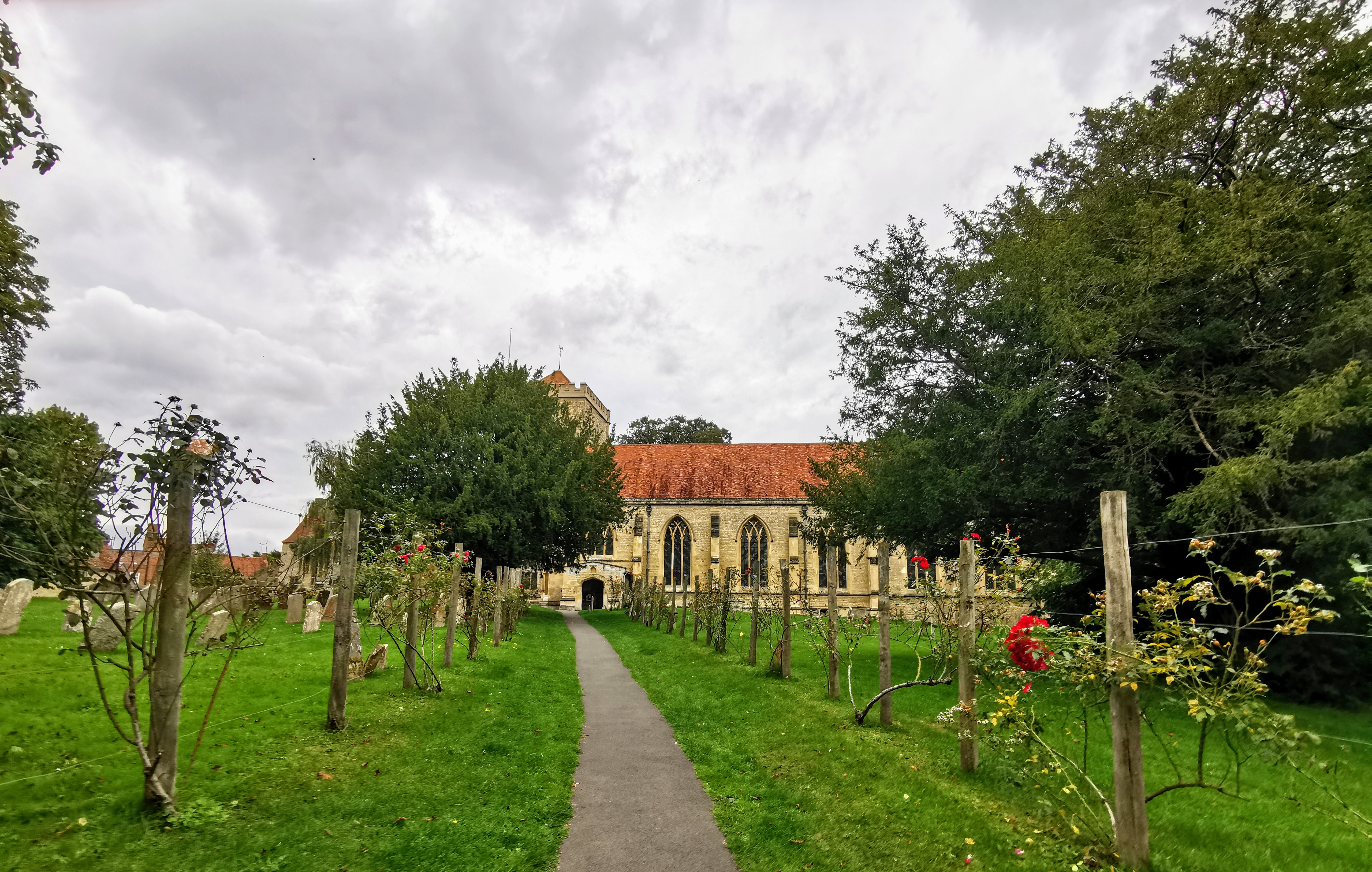
The main sight in the village is Dorchester Abbey, which was founded in 1140. Almost impossible to believe now in this sleepy little place, but it used to be the religious centre of a huge area – the old kingdoms of Wessex and Mercia. The Bishop of Dorchester established his seat here in the 7th century and wielded huge amounts of power, before the bishopric moved to Lincoln in 1072. How fortunes change!
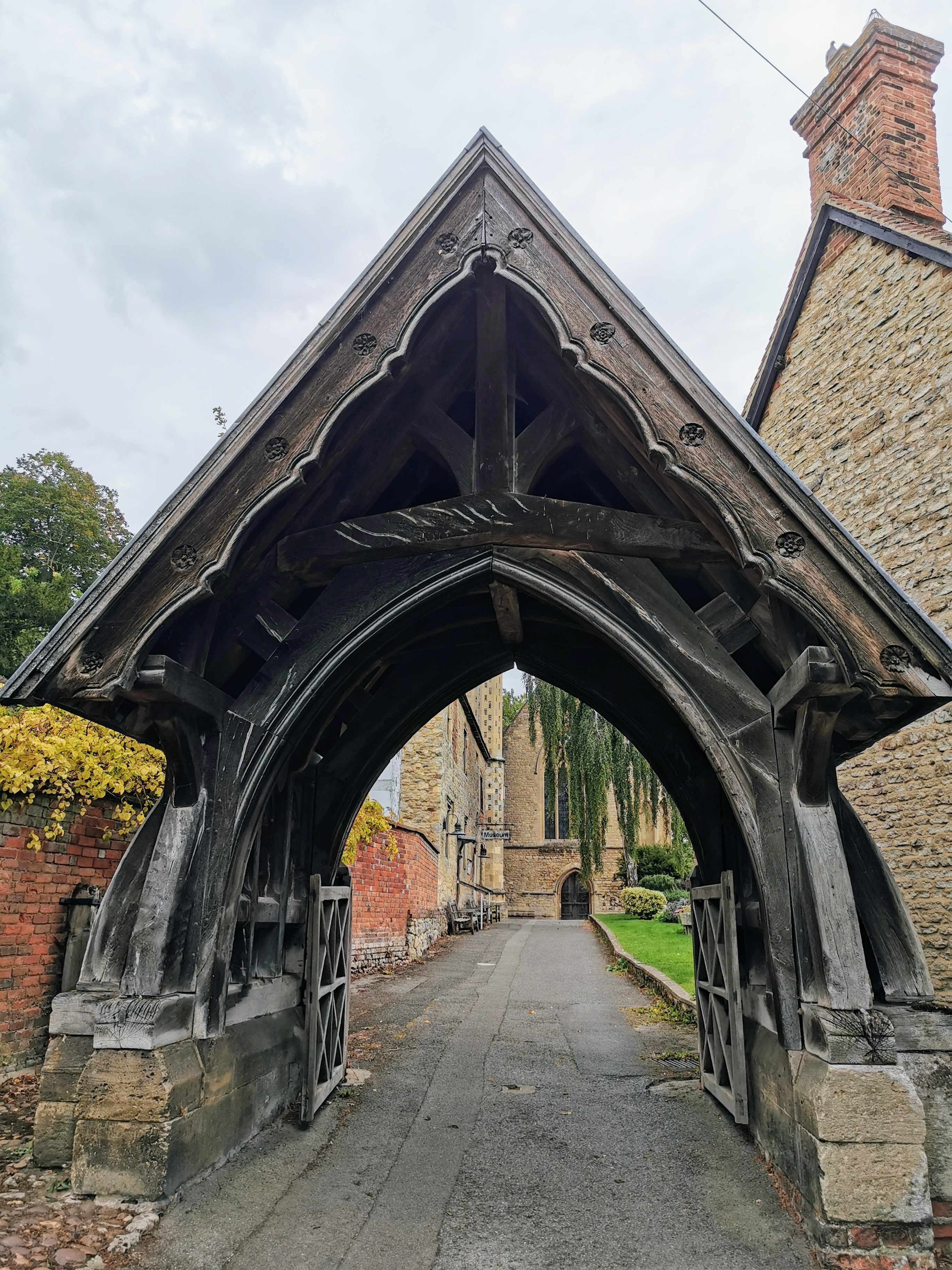
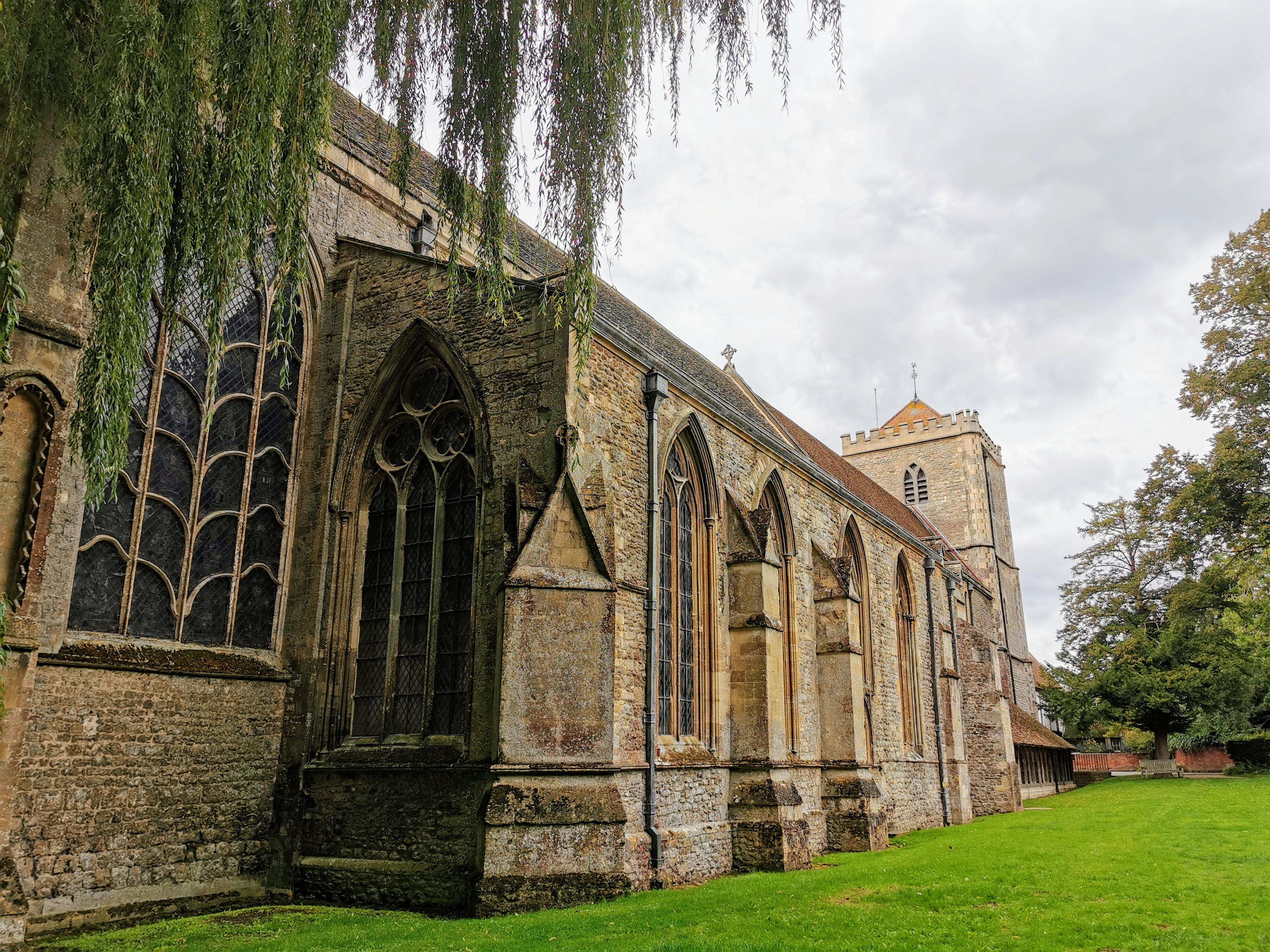
The Abbey was dissolved in 1536 by nasty old King Henry VIII, of course, but happily it wasn’t destroyed as many others were. Since then, this small place has had a mightily impressive parish church. Regardless of religious leanings, it’s a calm and beautiful spot, well worth a visit.
For a moment I consider popping into one of Dorchester’s enticing looking pubs for a quick snifter before starting my long walk back to Benson. Experience has taught me, however, that it will seem even longer after a large glass of wine, so I desist. I’m definitely getting wiser!
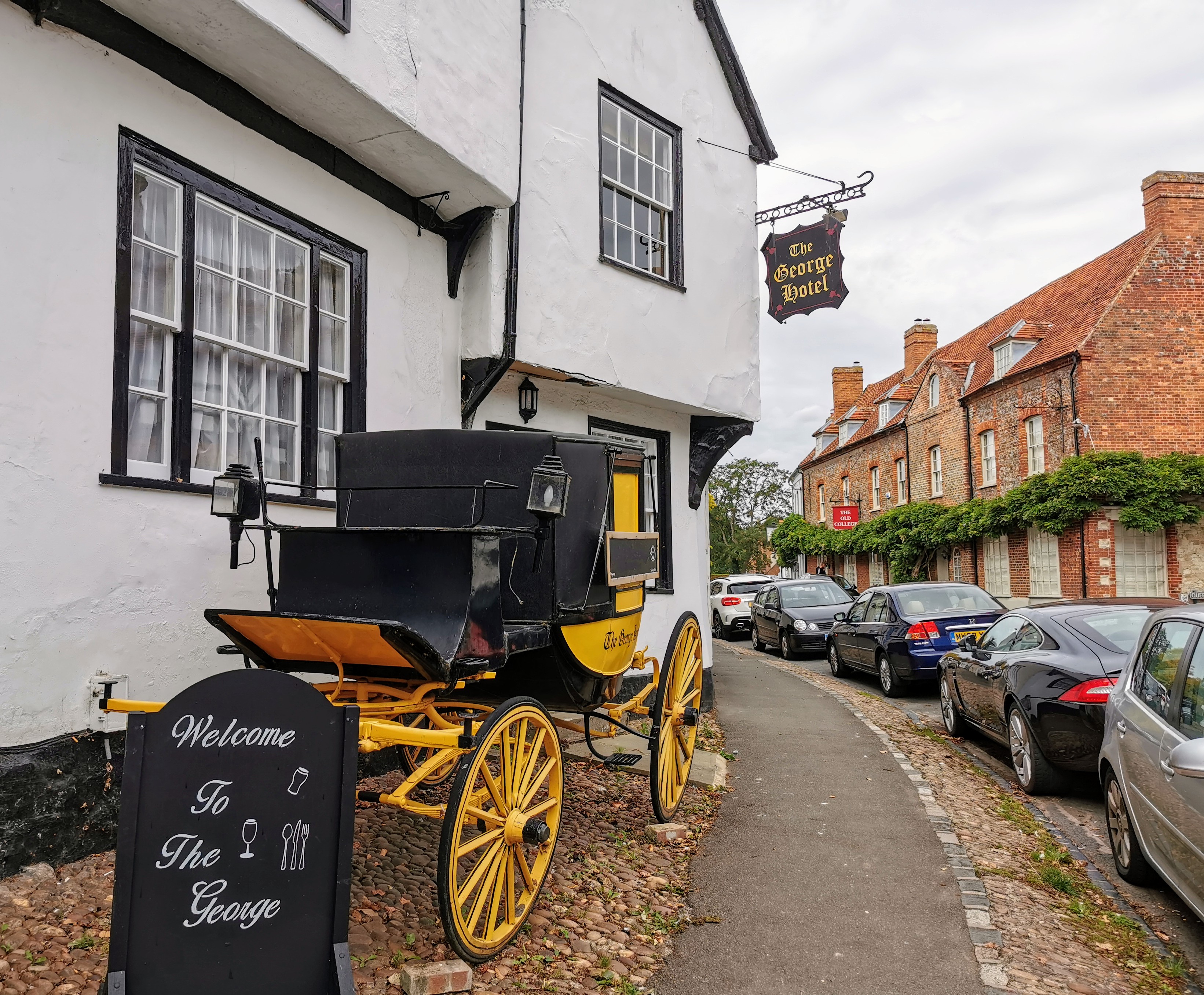
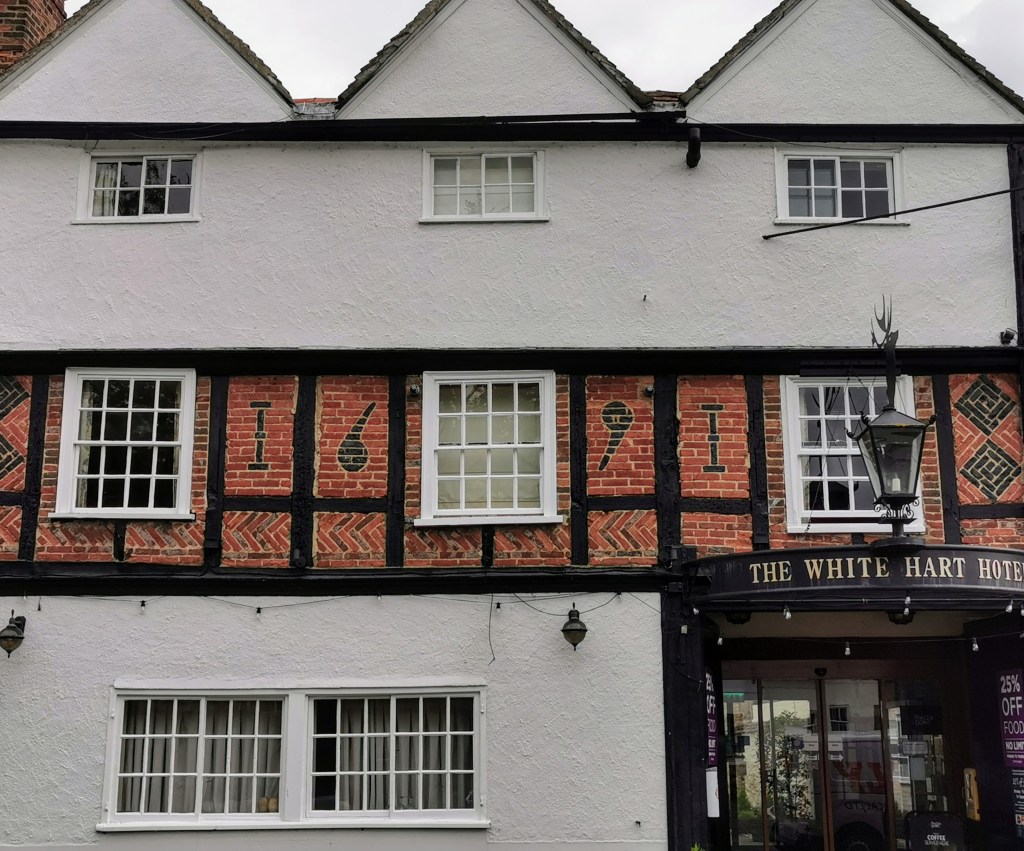
Dorchester once served the stagecoaches on the main London to Gloucester route, and at one point had ten coaching inns. Unfortunately just two of these remain, The George dating from the 15th century and The White Hart from the 17th – but then this is just a small village with less than 1000 inhabitants – how many pubs does it need?
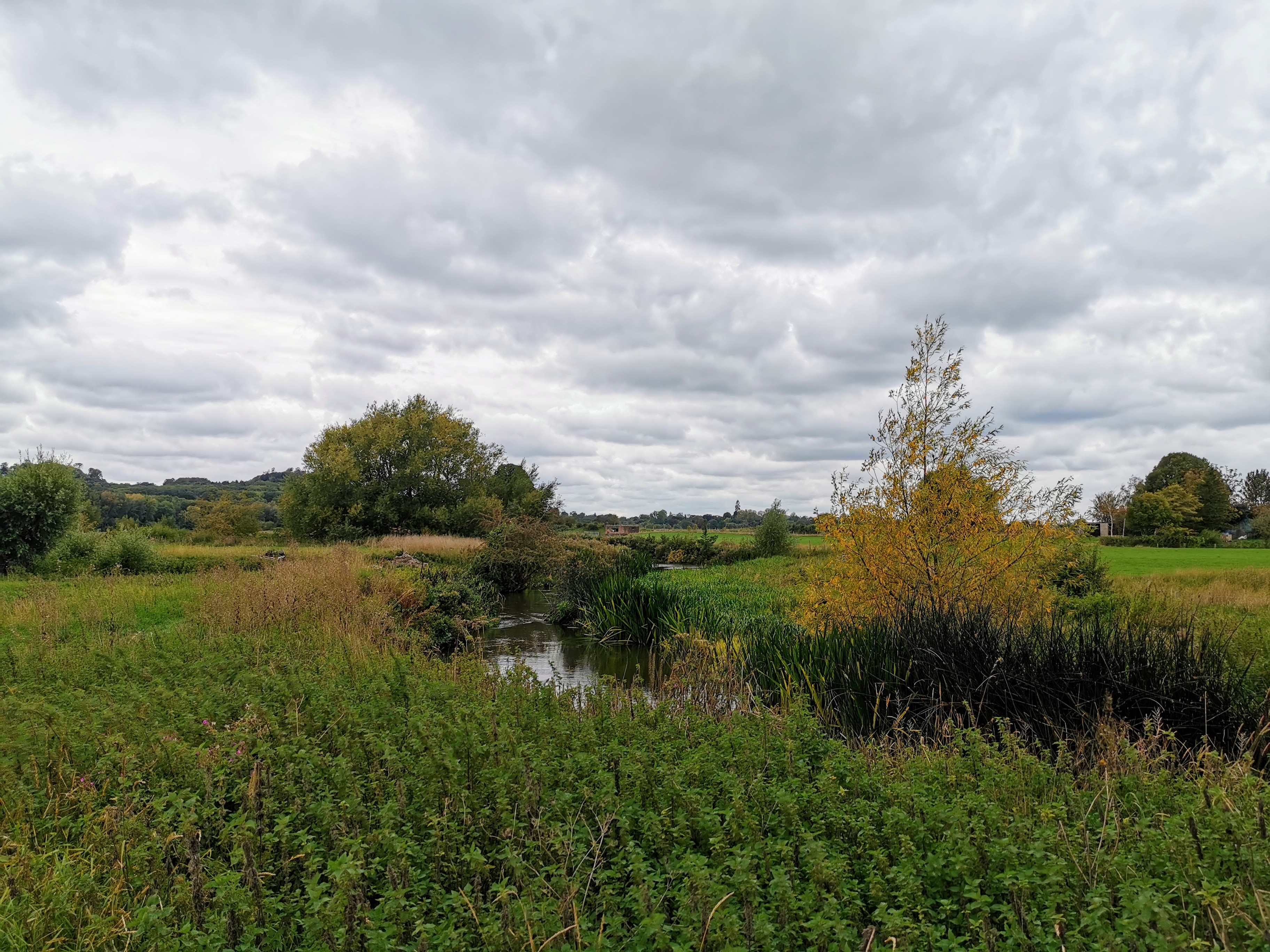
Heading back to Benson, I take a slightly different route along the Thame. Pity about the lack of chauffeur – my feet are starting to hurt. Ah, the trials and tribulations of a travel blogger!
Postscript: The Waterside Cafe is even busier when I arrive back there, footsore and thirsty. No refreshments for me on this walk then. It’s great that most places are open now, but will everyone else please go home so I can get a drink?