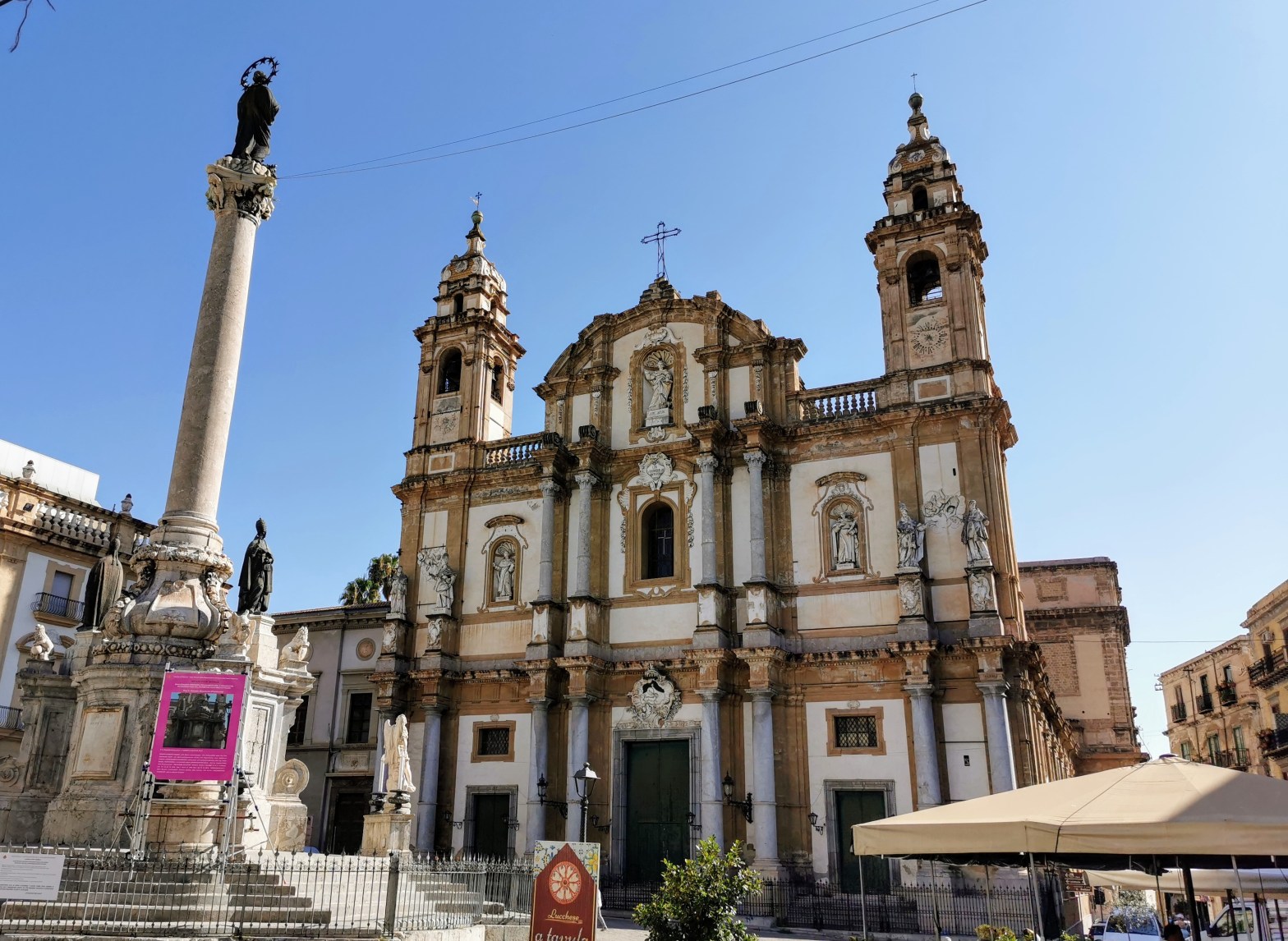
We awake on day two in Palermo full of renewed purpose. It’s a strange privilege to explore a European city that is largely bereft of tourists, like going back to the 1970s when we went away with our parents, and we need to make the most of it. A continental breakfast overlooking the rooftops of the city fuels us up nicely – as usual we will be covering a lot of ground over the next few days. Birkenstocks at the ready – I brought a brand new pair.
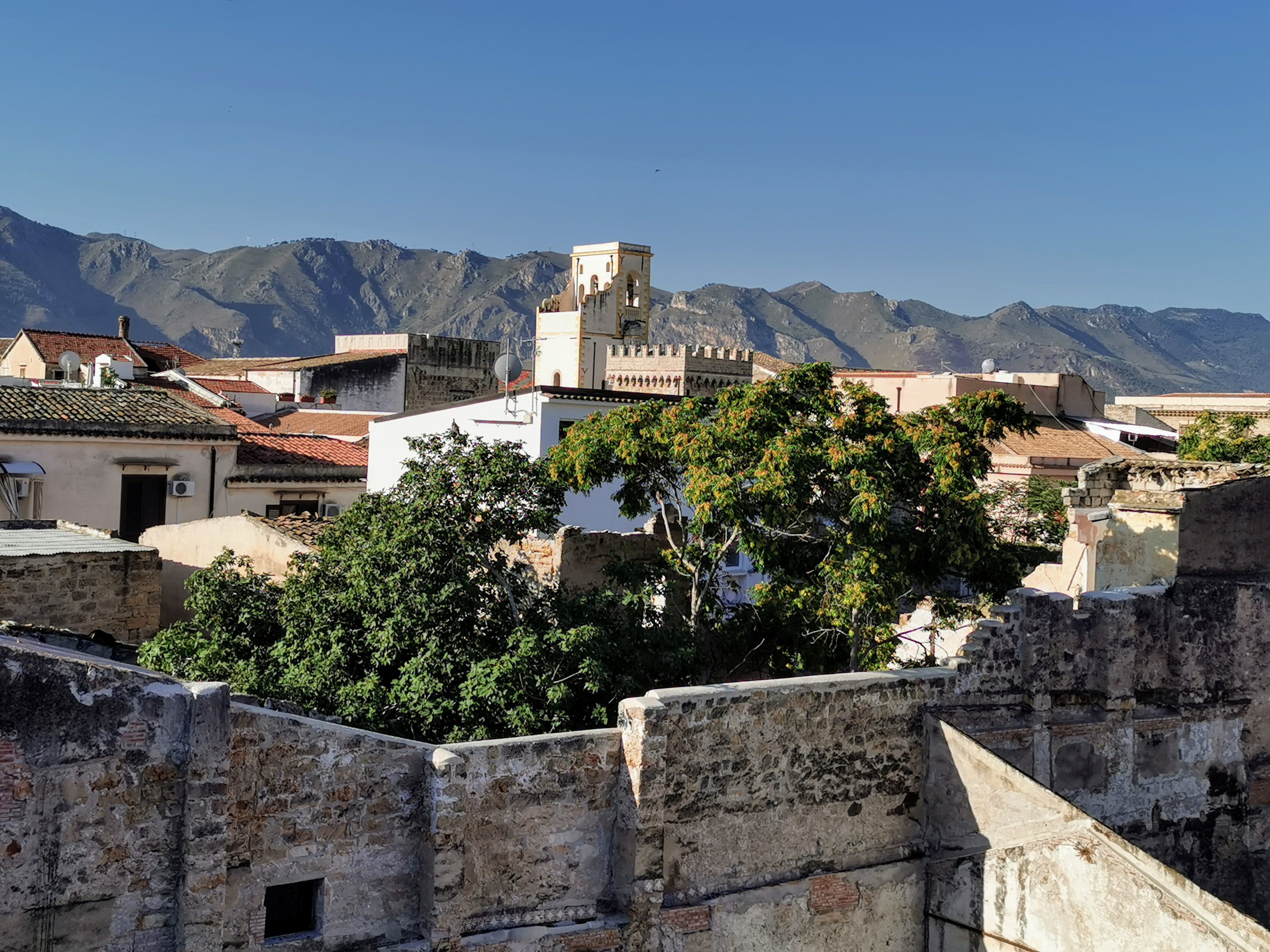
The breakfast buffet is officially dead, sob, and the new process is a bit of a faff, I have to say. Stand up, mask on, sit down, mask off, go to the counter and point, have tray of food delivered to your table. It means lots more work for the staff, but at the Hotel Porta Felice they are rising to the challenge, shuttling around at speed with trays aladen. A large group of Italian ladies are hugging and kissing nearby, not sure how they square that with social distancing? However, this country is managing to keep a lid on coronavirus for the moment, so they’re doing something right!
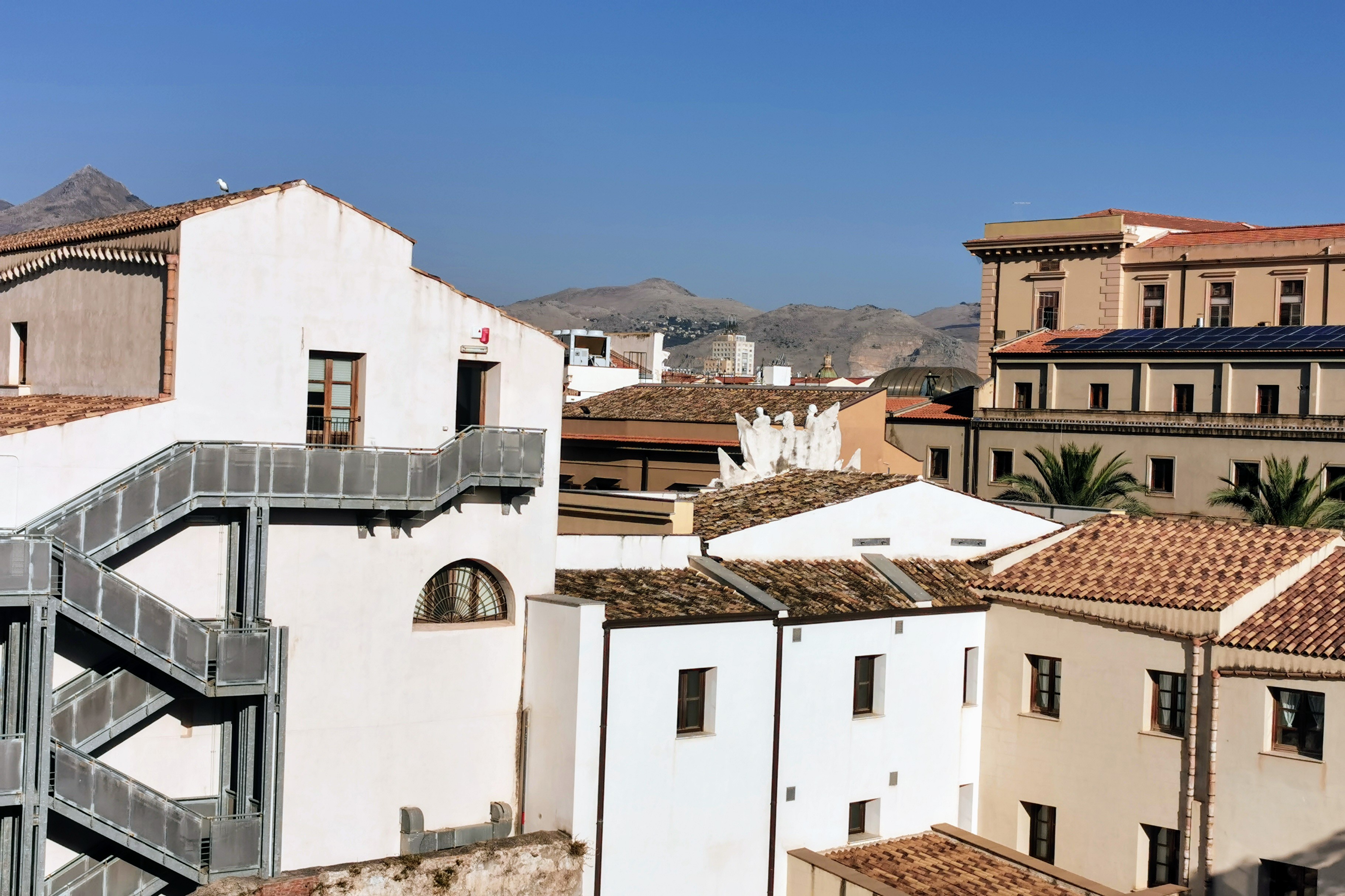
Discovering Palermo turns out to be a joy. Yes, it’s hot, and yes, it’s a bit scruffy, but this place has personality. The population is still valiantly struggling to overcome the ravages of WWII, compounded by Mafia-financed shonky development and poor infrastructure, but they still manage to smile, welcome visitors and enjoy life. Here are my recommendations if you fancy a trip while Italy remains quarantine-free.
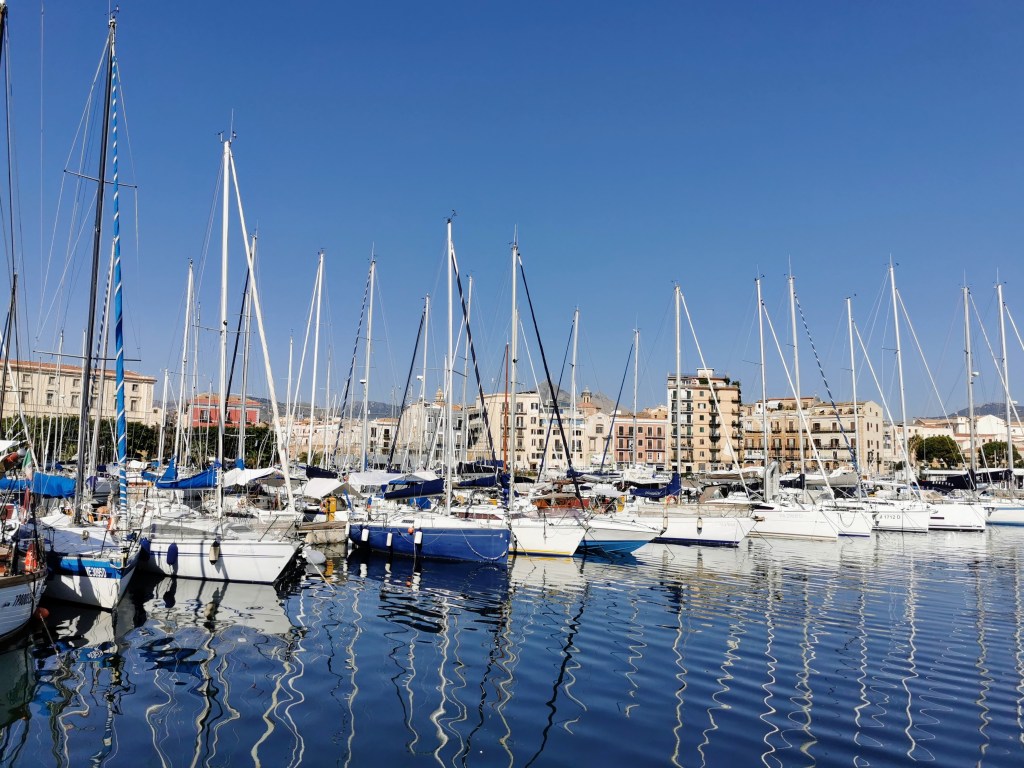
Stroll along the waterfront: Palermo is a coastal city, so get out and enjoy the views over the water, from the bobbing boats of La Cala harbour heading south along the Foro Italia walkway which skirts the city walls. There’s not much in the way of shade though, so do this early or prepare to sizzle.
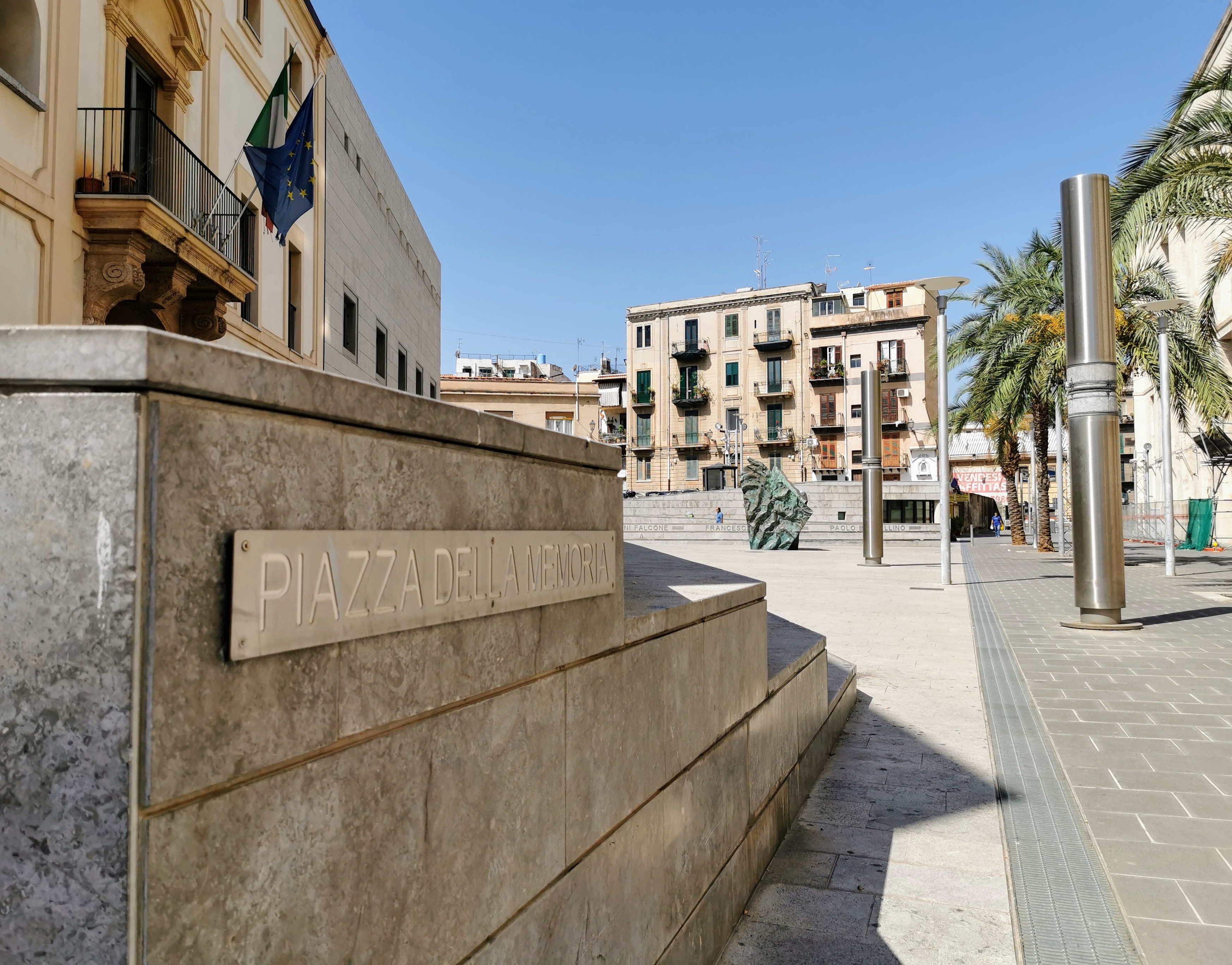
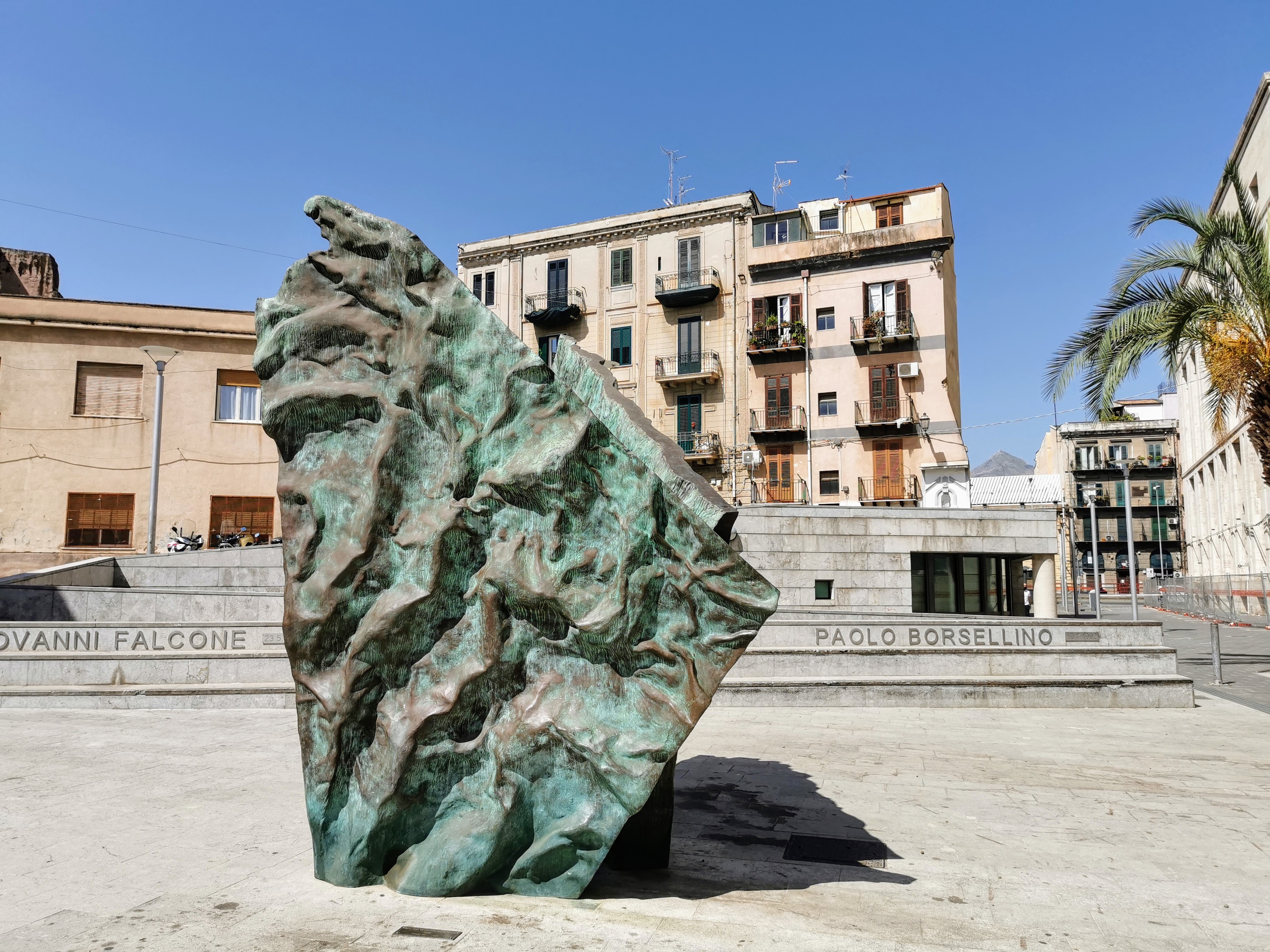
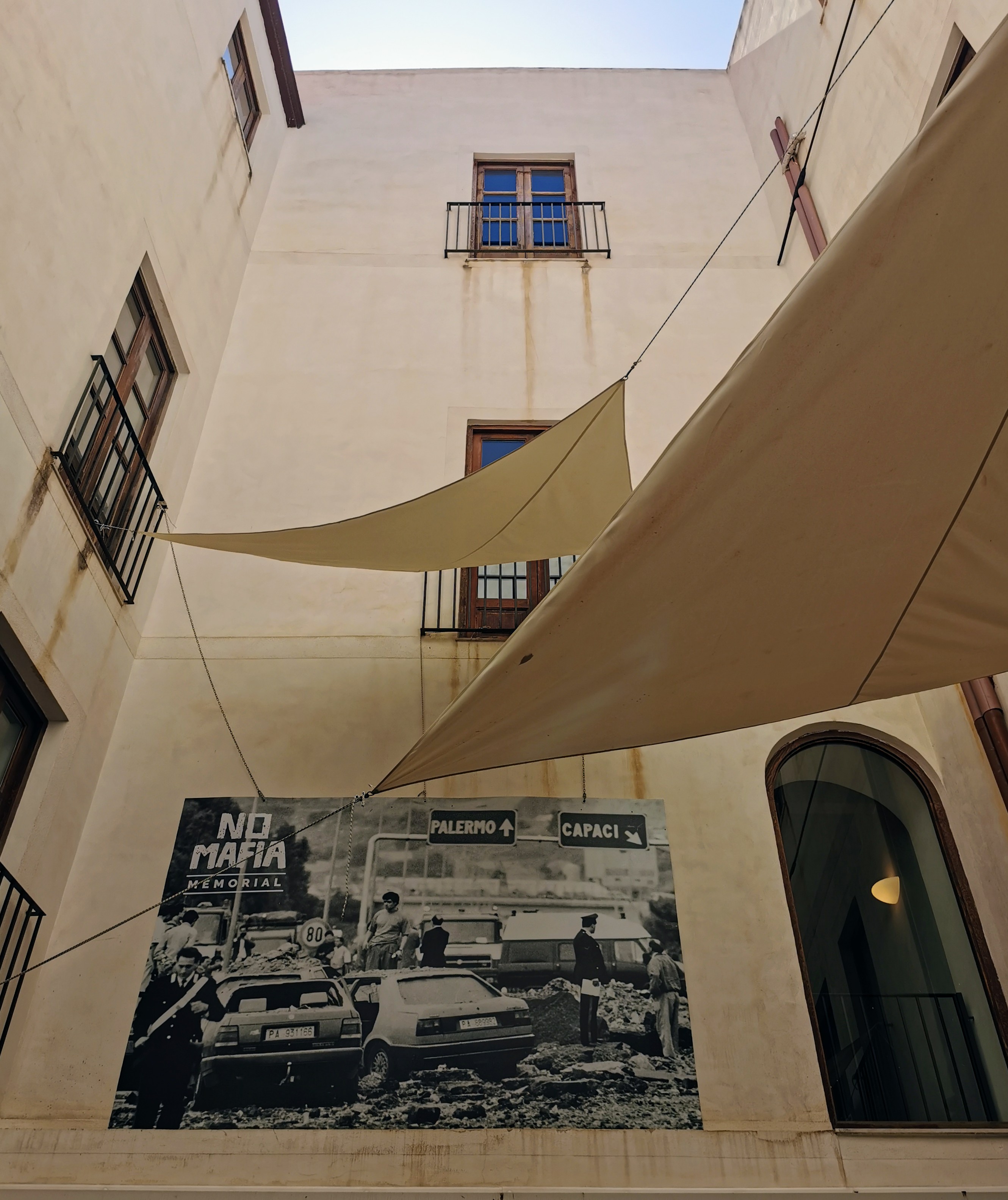
Learn about the fight against the Mafia: In 1992 Giovanni Falcone and Paolo Borsellini, the leading prosecutors in the Maxi Trial which indicted 475 members of Cosa Nostra, were both murdered in separate bomb attacks. Falcone died on the motorway from the airport with his wife and police escort – two memorial pillars mark the spot. Borsellini was killed outside his mother’s flat in a Palermo suburb. The Piazza della Memoria outside the Palermo courthouse is dedicated to them.
The assassinations caused a public outcry and a determination to crack down further on the Sicilian Mafia. The Addiopizzo movement was formed protesting against corruption and extortion – the pizzo (literally meaning lace) is the protection fee that mafiosi demand from local businesses. Many publicly refuse to pay it, including the venerable street food cafe Antica Focacceria San Francesco which has been serving up local delicacies in a picturesque square since 1834. Falcone and Borsellini were regulars here. A visit is almost obligatory, and the food is pretty good.
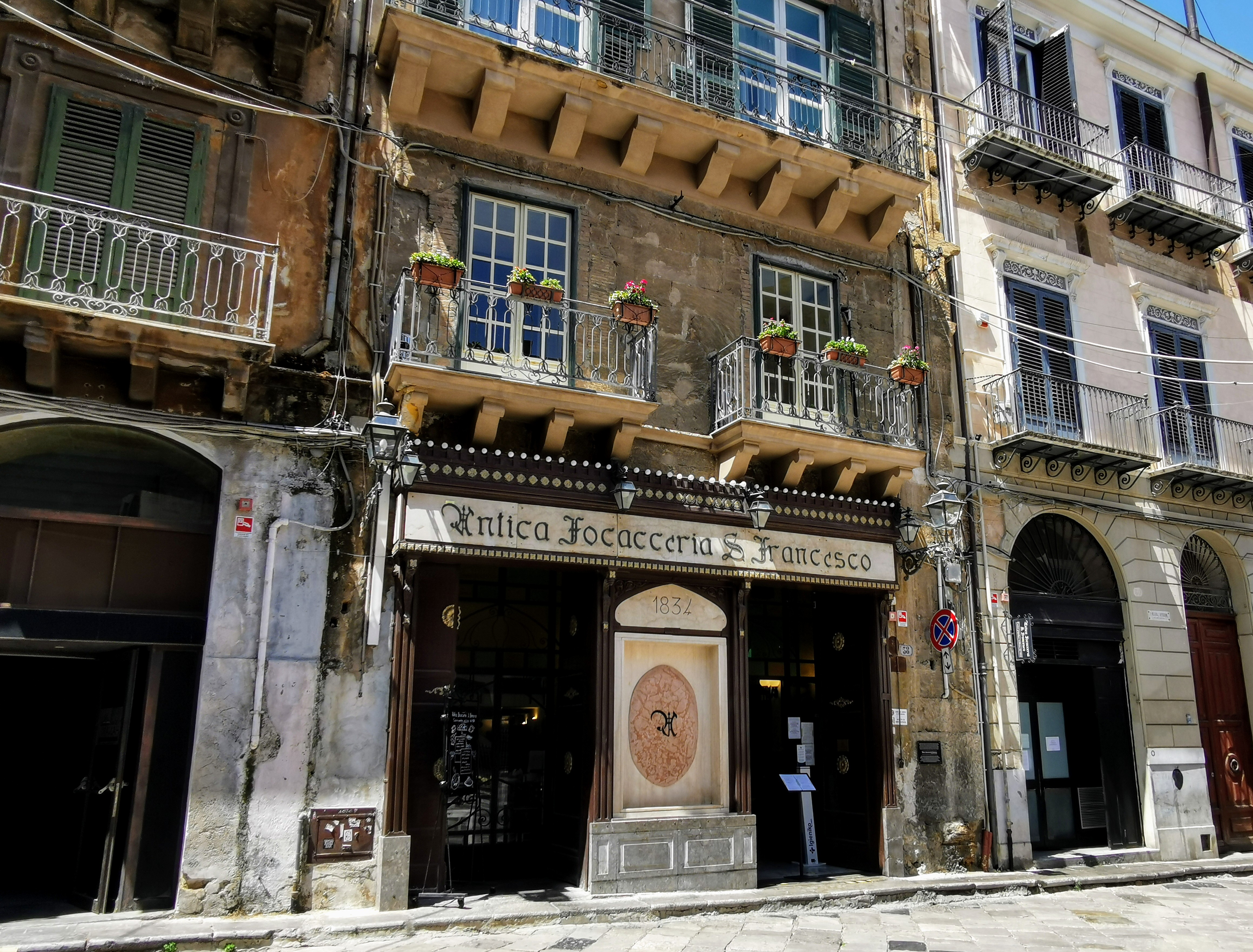
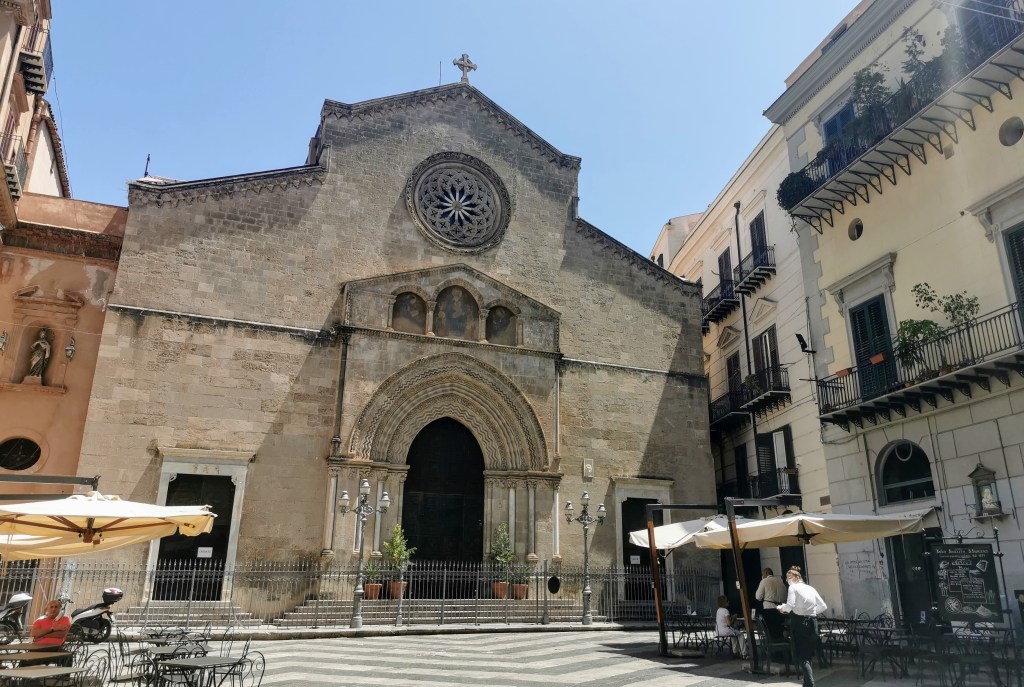
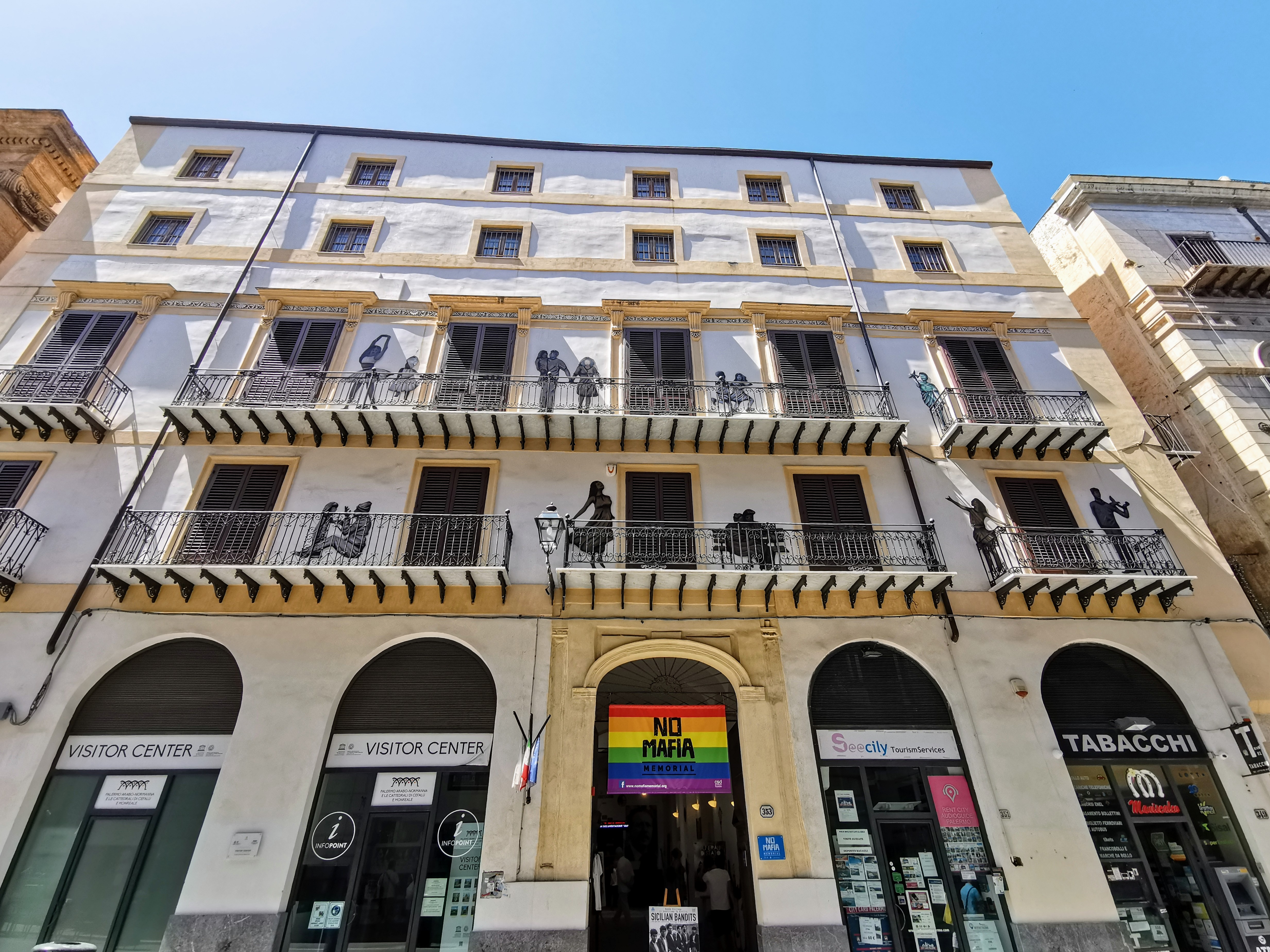
You can find out more at the No Mafia Memorial close to the Quattro Canti in the centre of town, where the story of Cosa Nostra domination and public fightback is told in photos and film. A huge depiction of the Falcone bombing looms over the central courtyard, as it was such a seminal event here.
Get lost in the backstreets: The main thoroughfares of Palermo are straight roads which stretch on forever in true Roman fashion, but in between them is a warren of alleyways, squares, staircases and winding lanes where you can get lost for hours. You are guaranteed to emerge at regular intervals into yet another piazza with a church and a trattoria as standard.
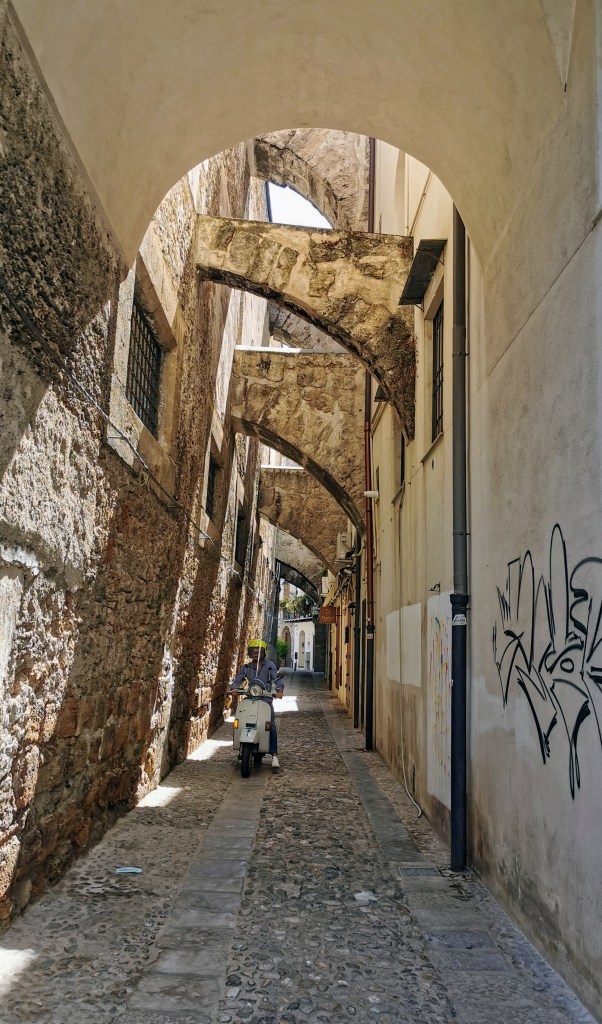
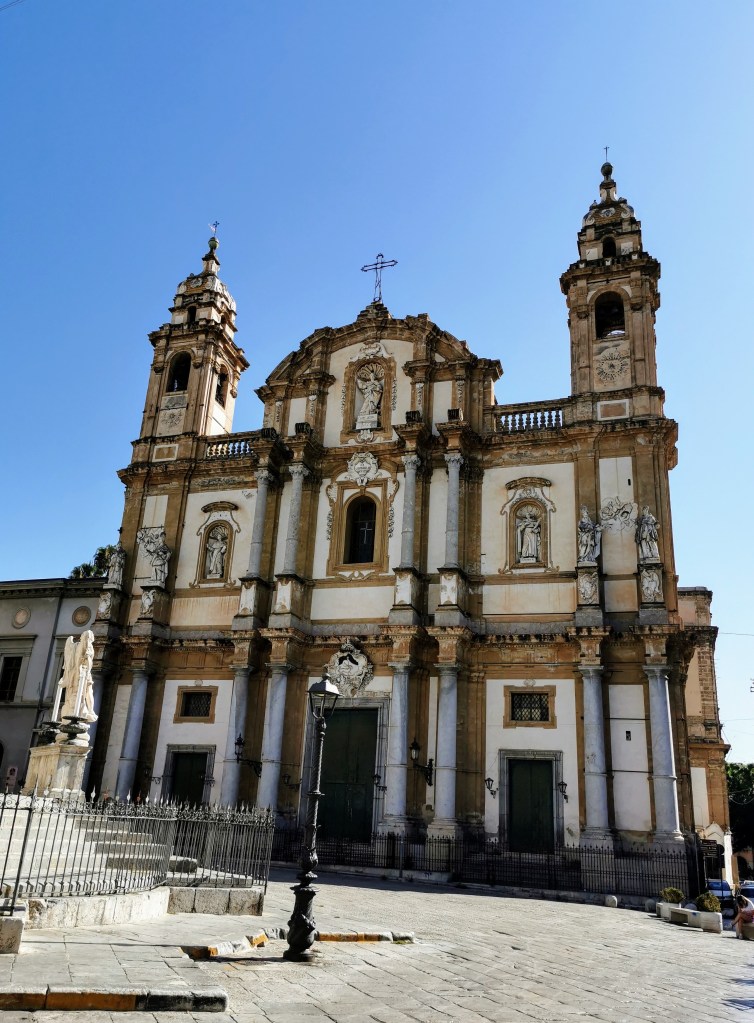
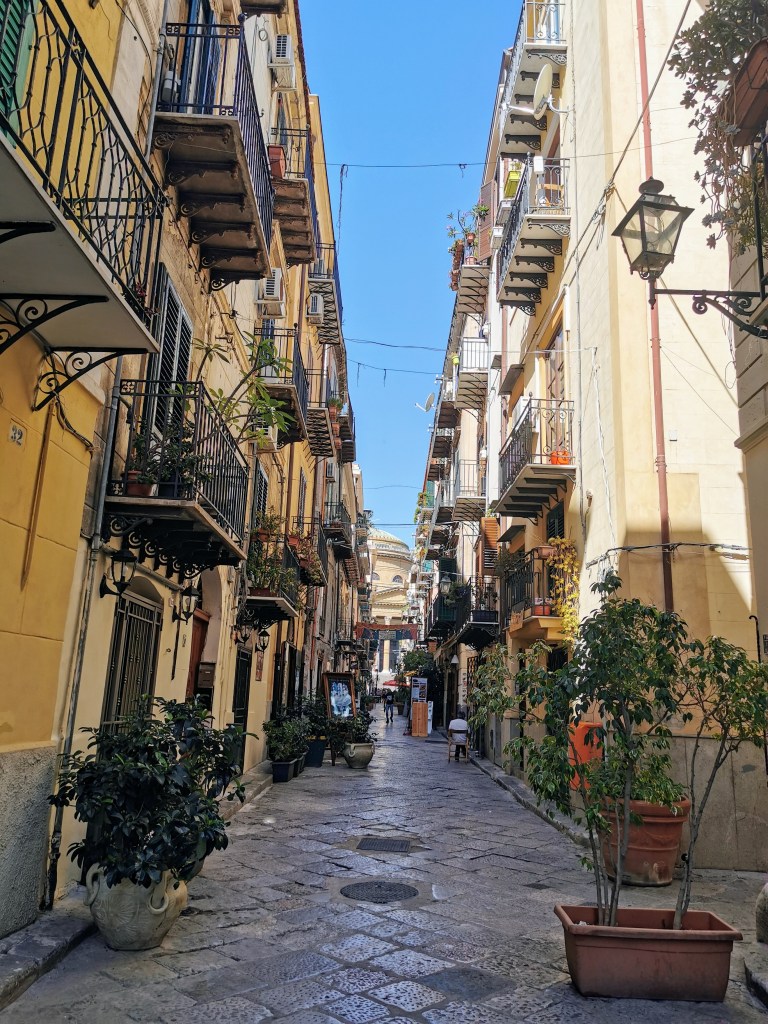
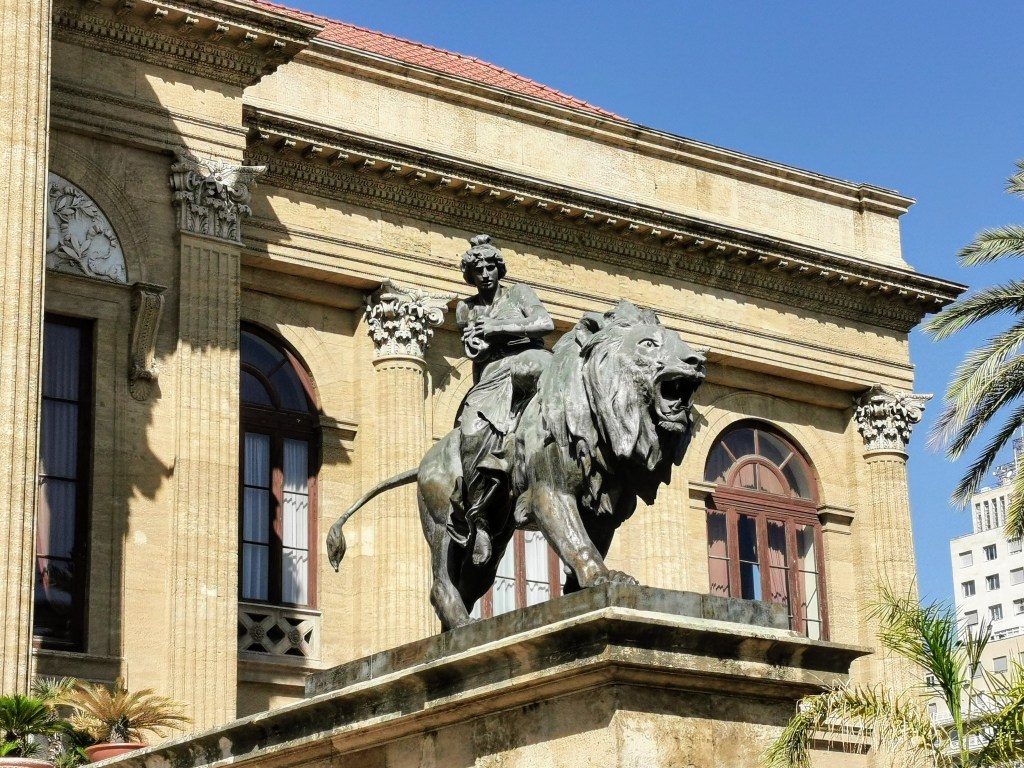
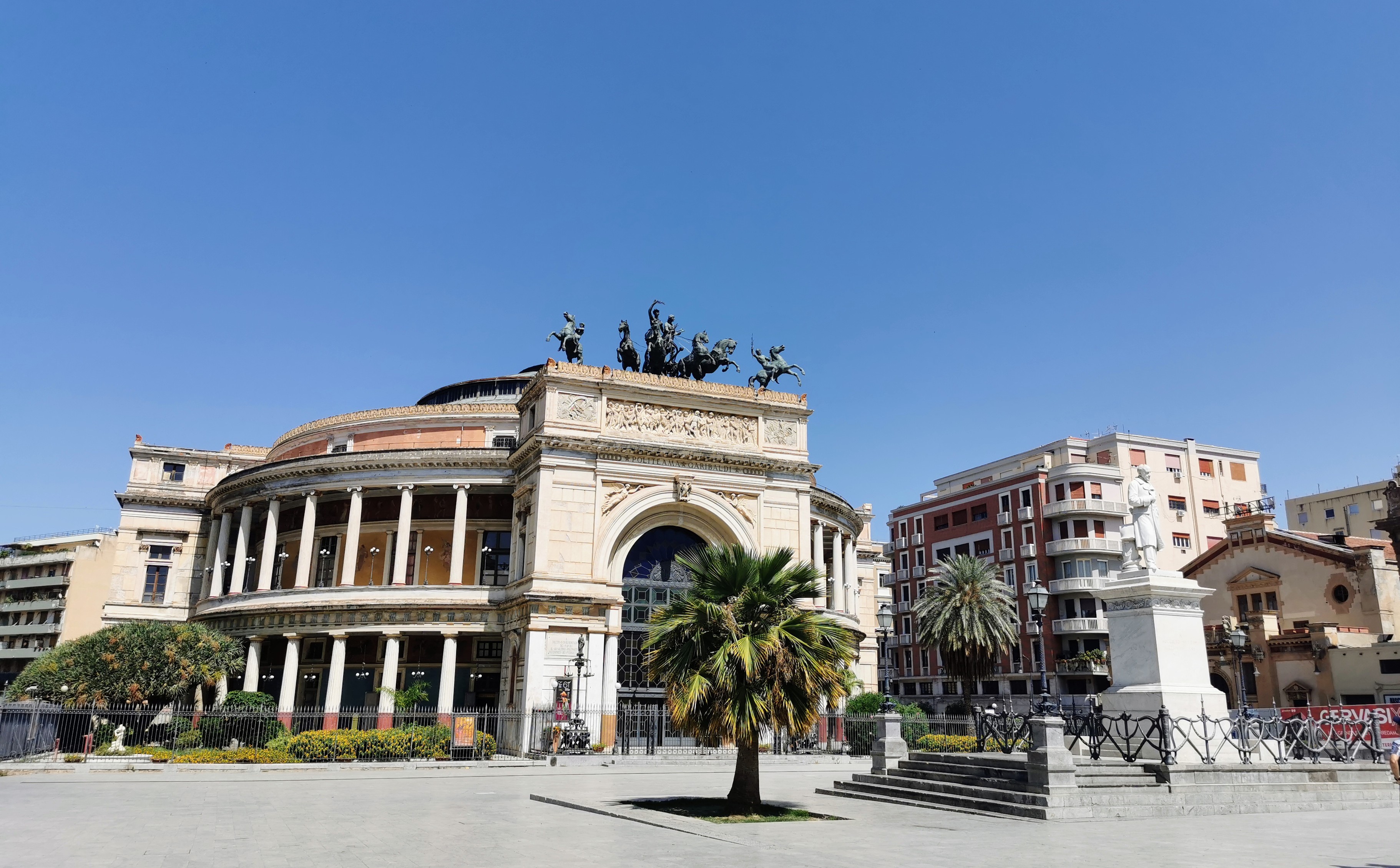
Soak up the drama of the opera house: The Teatro Massimo opened in 1897 and is one of the largest opera houses in Europe and the biggest theatre in Italy. It closed for renovations in 1974 and didn’t reopen for more than 20 years due to corruption and political infighting. In 1989, Francis Ford Coppola was determined to use the neglected building for his film The Godfather Part 3 but it was so delapidated, he could only use the outside for filming, and had to recreate the interior in a studio.
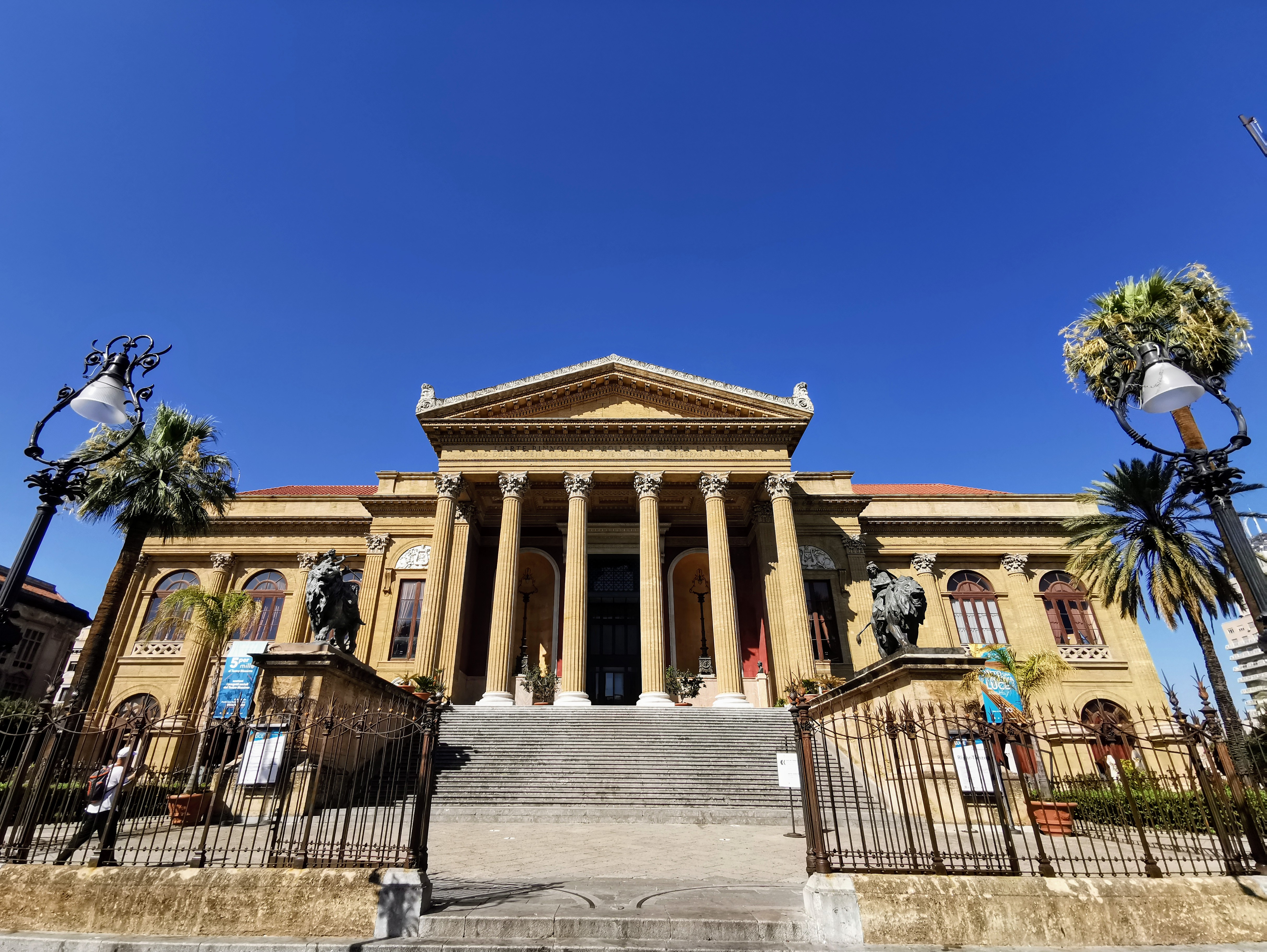
Even just the external scenes required a major clean-up, and they were filmed from the balconies above the cafe where we stop for a much needed cold beer. Palermo is proud of the fact that the influential trilogy ends in the city, with the tragic death of Michael Corleone’s daughter, Mary, on the stairs of the Teatro Massimo. Crime doesn’t pay, seems to be the message, but I doubt everyone here would agree with that sentiment.
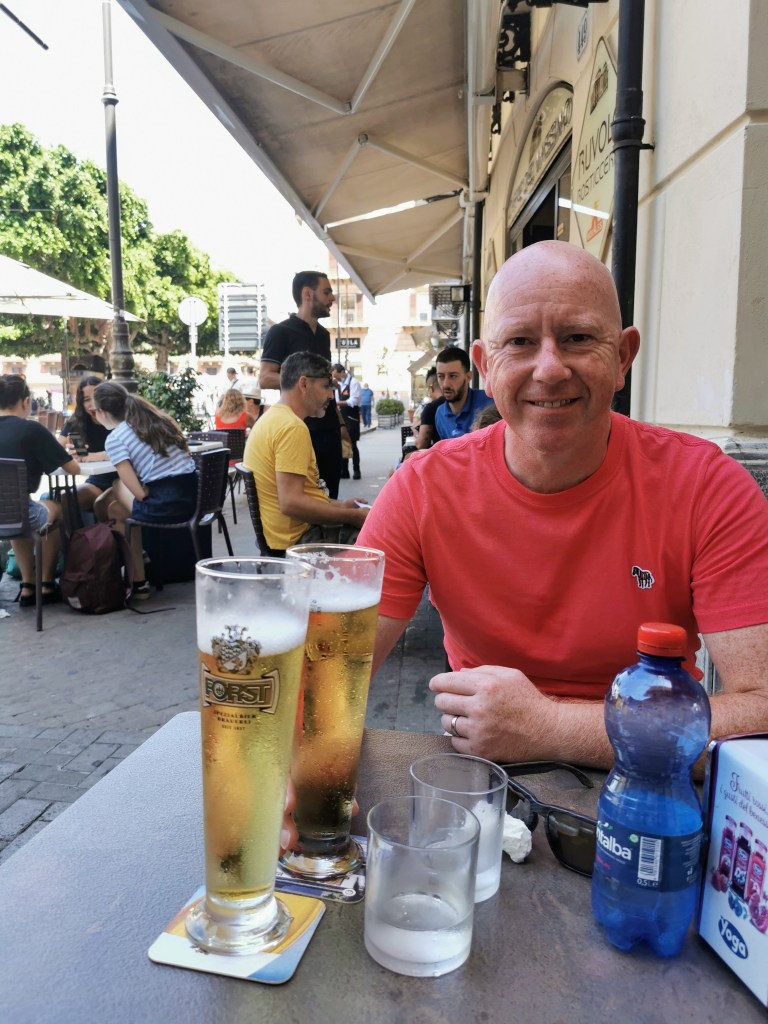
No such drama on the piazza today, but we notice an old street dog lazing on the pavement. A local lady arrives with a bag of food and medicine, putting drops into the dog’s eyes and hand feeding her. We’re both really touched and stop to chat. The dog is 14, nearly as old as Henry, our Golden Retriever, but what a difference in life experiences – and how lovely that someone cares. Our opinion of the Palermitani goes up again.
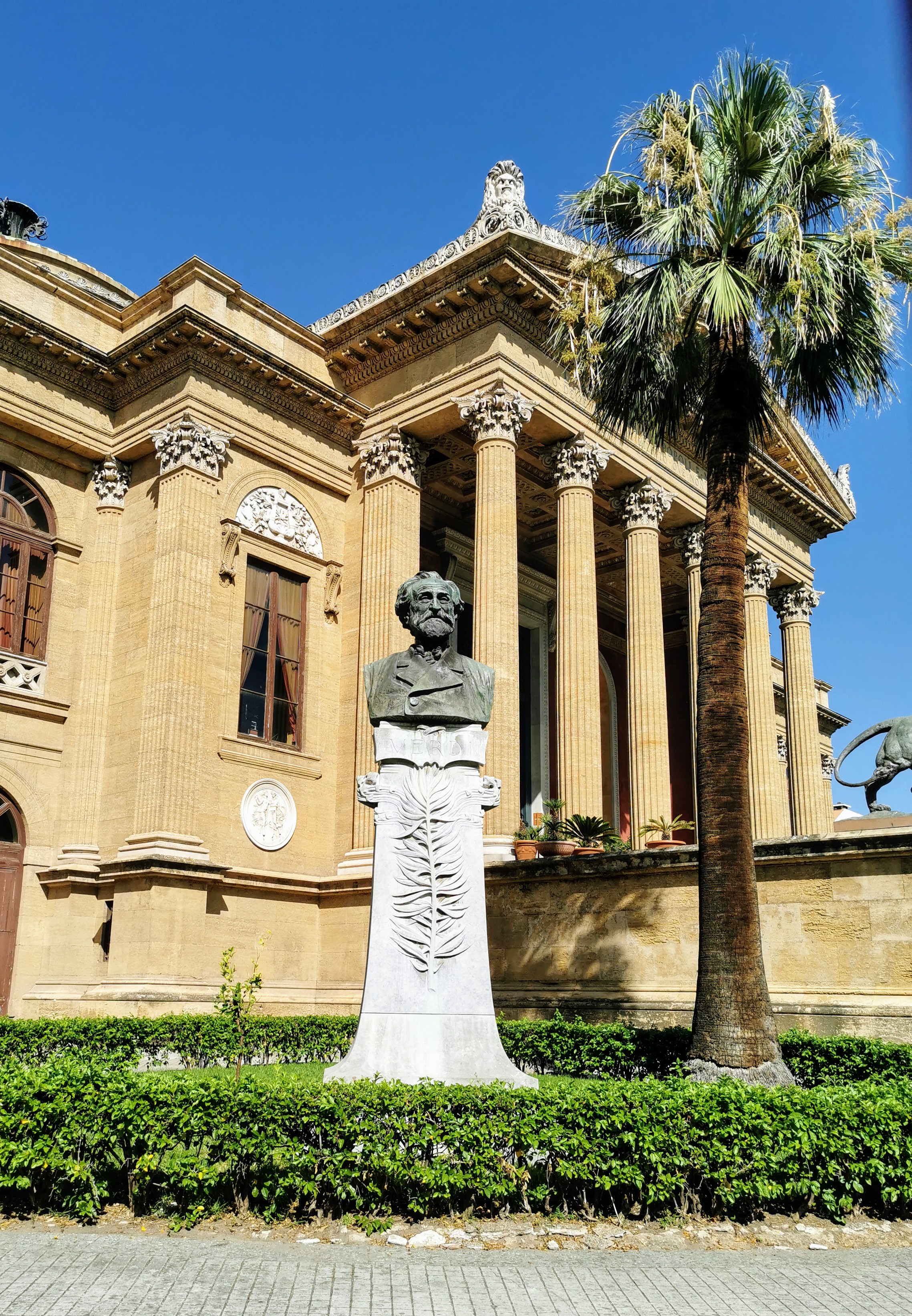
The opera house sits in Giuseppe Verdi Square, for obvious reasons, and a bust of the composer sits in the gardens outside. What are you taking a photo of? asks the husband. Giuseppe Verdi, I reply. But the husband is getting a bit hard of hearing, ‘Who’s Giuseppe Mary?’ he asks. I give up!
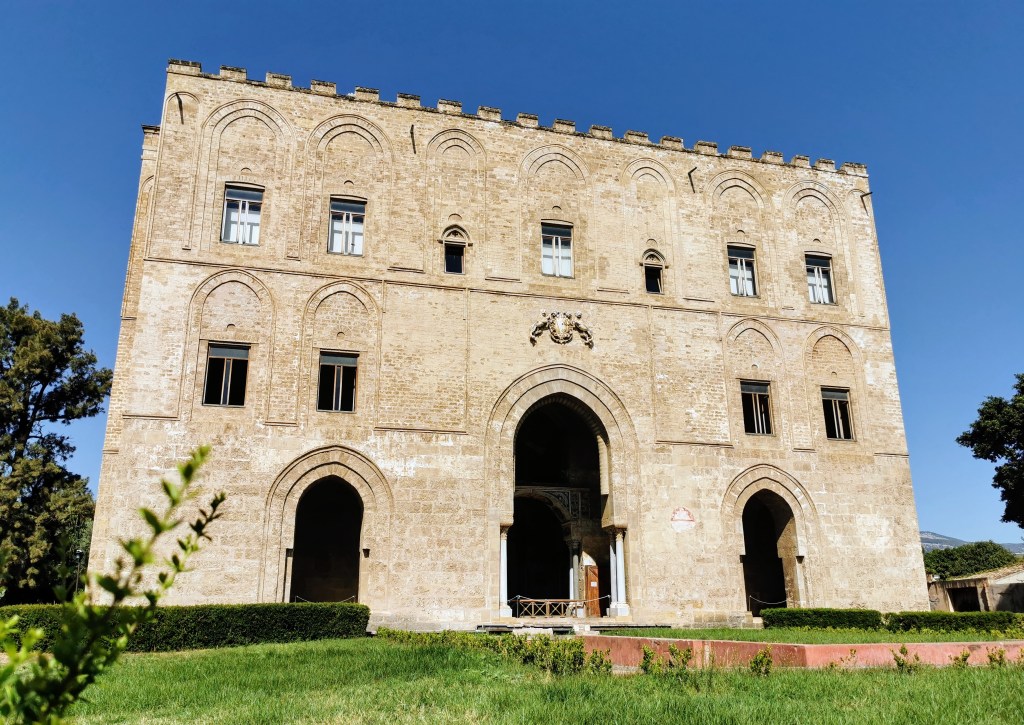
Visit the castle on the hill: A walk up to the Castello della Zisa takes you through the fascinating Monte di Pieta District, where you can get an insight into Palermitani daily life. The winding streets are full of tightly packed apartments. Washing flaps from every window, and whole families can be seen crammed onto tiny balconies trying to catch a breeze. You can understand why la passeggiata is such a ritual – when the day begins to cool down, everyone desperately wants to get out for a stroll in the open air.
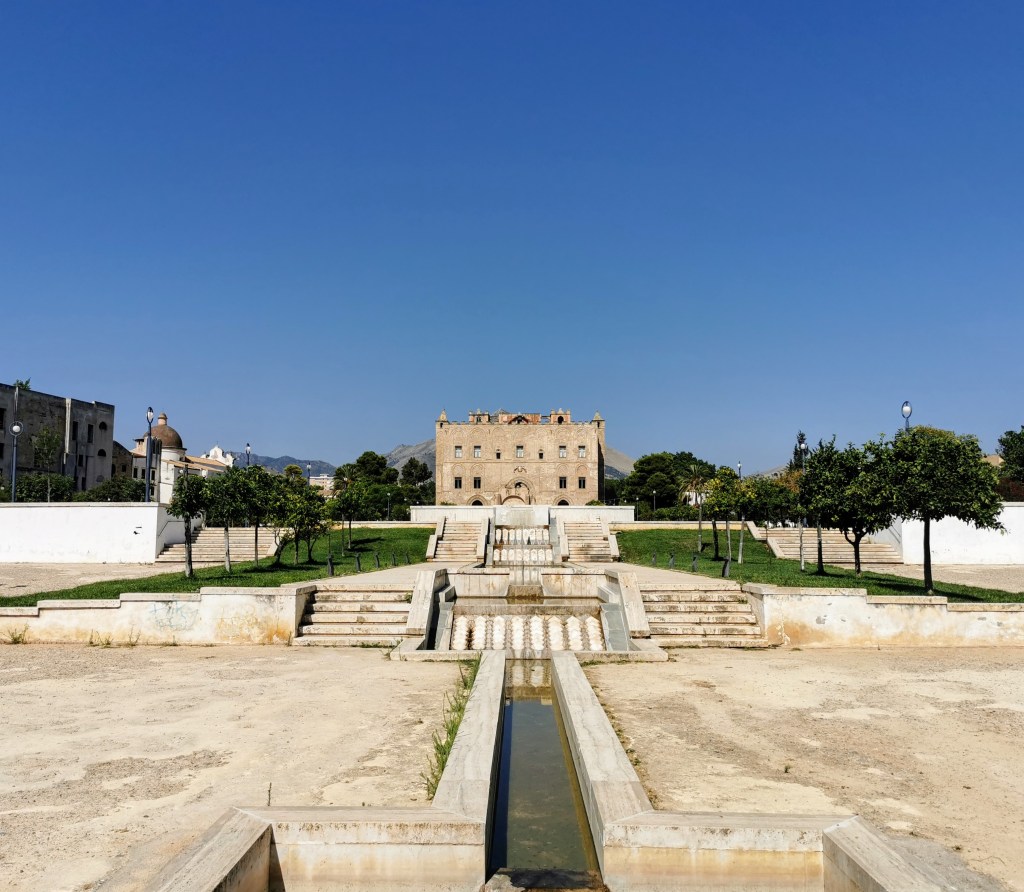
The castle itself was built in the 12th century by Arab craftsmen. The gardens in front of the castle were added in the early 20th century to improve the appeal of the site to tourists, but unfortunately that’s no longer the case. The fountains have been switched off, and the general impression is one of neglect. The area seems to be a glorified dog park at the moment. It seems such a shame, but if no-one is visiting then you can understand why money won’t be spent here – we are apparently the only people interested in this gorgeous building today.
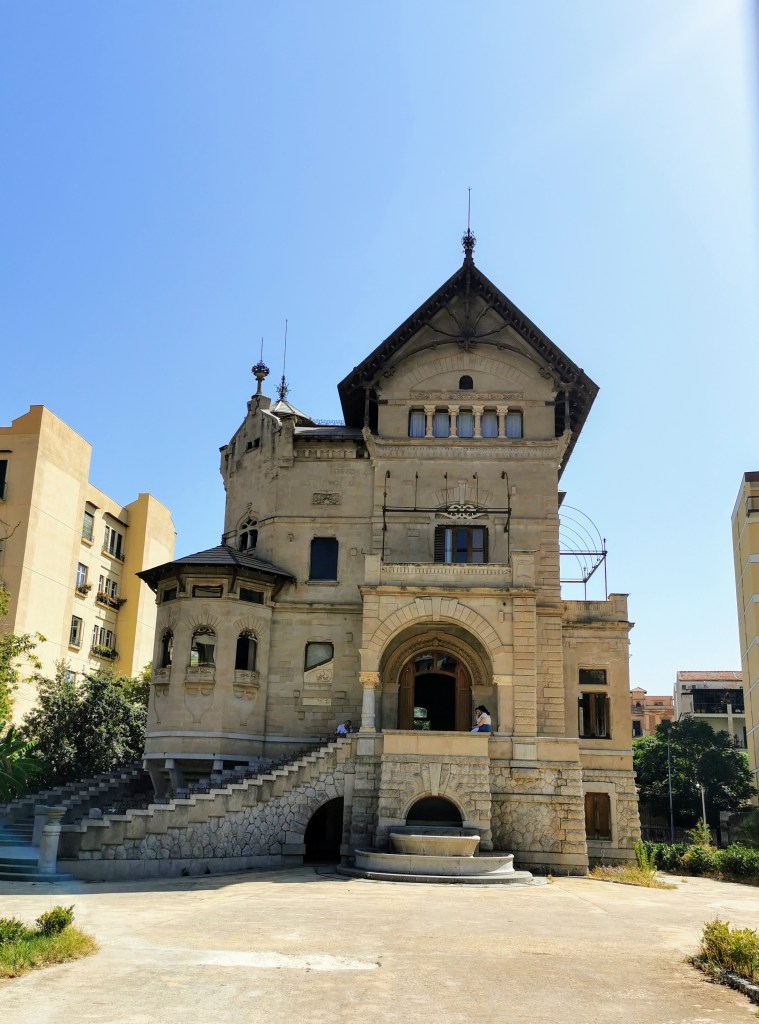
Just around the corner we stumble upon another ‘tourist attraction’ with zero visitors. The Villino Florio is a beautiful Art Nouveau villa. Inevitably, it looks quite run down, but at least here there are some signs of life. It does make me feel sad to see the deterioration of all these lovely buildings, but unfortunately the pandemic is just another hurdle for one of Italy’s poorest regions. In terms of GDP per capita, Sicily ranks second from bottom.
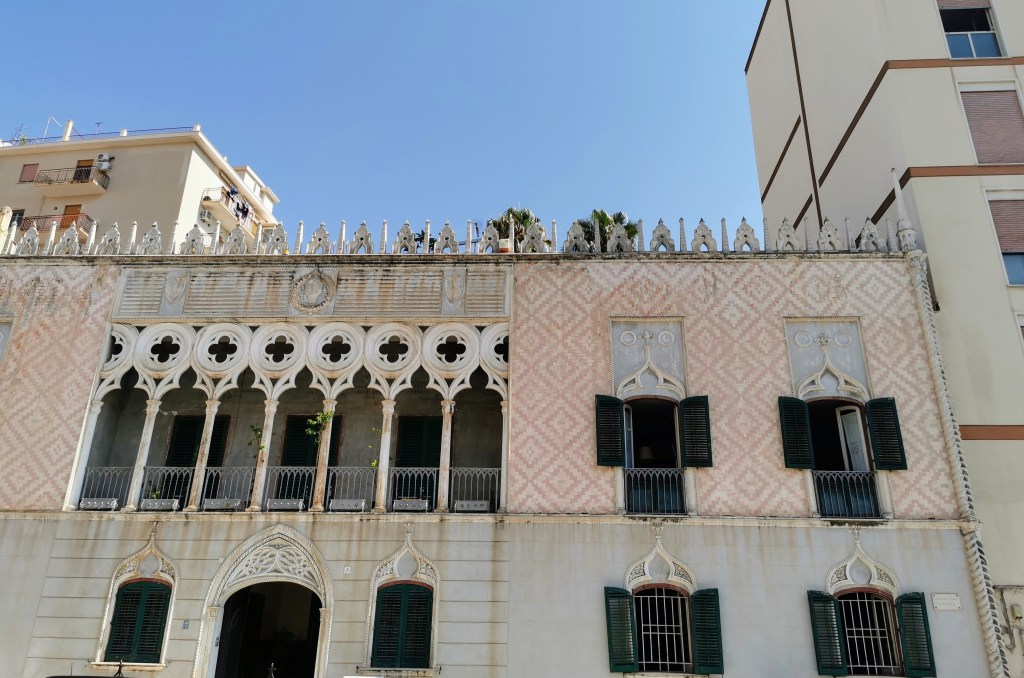
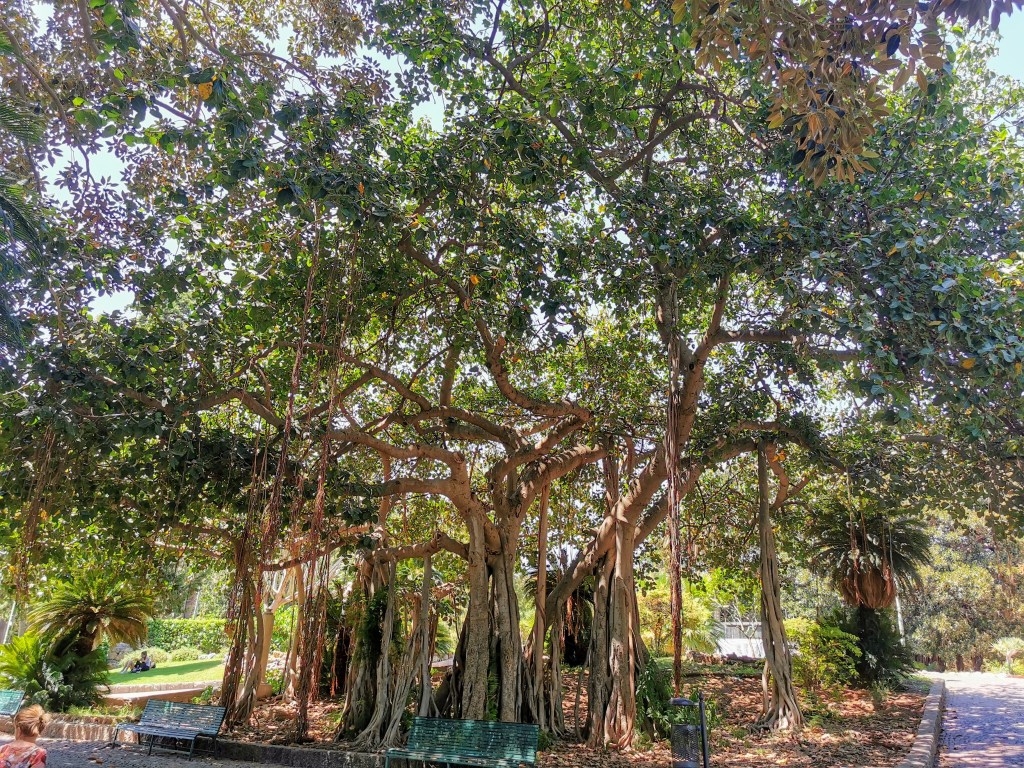
Shop till you drop on Via della Liberta: Temperature checks at shop entrances may be required, and inefficient air conditioning can make wearing a mask in Palermo’s heat a bit tortuous, but…oh joy, the changing rooms are open! After being deprived this luxury in the UK, and consequently not really going shopping, we are pretty excited. The city’s main commercial street also has some impressive architecture and the English Gardens provide welcome greenery and shade. I’m not quite sure how the cacti, figs and agaves are reminiscent of England though?
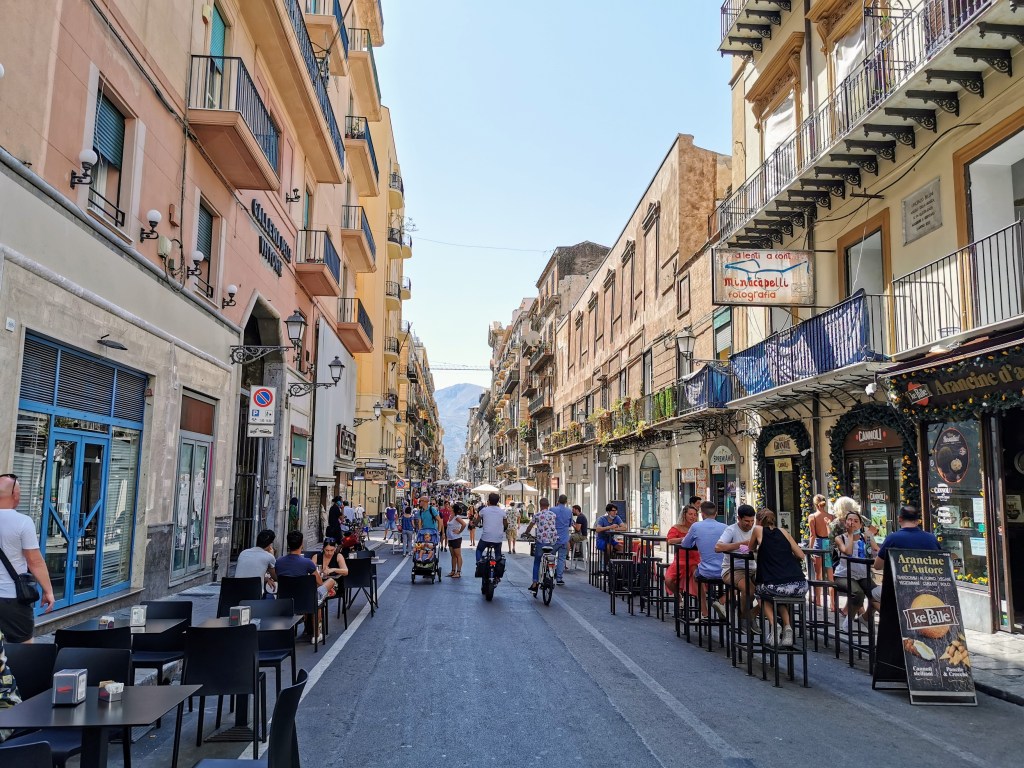
Join the Palermitani at play: Food and drink is taken seriously here, hence the local produce markets that dot the city, and the bars and restaurants on every corner. Like elsewhere in Italy, don’t expect a great variety of cuisines – you won’t be having a curry or a stir fry, it’s local specialities all the way. But do expect lots of enthusiasm – people are more than happy to make recommendations and explain ingredients – they want visitors to enjoy themselves.
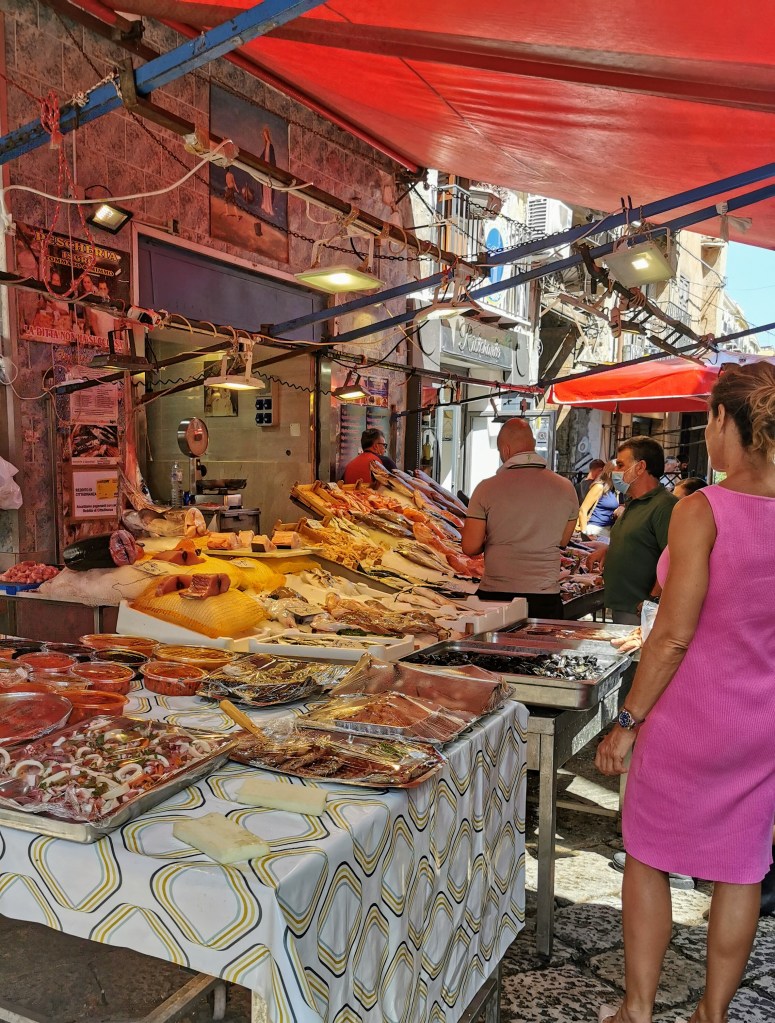
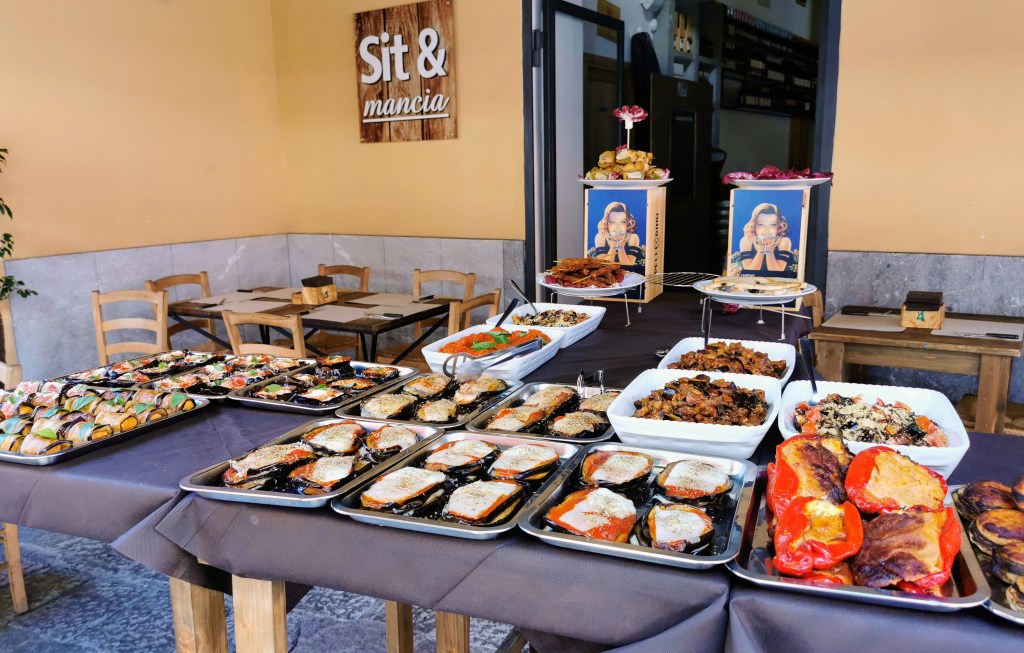
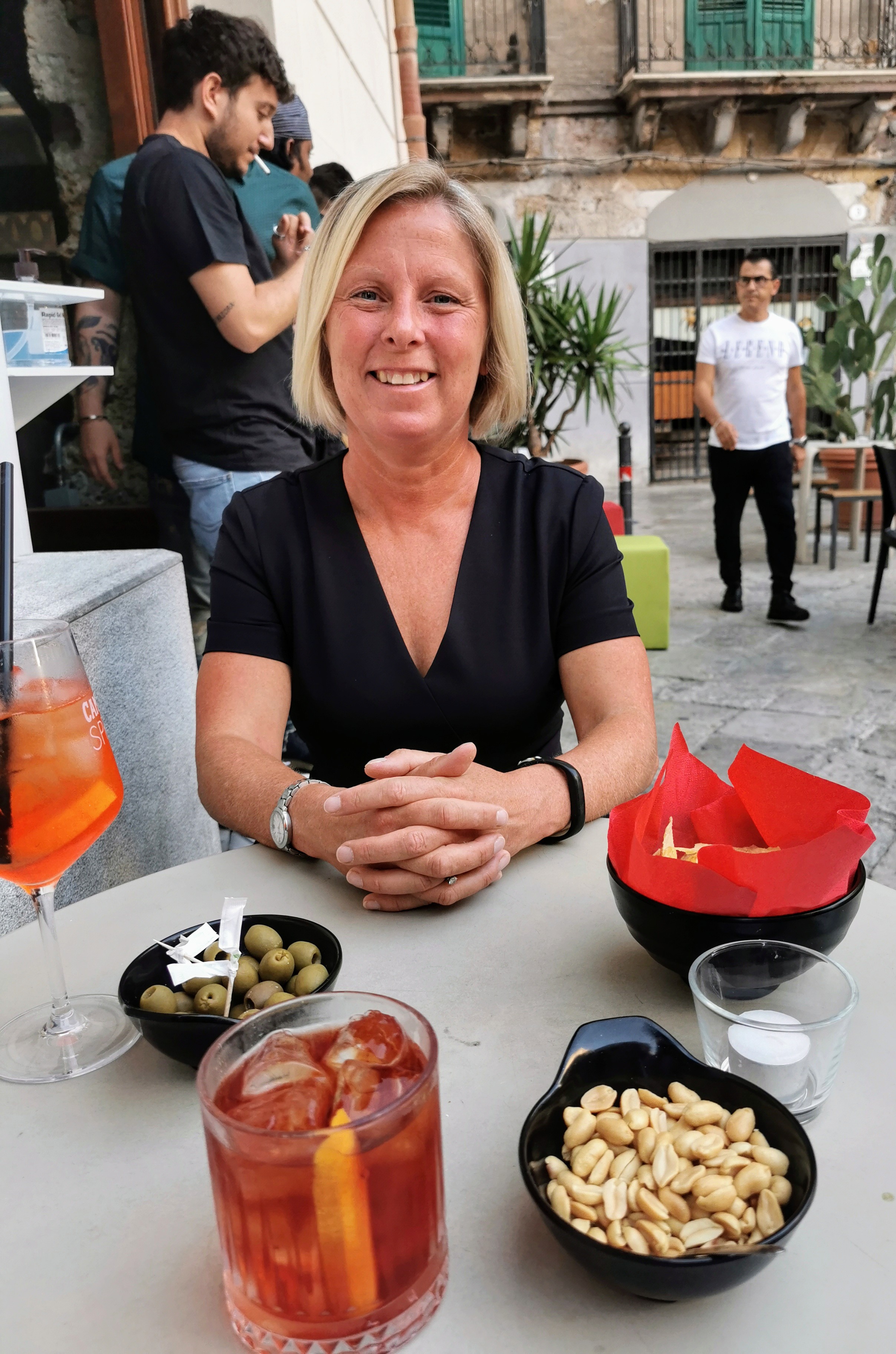
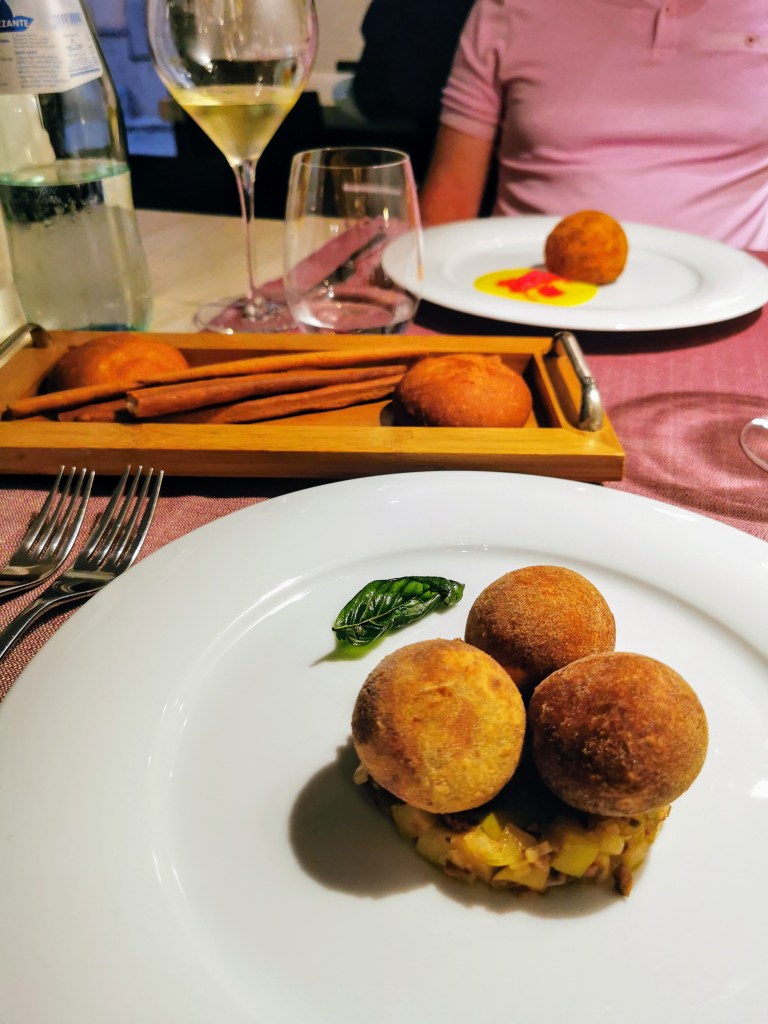
I have pretty much resigned myself to starvation rations when I get home – the deluge of snacks is impossible to resist. Crisps, nuts, olives, they just keep on coming. And then looking at restaurant menus, restricting myself to one course is also asking too much. Crispy fish balls on a bed of artichokes is a particular favourite starter, but everything is delicious, wherever we go. Make sure you try panelle, crispy fried chickpea fritters – a street food specialty. There’s also a lot of offal about, but I give that a wide birth. I have fed my dogs tripe before and there’s no way I’m going to try it. You may be braver…
So, at the end of our trip, which didn’t have the best start, we are so glad we came. The husband’s verdict: This is by far the scruffiest place I’ve been, but it has the best food and the friendliest people. That, dear reader, is a recommendation if ever I heard one. He is not the easiest person to please. There is one good thing about going home though, we think – it will be cooler. And then we get off the plane into a UK heatwave!
 Steph's Travels