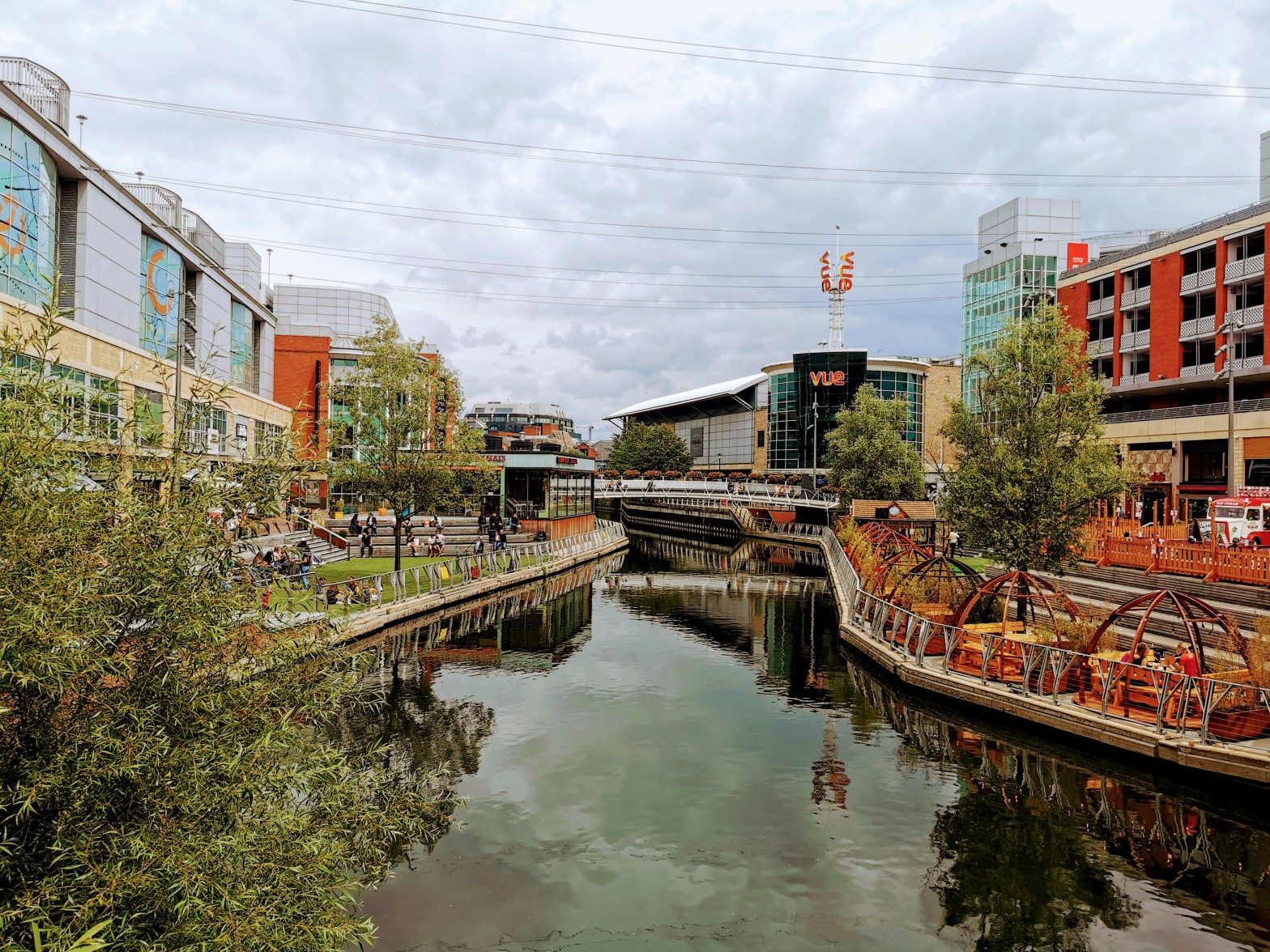
Reading is one of those under-the-radar places. It’s the county town of Berkshire and our nearest big conurbation, but we don’t seem to go there very often. It’s perfectly pleasant, just unexciting and ordinary. Unfortunately, on 20 June this year it hit the headlines for all the wrong reasons.
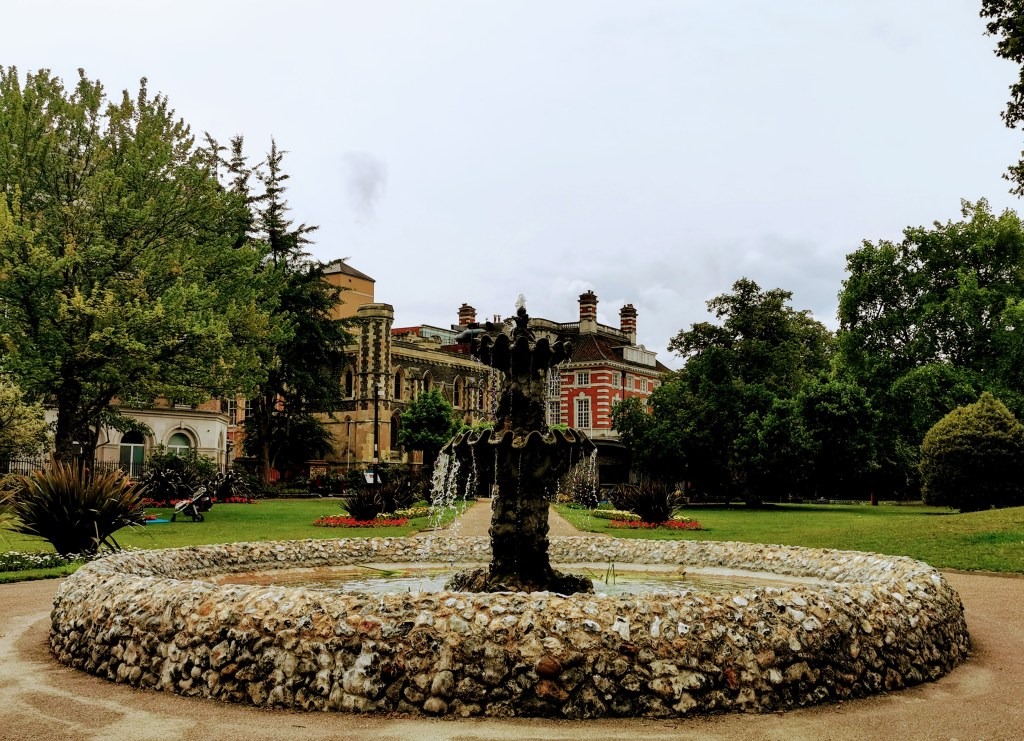
On a Friday evening in the Forbury Gardens, three friends died and three others were injured in a random and unprovoked attack. It was a shock – not the sort of thing you expect to happen in Reading. The fact that it took place as lockdown measures were easing made it seem even more unfair – those poor people were just enjoying being outdoors with friends after many weeks of isolation. It made me feel like I should go and write about some of the more positive attributes of the town.
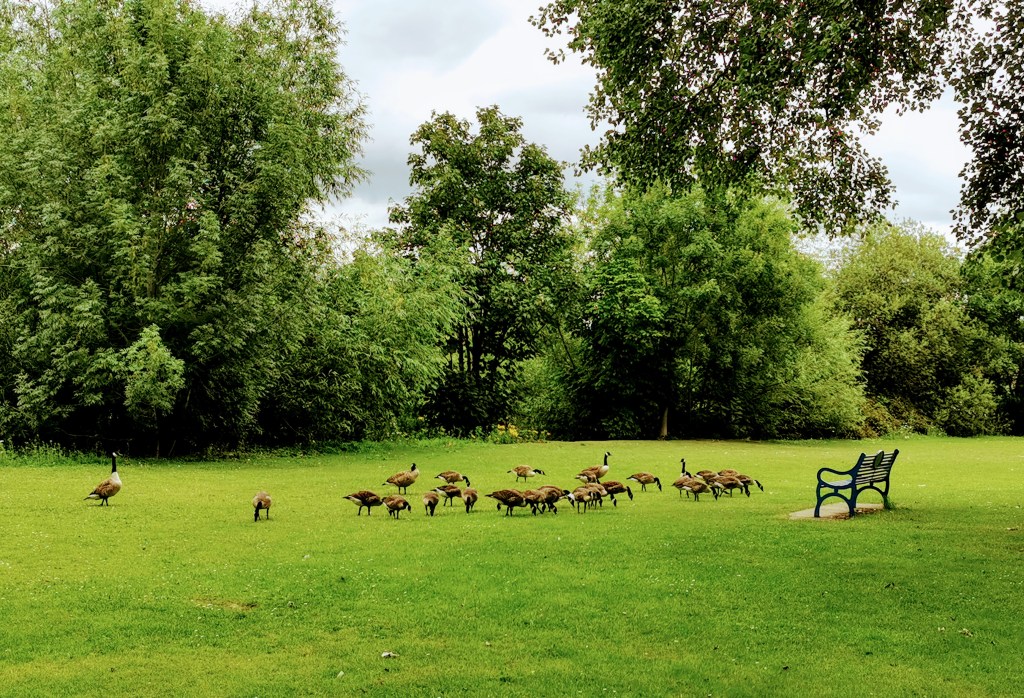
I start my walk in the King’s Meadow, a large expanse of green bordered by the Thames to the north and the city centre to the south. There are more birds here than people on this pleasant weekday afternoon, which is just the way I like it.
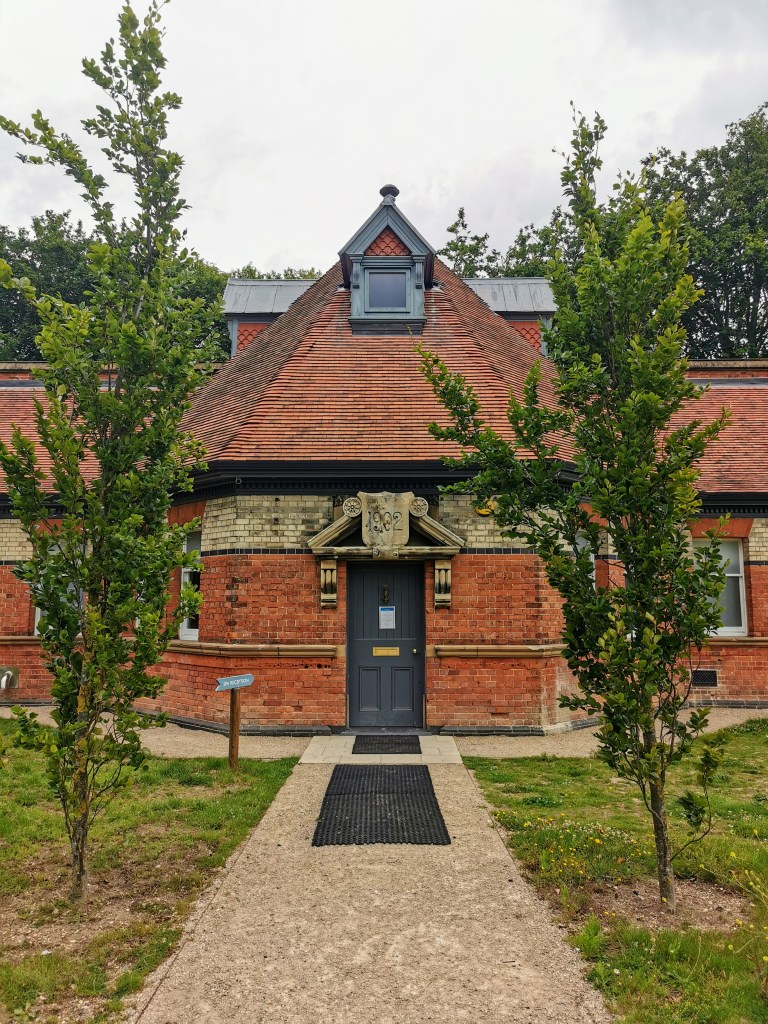
I walk past the Thames Lido, unfortunately still shut despite the loosening of lockdown. I’m keen to try this place, where you can swim and then eat tapas poolside, which is pretty much my perfect kind of afternoon. Some day soon, I hope, although the husband may not be keen – he’s the only person I know who goes backwards whilst doing front crawl.
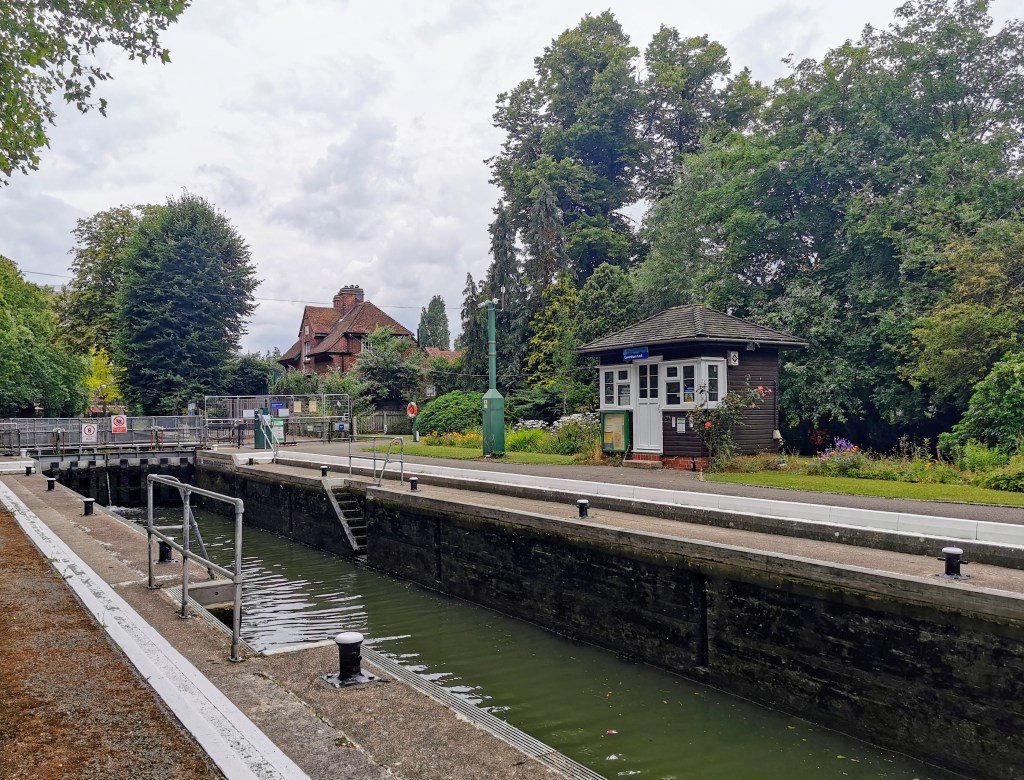
I hit the Thames Path (inevitably!) at Caversham Lock and head right along the banks towards the intersection with the River Kennet. You would hardly believe that the town is so close, there’s total tranquility apart from the boats chugging past.
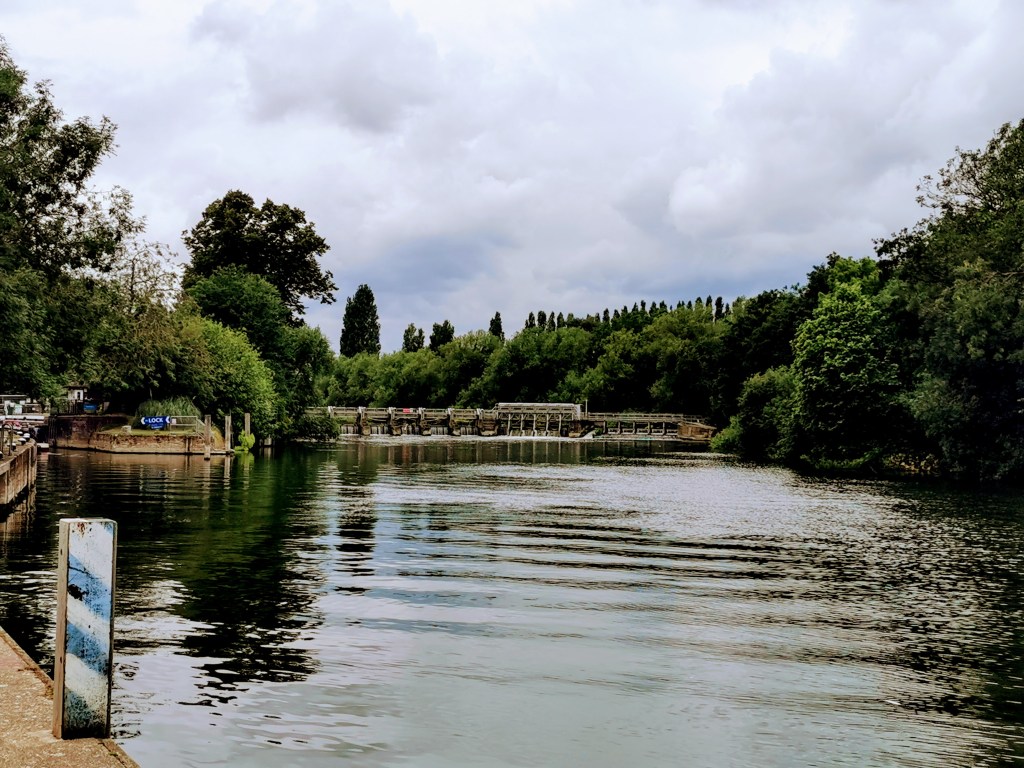
The town initially grew up as a river port due to this position at the confluence of two waterways, and there’s been a settlement here since the 8th century. Reading continued to flourish due to its location on the coaching route from London to Oxford and Bristol, and later on the Great Western Railway.
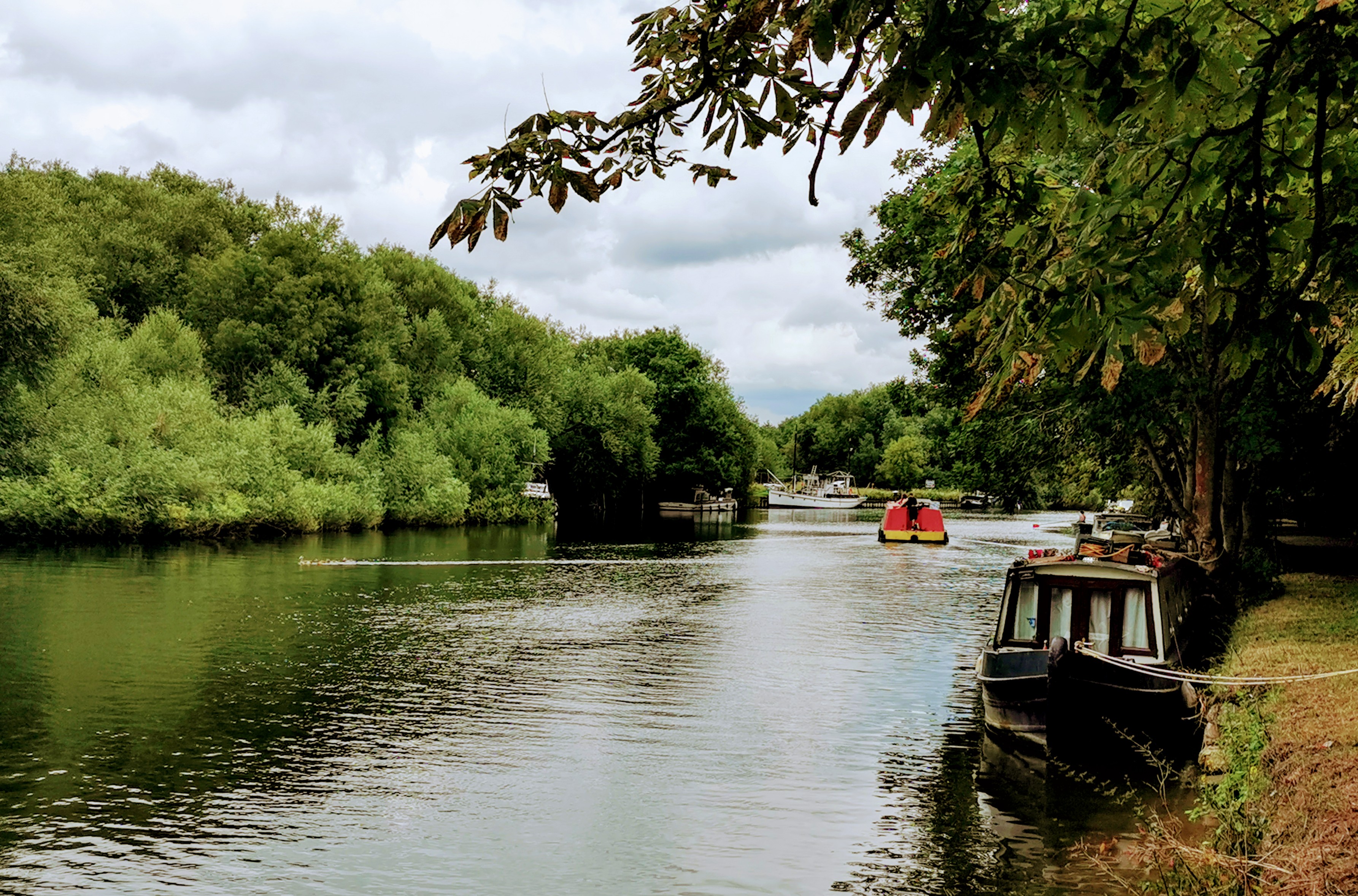
Some of the boats look like they don’t move very far at all, they’ve just taken root here on the edge of the Thames. There are definitely worse places to live.
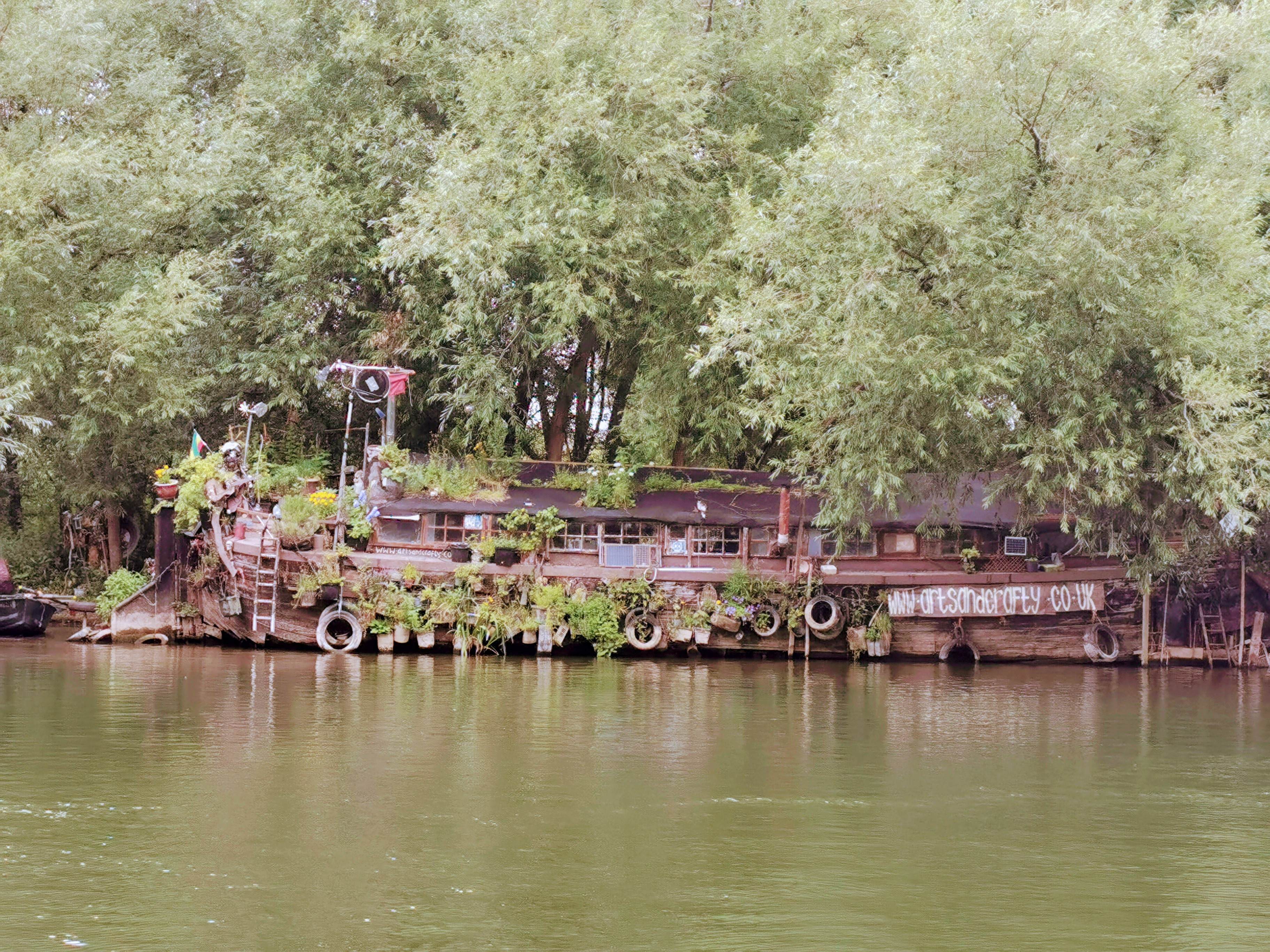
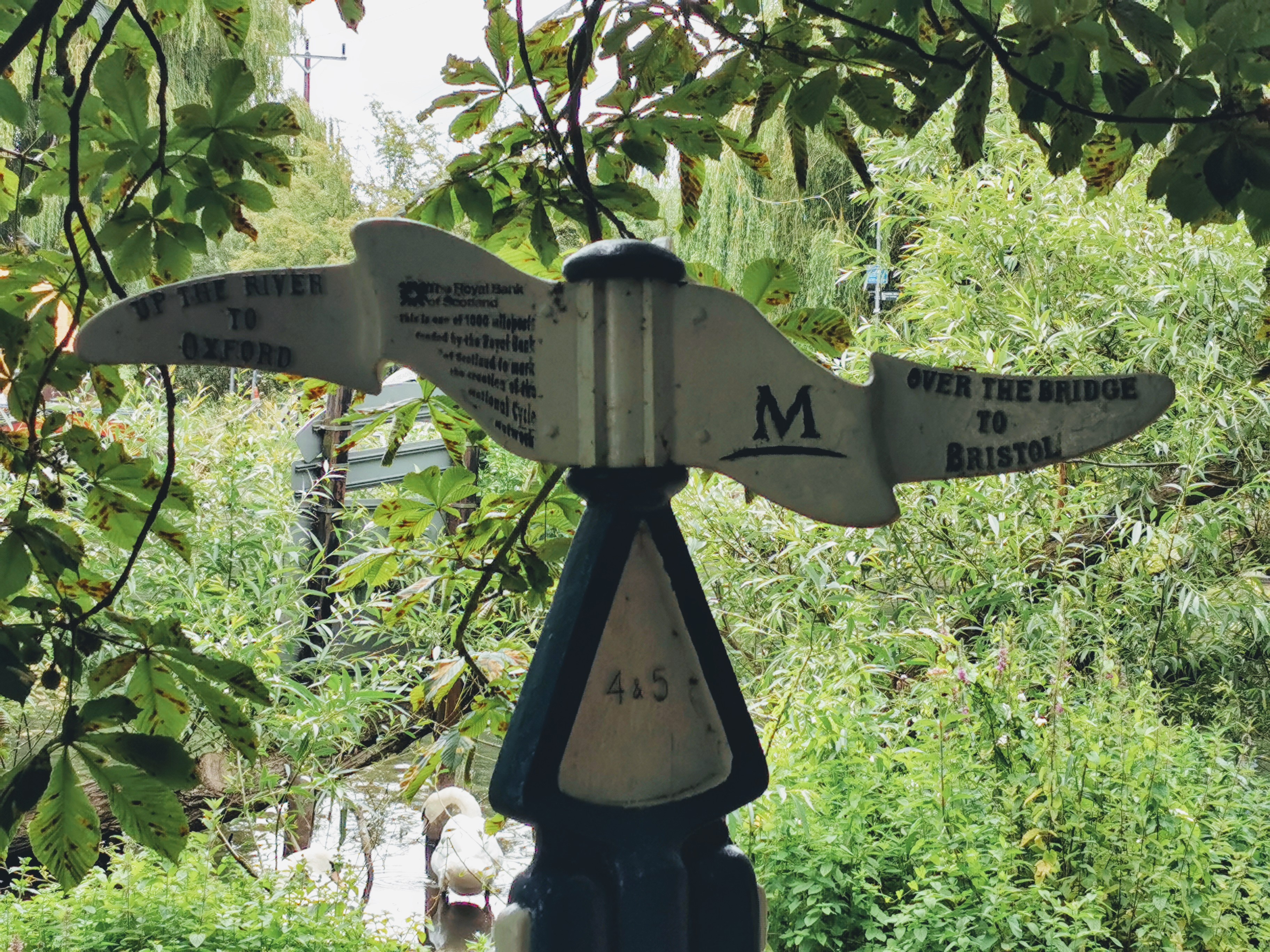
As I turn right to head along the River Kennet, a sign informs me I’m on my way to Bristol, which immediately makes this pathway seem more exciting. In theory, I could just keep walking until I get there…but it’s 70 miles away. Perhaps not.
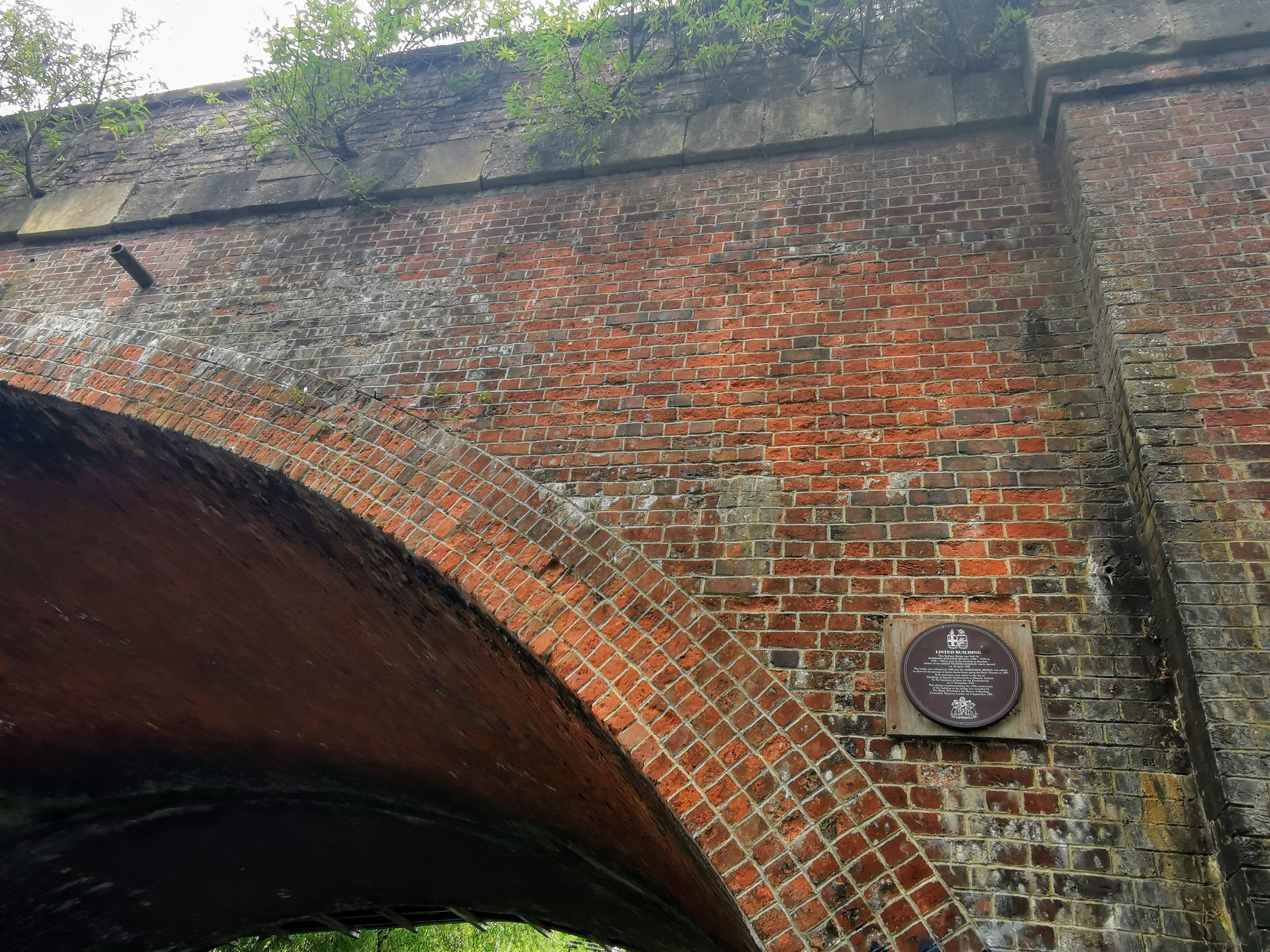
Walking along the Kennet now, I pass underneath one of Isembard Kingdom Brunel’s railway bridges, duly marked with a plaque.
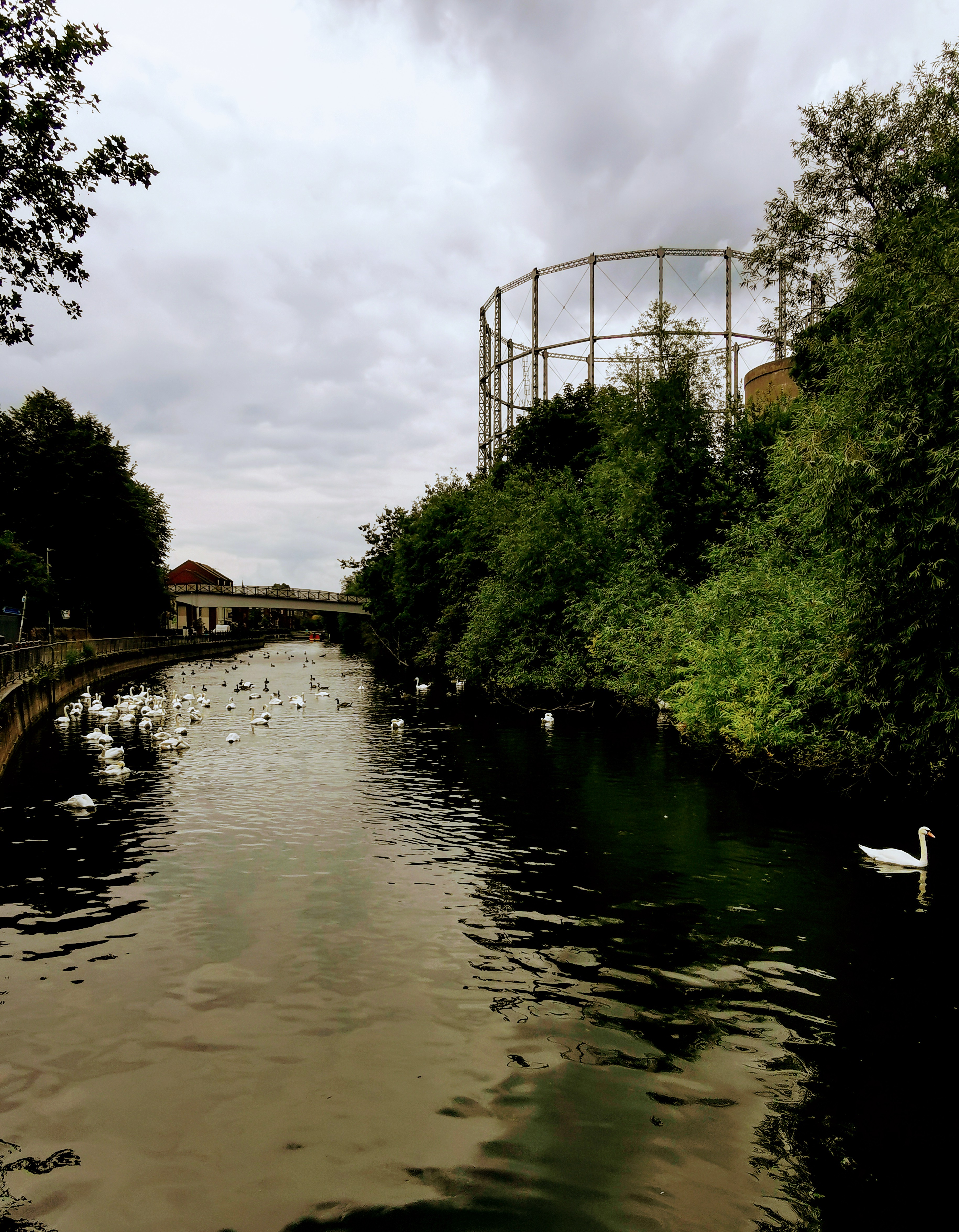
The landscape is more industrial here as I head towards the centre of town but there’s still plentiful bird life here. The Kennet was known for its mills, but is also a biodiversity site due to its chalky riverbed.
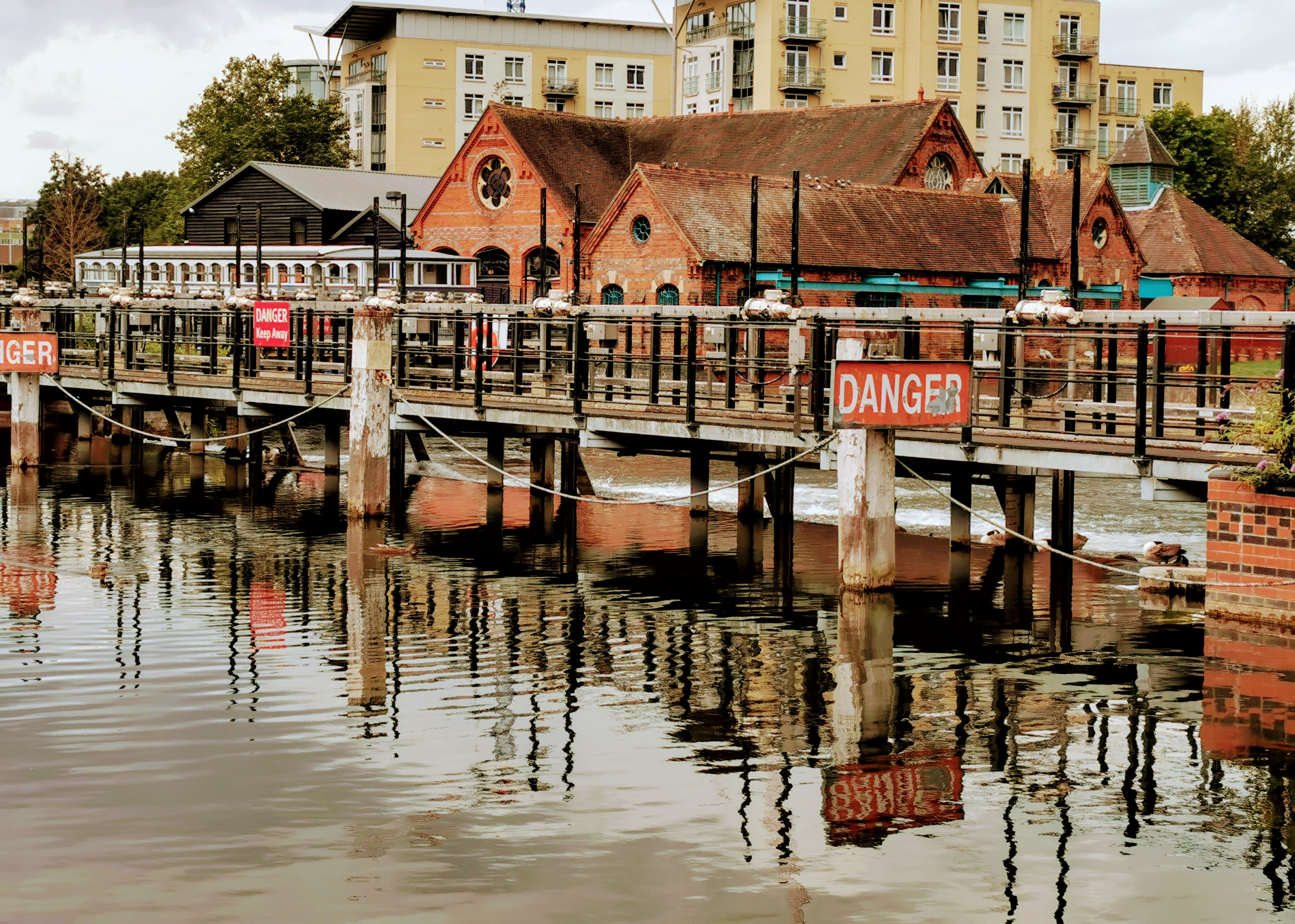
I walk past the Reading Riverside Museum at Blake’s Lock. Housed in two old waterworks buildings, it tells the story of Reading’s two rivers. Unfortunately it’s yet to open after the coronavirus lockdown so I can’t expand my river knowledge today, shucks!
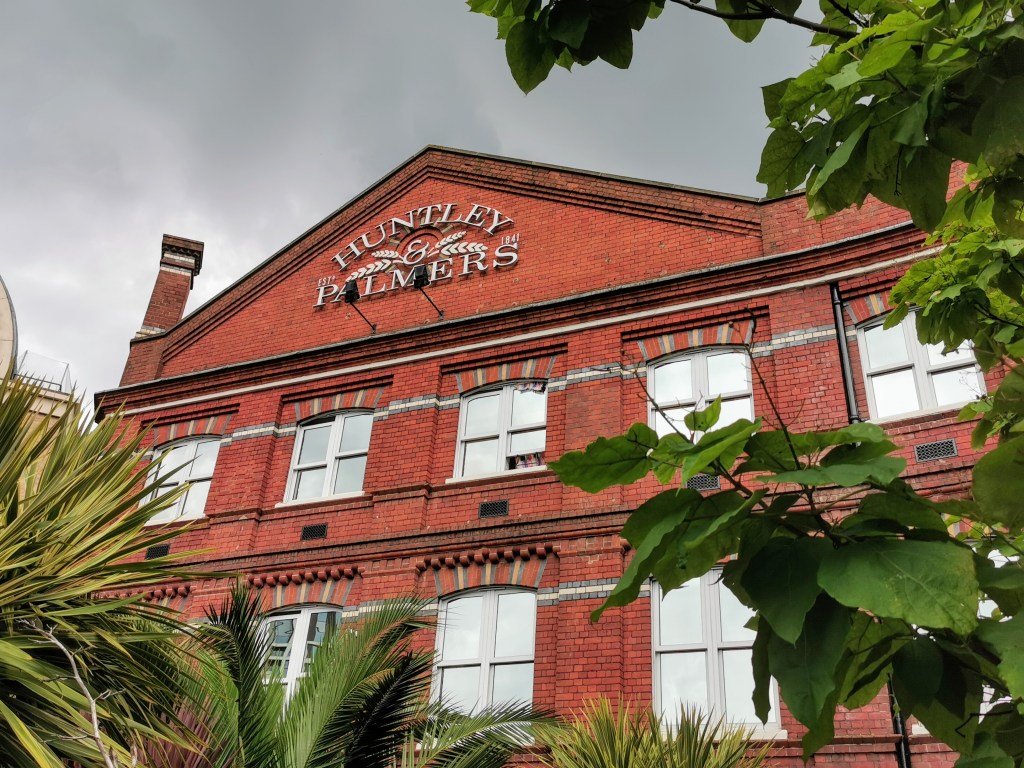
The Huntley and Palmer building on the riverside is all that remains of what was the largest biscuit making factory in the world. In 1822 Joseph Huntley started selling biscuits to travellers on the stages coaches that stopped in Reading en route to London or the West Country. His company grew into one of the first global brands, and led to Reading being known as Biscuit Town. I’m not sure that’s a selling point, unless you really like biscuits!
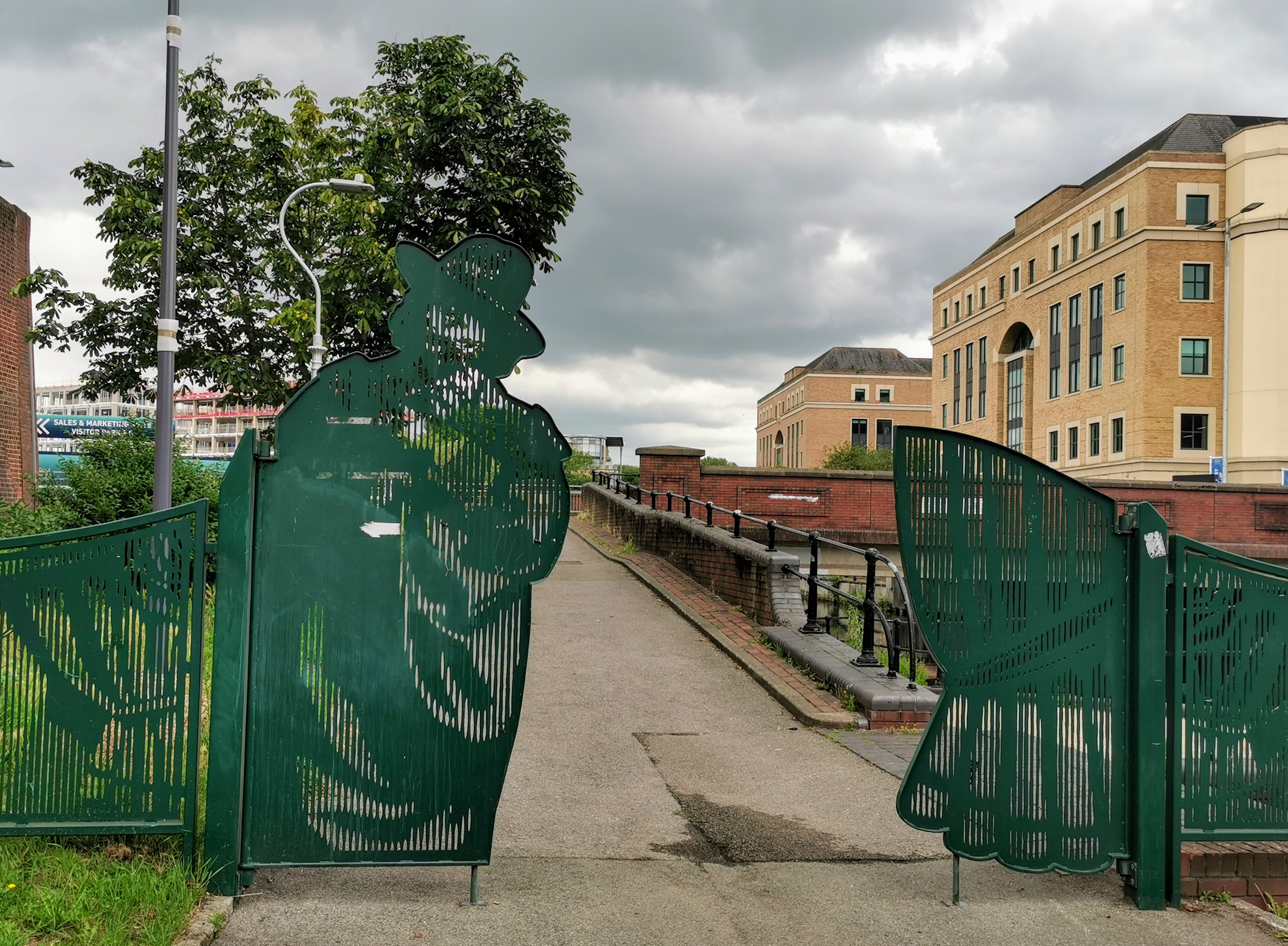
Another of Reading’s claims to fame, albeit not exactly favourable, is the fact that Oscar Wilde was imprisoned here in 1895 for the crime of gross indecency, and wrote The Ballad of Reading Goal about his dreadful experiences. A walkway alongside the Kennet is dedicated to his memory, although I’m not sure he would be much mollified by this.
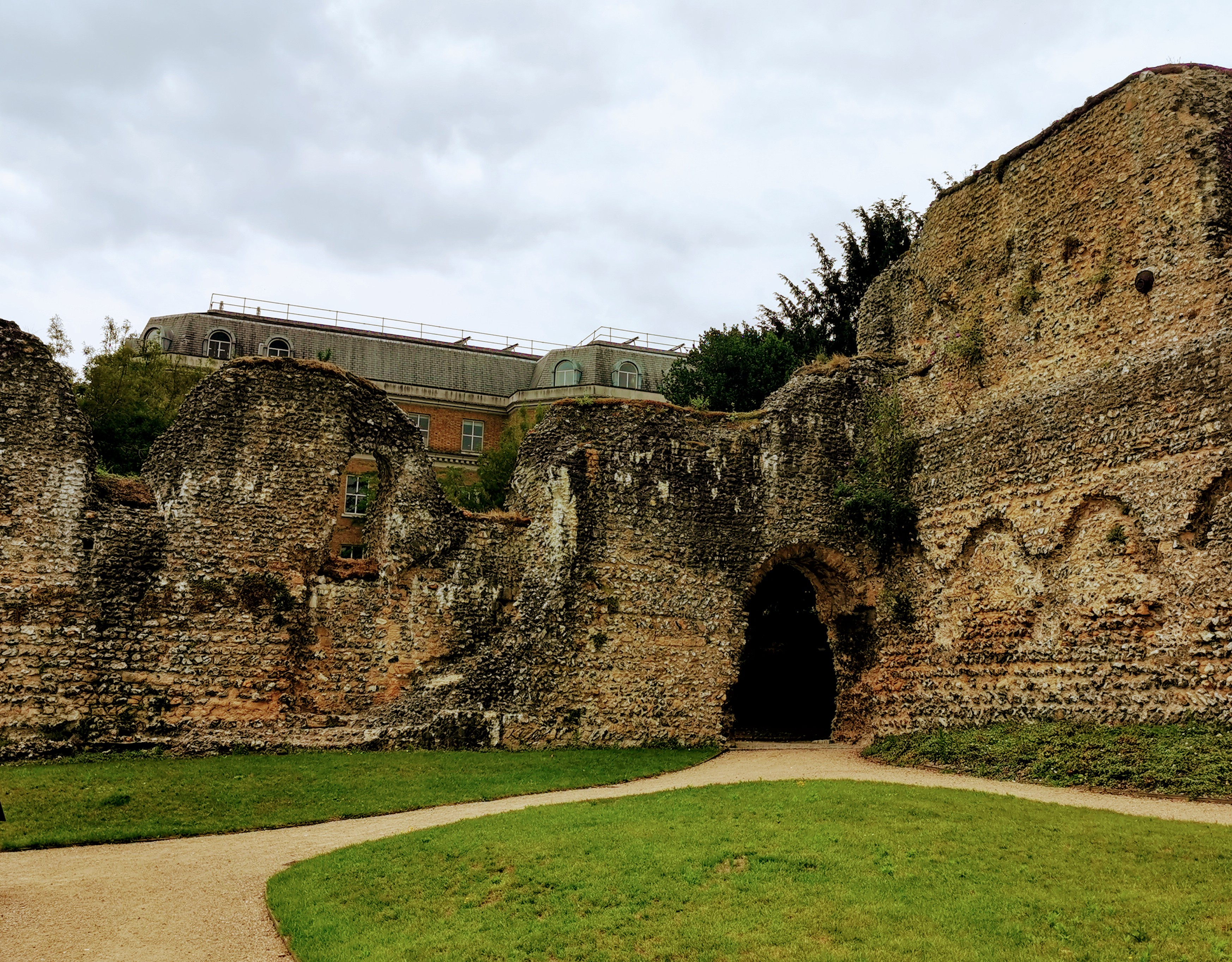
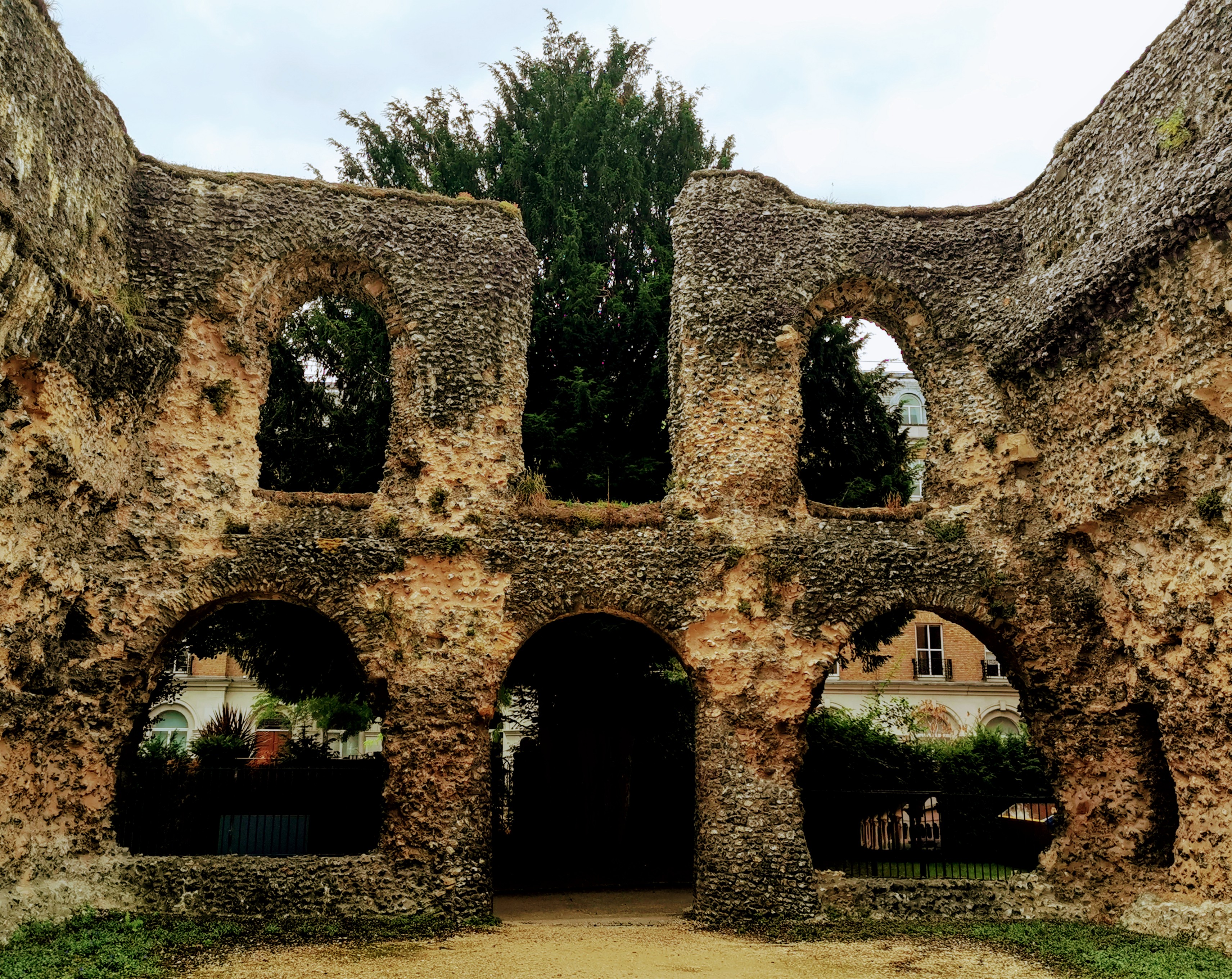
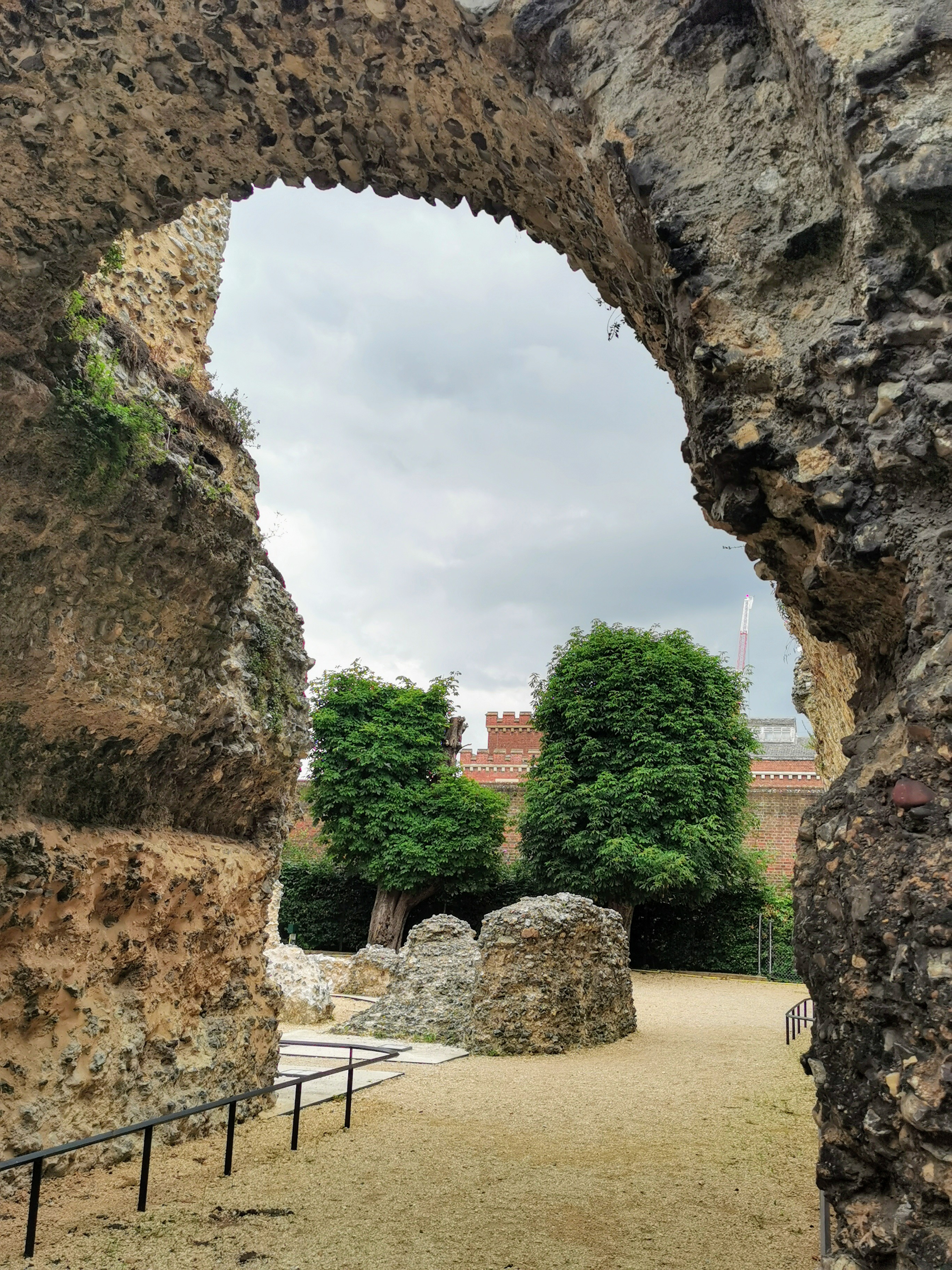
The walkway leads to the entrance of Reading Abbey, founded in 1121 by Henry I. It’s ruined now, but in medieval times it was one of the richest religious houses in England, and an important pilgrimage site. Then along came Henry VIII (yes, him again!) with his Dissolution of the Monasteries. In 1538 the Abbey was mostly destroyed and the poor abbot was hung, drawn and quartered in the grounds. As for the riches, Henry took them, of course. The Abbey was renovated and opened to the public in 2018, and this is my first visit. It’s quite impressive, even after all those years of decay.
Behind the Abbey, you can see glimpses of the old prison, which closed in 2014. Its fate is still to be decided, but I fear it may end up in the hands of the developers.
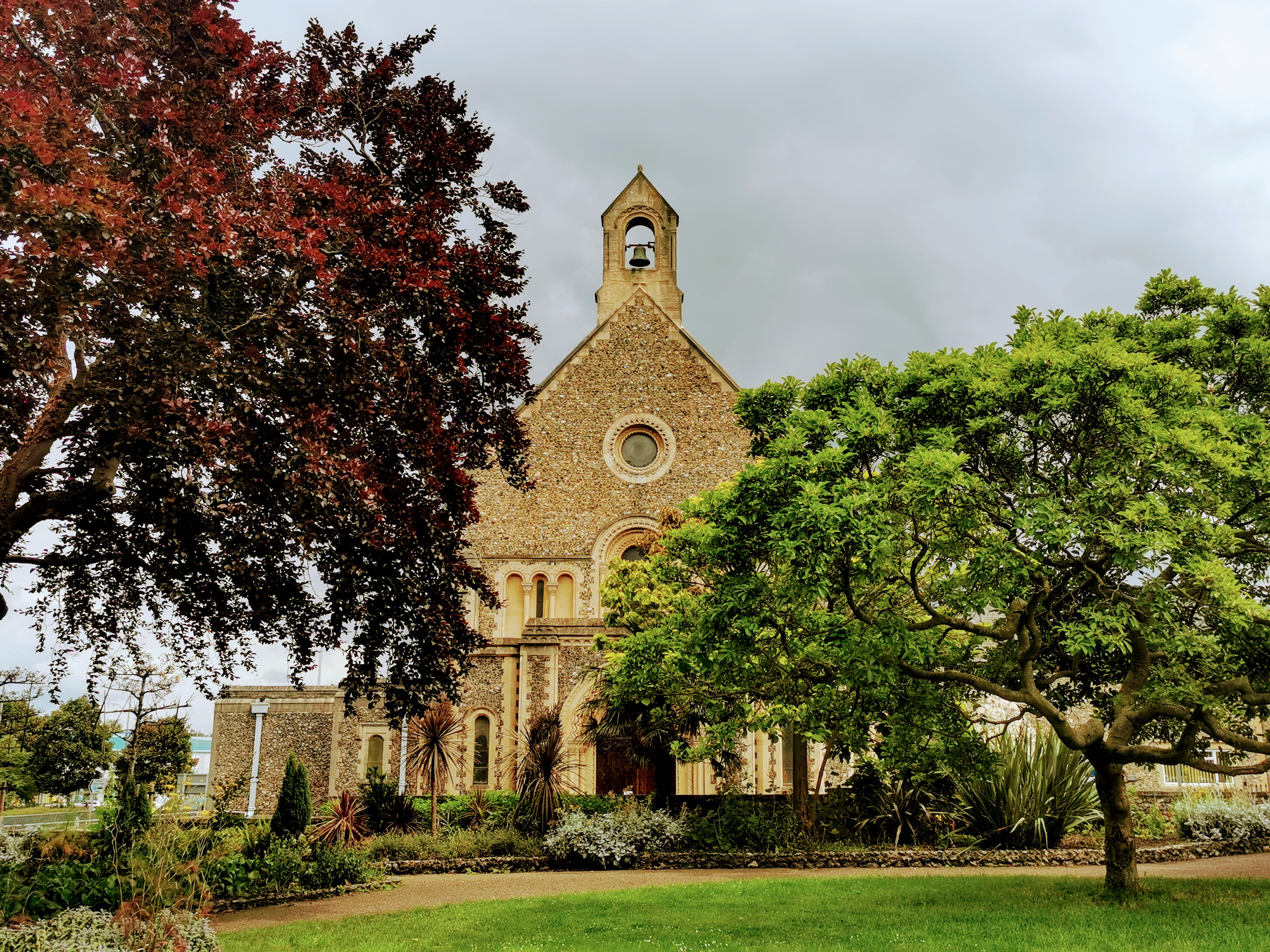
I emerge from the Abbey into the Forbury Gardens, where I admire the facade of St James’s Church, built from stones taken from the Abbey ruins.
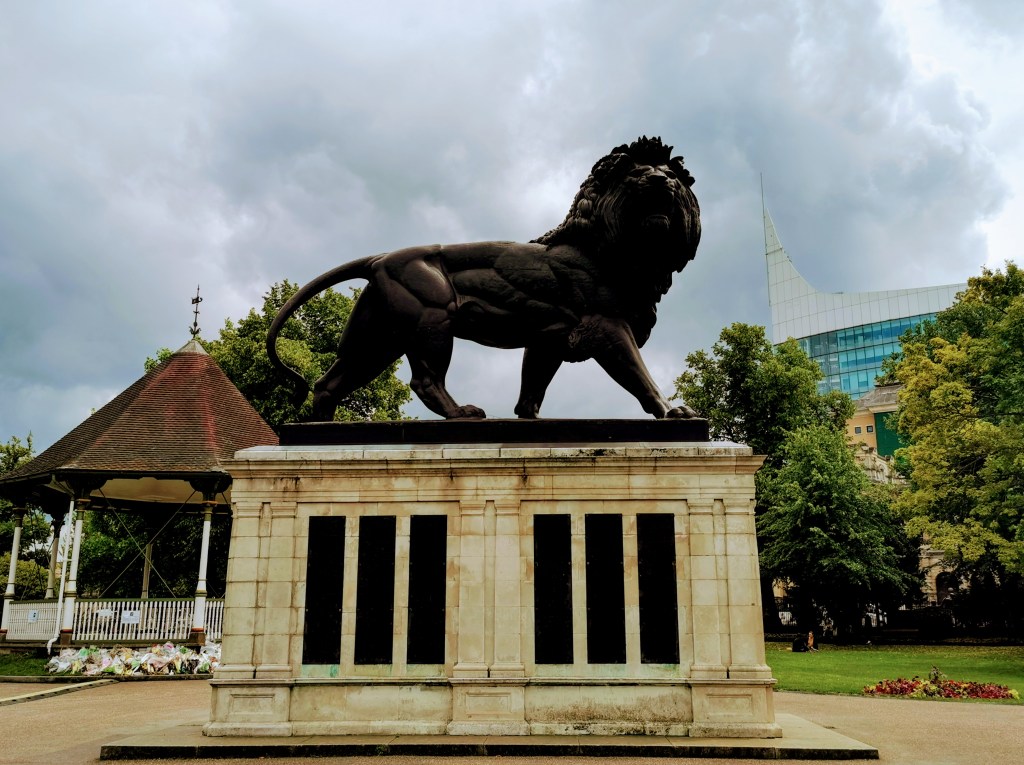
The Maiwand Lion stands in the centre of the Gardens, and has become an unofficial symbol of Reading. It was erected in 1886 as a memorial to local soldiers killed in Afghanistan. In the photo below you can see floral tributes to those killed in the recent terrorist incident, placed around the bandstand.
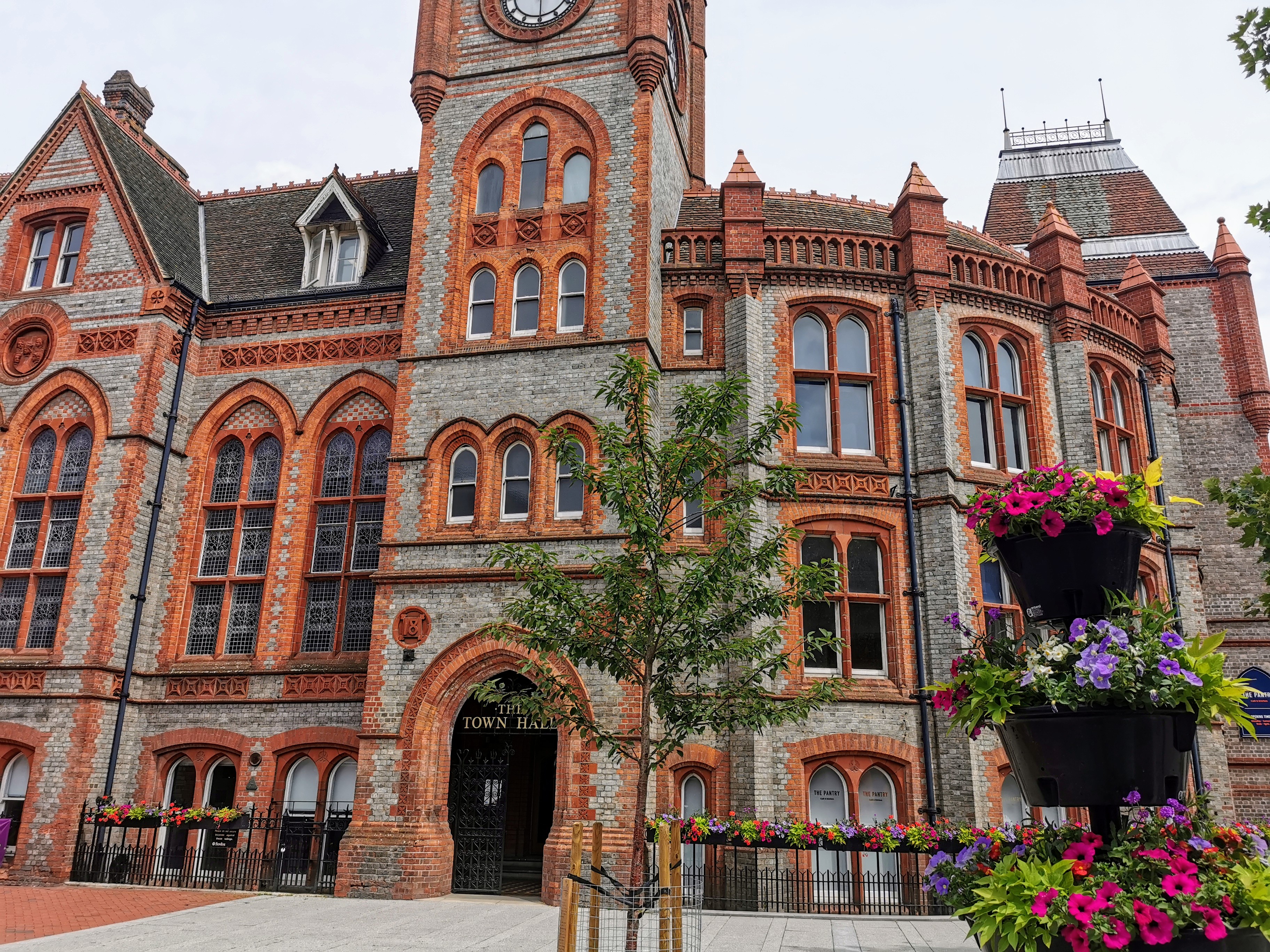
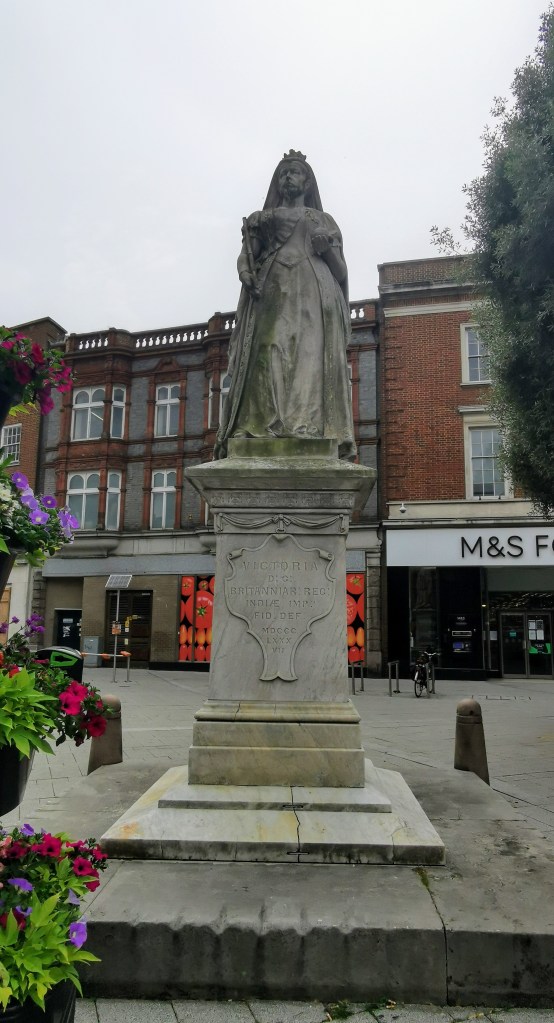
My last port of call in the city is the Town Hall Square, where Queen Victoria stares sternly towards the ornate Town Hall buildings. Out of interest, I google how many statues of Queen Victoria there are in the UK. Apparently only 80, but it seems like she is everywhere, gloomily overseeing our town and city centres. Why do statues never have smiling faces, I wonder?
So what have I discovered here in Reading today? Like most places in the UK, there’s lots to enjoy if you scratch below the surface – lots of history, green spaces, quirky facts. Reading is still not, I fear, the most exciting place to visit, but there’s plenty here to while away a few hours if you get off the beaten track.
 Steph's Travels