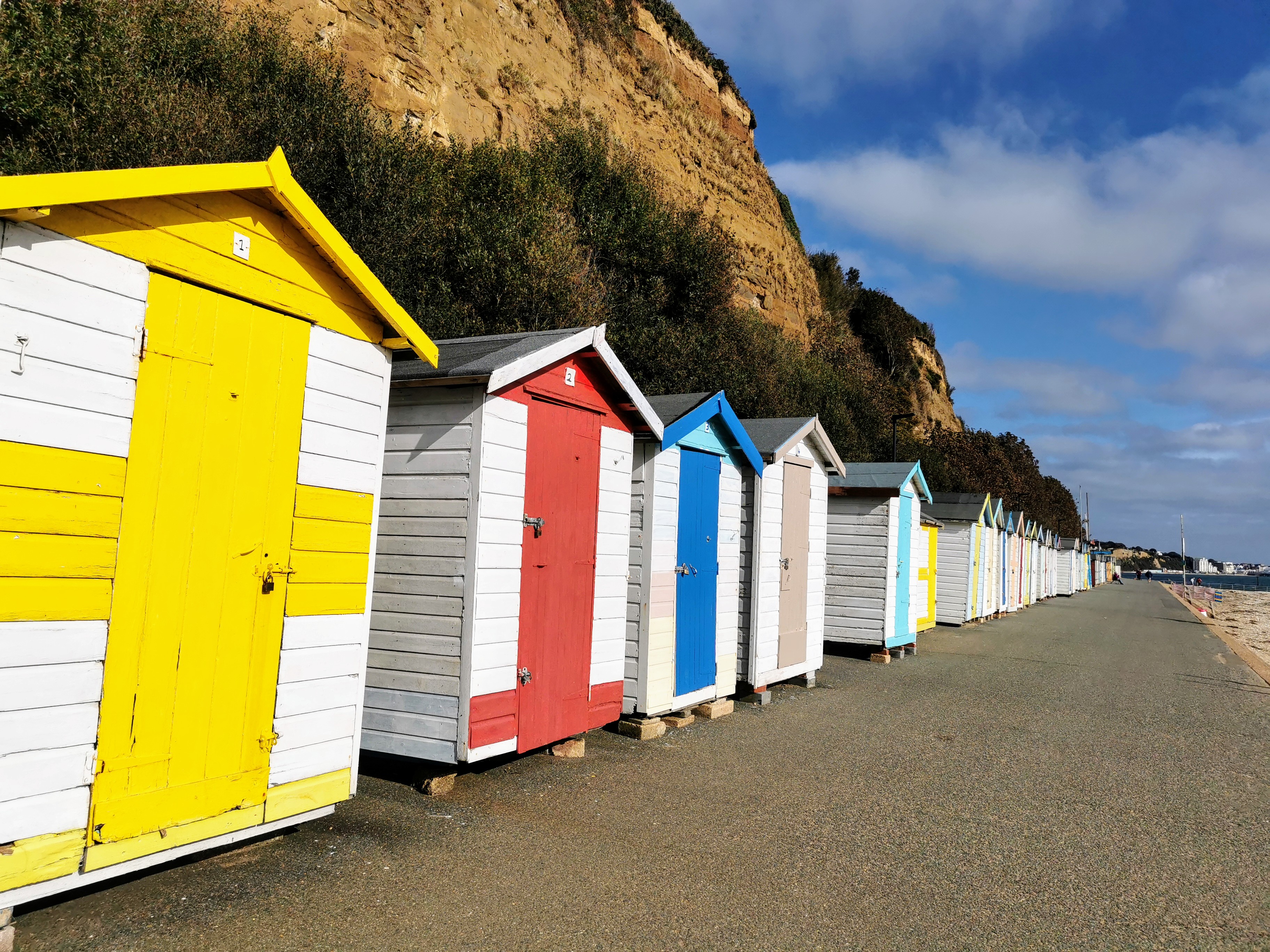
The Coastal Path is calling me. I love the romance of setting off on a long walk and not knowing what you’ll encounter along the way. As Bilbo Baggins said, it’s a dangerous business going out your door, you never know where you’ll be swept off to. But I doubt we’ll hit much danger today, just a few miles down the coast from Shanklin is the resort town of Sandown. So off we go, following the line of colourful beach huts along the water.
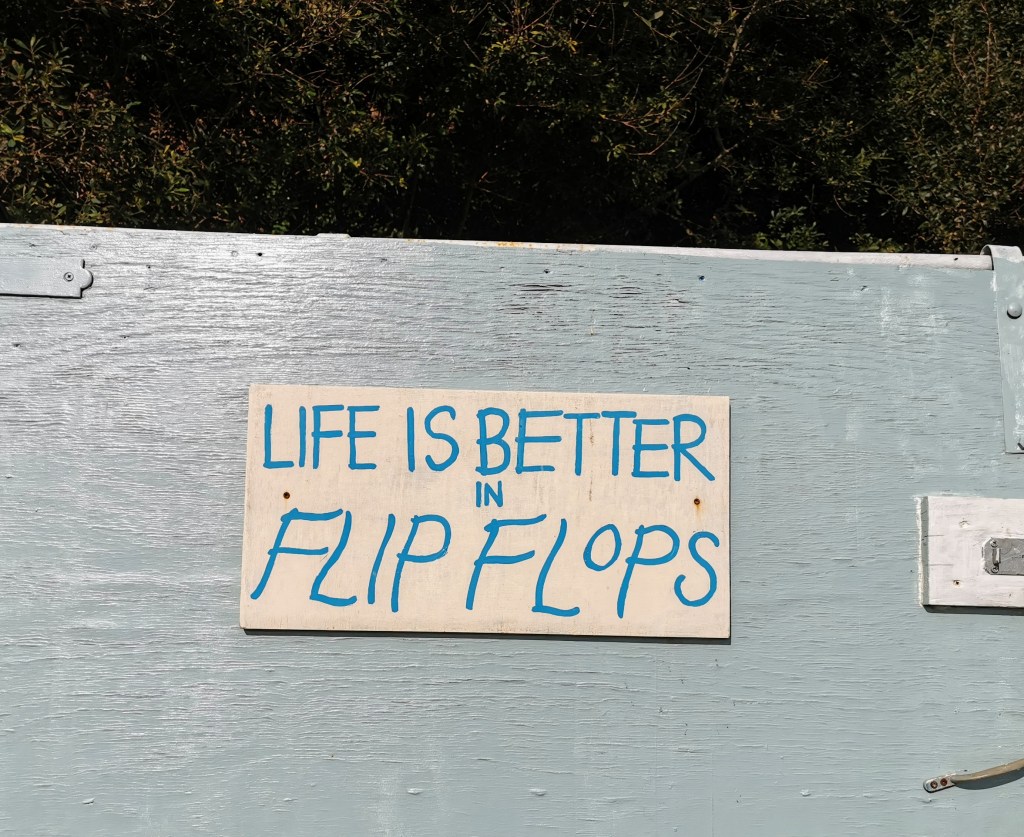
It’s another lovely day here on the Isle of Wight, but it’s late September and this is England, so a bit of wrapping up is required. Generally speaking, I agree with the sentiment we spot on a nearby gate, but trainers are the order of the day right now. No-one likes having cold toes!
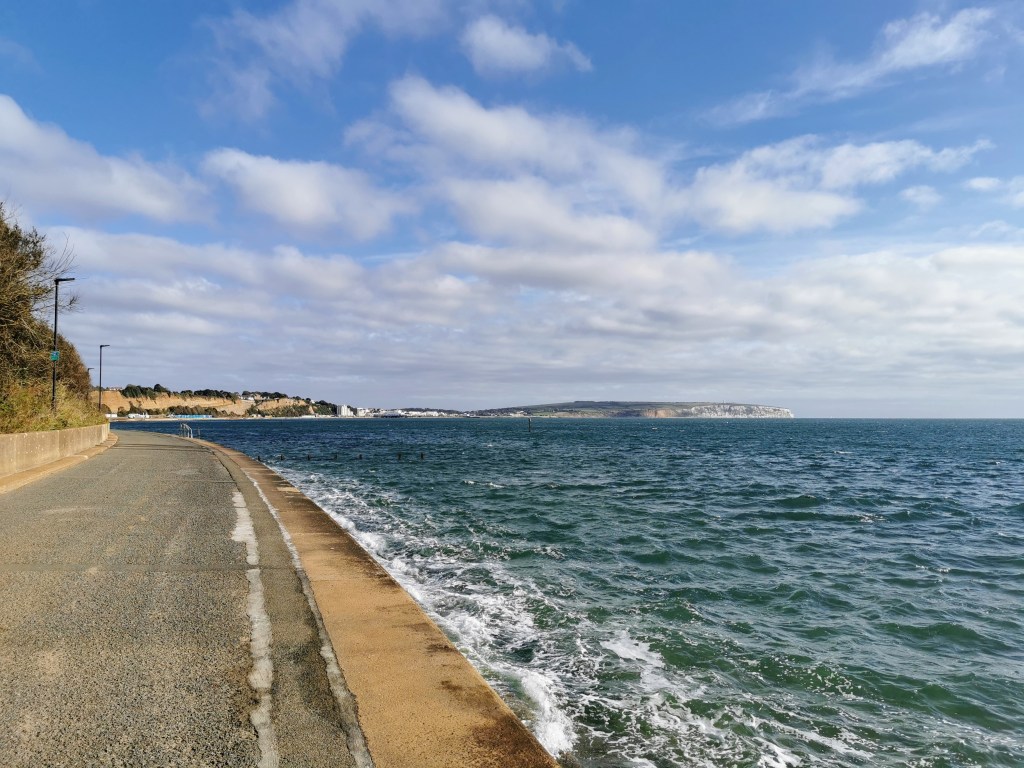
Unfortunately the tide is well and truly in this morning, and the water looks pretty rough, so no beach time for doggies. It’s a great waterside walk though, taking about an hour with stunning vistas in either direction. There are only a few other people on the route, so we assume everyone else is playing mini golf again!
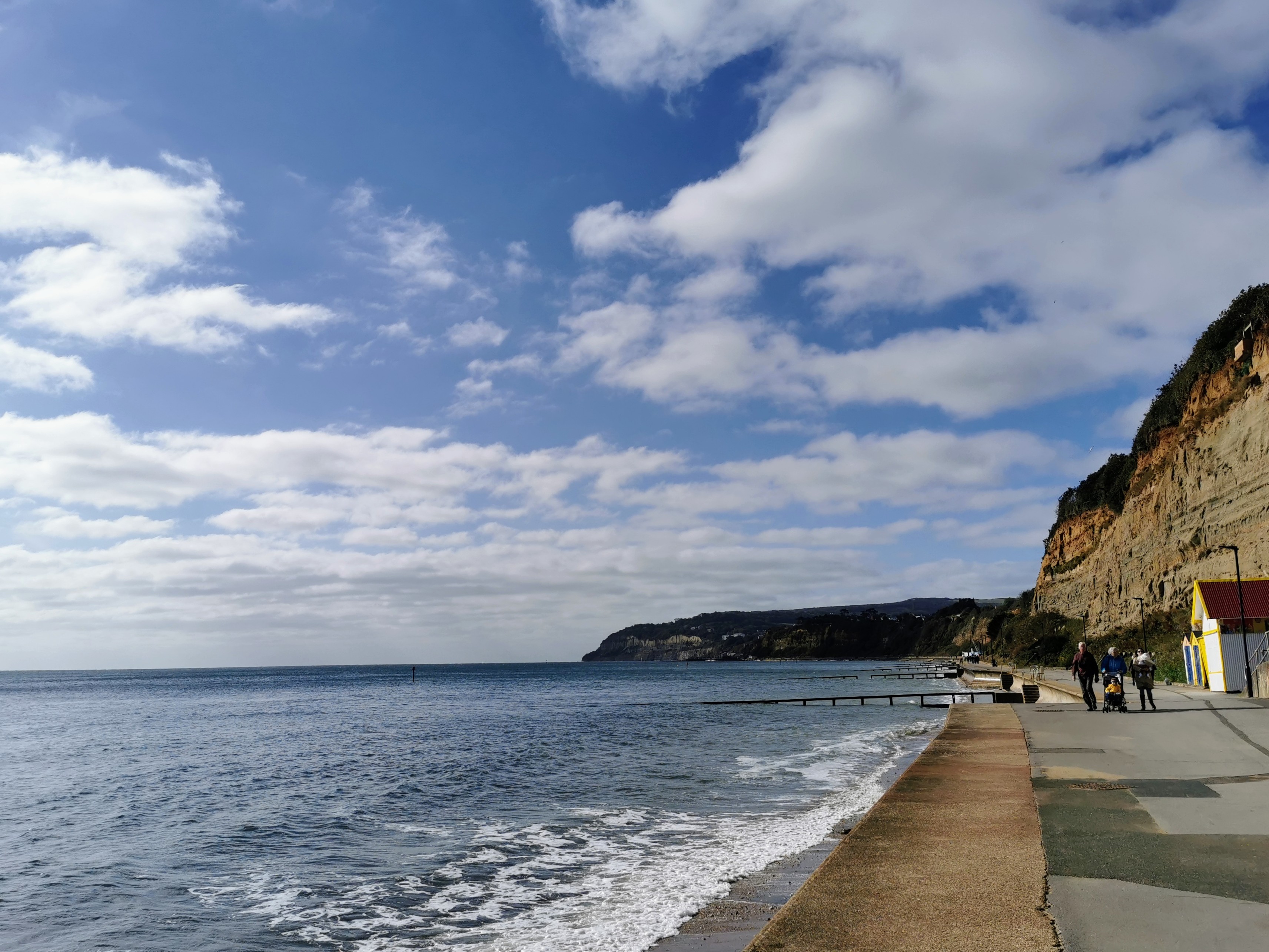
Sandown itself, hmmm, how shall I put it? It’s seen better days I’m afraid. You can see why the Victorians chose it as a holiday spot – Sandown Bay has one of the longest unbroken stretches of beach in the whole country, backed by chalk cliffs. It was fortified for many years before being developed as a resort, as the swathes of sand were considered an easy landing place for hostile invaders. Once all the tourists arrived I suppose the threat receded – who would dare come between the Brits and their hols?
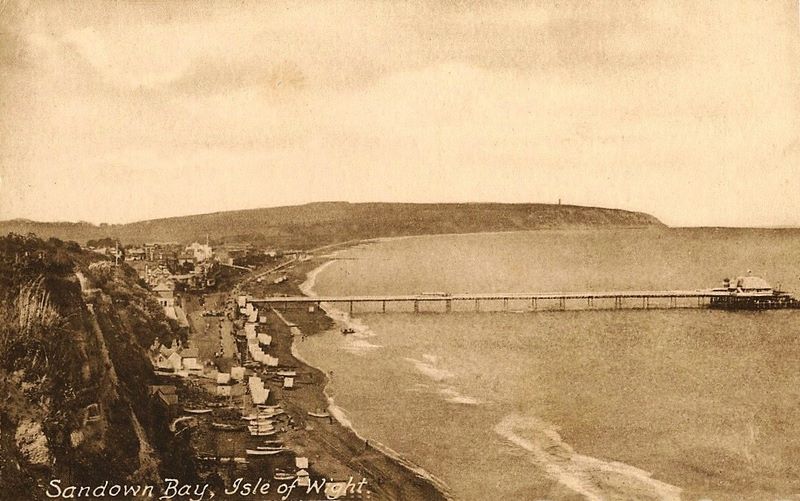
The safe bathing, Royal patronage and opening of Sandown Pier meant that the town became increasingly popular in the second half of the 19th century. Writers George Elliott and Lewis Carroll spent their holidays here along with crowds of less illustrious Victorians. We have a wander around, but alas, things are looking decidedly shabby now. Maybe it’s down to coronavirus and end of the season combined, but there are many empty shopfronts and derelict buildings. The husband announces loudly that the high street is the most depressing he’s ever seen. Not for the first time, I marvel that he doesn’t get punched.
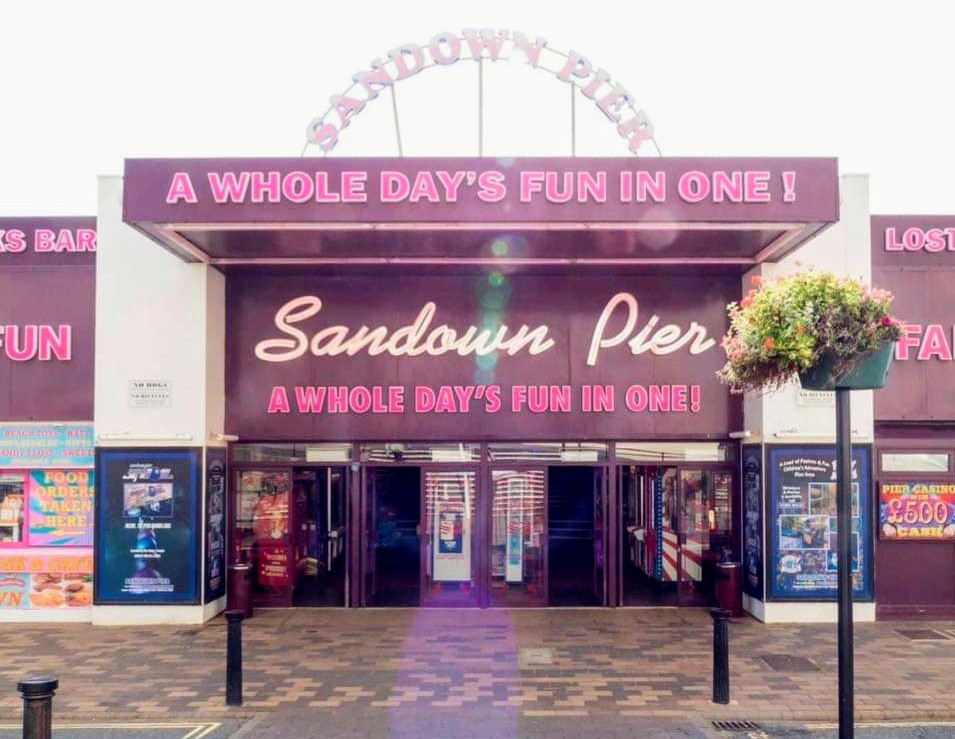
Back on the seafront things are a bit more lively, although the pier looks deserted. Back in 1876 it put Sandown on the map with Victorian holidaymakers. Cilla Black, Jimmy Tarbuck, Petula Clark and Tommy Cooper all performed here in more recent times when it was a hot spot on the seaside circuit. Now it’s just crazy golf and amusements like everywhere else. What a shame! Locals agree with me – many feel that the island’s entertainment scene never recovered from the closure of the pier theatre.
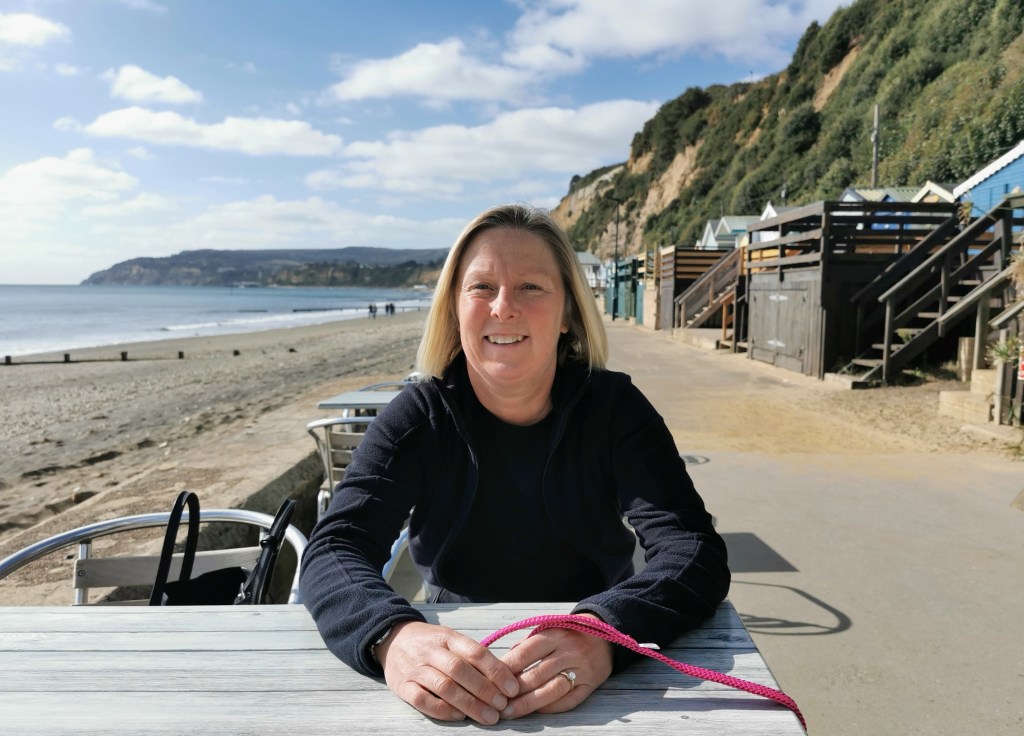
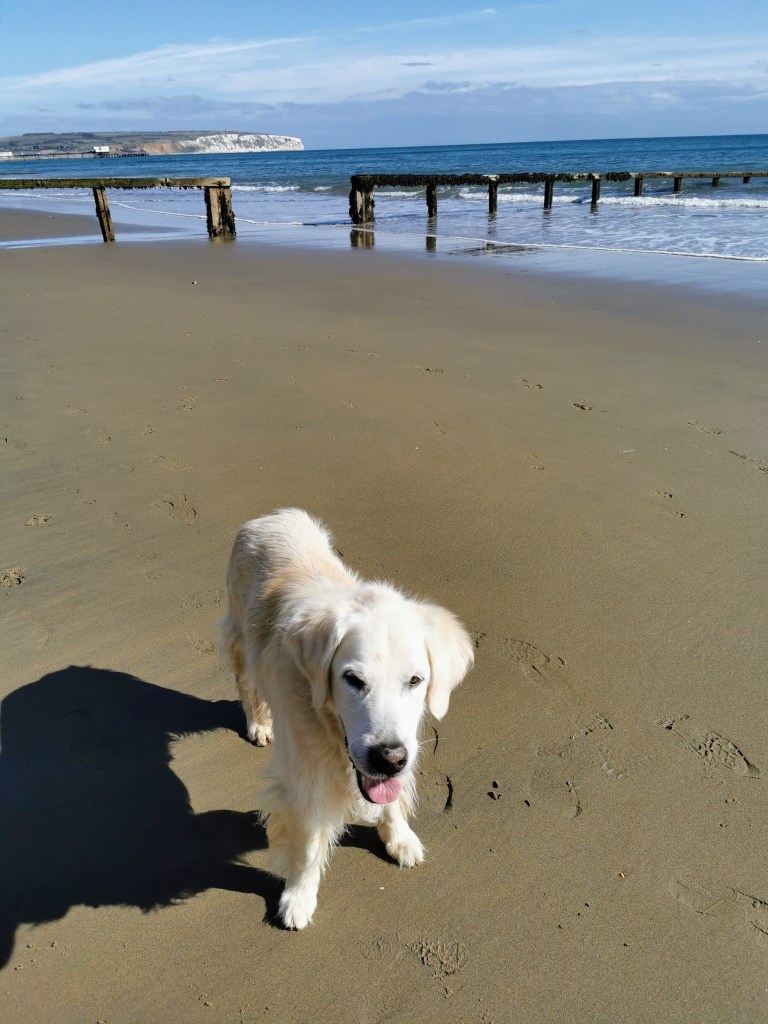
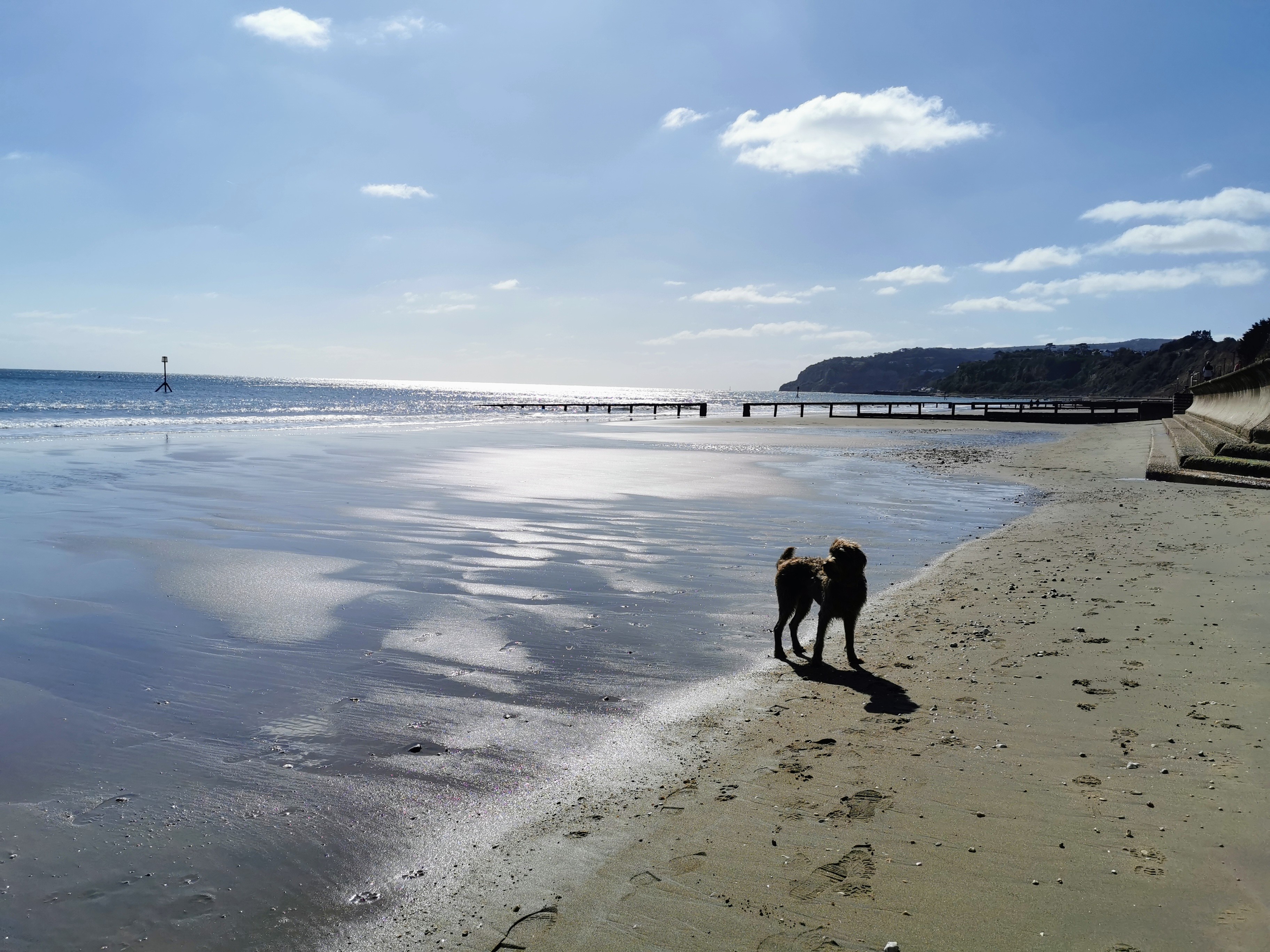
The Beach Shack is a great spot for drinks overlooking the sand whether it’s coffee or wine you’re after (no prizes for guessing which I’m having), and the menu looks interesting too with lots of fresh seafood. Reading menus at any time of day is a hobby of mine, you just never know when hunger will strike and you need to be prepared. Unfortunately I’m not eating now, the tide’s gone out so it’s time for some doggie fun on the beach as we make our way back to Shanklin.
We’ve explored our immediate surroundings, so we decide to get in the car and go further afield. Easy, you may think, it’s a small island after all. But it also has narrow, windy roads, meaning that you get nowhere fast. Just relax and go with the flow, I tell the husband, but he’s still in M4 commuter mode! Let’s just say there’s a bit of colourful language as he gets stuck behind tootling locals and tractors.
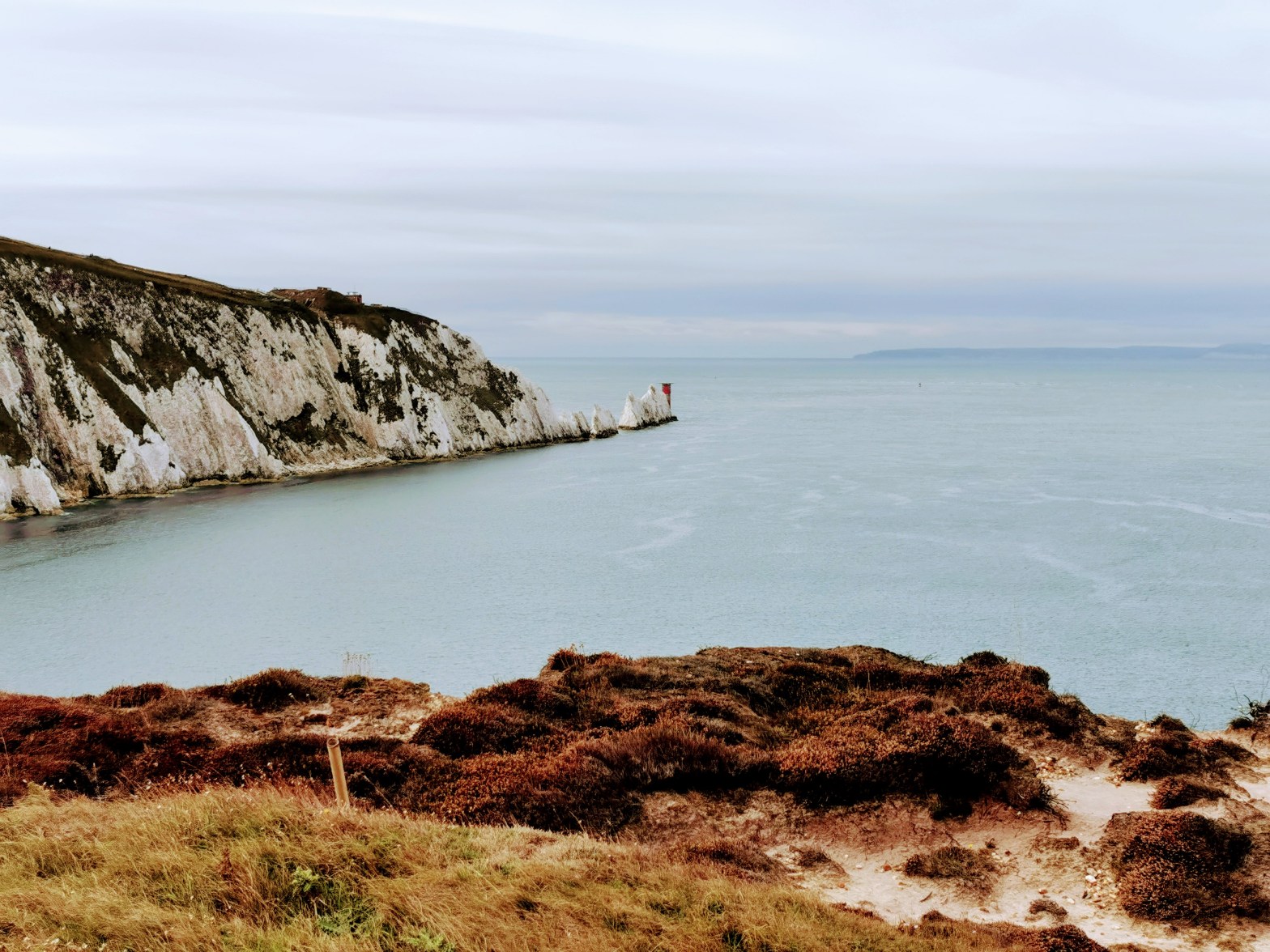
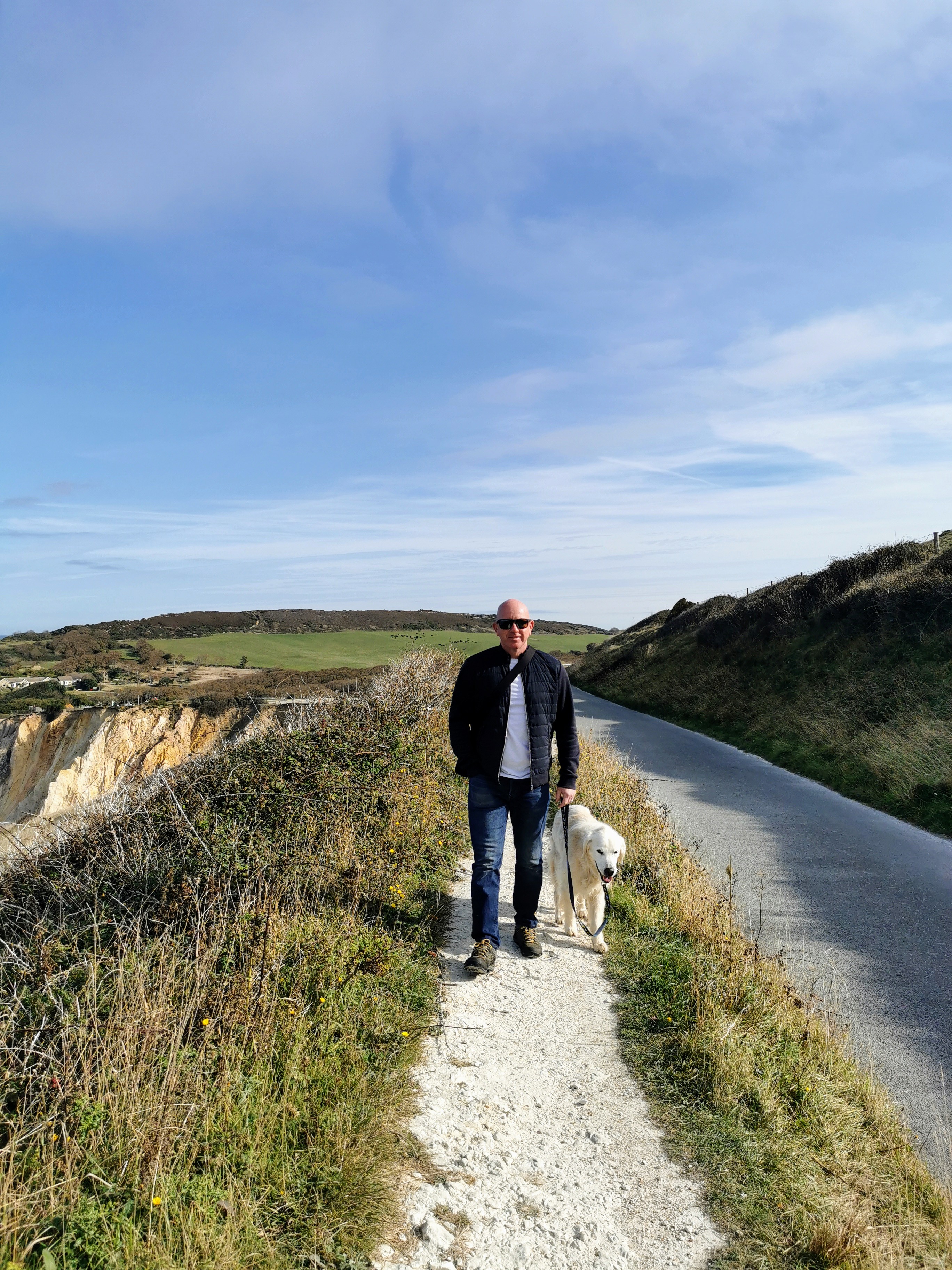
First we head to The Needles. Of course we do, this is by far the most celebrated attraction on the island. Three chalk stacks rising 30 metres out of the sea – only in England would they form the basis of a pleasure park featuring dinosaurs and a miniature erupting volcano. The husband looks bemused but it seems to appeal to most visitors. We head in the opposite direction, along a footpath towards the end of the cliffs.
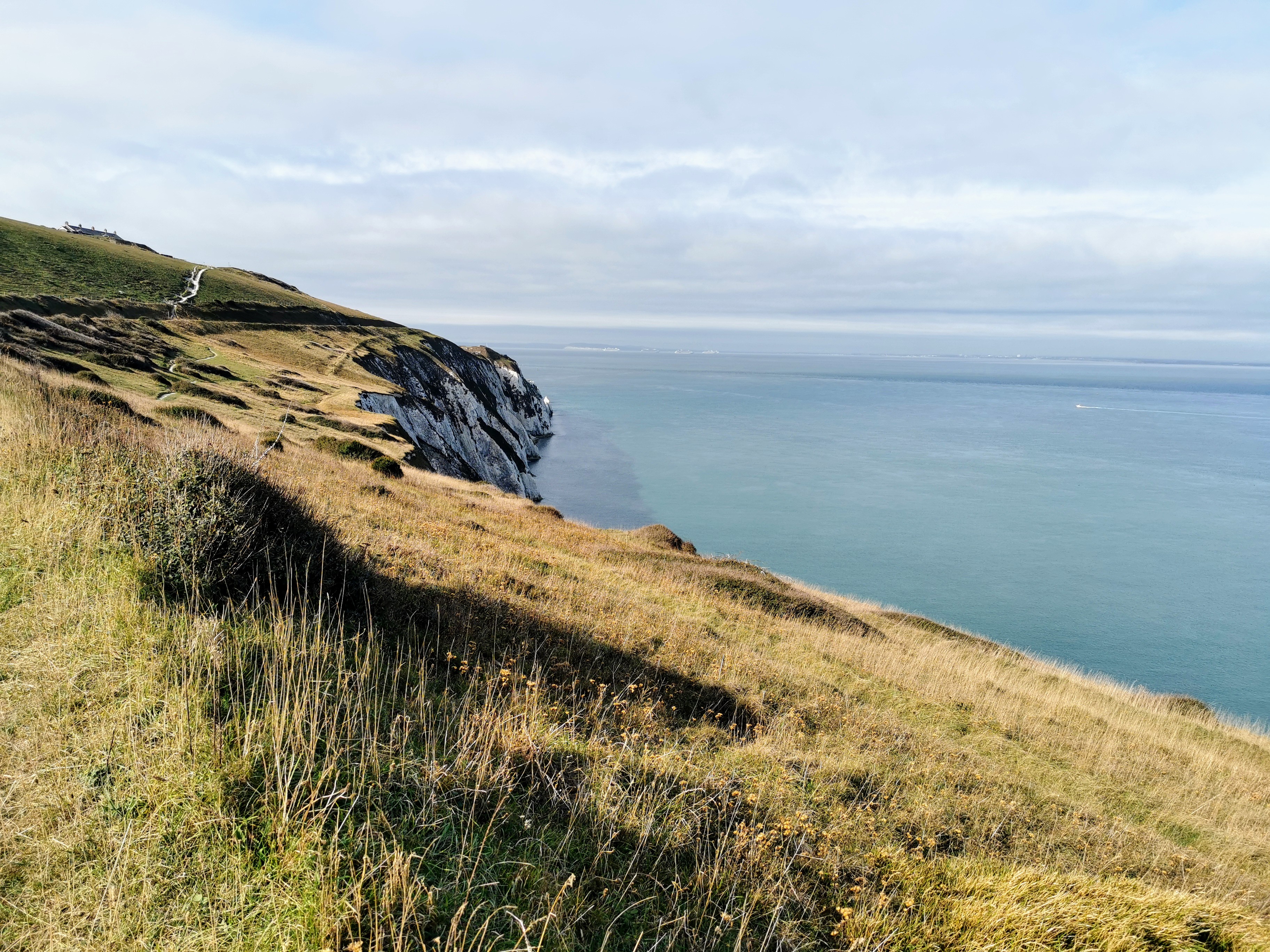
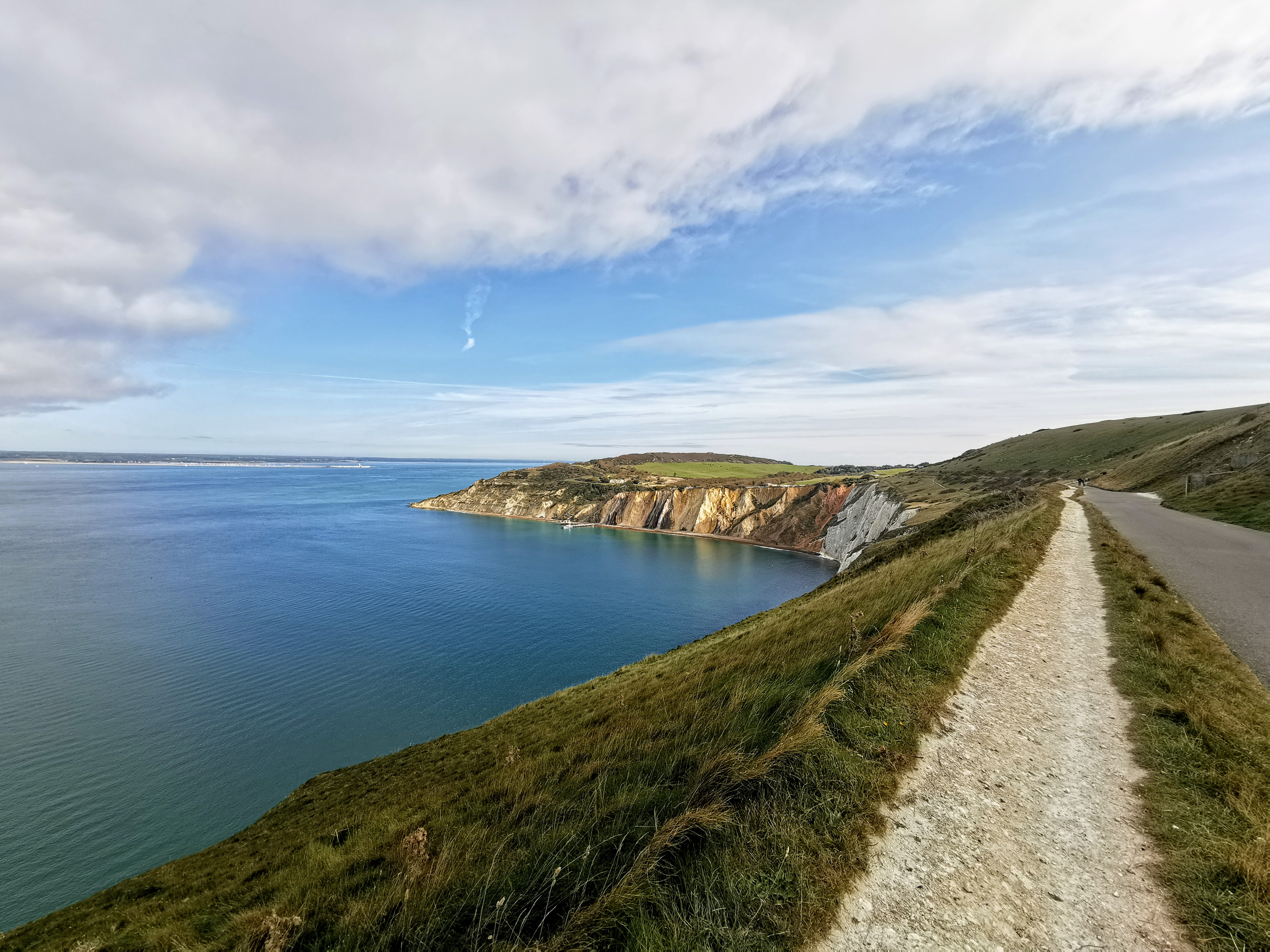
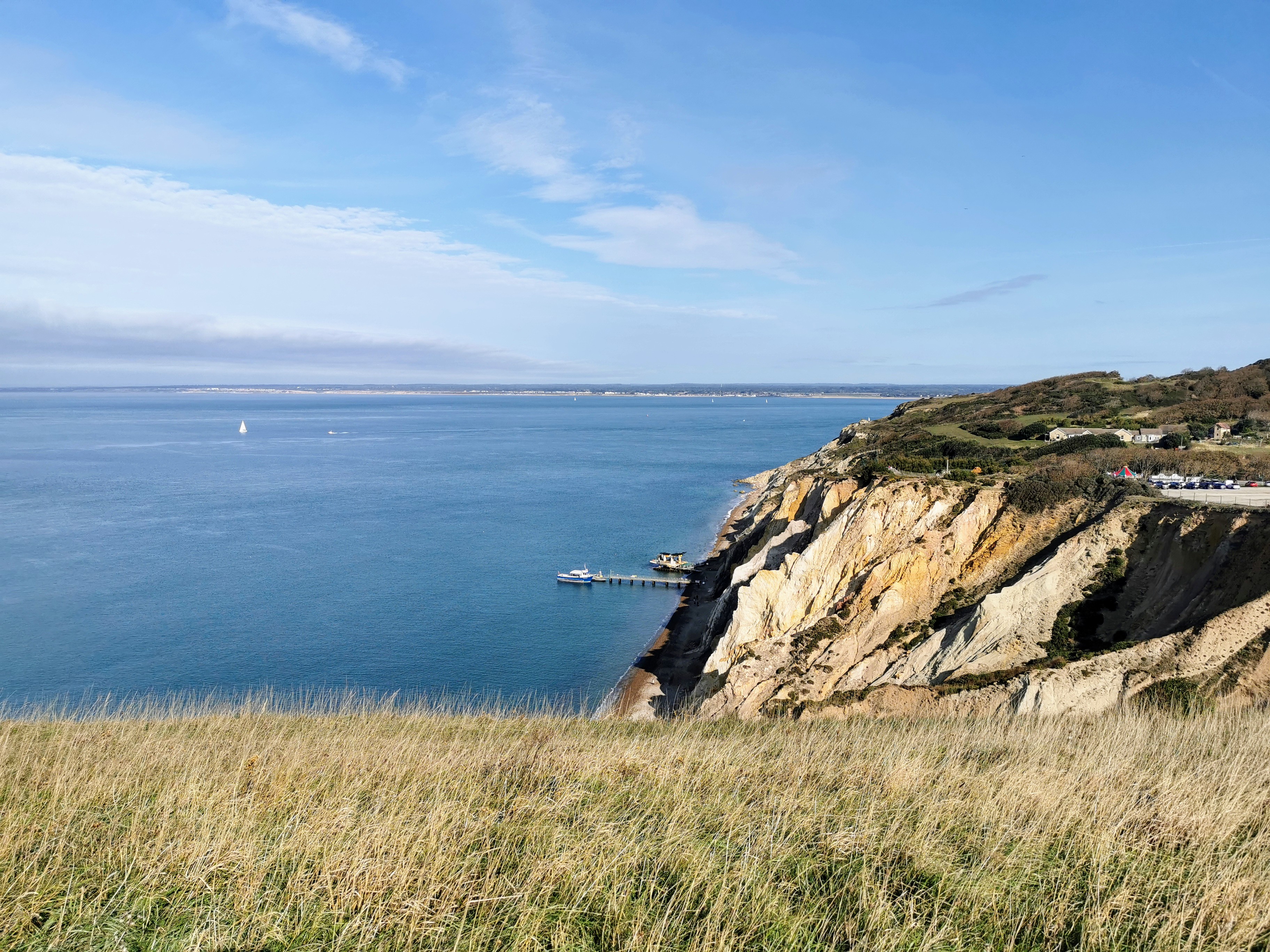
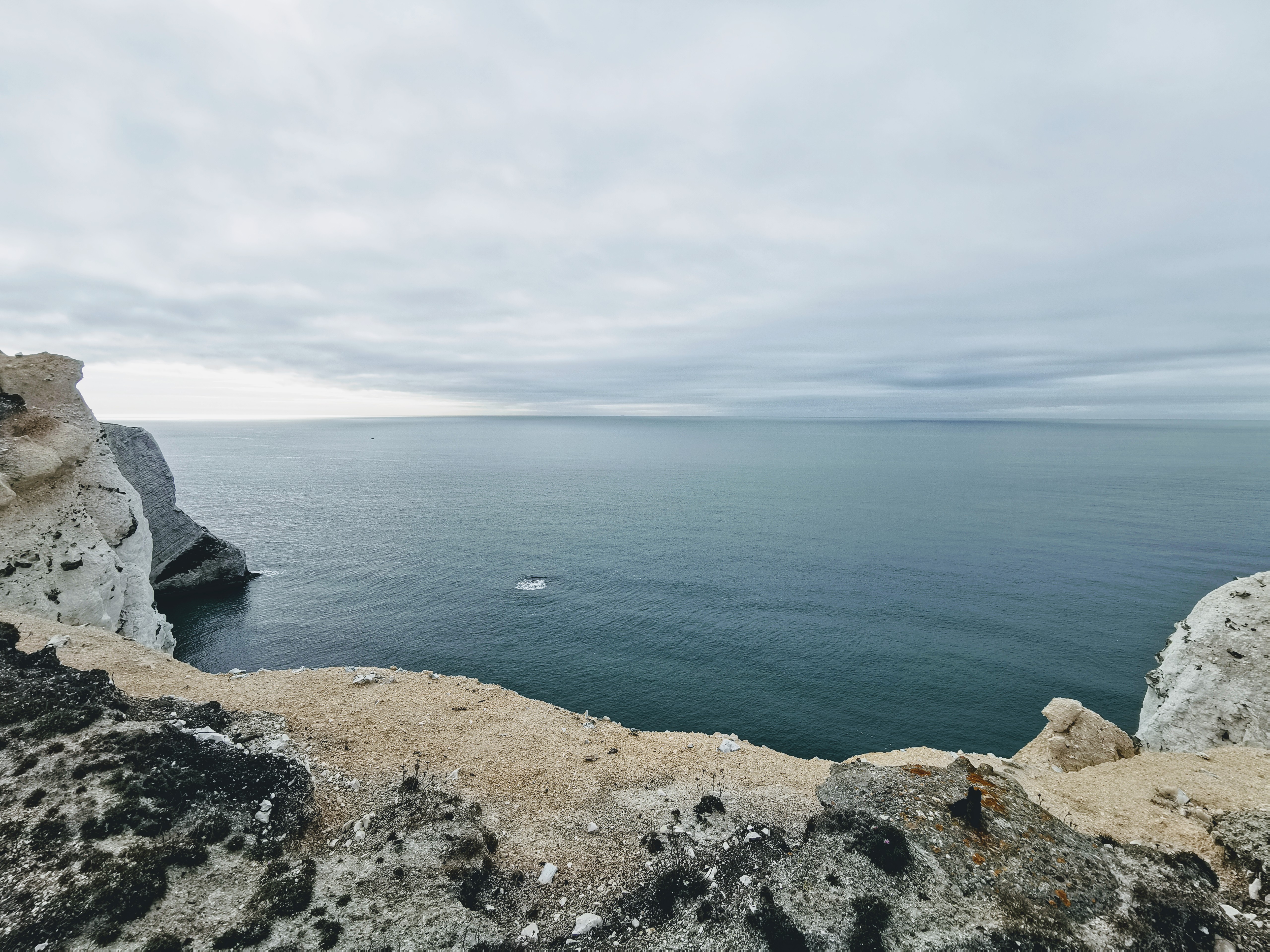
It’s a nice flat walk with some amazing vistas back to the mainland and the coloured cliffs of Alum Bay, but when we get to the end, we’re dismayed to find there’s no view of The Needles from here. We know they’re down there somewhere, but it seems the best viewpoint is back in the carpark. Typical!
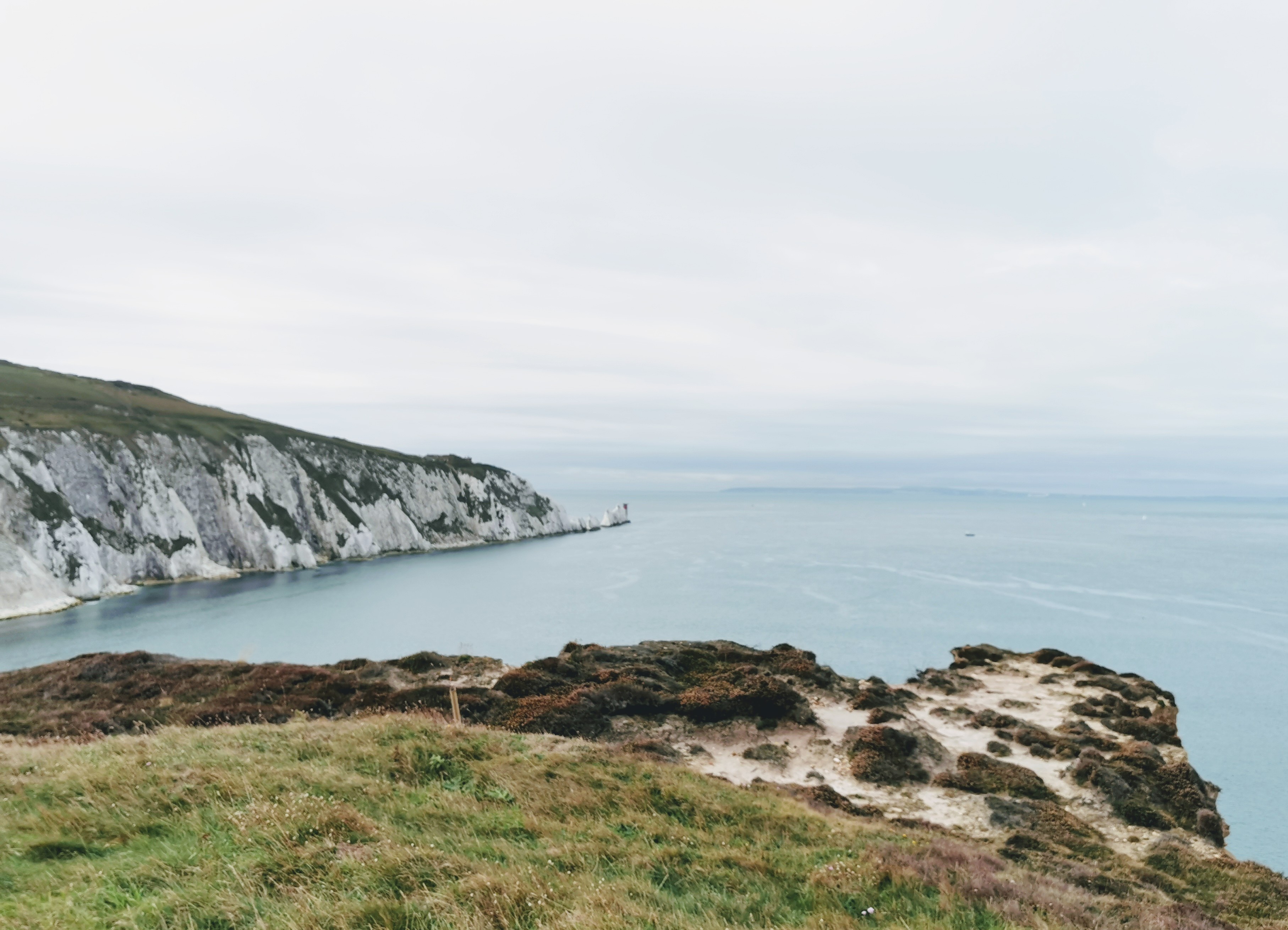
When we finally spot them, The Needles are a little bit underwhelming if I’m honest. There were originally four rocks until one collapsed spectacularly in a storm in 1764. Ironically, the missing stack is the one that actually looked like a needle, while the remaining three bear no resemblance whatsoever to sewing implements. If you want a closer look you can head down to the bay by chairlift and take a boat trip around the rocks. The husband doesn’t need a closer look, he says. No surprises there!
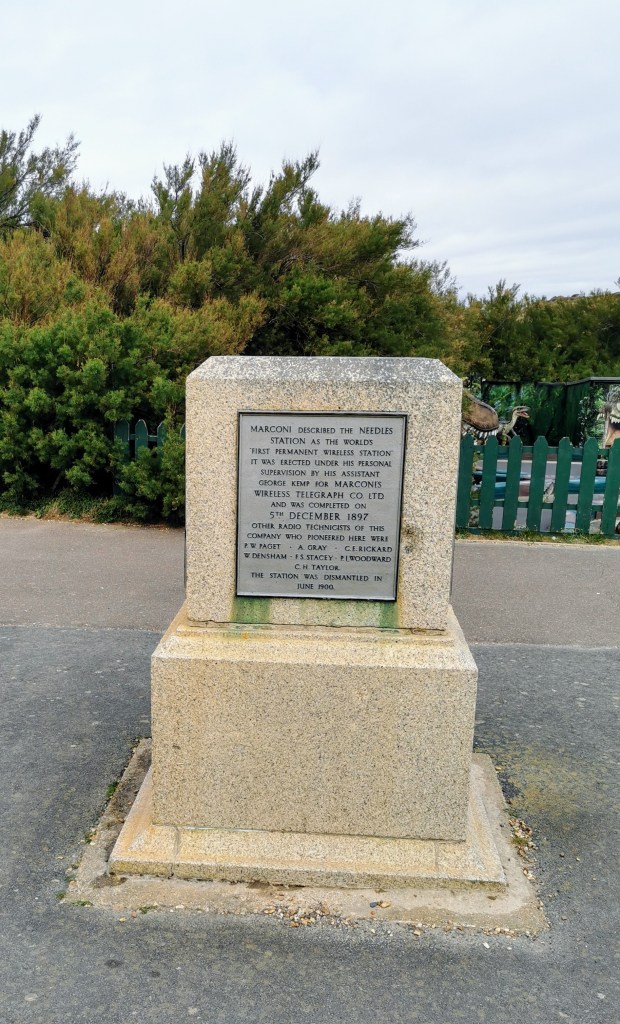
Back in Victorian times, there was more serious work than sightseeing going on here. The nearby Marconi Monument commemorates the very first wireless communication sent from this spot back in 1897. Marconi set up a huge mast on the cliffs above Alum Bay and carried out experiments over several years which laid the foundations of modern communications. Those Victorians were pretty useful, as well as being expert vacationers.
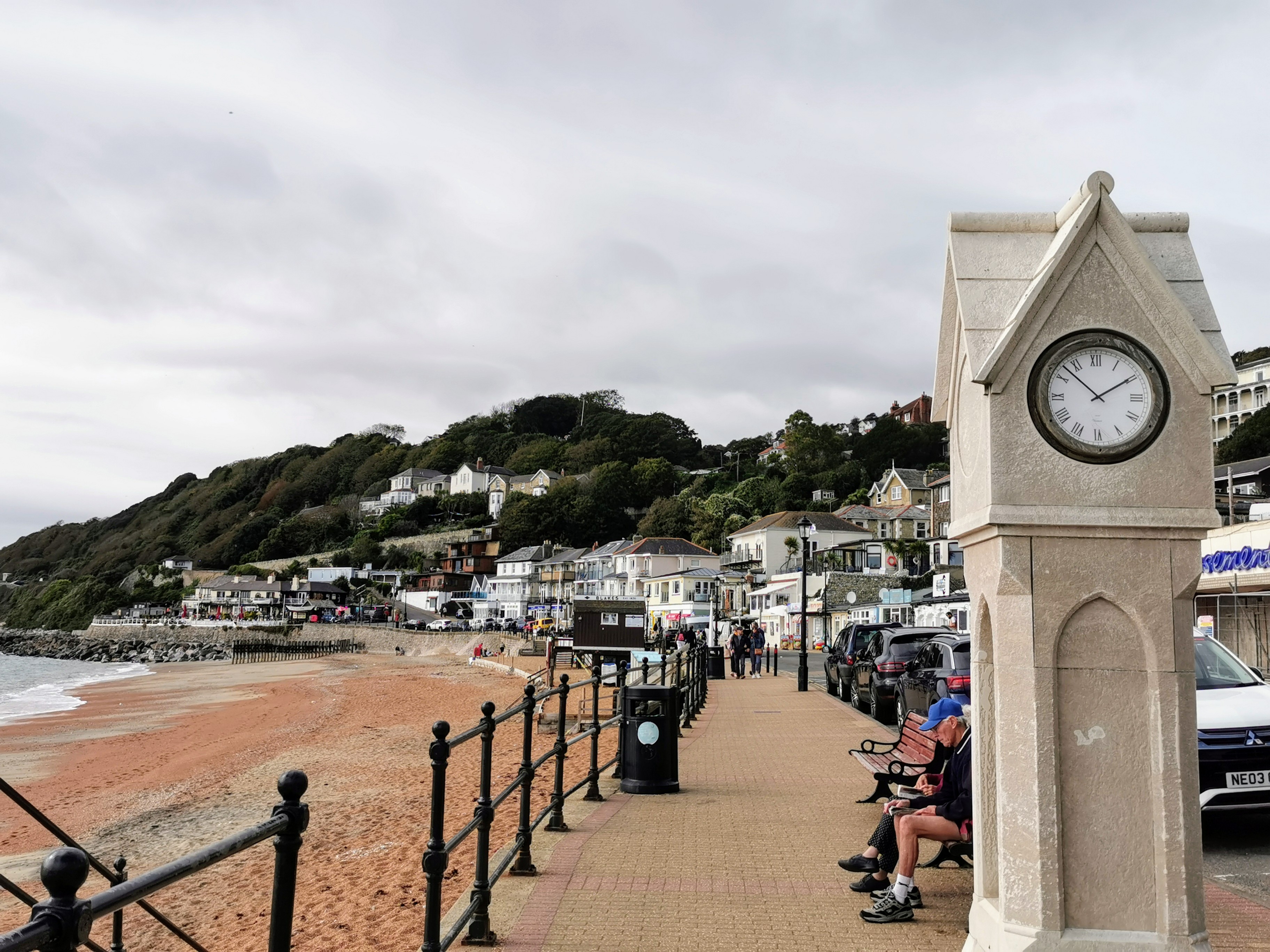
Our final outing is to Ventnor, the southernmost beach on the island, and the resort most beloved by the 19th century tourists for its health giving properties. It was known as ‘the English Mediterranean’ or ‘Mayfair by the Sea’. Allegedly there’s a microclimate here that’s ideal for anyone suffering a chest complaint, so I’m amazed it’s not the busiest place in the UK right now. Maybe we don’t need to wait for that vaccine after all…
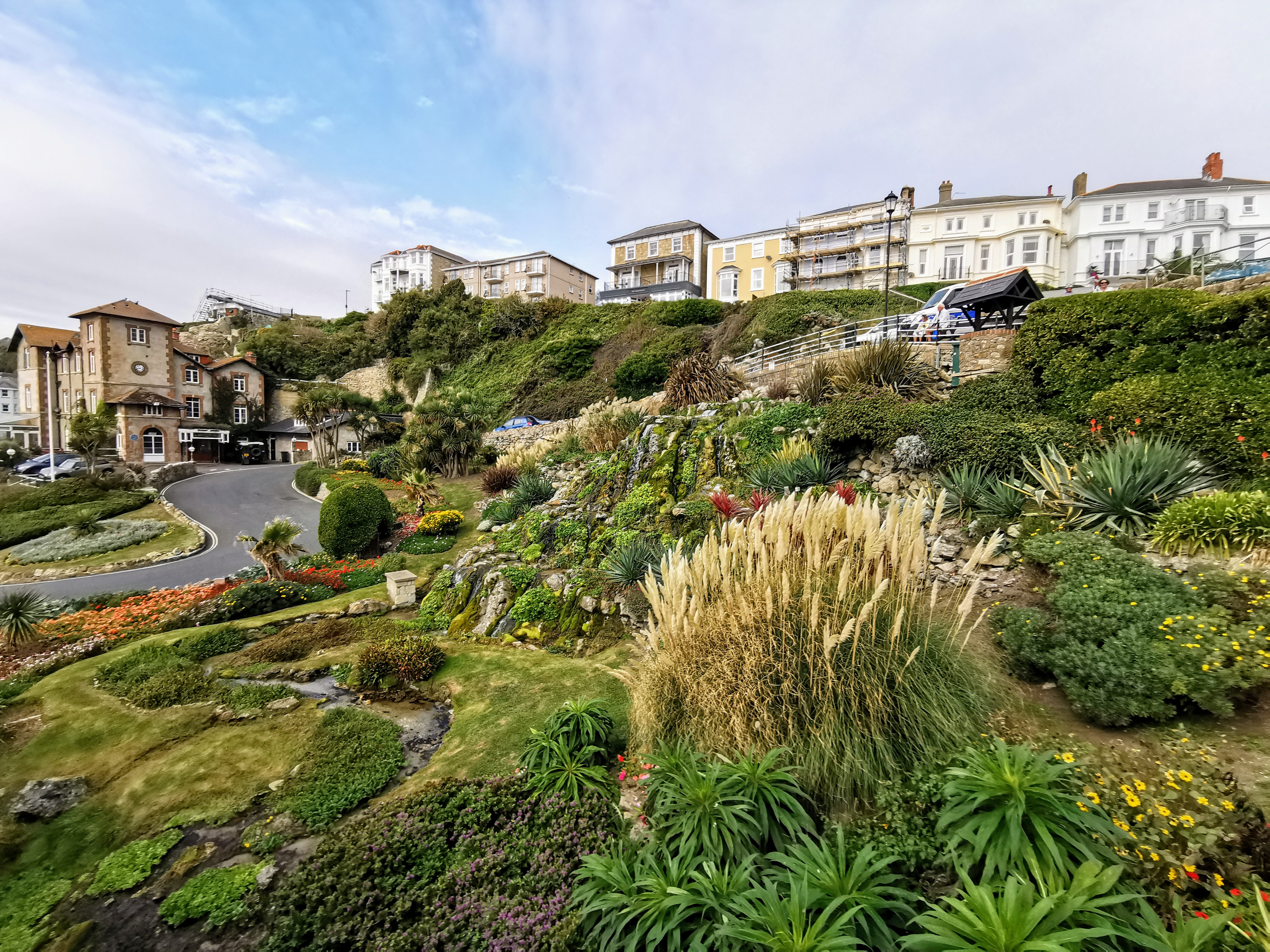
With Victorian villas perched up on the hill, and the waterfalls of the Ventnor Cascade tumbling down through gardens towards the seafront, this is a really attractive little town. It doesn’t appear to have changed too much since the Victorians were here and it definitely seems to have held its allure better than poor old Sandown.
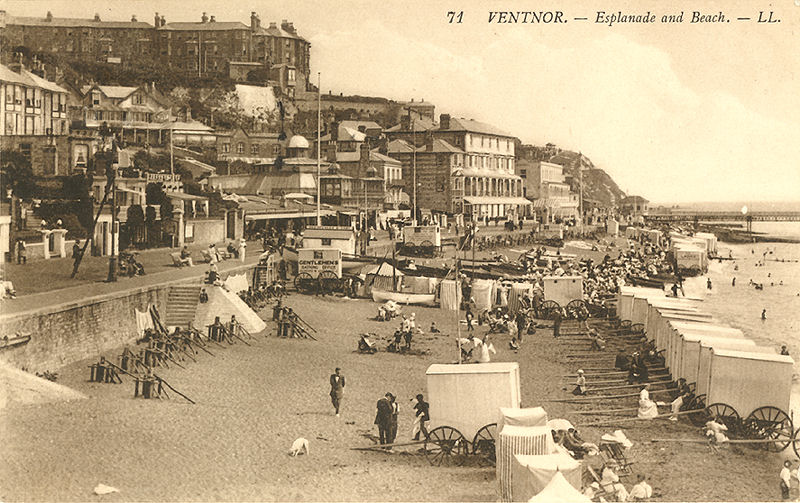
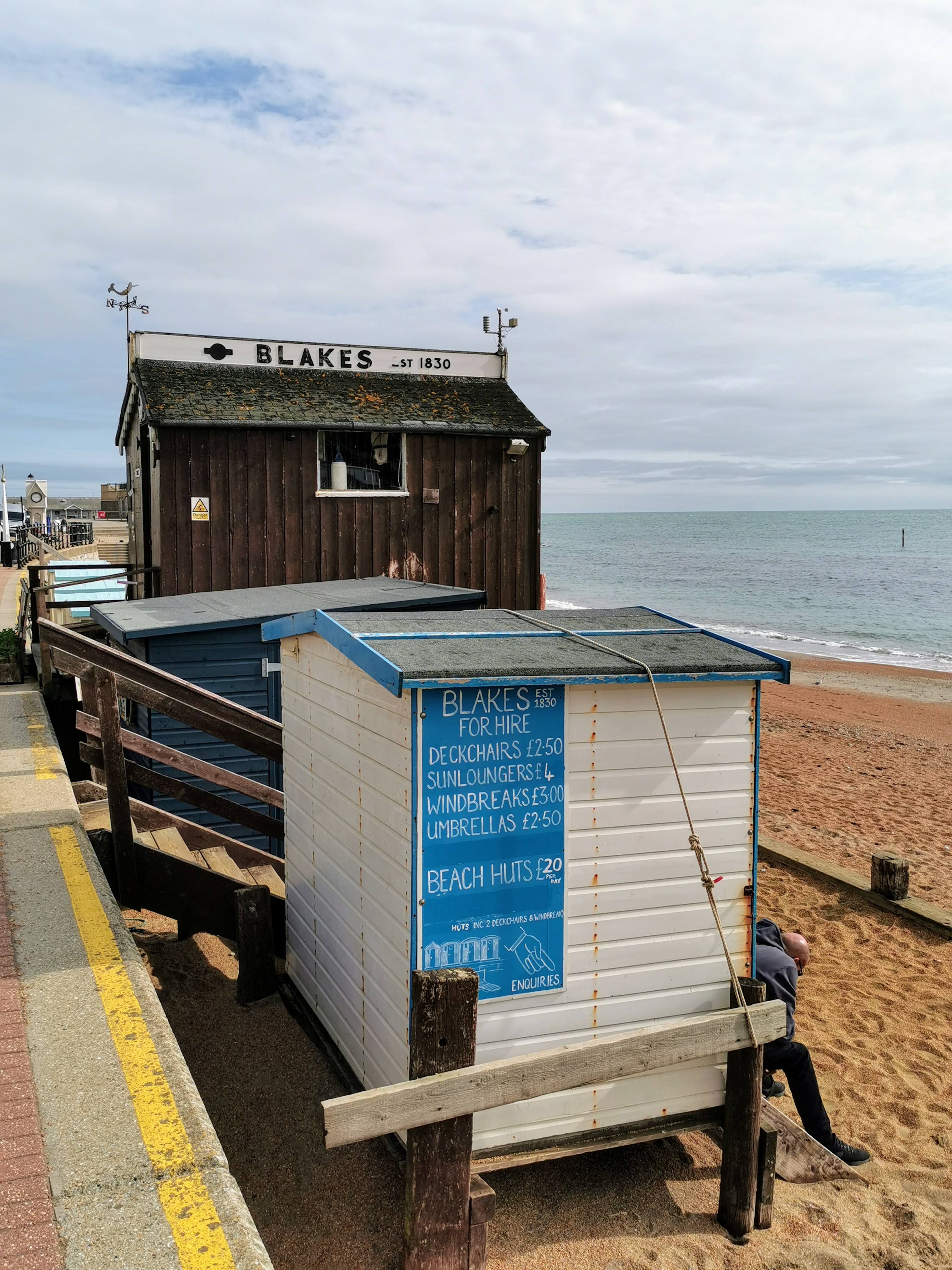
Some of the original bathing machines still exist, designed to save the modesty of bathers who didn’t want anyone to see them in their swimwear, although Victorian bathing suits covered up so much that you wonder why they worried. It’s surprising they didn’t drown, burdened with all that fabric. They certainly couldn’t have swum very far or very fast.
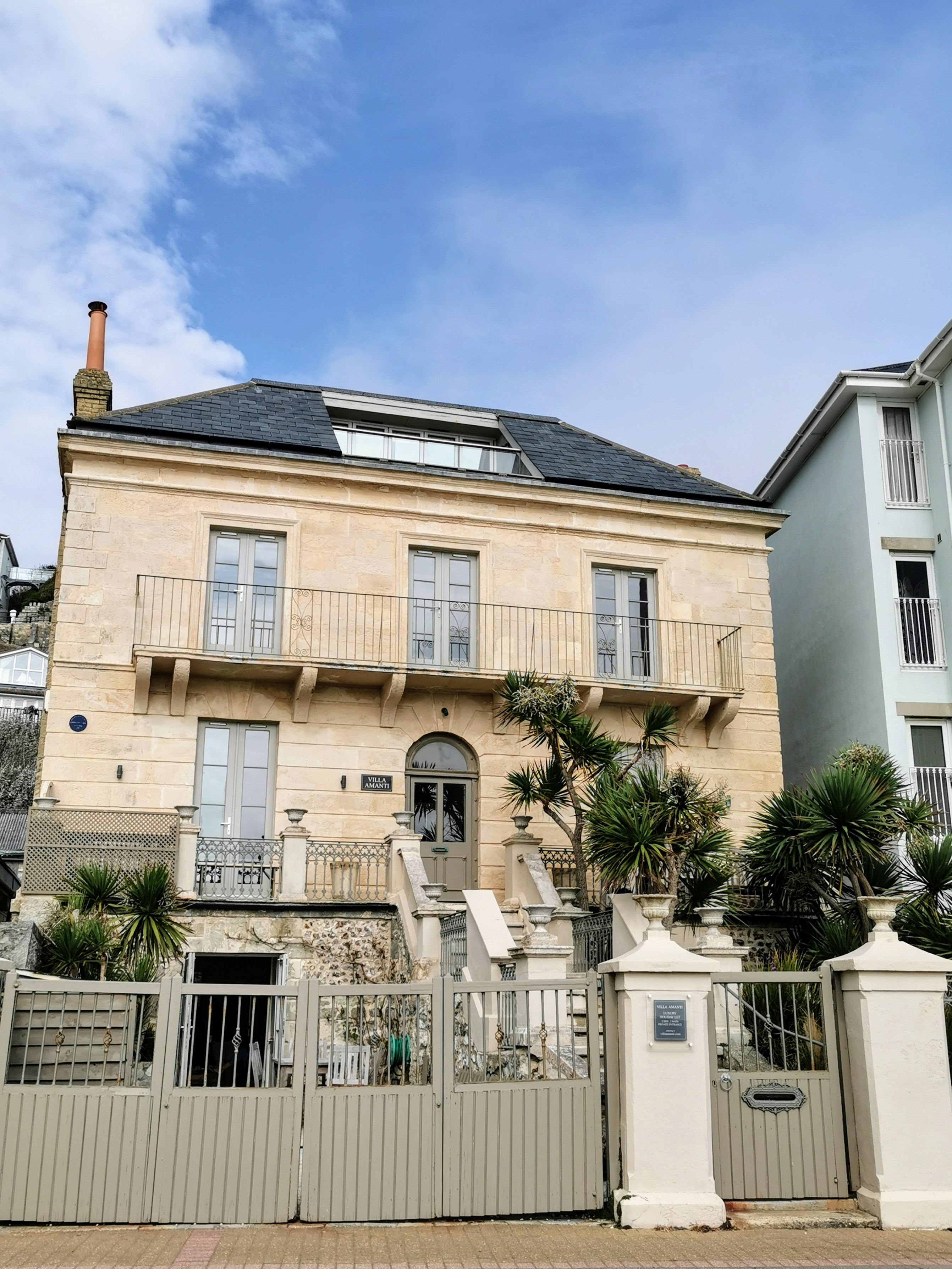
Queen Victoria and her husband Prince Albert compared the views from the Isle of Wight to the Bay of Naples, and accordingly they built their island home in the Italianate style. Naturally, wealthy Victorians followed suit. In those days, the Royals were the arbiters of style and taste. Villa Amanti on the Ventnor esplanade is a prime example of this, and it’s been gorgeously restored to its full glory. I can’t say I’m getting much of a Sorrento vibe, no matter how I scrunch up my eyes, but it has a charm all its own. Even the husband wants to live here.
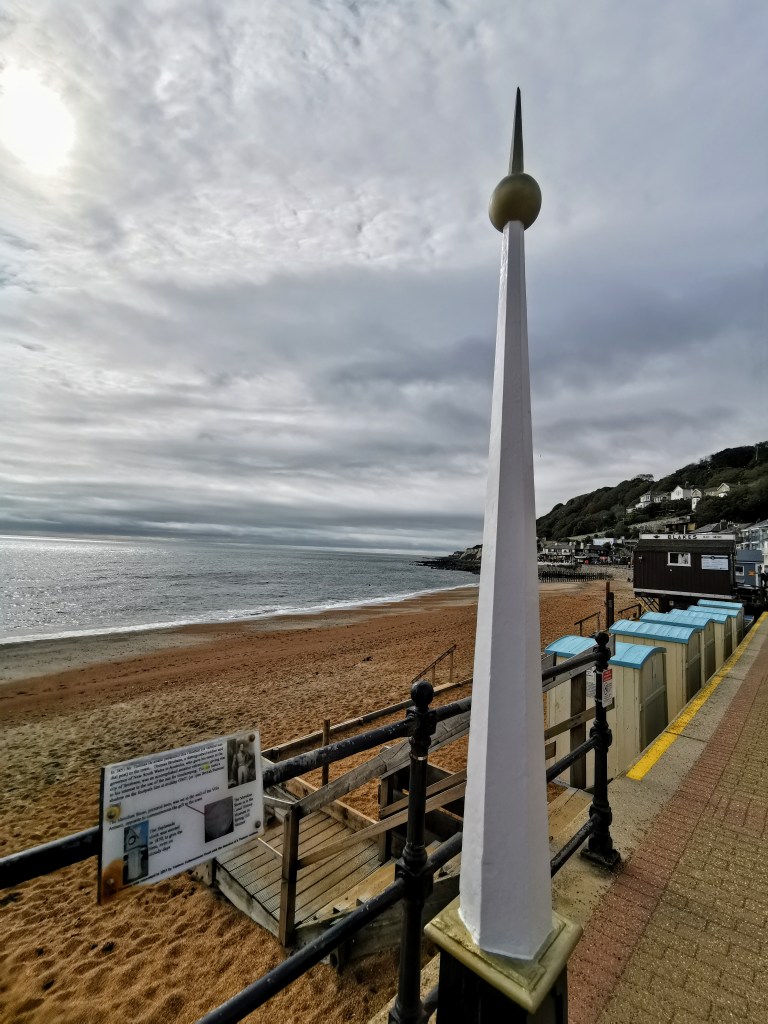
We unexpectedly find a link in Ventnor to our erstwhile hometown of Brisbane. A gnoman (type of sundial) on the promenade was presented to the town in 1851 by Sir Thomas Brisbane himself, former Governor of New South Wales and amateur astronomer, after his daughter Eleanor died on the island aged 29. A sad story, but at least the memorial is still standing. On a more cheerful note, Charles Dickens wrote David Copperfield in Ventnor, whilst staying in a cottage overlooking the Channel.
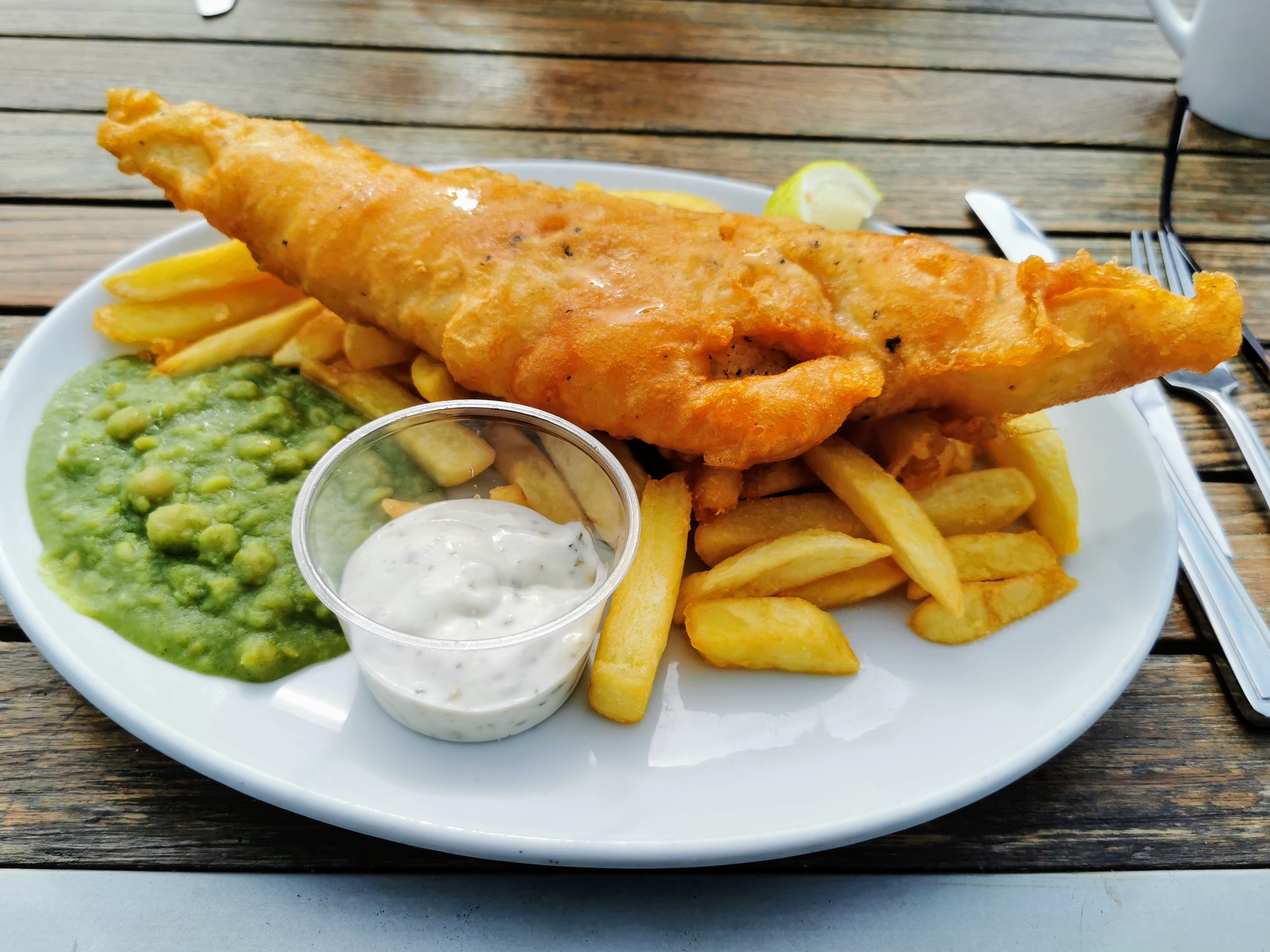
We stop on the seafront for fish and chips. You have to really, don’t you? It’s an integral part of the English seaside experience. Mmm, the fish is extremely good. And big, so the dogs get to share too. Even my Dad is impressed when I WhatsApp him the photo, and he fancies himself as a bit of an aficionado (excuse the pun).
To walk off all those lovely calories, we follow the Coastal Path around the headland, and then realise that the route back to town is a virtiginous staircase. Henry, our 15 year old Retriever, will never make it! How wrong we are, he goes up like a slightly wobbly gazelle. It’s clear the Victorians were on to something – the air here is truly restorative.
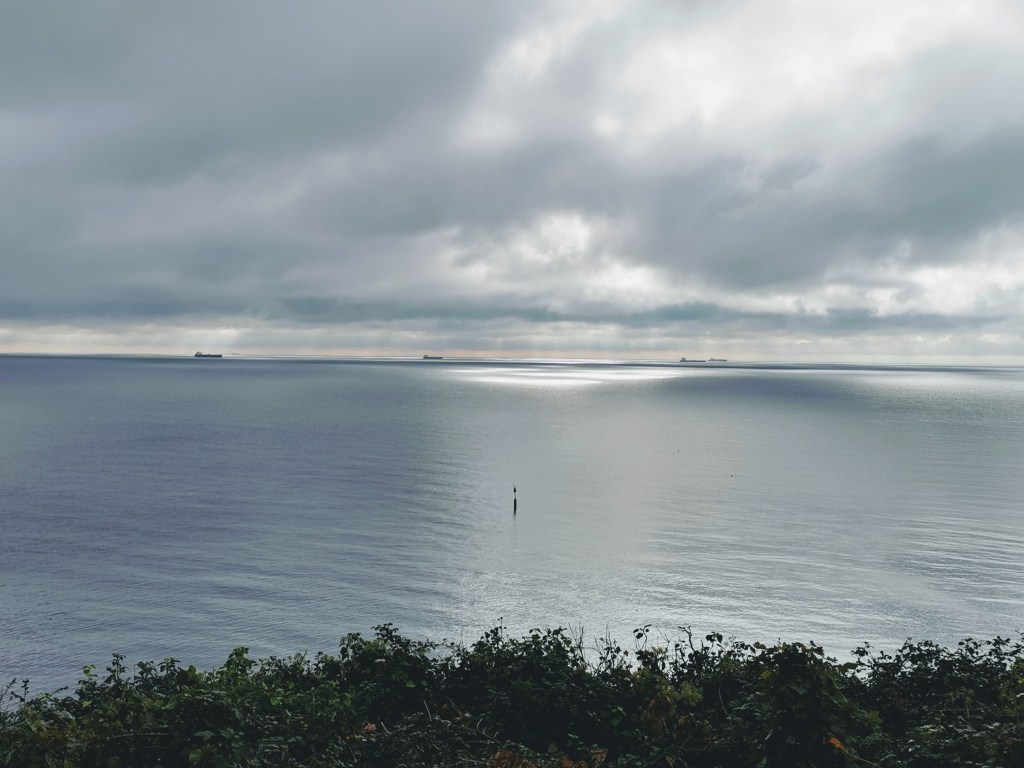
Our island time is done – time to head for home. As usual Lizzie does her ‘don’t want to go home’ sulky teenager act and has to be wrestled into the car. Who said dogs were easy? We’re early for our ferry again, no surprises there, but sneak on the next boat behind the lorries. I’m sure you can’t do this in August, but we’re jubilant. Travel is hardly ever this seamless. The crossing is much quieter on Tuesday than Saturday, as you’d expect, so it’s quite relaxing this time around.
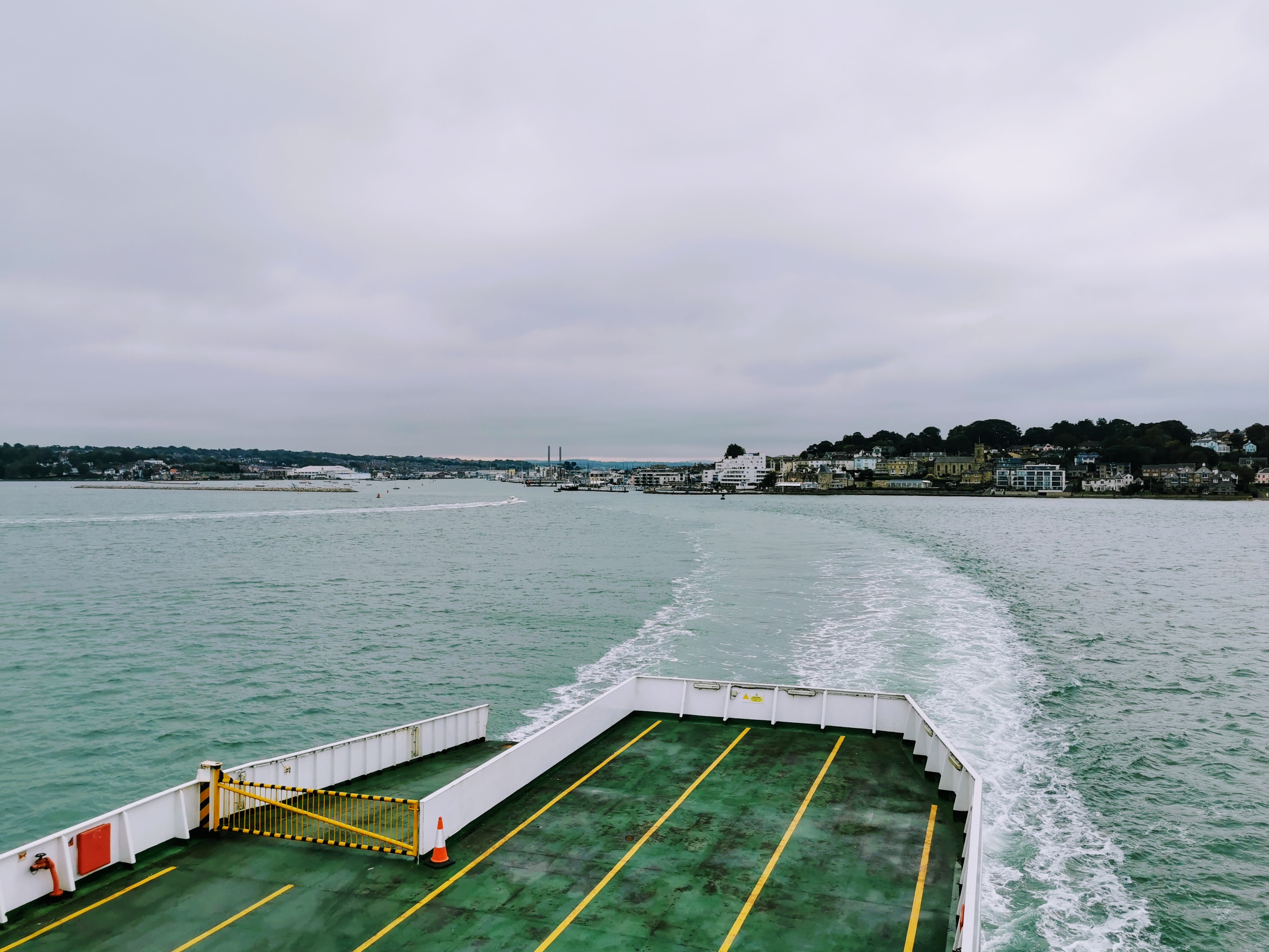
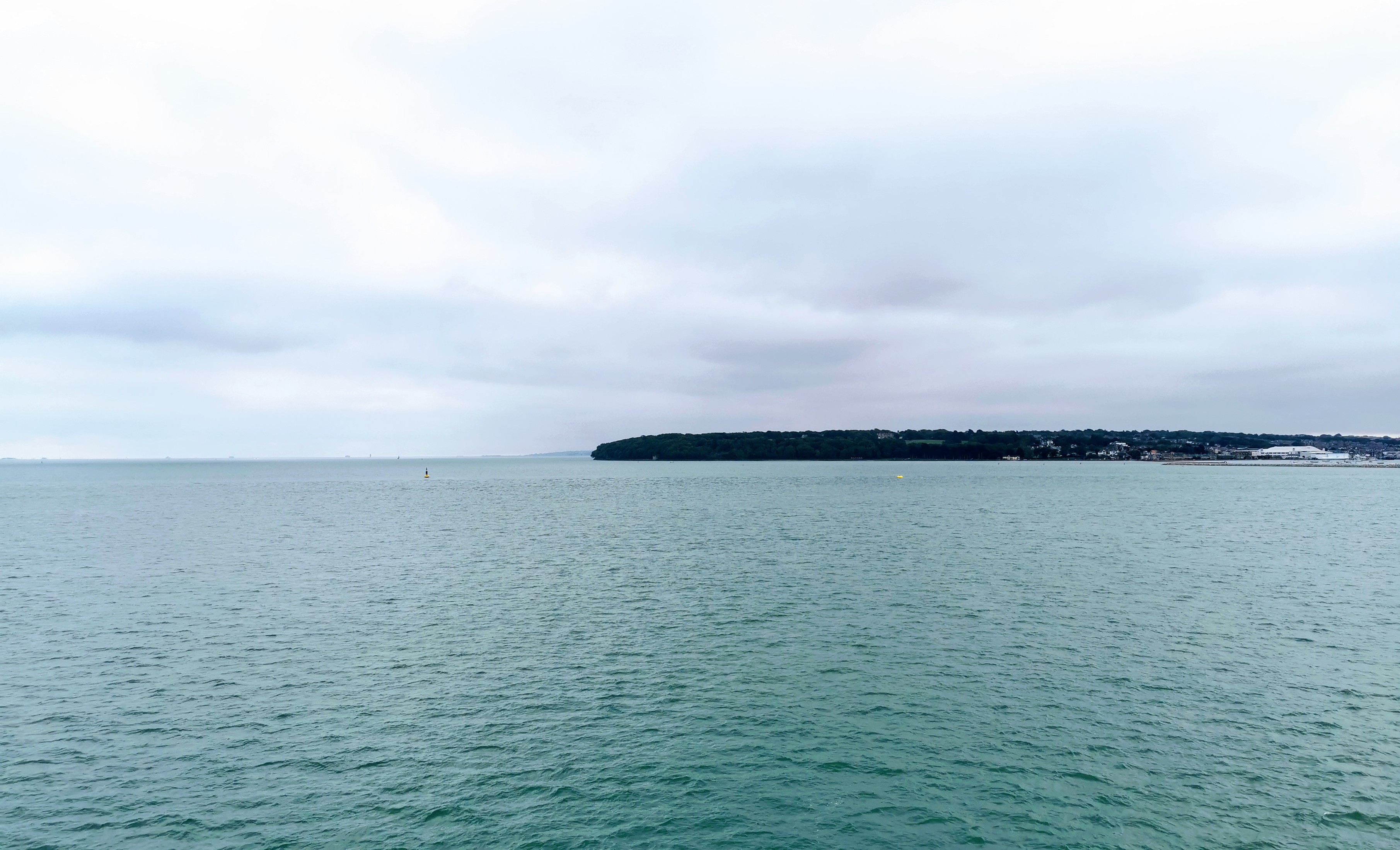
As we wave goodbye to the island, I reflect that we have a lot to thank those clever Victorians for. They invented the whole concept of escaping a rather grey existence by heading to the seaside for a healthy, fun break. In 2020, with overseas trips becoming a more stressful and difficult undertaking, many of us are fleeing the general gloom to coastal resorts created by the Victorians. There’s no other choice. Coronavirus may have sent us back to the 19th century but at least our forebears got everything ready for us!
 Steph's Travels
Another really good read Steph. We were staying in Dorset recently and so close to the IOW at Lymington. Sometime we’ll get there, thanks to your tour of the island.
LikeLiked by 1 person