Oh dear, I’m really getting obsessed with this blogging lark. Recently, I had a dream about a Roman city close to home. I had no idea where it was but it was vital that I go there. Obviously, when I woke up I frantically Googled to see if my dream had any substance, and there it was. Silchester, just south of Reading. How bizarre. I’m thinking about the past so much, it’s permeating my subconscious!
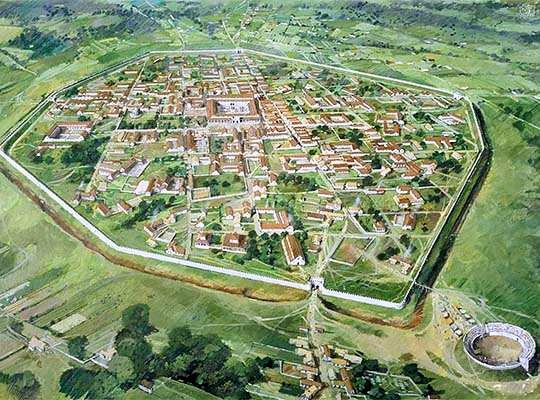
Silchester is actually the name of a nearby village. The place I want to see was called Calleva Atrebatum. Established in the first century BC as an Iron Age settlement, it was developed into a major town and trading centre by the Romans, but unusually it was deserted in the 7th century and reclaimed by nature. How intriguing!
Thank heaven for satnav, as this place is along tiny single track lanes, with not a sign in sight until the very last mile. Despite a dismal weather forecast, it’s a fresh but sunny October afternoon. So here I am, ready to explore the city I dreamed about.
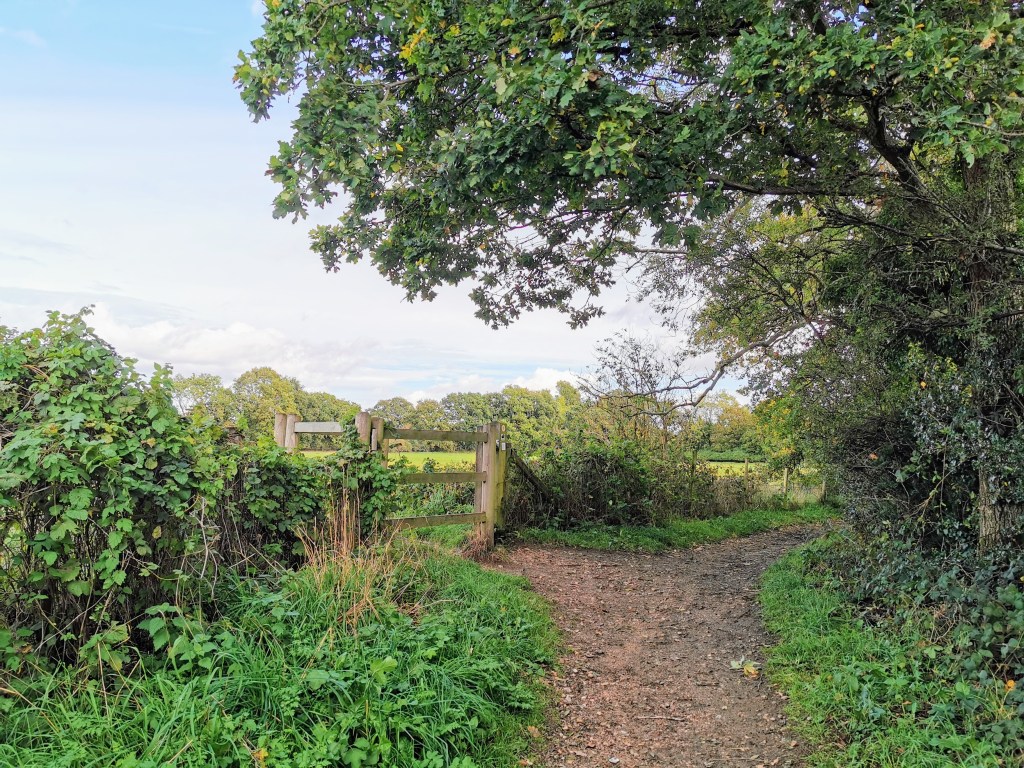
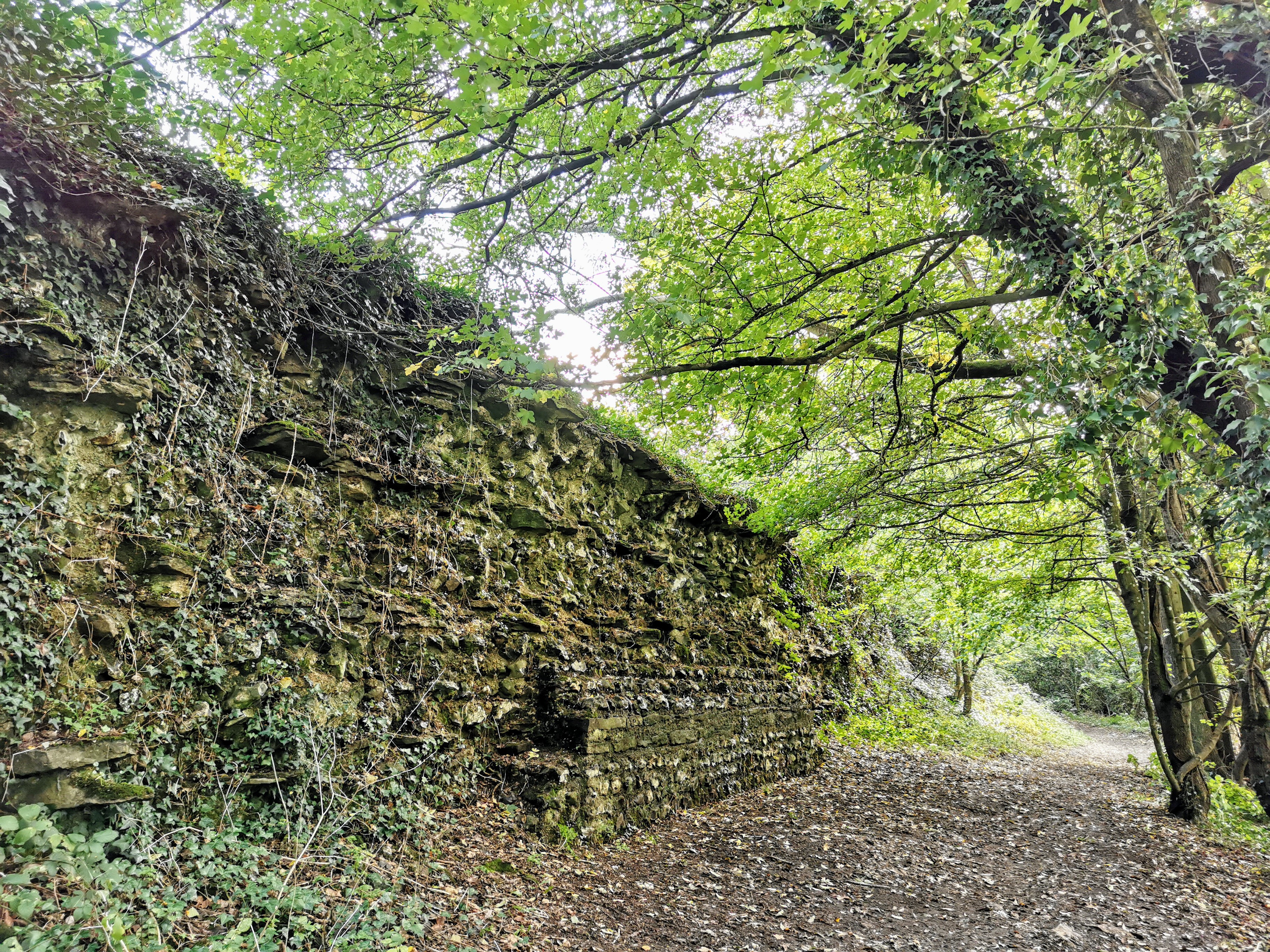
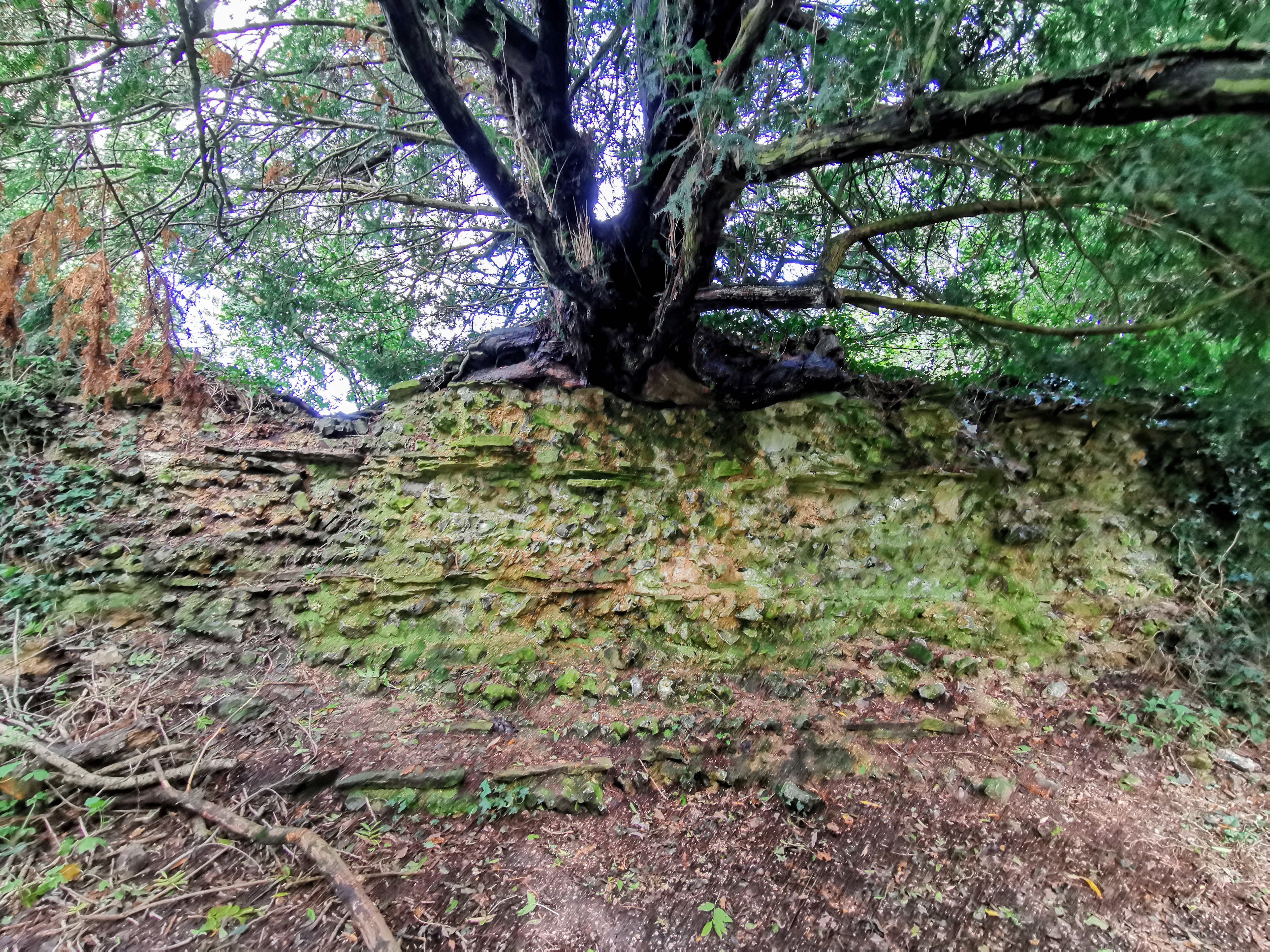
A footpath leads from the free car park to the city walls, which run right around the site. Arriving at the site of the old West Gate, I decide to head south and circumnavigate the town in an anti-clockwise direction. The first section of walls, between the East and South Gates, is an eerie introduction to this ancient place. The canopy is thick overhead and all kinds of plants and tree roots have made their homes in the ruins. Strangely, it makes me think of the temples hidden in the Cambodian jungle. Very Tomb Raider!
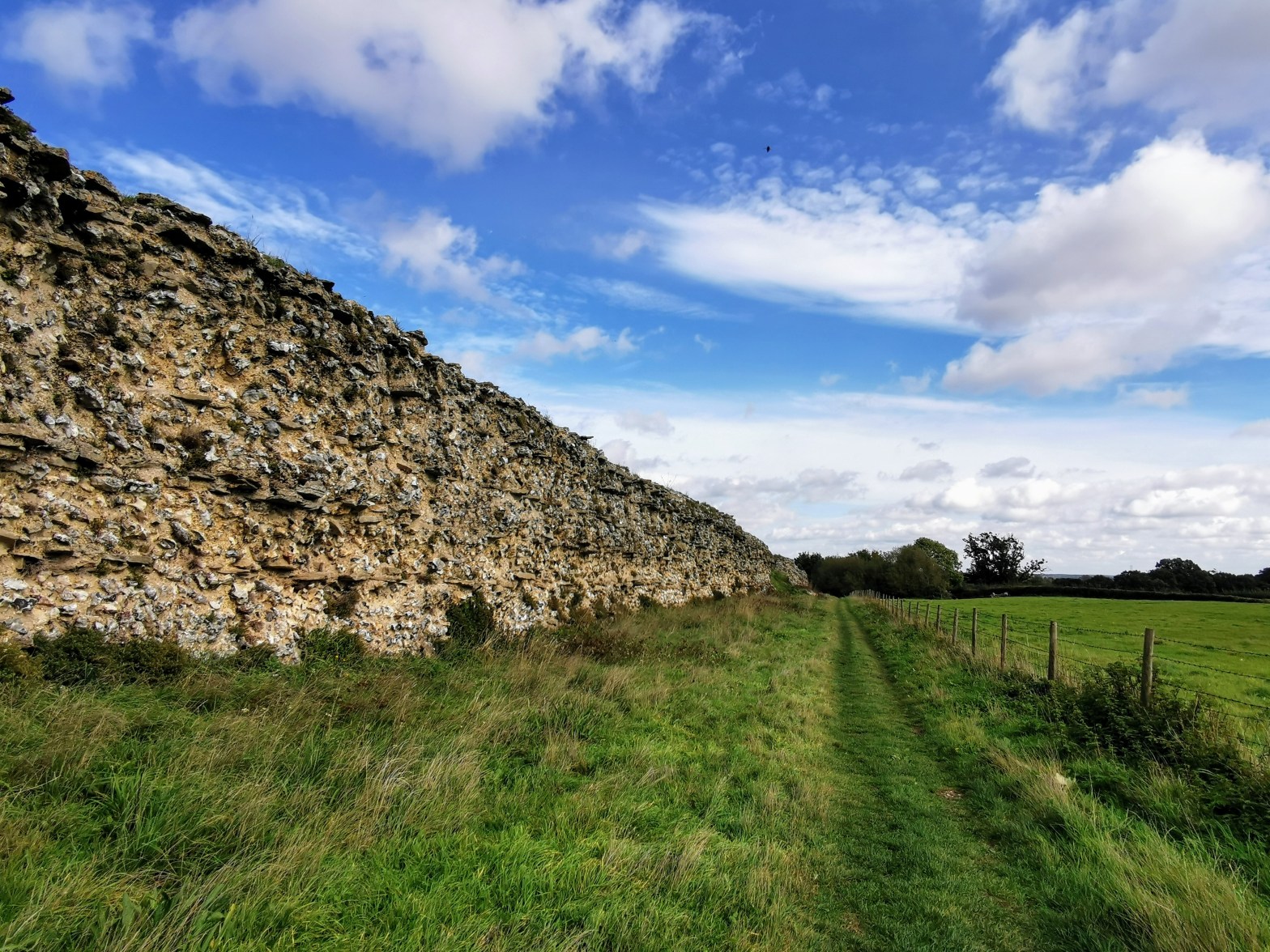
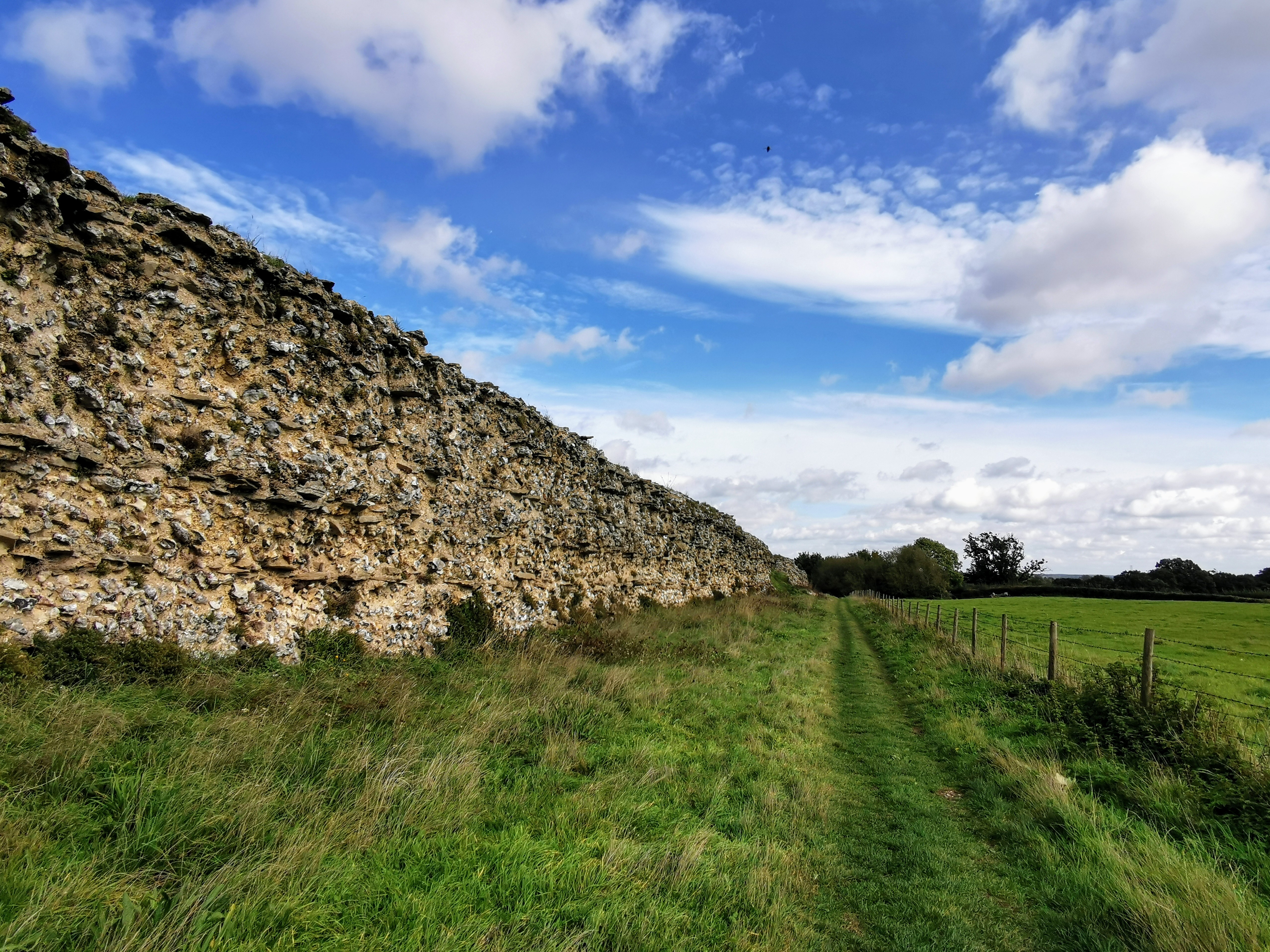
As I approach the South Gate, the trees and bushes clear and the walls appear in their full glory. Built in the first century AD, the walls were 3 metres wide and almost 8 metres high. With a total length of 2.4 kilometres, they enclosed an area of 40 hectares. Inside, the town was constructed on a grid pattern, like modern North American cities. Four main gates, one at each point of the compass, led out from the town to major roads across the country, with the East Gate leading to London.
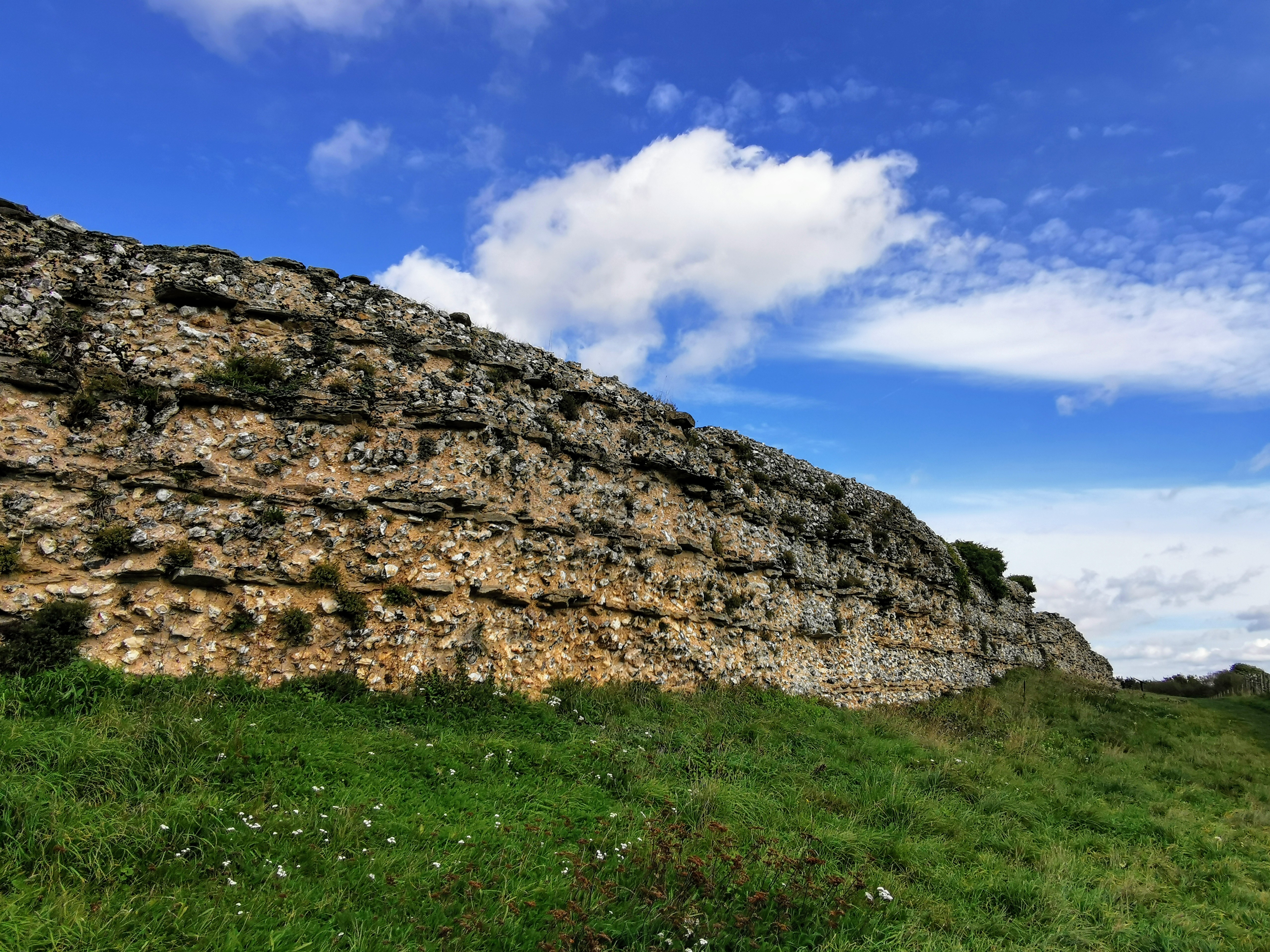
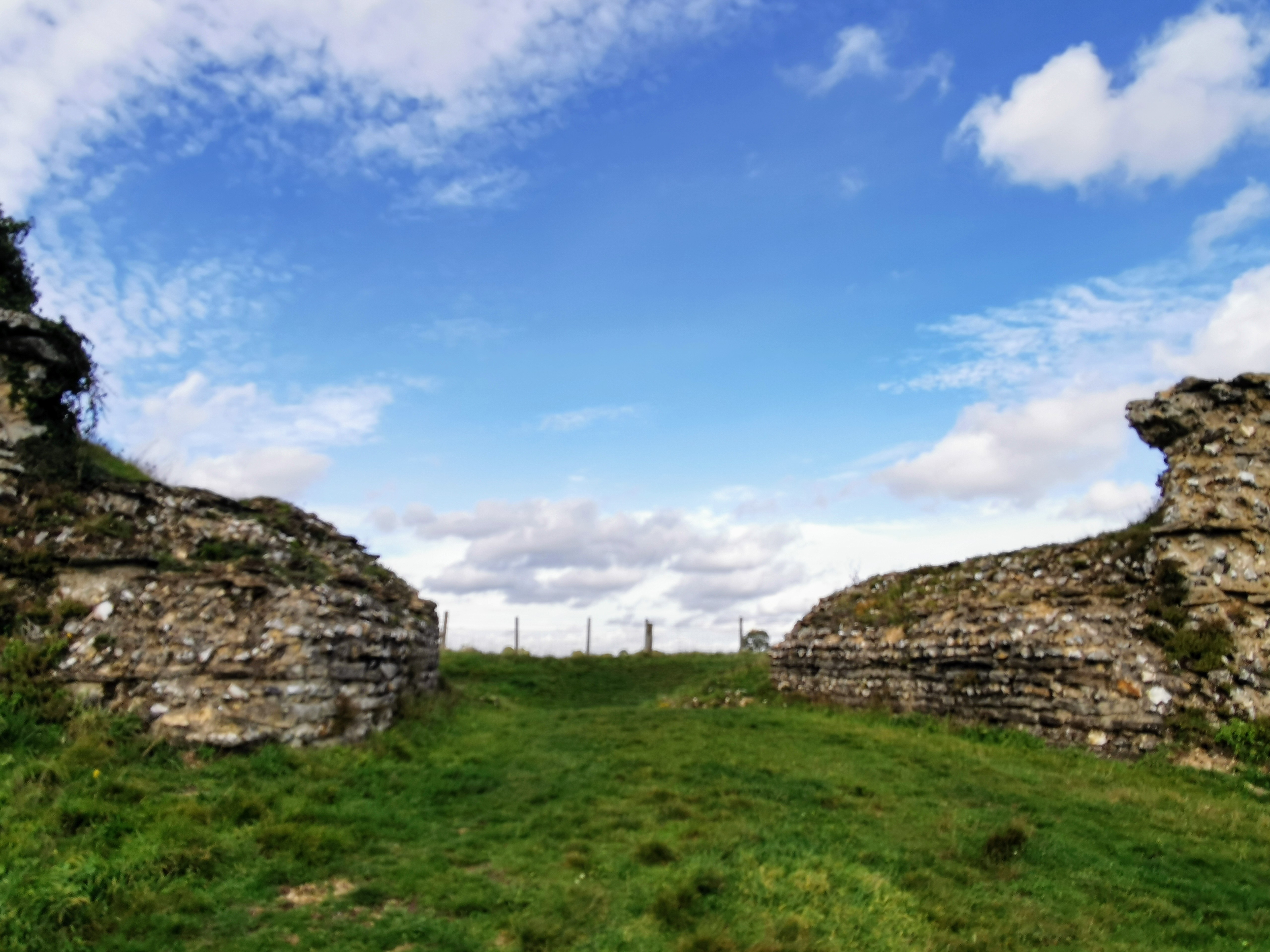
The South Gate, where I now stand, led out to the Winchester Road. The road outside the town would have been crowded with stalls and merchants vying for the attention and money of wealthy travellers going to and from Calleva – quite similar to a modern duty free shop on the way through departures or arrivals. Some things never change, we love to shop.
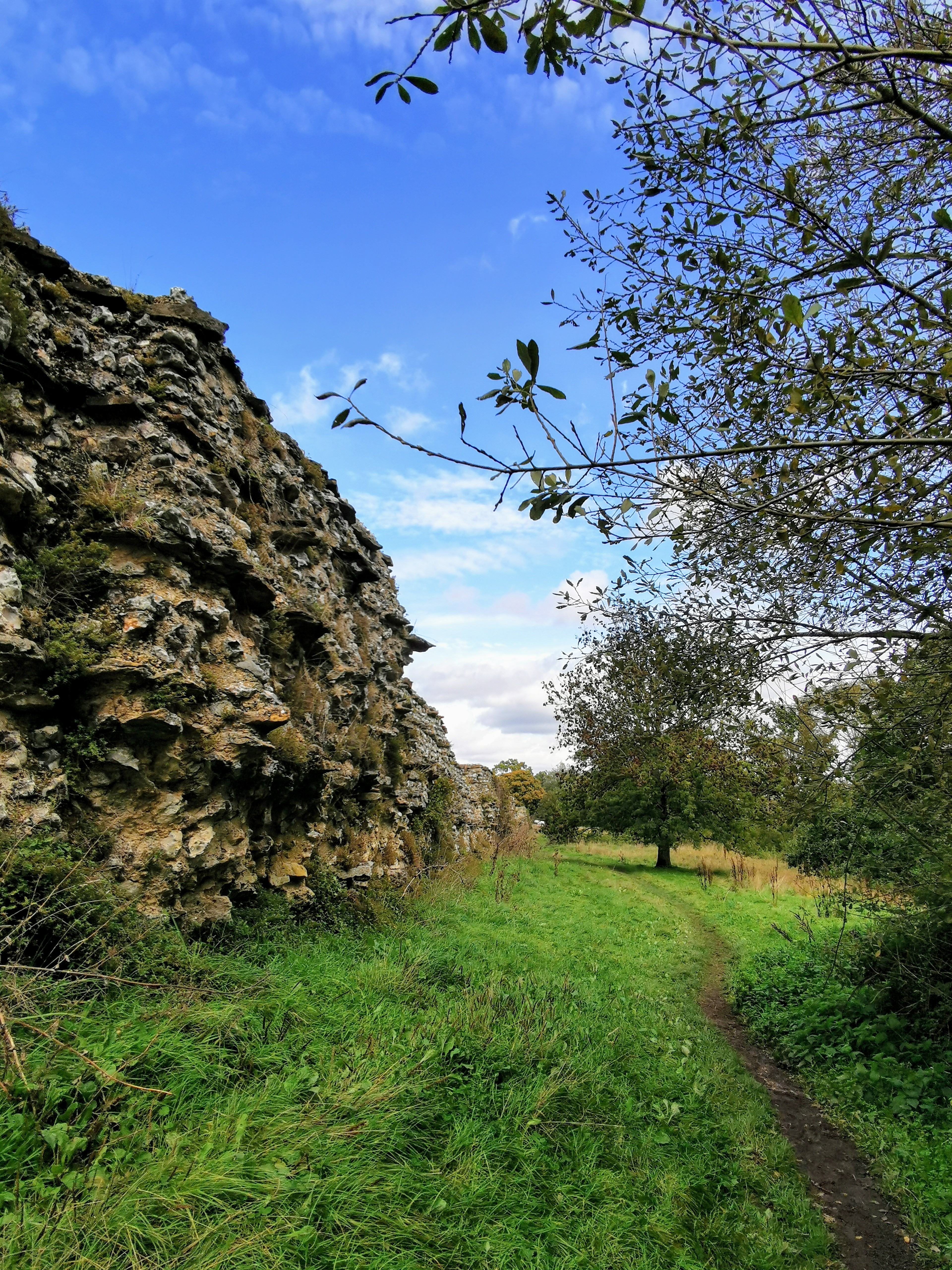
I follow the walls as they curve around northeastwards, with footpaths both outside and on top of the fortifications allowing a completely different perspective. From the exterior, the walls still rear up impressively almost 3 metres into the air. What lies inside, you can’t help but wonder…
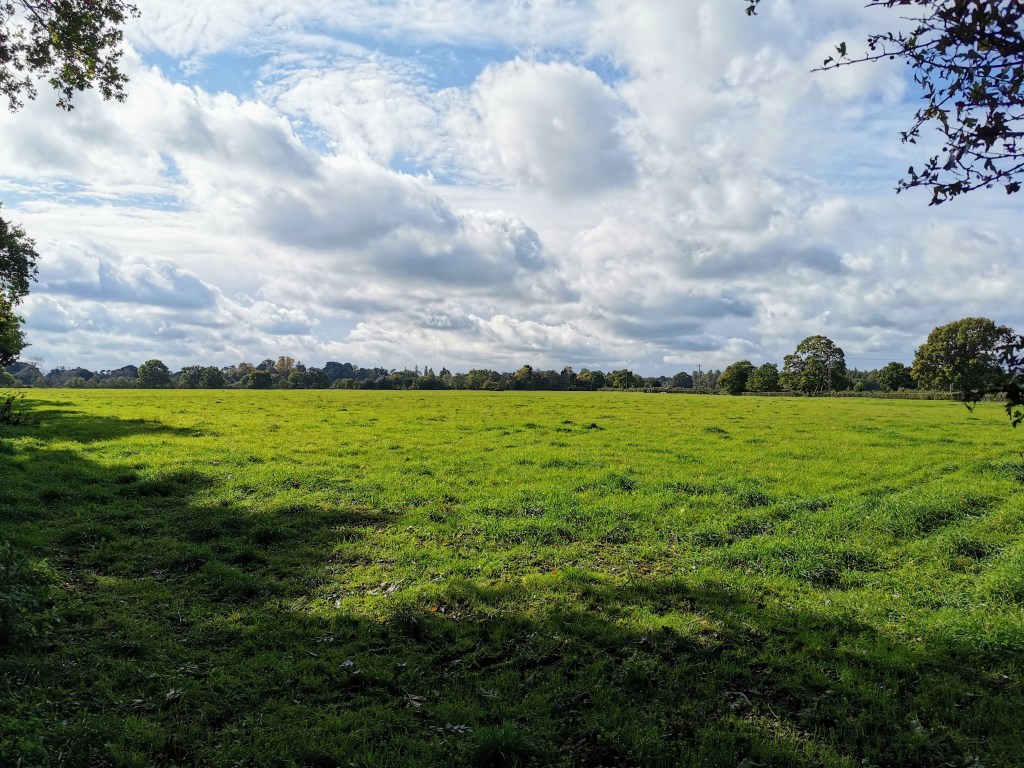
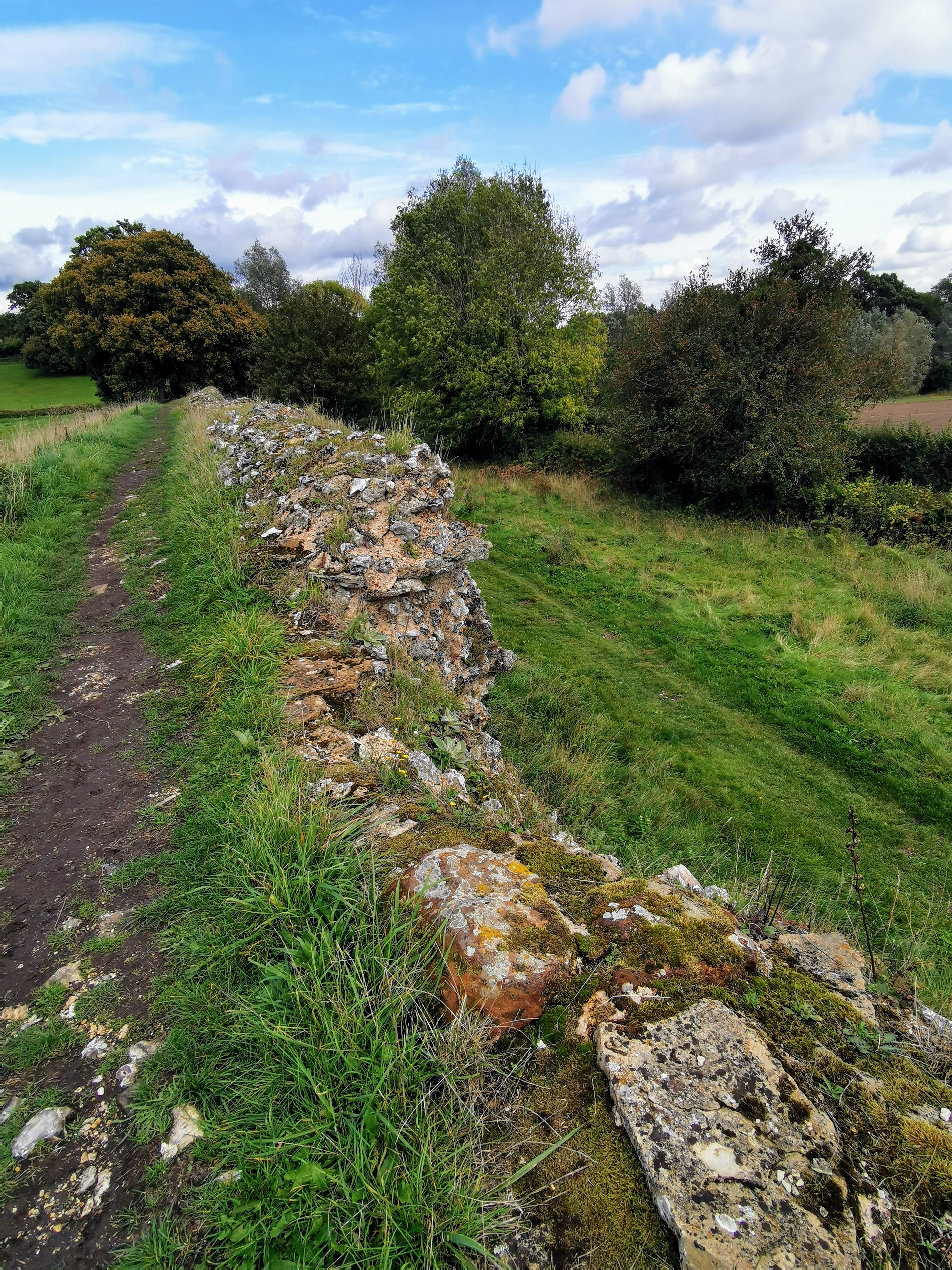
From up high, it’s clear that very little remains to be seen of the town itself inside the walls. Farmland covers the area now, although the lines of the Roman roads and major edifaces can still be seen in aerial photos. Calleva was first excavated in the late 19th century by those energetic Victorians, who famously found a decorative bronze eagle, now in the Reading Museum.
A team from Reading University went back to the site from 1997 onwards and made further discoveries, including the grave of a small poodle and an olive stone. The town obviously had some wealthy inhabitants who enjoyed Mediterranean food and pet company just like we do nowadays. Excavations continue each summer, but not this year. In 2020 the site lies green and quiet and only the walls are visible.
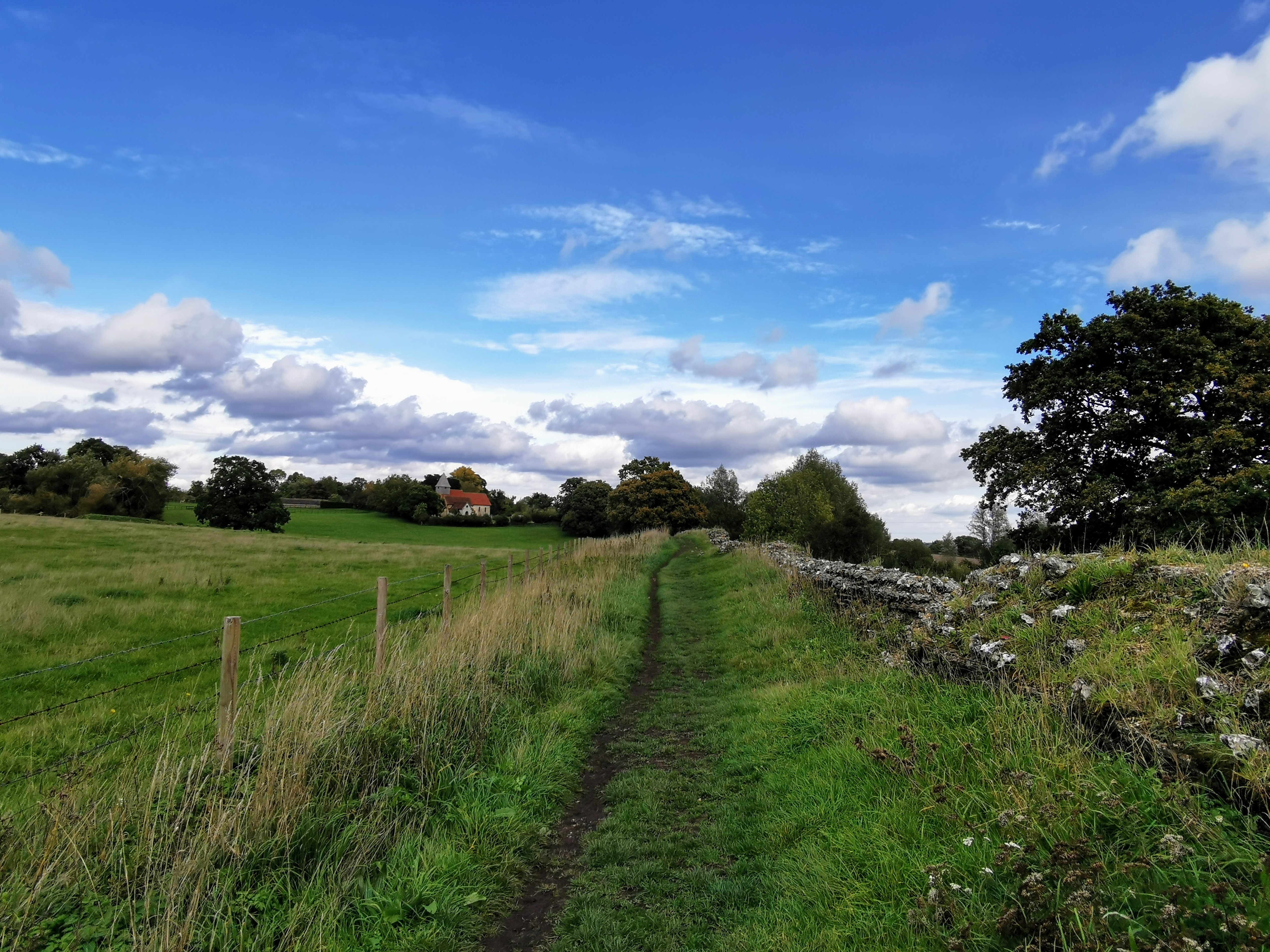
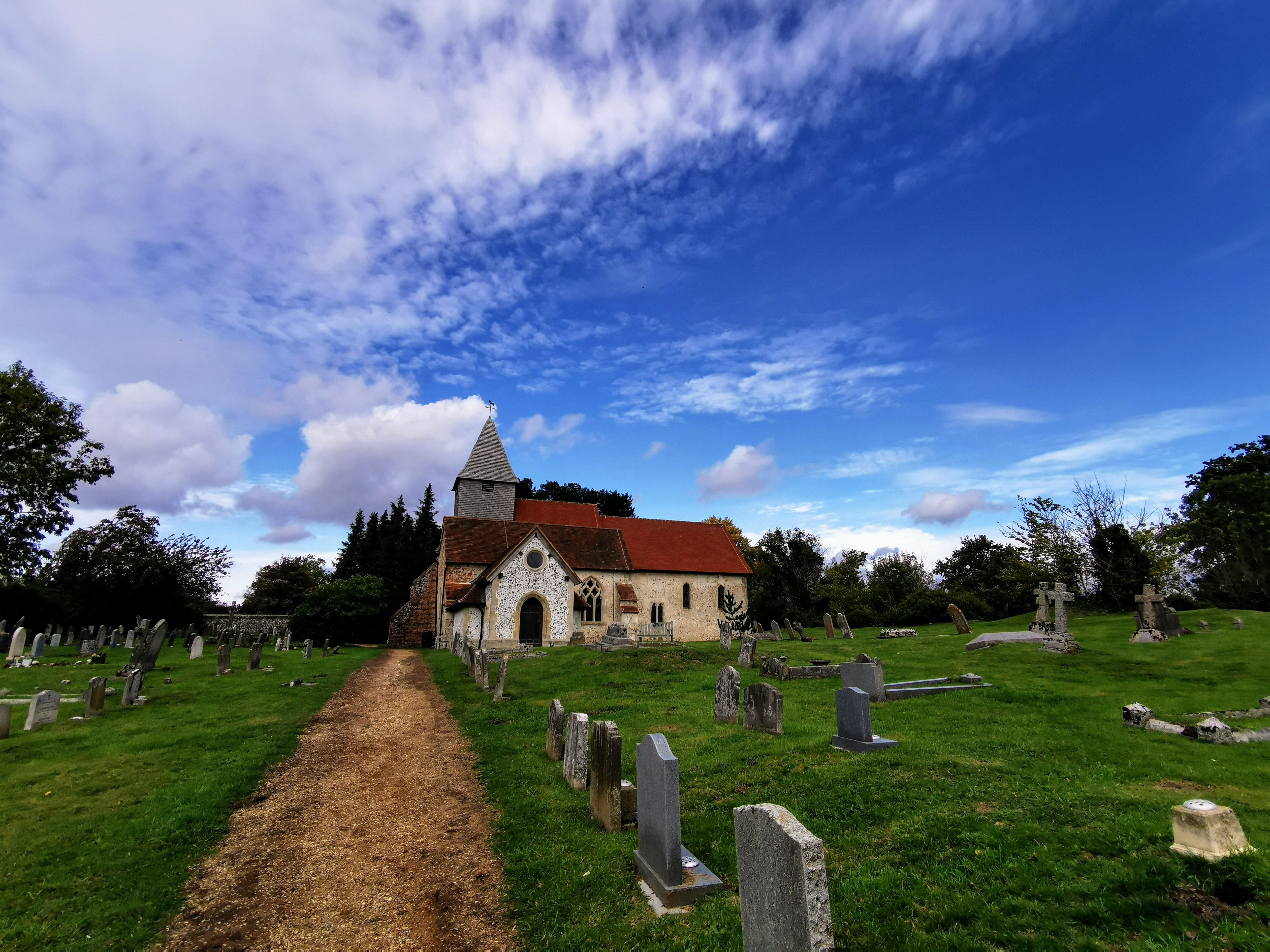
Heading towards the East Gate, the ridiculously picturesque church of Saint Mary the Virgin slowly comes into view. It was built in the 12th century near the site of the Roman temples of Calleva to serve the village of Silchester that grew up a mile away in the 11th century. It seems almost modern compared to the surrounding walls – everything is relative!
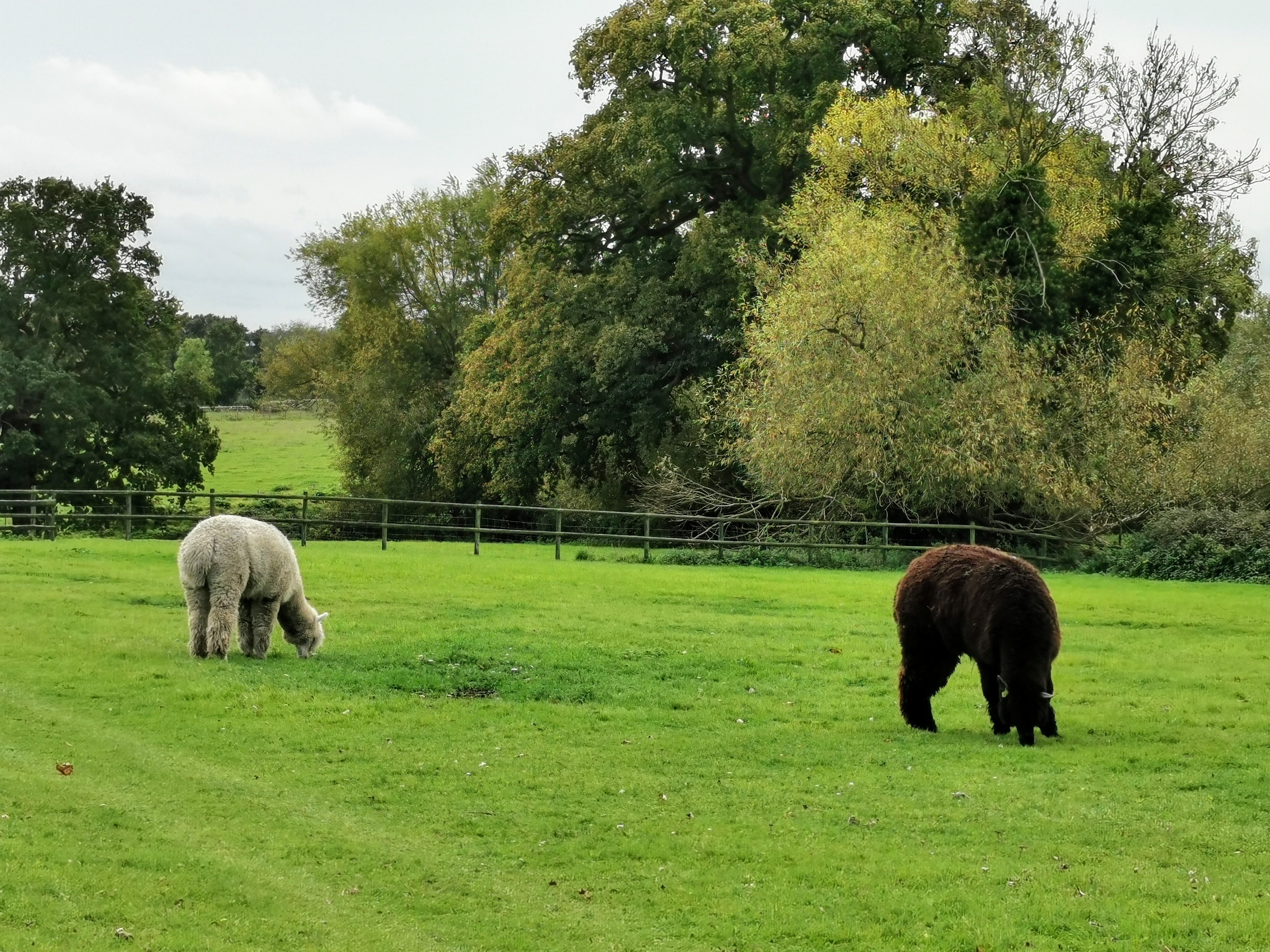
Just to make the whole scene even more idyllic, I pass from the churchyard into a field of cute and cuddly alpacas. Not that they are the slightest bit interested in me, they’re busy eating grass.
Just past the church, I make a detour outside the walls and across the nearby lane to visit the Roman Amphitheater. Not much more than a large puddle today, this space seated up to 7,000 spectators cheering on gladiators, gory contests involving animals, and public executions. Nice! I think I prefer it how it is now.
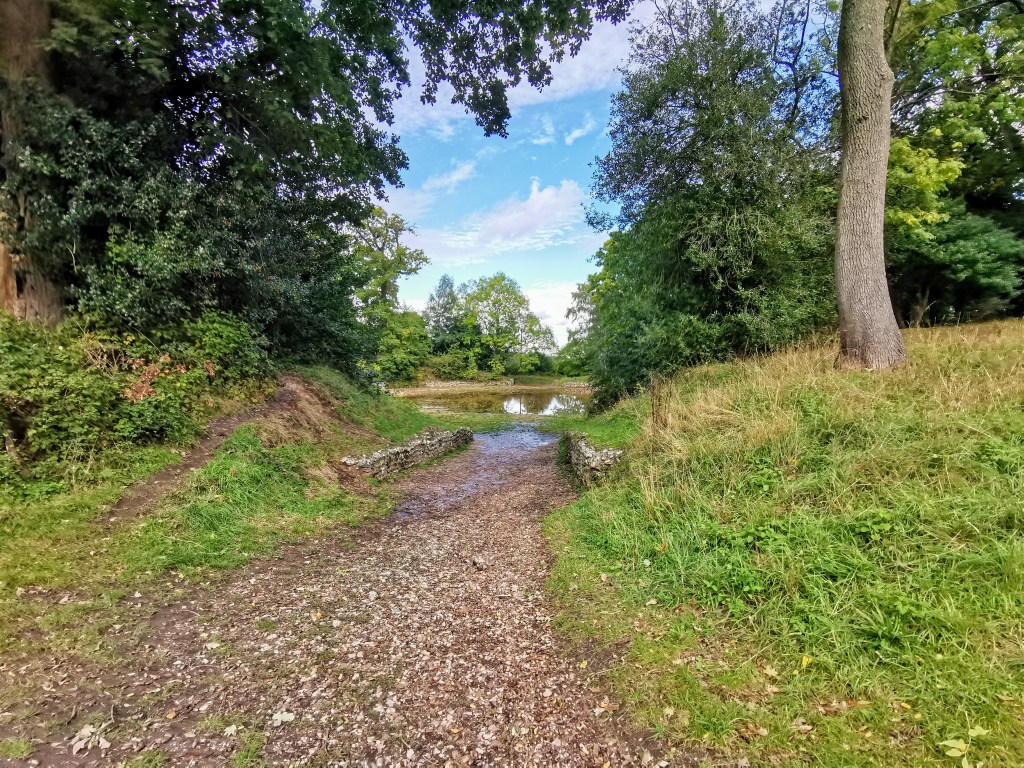
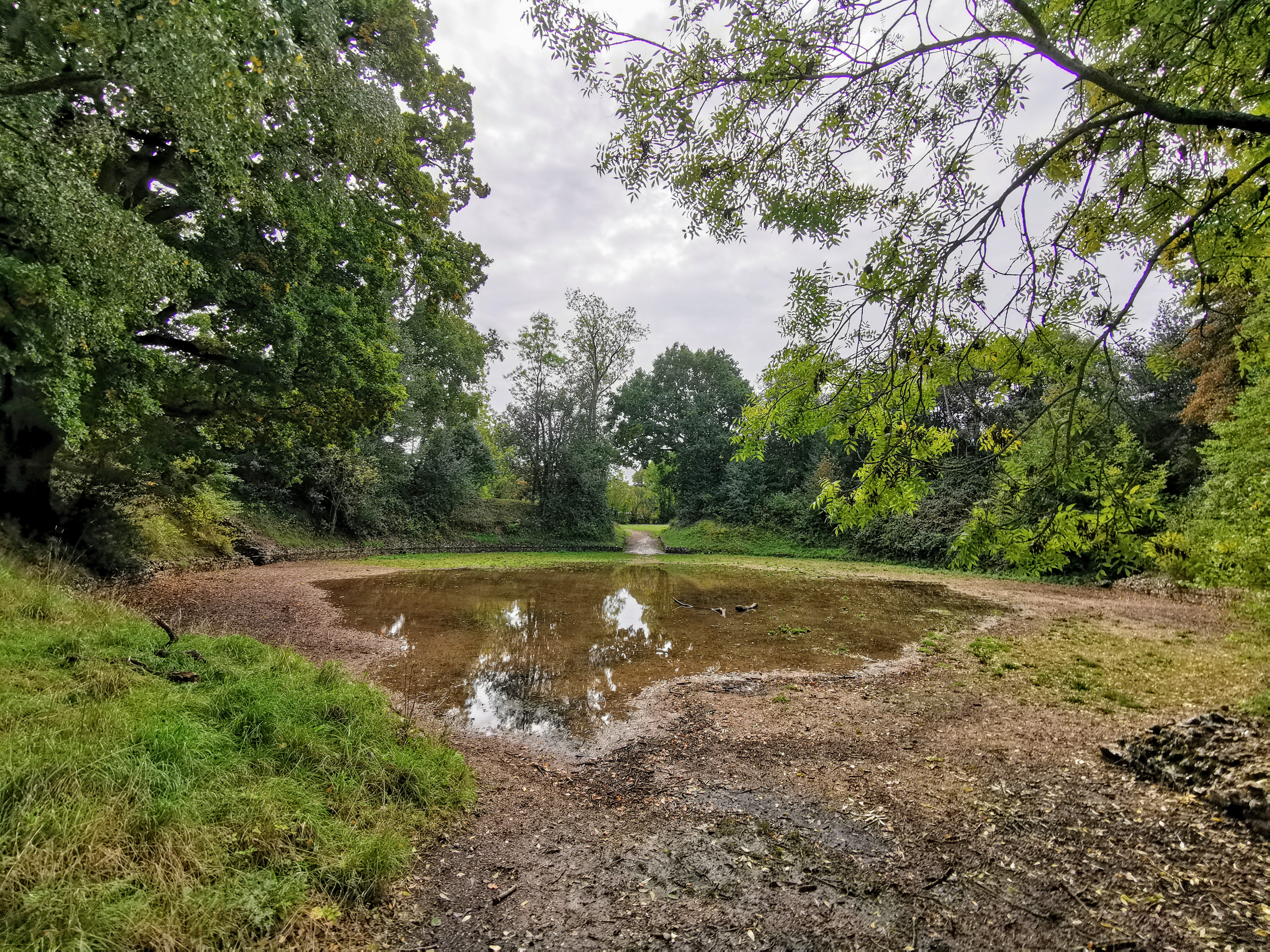
There’s a path around the rop of the amphitheatre, but it’s not for the faint hearted, and probably not advisable if you’re clumsy like me! It’s steep and muddy; brambles and tree branches add to the fun. I’m relieved to make it round with just a few wobbles.
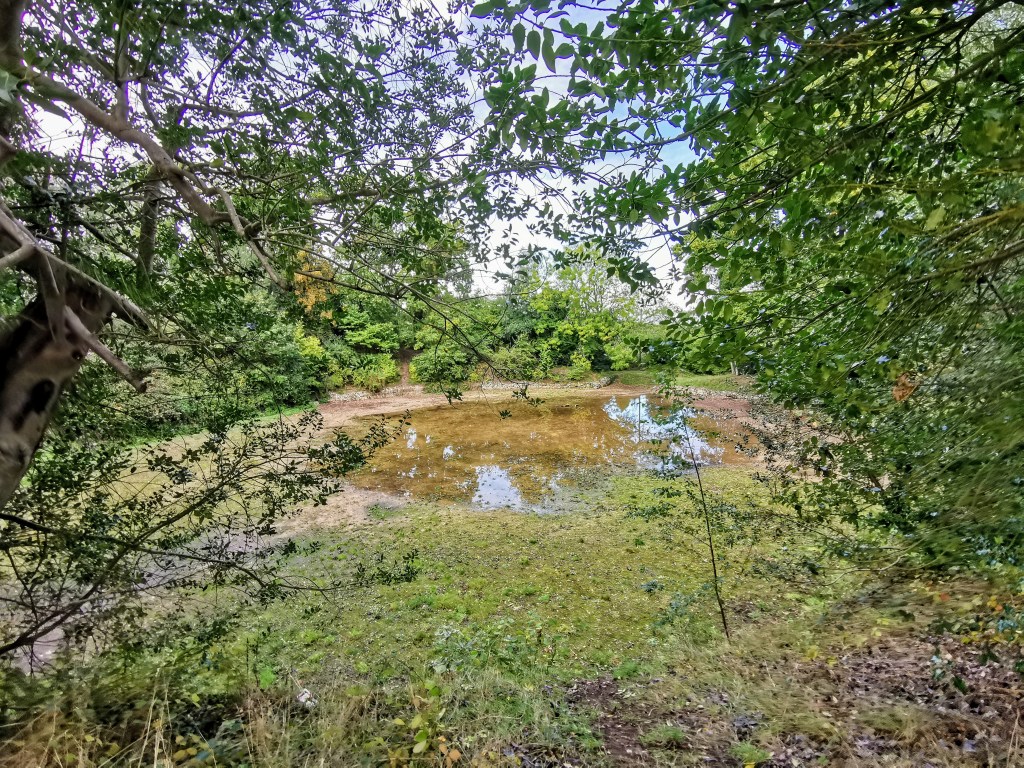
We’re so lucky to have places like this just waiting to be explored. Besides the historical significance, I’m struck by how beautiful and peaceful it is here. I have the place almost to myself, the only sounds are birdsong and the rustling of squirrels in the trees. If I’d brought Lizzie the Labradoodle she would have been in her element, staring intently up into the branches.
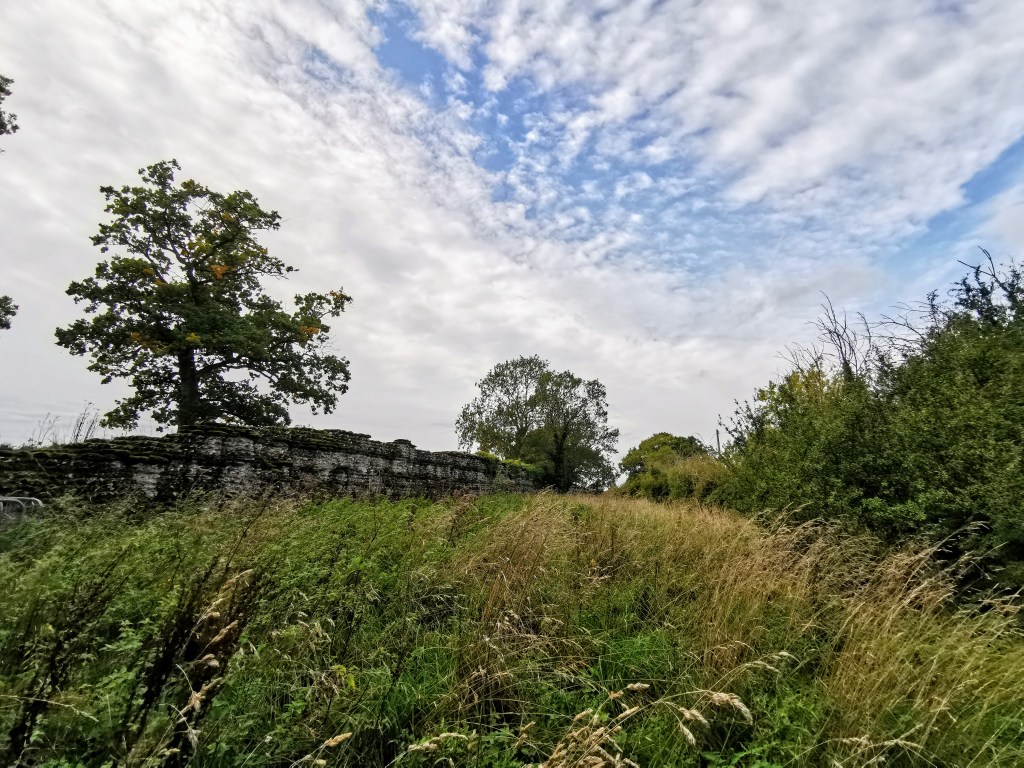
The last stop on my circular walk is the North Gate, from where the road set out for Dorchester on Thames, a place I wrote about just a few weeks ago. Another erstwhile metropolis now sunk into anonymity just like Calleva. Time is the greatest leveller, as in the poem Ozymandias – everything is impermanent and fated to decay at some point.
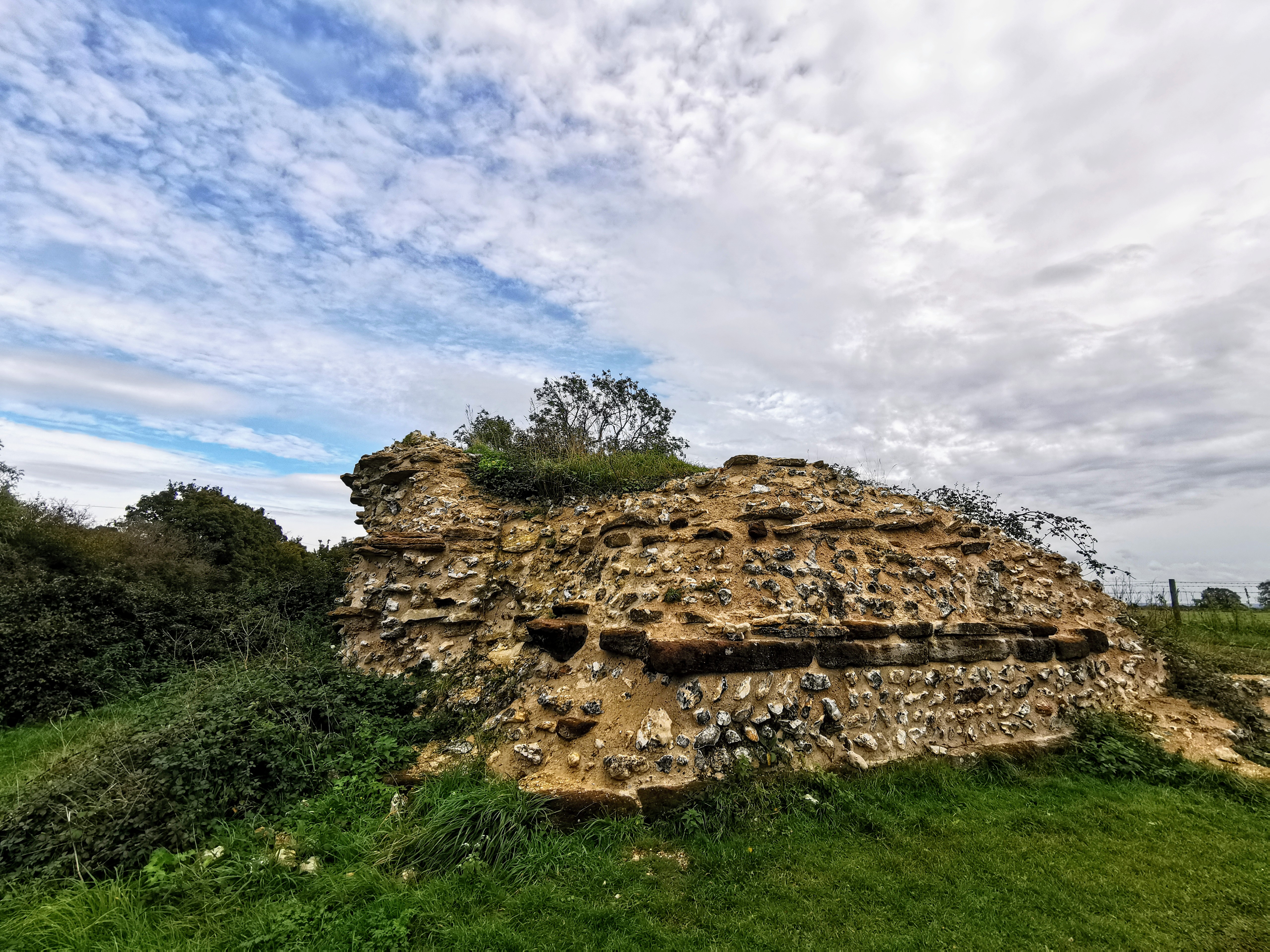
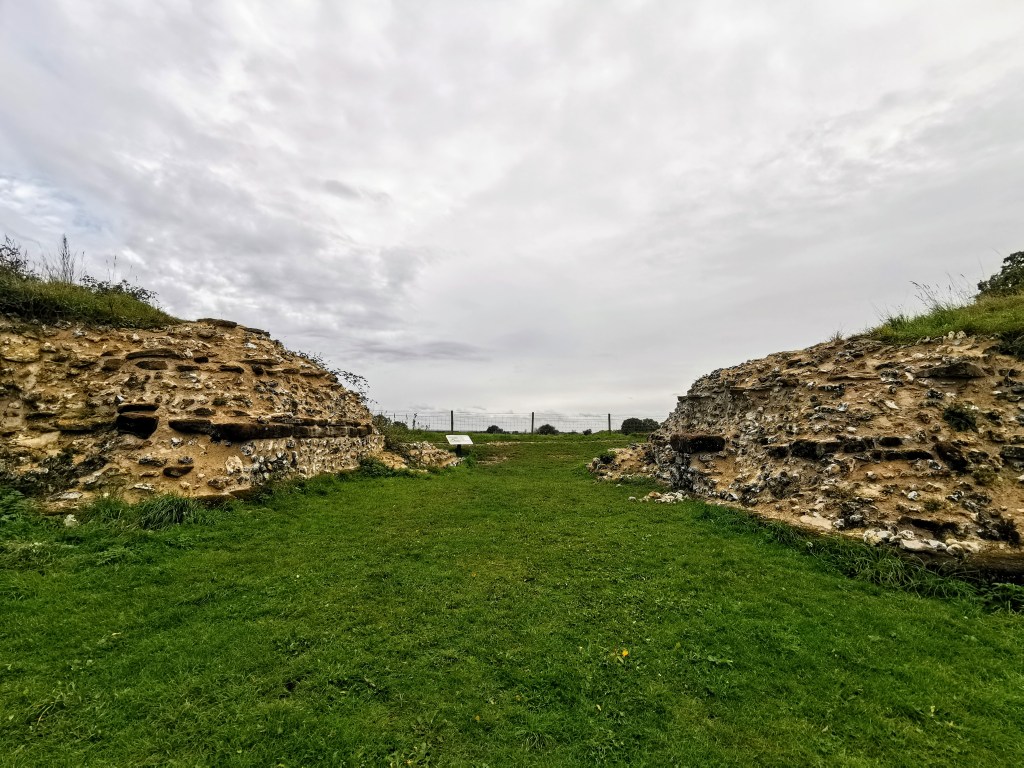
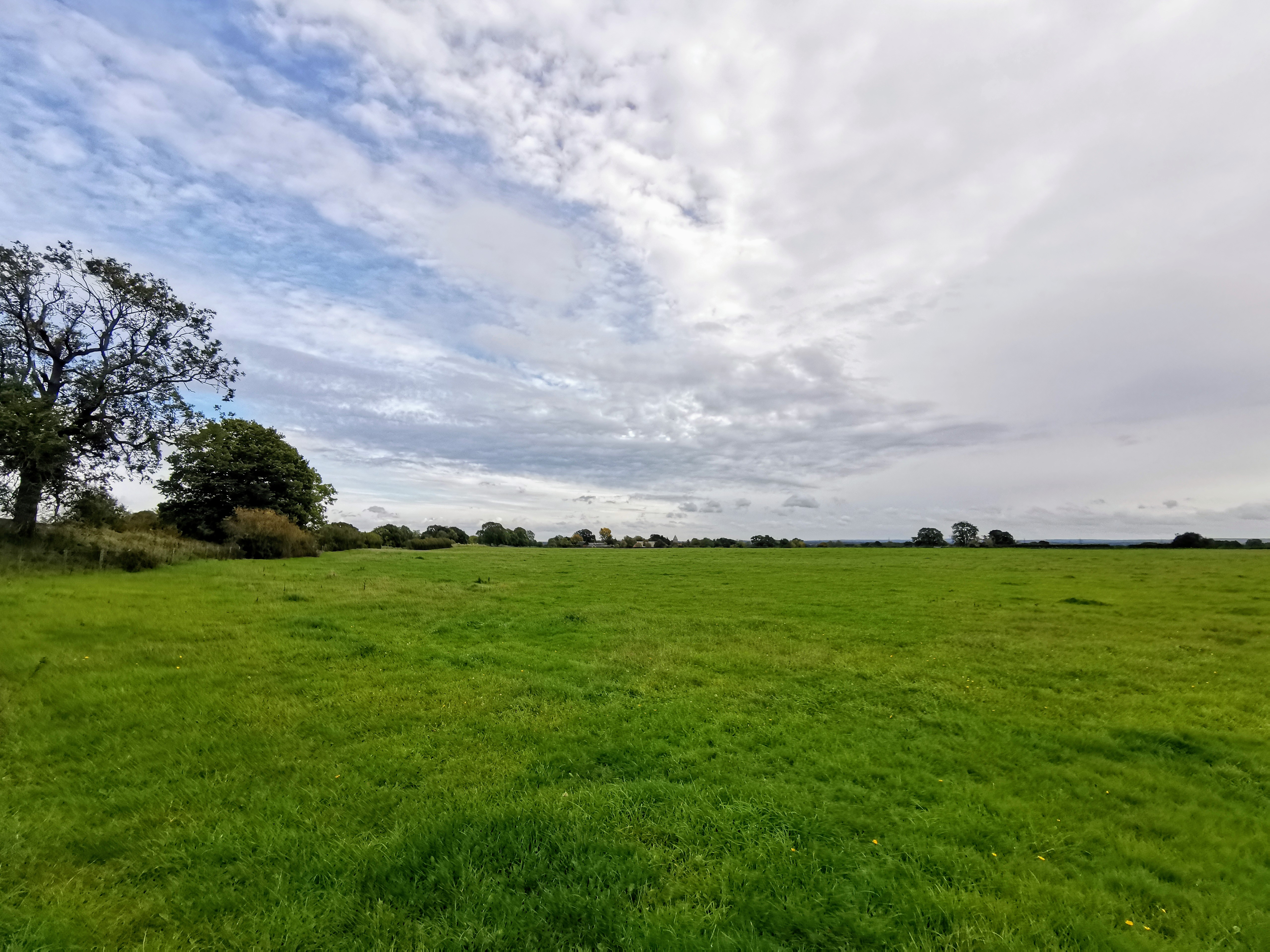
Before I leave, I look back over the quiet fields. For 700 years, this was a bustling settlement full of people going about their daily business, just as we all do. They never imagined that their town would disappear, leaving just crumbling walls, and lines in the fields. Puts things into perspective doesn’t it? Our small lives are pretty insignificant in the grand scheme of things.
That’s enough philosophising for one day I think. I told you this blogging was getting under my skin. Time to head back to the car.
 Steph's Travels